JOIN the AFICIONADOS
Get the insider news and lowdown on what we've been up to, where we've been, and who we've met along the way. Be the first to discover new places and get the scoop on our favourites.

A bench, a bare room, an aperture overhead: James Turrell needs little else to change how you see the sky. From the hillside above Lech to a rooftop in Antwerp, these are his skyspaces and the houses close enough to make an evening of them.
"We ourselves consign the sky its colour," James Turrell once observed. The line reads like a riddle, and his rooms are built to answer it.
Turrell was born in Los Angeles in 1943 and raised in a Quaker household, where silence and waiting for the light were part of daily life. He studied perceptual psychology, learned to fly as a teenager, and in the late 1960s joined the loose company of Californian artists who made light and space their medium. Light has been his only material since. His largest work, Roden Crater, is an extinct volcano in the Arizona desert that he bought in 1977 and has been shaping into a naked-eye observatory ever since. The skyspace applies the same thinking to a single room.
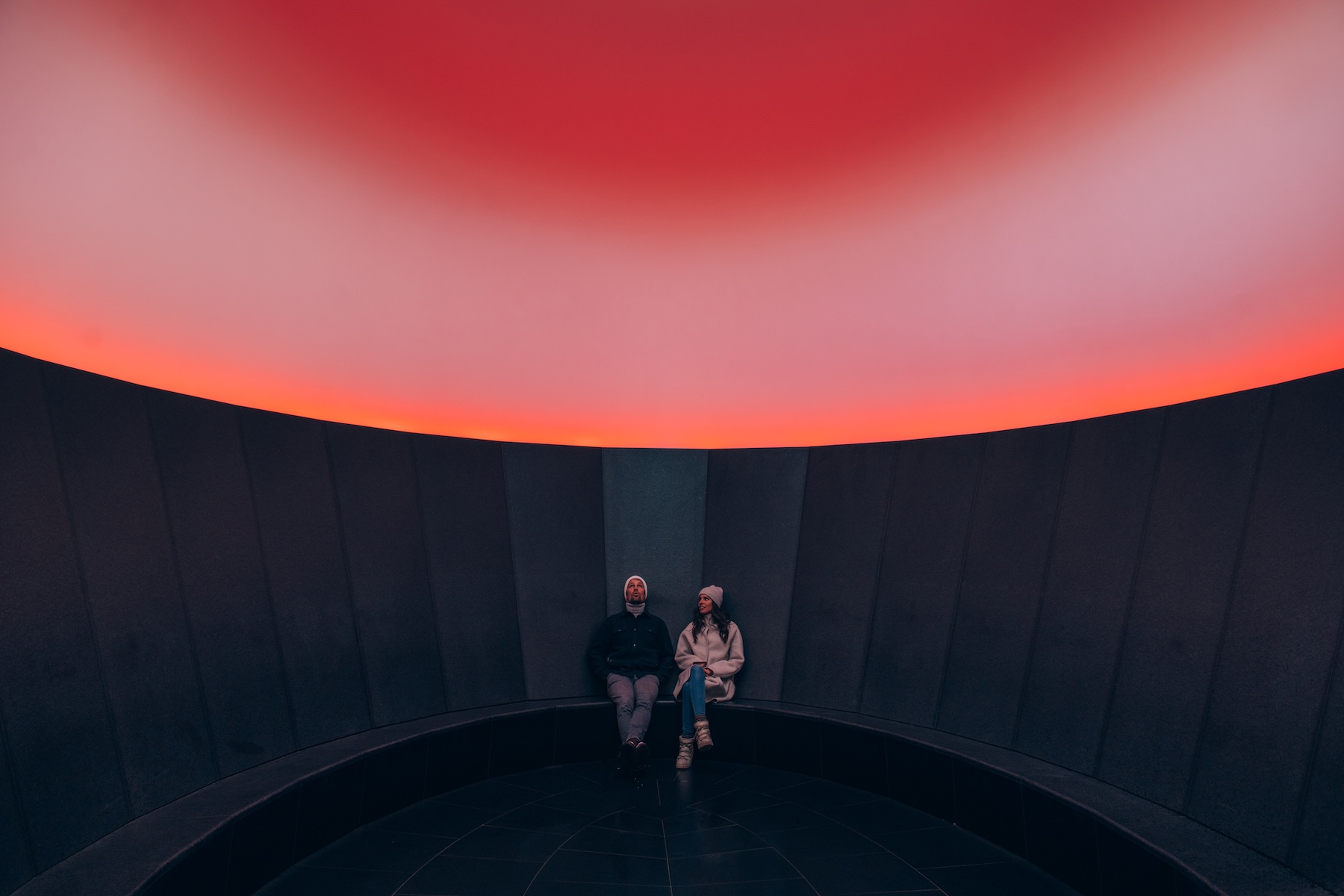
A skyspace is a sealed room with a bench around its walls and an opening cut into the ceiling. Everything depends on the edge of that opening, pared so thin that the sky appears to sit flush with the ceiling plane. With no horizon or frame to measure it against, the eye reads the sky as a flat field of colour held within the room. At dawn and dusk Turrell's own lighting plays on the interior walls, and as the balance between the two lights shifts, the sky takes on colours that seem painted in place. The architecture exists to slow the act of looking. There are now more than seventy-five skyspaces around the world, each tuned to its own site.
Turrell's alpine skyspace opened in 2018 at Tannegg, above Oberlech, at 1,780 metres. Most of it is buried in the hillside: a 15-metre tunnel leads into an oval chamber lined in black granite, with an elliptical opening above and a dome that closes to fill the room with light of no apparent depth. The approach underground withholds the mountain, so the sky returns overhead already framed and flattened. Above ground, the site is aligned with the Biberkopfand the Omeshorn, and the work reads the peaks around it as carefully as the sky. Sessions take thirty people at a time, with ticketed light programmes at sunrise and sunset, booked through skyspace-lech.com.
The Skyspace is one of three works on the mountain above Lech, alongside Antony Gormley's last iron man at the Kriegeralpe and Snøhetta's new Mountain Mirror on the Zugerbergbahn. Each asks the visitor to look again at the same landscape, through a figure, a reflection or a framed patch of sky.
Where to stay. Sonnenhof, a Walser house of 1393 restored by its architect owners, sits beneath the Omeshorn, the peak the Skyspace keeps in its sights, and is taken whole by the week. At Zug, Haus W, a shingled Walser lodge of 1609 opened at the end of 2025, lets four bedrooms singly by the night.
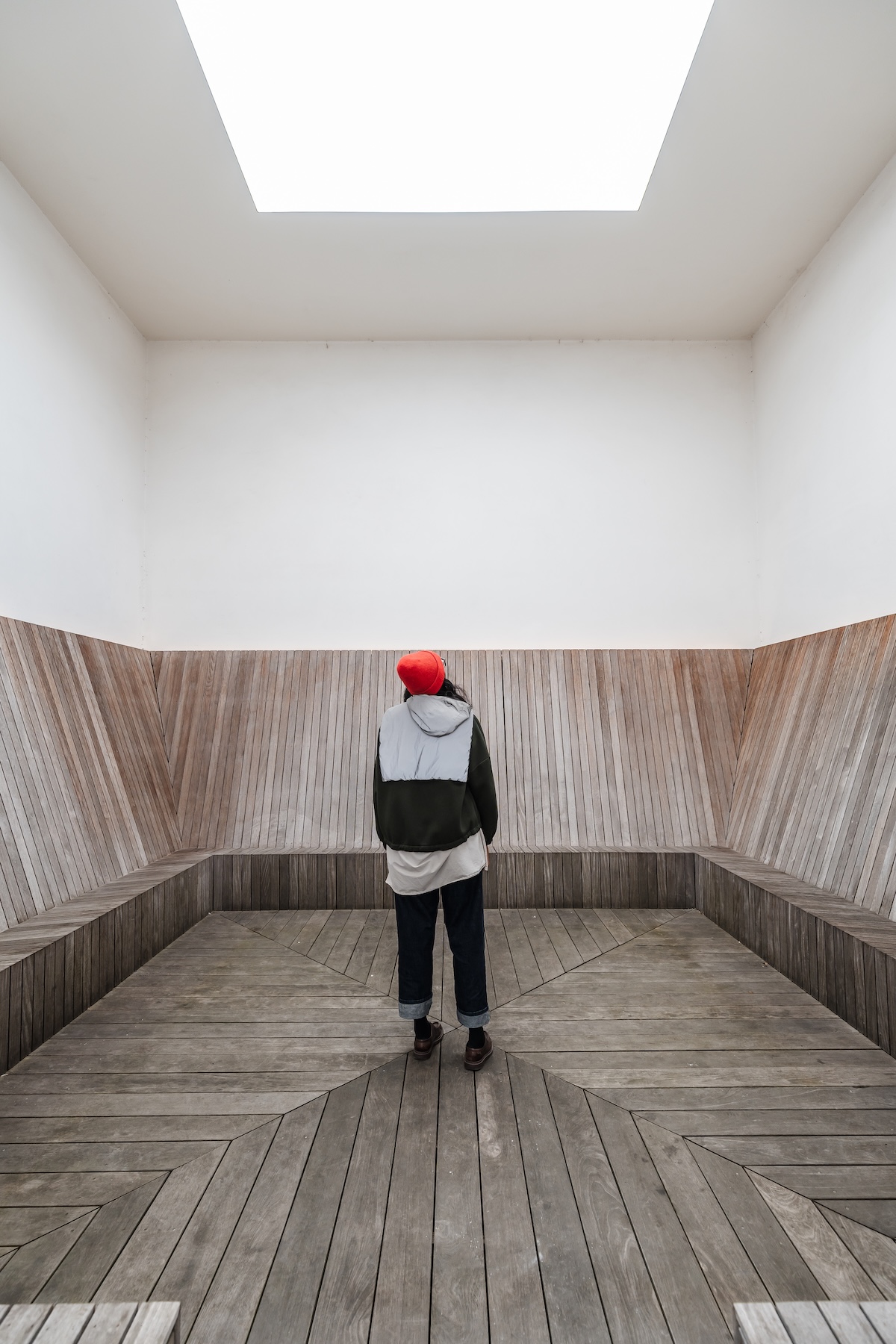
Antwerp's skyspace is one of Turrell's earliest in Europe. Installed on the rooftop terrace of M HKA, the city's museum of contemporary art, in 1994 and restored in 2013, it is a plain cube of 6.5 by 6.5 metres with benches, one door and a square cut in the ceiling. By day the square holds passing cloud. At dusk it deepens through blue into a black dense enough to read as velvet stretched across the ceiling. The open door keeps the city in sight throughout, setting ordinary evening light beside the light Turrell has framed. In a city of Rubens and raw concrete, it is the most reduced work Antwerp has to offer. Rooftop access follows the museum's programme.
Where to stay. August, Vincent Van Duysen's reworking of a former Augustinian convent and chapel, shares Turrell's attention to light and stillness. Hotel Julien is a townhouse in the historic core, with a rooftop terrace of its own.
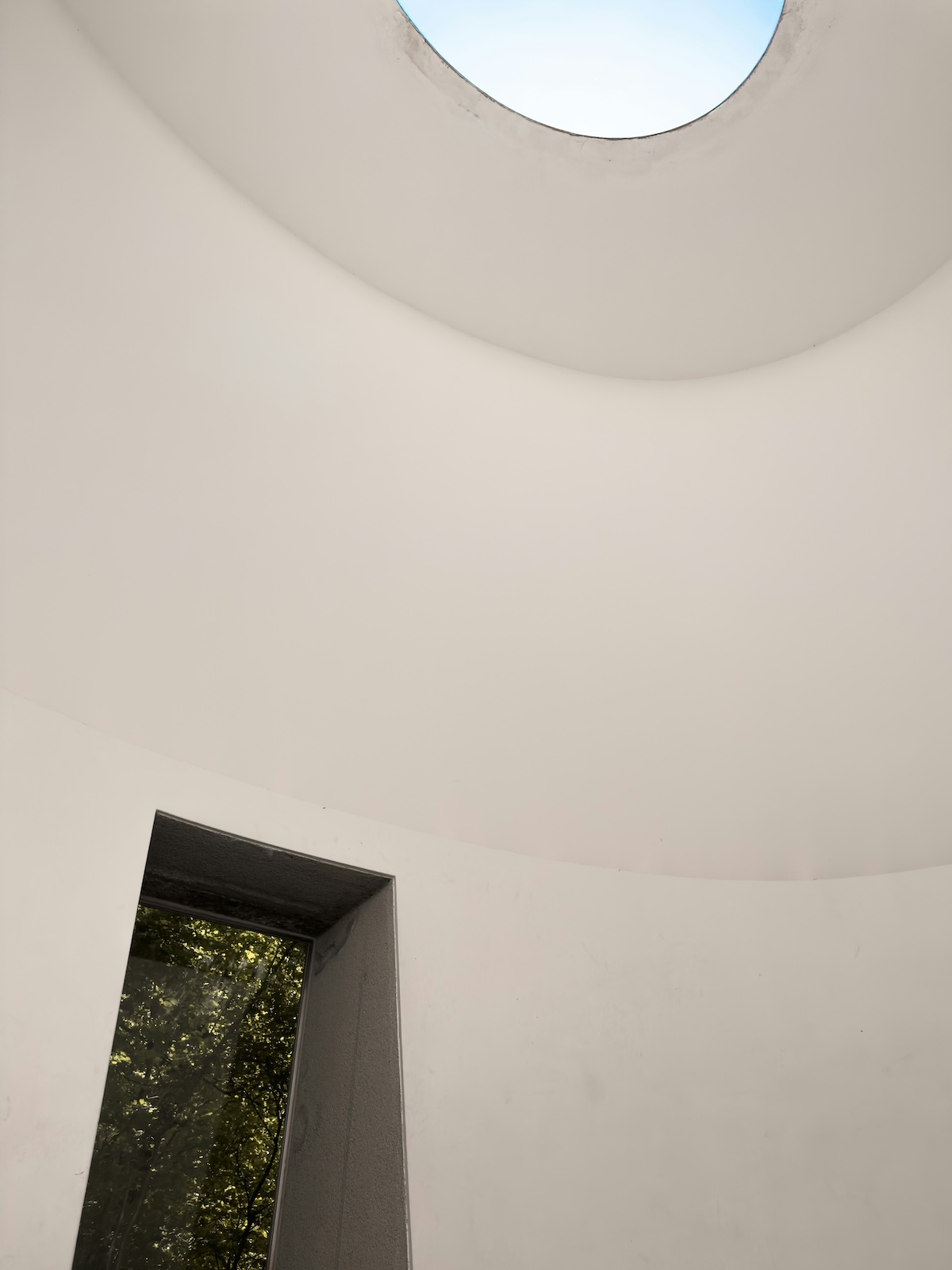
Turrell's Sky-Space of 2006 sits on the Mönchsberg, the cliff above the old town, a short walk from the Museum der Moderne, and is one of the stops on the city's free sculpture route (Salzburg's modern art walk). Its elliptical room and bench follow the pattern set at Lech and Antwerp, placed this time above a baroque skyline of domes and spires, so the work lifts the eye above one of Europe's most looked-at cityscapes. Blaue Gans on Getreidegasse, a coaching inn since 1350 with a curatorial streak, is close to the lift that rises through the rock to the summit.
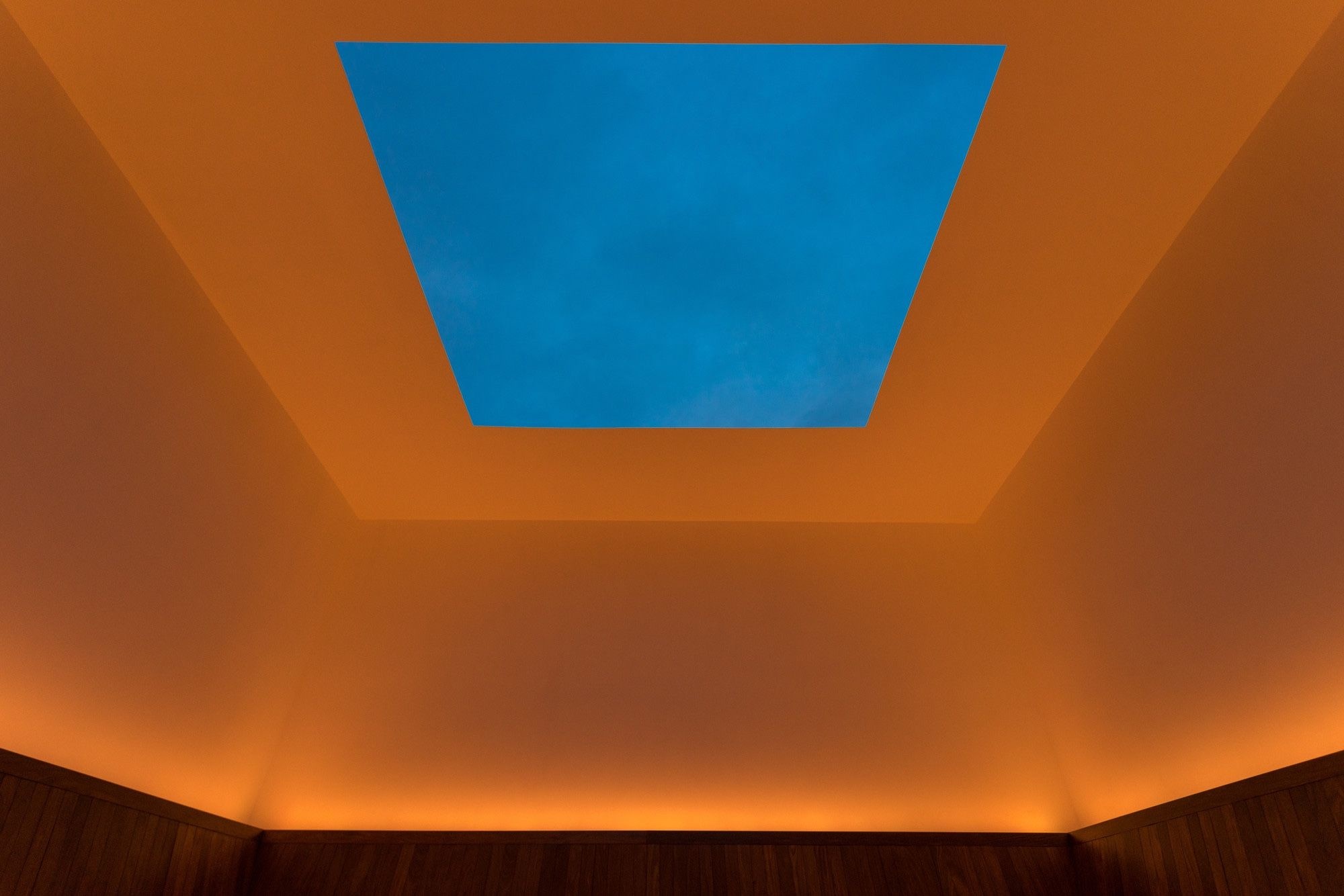
In New York, Turrell's Meeting (1986) occupies a room at MoMA PS1 in Long Island City, its roof sliding back at dusk. Stay at The Greenwich Hotel in TriBeCa. In Japan's Niigata prefecture, his House of Light (2000) at Tokamachi, part of the Echigo-Tsumari art field, carries the skyspace into domestic architecture: guests sleep beneath a sliding roof in a house made for watching the sky. Auberge Né, a one-suite eco house and restaurant in the rice country of Shibata in the same prefecture, is the place to stay.
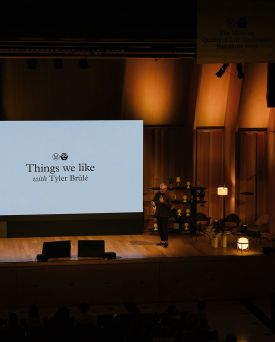
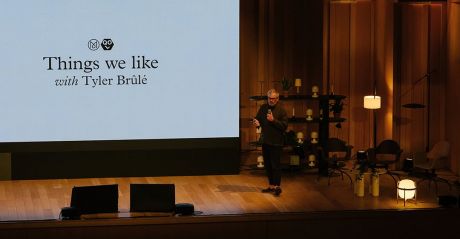
Meet the voices taking the stage at Monocle's Quality of Life Conference 2026 in Lisbon: mayors, architects, designers and makers shaping how we live in cities.
read more
A think tank for the bold, the curious, the creators of tomorrow. Where minds collide, conversations spark, and urban life gets redefined. If you shape the future, you belong here.
read more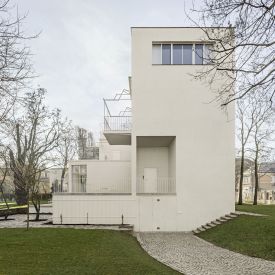
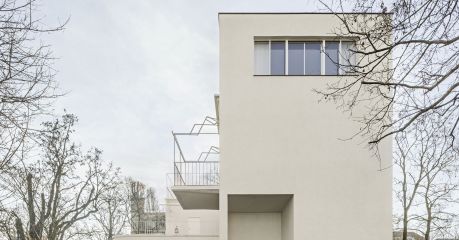
Josef Frank’s Villa Beer reopens in Vienna in 2026 following a careful restoration, offering rare access to one of his most important architectural works and a deeper understanding of the ideas that later shaped his celebrated interiors and textiles for Svenskt Tenn.
read more

Monocle's Quality of Life Conference returns to Lisbon this September, three days of ideas, design and city living at the Gulbenkian. Here's who and what to expect.
read more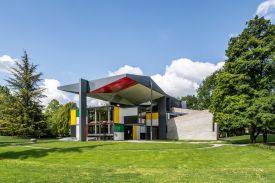
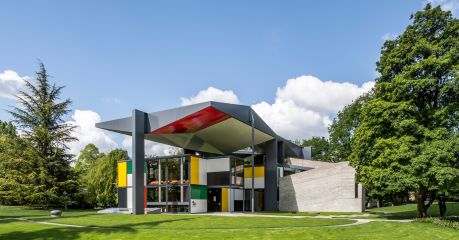
The Pavilion Le Corbusier, located in Zurich, pays homage to an architect who was the forerunner of urban design, a pioneer of sustainability, and a leader of modernism.
read more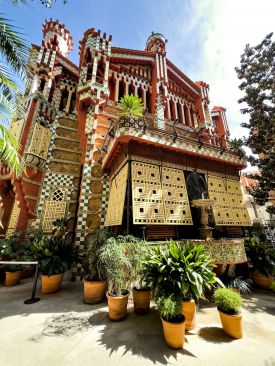
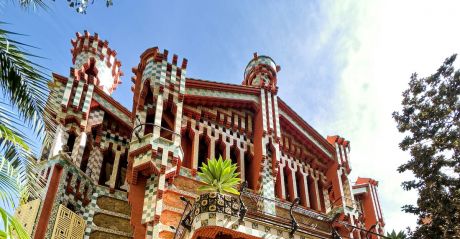
Gorgeously flamboyant, Casa Vicens is a riot of colour and fantastical architectural detailing - bearing the hallmarks of Barcelona hero, Antoni Gaudi.
read more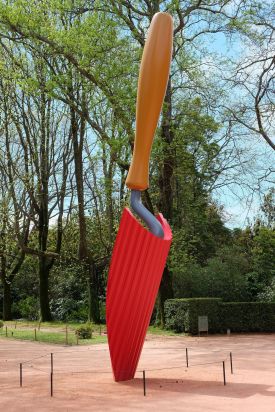

Porto for culture seekers - we explore the Serralves Foundation comprising of a dusty pink 1930-40s’s Art Deco villa designed by Porto architect José Marques da Silva, a landscape-specific contemporary museum designed by Álvaro Siza.
read more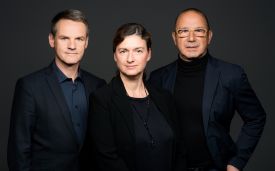

Museion in Bolzano, Italy, strikes a standout cubic pose created in reflective aluminium over five floors. Home to the modern and contemporary art museum designed by architects Krüger Schuberth Vandreike.
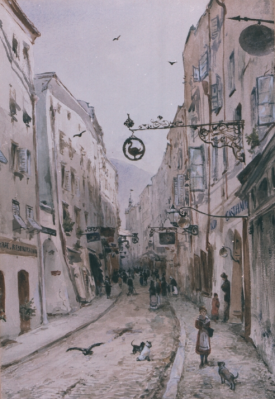
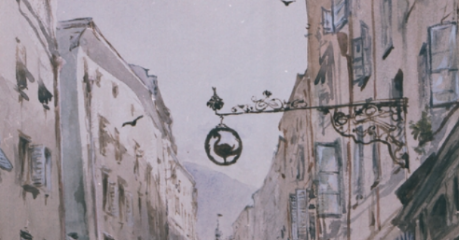
When dealing with one of the oldest buildings in Salzburg, it takes the architect’s clever manipulation of architecture and design to create an exciting, inspiring atmosphere that coverts the old and the new to extreme yet complimentary dimensions.
read more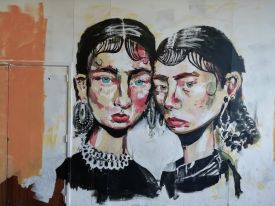
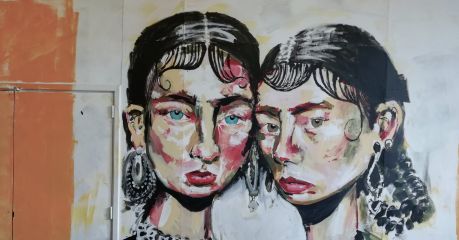
Lisbon, Portugal's legendary capital simply bursts with heritage, azulejo tiles, Pastéis de Nata & art - this is a design guide you can shop, see & drink.
read more

Zaha Hadid Architect's coastal Salerno Maritime Terminal in Cilento, Italy carries her hallmark curves inspired by oysters and the waves, a coastal landmark.
read more
Just off Rue des Martyrs in Paris, in the 9th arrondissement, Zeuxis Contemporary Art Gallery created by Amélie du Chalard is the Maison d'Art Amelie - a showcase for paintings, engravings, sculptures, photographs, videos and works of art set within a magnificent apartment.
read more
Get the insider news and lowdown on what we've been up to, where we've been, and who we've met along the way. Be the first to discover new places and get the scoop on our favourites.