
JOIN the AFICIONADOS
Get the insider news and lowdown on what we've been up to, where we've been, and who we've met along the way. Be the first to discover new places and get the scoop on our favourites.

Andorra is a country of valleys, and its people call it that: the Valls d'Andorra, seven parishes (parròquies) folded into 468 square kilometres of the eastern Pyrenees between Catalan Spain and the French Ariège. Andorra la Vella, at 1,023 metres, is Europe's highest capital, and Catalan is the only official language.
Under the pareatges of 1278 and 1288, sovereignty was split between the Bishop of Urgell and the Count of Foix, whose half passed in time to the French head of state, so Andorra is still a co-principality with two absent princes. Parliament met from 1702 in Casa de la Vall, a fortified house built in 1580 in the capital's old quarter, and a written constitution came only in 1993.
Some forty Romanesque churches survive in the valleys, including Santa Coloma, with its rare circular bell tower, and Sant Joan de Caselles above Canillo. The Madriu-Perafita-Claror valley is a UNESCO cultural landscape, roughly a tenth of the country, reached only on foot.
The Valira del Nord and the Valira d'Orient meet at Escaldes-Engordany to form the Gran Valira. Coma Pedrosa is the summit at 2,942 metres, and the Port d'Envalira the highest paved pass in the Pyrenees. Grandvalira Resorts links the country's three ski areas, 308 kilometres in all, on one pass, and the table stays mountain Catalan: escudella, trinxat, tupí cheese.
No railway or commercial airport reaches here. La Seu d'Urgell lies ten kilometres south, and Barcelona and Toulouse are each about three hours by road.
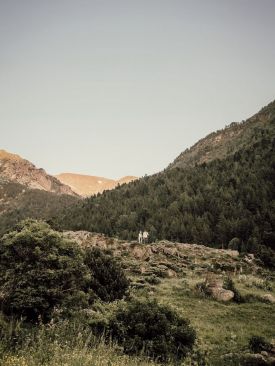
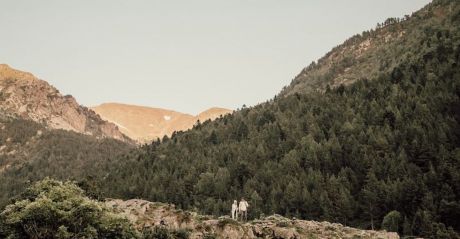
A glacial valley east of Canillo that climbs three kilometres and stops against the mountains: Andorra's best walking, high lakes, and one place to stay.
read more
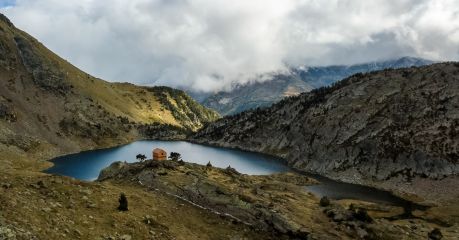
Seven valleys, seven keys: a padlocked archive in a 1580 parliament, a bishop and a president as princes, forty Romanesque churches, one UNESCO valley with no road in.
read more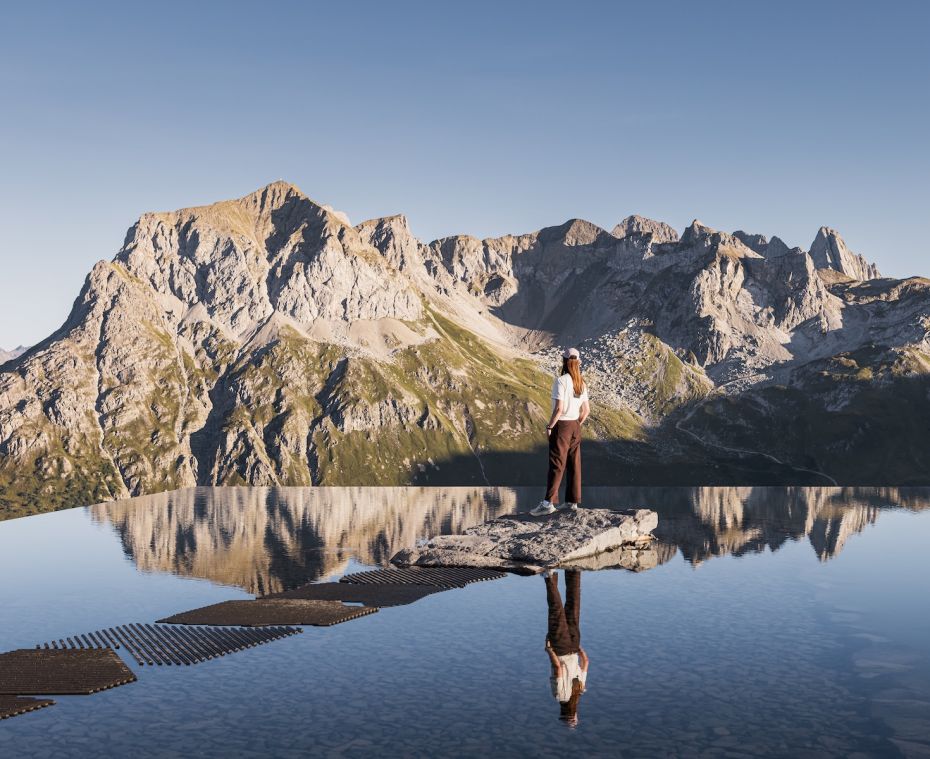
Get the insider news and lowdown on what we've been up to, where we've been, and who we've met along the way. Be the first to discover new places and get the scoop on our favourites.