JOIN the AFICIONADOS
Get the insider news and lowdown on what we've been up to, where we've been, and who we've met along the way. Be the first to discover new places and get the scoop on our favourites.

Few countries carry their history so close to the surface. The greenstone hills of Mpumalanga hold rock formed more than three billion years ago, among the oldest exposed crust on the planet. North of Johannesburg, the caves of the Cradle of Humankind have given up more early hominin fossils than any site on earth. And in Blombos Cave, above the southern Cape coast, someone ground ochre into pigment a hundred thousand years ago and later cut a careful crosshatch into it, which is about as close as the record comes to the first mark made for the pleasure of making it.
The land does the rest of the talking. A high interior plateau falls away at the Great Escarpment to a coastal belt on three sides. The Karoo spreads across the middle, dry and enormous. In the southwest the Cape Fold Mountains run in long parallel ranges of sandstone. Two oceans meet at the foot of the continent, the cold Atlantic against the warm Indian, and they split the weather in two, so the Cape takes its rain in winter, and the rest of the country takes it in summer storms.
Twelve languages are official, and the oldest belong to the Khoi and the San, who moved across this country for millennia before anyone arrived by sea. Everything since has settled in layers, and it is heard most clearly in the food and seen most clearly in the way people build. The whitewashed farmsteads of the Western Cape are the best known, some carrying great scrolled gables and many more built plain, long and one room deep. The Karoo works in stone and corrugated iron. The Ndebele paint their walls in hard geometric colour, and across the grasslands the rondavel keeps its perfect circle.
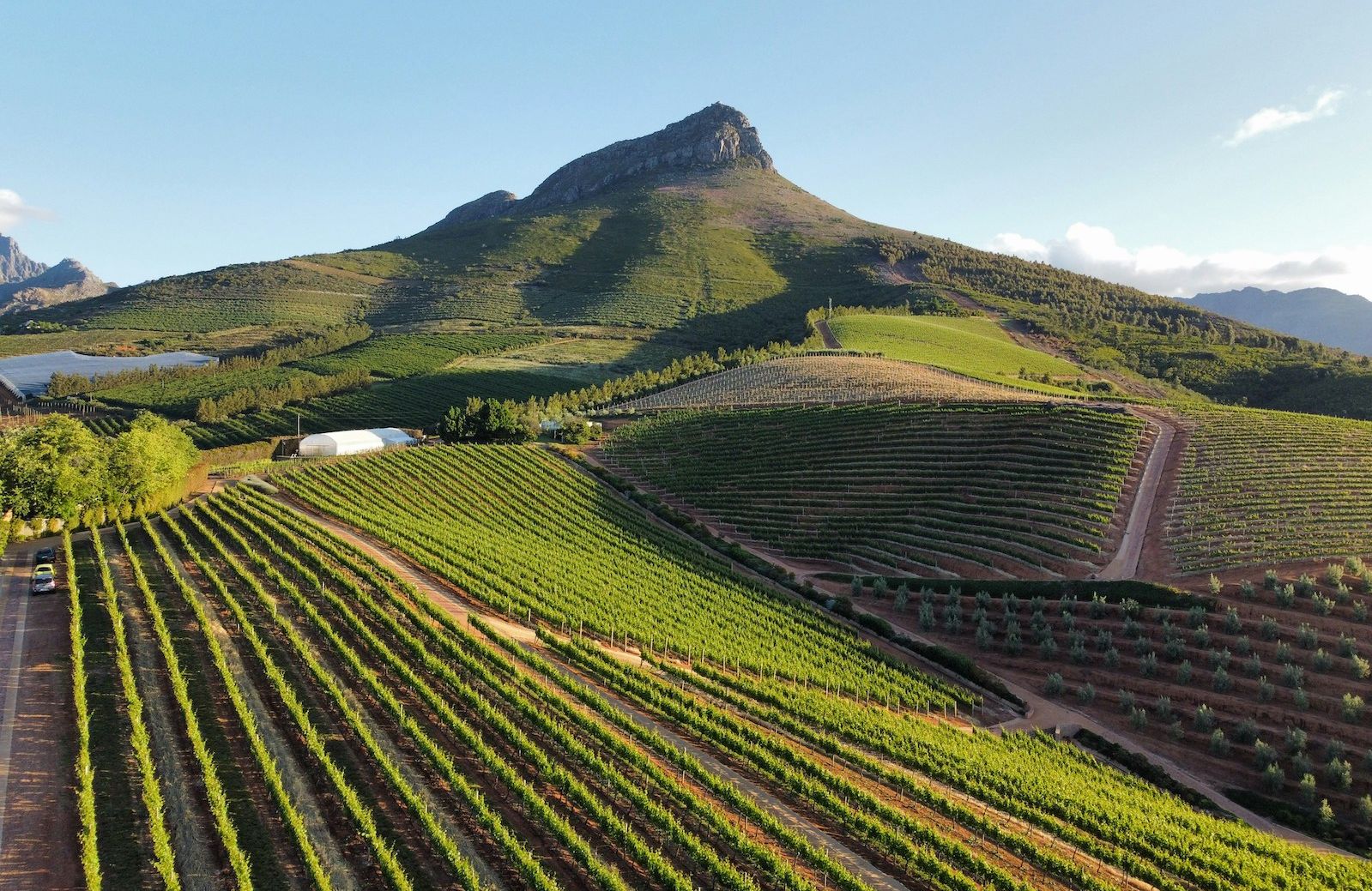
What is happening now is a generation taking these old buildings on with real confidence, keeping the lime plaster and the beams and leaving the rest original. The vine has been in the ground since 1659, and the past twenty years have added growers working old dry-farmed bushvines with an exceptionally light hand, nowhere more so than in the Swartland, an hour north of Cape Town.
Timing depends on which half of the country is in question. The Cape is at its best from November to April, with harvest in February and March. The bushveld is finest from May to September, when the grass is down and the mornings are cold and clear.
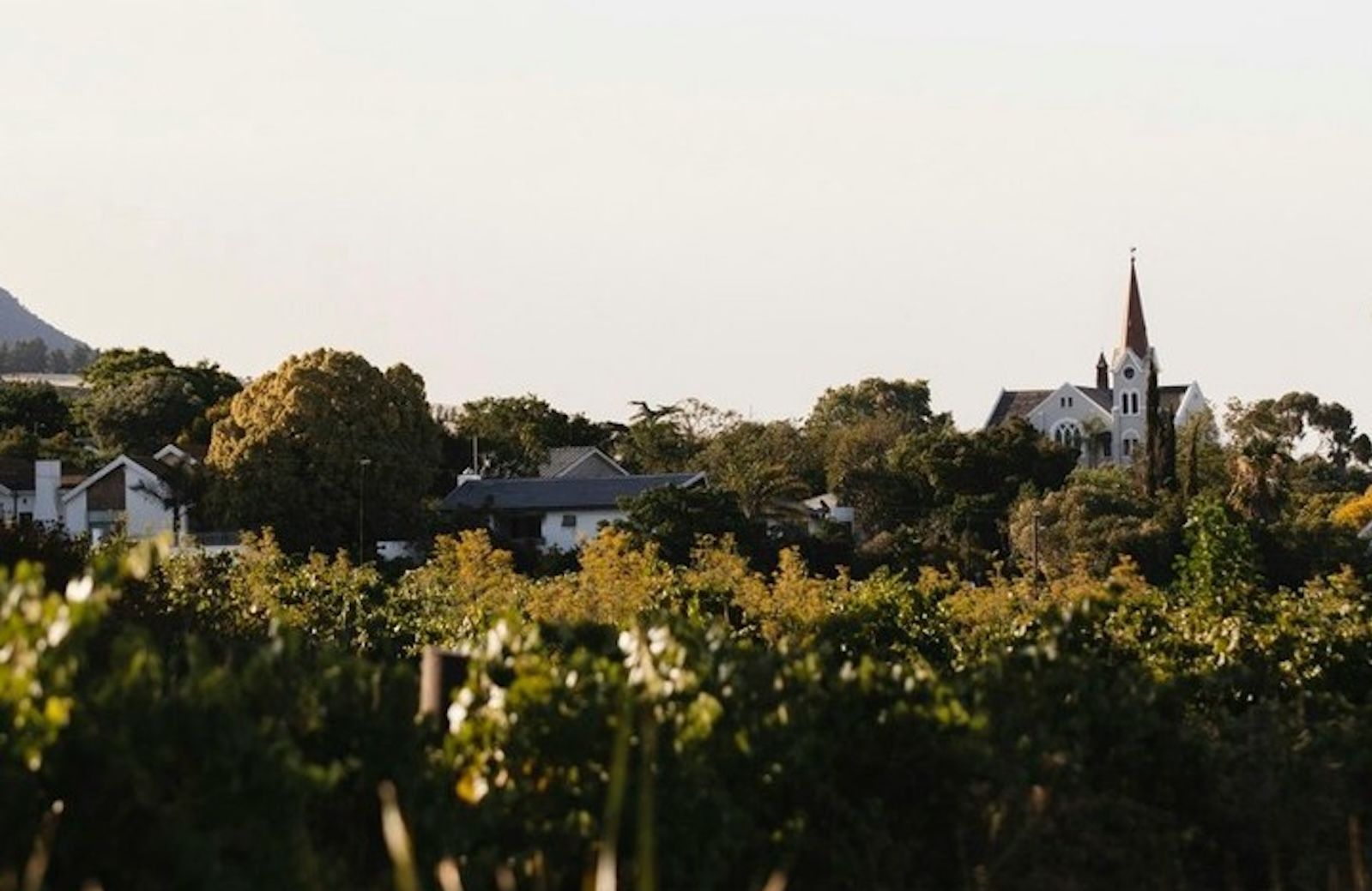
One of South Africa's oldest villages, low and white beneath the Kasteelberg: olives, old vines, galleries and good eating, an hour north of Cape Town.
read more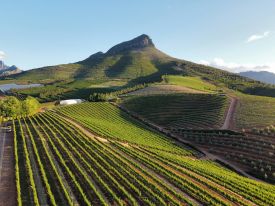
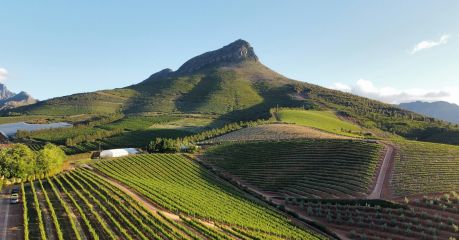
Folded sandstone mountains, the richest flora on the planet, the winter rain that explains the vine: South Africa's oldest buildings stand in its finest valleys.
read more
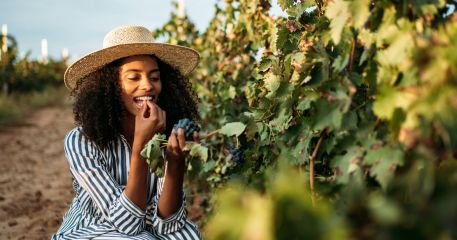
Wheat, olives and old bushvines on granite and shale, farmed by growers who share cellars, lend hands at harvest and put up almost no signage.
read more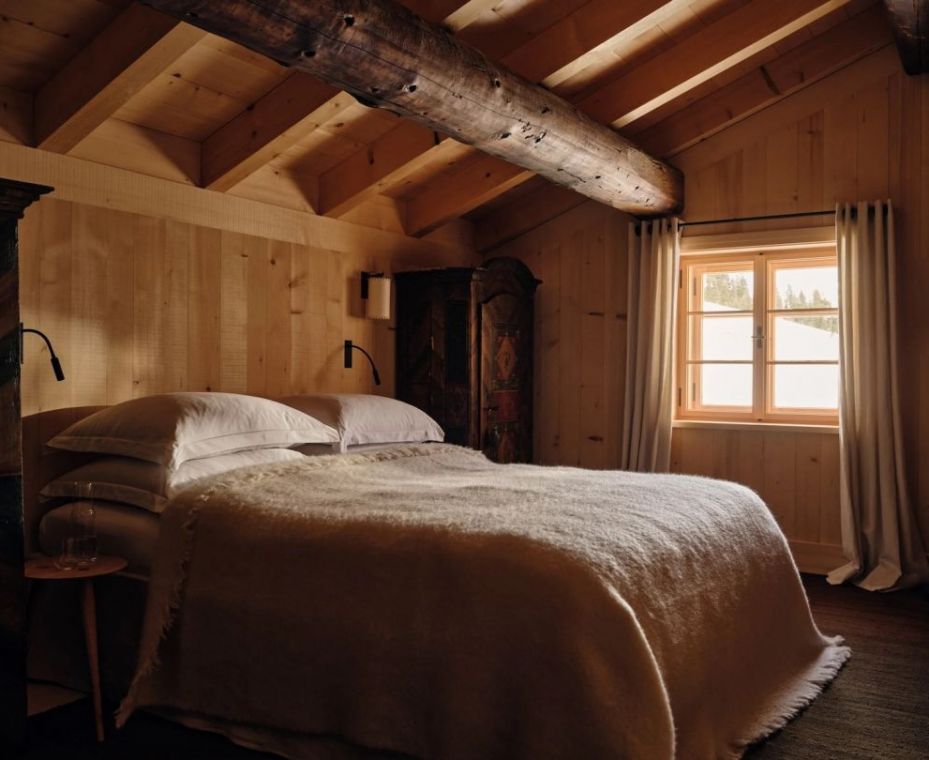
Get the insider news and lowdown on what we've been up to, where we've been, and who we've met along the way. Be the first to discover new places and get the scoop on our favourites.