JOIN the AFICIONADOS
Get the insider news and lowdown on what we've been up to, where we've been, and who we've met along the way. Be the first to discover new places and get the scoop on our favourites.

How a valley of wheat and olives an hour from Cape Town became the most closely watched wine country in South Africa.
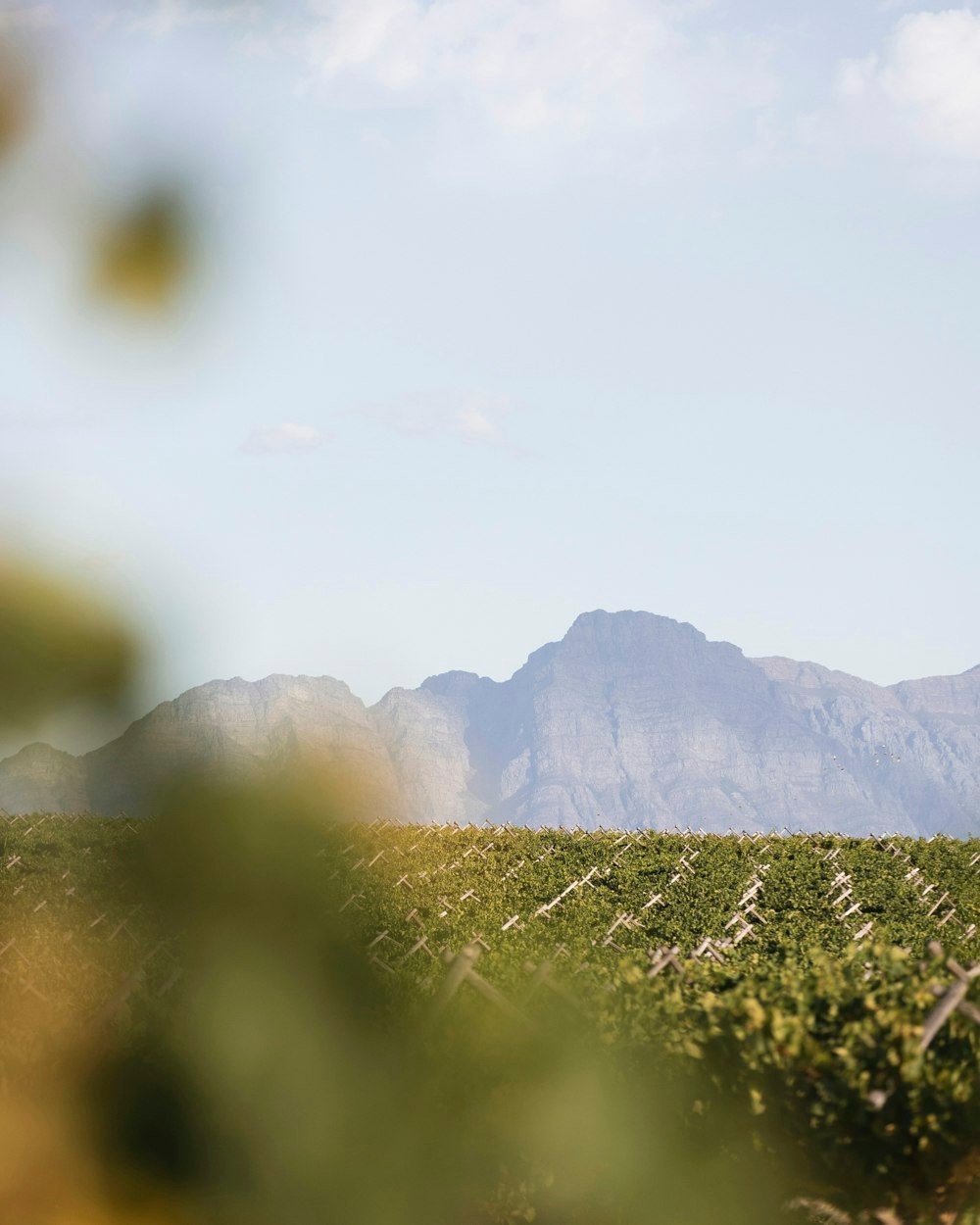
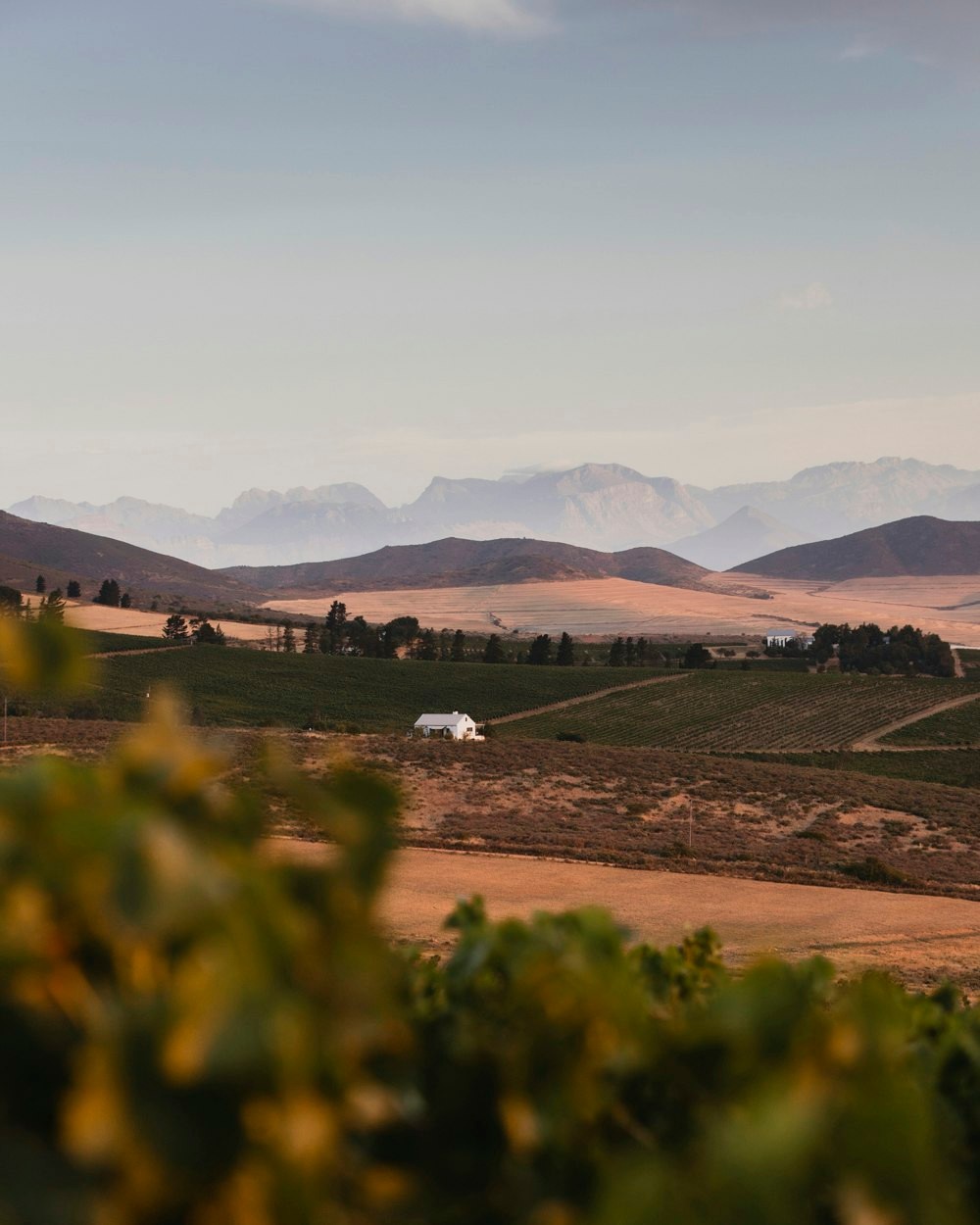
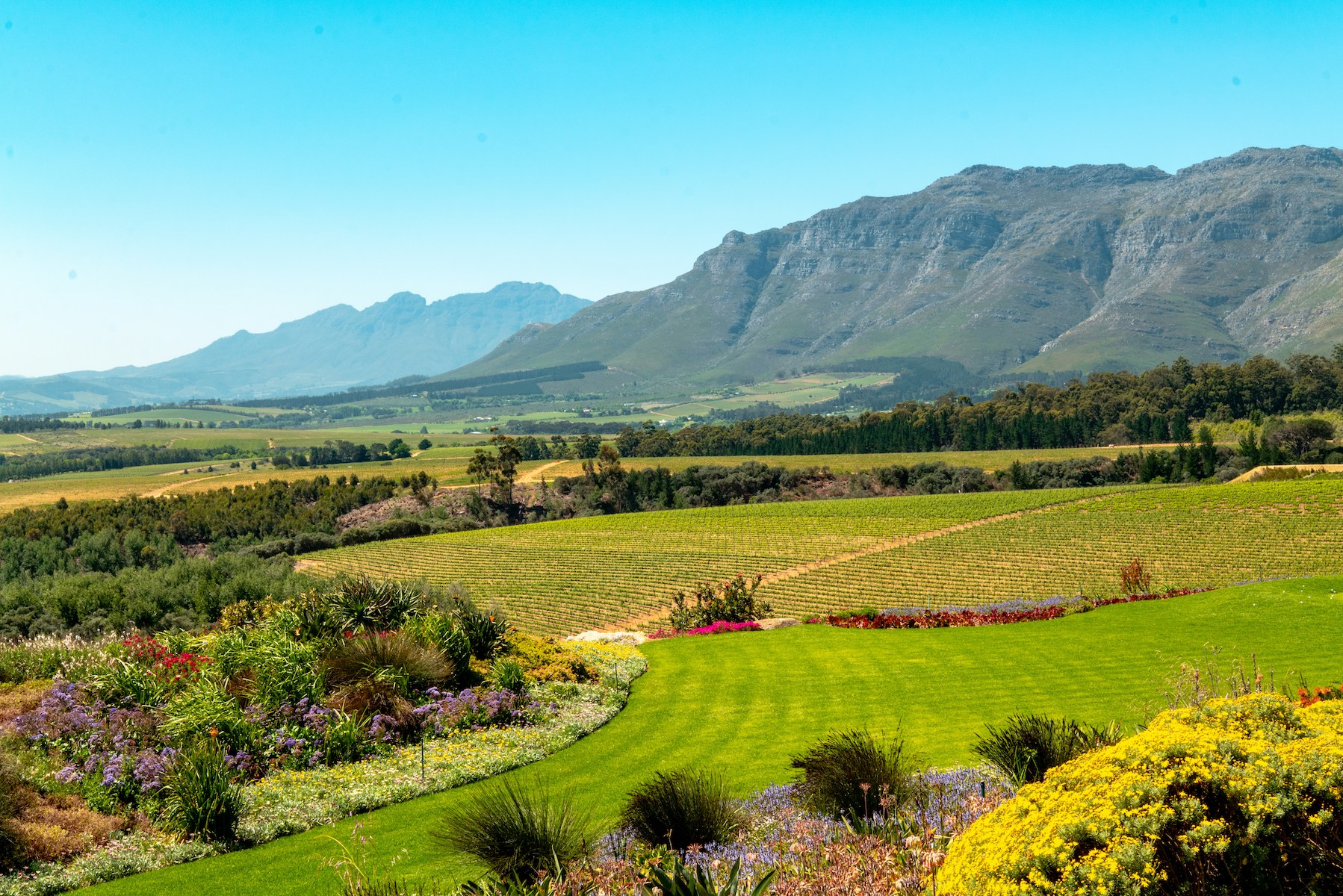
The name means black land. It comes from the renosterbos, a modest grey-green shrub that covers the low hills and reads almost black across a whole slope at distance, and it described this country long before anything was planted in it. The renosterveld that shrub forms is among the rarest vegetation types on earth. Most of it went under the plough generations ago, and where it survives on ground too steep or too poor to farm it holds an extraordinary density of bulbs, so the hillsides turn to flowers after the winter rain and then dry back to gold by December.
What lies beneath the renosterveld is the reason any of this matters to a wine list. Most of the region sits on the Malmesbury Group, shales and slates laid down more than five hundred million years ago and since folded and hardened, threaded through with granite that pushed up into them and cooled slowly underground. The granite weathers into a deep, poor, well-drained soil that a vine will root into and hold for a century. The shale runs iron-rich and holds warmth. Those two soils sit half an hour apart, and between them they account for most of what ends up in the bottle.
For three centuries this was simply farming country. Wheat on the open ground, olives on the valley sides, sheep where nothing else would grow, and vines planted mainly to be sold in bulk to the co-operatives down the road. The Riebeek Valley at the southern end has been worked since the early seventeen hundreds, and two of its estates, Kloovenburg and Allesverloren, were granted in the same year of 1704. Good wine came out of the region, but almost nobody outside it was paying attention.
Then, over roughly a decade from the mid-2000s, a small group of growers looked at what was already in the ground and understood it differently. The vines were old, planted decades earlier as unirrigated bushvines, gnarled and low-yielding and entirely unfashionable. Rather than replant, they farmed what was there. Dry-farmed, no irrigation, organic where possible. In the cellar they did as little as they could get away with: whole bunches, wild ferments, old oak, minimal sulphur, no additions worth speaking of. And they backed Chenin Blanc and the Rhône varieties, Syrah, Grenache, Cinsault and Mourvèdre, in a country that had spent thirty years planting Bordeaux grapes.
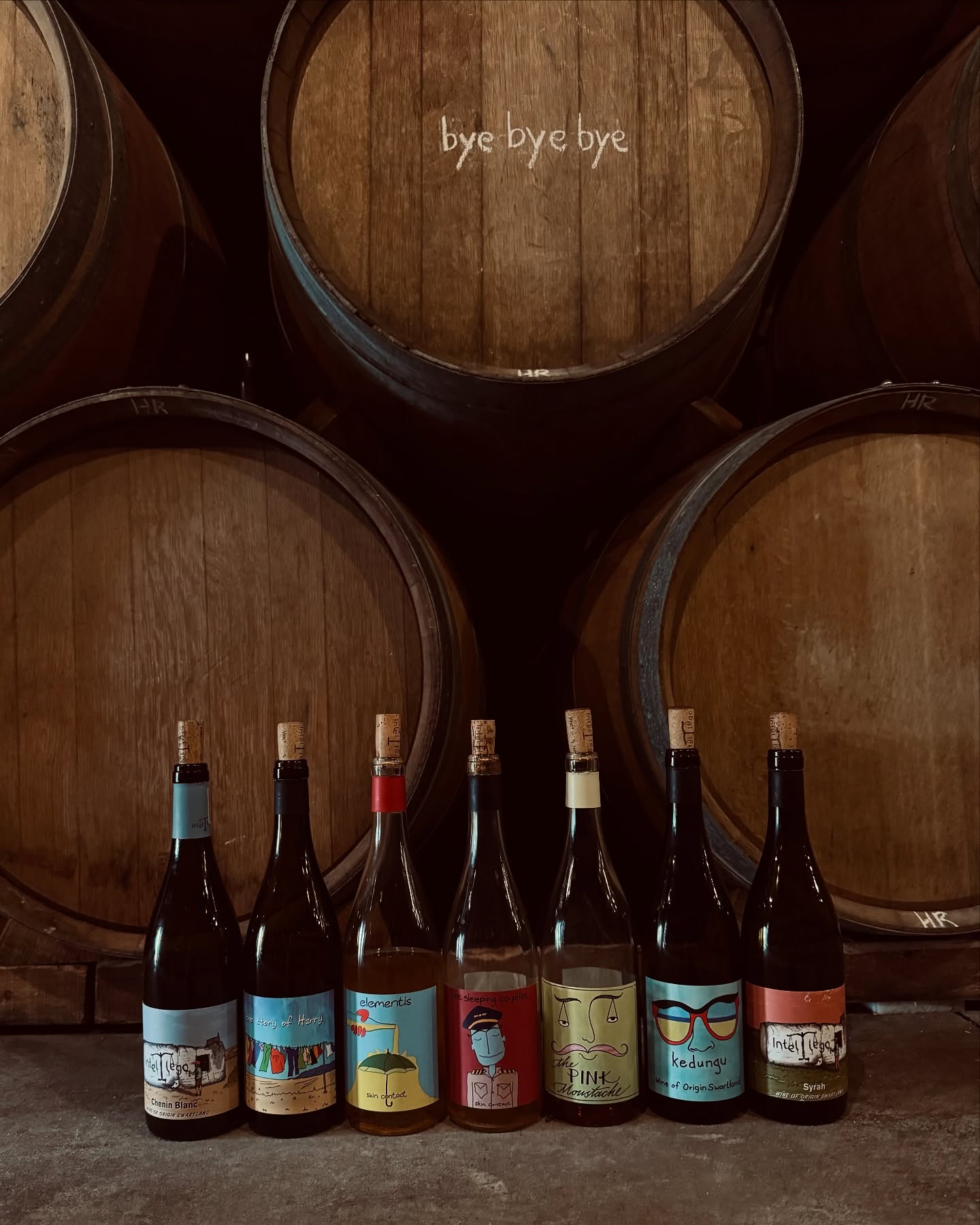
Eben Sadie began it in earnest, and Sadie Family Wines remains the reference point, working forty-odd parcels across the region including some of the oldest vineyards in South Africa. Adi Badenhorst came back to Kalmoesfontein on the Paardeberg and made the farm a centre of gravity for everyone else. Chris and Andrea Mullineux built a house of Chenin and Syrah that now sells everywhere. Craig Hawkins pushed harder at the edges with Testalonga. Behind them came a generation who trained in those cellars and stayed: Jurgen Gouws at Intellego, working granite Chenin on the Paardeberg since 2009 and funding his first vintages with two Russian harvests and a pile of second-hand barrels; Jasper Wickens at Swerwer; MC Stander at L'Equinox. Somewhere in that decade the phrase Swartland Revolution attached itself to what was happening, and the name stuck long after the festival that carried it had run its course.
There are still only around thirty wineries here, against more than a hundred and fifty in Stellenbosch, where some vines were planted in the sixteen nineties. That is the peculiar thing about the region. It is a very young wine district working extremely old material, and it has none of the architecture of an established one.
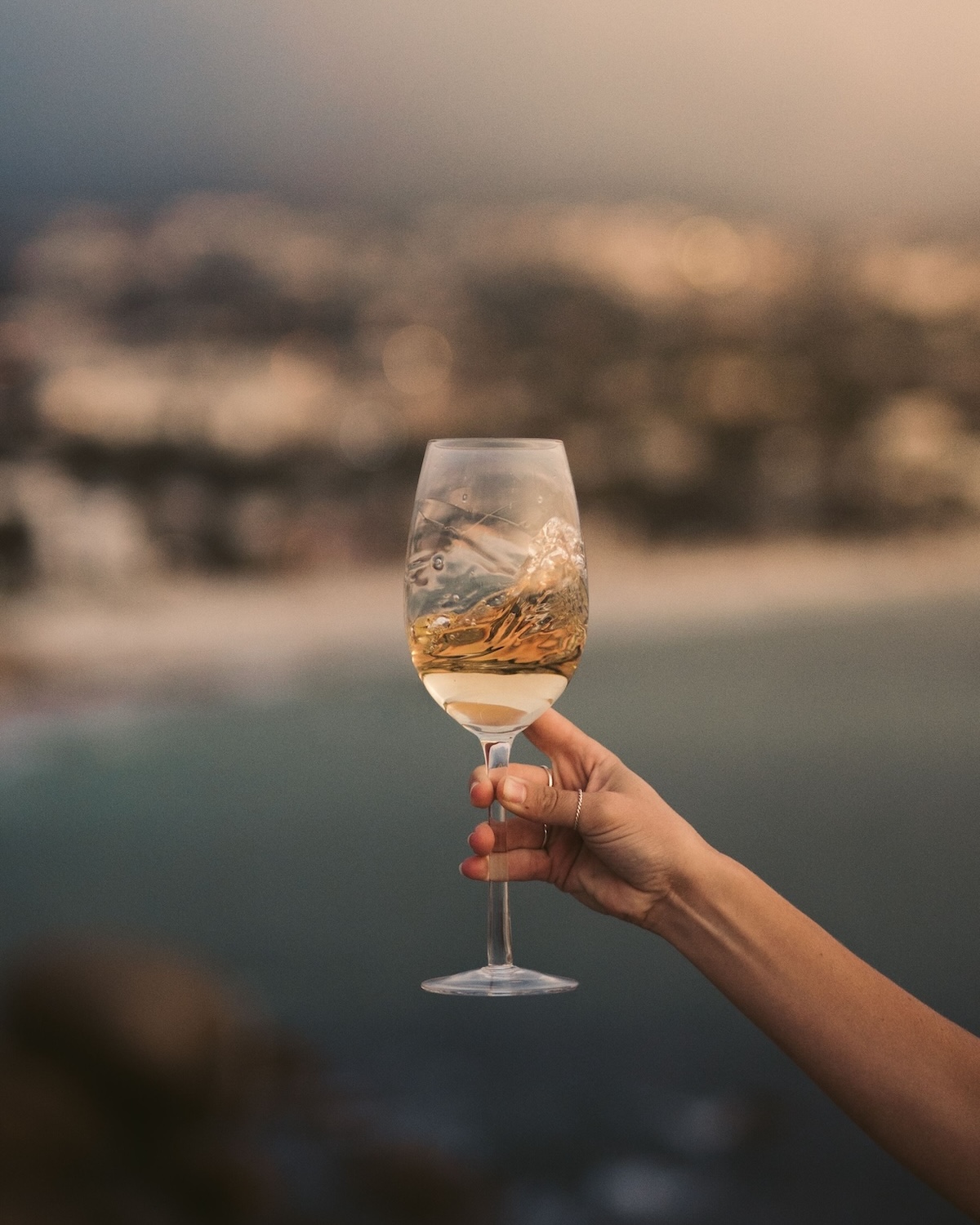
Which brings you to the part that is difficult to convey until you are standing in it. There are almost no tasting rooms. There is very little signage. Cellars are frequently a barn on a working farm with a roller door and a stack of barrels, sometimes shared between two or three producers who cannot yet justify their own. Growers lend each other equipment, help with one another's harvests, share cellar space and carry each other's bottles to trade shows in other countries. Everyone is technically a competitor, and nobody behaves like one. Ask any of them why they came and the answer is usually some version of the same thing: it was possible to work seriously here and still enjoy the day.
That culture produces its own rituals. Thursday is pizza night at Kalmoesfontein, and in the middle of harvest two hundred people will turn up for it, growers and pickers and farmers and whoever else has heard. In summer there are dawn braais in the vineyards, wine poured at five in the morning with boerewors off the fire, the growers comparing notes on each other's ferments before the heat arrives and the day's work starts. Neither is a tourism product. Both are simply what happens.
The consequence for anyone wanting to see the region properly is that turning up unannounced achieves very little. There is nothing to walk into. Access here runs on introduction, and the difference between a good few days in the Swartland and a frustrating one is almost entirely a matter of who makes the call on your behalf.
The calendar is worth knowing. Harvest runs through February and March, when the cellars work around the clock and the whole valley smells of fermenting fruit. Summer is long, dry and genuinely hot, and the day is best taken slowly in shade. The rain arrives in winter, fires get lit and the hills come back green. Then in August and September the renosterveld flowers, and the west coast beyond it turns to sheets of colour, which is the quietest and possibly the finest time to be here.
The region is changing again, gently. Prices have risen, some of the old vineyards have been secured against replanting, and a second generation is arriving with the same instincts and better equipment. What has not changed is the ground, which is still poor, still dry, and still producing more interesting wine than anything about it would suggest.
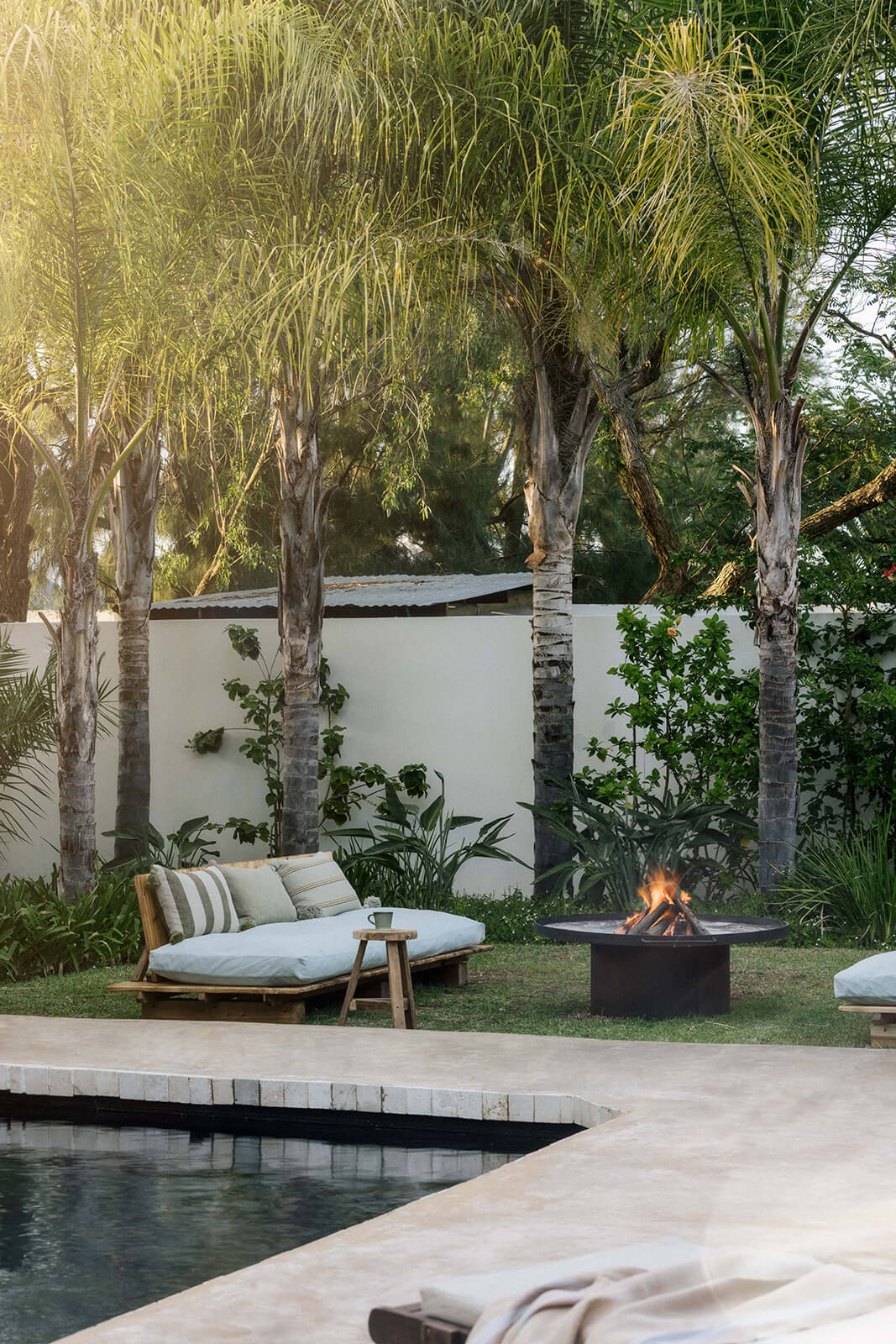
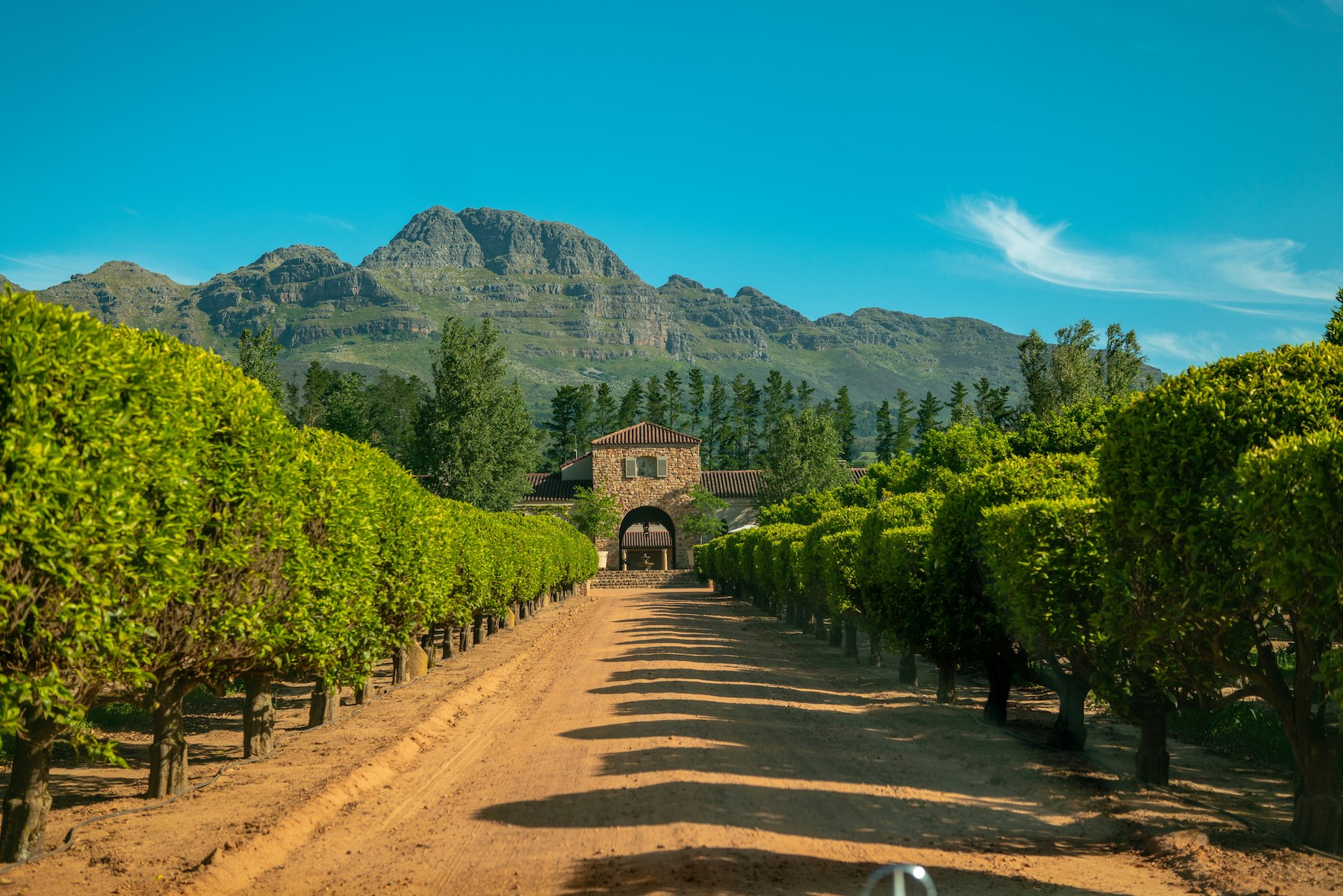
Kokos Huis in Riebeek Kasteel, a plain Cape farm building with an interior made almost entirely by Swartland hands, run by a hotelier married to one of the region's natural winemakers. The introductions come with the room.
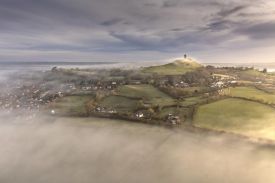
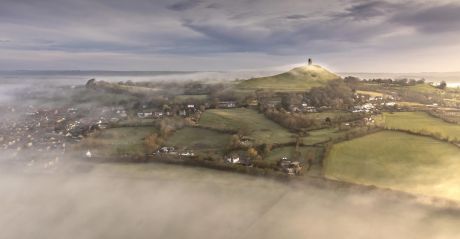
Bruton? It’s the Somerset village that swapped wool for world-class culture. Think Hauser & Wirth, Michelin stars, floral architecture and design studios shaping England’s most creative countryside escape.
read more
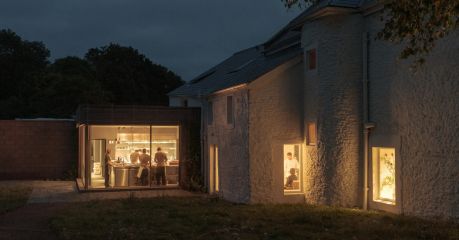
Michelin-starred Osip in Bruton, Somerset, from chef Merlin Labron-Johnson, pairs farm-to-fork dining with boutique rooms. A soulful retreat where food, design and Somerset terroir create a singular cultural escape.
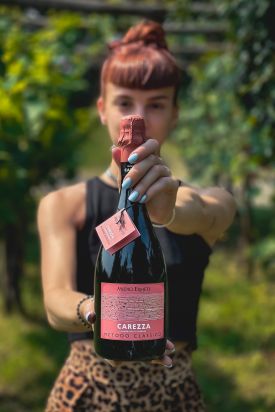
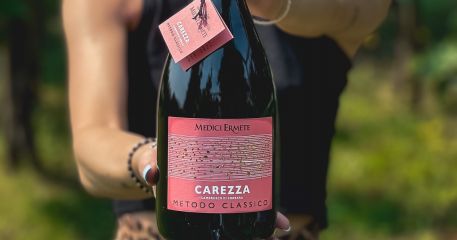
Ferragosto has emptied Italy's cities for two thousand years. Nine of our wine journals to fill the table, from Alpine natural wine to Adriatic Verdicchio.
read more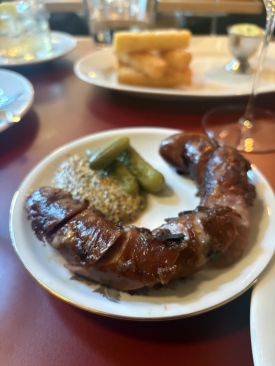
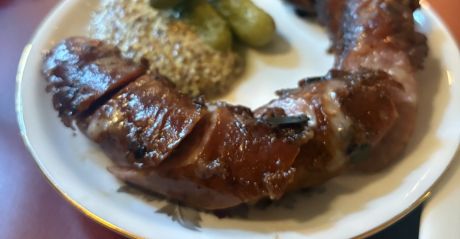
The Donauhof spent a decade coming back to life inside a 1902 Vienna building. Founder Cornelius Klimt on wine without dogma, the Sunday roast and generosity.
read more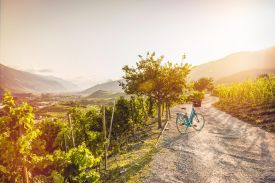
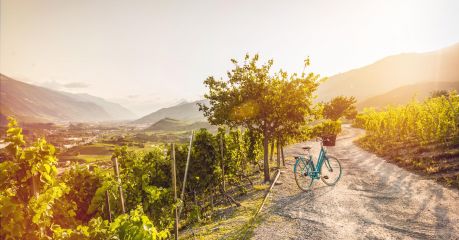
One for you travelling oenophiles - Switzerland's beautiful Valais holds the highest vineyard in Europe, and wines that are regarded as "the pearl of the Alps".
read more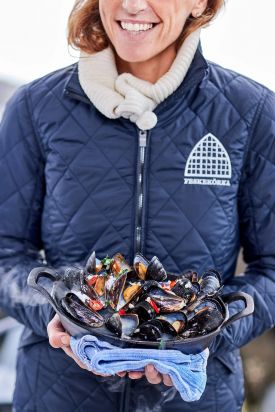
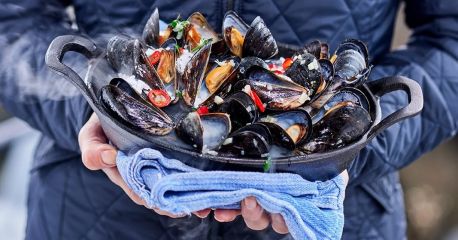
Gothenburg's foodie scene has sprung up to international attention in the last few years - check out this guide for the best on Sweden's cosy 'Little London' coast.
read more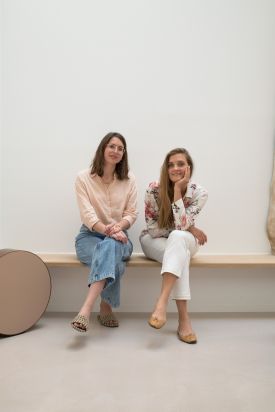
Just off Rue des Martyrs in Paris, in the 9th arrondissement, Zeuxis Contemporary Art Gallery created by Amélie du Chalard is the Maison d'Art Amelie - a showcase for paintings, engravings, sculptures, photographs, videos and works of art set within a magnificent apartment.
read more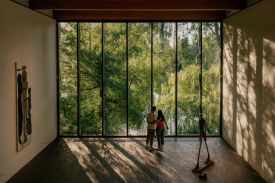
Where modern art meets coastline and clarity, Louisiana Museum of Modern Art turns a museum visit into a coastal walk, framing global creativity through architecture, light and landscape.
read more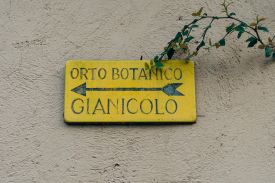
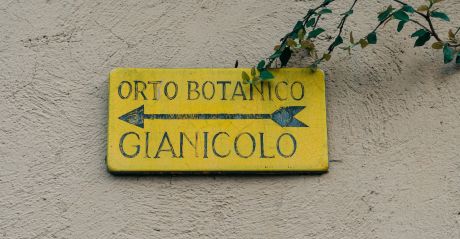
Get your phone ready as you enter the Corsini Greenhouse, created in 1800 and named after the Corsini Palace which borders one side of the botanical garden, filled with the kind of succulents that will set your Insta on fire.
read more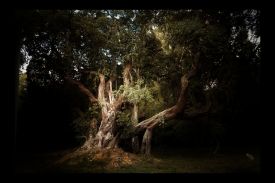
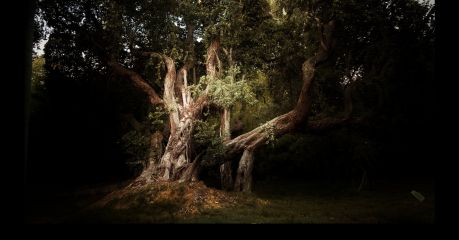
Dendrophiles, or lovers of trees, will enjoy the diversity here with over 1,400 species – including rarely seen palms and ferns from across the world.
read more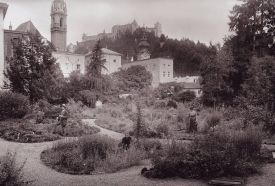
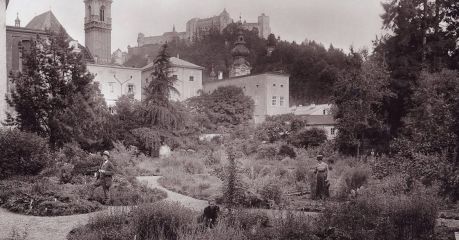
The history of this urban green space dates back as far as 1780, when a plant trader used the fertile land to grow and trade in bulbs and plants - today there is a large dry collection – some 3000 diaspores of native plants.
read more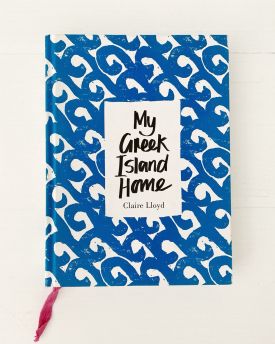
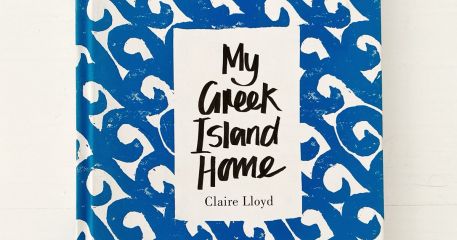
My Greek Island Home by Claire Lloyd is always out of the bookcase, an ever-present friend that tells the tale of falling in love with a Greek island and finding that a simpler life is not so bad after all.
read more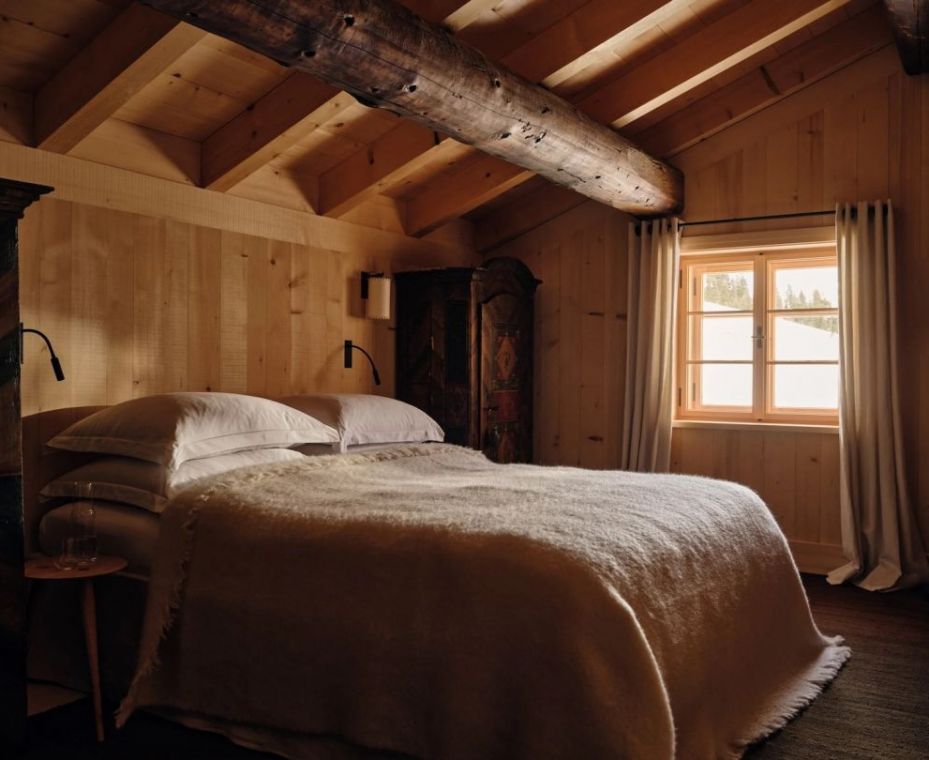
Get the insider news and lowdown on what we've been up to, where we've been, and who we've met along the way. Be the first to discover new places and get the scoop on our favourites.