JOIN the AFICIONADOS
Get the insider news and lowdown on what we've been up to, where we've been, and who we've met along the way. Be the first to discover new places and get the scoop on our favourites.

There is a version of Vienna that arrives shrink-wrapped: the Schnitzel, the Sachertorte, the marble café where the waiter has seen everything and forgiven none of it. Lovely to visit, easy to misread. Linger a little and another current shows itself, in kitchens and wine lists and coffee roasteries where a younger set of makers treats the imperial inheritance as raw material rather than a script. Less reverence, more appetite. Of the places shifting that scene, the Donauhof is the one I would send you to first.
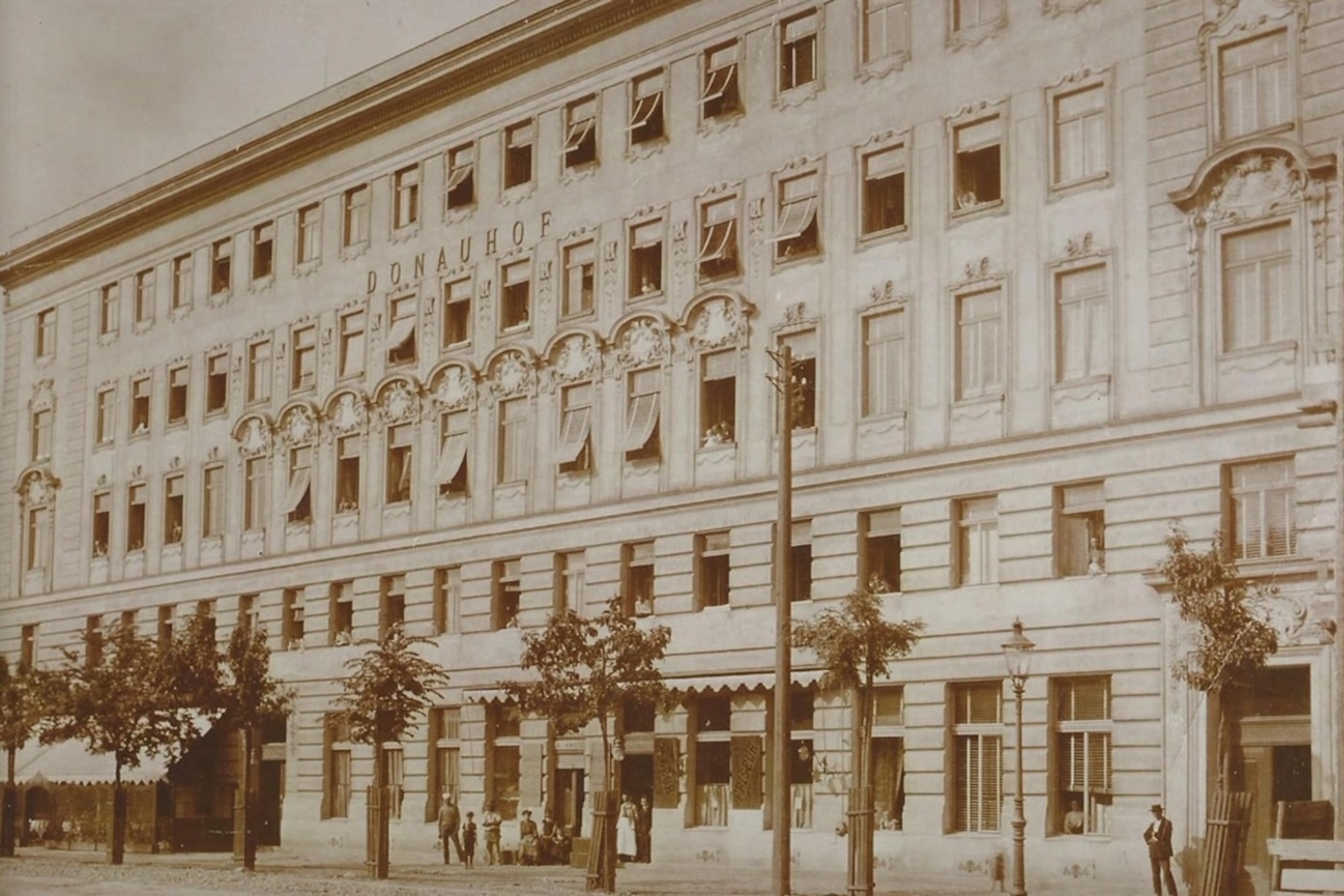
I went in incognito on a warm evening in July, no introductions, just a table and an appetite. I came out thrilled. The Donauhof ticks every box I want a contemporary dining room to tick: chilled and easy on the surface, quietly refined underneath, steeped in a history it wears lightly, all of it wound around fabulous food and a wine list that is properly interesting. So I wrote to its founder, Cornelius Klimt, and what came back was less a set of talking points than a story about patience.
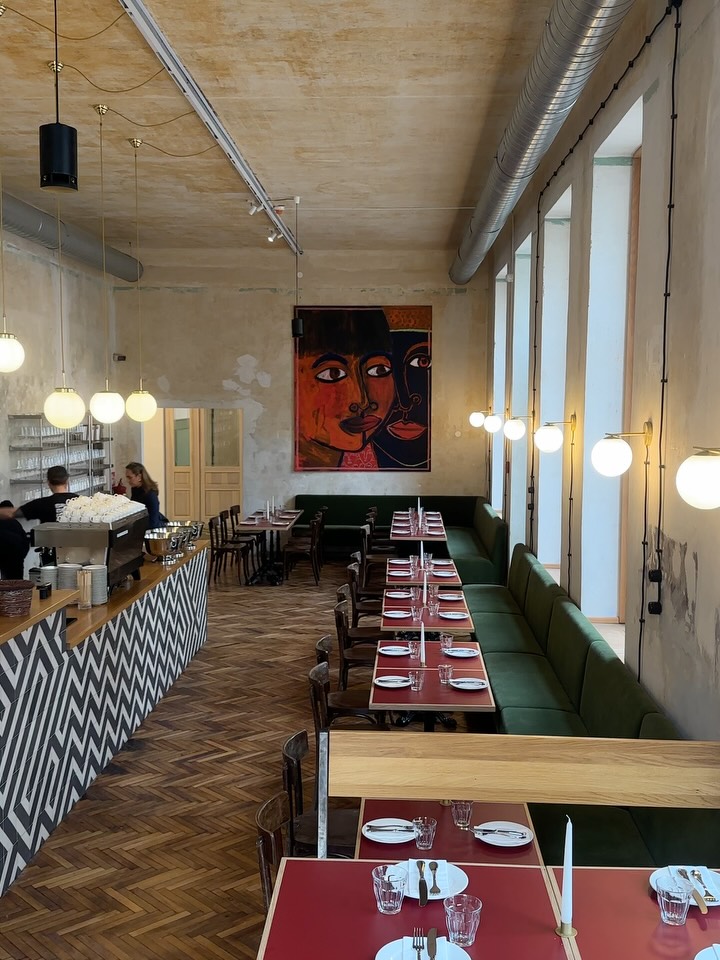
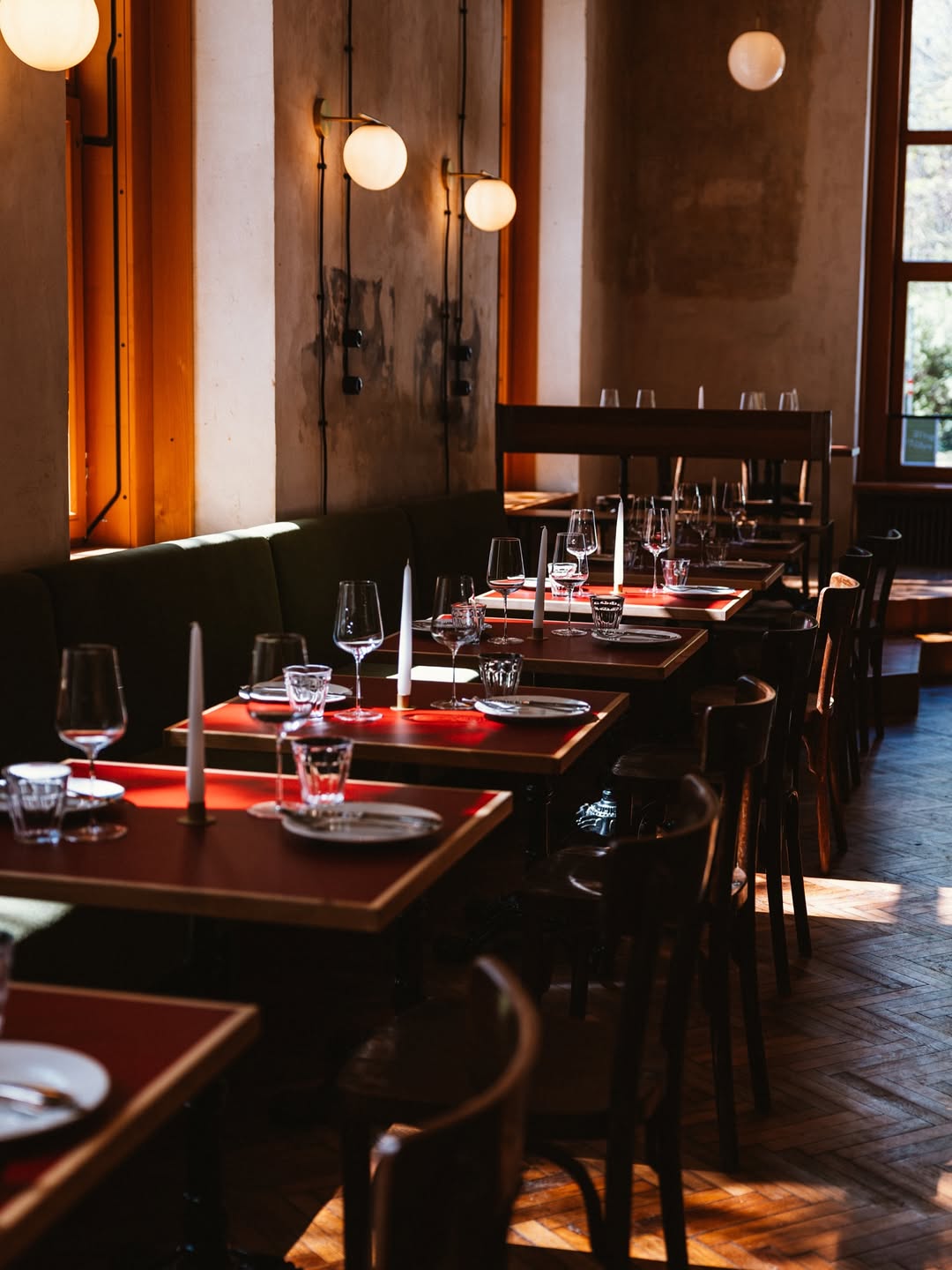
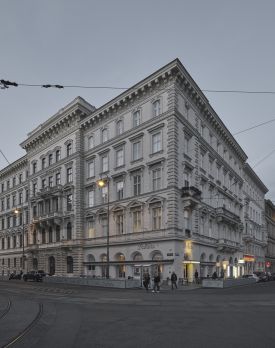
The room nearly finished them. The building dates to 1902, a Franz von Neumann design commissioned by the Kuffner family, and by the time Cornelius found it most of its confidence had been plastered and boarded over. "A large part of our work was actually taking things away again," he told us. The original ceilings had vanished, the brass lamps turned up inside a false ceiling, the parquet lay under four centimetres of asphalt. "If we had known what was coming, we would probably never have started." A decade in the making, the room matured, and its makers with it.
That same instinct runs through the food. David and Philipp lead the kitchen, the latter a colleague of Cornelius's from their days at the Hirschen in Schwarzenberg. "The food can be precise, the product has to be right, but we do not need five minutes to explain what is happening on the plate. It should be fun and, at best, embrace you a little," he says. "We have no ambition to cook for toques or stars. Our ambition is simpler: that people have a really good time."
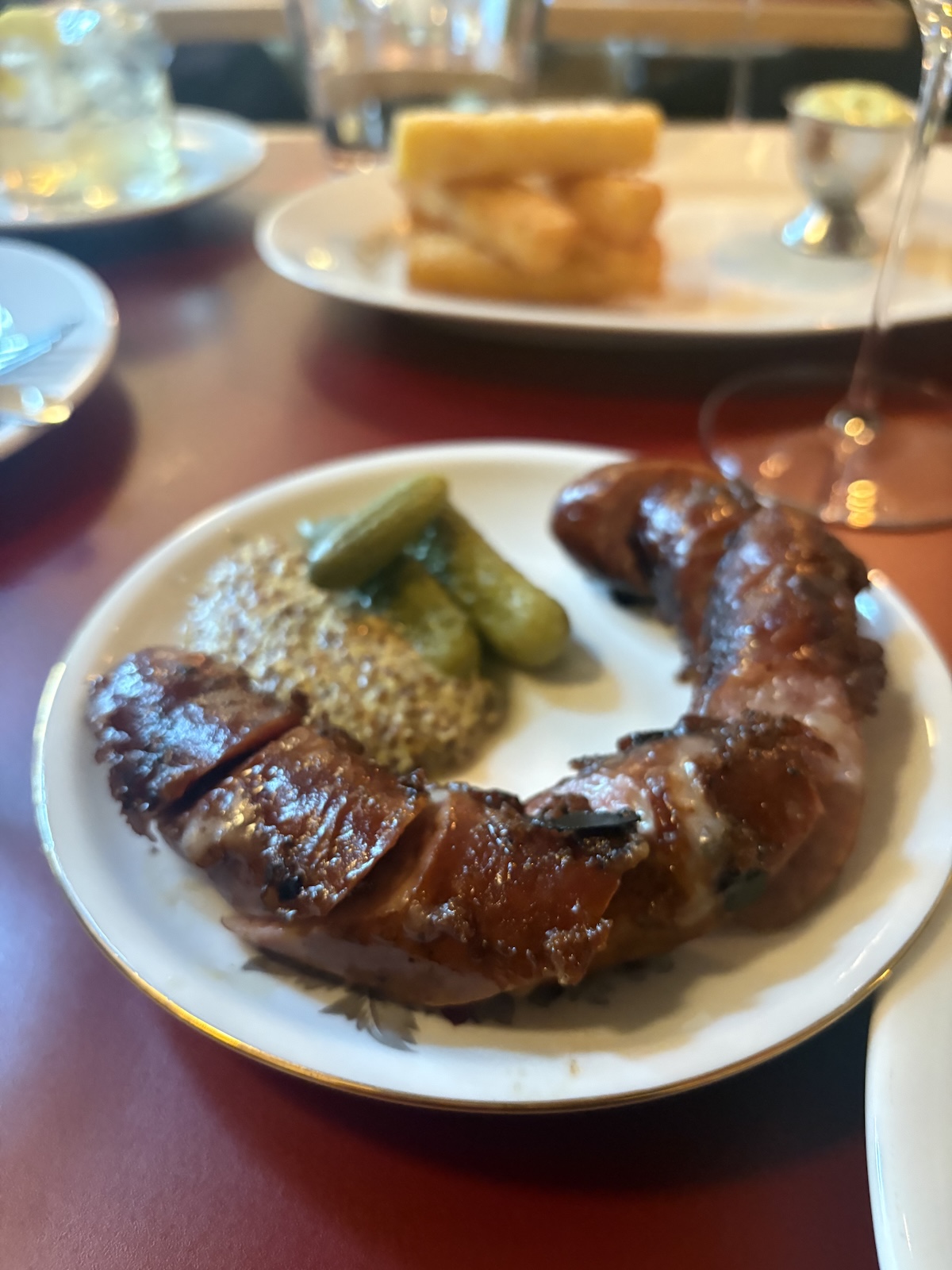
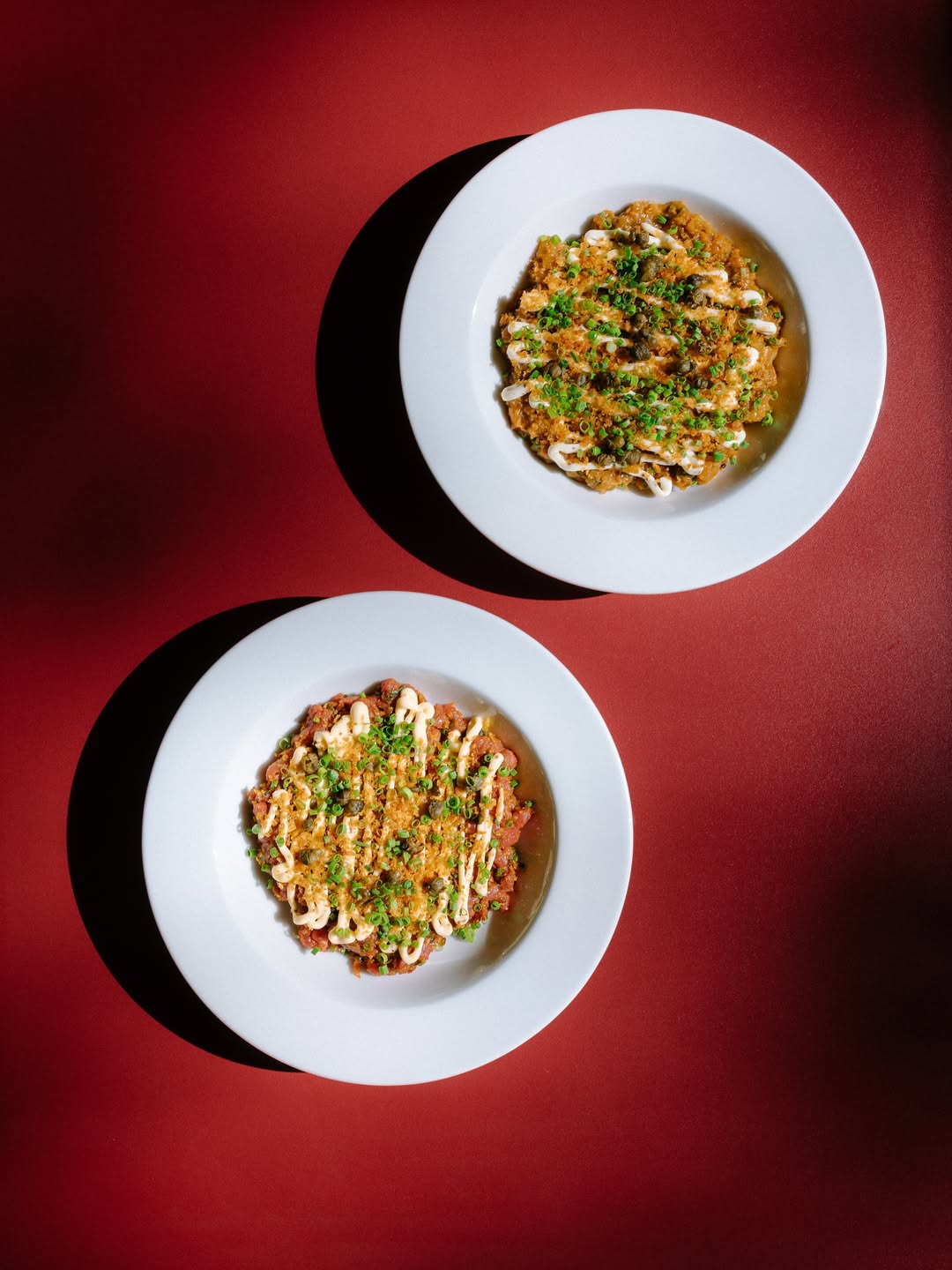
It shows from the first bites. Dinner opens with a run of imbiss plates, each as considered as what follows, chief among them a reinvented Käsekrainer: the molten, cheese-filled sausage of every Viennese street corner, given manners, with Essiggurkerl and coarse mustard. Sardines arrive under pickled onion, lemon-pepper mayonnaise and fried capers. The melanzani tartare, aubergine worked to the texture of the real thing, has the swagger to headline. From there the Paradeiskrautfleckerl, the tomato reading of Vienna's old cabbage-and-pasta supper, with sour cream and, because it would have been rude not to, an extra spoon of Grammeln, the crisp pork scratchings that tip a comfort dish into something you keep thinking about.
The main held that register. Konfiertes Hendl, chicken confited until it gave way at the fork, came with Parisienne gnocchi, peas and a proper sauce suprême, the sort of plate that looks modest and eats like an embrace. A plain, very good chocolate pudding put the full stop where the meal wanted it. None of it costs much, which turns out to be the point.
Generosity is a word Cornelius keeps returning to, and he means it literally. Despite the absurd cost, the house uses good products, prices fairly, and a glass tends to arrive fuller than it strictly needs to. The team is what plainly makes him happiest. "There is no room for egos here. It should not be the Cornelius show, nor the David or Philipp show. The Donauhof works best when food, service, wine, room and people mesh into something bigger than any one person."
The wine list is the part I keep coming back to, organic and biodynamic growers held without dogma. "We are not interested in whether a wine fits into some box. It has to be good," he says. They opened with Austria, Italy and Spain, a short detour into Switzerland, and left France off for now, meaning to do it properly when they add it.
That geography maps where the list's heart lies, in the stretch running from biodynamic to natural. You find the Schödl family in the Weinviertel, the cult Burgenland naturalist Christian Tschida, just crowned Falstaff's winemaker of the year for 2026, and Peter Veyder-Malberg, whose steep Wachau terraces give some of Austria's most quietly thrilling whites. Cross into Alto Adige and Trentino and the same instinct reaches for Alois Lageder and Elisabetta Foradori, two of Italy's biodynamic lodestars, with plenty more in their orbit. The by-the-glass list rotates often enough to bring you back for something you have not met yet.
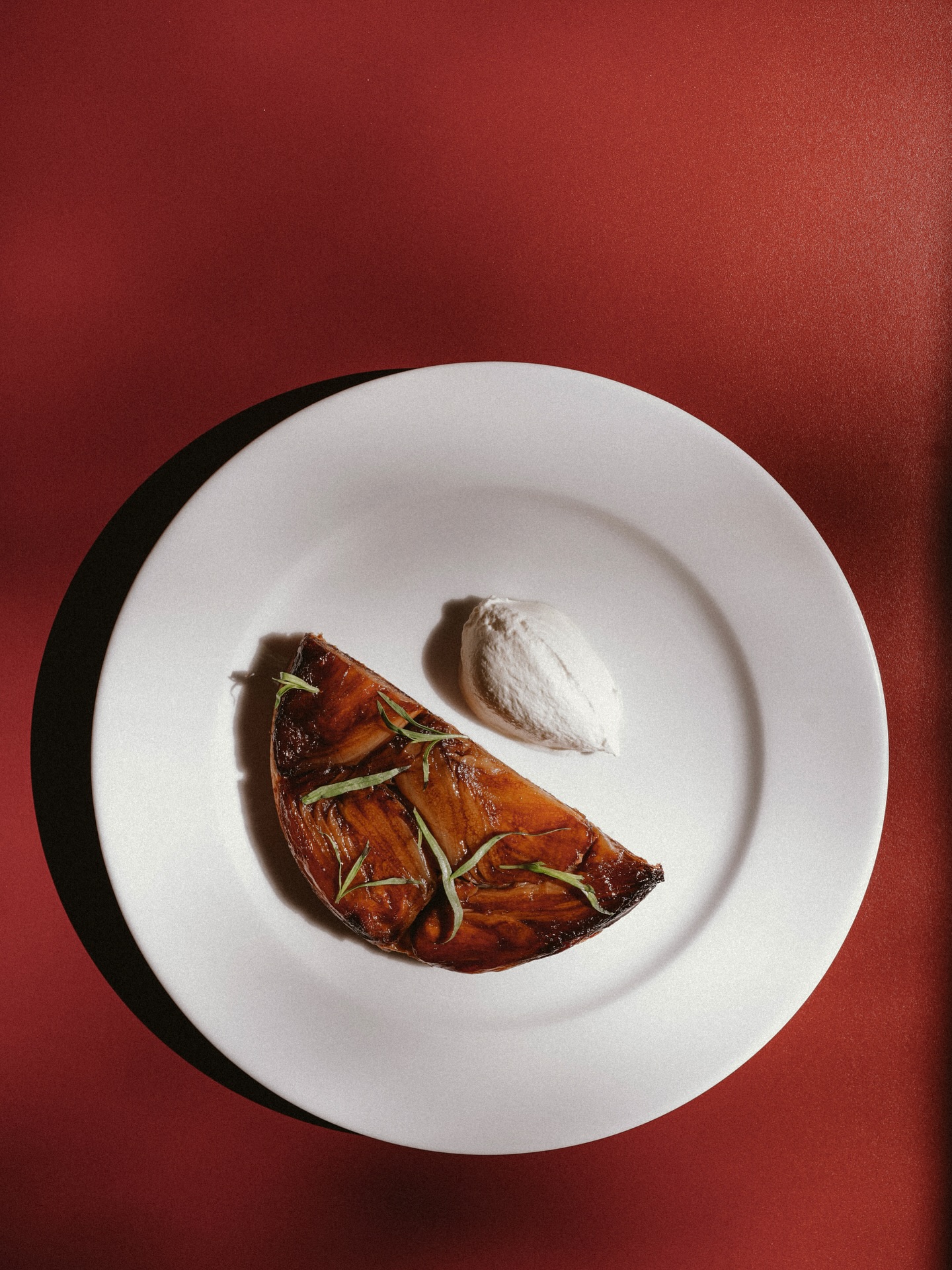
The menu turns over almost completely with the seasons, dishes coming and going, the onion tart returning each autumn. Out of that rhythm grew the Sonntagsbraten, a monthly Sunday roast on the first Sunday of the month, set in the middle of the table to share. In a city where Sundays, and increasingly Mondays, go dark, it is a deliberate act of hospitality. "It is nice to sit together at a table on a Sunday, eat a roast, top up the wine and stay a little longer," he says.
Cornelius treasures a closing detail. The Kuffner family, who built the Donauhof, were among the patrons of Gustav Klimt. More than a hundred years on, a Klimt is back in the same rooms: Cornelius is a distant relative of the painter. "Sometimes circles close in a rather strange way," he says, and for once the phrase is not doing any heavy lifting. His ambition is bigger than any dinner service: that the Donauhof outgrows him and becomes an institution independent of whoever is standing out front. On the evidence of one long, generous evening, it is well on its way.
The Donauhof sits in our Vienna round-up, in good company with Mraz & Sohn, the organic dumplings at Zur Herknerin and the city's quietly reinvented coffeehouses. Together they make the case plainly: the new Viennese table is less about stars, more about product, generosity and the pleasure of staying a while.
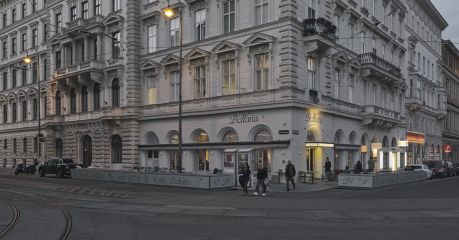
Vienna’s oldest café dating back some 150 years is reborn, restaurateurs David Figar and Rubin Okotie who took over the institution after the previous owner retired, reopened Café Bellaria “as a modern way of life.
read more
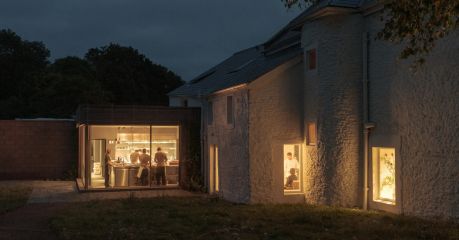
Michelin-starred Osip in Bruton, Somerset, from chef Merlin Labron-Johnson, pairs farm-to-fork dining with boutique rooms. A soulful retreat where food, design and Somerset terroir create a singular cultural escape.
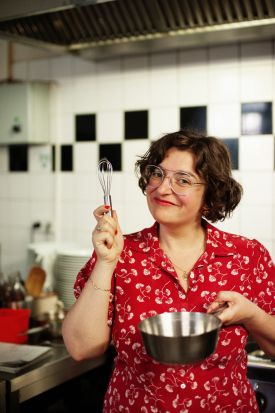
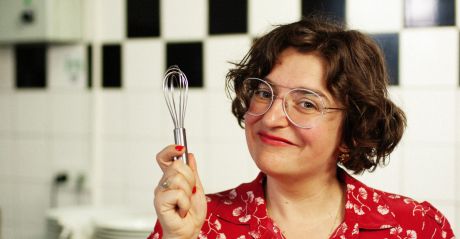
Affectionaltely dubbed the organic 'Queen of Dumplings', Vienna's Humble Legend Zur Herknerin in Vienna's Wiedner Hauptstraße 36 (hip fourth district) an absolute legend in Viennese dining circles – and deservedly, one of the hardest places to get a reservation.
read more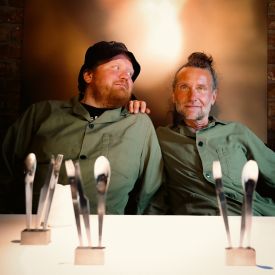
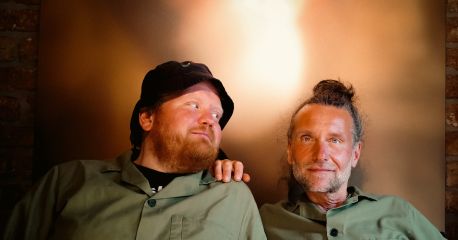
Two Michelin stars, vinyl spinning, and flavour turned loose — Mraz & Sohn is Vienna’s boldest table, where fine dining misbehaves beautifully and creativity dances between chaos and control.
read more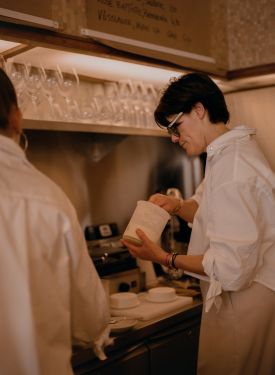
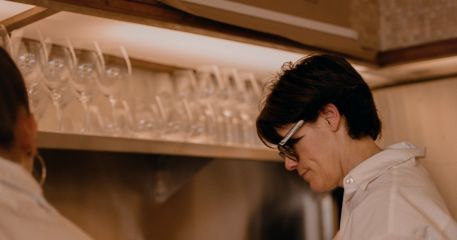
A mid-century espresso bar with brass curves, strong coffee and stronger character — Die Cafetière is Vienna’s quiet charmer where nostalgia, flavour and Peggy Strobel’s warm wit blend effortlessly.
read more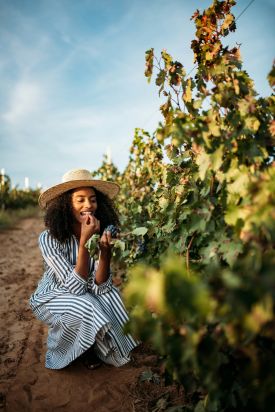
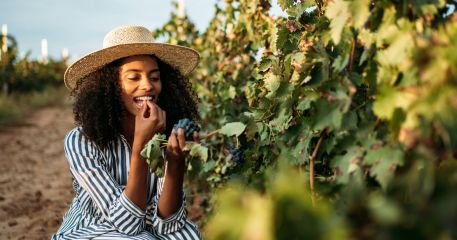
Wheat, olives and old bushvines on granite and shale, farmed by growers who share cellars, lend hands at harvest and put up almost no signage.
read more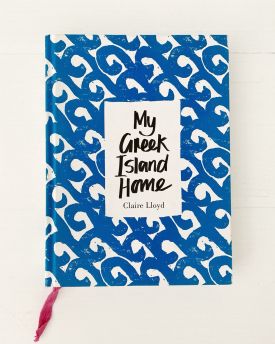
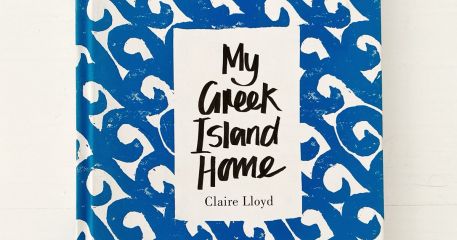
My Greek Island Home by Claire Lloyd is always out of the bookcase, an ever-present friend that tells the tale of falling in love with a Greek island and finding that a simpler life is not so bad after all.
read more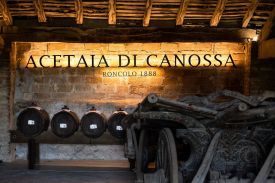
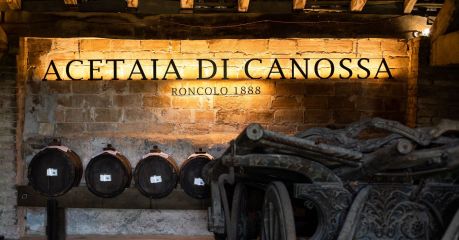
The making of balsamic is said to have been created as far back as 1046, when Henry III, Holy Roman Emperor, requested a gift of vinegar from the Tuscan marquis Bonifacio, father of Matilde di Canossa.
read more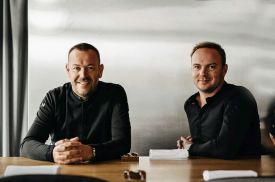
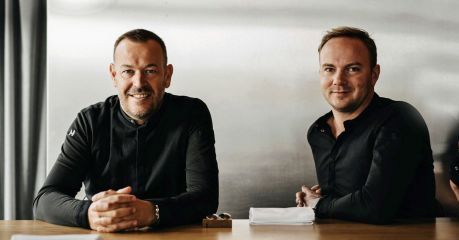
If you’re a fan of the Dutch culinary scene then you may know the delicious and innovative dishes that this home turf duo create, helming restaurants 212, De Juwelier, La Mer, and coolest collab outpost De Mark - all in and around Amsterdam.
read more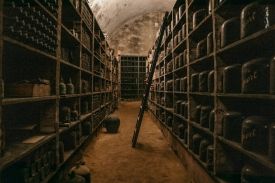
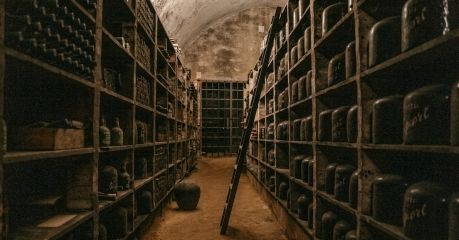
From Port to Wine - a new generation of winemakers is working with old vines and native grapes on the region’s dramatic slopes to craft a new wave of wines that speak of this unique region.
read more

Flames, finesse and full-on Dutch flavour – De Mark is the culinary soul of De Durgerdam, led by Koen Marees and backed by Amsterdam’s Michelin powerhouses. Rural roots, coastal punch, bold plates.
read more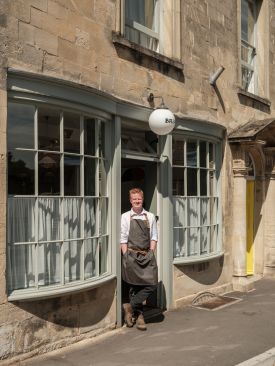
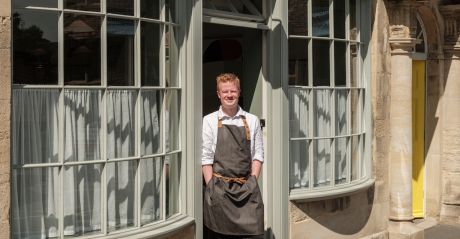
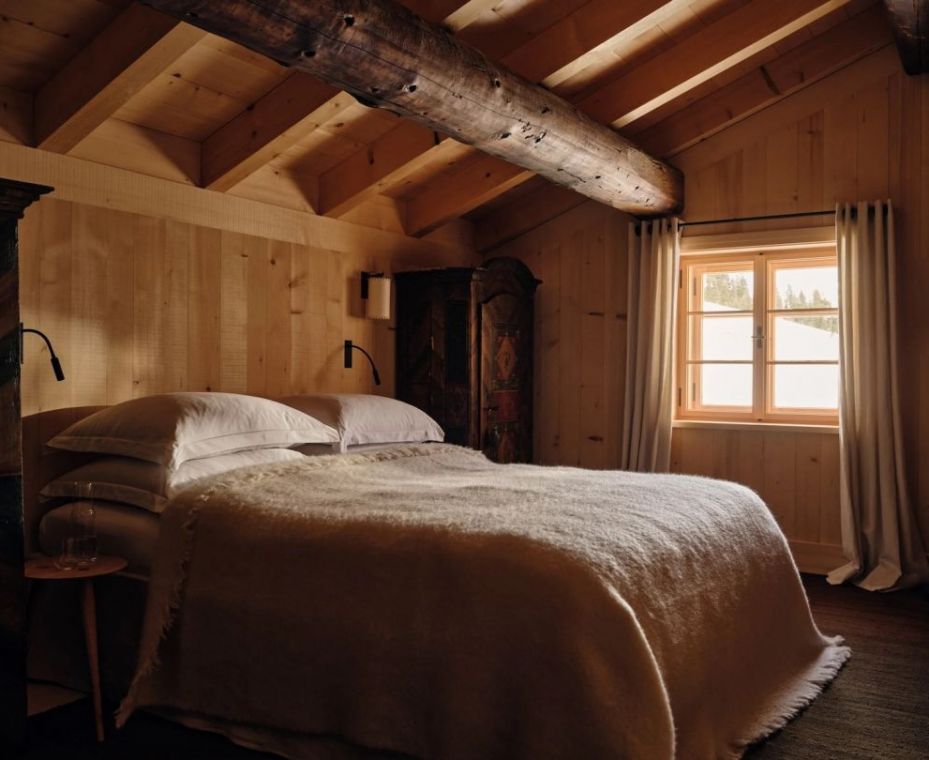
In Bruton’s heart, Number One and Briar marry soulful design with Michelin-recognised dining by chef Sam Lomas. A boutique Somerset retreat where heritage buildings, craft and seasonal food create cultural magic.
Get the insider news and lowdown on what we've been up to, where we've been, and who we've met along the way. Be the first to discover new places and get the scoop on our favourites.