JOIN the AFICIONADOS
Get the insider news and lowdown on what we've been up to, where we've been, and who we've met along the way. Be the first to discover new places and get the scoop on our favourites.

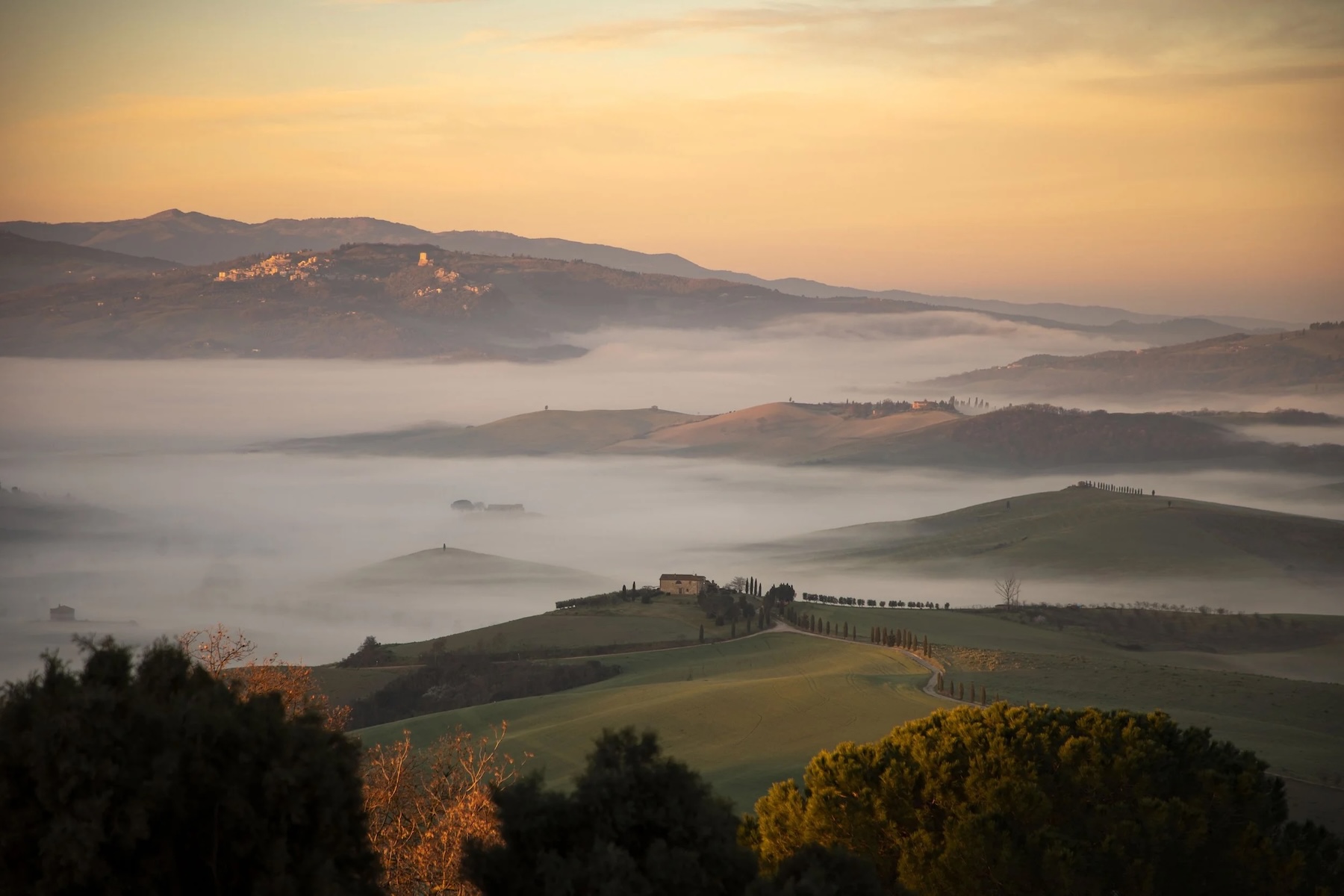
Everyone arrives in Tuscany with a picture already in their head. Cypress avenue, wheat the colour of a good biscuit, a farmhouse holding the top of a hill as though it grew there. The picture is not wrong. It is simply the smallest part of what the region actually is, which is a nation within a nation: the birthplace of the Italian Renaissance, the home of the Uffizi and the Pitti Palace, and a place with more churches, piazzas, galleries and scenic villas than one lifetime can absorb.
The land does the rest. Along the Tyrrhenian the climate stays mild and salt-washed; inland the rain comes and the soil turns generous, which is why Chianti, Vino Nobile di Montepulciano and Brunello di Montalcino all come from the same modest handful of hills. Behind the coast, the Apuan Alps hold the marble quarries that supplied Michelangelo. Between the two sit the Val d'Orcia and a scatter of towns built by people who believed proportion was a moral question.
The four houses below belong to The Aficionados collection, and each takes a different piece of that inheritance and makes it personal. An Austrian architect's creative borgo in Chianti. A Tuscan collector's art house above the Versilia coast. A salvaged farmhouse near Montefollonico kept deliberately raw. A convent in Pienza reopened by a man who onceworked in the music business. Four owners, four Tuscanies, one shared instinct: keep the bones, and let the region carry the tone.
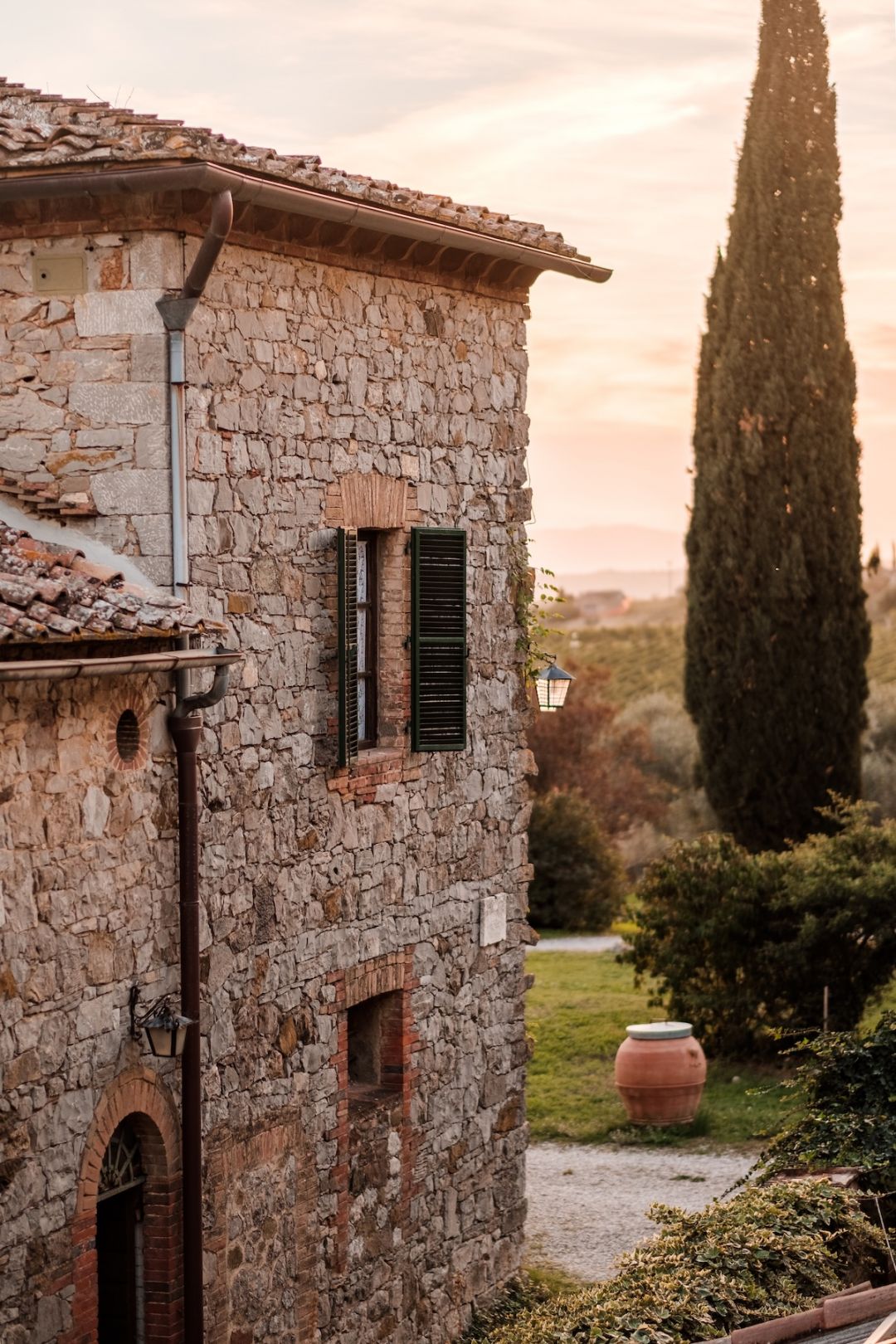
Start between the two cities that spent centuries feuding over this land. Colle ai Lecci sits across two hectares near Castelnuovo Berardenga, in the green heart of Chianti Classico, with views running out over Siena and San Gusmè. The estate dates to 1720 and was once a working winery. Its foundations go back much further, and the refurbishment treats that weight honestly rather than decorating over it.
Innsbruck architect-designers Nina Mair and Ana Turcan have reworked the three stone farmhouses into a borgo, a small self-contained village. Their answer is material rather than decorative: local lime, natural stone, and raw clay set against terracotta brick arches, original stone floors, and restored beams, with creamy cappuccino tones lightening the interiors and chunky-loop jute rugs giving the rooms texture. Custom pieces sit beside Scandinavian and Italian furniture. Nothing shouts.
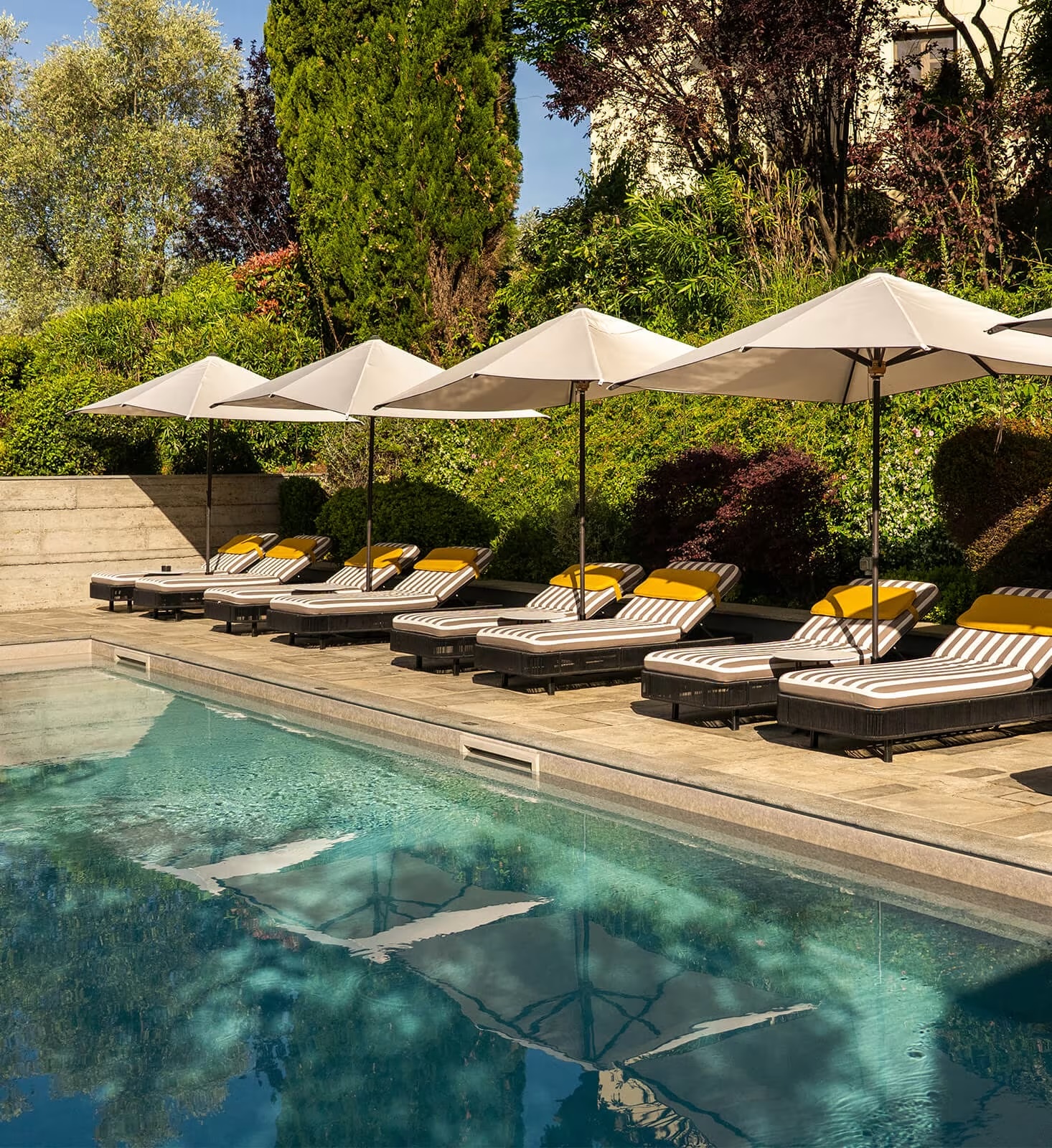
What makes the place unusual is the intent behind it. Mair studied at Florence's Accademia di Belle Arti, and Colle ai Lecci is conceived as a constantly evolving workshop, with open lounges for conversation, spaces set aside for collaboration, and a working partnership with legacy craftspeople, artists, architects and florists. Outside, the architecture dissolves into the land: 350 olive trees across 20,000 square metres at 465 metres above sea level, a biological vegetable garden, hammocks slung between the trunks, a pool in the shade of the grove. The estate's own extra virgin oil, a Moraiolo, Frantoio and Leccino blend called PURE, is grown and pressed in situ and reads as a fair summary of the whole project.
Cross to the coast for a Tuscany that smells of sage and sea air. Locanda al Colle commands a hilltop above Versilia at Capezzano Pianore, ringed by ancient olives, with views running down to the Tyrrhenian and the beach towns of Forte dei Marmi and Viareggio thirty minutes below. Behind it rise the Apuan Alps and the marble country around Carrara and Seravezza.
The seventeenth-century farmhouse belongs to Riccardo Barsottelli, a native Tuscan who spent years travelling for a career in fashion before deciding this hill was where he wanted to put everything he had collected. The restoration came out of a long conversation with the architect Marco Innocenti, the pair of them bonded over furniture and art, and the ethos was salvaged authenticity: heavy beamed ceilings, stone floors and oak boards, terracotta brickwork, Carrara marble, thick-set windows framing the countryside. Onto those bones Barsottelli layered Art Deco, Italian mid-century classics, antique Modica stone from Sicily, Syrian red travertine and Scandinavian design.
Then he hung his collection. Kebab Lamps by Established & Sons with the design studio Committee, formed by Harry Richardson and Clare Page. A Robert Marc cubist canvas. Black and white nudes by Ida Kar. Paintings by Martin Francis, and a monochrome ceramic plate by Jean Cocteau. Twelve rooms across three floors carry linens by Rivolta Carmignani and Hansgrohe rain showers, and the Aurora suite opens onto a private loggia with a draped day bed and a nineteenth-century French cast iron burner. In the evenings, the chef, Gian Luca, cooks a two-course dinner for guests only, served on the candlelit, vine-clad terrace. The nearby town of Pietrasanta, with its sculptors and bronze workshops, explains much of the atmosphere.
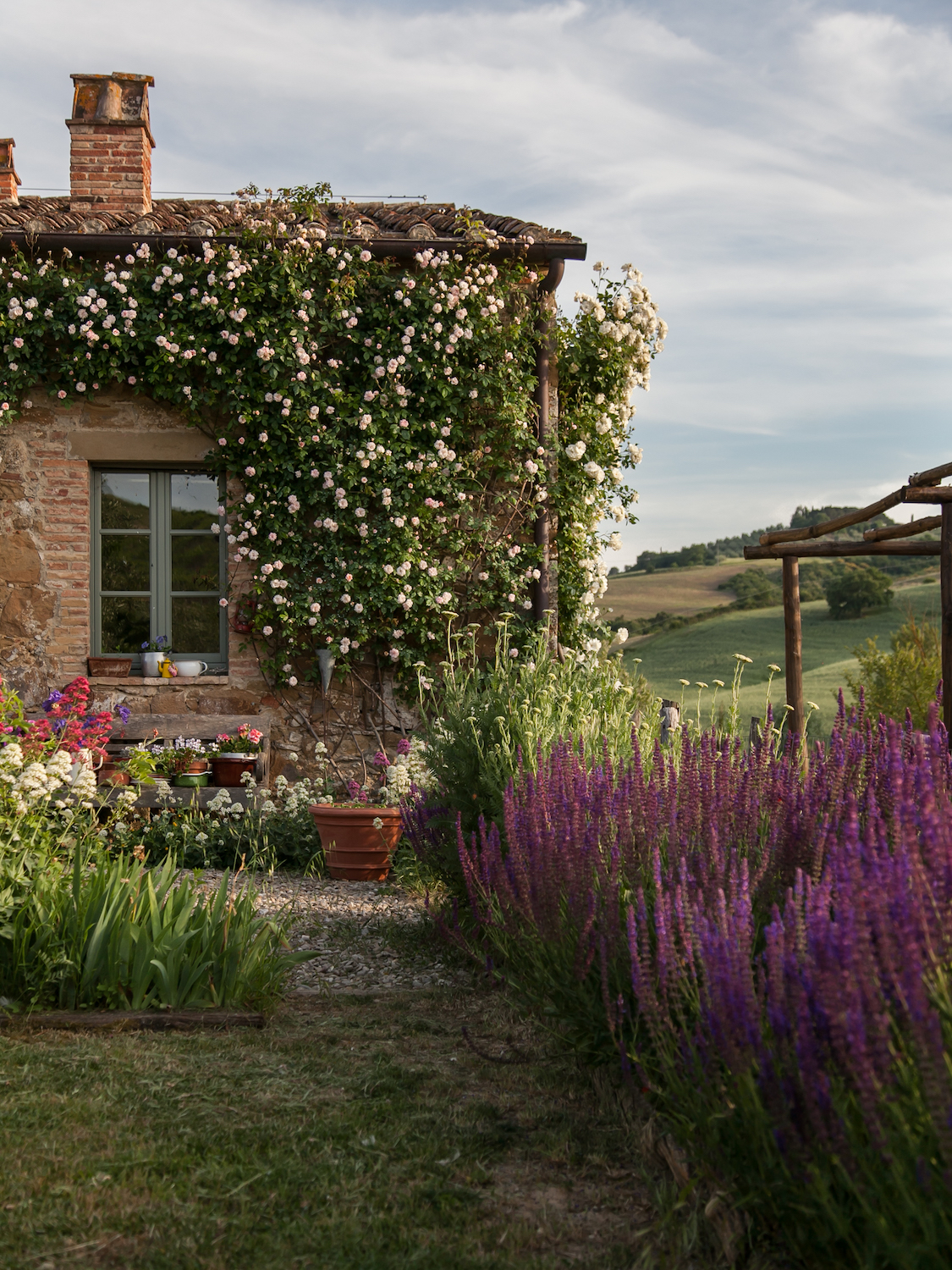
Inland again, to the southern hills where the vineyards start to slope towards the Val d'Orcia. Follonico sits a few kilometres from the village of Montefollonico, close to Montepulciano, and it is the most stripped-back house in this guide. Fabio Firli and Suzanne Simons found a forgotten farmhouse and chose to preserve it rather than perfect it, which means thick protective walls, scrubbed beams, uneven flagstones, and weathered portals left visible, then softened with powdery barley whites, eggshell blues, and the occasional shot of bright gelato colour.
The rooms follow suit: chunky doors, cool stone underfoot, beamed ceilings, scrubbed wooden beds, sage-green shutters that open onto countryside lit gold at either end of the day. The Blue Night suite is framed by a historic stone arch, with two old farmhouse doors hung on the wall, a fireplace and a loggia balcony looking across to the church of San Biagio, whose bells keep time for you. The smaller Montepulciano room, tucked into an outbuilding with original farmer's beds, lime powder paint and a private terrace, is the one to book if you want to disappear.
Food here follows a Slow Food line with real discipline: everything grown on site or sourced within thirty kilometres, supplied by locals working methods handed down for generations. Fresh eggs, sharp cheeses, garden vegetables. Adults only, dogs welcome, lavender in the grounds and a pool to fall into afterwards.
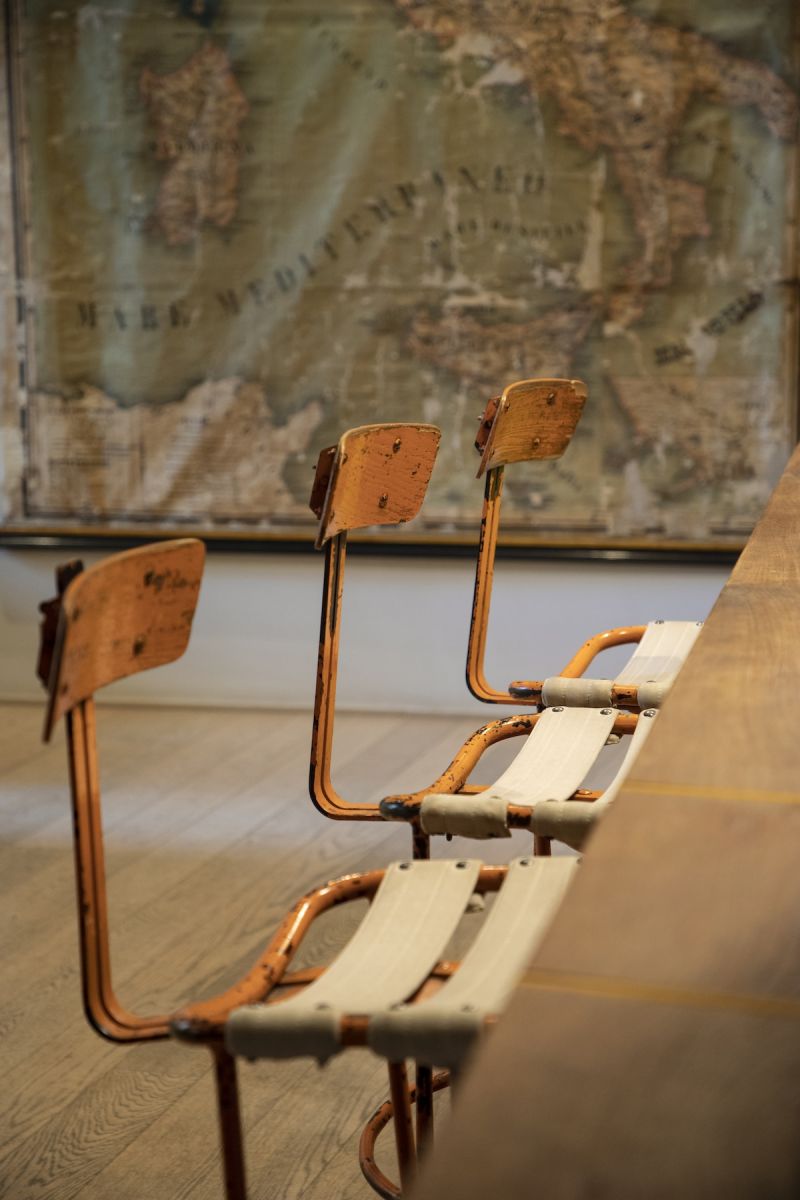
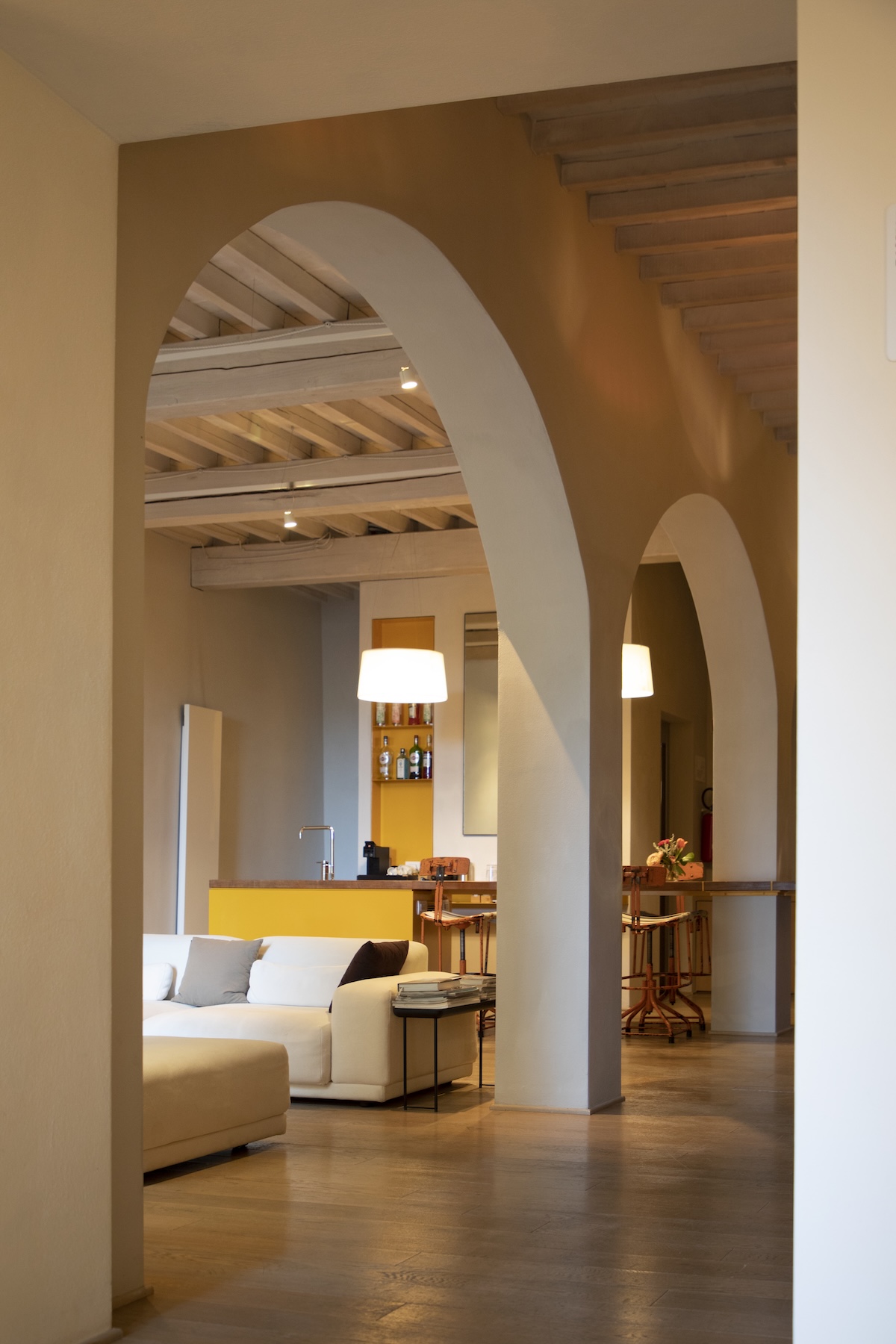
Twenty minutes on, the road delivers you to the most composed address in the collection. La Bandita Townhouse occupies a 500-year-old convent on Corso Il Rossellino, in the middle of UNESCO-listed Pienza, steps from Palazzo Piccolomini and the Cattedrale dell'Assunta. Its owner, John Voigtmann, came to hospitality sideways, having spent years as a talent executive at Sony in New York before Tuscany's rhythms won.
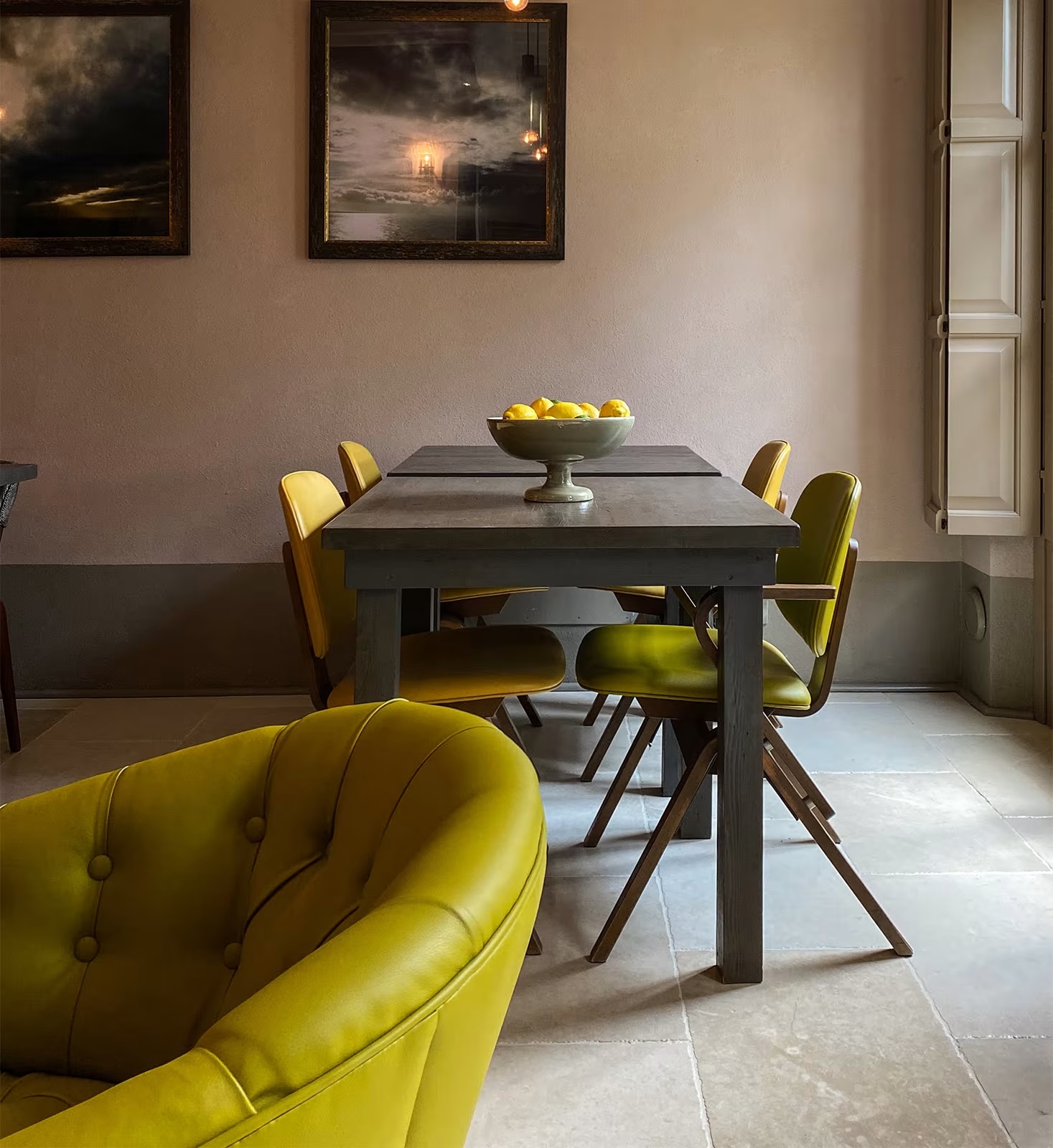
Working with Florentine architects Ernesto Bartolini and Arianna Pieri, he peeled back generations of plaster to reveal wood-beamed ceilings, centuries-old stone, and vaulted brickwork beneath. What went back in is deliberately spare: parquet against raw stone, floating beds, freestanding stone tubs, sharp Italian furnishings and signature splashes of lemon yellow for warmth. Some of the twelve rooms look down onto Pienza's cobbled alleys; the top-floor suites open onto the Val d'Orcia, all the way to Montepulciano, Montefollonico and Monte Amiata. The Townhouse Caffè keeps an open kitchen and an unfussy menu of Pienza pecorino, hand-rolled pasta and Chianti reds, and the courtyard garden works as Voigtmann's Tuscan living room, where aperitivo hour has a habit of running long.
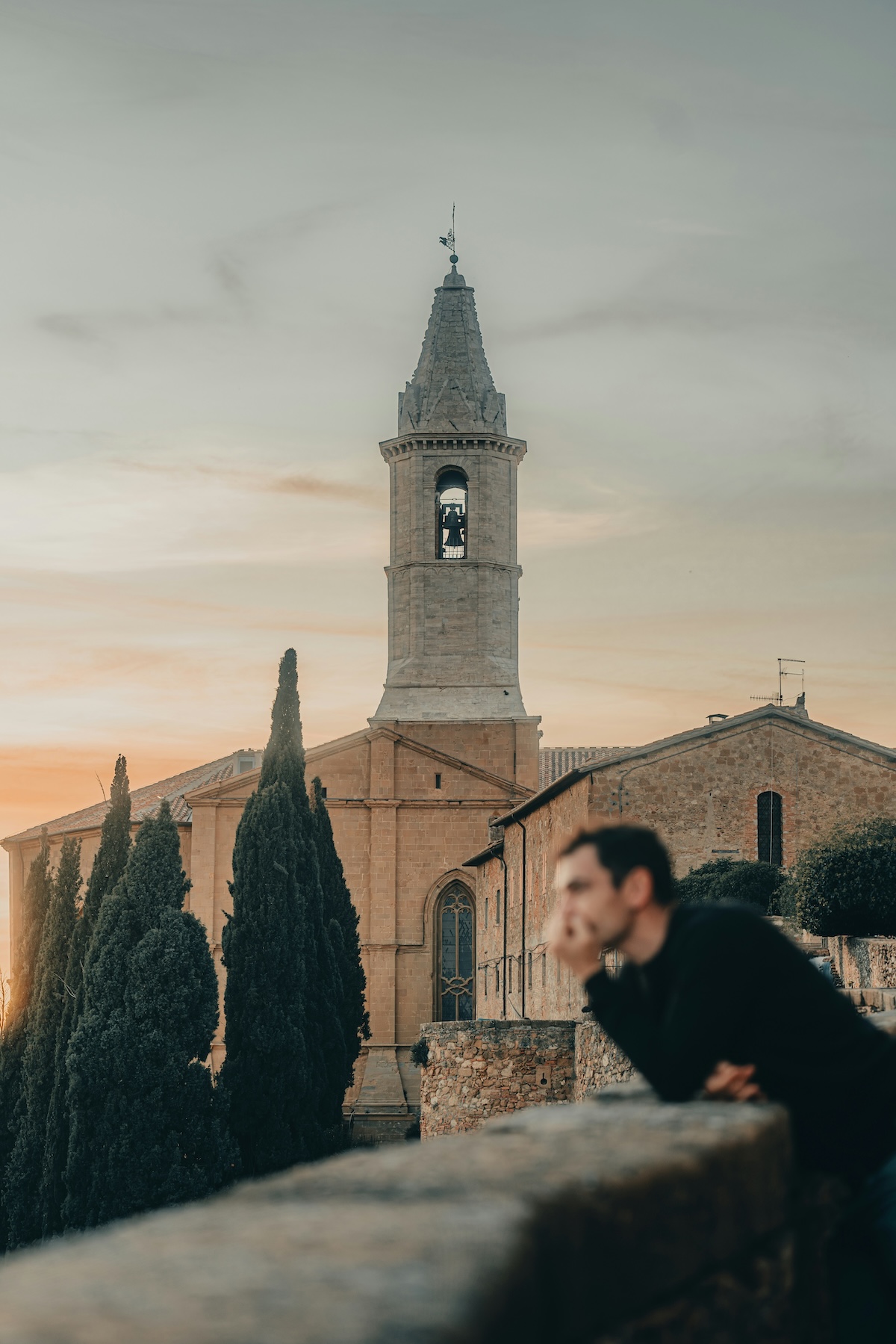
Pienza rewards knowing what you are standing in. Pope Pius II set out in 1459 to turn his birthplace, then called Corsignano, into Italy's first ideal Renaissance city, hiring Bernardo il Rossellino to rebuild it to perfect proportions under Leon Battista Alberti's guidance. He died two years into the work, which is why the town is a fragment: Piazza Pio II, the Palazzo Piccolomini, the Duomo, the town hall and the well, and then the wheat fields. Our journal on Pienza tells the whole story, pecorino included.
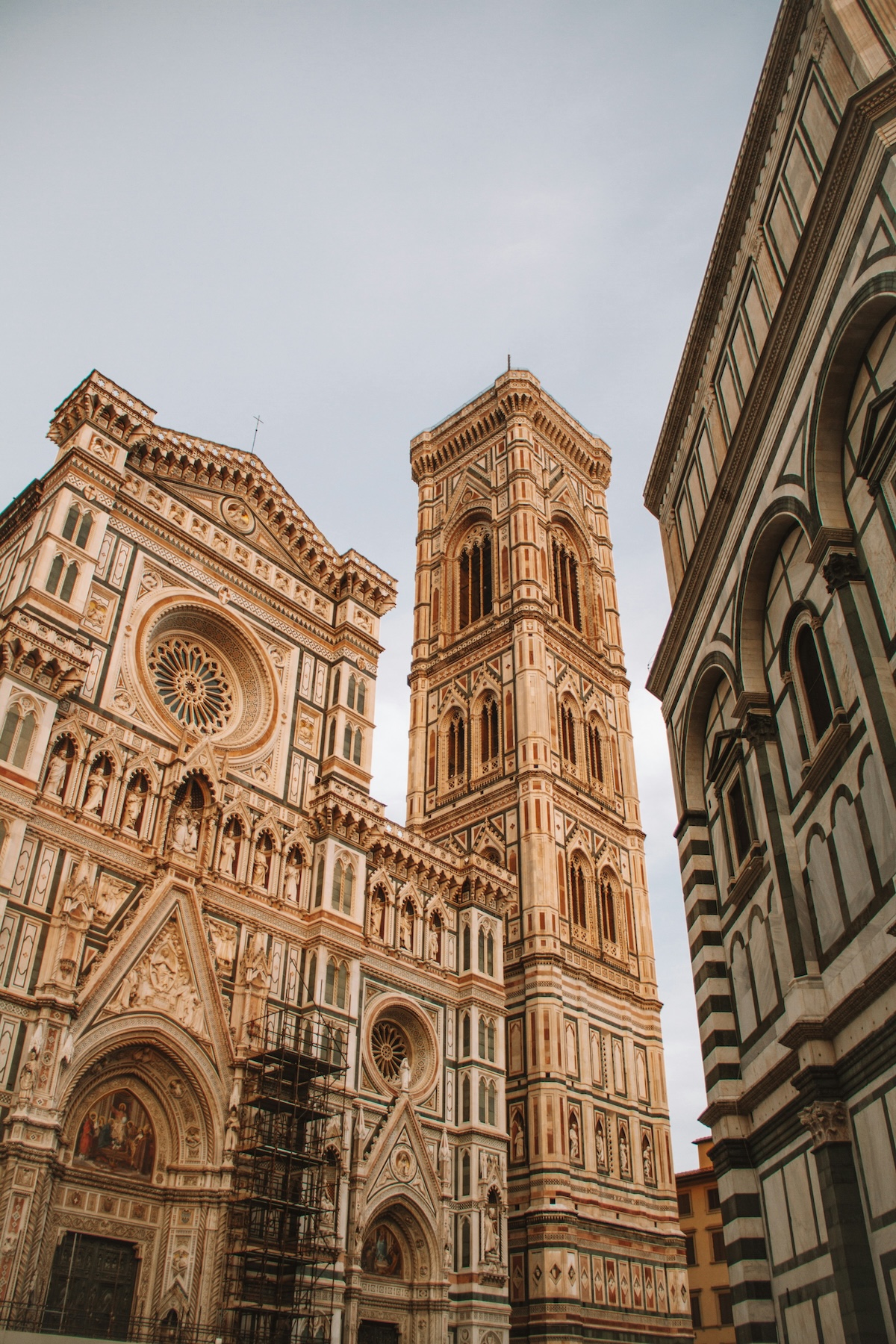
For the other end of the register, Florence is where the same impulse arrived with money and menace behind it, and where the Oltrarno workshops still cut marble and press gold leaf behind closed doors. And for proof that Tuscany never stopped commissioning strange and wonderful things, there is Niki de Saint Phalle's Tarot Garden in the Maremma, a sculptural world you walk into rather than look at.
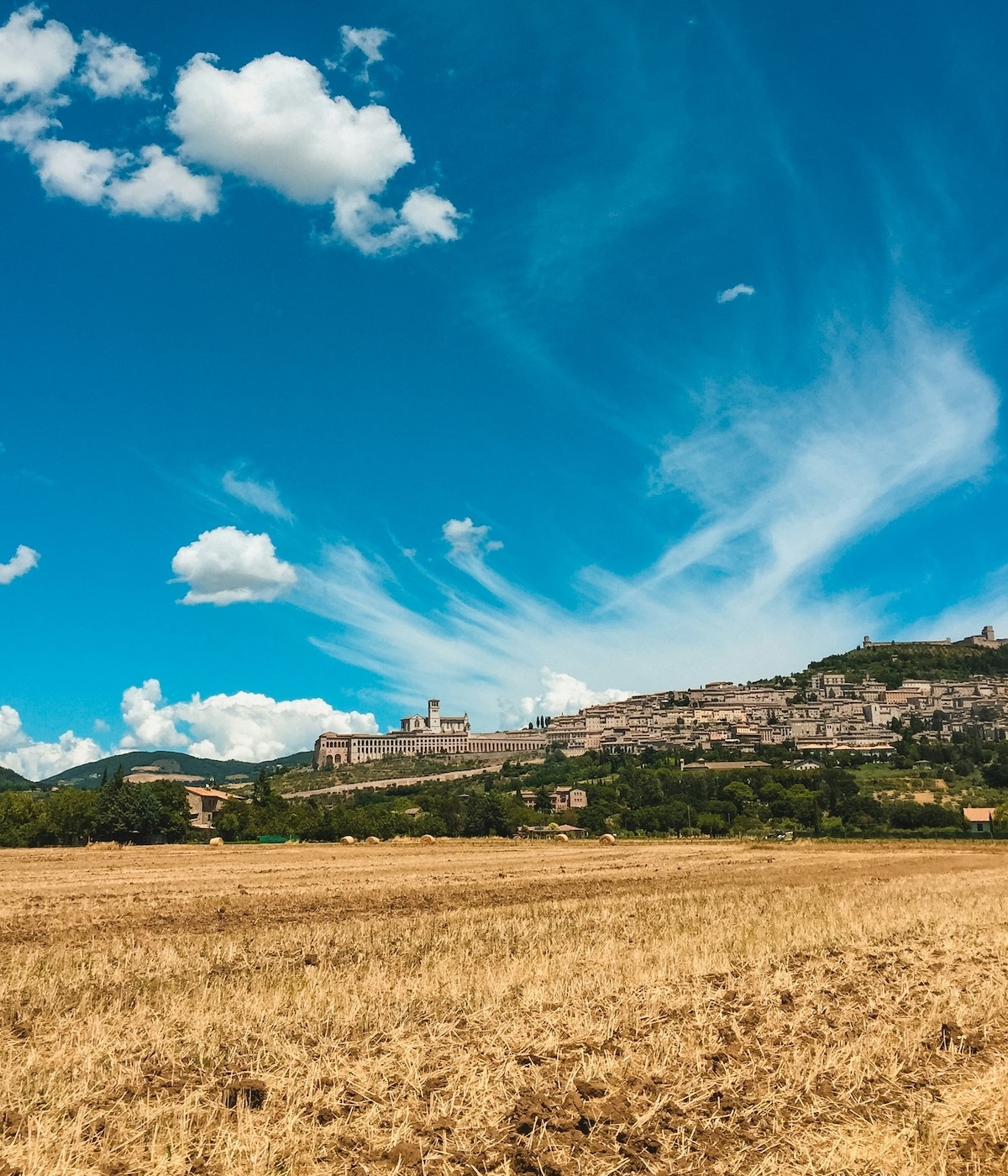
Four houses, and the argument makes itself. A Chianti borgo run by architects, a coastal farmhouse hung with one collector's eye, a salvaged retreat near Montefollonico and a convent in a Renaissance town could hardly differ more in scale or ambition, yet each is independently owned, each hands the decisive gesture to someone who understood the building first, and each keeps Tuscan stone, terracotta, timber and light at the centre of the room. That is the creative thread these little places share, and it is why they belong in good company.
When Tuscany has done its work, the country carries on eastward. Umbria is the slow-lane sister, hilltop towns and ancient forests, black truffles from Norcia and Etruscan bones under Roman stone. Beyond it, wedged between the Apennines and the Adriatic, Le Marche keeps its own counsel: Verdicchio from the chalky hills, Lacrima di Morro d'Alba from the valley floor, Urbino, the Monti Sibillini and coves reserved for the quietly curious. Both make the case for driving on.
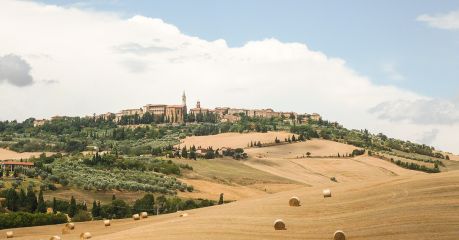
Pienza is a Renaissance experiment that never finished – and that’s what makes it perfect. Golden piazzas, sweeping Val d’Orcia views, and pecorino-fuelled indulgence – this is Tuscany’s dreamscape, frozen in time.
read more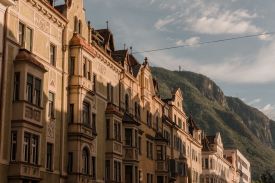
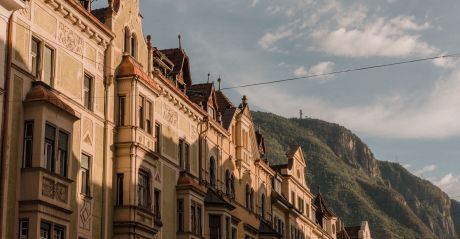
From its cultural heart to the altitudinous pleasures it offers, we put Bolzano in the headlights to explore its heritage core, architectural merit, stylish stays, foodie forays and more.
read more
A powerhouse of architecture, design and restoration works - we feature three of their recent Italian hotels, creating a legacy of how to convert buildings into fabulously designed places to stay.
read more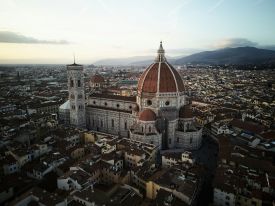
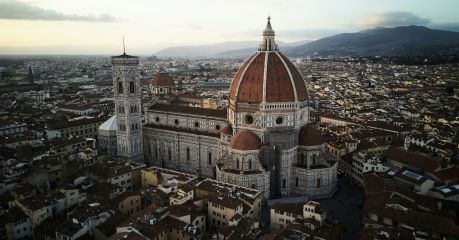
Florence is where Renaissance vision meets timeless craftsmanship – a city of cathedrals, sculpture, stone workshops and living history, layered with legacy and pulsing with quiet creative strength.
read more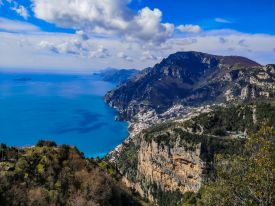
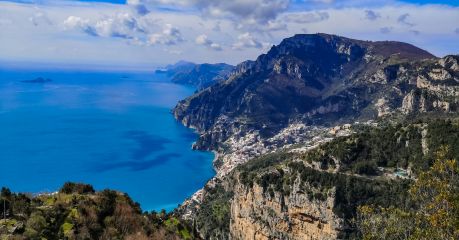
Amalfi and the Path of the Gods - Sentiero degli Dei is magical, an easy, two-hour amble for mortals like us, spy the Amalfi Coast’s breath-taking UNESCO World Heritage site in all its glory from a lofty, God-like height, tracking the path from Agerola’s Bomerano near Amalfi to Positano’s pause-worthy Nocelle.
read more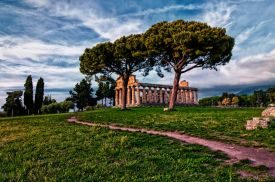
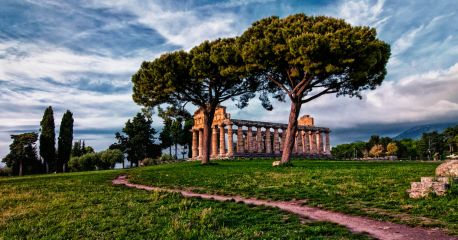
Paestum Temples in Southern Italy is one of those ancient antiquities that you have to visit – this UNESCO World Heritage Site in Cilento Campania is a treasure trove of ancient Greece including three of the world’s best-preserved temples.
read more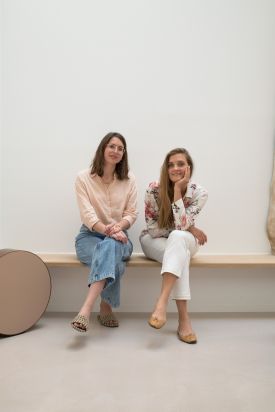
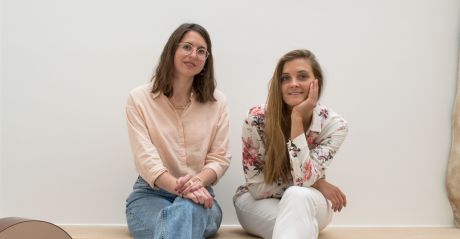
Just off Rue des Martyrs in Paris, in the 9th arrondissement, Zeuxis Contemporary Art Gallery created by Amélie du Chalard is the Maison d'Art Amelie - a showcase for paintings, engravings, sculptures, photographs, videos and works of art set within a magnificent apartment.
read more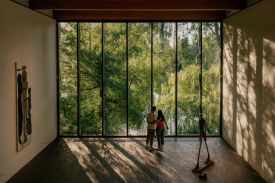
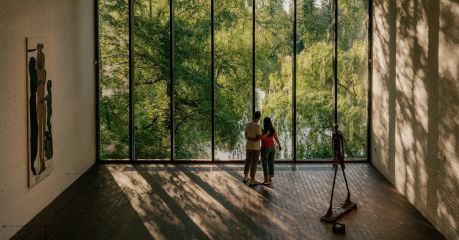
Where modern art meets coastline and clarity, Louisiana Museum of Modern Art turns a museum visit into a coastal walk, framing global creativity through architecture, light and landscape.
read more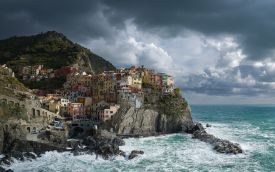
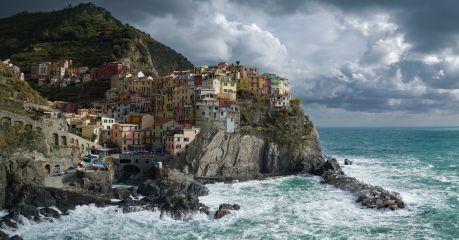
Cinque Terre in the Slow Lane – Ensconce yourself at a secluded retreat where the pleasures of slow living are championed in a peaceful and tradition-filled Ligurian way of life.
read more
Get your phone ready as you enter the Corsini Greenhouse, created in 1800 and named after the Corsini Palace which borders one side of the botanical garden, filled with the kind of succulents that will set your Insta on fire.
read more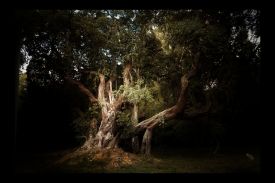
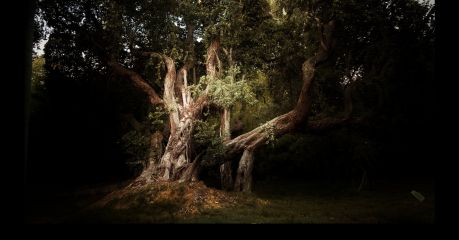
Dendrophiles, or lovers of trees, will enjoy the diversity here with over 1,400 species – including rarely seen palms and ferns from across the world.
read more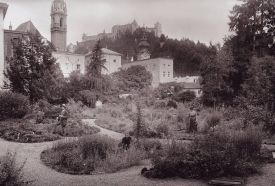
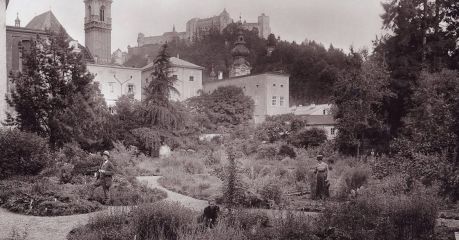
The history of this urban green space dates back as far as 1780, when a plant trader used the fertile land to grow and trade in bulbs and plants - today there is a large dry collection – some 3000 diaspores of native plants.
read more
Get the insider news and lowdown on what we've been up to, where we've been, and who we've met along the way. Be the first to discover new places and get the scoop on our favourites.