JOIN the AFICIONADOS
Get the insider news and lowdown on what we've been up to, where we've been, and who we've met along the way. Be the first to discover new places and get the scoop on our favourites.

Portugal has been continuously a nation since 1139, which makes it the oldest sovereign state in Europe with its original borders broadly intact. The country is older than most of its neighbours, smaller than most of its neighbours, and has spent considerable stretches of its history quietly redrawing the world map while everyone else was looking at France. The fifteenth and sixteenth centuries belonged in large part to a small, well-organised Atlantic country whose sailors reached India, Brazil, Japan and the Cape of Good Hope before most European capitals had finished their cathedrals.
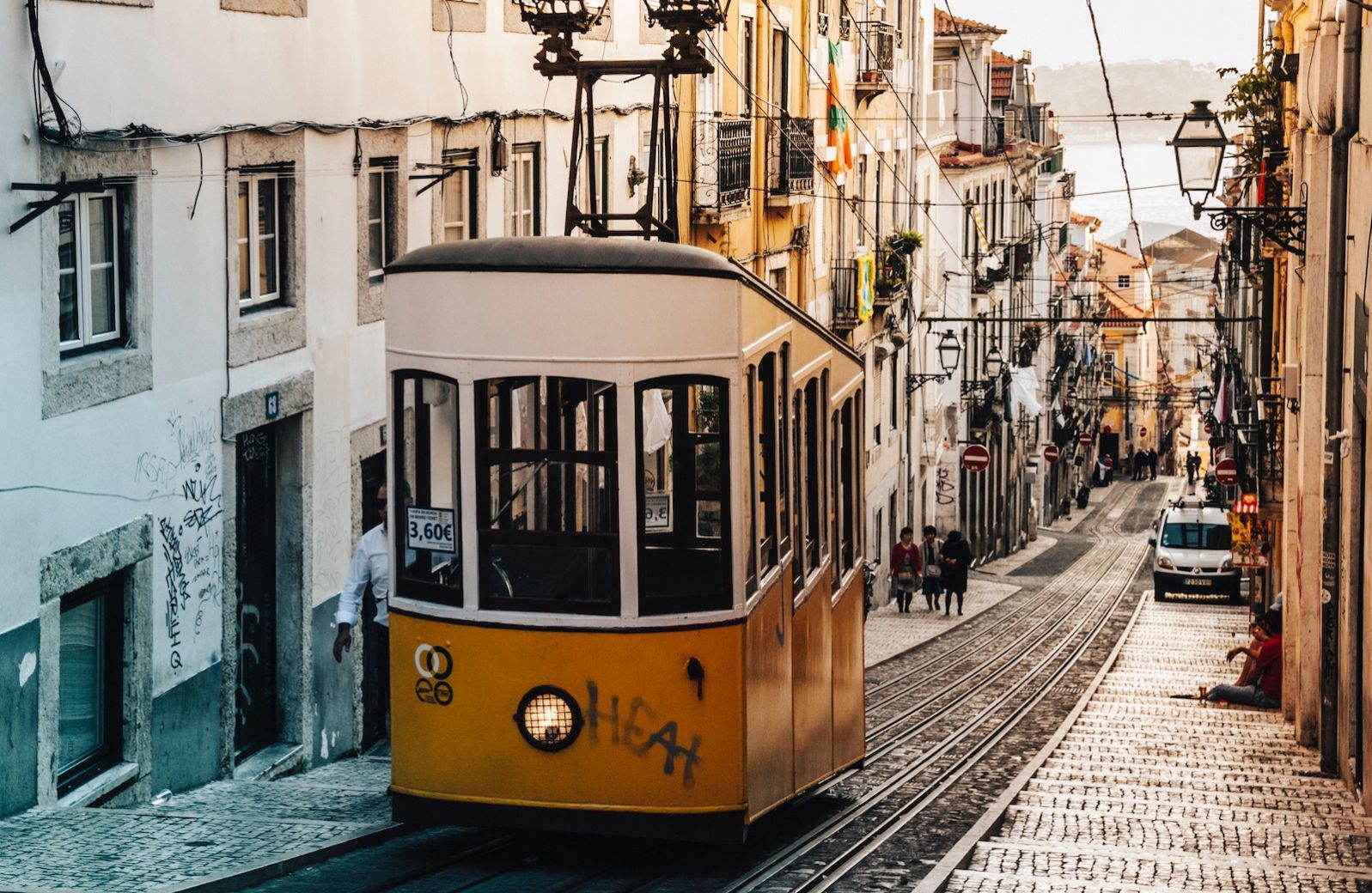
That seafaring inheritance is everywhere if you know where to look. Lisbon, the capital, was levelled by an earthquake on All Saints' Day in 1755 and rebuilt by the Marquis of Pombal into one of the first scientifically planned modern city centres in Europe; the Pombaline grid of the Baixa, the trams climbing through Alfama, and the riverside grandeur of Belém Tower and the Jerónimos Monastery (Manueline architecture, all twisted ropes and astrolabes in stone) tell the same story in different chapters. To the north, Porto sits on a granite shelf where the Douro meets the Atlantic, UNESCO-listed since 1996, the city that gave the country its name and the world its fortified red wine. It is also the home of the Porto School of architecture, the Álvaro Siza Vieira and Eduardo Souto de Moura lineage that has quietly produced two Pritzker laureates and a distinctive Iberian modernism of restraint, white walls and respectful intervention.
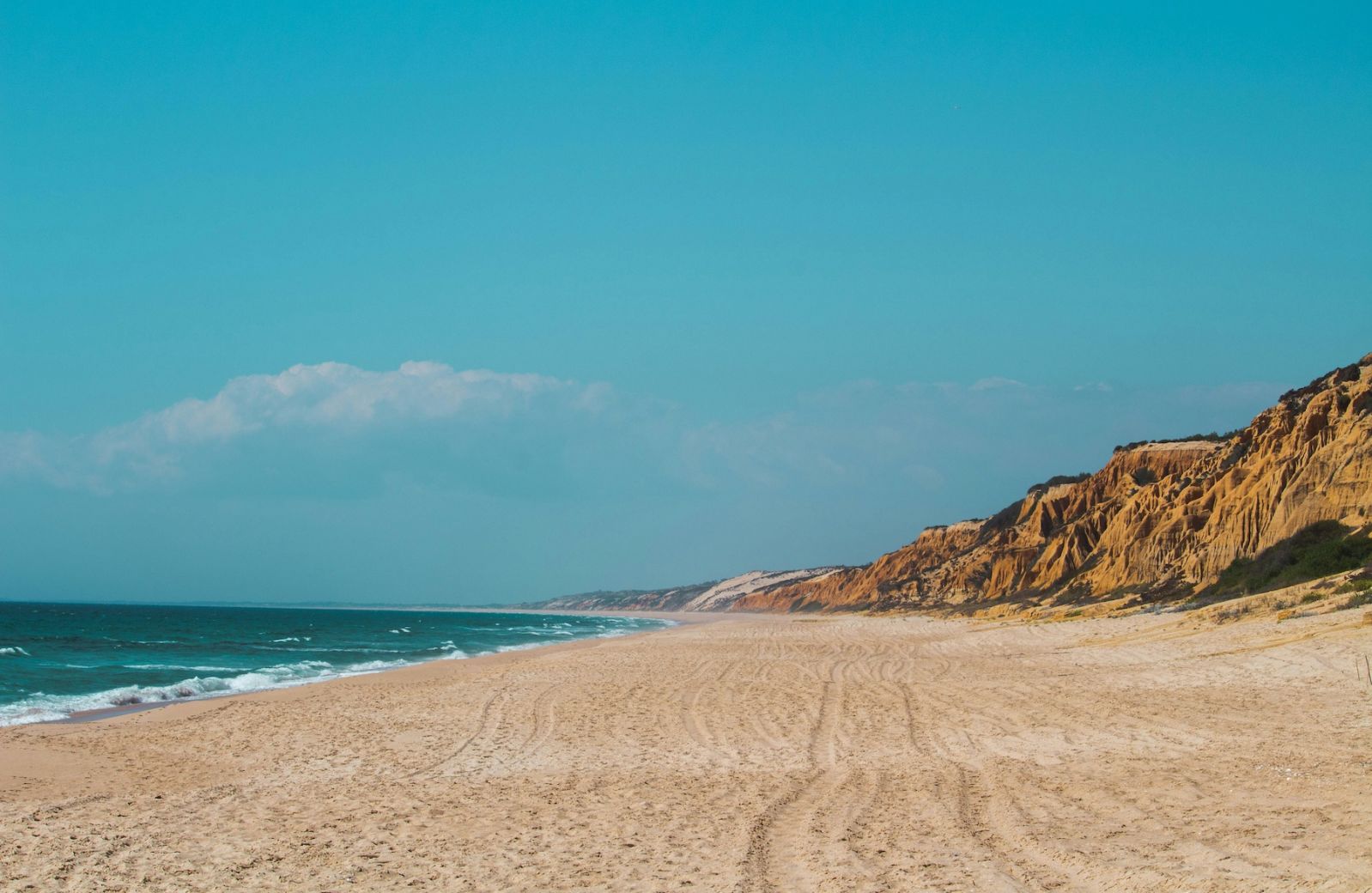
South and east of Lisbon, the Alentejo opens out into Portugal's wide rural interior: cork oaks, wheat fields, megalithic stones older than Stonehenge at the Almendres Cromlech outside Évora, isolated montes (the regional farmstead architecture, white-walled, flat-roofed, built for shade), and a slow rural temperament that the rest of the country regards with affection and mild exasperation. Then the coast. The Algarve runs along the southern edge under cliffs of weathered limestone the colour of biscuit; the western Costa Vicentina is wilder and the surfers prefer it. Tavira, in the eastern Algarve, is the most architecturally intact of the region's towns: Moorish street plan, the so-called Roman bridge, the saltpans of the Ria Formosa wetlands stretching along the coast toward Spain.
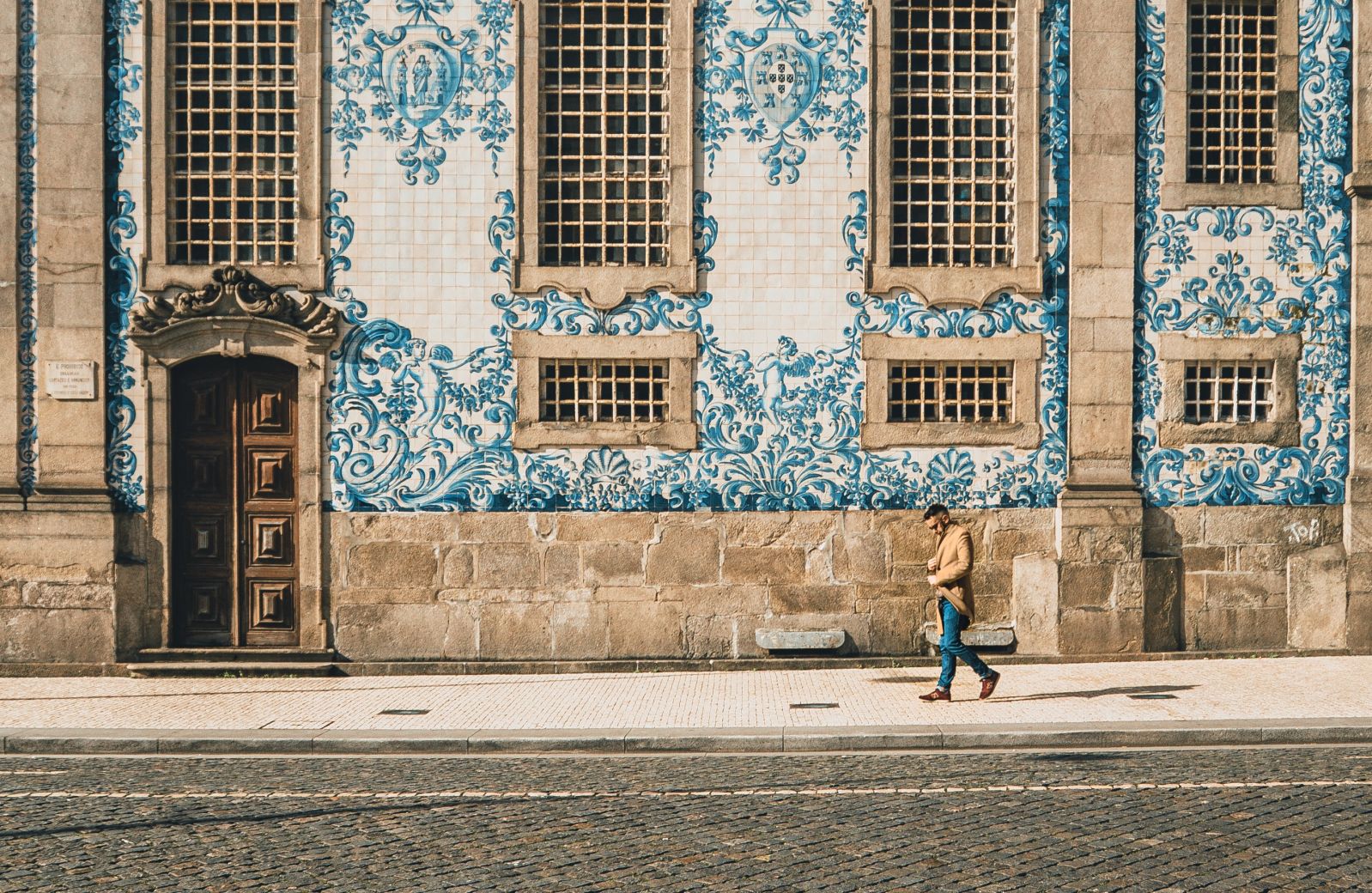
The cultural milestones layer through. The azulejo tradition arrived in the sixteenth century via Spain and Holland and has never quite left; the calçada portuguesa, the hand-laid limestone-and-basalt cobble paving in geometric patterns, is one of the country's quieter masterpieces of public craft. Fado, the Lisbon song of saudade and longing, was inscribed by UNESCO in 2011. Food carries the inheritance plainly: bacalhau in its hundreds of preparations (salted cod from the Newfoundland trade), pastéis de nata (a recipe invented by Belém monks before the 1834 dissolution of monasteries), grilled sardines on a Lisbon side street in June, cataplana on the Algarve coast, and the Douro wines that the British turned into a global industry under the Methuen Treaty of 1703.
What ties the country together is a temperament rather than a slogan. Portugal is, on the whole, unhurried, materially modest about its own beauty, and disinclined to make a fuss about its considerable history.
One of the world’s oldest cities, Lisbon lies between the Atlantic Ocean and its legend-shrouded Seven Hills. Mediterranean climate, Roman and Moorish heritage, and timeless charm make it irresistible to modern travellers.
read more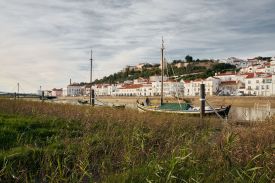
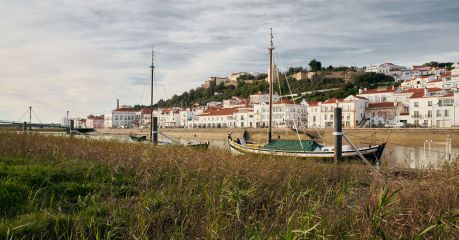
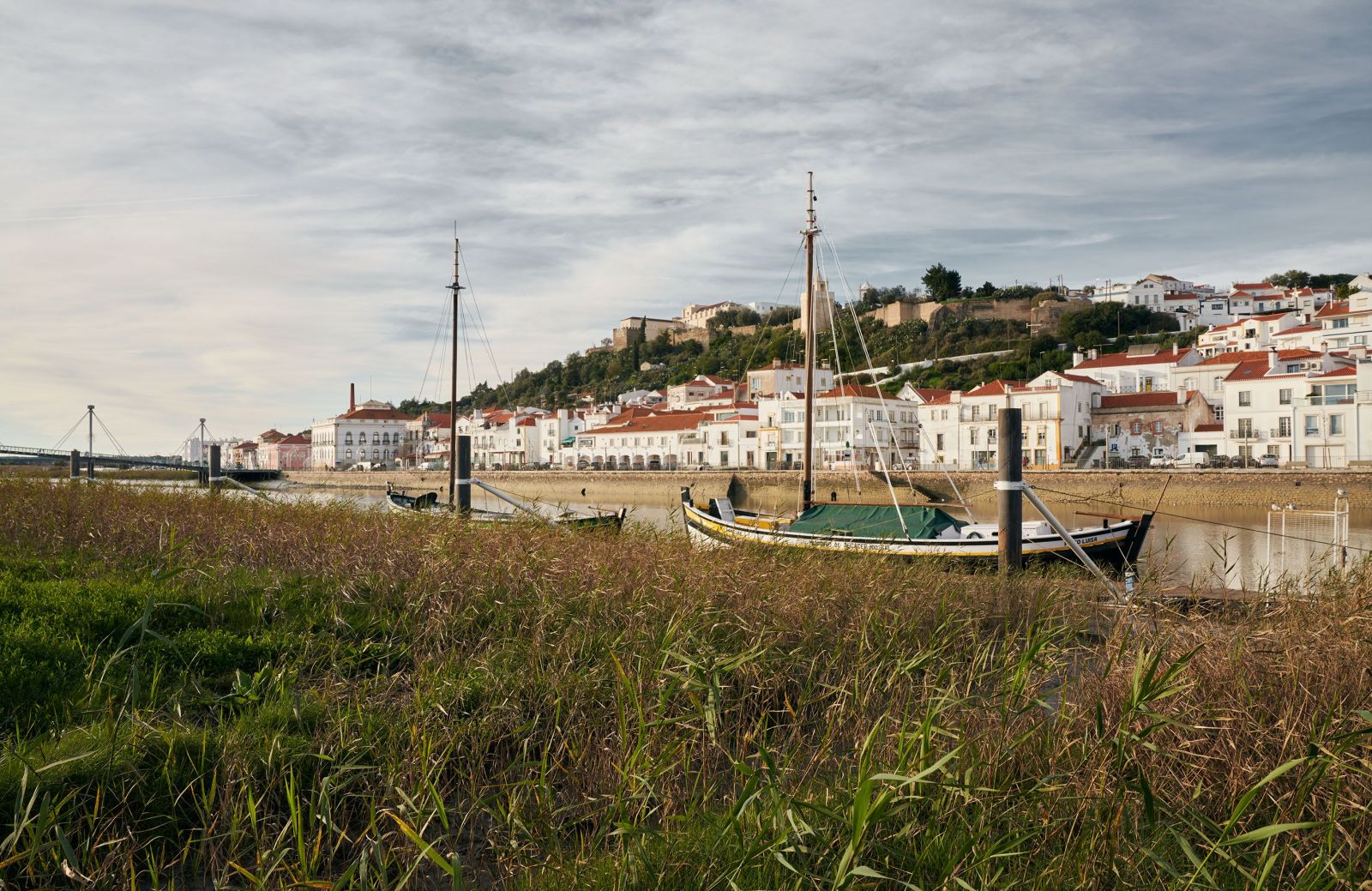
Alcácer do Sal – where Portugal’s past meets a slow, design-savvy present. Moorish echoes, Roman roads and riverside charm collide with boutique hotels, cultural cool and a straight shot to Comporta’s wild shores.
read more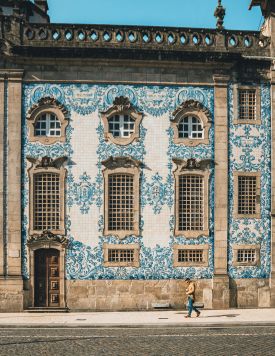
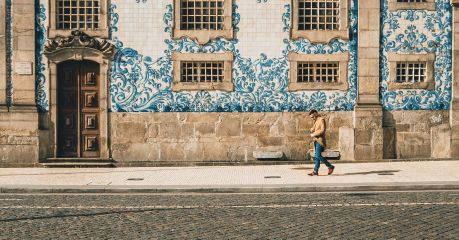
A granite city above the Douro, UNESCO-listed and layered through Romanesque, Baroque and the Porto School, famously refusing to be precious about any of it.
read more
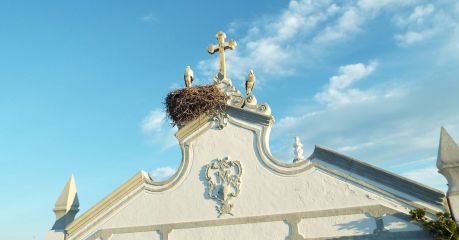
Tavira doesn’t flex – it smoulders. A slow-motion townscape where terracotta peels, chimneys whisper Moorish secrets and the Atlantic waits – just offshore, just perfect. No filter required.
read more
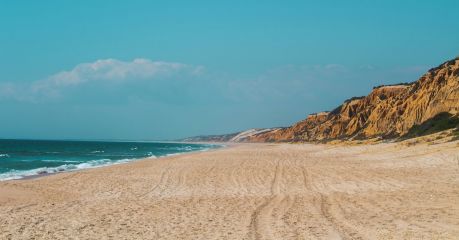
From the wild beaches of the Atlantic coastline stretching inland to the Spanish border, Portugal’s Alentejo region is characterised by an addictive peacefulness and slow lane pace, where ancient cork forests meet megalithic rocks, pine scents the air and pockets of wholesome cuisine and under-the-radar vineyards mean the good life is never far away, minus the crowds.
read more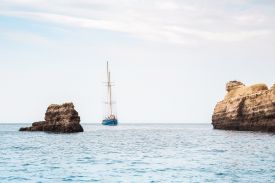
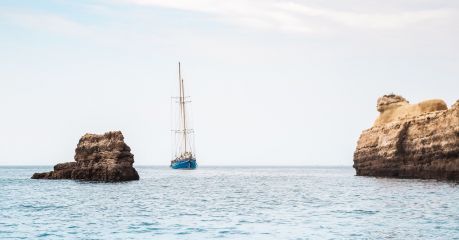
Atlantic wilds meet Moorish cool – this is the Algarve unplugged. From Tavira’s slow-soul charm to Ria Formosa’s tidal magic – this is Portugal, remixed for the style set.
read more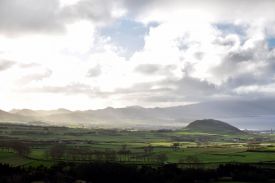
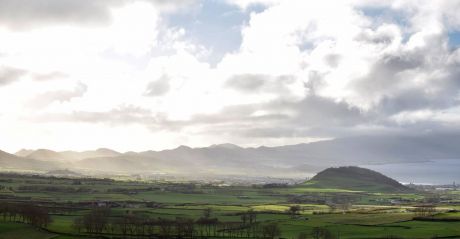
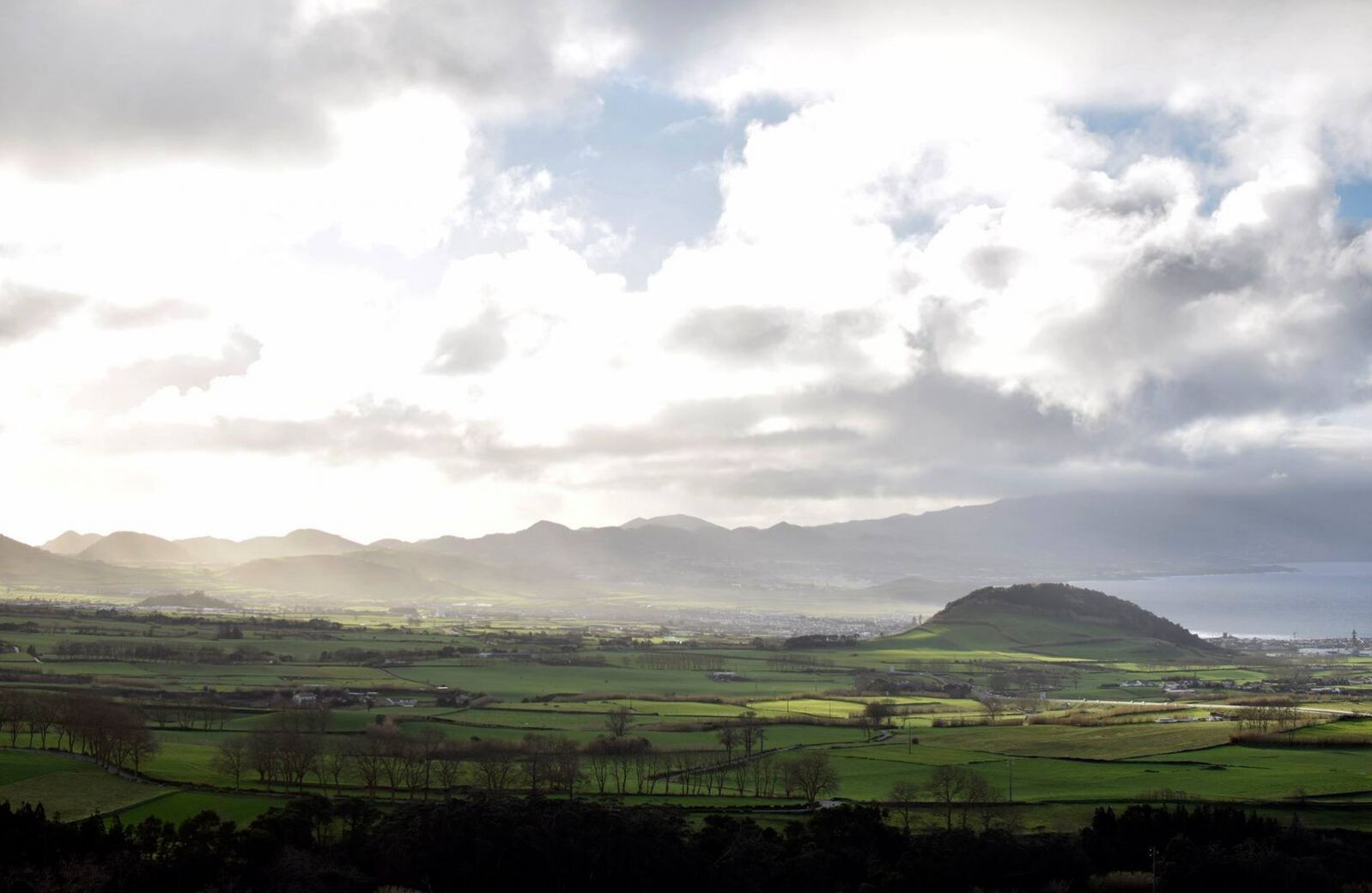
Considered the “Hawaii of Europe”, the Azores are a hidden Atlantic oasis. Uninhabited until the 15th century, this far-flung archipelago was created by volcanic eruptions and is mountainous and geologically diverse — its quiet beaches only disturbed by the sounds of whales and dolphins.
read more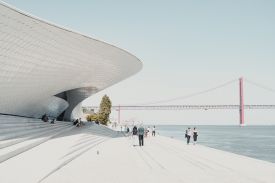
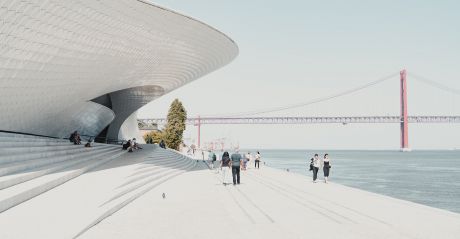
Lisbon's sleek MAAT is the city's latest cultural hub, where the worlds of architecture, art and tech collide - a museum of force in glazed ceramic form.
read more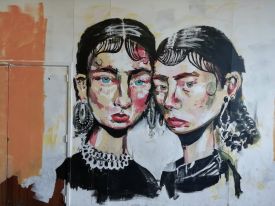
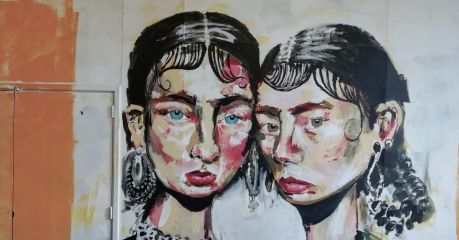
Lisbon, Portugal's legendary capital simply bursts with heritage, azulejo tiles, Pastéis de Nata & art - this is a design guide you can shop, see & drink.
read more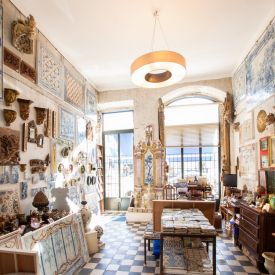
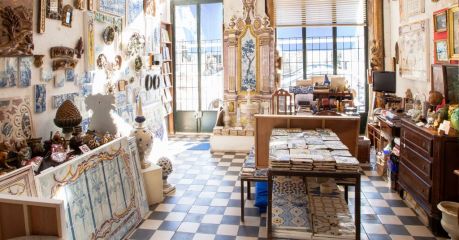
A Lisbon shopping guide for those under-the-radar gems spanning fashion, antique tiles, vintage furniture, design den interiors & all things children's gifts.
read more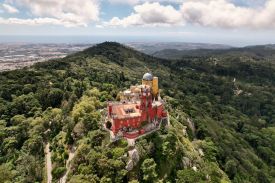
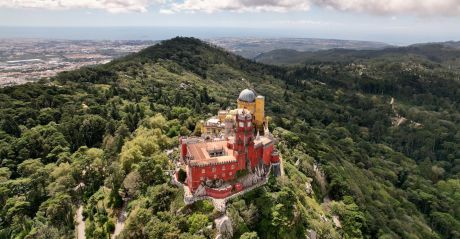
Travel to Portugal's fairytale den of Sintra, just outside Lisbon, for a world full of rolling hills and castles, once referred to by Byron as "glorious Eden".
read more

Meet Lisbon's internationally acclaimed graffiti artist Diogo Machado, known for his work as Add Fuell, he stencils his voyeuristic tile designs across the city becoming must find artworks.
read more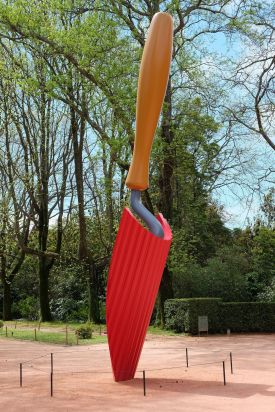
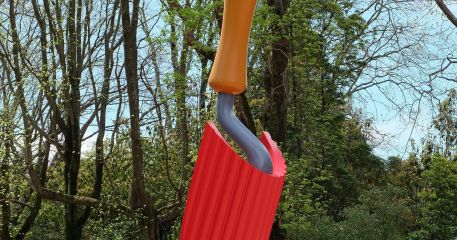
Porto for culture seekers - we explore the Serralves Foundation comprising of a dusty pink 1930-40s’s Art Deco villa designed by Porto architect José Marques da Silva, a landscape-specific contemporary museum designed by Álvaro Siza.
read more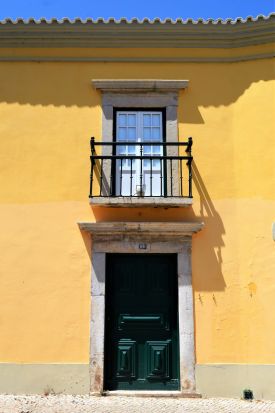
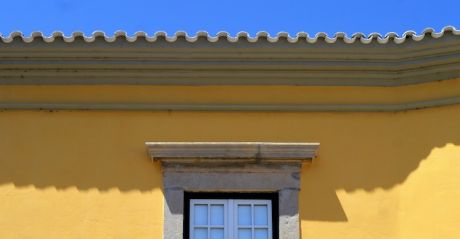
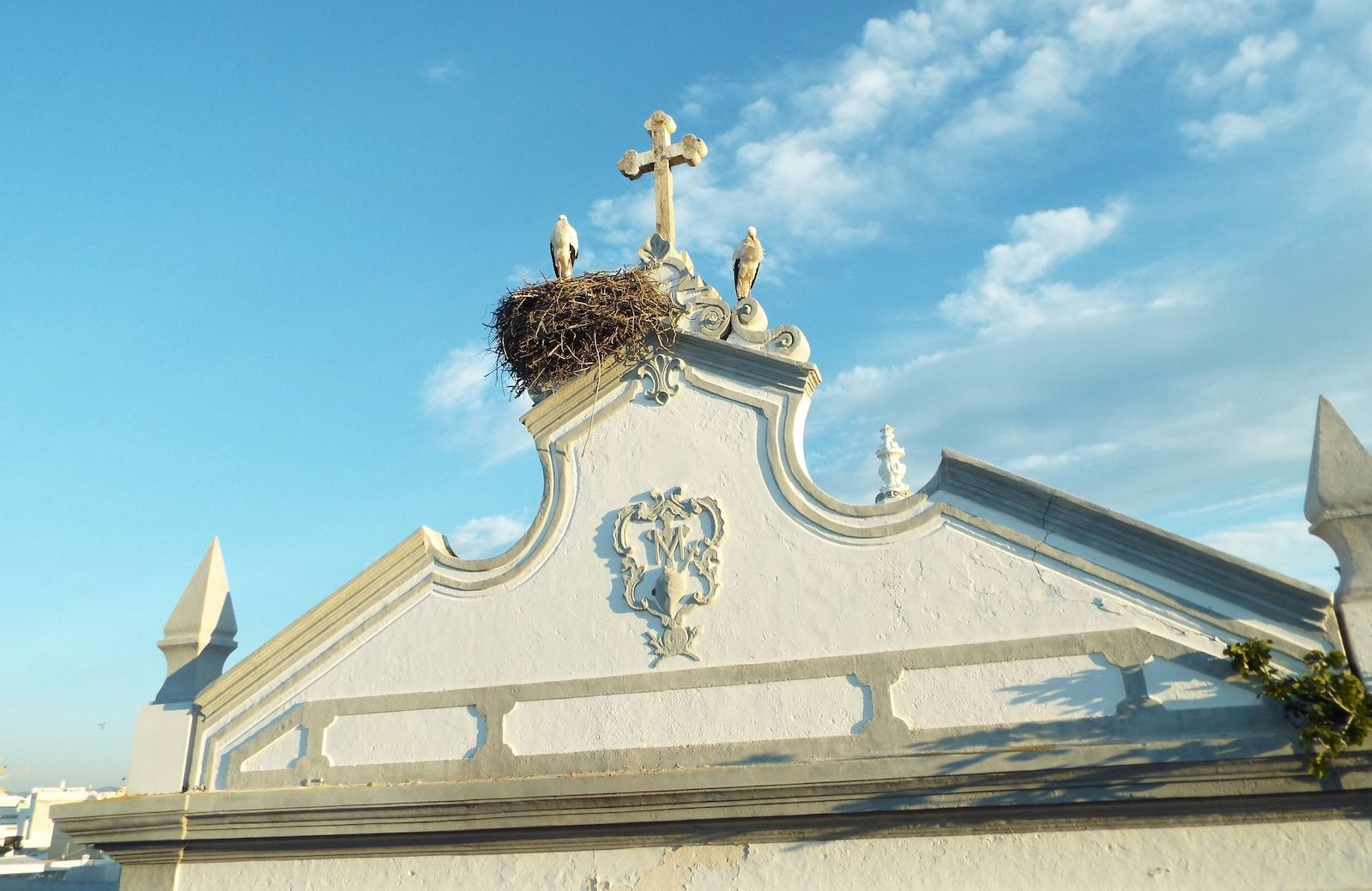
Faro is the gateway to Portugal's Algarve but don't be tempted not to visit this wonderful medieval port and culture stuffed city dating back to the 8th Century.
read more
Get the insider news and lowdown on what we've been up to, where we've been, and who we've met along the way. Be the first to discover new places and get the scoop on our favourites.