JOIN the AFICIONADOS
Get the insider news and lowdown on what we've been up to, where we've been, and who we've met along the way. Be the first to discover new places and get the scoop on our favourites.

PORTUGAL’S CREATIVE SOUL ON THE DOURO
In 1415, by local legend, the citizens of Porto handed over the entirety of their meat to Henry the Navigator's fleet bound for Ceuta and kept only the tripe for themselves. The Portuenses have been known as Tripeiros ever since, and tripas à moda do Porto remains on the lunch menus of the older taverns. Whether literal or not, the story tells you something useful: Porto sends its best out to the world and gets on cheerfully with the offal. There is no false ceremony here.
Porto sits high on a granite shelf where the Douro meets the Atlantic, and is built in the same granite. The historic centre has been a UNESCO World Heritage Site since 1996, an unusually generous inscription that also takes in the Dom Luís I bridge and the Serra do Pilar monastery across the river in Vila Nova de Gaia. The skyline is a working argument between centuries: the Romanesque Sé glowering from its hill; the Baroque bell tower of the Clérigos, the tallest in Portugal and the homecoming sailor's first sight of land; the nineteenth-century iron and azulejo theatricality of São Bento railway station with its twenty thousand tiles; and a measured contemporary current in the manner of the Porto School architects Álvaro Siza Vieira and Eduardo Souto de Moura. Rem Koolhaas's Casa da Música, dropped into the Boavista roundabout in 2005, is the only building in the city that genuinely shouts. The rest of Porto carries its history at conversational volume.
The painted townhouses you have heard about, in lemon and peach and faded turquoise and bruised pink, are largely domestic rather than monumental. They climb the medieval lanes of Ribeira down to the riverfront, follow the Miragaia waterfront where Porto's old Jewish quarter once spilled beyond the city walls, and turn into the merchant grandeur of Massarelos as the river bends west toward the sea. Walk it slowly. Porto is a city of staircases (the Escadas dos Guindais, the Escadas da Vitória of the medieval Judiaria do Olival, the Escadas dos Clérigos), and it is best read by the foot rather than the wheel.
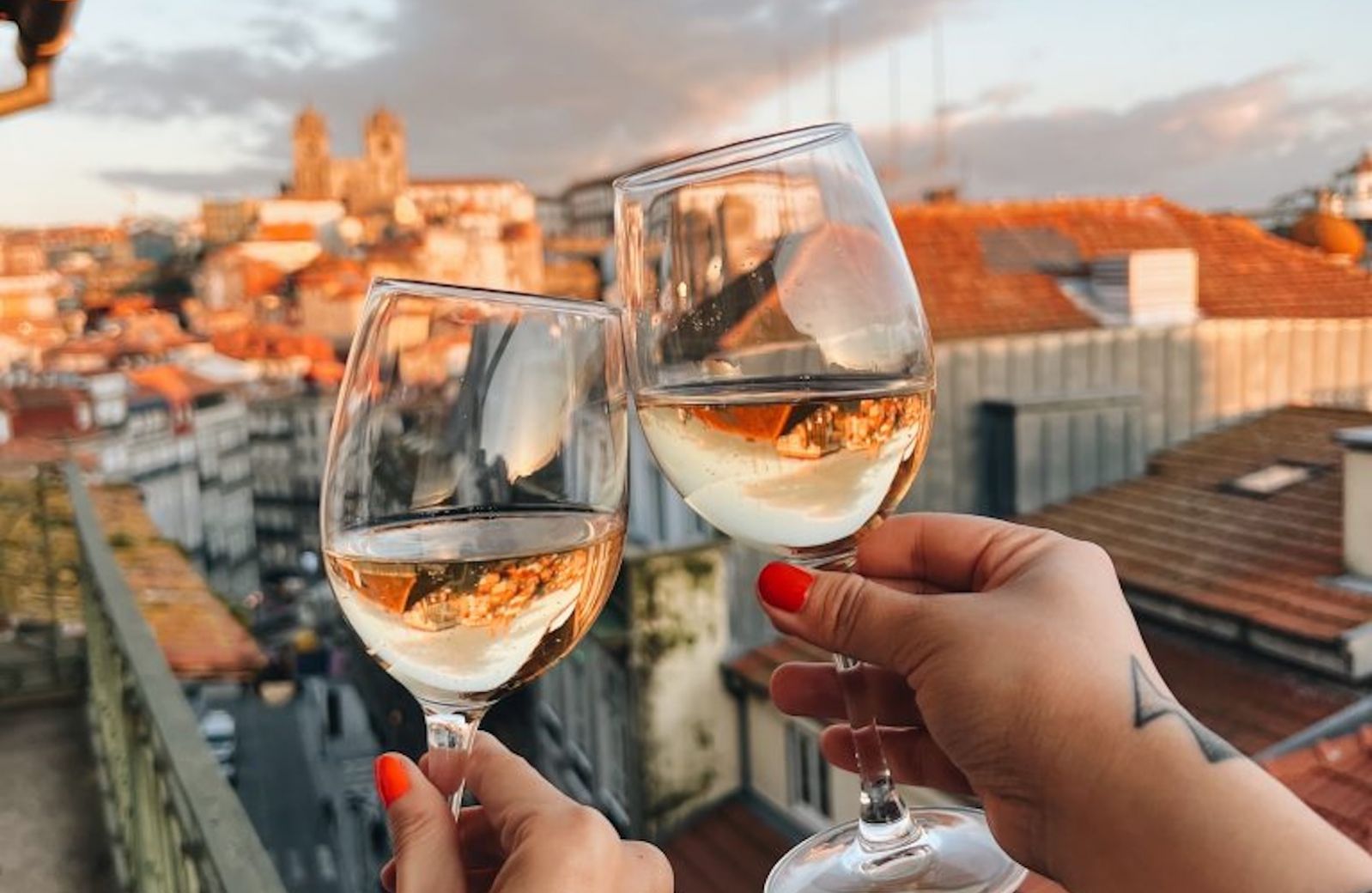
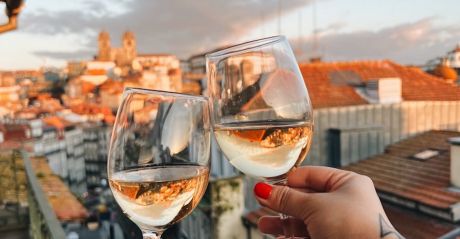
The Port trade made the modern city. British merchants set up in the seventeenth century, lived at the still-functioning British Factory House, and quietly turned the upstream Douro Valley into one of the world's oldest demarcated wine regions. The barrel-lined lodges in Gaia hold the consequence today: Taylor's, Graham's, Sandeman, alongside Portuguese houses such as Niepoort and Ramos Pinto, often making the more interesting wine. The most photogenic way to take all of this in is from the Gaia side at golden hour, with a chilled white port and tonic in hand and Gustave Eiffel's Dona Maria Pia railway bridge framing the composition. The water is the same colour as the wine.
Porto eats well, slowly, and without pretence. The francesinha is eaten as gravely as a Sunday roast; bacalhau comes in its hundred dignified preparations; sardines are grilled on cobbled side streets in summer. Livraria Lello, the neo-Gothic bookshop on Rua das Carmelitas, was photographed by every visitor before it had a queue, and is still worth the wait. The Mercado do Bolhão has at last reopened after a decade of restoration. The historic cafés (Majestic, Guarany, A Brasileira) are still where the city writes itself.
What draws people to Porto in the end is not its prettiness, which it possesses but does not particularly cultivate. It is the city's working refusal to be precious. Heritage is repurposed rather than embalmed, design enters by the side door via age-old crafts, the Douro River does the rest.
A restored sixteenth-century townhouse in Porto's old Jewish quarter, fabulously styled where heritage stucco and exposed timber meet contemporary minimalism: five centuries of historic beauty.
read more
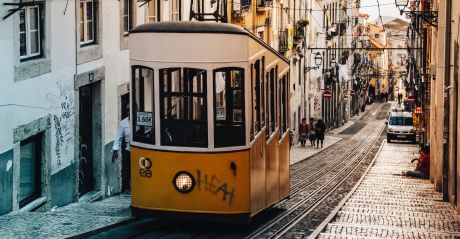
One of the world’s oldest cities, Lisbon lies between the Atlantic Ocean and its legend-shrouded Seven Hills. Mediterranean climate, Roman and Moorish heritage, and timeless charm make it irresistible to modern travellers.
read more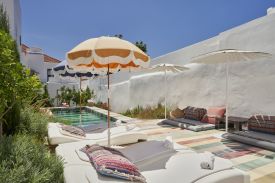
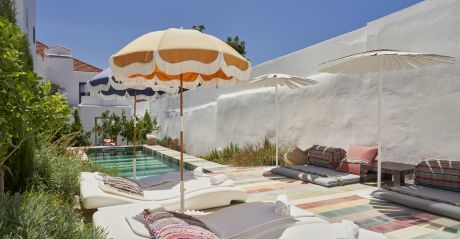
Casa Fortunato is where design, history, and soul collide making it a rare private-hire house in Alentejo. Inside, postmodernist pieces beautifully marry with Portuguese heritage, vintage glamour and artistic rebellion.
read more
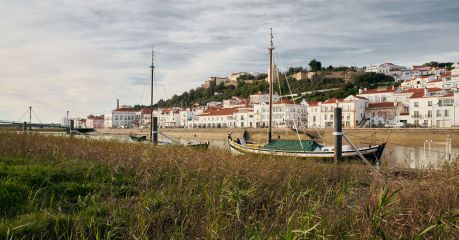
Alcácer do Sal – where Portugal’s past meets a slow, design-savvy present. Moorish echoes, Roman roads and riverside charm collide with boutique hotels, cultural cool and a straight shot to Comporta’s wild shores.
read more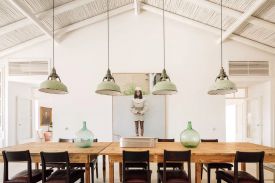
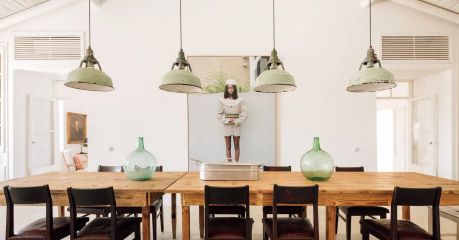
Barefoot brutalism meets citrus calm. Hospedaria is the crash pad for design lovers, where vintage finds, art, and concrete cool rewrite the rules of rural Algarve stays.
read more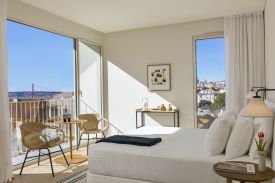
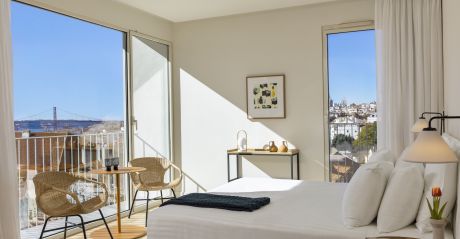
Built on the blueprint of a former woodwork and abandoned timber yard, Pátio do Tijolo has more than a cue of industrial chic infused with design, art and contemporary accents.
read more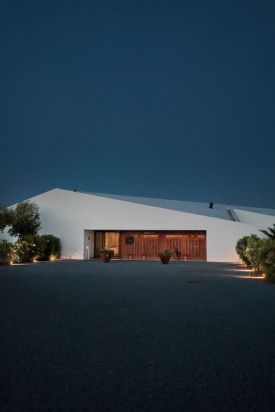
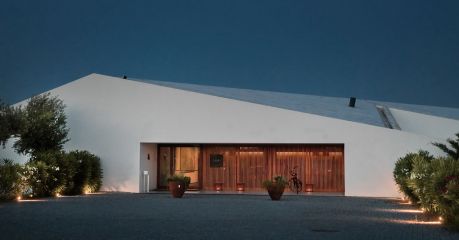
A cohesive blend of wine culture, raw nature, commitment to the environment and design are the quintessential hallmarks of L'AND, which give the retreat a sense of belonging and an original bond to oenology.
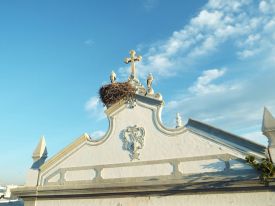
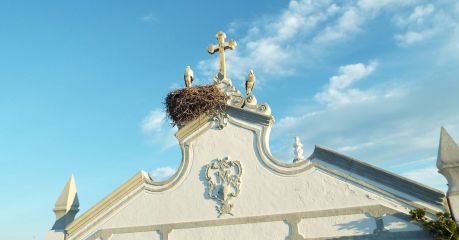
Tavira doesn’t flex – it smoulders. A slow-motion townscape where terracotta peels, chimneys whisper Moorish secrets and the Atlantic waits – just offshore, just perfect. No filter required.
read more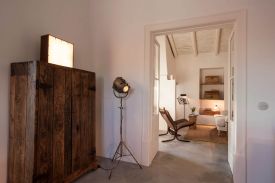
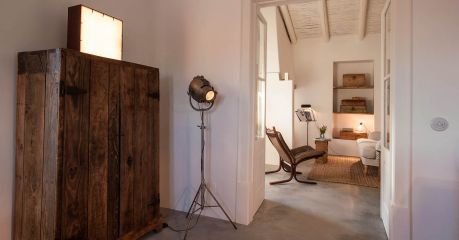
A whitewashed farmhouse reborn with rustic cool – Pensão Agrícola is Tavira’s slower, softer side: all heirloom nostalgia, citrus groves and vintage edge, with a donkey named Ernesto in tow.
read more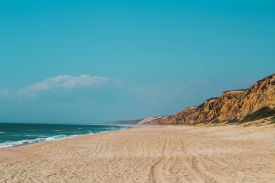
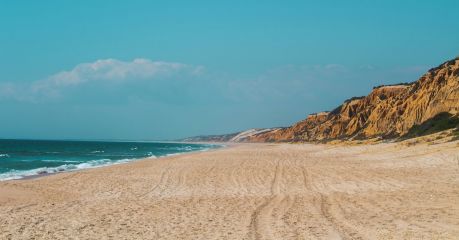
From the wild beaches of the Atlantic coastline stretching inland to the Spanish border, Portugal’s Alentejo region is characterised by an addictive peacefulness and slow lane pace, where ancient cork forests meet megalithic rocks, pine scents the air and pockets of wholesome cuisine and under-the-radar vineyards mean the good life is never far away, minus the crowds.
read more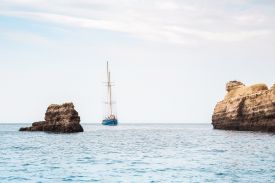
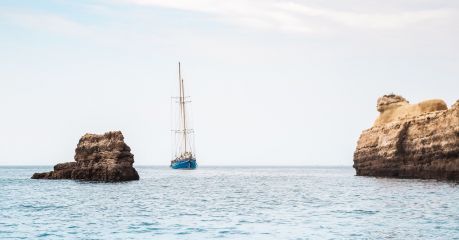
Atlantic wilds meet Moorish cool – this is the Algarve unplugged. From Tavira’s slow-soul charm to Ria Formosa’s tidal magic – this is Portugal, remixed for the style set.
read more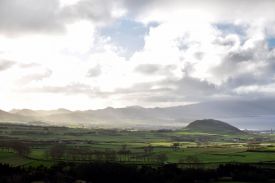
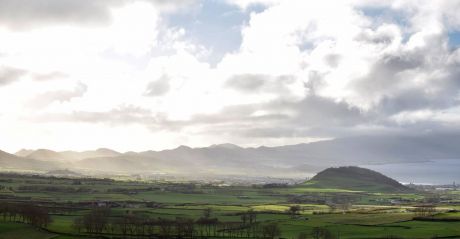
Considered the “Hawaii of Europe”, the Azores are a hidden Atlantic oasis. Uninhabited until the 15th century, this far-flung archipelago was created by volcanic eruptions and is mountainous and geologically diverse — its quiet beaches only disturbed by the sounds of whales and dolphins.
read more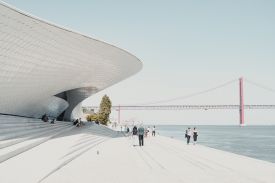
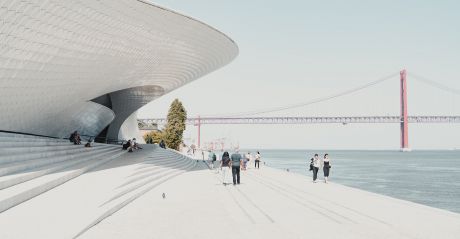
Lisbon's sleek MAAT is the city's latest cultural hub, where the worlds of architecture, art and tech collide - a museum of force in glazed ceramic form.
read more
Get the insider news and lowdown on what we've been up to, where we've been, and who we've met along the way. Be the first to discover new places and get the scoop on our favourites.