




JOIN the AFICIONADOS
Get the insider news and lowdown on what we've been up to, where we've been, and who we've met along the way. Be the first to discover new places and get the scoop on our favourites.

From the Acropolis to some 6,000 islands across the Aegean and Ionian seas, Greece joins ancient sites, island architecture, long sunny summers and Mediterranean food.
Greece runs from the mountains of Epirus and Macedonia in the north to some 6,000 islands and islets scattered across the Aegean and Ionian seas, around 200 of them inhabited. It is one of the sunniest countries in Europe, with a dry season that stretches from April into October, and a history that runs from Bronze Age palaces and classical temples to Byzantine monasteries and the neoclassical towns of the 19th century.
Most journeys begin in Athens, where the Parthenon stands on the Acropolis above a city of museums, markets and rooftop bars. From its port at Piraeus, ferries run to almost every island group.
The Cyclades are the best known, some 220 islands and islets circling the sacred island of Delos. Santorini sits on the rim of a flooded volcanic caldera, its whitewashed villages and blue domes lining the cliff edge. Koufonisia is small, low and sandy, made for barefoot days between beach and taverna. On Syros, Ermoupoli (Ερμούπολη, Hermoupolis) is the elegant neoclassical capital of the Cyclades, and Tinos is known for its marble carvers, ornate dovecotes and the pilgrimage church of Panagia Evangelistria. Closer to Athens, in the Saronic Gulf, car-free Hydra has drawn artists and writers for decades, Leonard Cohen among them.
Further east, strung along the Turkish coast, lie the Dodecanese. Rhodes has its walled medieval Old Town, Patmos the cave where St John is said to have written the Book of Revelation, and Nisyros a volcanic crater you can walk into. On Symi, a harbour town of pastel neoclassical houses was built on the fortunes of sponge divers and sea captains. Together, the Cyclades and the Dodecanese form the South Aegean Region (Νότιο Αιγαίο).
On the mainland, the Peloponnese holds much of the ground of Greek myth: Mycenae, citadel of Agamemnon; Olympia, where the Games began; and Sparta, home of Helen. According to Homer, she spent her first night with Paris of Troy on the islet of Kranai (Κρανάη), now Marathonisi, off the harbour of Gytheio. To the south, the Mani peninsula is dry, rugged country of stone tower houses, olive terraces and small coves, where ancient ruins and new architecture sit side by side.
The landscape changes from region to region: island cliffs formed by ancient volcanoes, wine valleys such as Nemea, olive groves across the south, and beaches from long sand bays to pebble coves reached only by boat. The table follows the land and sea, with grilled fish, olive oil, wild greens and island cheeses, Assyrtiko from Santorini, and ouzo, the anise-flavoured spirit, poured with meze as the sun goes down.


Athens. A city of such ancient historical weight, it’s no wonder the capital’s charms lay for centuries in the fascination of its antiquities: the ever-present Acropolis and Parthenon, its agoras and temples and the adjoining museums stuffed with the treasures of Ancient Greece.
read more
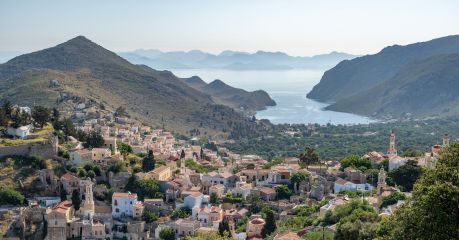
A Dodecanese island north of Rhodes, where a neoclassical harbour town climbs three hillsides, monasteries stand in juniper uplands and boats ferry swimmers to coves.
read more

Forget the crowds. Tinos doesn’t perform for tourists - it just exists, cool and unshaken, carved from marble, kissed by salt and wind. A Cycladic retreat where time bends, and creativity flows.
read more

Get lost in ancient myths, stunning coastlines, and vibrant culture. From sun-kissed shores to hidden treasures, dive into an adventure you'll never forget.
read more

A tiny dot in the Cyclades Islands, Syros shimmers in the Aegean Sea, surrounded by a circle of Cycladic isles such as Tinos, Serifos, Mykonos, Paros and Sifnos. Like all island adventures, the best way to arrive in Syros is by via classic Greek, sun-drenched ferry into the ancient town of Hermoupolis/ Ermoupoli.
read more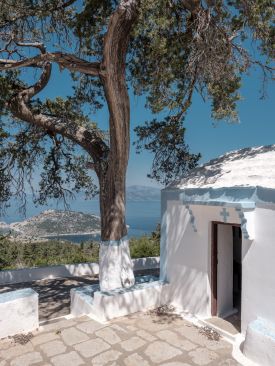
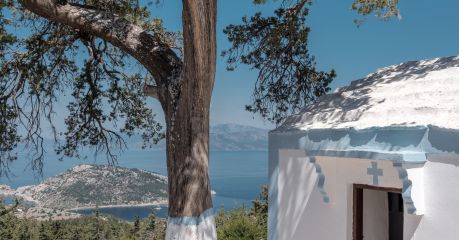
Fifteen main islands along Greece’s south-eastern edge in the South Aegean, from medieval Rhodes and Patmos to volcanic Nisyros, Symi’s harbour and Karpathos’s mountain villages.
read more

No crowds, no rush—just sun, sea, and island time. Koufonisia (Koufonisi) is the Cyclades' best-kept secret, where boats outnumber cars and the Aegean calls the shots.
read more

The Peloponnese is like Greece’s aloof older sister: still and beautiful to look at, but often overlooked in favour of more naughty, fun little islands.


Explore Santorini’s edgy design, boutique hotels and volcanic drama. Discover the Cyclades icon’s best stays, beaches, culture and wines – a place where beauty and history collide.
read more

The island of Sérifos sits in the Aegean Sea, sheltered by poetic partners, Cycladic Islands Kithnos and Sifnos. A beautifully rugged, craggy and raw island with slow time beaches, Sérifos feels untouched.
read more

Naxos Greece is marble and myth, beaches and villages, a Cycladic ferry hub where legends linger, food sings and the Portara frames sunsets that stop time across the Aegean horizon.
read more

Escape to Tinos – the Greek island of over 60 Cycladic villages, art, culture, great natural food, pristine beaches and enough churches (1500+) to feel totally blessed – and slip into a new way of living, the Tinos way.
read more

Náxos, the largest of the Cyclades and home to Mount Zeus, blends antiquities, fertile landscapes, sweeping beaches and fine food, once chosen by Dionysos as his mythical home.
read more

Giorgos and Alexandra Alexiou are simply two of the nicest people you can meet, a creative couple that fuse you with their beautiful Greekness. Meet the creative owners behind the fabulous Aenaon Villas on the Cycladic island of Santorini - they found a perch right on the edge of the Caldera.
read more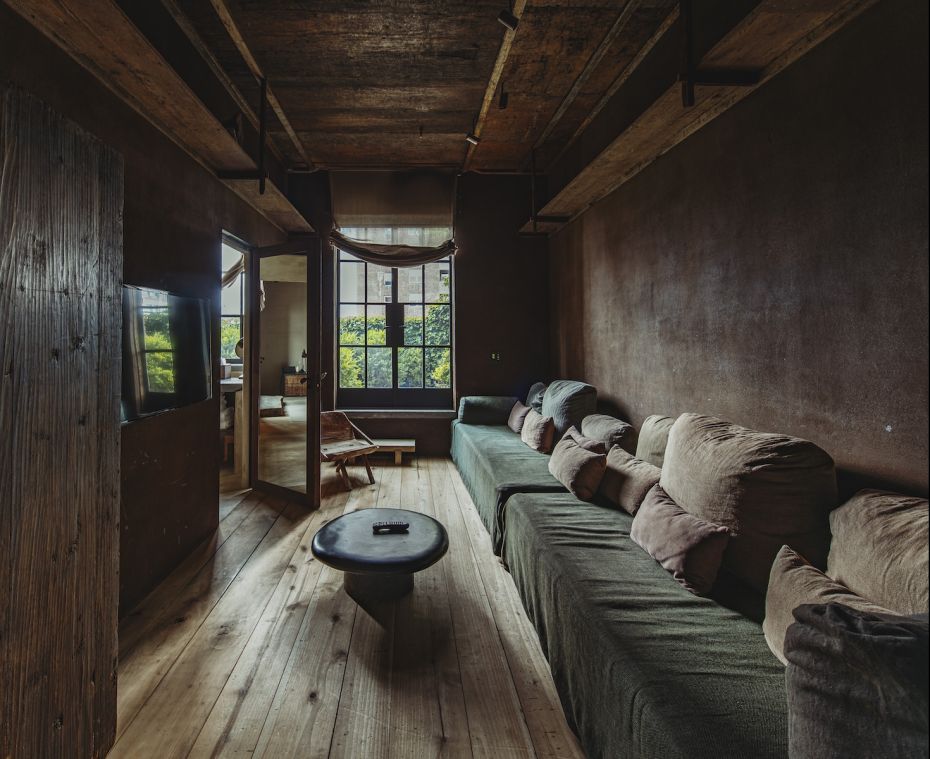
Get the insider news and lowdown on what we've been up to, where we've been, and who we've met along the way. Be the first to discover new places and get the scoop on our favourites.