JOIN the AFICIONADOS
Get the insider news and lowdown on what we've been up to, where we've been, and who we've met along the way. Be the first to discover new places and get the scoop on our favourites.

Beneath the gilt and the whipped cream, Vienna is quietly arguing with itself. Our round-up of the designers, makers, kitchens and coffeehouses reinventing the imperial city on its own terms.
Vienna wears its past like a velvet coat, and it would be too easy to spend a long weekend admiring only the surface: the gilded ceilings, the Klimt gold, the whipped cream and the waltz. But the Vienna we keep returning to is the one that argues with itself. History here is not a museum piece, it is a provocation, and the city is at its most compelling where imperial confidence meets a quieter, sharper contemporary hand. The pleasure of the place is watching the two rub along together: a Secessionist façade above a concept store, a coffeehouse older than most nations serving natural wine and a lighter kind of cake. Consider this a round-up of the people, plates and places worth your attention. If you want the full lay of the land first, start with our Vienna city guide.
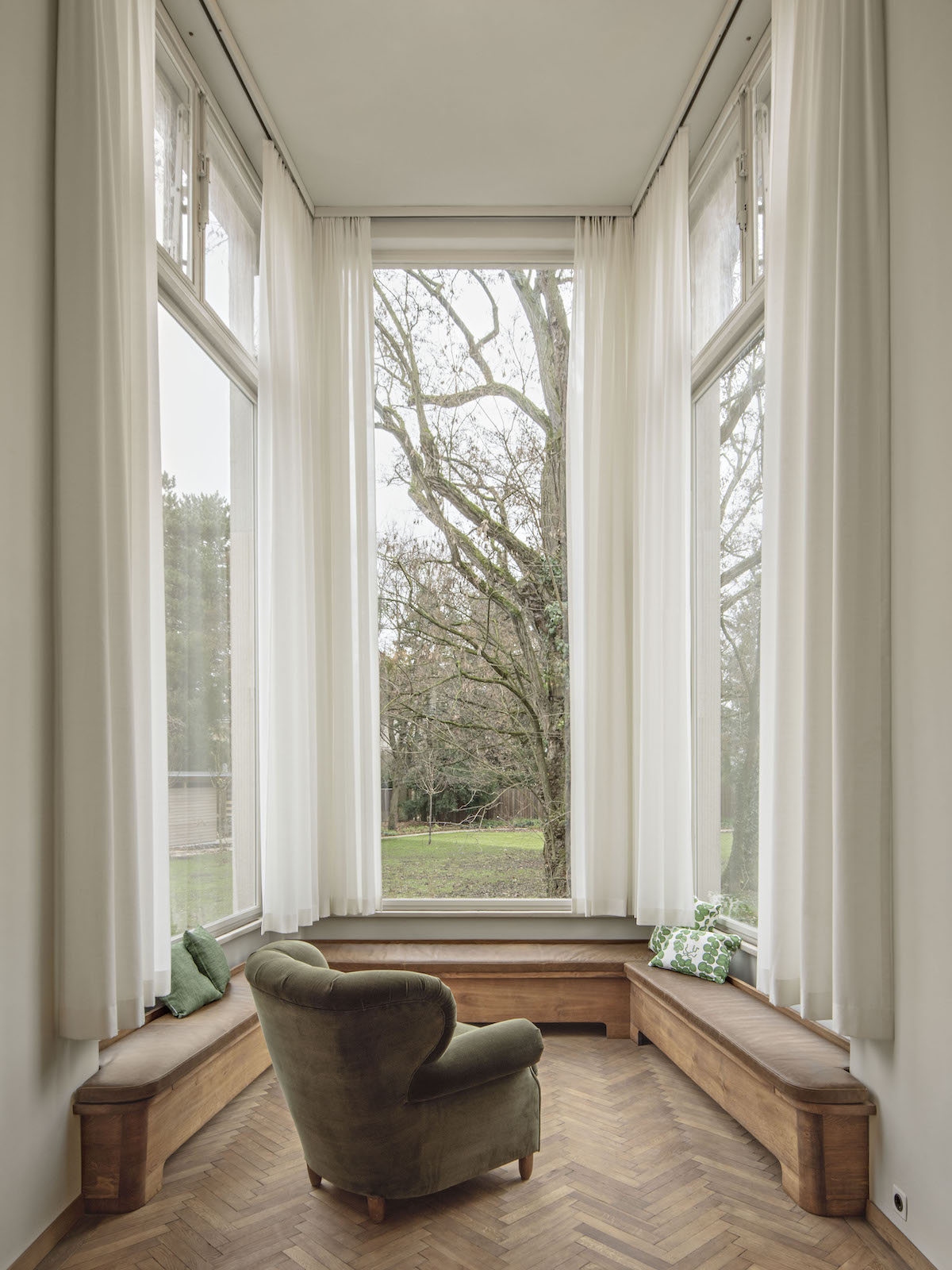
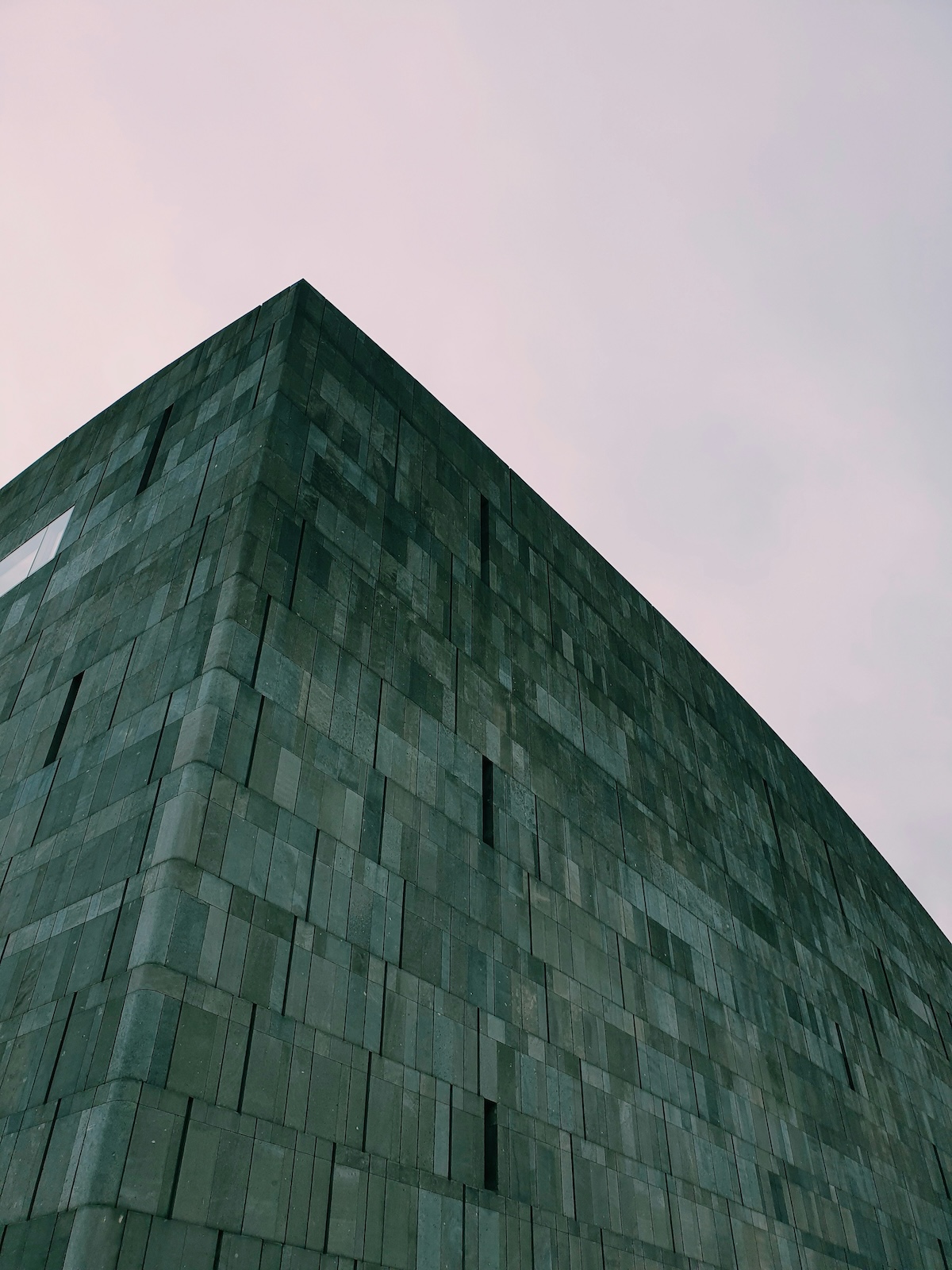
Vienna's modern imagination began earlier than most. Otto Wagner insisted that only the practical could be beautiful, and his stations and savings bank still teach that lesson a century on. A generation later, Josef Frank designed Villa Beer, the modernist house reopening in 2026, a building that prized comfort and liveability over spectacle and shaped the textiles he would later make famous. That instinct, for grandeur reinvented rather than preserved in aspic, runs through the city's art spaces too: the basalt-dark mumok and the wider MuseumsQuartier mapped in our Vienna art guide, and the Ankerbrotfabrik, a former bread factory in the tenth district now given over to galleries and studios.
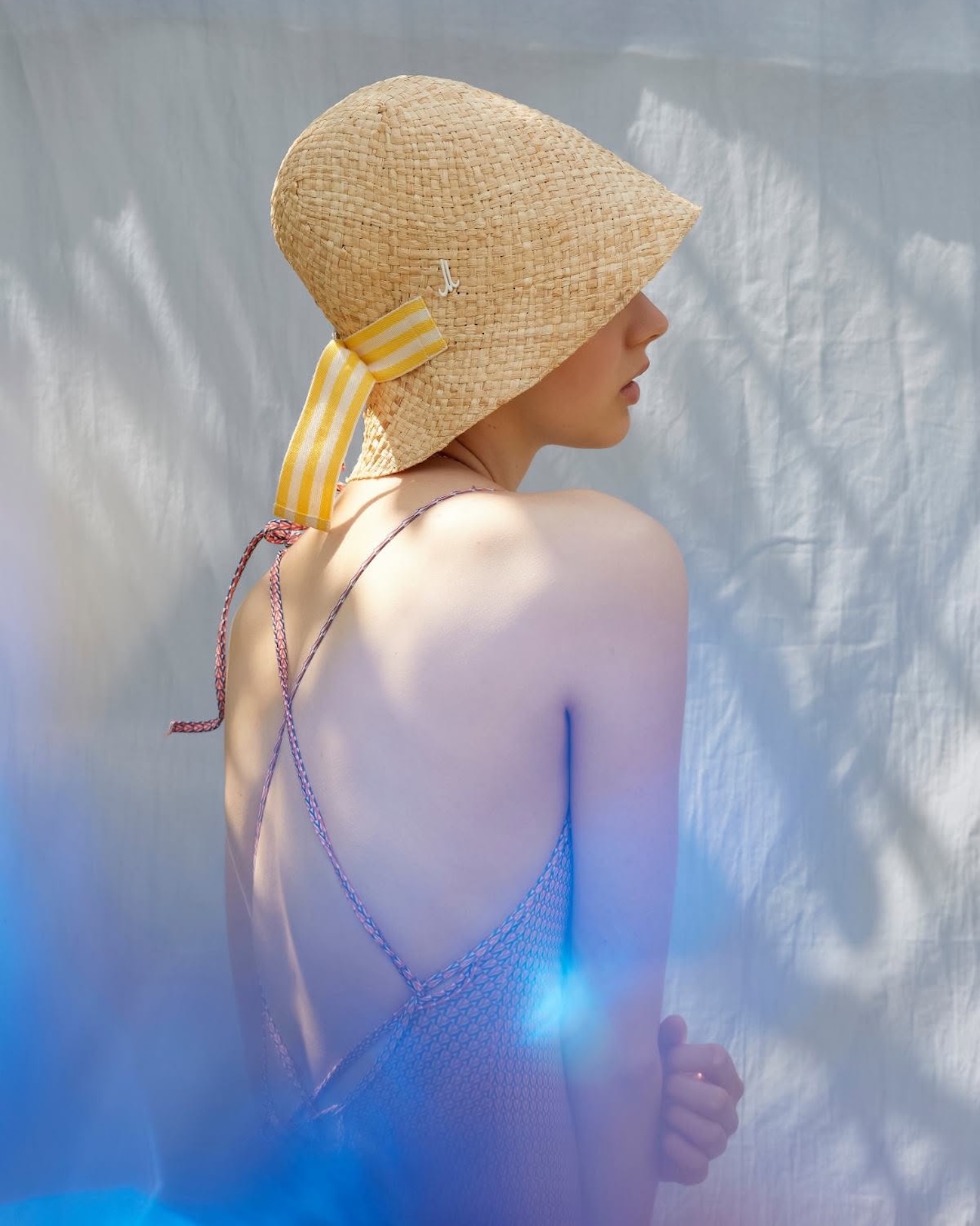
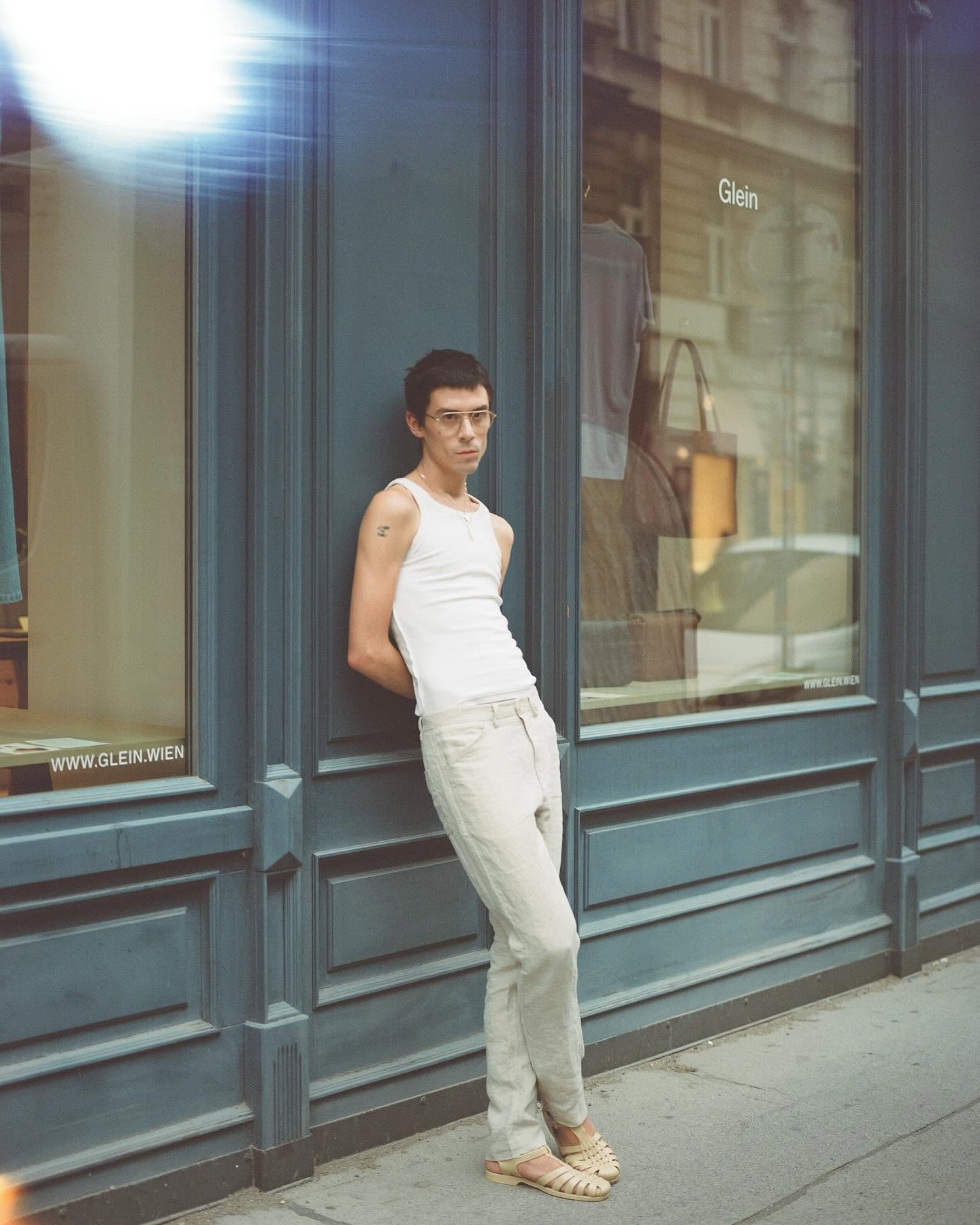
If Vienna has a signature, it is the object made properly. Wittmann has built furniture since 1896 and holds the authorisation to produce Josef Hoffmann's designs, a lineage of precise skills passed down through generations. Mühlbauer has shaped hats by hand for four generations since 1903, turning a family millinery into a label worn worldwide. The impulse continues in a newer key with Glein, Sebastian Leitinger's quietly principled label of organic cotton and vegetable-tanned leather, and with Softcover, the independent magazine and art-book shop where Sebastian Gansrigler makes the case for print you can still hold in your hands.
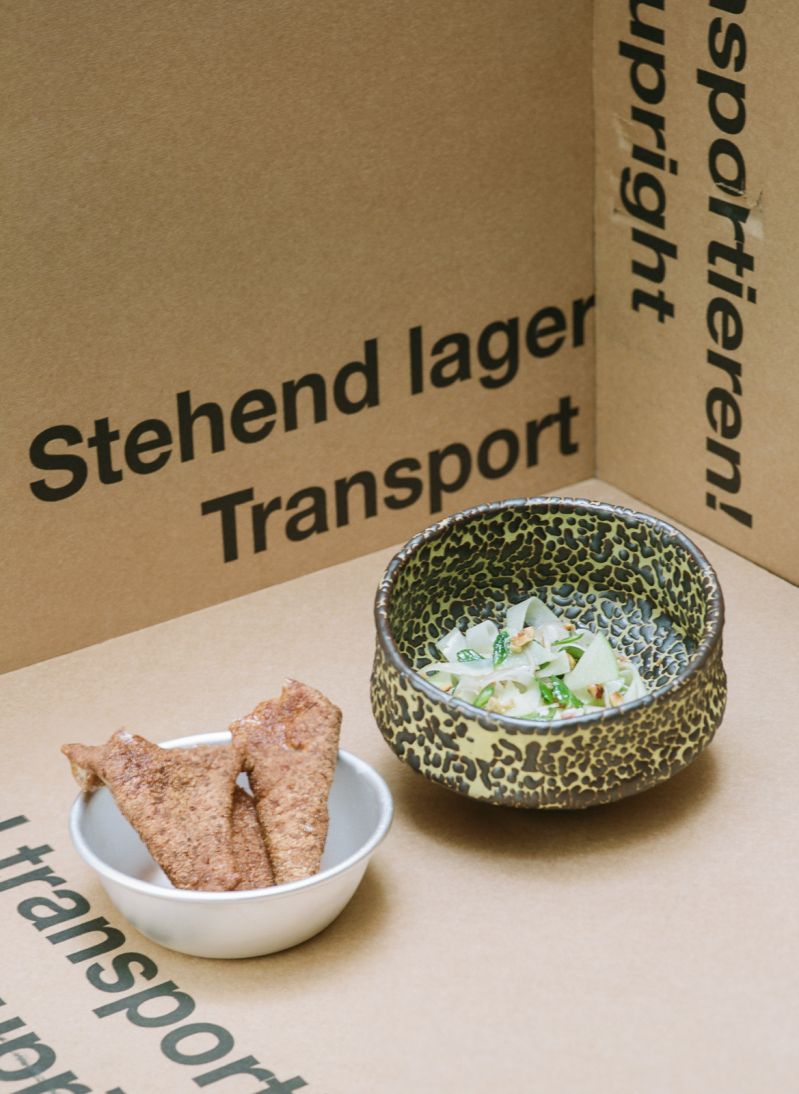
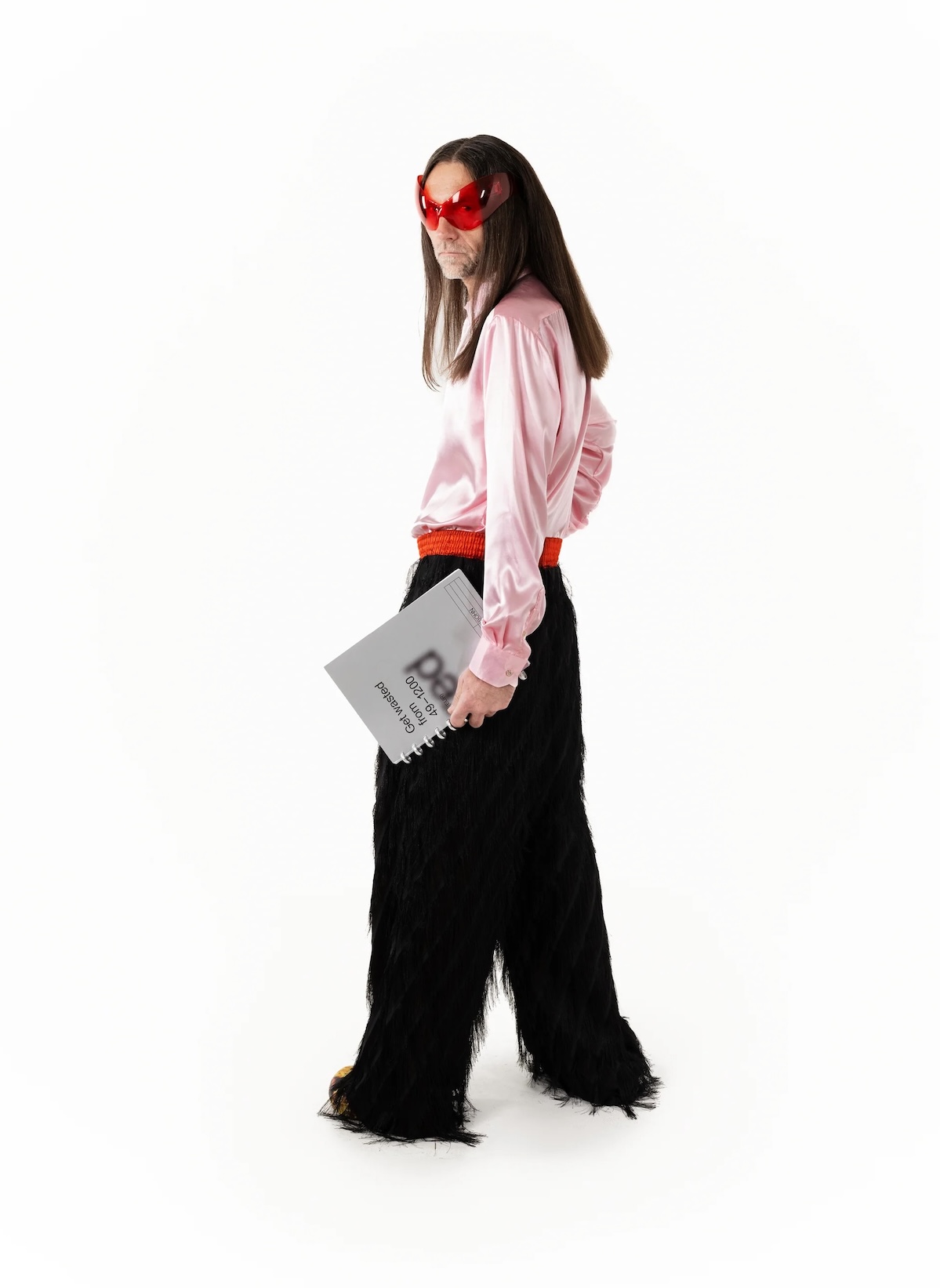
The table is where the city's playful side shows itself. At Mraz & Sohn, three generations of the Mraz family run a two-Michelin-starred kitchen that treats fine dining as something to enjoy rather than endure. For the counterpoint, Stefanie Herkner, the self-styled Queen of Dumplings, serves organic Hausmannskost at Zur Herknerin, one of the hardest reservations in town.
Across the canal in the second district, the newly revived Donauhof makes a wine-led case of its own, a Lokal set inside a restored 1902 former hotel near the old Nordbahnhof, where the kitchen cooks what it likes to eat and pours bottles from winemakers it admires; there's a fantastic energy coming off the kitchen and the whole team, refreshing for Vienna, and it runs Thursday to Monday from five.
At the other enbd of the scale as something older and more set in its ways, Oswald & Kalb has been serving the Innere Stadt for decades, a cosy, art-hung room near the old university quarter where the Wiener schnitzel is talked about as some of the best in the city and the trout and apple strudel rarely disappoint; the welcome can run anywhere from warm to brisk depending on the night, but the kitchen is the reason you come, and it delivers.
And then there is the coffeehouse, that secular cathedral of marble and smoked mirror. Café Bellaria, the city's oldest, has been reimagined with cherry-red Thonet chairs and a lighter touch, while Die Cafetière keeps things intimate in a revived 1960s roastery on Wipplingerstrasse, all house-roasted beans and toasted sandwiches for the regulars who know it.
A favourite coffee spot is inside Wagner's masterpiece itself: Café Exchange has set up a specialty espresso bar on the ground floor of the 1904 Postsparkasse in the first district, a silver La Marzocco standing where cashier number 21 once worked, all glass-tile floors and daylight, filled these days with students from the University of Applied Arts.
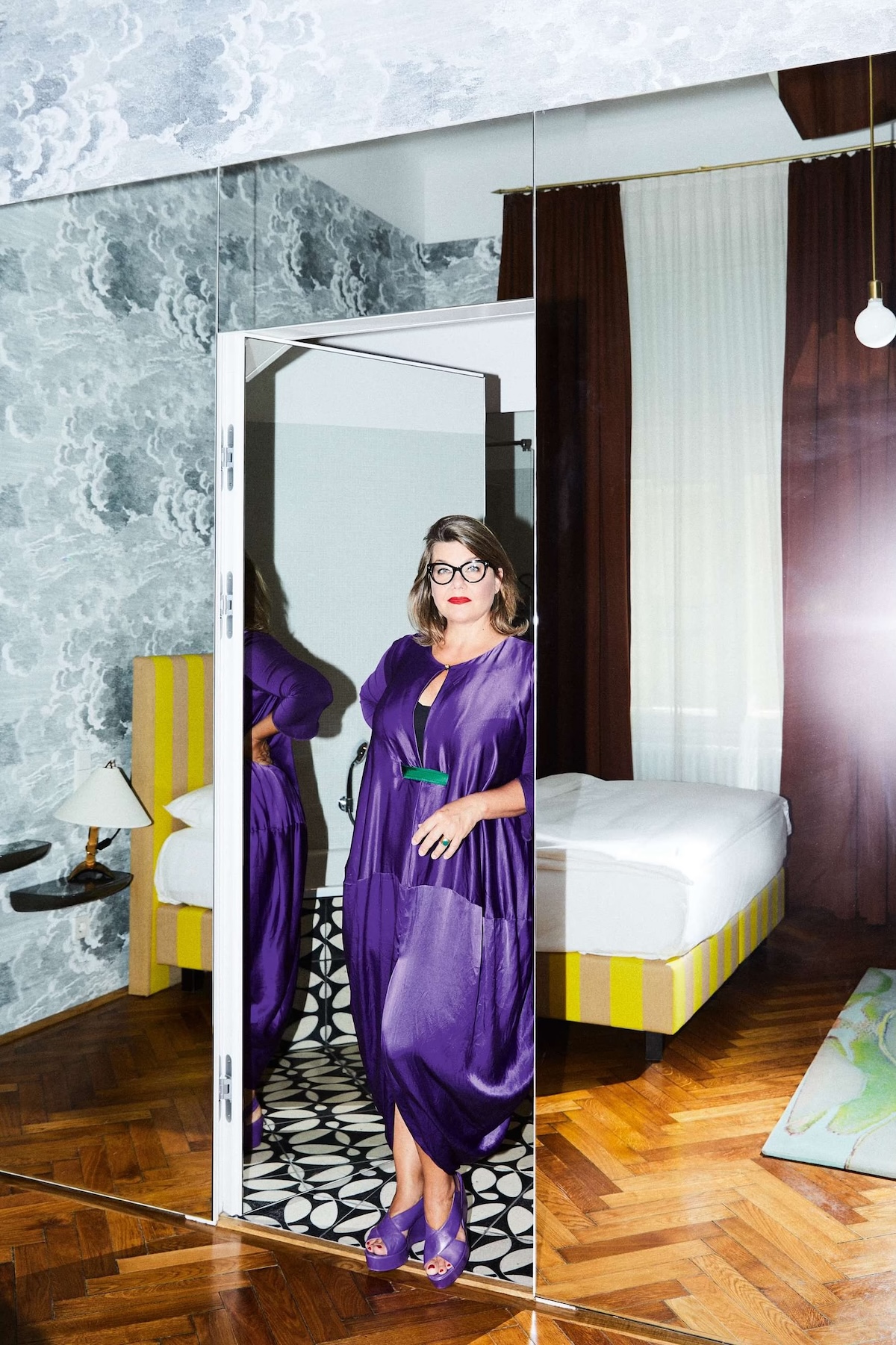
When it is time to rest, Hotel Altstadt remains the address for feeling at home in the city, not least since Vienna Design Week director Lilli Hollein turned her hand to room 67, dressing it in Fornasetti wallpaper and pieces by Auböck and Loos. It is Vienna in miniature: history and modern design sharing the same four walls, entirely at ease.
Spend a few days here and the cliché falls away. Vienna is not a city to admire from a distance. It is a city to spar with, and these are the people and places we would send you tofirst.
Vienna rewards travellers who look past the imperial surface. The city pairs its Baroque grandeur with a restless contemporary scene, spanning modernist architecture by Otto Wagner and Josef Frank, heritage makers such as Wittmann and Mühlbauer, two-Michelin-starred dining at Mraz & Sohn, reinvented coffeehouses, and design-led stays like Hotel Altstadt.
What makes Vienna worth visiting beyond the classic sights? The most rewarding Vienna sits where imperial heritage meets a sharp contemporary hand: modernist houses, adaptive-reuse art hubs, independent makers, playful fine dining and reimagined coffeehouses.
Where should design lovers go in Vienna? Seek out Otto Wagner's civic buildings, Josef Frank's Villa Beer, the mumok and MuseumsQuartier, the Ankerbrotfabrik galleries, and craft houses Wittmann, Mühlbauer and Glein.
What are the best restaurants in Vienna? For the full spectrum, book two-Michelin-starred Mraz & Sohn for inventive fine dining and Zur Herknerin for Stefanie Herkner's celebrated organic dumplings and Hausmannskost.
Which Vienna coffeehouses are worth visiting? Café Bellaria, the city's oldest coffeehouse, has been elegantly reimagined, while Die Cafetière offers an intimate, house-roasted alternative in a revived 1960s roastery.
Where should you stay in Vienna? Hotel Altstadt is a design-led boutique hotel, home to a room styled by Vienna Design Week director Lilli Hollein, that feels like living in the city rather than visiting it.
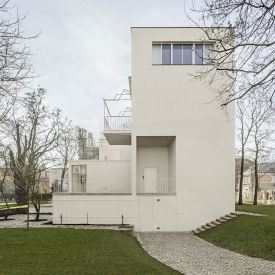
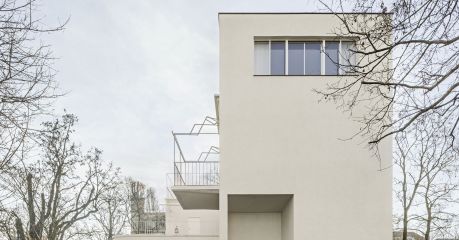
Josef Frank’s Villa Beer reopens in Vienna in 2026 following a careful restoration, offering rare access to one of his most important architectural works and a deeper understanding of the ideas that later shaped his celebrated interiors and textiles for Svenskt Tenn.
read more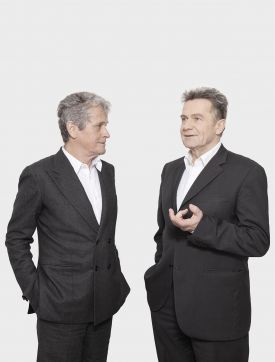
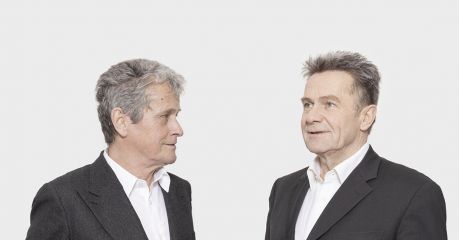
With more than 9000 artworks, Vienna's Museum Moderner Kunst Stiftung Ludwig Wien, MUMOK for short, sits au courant against the vast MuseumQuartier designed by Ortner&Ortner Architects.
read more
A think tank for the bold, the curious, the creators of tomorrow. Where minds collide, conversations spark, and urban life gets redefined. If you shape the future, you belong here.
read more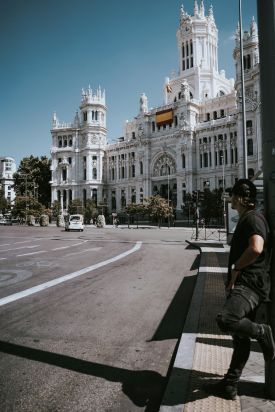
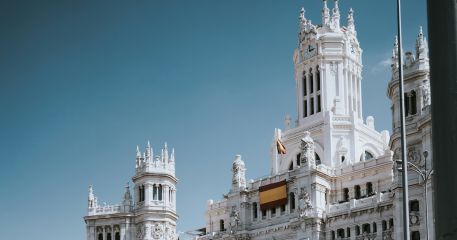
Madrid is built on routine, conversation and urban life, shaped by historic quarters, modern ambition, design culture and food, revealing itself through daily use to artists, architects and curious minds.
read more
Monocle's Quality of Life Conference returns to Lisbon this September, three days of ideas, design and city living at the Gulbenkian. Here's who and what to expect.
read more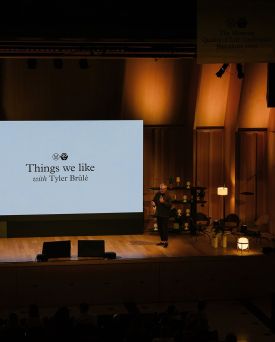
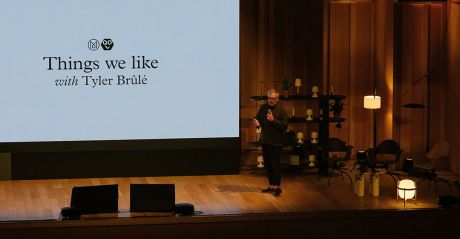
Meet the voices taking the stage at Monocle's Quality of Life Conference 2026 in Lisbon: mayors, architects, designers and makers shaping how we live in cities.
read more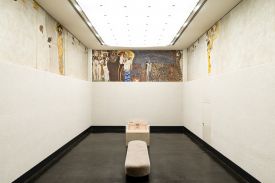
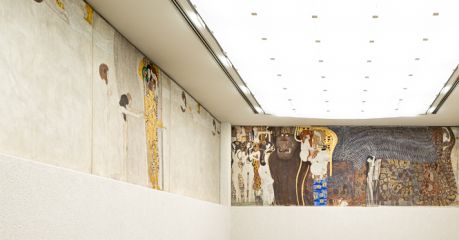
Browse our unique Vienna Art Guide below for all there is to know about Austria’s art and culture capital. Once the epicentre of the longstanding Habsburg empire, Vienna is awash with galleries, artists, museums and odes to moments of age-defining culture, as well as a new generation of creatives call this city home, once again.
read more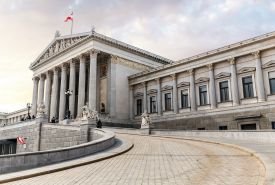
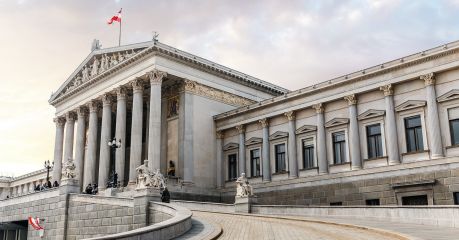
Vienna, Hall in Tirol, Salzburg and Innsbruck are our Kirsche on the cake urban pitstops - our cultural heartthrobs, hubs of Habsburg heritage, Petri dishes of arty accomplishments and showcases of the city’s status markers of old.
read more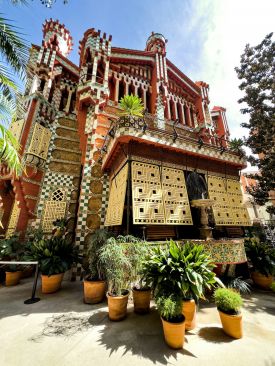
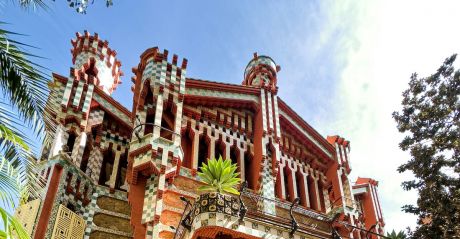
Gorgeously flamboyant, Casa Vicens is a riot of colour and fantastical architectural detailing - bearing the hallmarks of Barcelona hero, Antoni Gaudi.
read more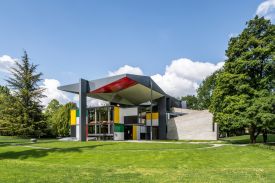
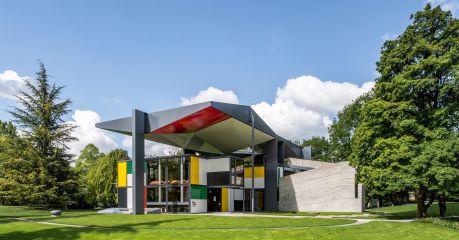
The Pavilion Le Corbusier, located in Zurich, pays homage to an architect who was the forerunner of urban design, a pioneer of sustainability, and a leader of modernism.
read more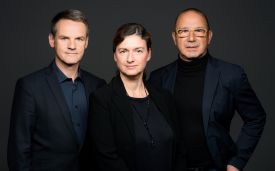
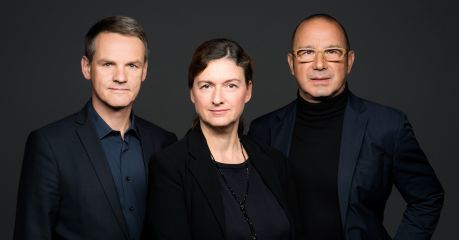
Museion in Bolzano, Italy, strikes a standout cubic pose created in reflective aluminium over five floors. Home to the modern and contemporary art museum designed by architects Krüger Schuberth Vandreike.
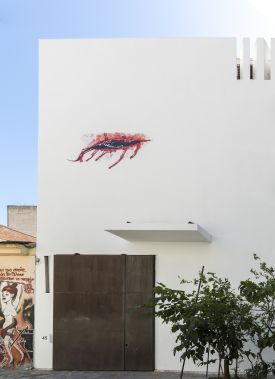
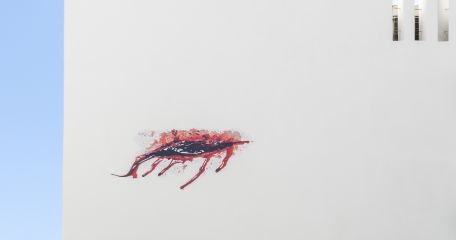
Radical, sometimes political and always on the pulse of Athens’ ever-evolving art scene, The Breeder Gallery is housed in an old ice cream factory, redesigned by architect Aris Zambicos.
Get the insider news and lowdown on what we've been up to, where we've been, and who we've met along the way. Be the first to discover new places and get the scoop on our favourites.