JOIN the AFICIONADOS
Get the insider news and lowdown on what we've been up to, where we've been, and who we've met along the way. Be the first to discover new places and get the scoop on our favourites.

The work of Josef Frank is among the most recognisable and enduring contributions to twentieth-century design, even if his reputation rests more heavily on interiors than on buildings. His long collaboration with Svenskt Tenn produced a body of textiles, furniture and interior concepts that reshaped ideas of comfort, informality and domestic ease, and continues to influence how cultivated homes are furnished today. That later legacy, however, tends to eclipse the fact that Frank was first and fully trained as an architect.
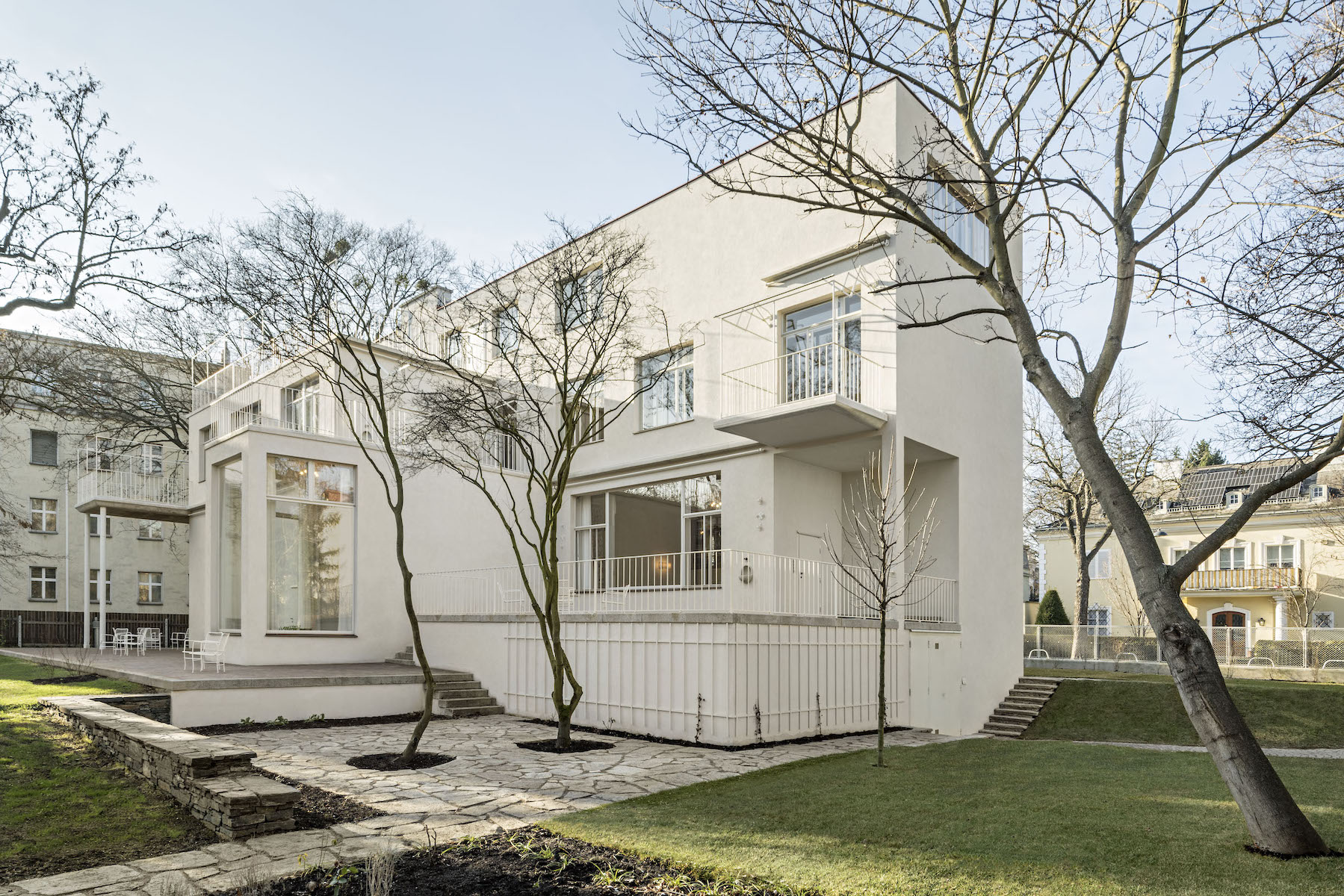
Frank’s architectural career was real and intellectually serious, though relatively modest in volume. He practised primarily during the 1920s and early 1930s in Austria, designing housing schemes, apartment buildings and private villas, particularly in Vienna. A smaller number of villas followed in Sweden after his emigration in 1933, before his focus shifted increasingly toward interiors and product design. Among this limited but significant body of built work, Villa Beer Vienna stands as the most accomplished and best-preserved example, and the clearest expression of his architectural thinking.
Villa Beer now re-enters Vienna’s architectural landscape with renewed clarity. Once sidelined by history and circumstance, the house emerges as a contemporary landmark precisely because it resists monumentality. Its presence is calm, assured and unforced. In a city celebrated for imperial gestures and Secessionist flourishes, Frank’s measured modernism offers a different kind of legacy, one rooted in daily life rather than display.
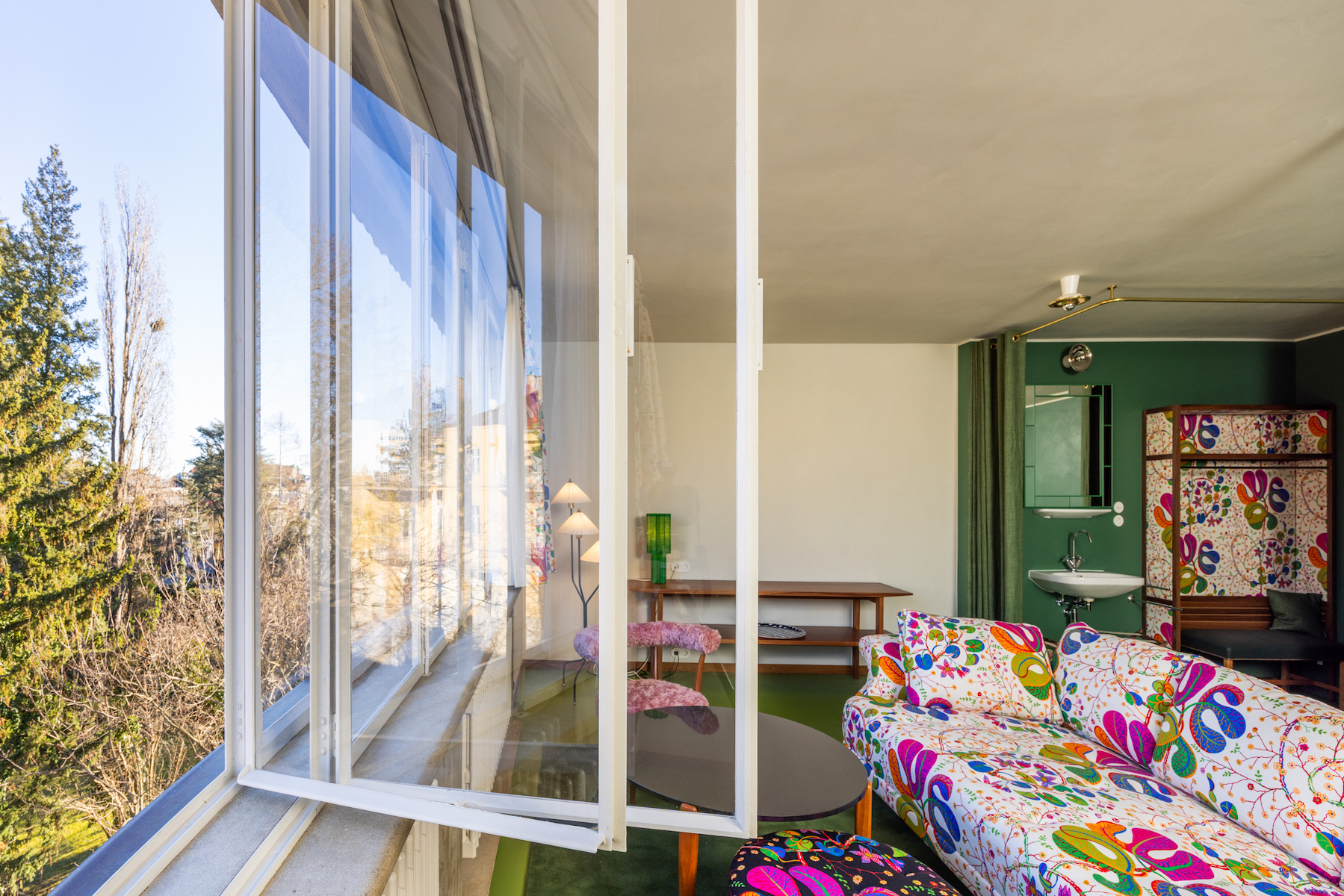
Designed between 1929 and 1931 and set within the residential calm of Hietzing, the house carries a composed confidence. Its cubic form and carefully judged scale avoid any hint of bravado. Frank rejected architecture as spectacle, believing instead that buildings should support life as it unfolds. “The modern home must be comfortable, or it will fail in its purpose,” he wrote, a line that reads less like theory and more like a working brief when experienced inside this house.
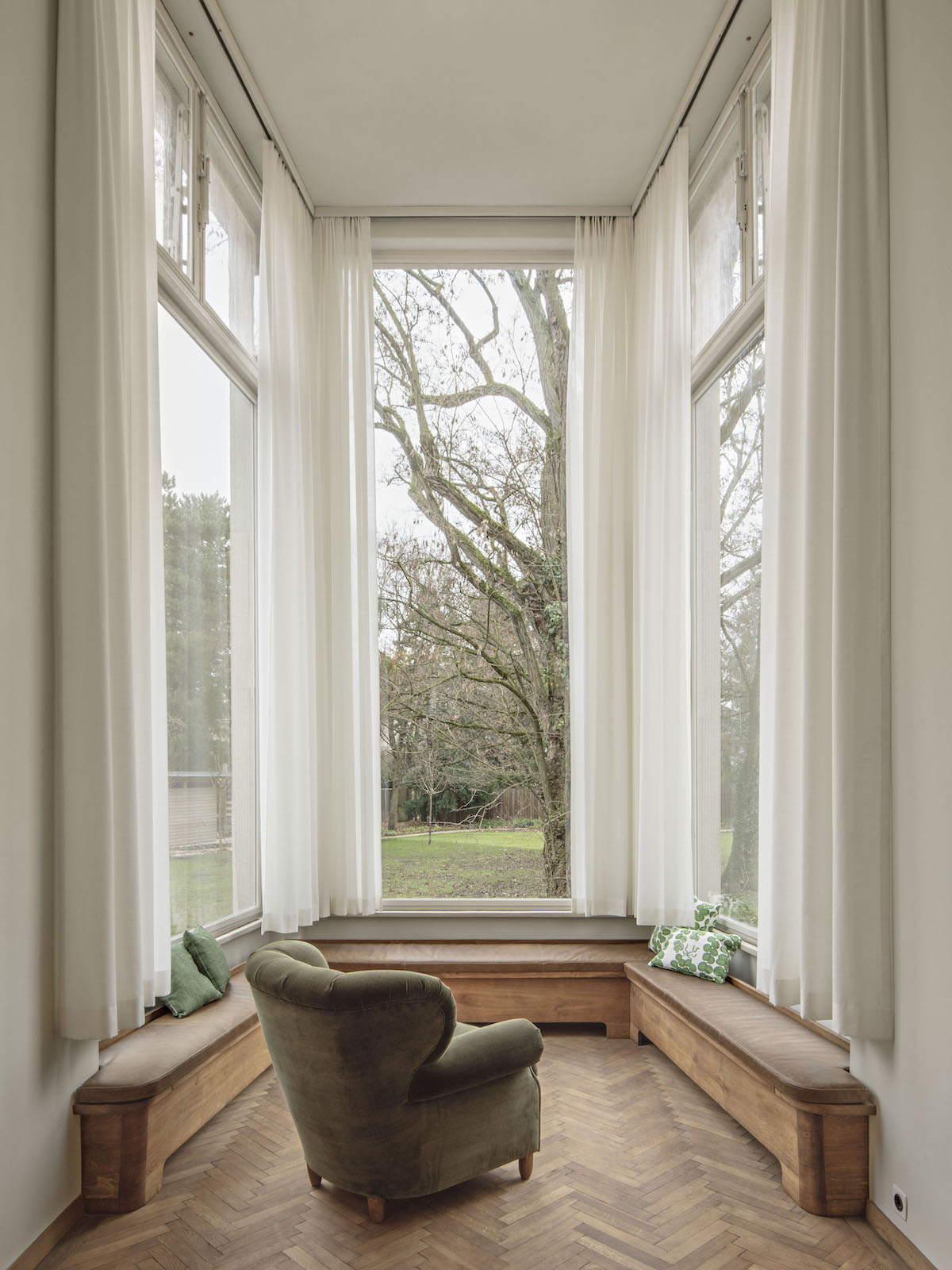
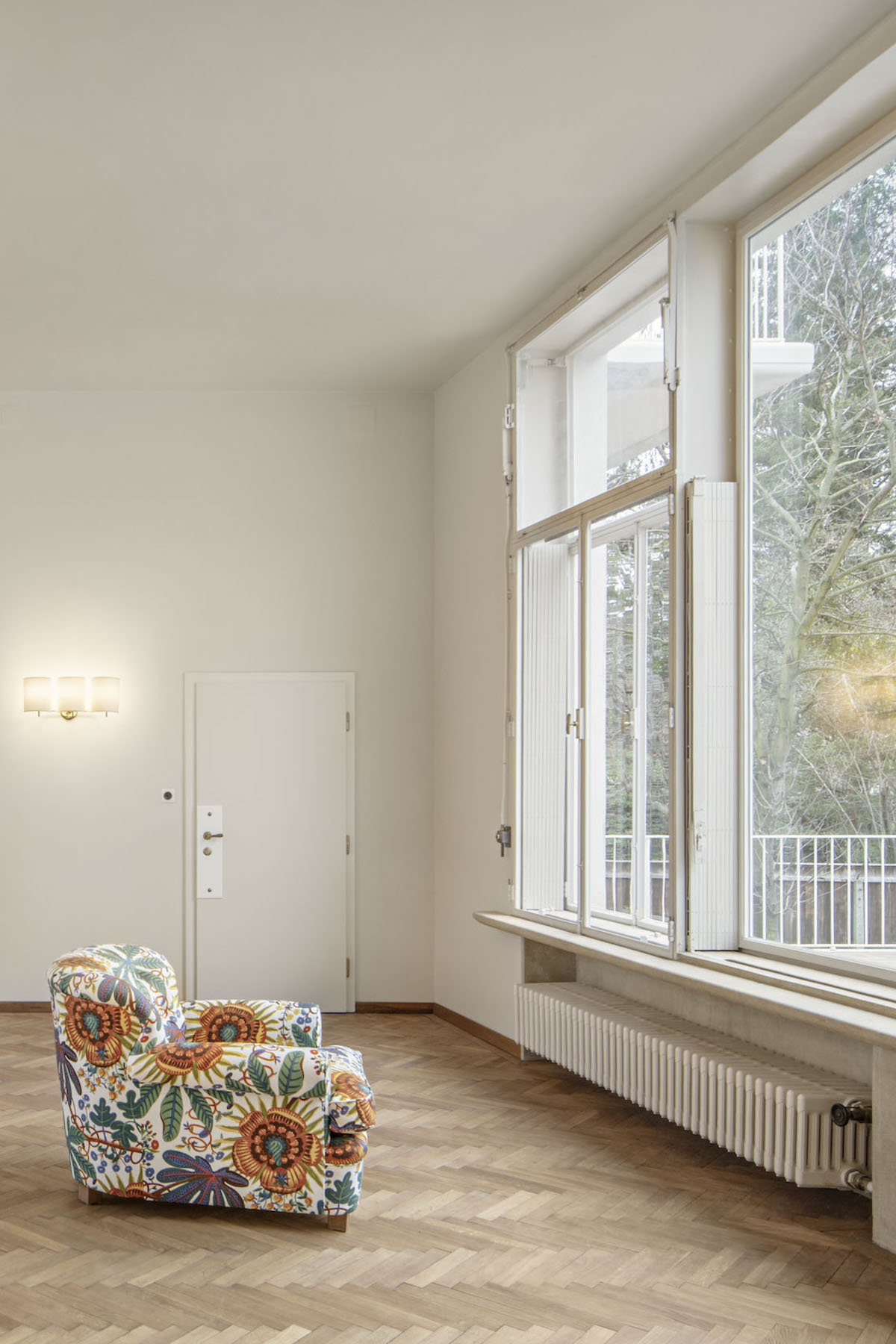
The plan unfolds gradually. Living spaces open naturally toward the garden, circulation is intuitive without being prescriptive, and windows are placed for use rather than effect. Light moves through the house with a softness that feels deliberate. Frank was explicit about his intentions. “People do not want to live in works of art. They want to live in homes.” Villa Beer follows that conviction with quiet discipline.
Commissioned by Julius and Margarete Beer, figures within Vienna’s cultivated Jewish bourgeoisie of the interwar years, the house reflects a culture that valued conversation, reading and the domestic rituals of civilised life. Frank understood that architecture should accommodate change rather than resist it. “A home should never be finished,” he wrote. “It should grow slowly, with the people who live in it.” The architecture leaves room for that growth, spatially and emotionally.
The ideas embedded within Villa Beer did not remain confined to architecture. They travelled with Frank when he left Austria in 1933, eventually finding broader expression in Sweden. What began as spatial thinking, attentive to comfort, proportion and adaptability, expanded naturally into furniture, textiles and interiors through his long collaboration with SvensktTenn, under the guidance of Estrid Ericson. The shift was one of medium rather than philosophy.
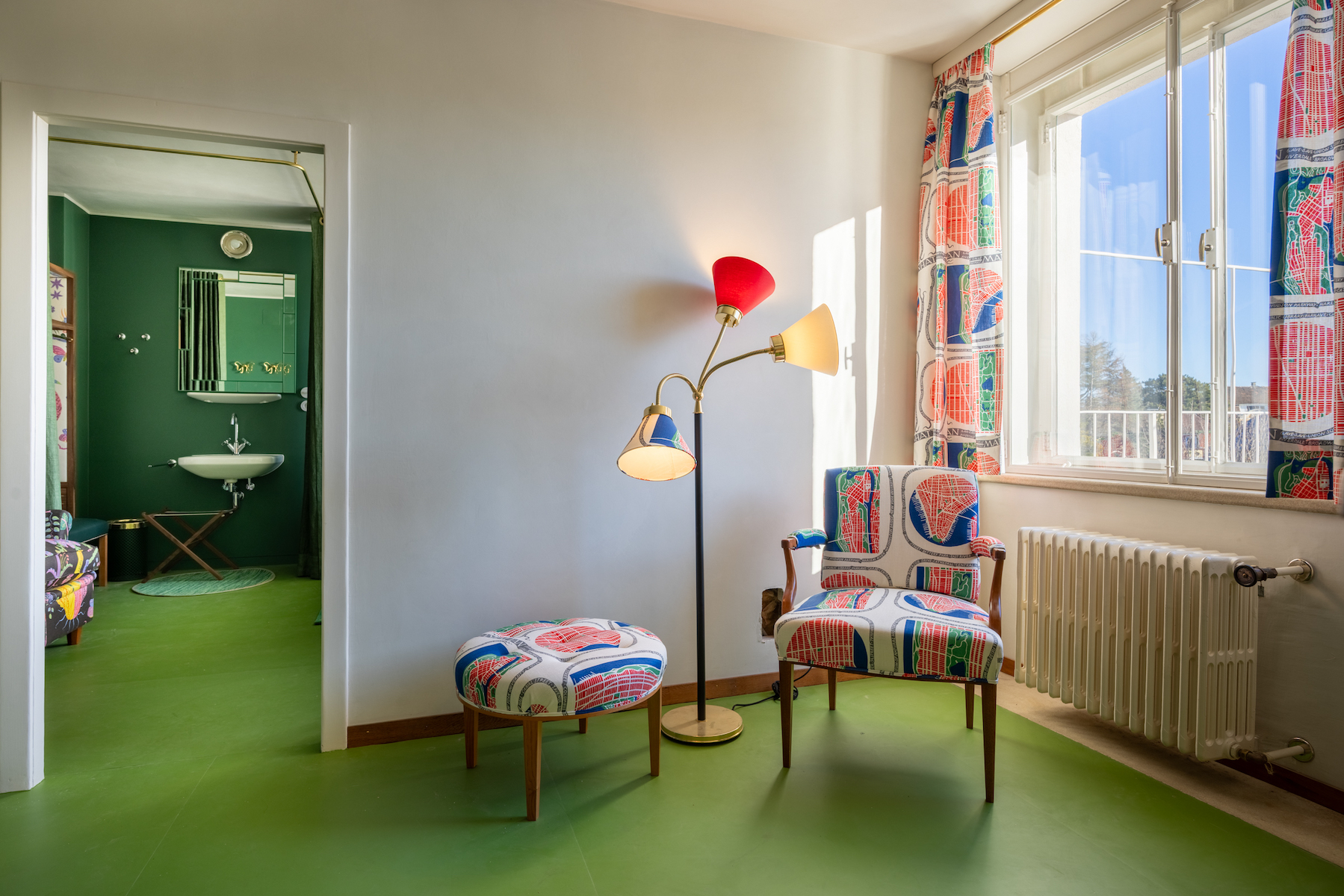
At Svenskt Tenn, Frank articulated a design approach that resisted rigidity and over-order. “Order is often confused with tidiness,” he observed. “True comfort lies somewhere in between.” His interiors embraced layering, colour and pattern as instruments of psychological ease rather than decoration. Rooms were allowed to feel accumulated, personal and forgiving.
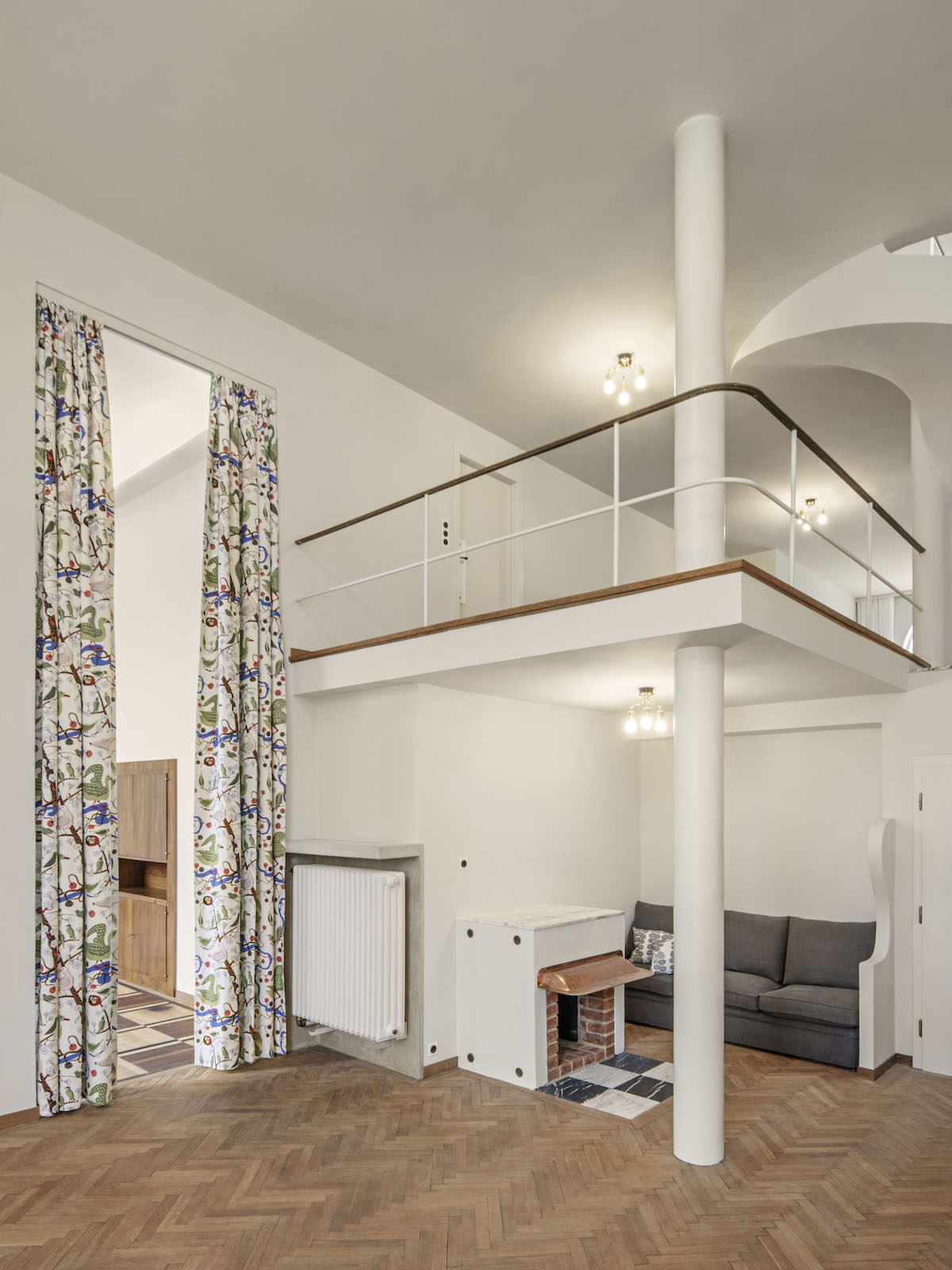
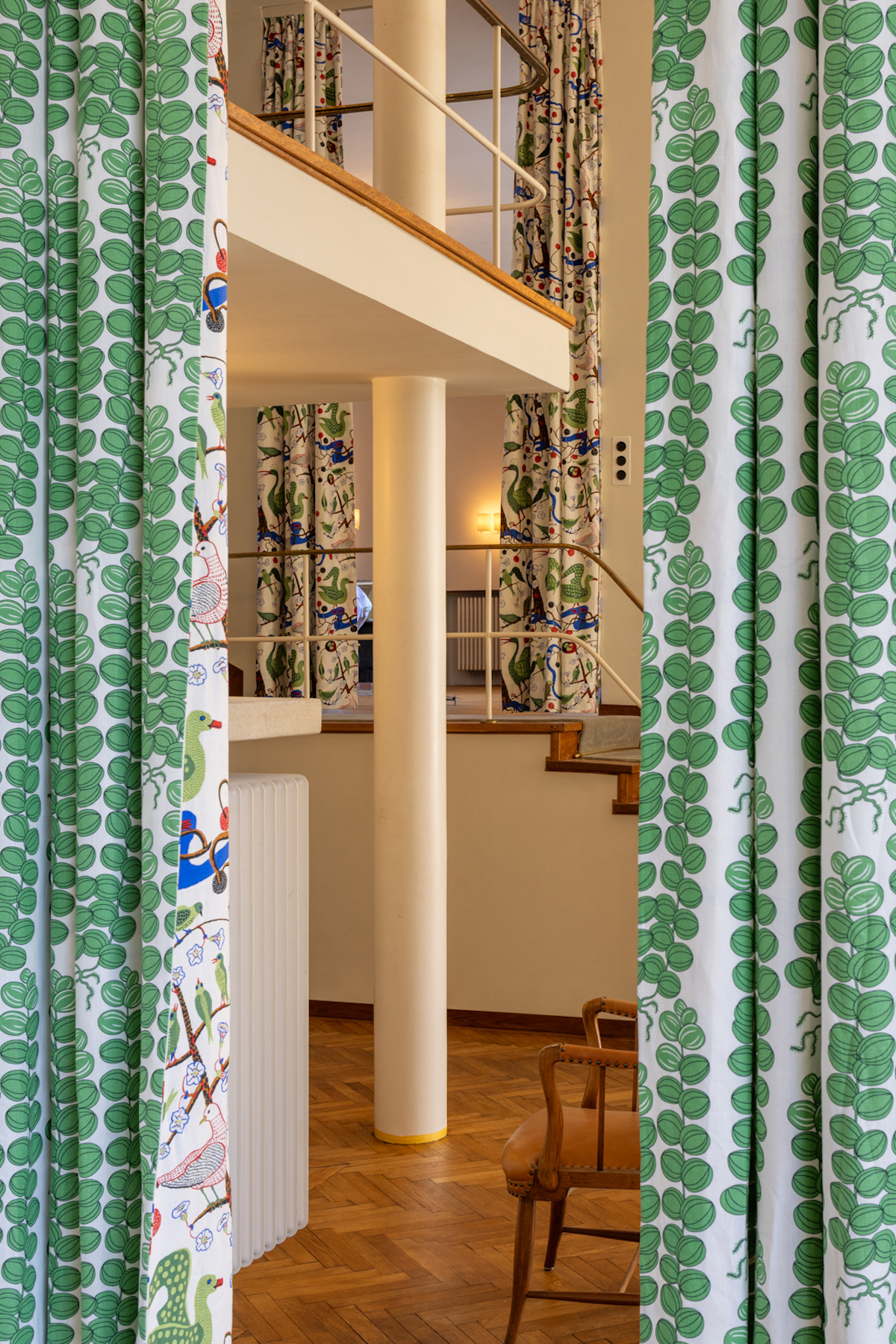
His textiles, still produced today, remain the most visible expression of this thinking. Botanical, dense and unapologetically generous, they were conceived to soften space and absorb attention. “Patterns calm us,” Frank wrote. “They distract the eye and allow the mind to rest.” In this sense, his fabrics function almost architecturally, shaping atmosphere as much as walls do.
Seen through this lens, Villa Beer reads as the architectural foundation of Frank’s later Swedish work. The values that would define his interiors are already present here in concrete, plaster and proportion. Ease is prioritised, dogma is absent, and comfort is treated as a serious design principle.
The reopening of the house is the result of careful, long-term stewardship. Acquired in 2021 by Lothar Trierenberg, the project has been guided by restraint rather than spectacle. Through the Villa Beer Foundation, Trierenberg has approached the house as something to be returned to cultural circulation without curatorial noise or performative framing.
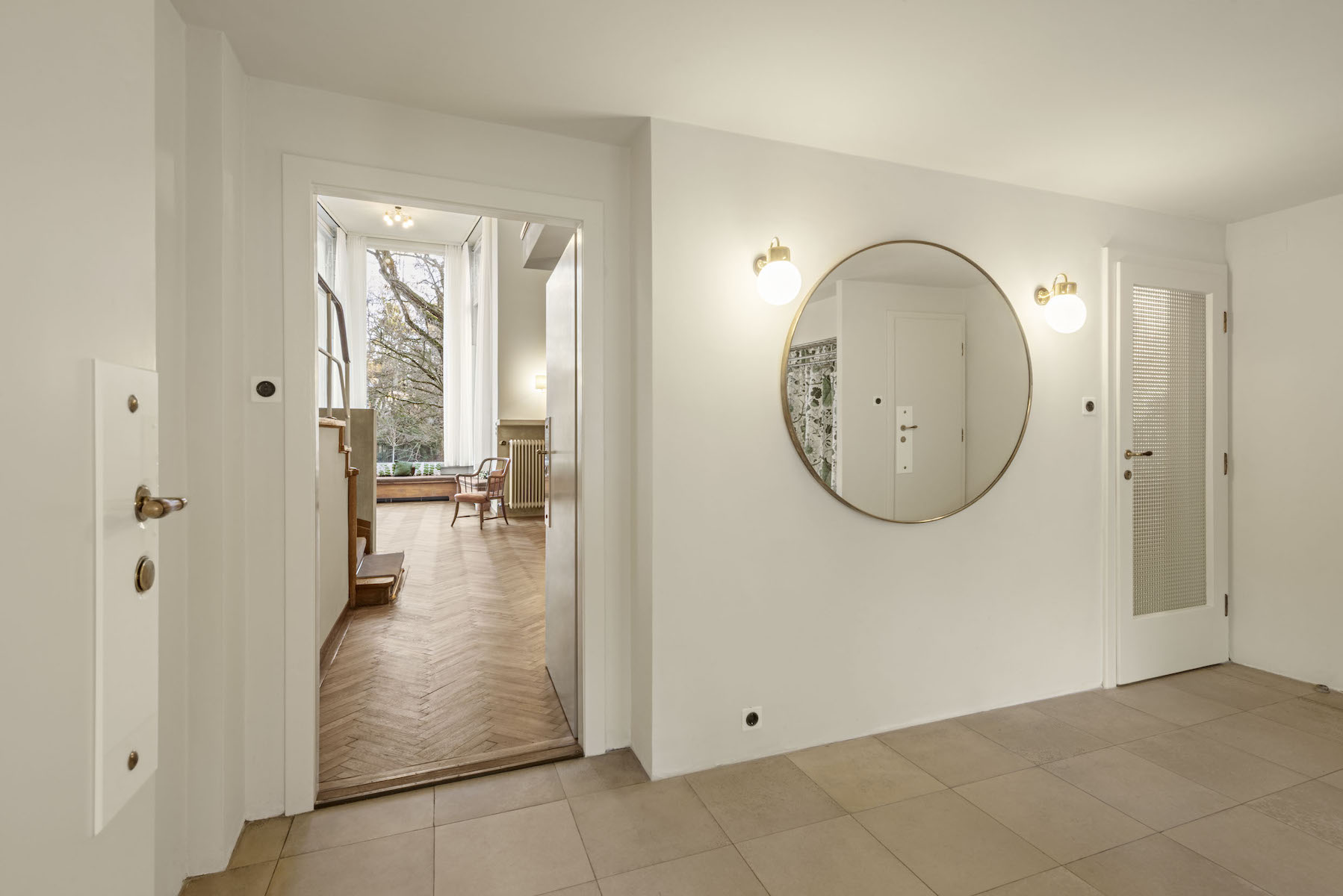
The restoration has been led by Christian Prasser of cp architektur, whose work prioritises material honesty and spatial fidelity. Original elements have been preserved wherever possible, while discreet technical upgrades support public access without altering the house’s domestic character. The result avoids museum polish and retains a sense of lived scale.
Villa Beer matters because it reasserts a lineage of modernism grounded in empathy and use. It reminds architects, interior designers and hoteliers that comfort is not a compromise and that longevity is often the product of restraint. Frank once wrote, “In Sweden I was allowed to work without having to defend myself.” With the reopening of Villa Beer, Vienna finally allows his architecture to speak with the same quiet confidence.
Meet the voices taking the stage at Monocle's Quality of Life Conference 2026 in Lisbon: mayors, architects, designers and makers shaping how we live in cities.
read more
A think tank for the bold, the curious, the creators of tomorrow. Where minds collide, conversations spark, and urban life gets redefined. If you shape the future, you belong here.
read more

Monocle's Quality of Life Conference returns to Lisbon this September, three days of ideas, design and city living at the Gulbenkian. Here's who and what to expect.
read more

With more than 9000 artworks, Vienna's Museum Moderner Kunst Stiftung Ludwig Wien, MUMOK for short, sits au courant against the vast MuseumQuartier designed by Ortner&Ortner Architects.
read more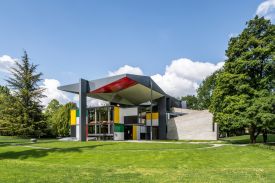
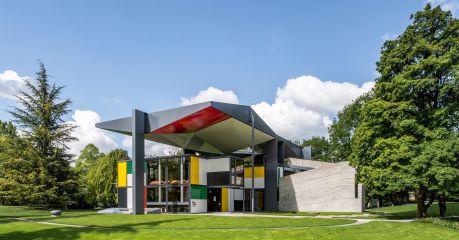
The Pavilion Le Corbusier, located in Zurich, pays homage to an architect who was the forerunner of urban design, a pioneer of sustainability, and a leader of modernism.
read more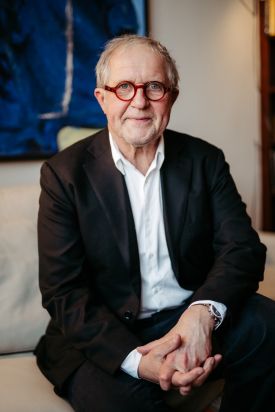
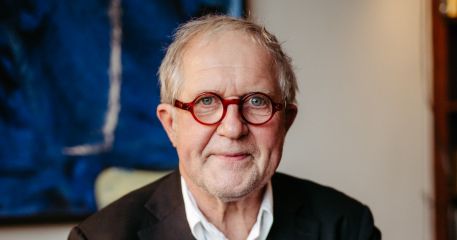
After more than twenty years of returning to Hotel Altstadt Vienna for film shoots, the Austrian actor Harald Krassnitzer has been given a suite of his own on the top floor.
read more
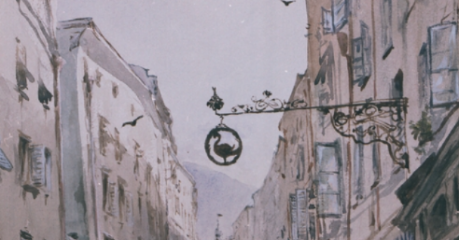
When dealing with one of the oldest buildings in Salzburg, it takes the architect’s clever manipulation of architecture and design to create an exciting, inspiring atmosphere that coverts the old and the new to extreme yet complimentary dimensions.
read more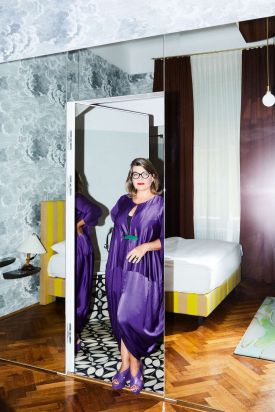

Director of internationally acclaimed Vienna Design Week, Lilli Hollein had never yet turned her eye to interior design until Vienna's Hotel Altstadt came knocking.
read more
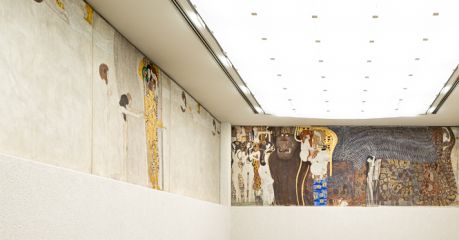
Browse our unique Vienna Art Guide below for all there is to know about Austria’s art and culture capital. Once the epicentre of the longstanding Habsburg empire, Vienna is awash with galleries, artists, museums and odes to moments of age-defining culture, as well as a new generation of creatives call this city home, once again.
read more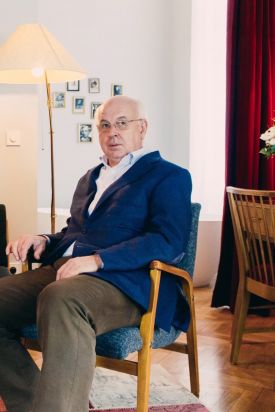
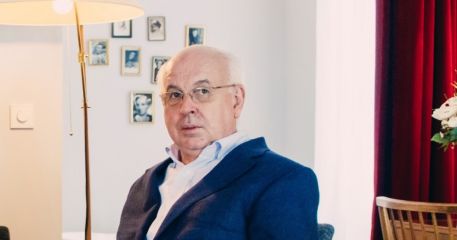
Architect and interior designer Roland Nemetz designs 'his' suite at the boutique Hotel Altstadt Vienna - part of a series of creatively inspired interiors that capture the soul of artsy Wien.
read more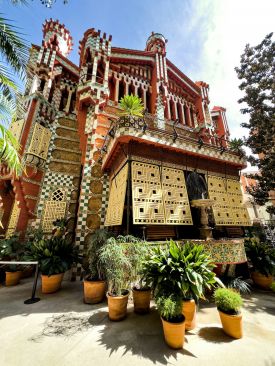
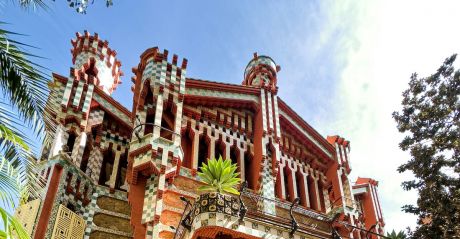
Gorgeously flamboyant, Casa Vicens is a riot of colour and fantastical architectural detailing - bearing the hallmarks of Barcelona hero, Antoni Gaudi.
read more

Porto for culture seekers - we explore the Serralves Foundation comprising of a dusty pink 1930-40s’s Art Deco villa designed by Porto architect José Marques da Silva, a landscape-specific contemporary museum designed by Álvaro Siza.
read more
Get the insider news and lowdown on what we've been up to, where we've been, and who we've met along the way. Be the first to discover new places and get the scoop on our favourites.