JOIN the AFICIONADOS
Get the insider news and lowdown on what we've been up to, where we've been, and who we've met along the way. Be the first to discover new places and get the scoop on our favourites.

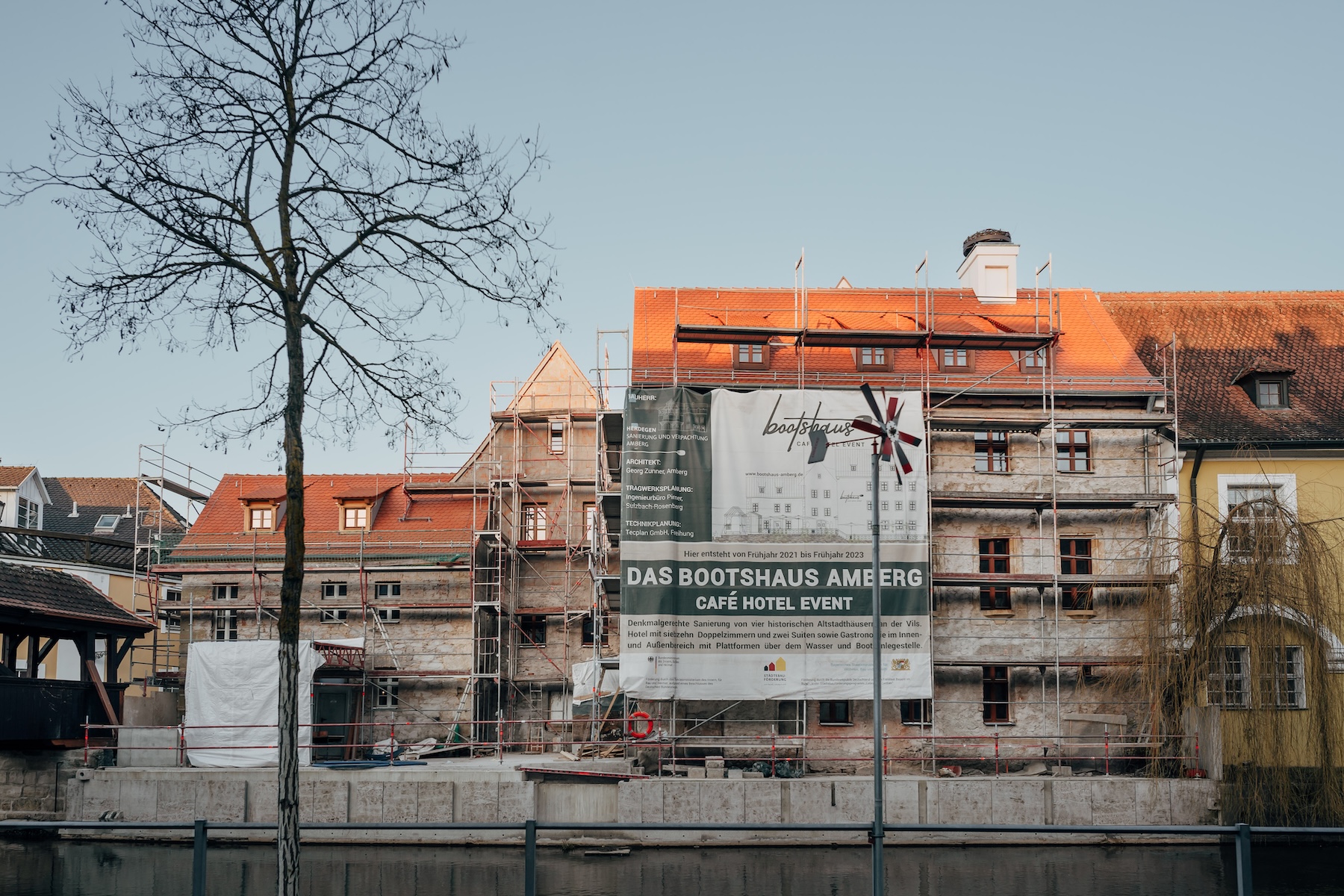
Many people dream of restoring an unloved historic building and turning it into a hotel, a restaurant, perhaps a bar where evenings stretch and stories circulate. Far fewer follow that instinct through. Rarer still are those whose ambition grows as the building begins to speak back. At the Bootshaus, a project anchored in more than 600 years of architectural history, father and daughter Klaus and Eva did not simply proceed; their dream expanded.
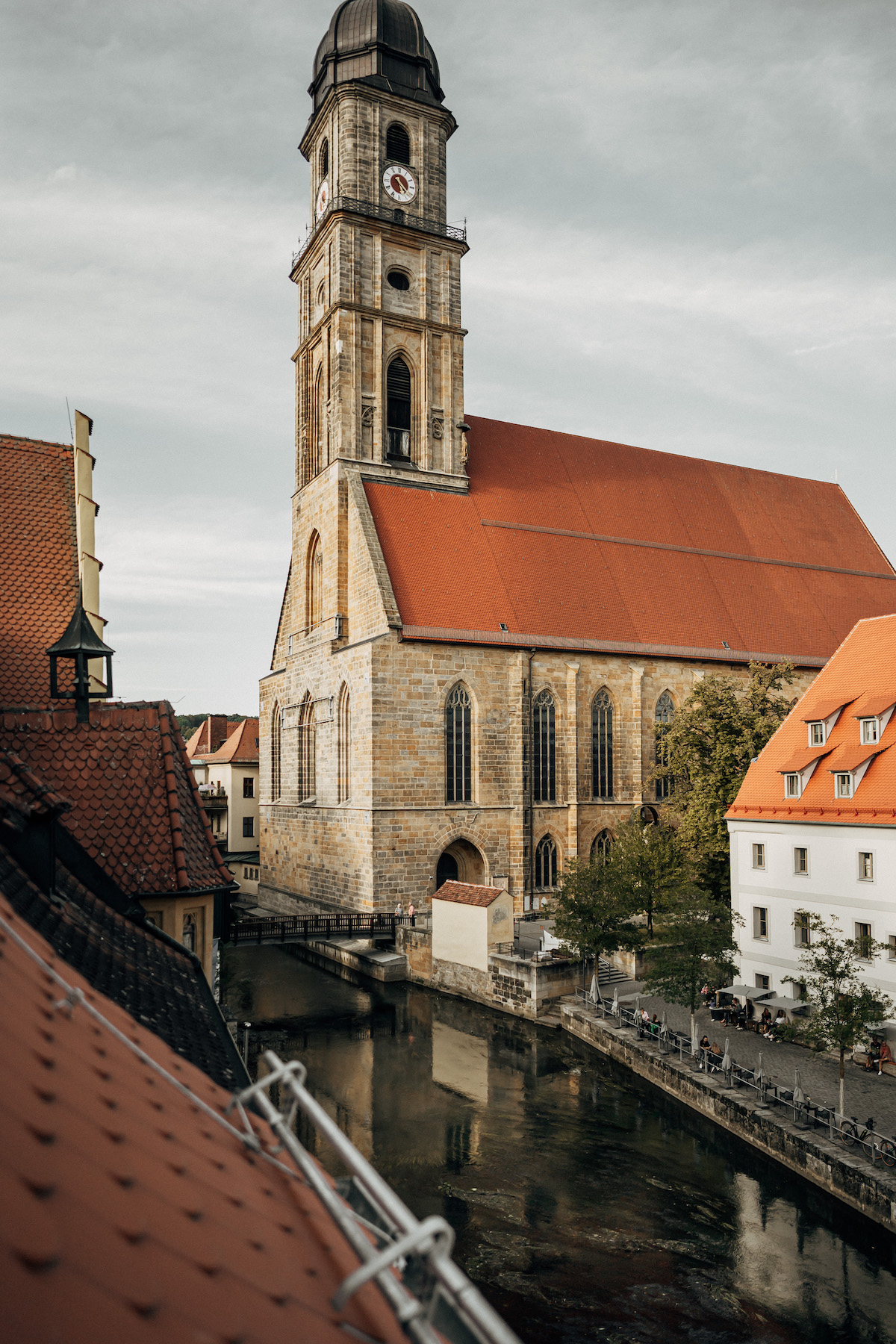
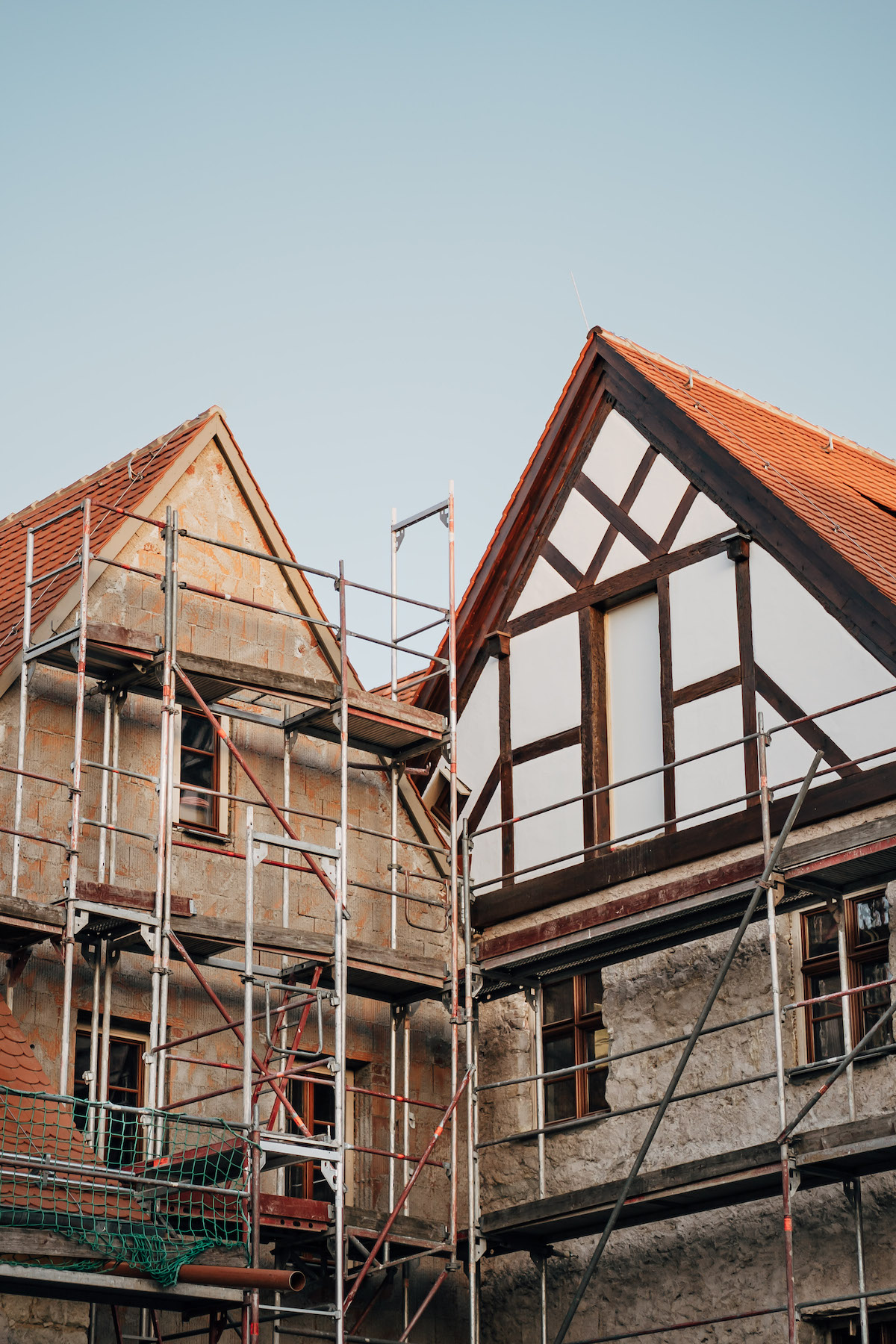
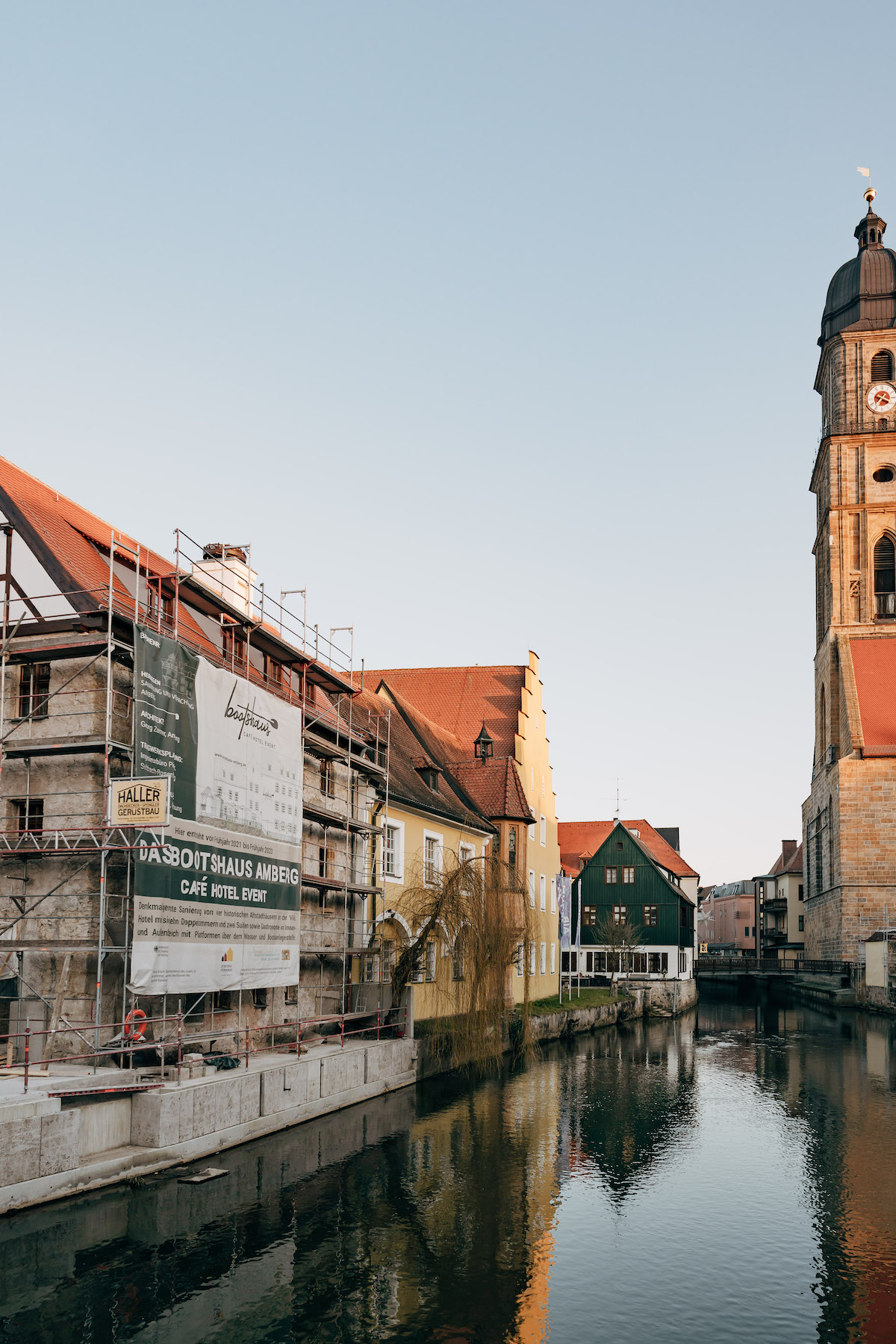
The River Vils flows through the historic town of Amberg and eddies past the Bootshaus, a considerately restored riverside ensemble in Bavaria’s Oberpfalz region, east of Nuremberg. What stands here today is not a single structure but a thread of five historic buildings, the oldest dating back to 1250, reunited after centuries of adaptation. Together they present a composed architectural presence, façades finished in chalked whites and soft wheat tones, set against medieval timber joists and stone lintels that quietly assert their age.
Set directly on the banks of the River Vils in Bavaria, the Bootshaus reads as both destination and daily meeting place. Beside the water, a decked terrace forms a natural hub for Bavarian beer, brewed in the town, and long, unhurried conversation. It captures the project’s core idea: local tradition carried forward into a contemporary cultural rhythm, while the river continues its steady passage past.
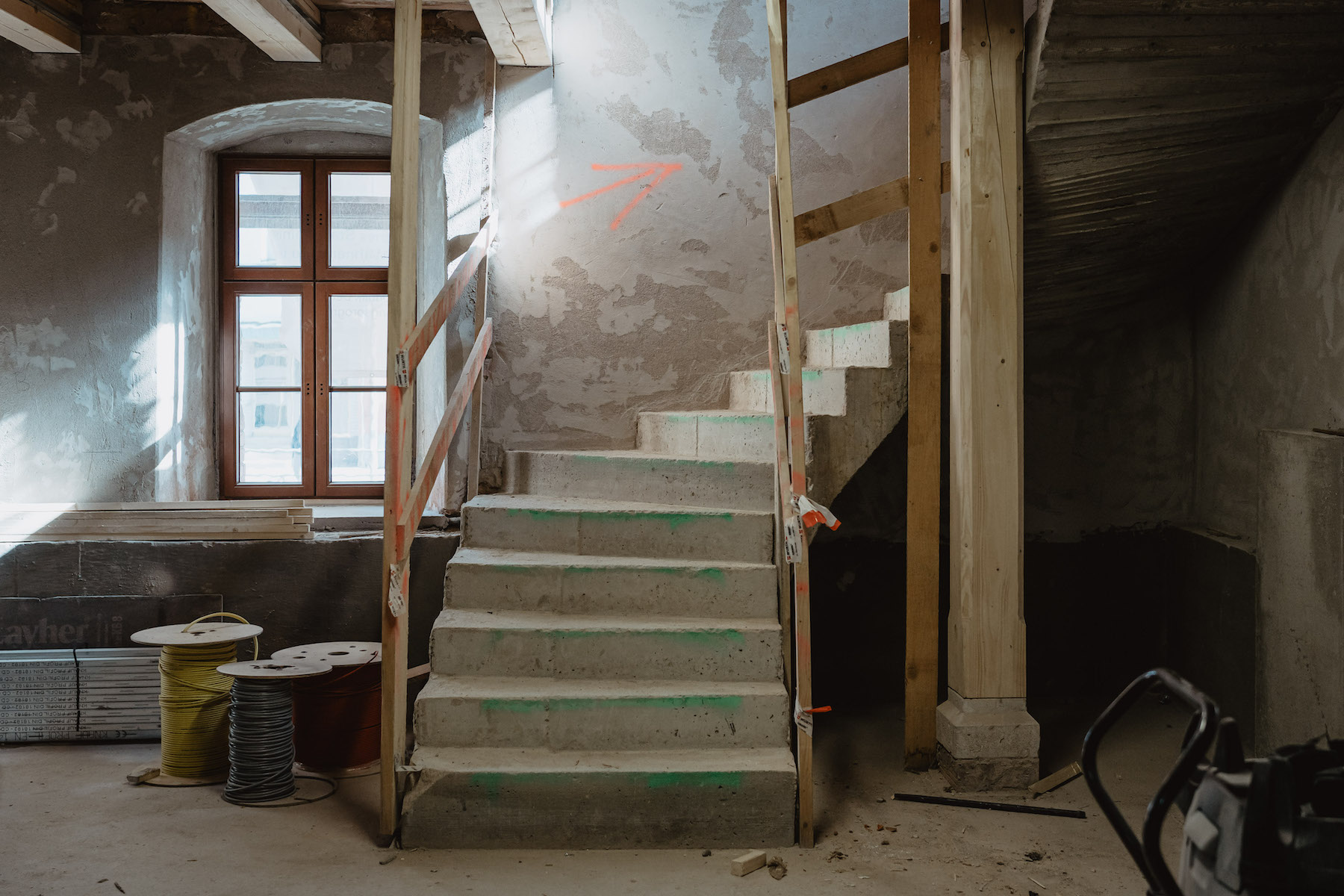
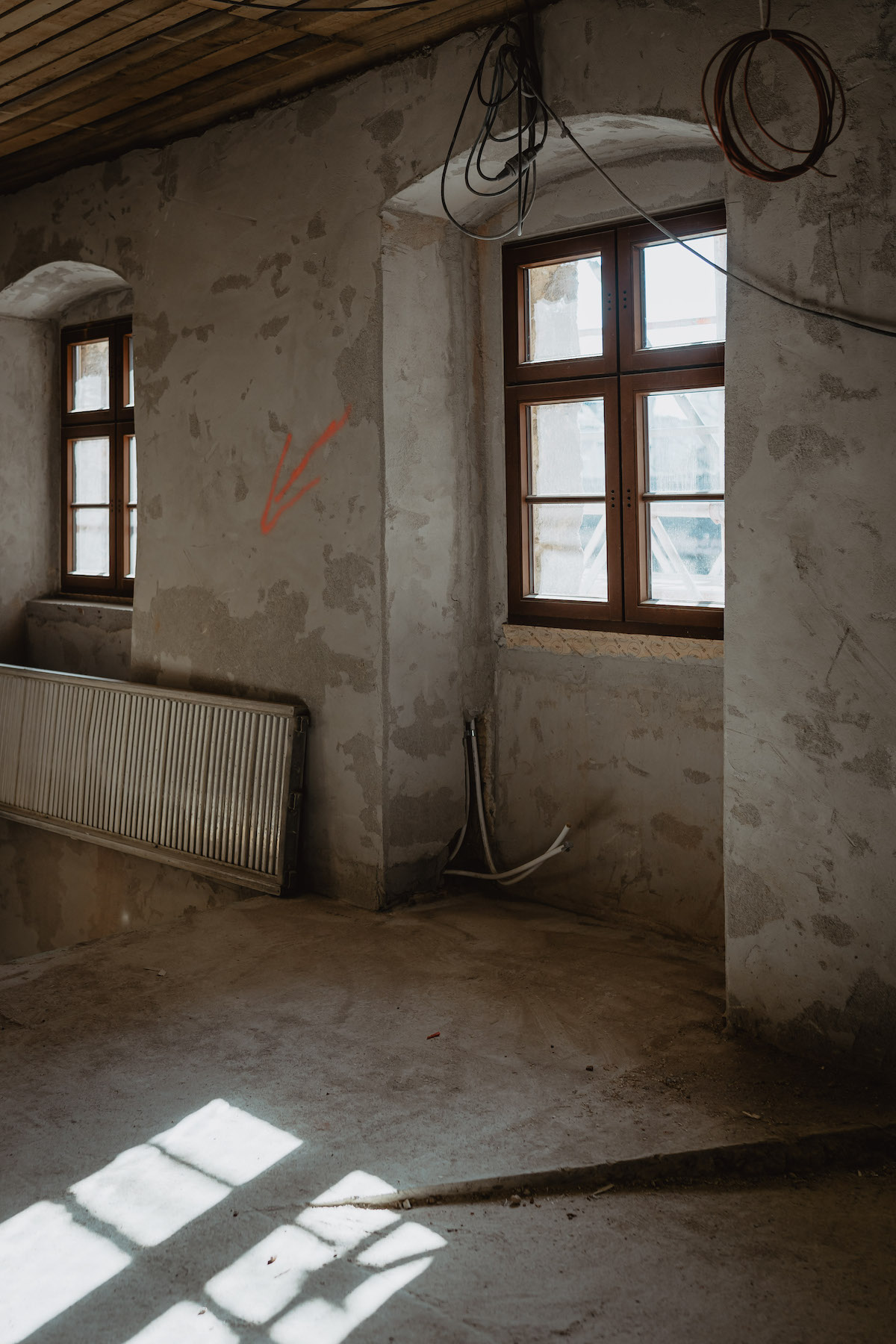
What began as a contained hospitality idea soon revealed deeper responsibilities. “It became clear quite quickly, around a year into the first conversations, that a functioning gastronomic operation would not be possible without acquiring the neighbouring house at Hinter der Veste 7,” Eva explains. Its gabled orientation towards the inner courtyard exerted too much influence to ignore. When the acquisition unexpectedly became possible, it exposed the consequences of earlier interventions. “The building had been almost completely stripped. Enormous damage can be done to historic monuments through unsympathetic renovations,” she says.
That loss created room for precision. Kitchens, lift access and service routes could be introduced without further harm, while attention turned to restoring the exterior shell. “With considerable effort, we were able to lead the outer fabric back towards its original expression, from the black stone surrounds on the street-facing gable to the red timber-framed wall facing the courtyard,” Eva notes.
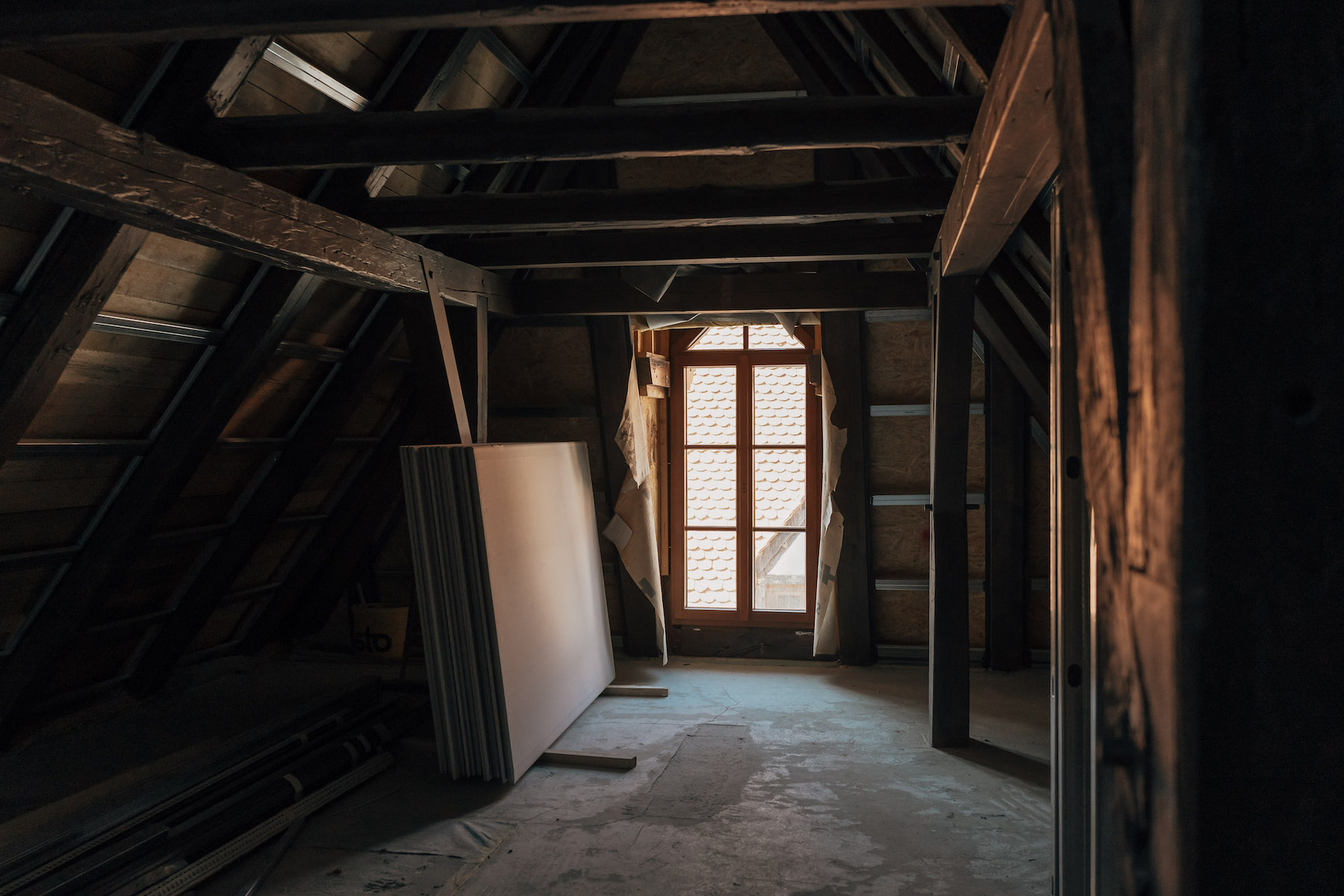
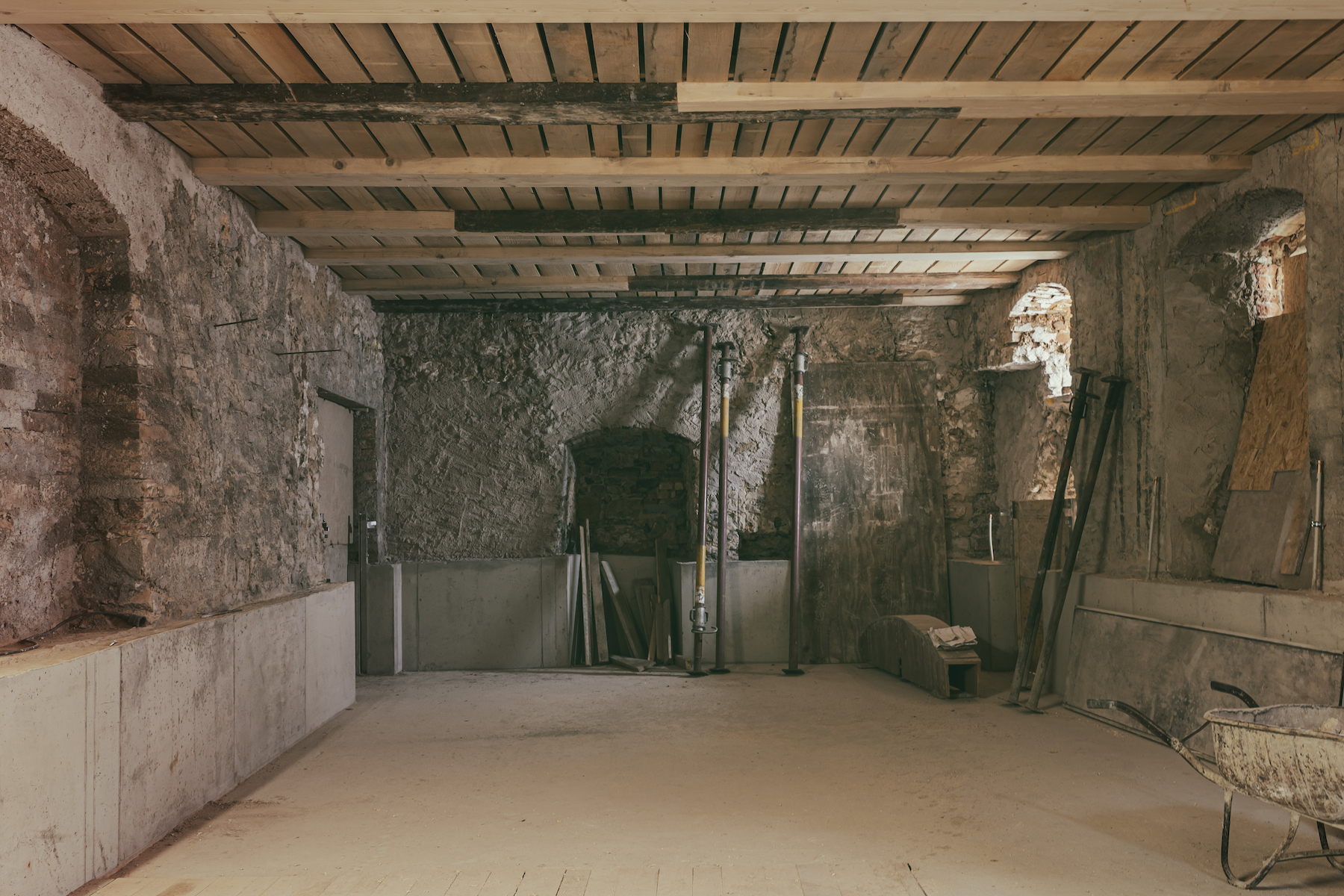
Patience governed every stage. Plans for deeper basements were abandoned once historic ground layers revealed original water levels. “Digging any further would have been irresponsible,” Klaus says. Later acquisitions absorbed the required service spaces instead. The architectural language itself remained steady. “Once these constraints were understood, the overall approach did not change. We simply allowed each discovery to guide the detailing.”
Inside, traces of former lives continue to shape circulation and atmosphere. In the restaurant at Schiffbrückgasse 11, fragmentary evidence allowed the historic entrance sequence to be rediscovered and reactivated. Other knowledge was allowed to remain quietly present. “We knew the original floor level lay almost a metre below the current one, and we chose to let that understanding sit in the background rather than reconstruct it,” Klaus reflects.
Flood protection demanded particular resolve. Rising water here arrives not only from the river but from groundwater across the surrounding quarter. The response was a system of clustered building zones, each independently protected. “Even if one area is breached, the entire complex does not fail”. Conceived from the outset, these measures recede from view.
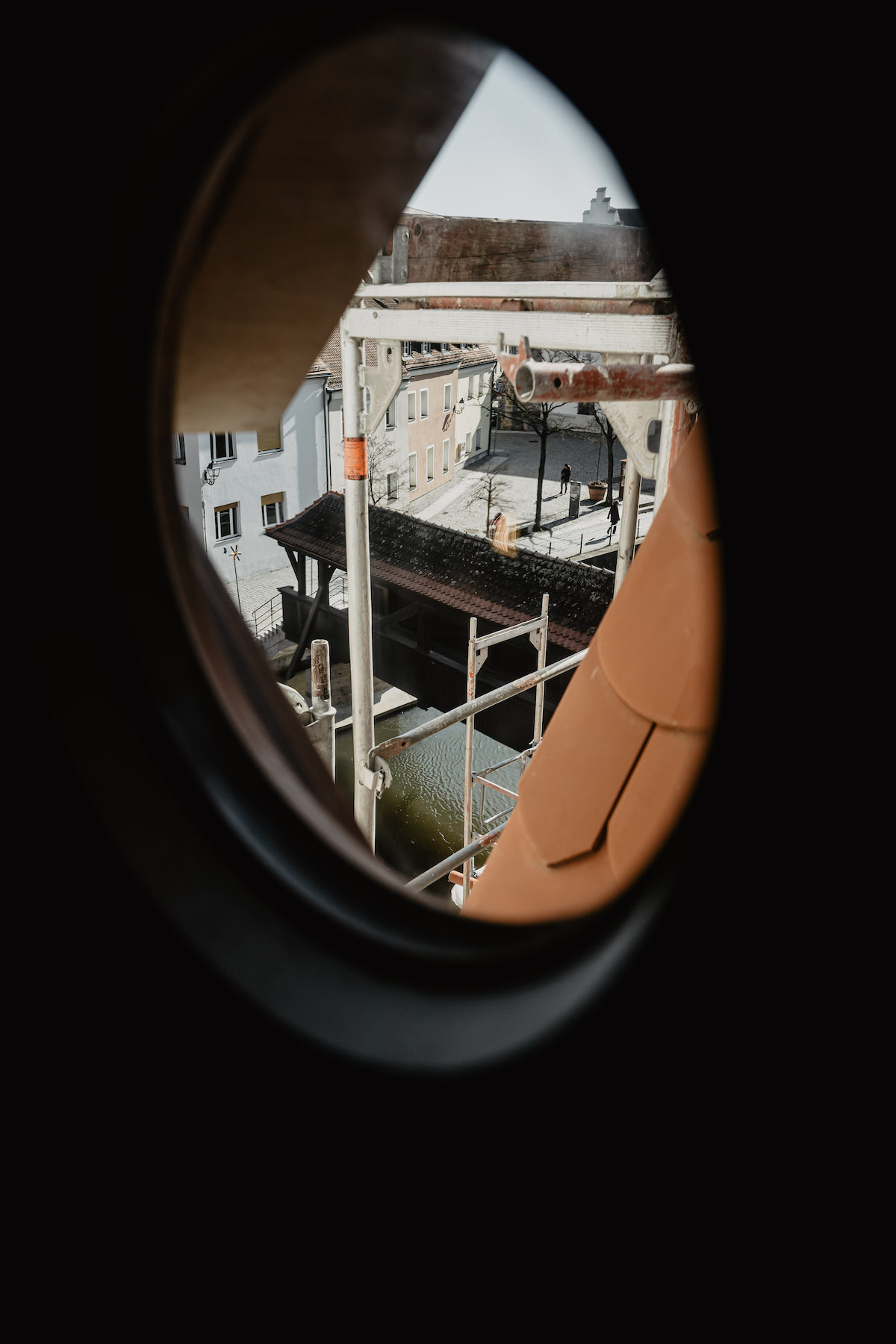
The terraces above the Vils were always part of the ambition. “They were one of the first wishes we had,” Klaus enthuses, inspired by a nearby lifting footbridge downstream. Without them, the restaurant would struggle to function. With them, the building gains its most generous civic gesture. “On the hottest summer days, you are always sitting above the cool water. It underlines the uniqueness of the place.”
The hotel Bootshaus today feels neither nostalgic nor new. It feels continued in the history of Bavaria. A 600-year-old riverside structure, once fragmented, now whole again, shaped by the quiet tenacity of Klaus and Eva, and offering Amberg a place to gather as the River Vils keeps moving past.


Where Roman grit collides with Bavarian beats: Dinkelsbühl’s medieval walls, design dens and raw festival energy make this historic town a must for Germany’s travel radar.
read more

Beer belongs to Amberg. It has for centuries. Brewed slowly, shared locally and shaped by families who never chased scale, the town still drinks with purpose, patience and pride.
read more

A design and culture-led guide to Munich, exploring layered architecture, Bavarian craft, contemporary creativity and a refined approach to the good life.
read more
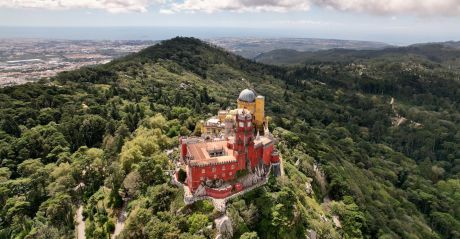
Travel to Portugal's fairytale den of Sintra, just outside Lisbon, for a world full of rolling hills and castles, once referred to by Byron as "glorious Eden".
read more
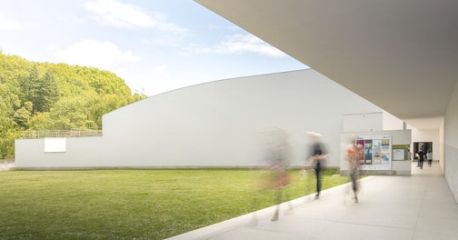
Porto for culture seekers - we explore the Serralves Foundation comprising of a dusty pink 1930-40s’s Art Deco villa designed by Porto architect José Marques da Silva, a landscape-specific contemporary museum designed by Álvaro Siza.
read more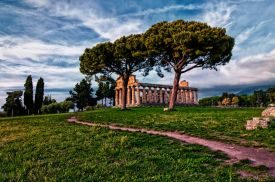
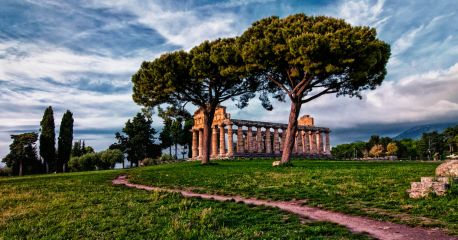
Paestum Temples in Southern Italy is one of those ancient antiquities that you have to visit – this UNESCO World Heritage Site in Cilento Campania is a treasure trove of ancient Greece including three of the world’s best-preserved temples.
read more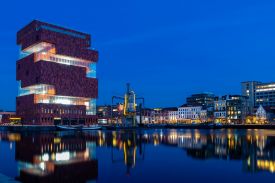
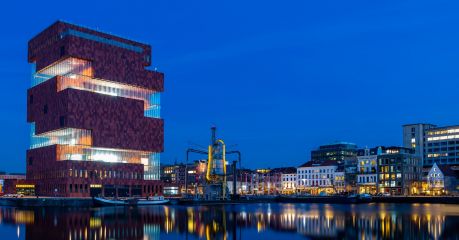
Antwerp is one of Europe's cultural hotbeds with historical landmarks and art institutions. And while Antwerp has plenty of those – we turn our focus on the smaller-scale contemporary culture must-sees the Flemish city has to offer.
read more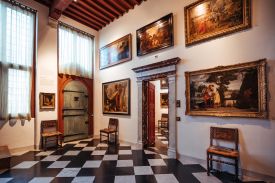

The true 'Golden Age Painter', Rembrandt recharged might well describe the recent renovation of the Rembrandt House Museum, found in Amsterdam.
read more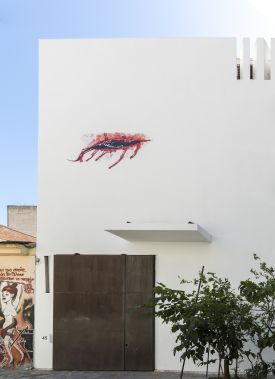
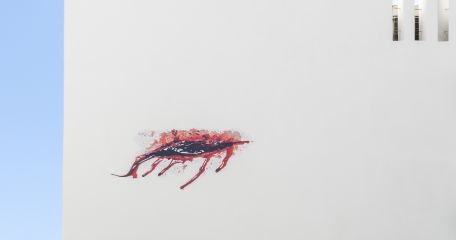
Radical, sometimes political and always on the pulse of Athens’ ever-evolving art scene, The Breeder Gallery is housed in an old ice cream factory, redesigned by architect Aris Zambicos.
A think tank for the bold, the curious, the creators of tomorrow. Where minds collide, conversations spark, and urban life gets redefined. If you shape the future, you belong here.
read more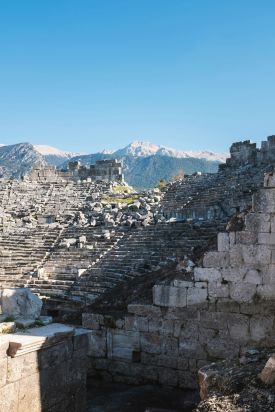
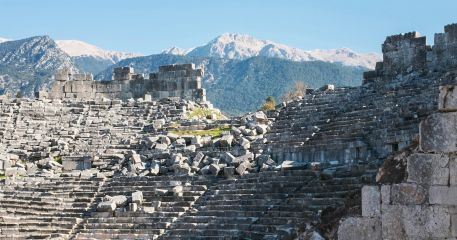
From the cliff-carved tombs of Tlos to the ghost village of Kayaköy, trace the soul of ancient Lycia along the Turkish Riviera’s sunlit coastline and mountain-framed archaeological wonders.
read more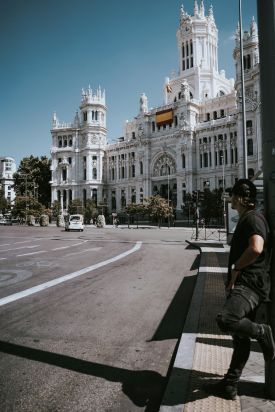
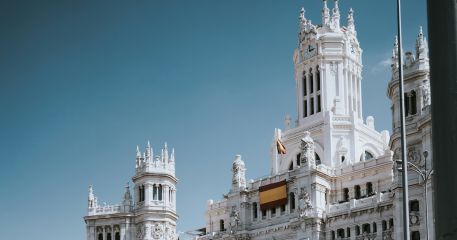
Madrid is built on routine, conversation and urban life, shaped by historic quarters, modern ambition, design culture and food, revealing itself through daily use to artists, architects and curious minds.
read more
Get the insider news and lowdown on what we've been up to, where we've been, and who we've met along the way. Be the first to discover new places and get the scoop on our favourites.