JOIN the AFICIONADOS
Get the insider news and lowdown on what we've been up to, where we've been, and who we've met along the way. Be the first to discover new places and get the scoop on our favourites.

The warmth of the Bavarian temperament is felt in everyday exchanges, often arriving as a softly delivered Servus and Grüß Gott.
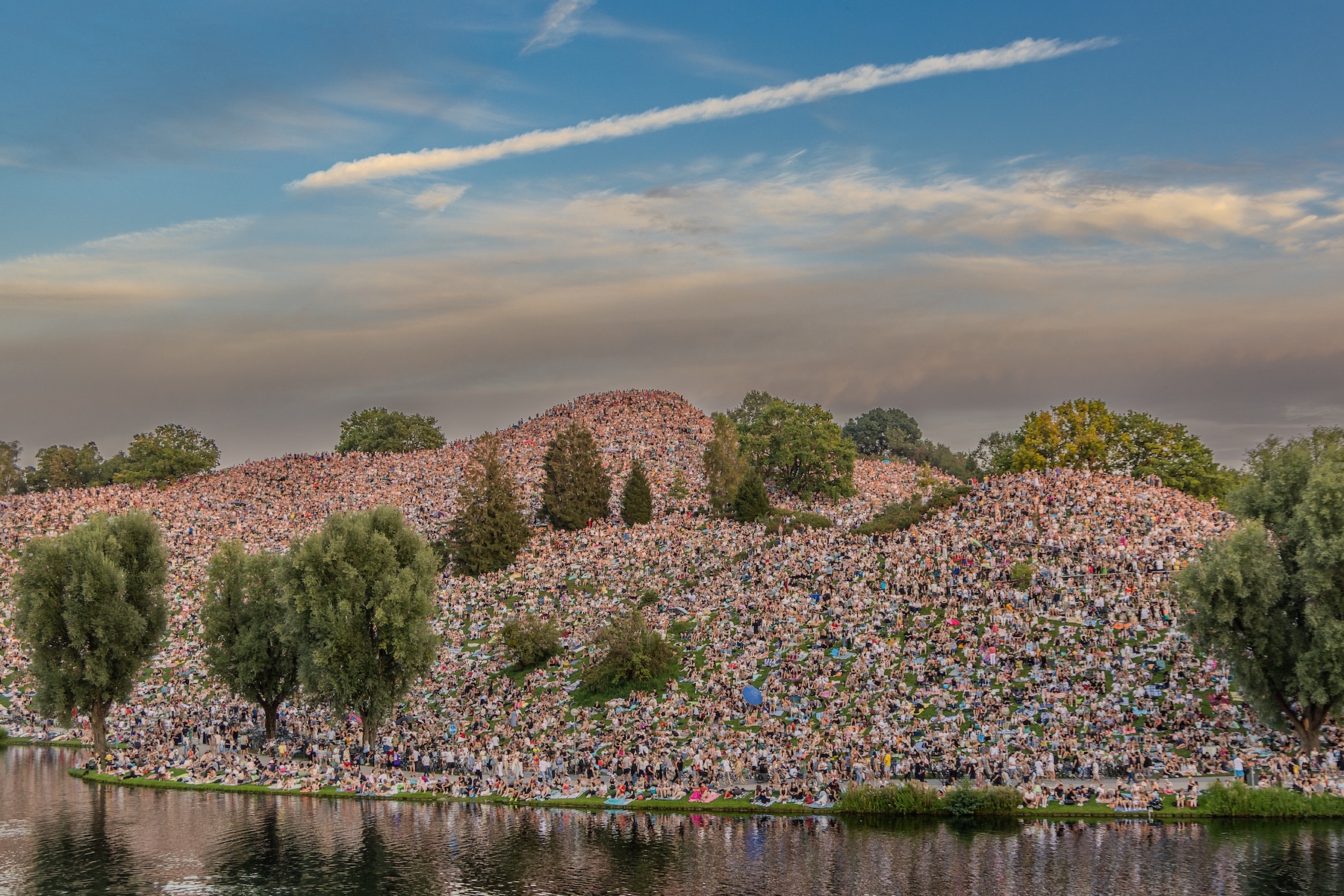
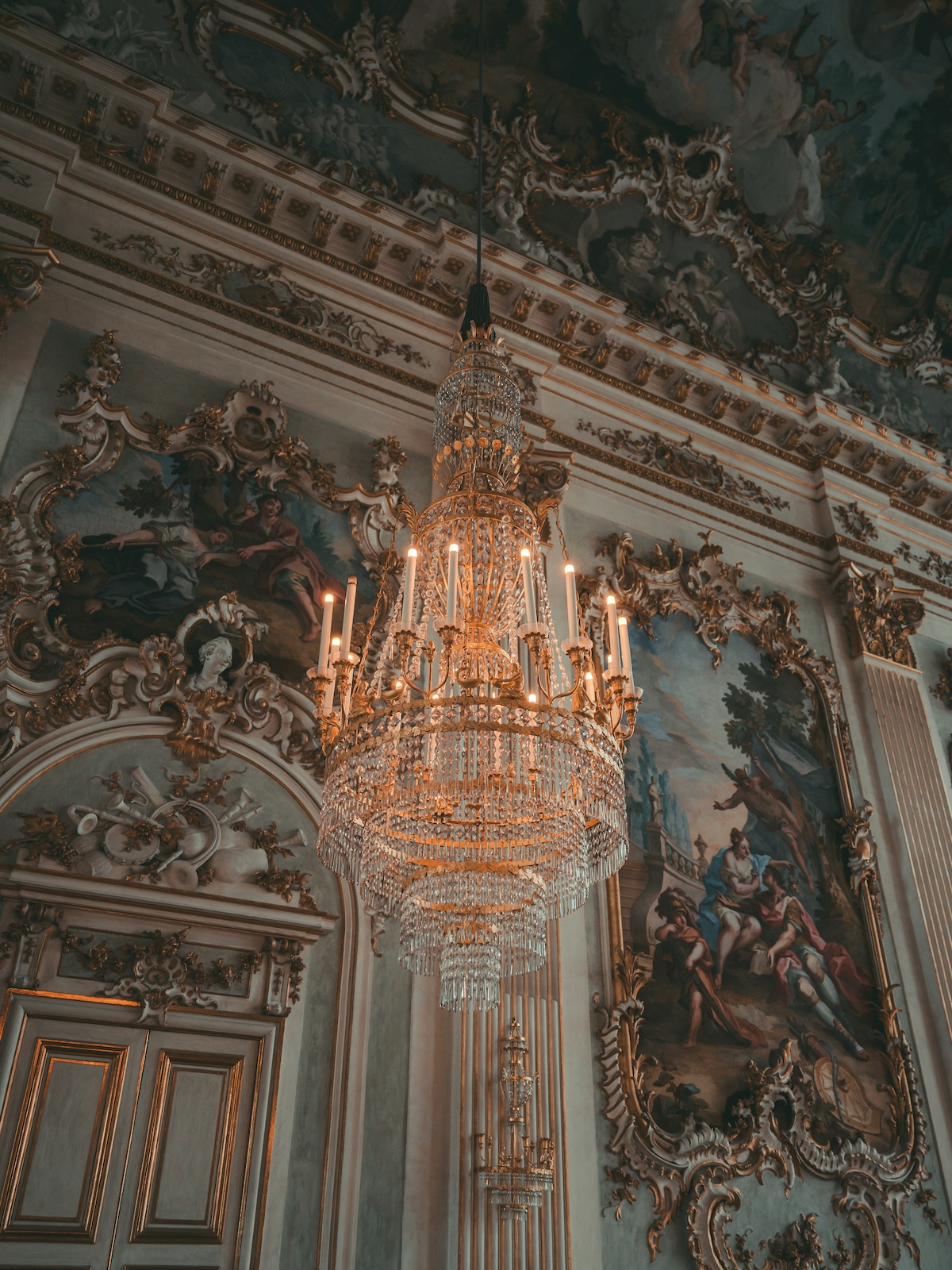
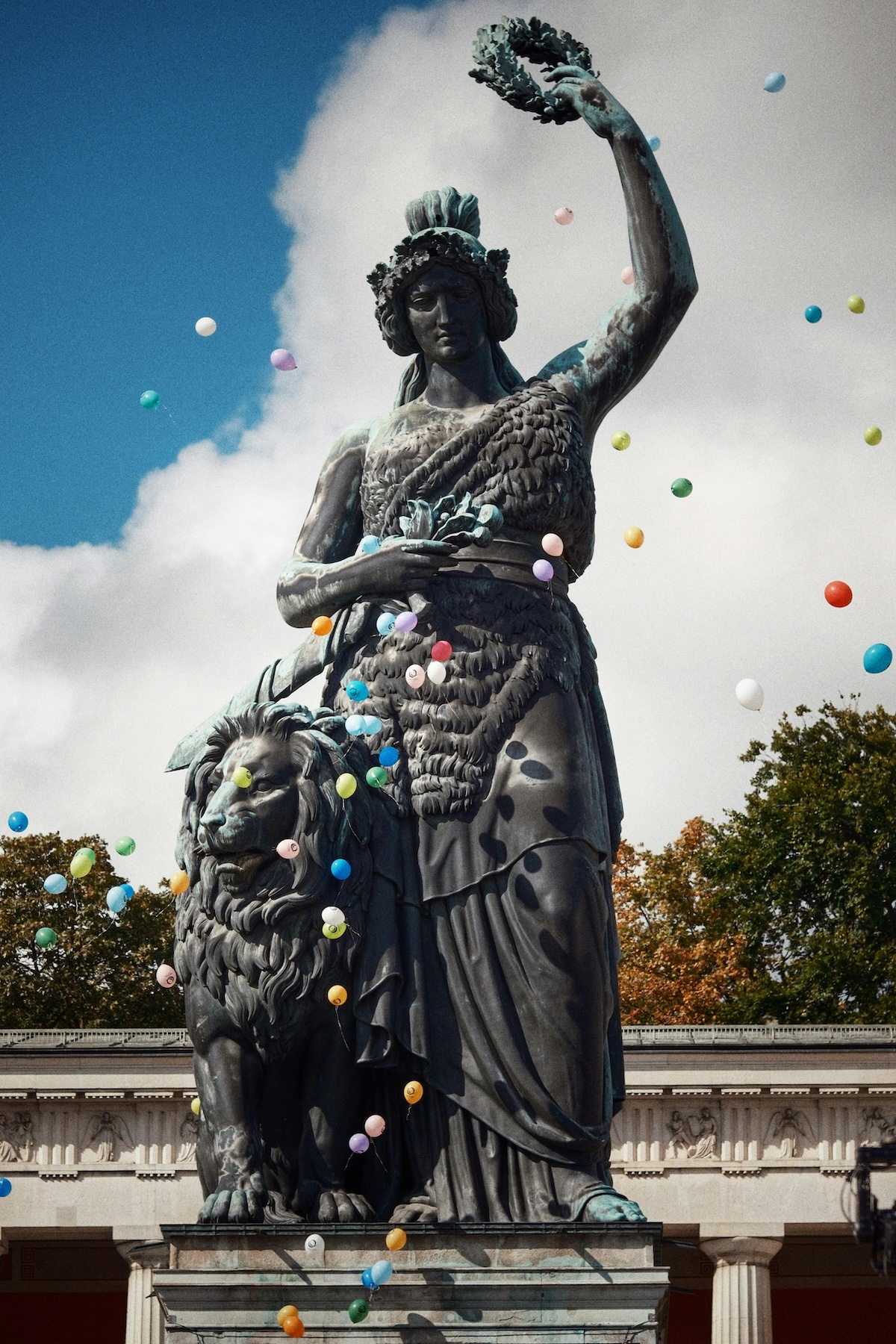
Munich, located on the banks of the River Isar and dominated by Frauenkirche across the skyline, may be Germany’s most compelling heartthrob. A city of wealth dressed in layered cultural history, appearing almost dormant at first glance, lightly dusted with the imperial architectural ambitions of König Ludwig I, whose neoclassical vision continues to shape the city’s proportions and ceremonial order. Spend time within it, and another character surfaces.
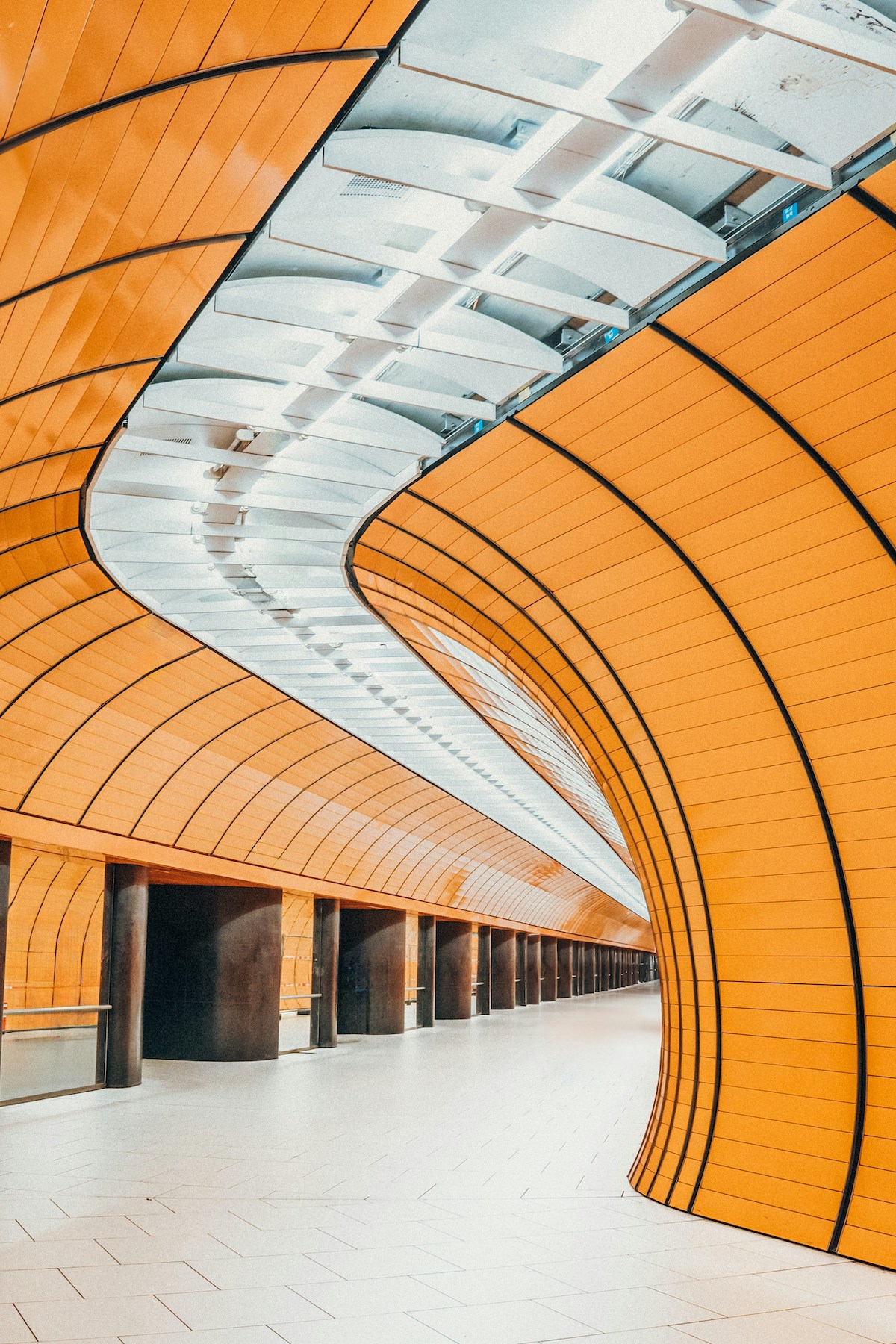
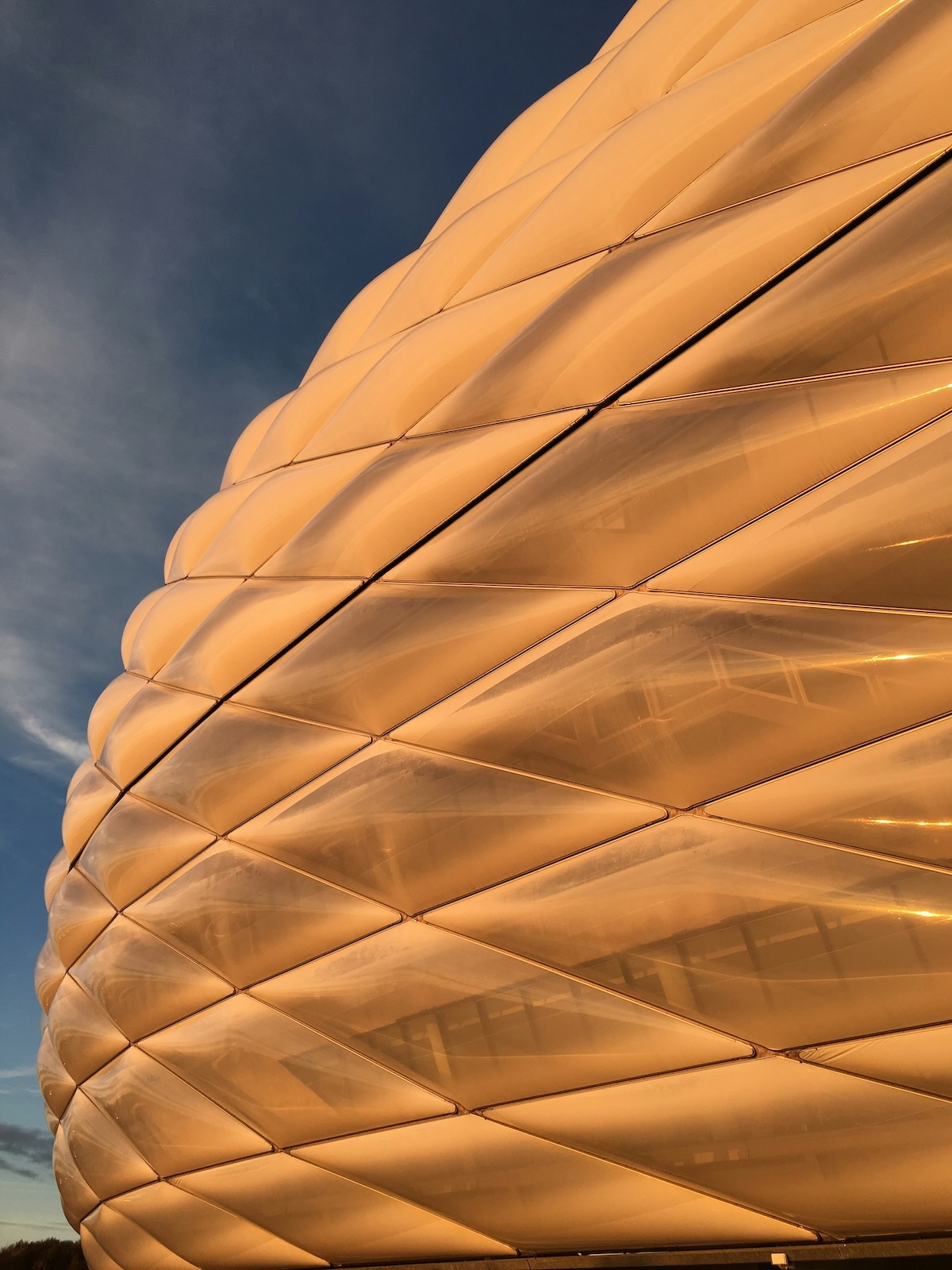
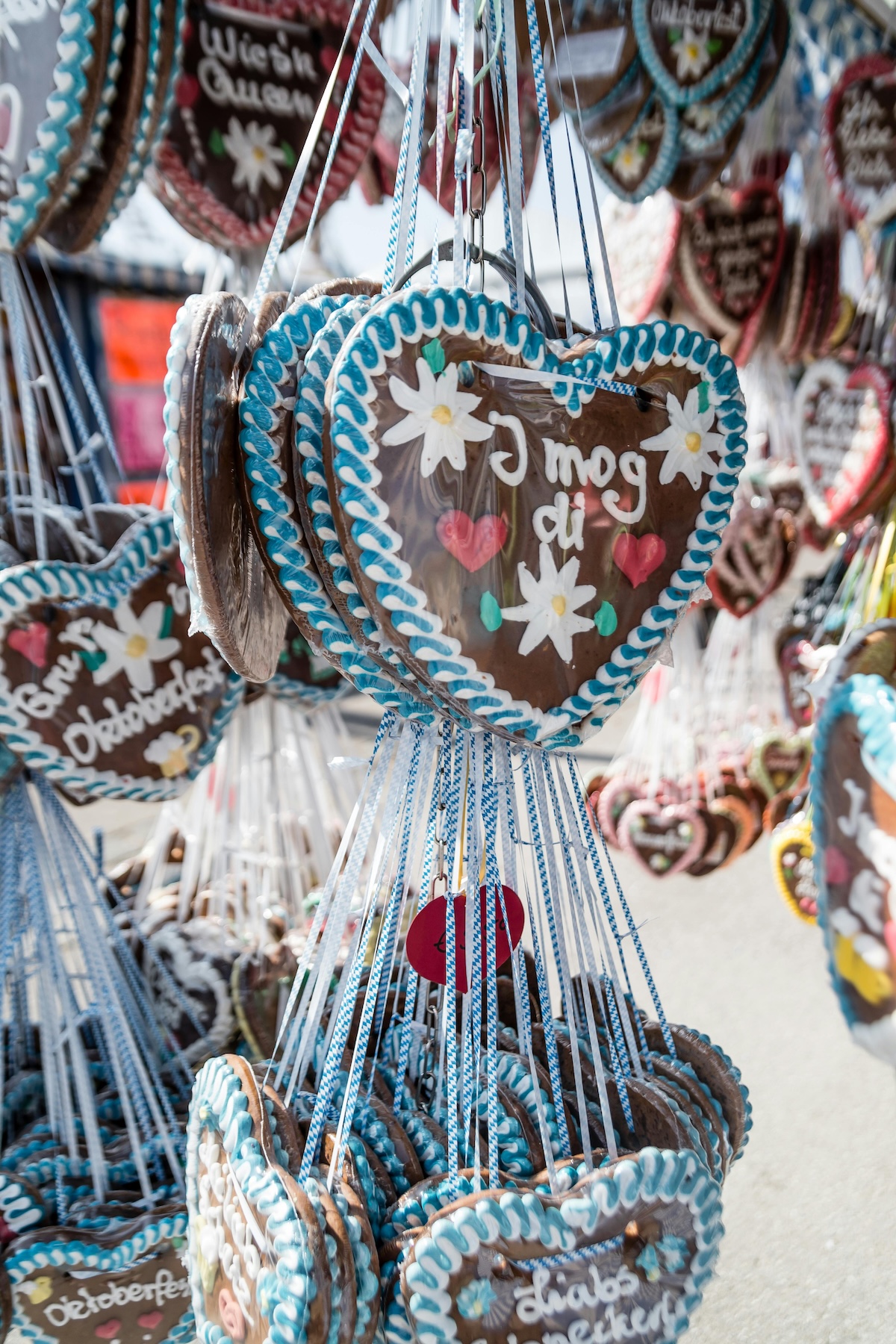
Established on medieval foundations, the Bavarian capital, München, reveals a sharpened edge of contemporary architecture, confident creativity and an enviable comprehension of what the good life is all about. The familiar rituals of Biergarten, Weißwurst, and Oktoberfest remain cultural shorthand. And although Dirndls and Lederhosen continue to prevail, a new generation of Bavarians reconfigures the cut of traditional cloth into a rewired code of crafted cadence.
Munich’s position has long shaped its role and sunny bluebird skies. Located between northern Europe and the Alpine south, the city functions as a hinge between urban density and landscape, between industrial Germany and the slower rhythms of Upper Bavaria, Austria and South Tyrol. Rail connections extend naturally towards Salzburg, Vienna, Innsbruck and Zurich, while Munich International Airport reinforces the city’s status as one of Europe’s most efficient gateways, with the snow-capped Alps never too far away from view.
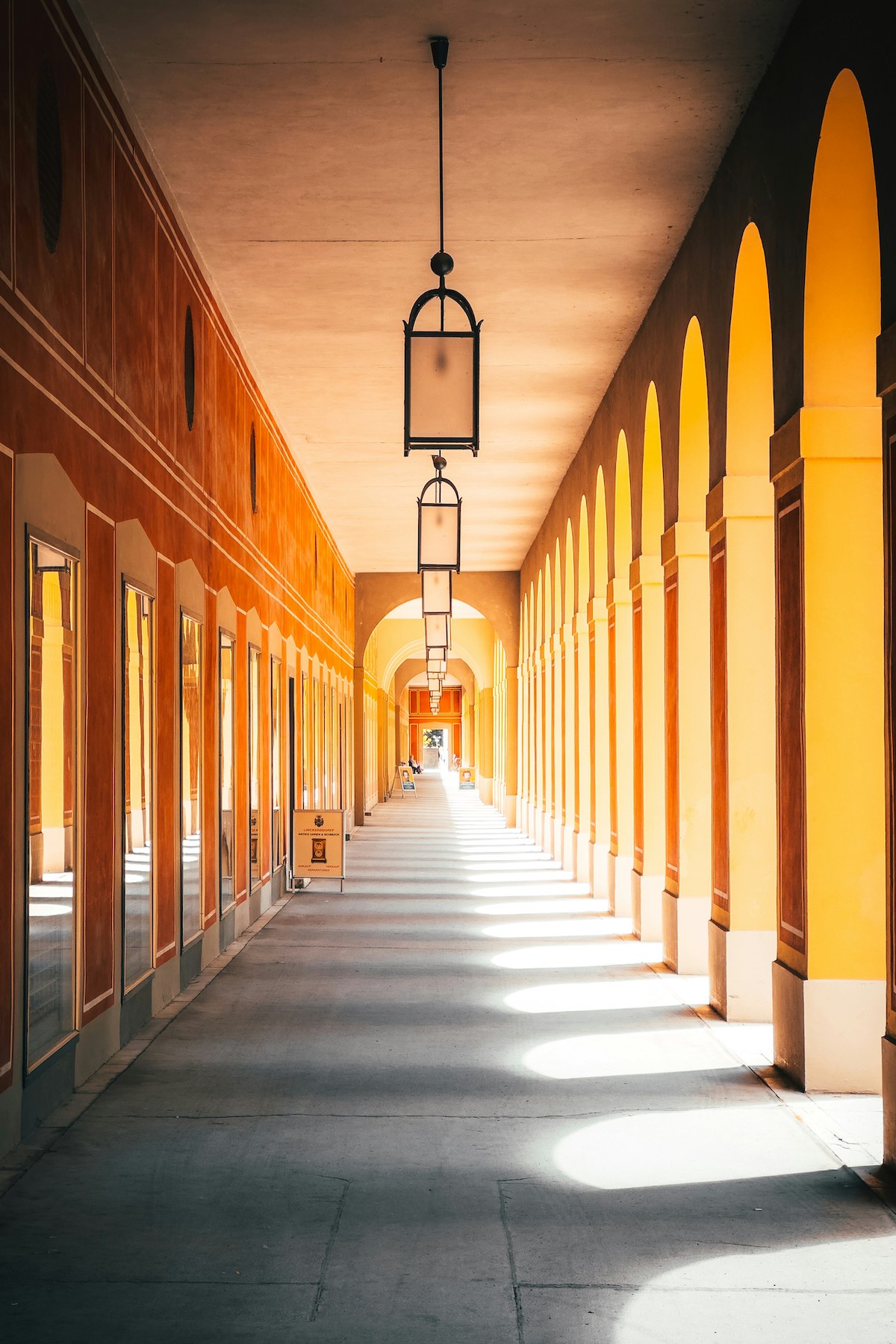
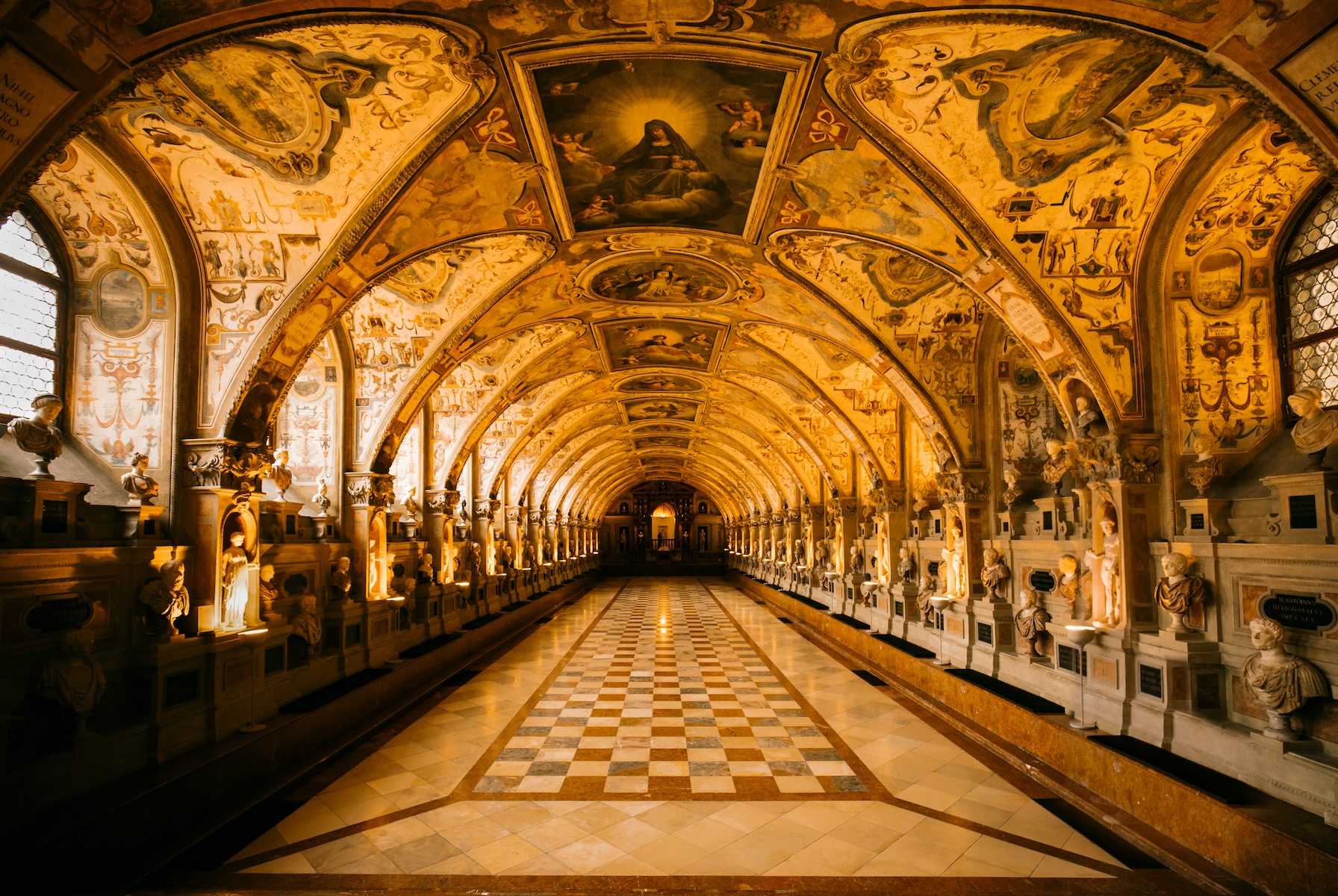
In the hub of town, Ludwigstraße to Königsplatz, the neoclassical order establishes a framework of historical beauty. The historic centre remains enthralled in the romance of opulent grandness organised around Marienplatz. Nearby, the Munich Residenz reveals Bavaria’s former court culture through layered architectural sequences that move from Renaissance clarity to baroque richness and neoclassical order.
North of the centre, Maxvorstadt forms the city’s intellectual and cultural core. The Pinakotheken complex anchors the district, with the Pinakothek der Moderne offering a coherent integration of art, architecture, design and graphic culture.
The posh leafy district of Schwabing retains a sense of social ease shaped by its literary and artistic past. Once home to writers and painters, the district now balances galleries, boutiques and residential life with a lingering cultural undertone. It remains one of Munich’s most liveable quarters, polished without feeling managed.
Elsewhere, museums and collections gather with intent. The Haus der Kunst continues to contribute to international contemporary discourse, operating within an institutional landscape that values depth, context and continuity.
Design culture is inseparable from industry. Munich is home to BMW, Siemens and Allianz, companies that value precision, longevity and systems built to endure. Design follows similar principles, favouring clarity, proportion and long-term relevance.
Munich is a thoroughly popular destination where the marriage of culture, history and a marked modern approach to living well sets it apart. It may well enjoy being anchored to the past, but it is also unquestionably a hotbed of ingenuity, the arts, creativity and the principles of design from the traditional to the present.
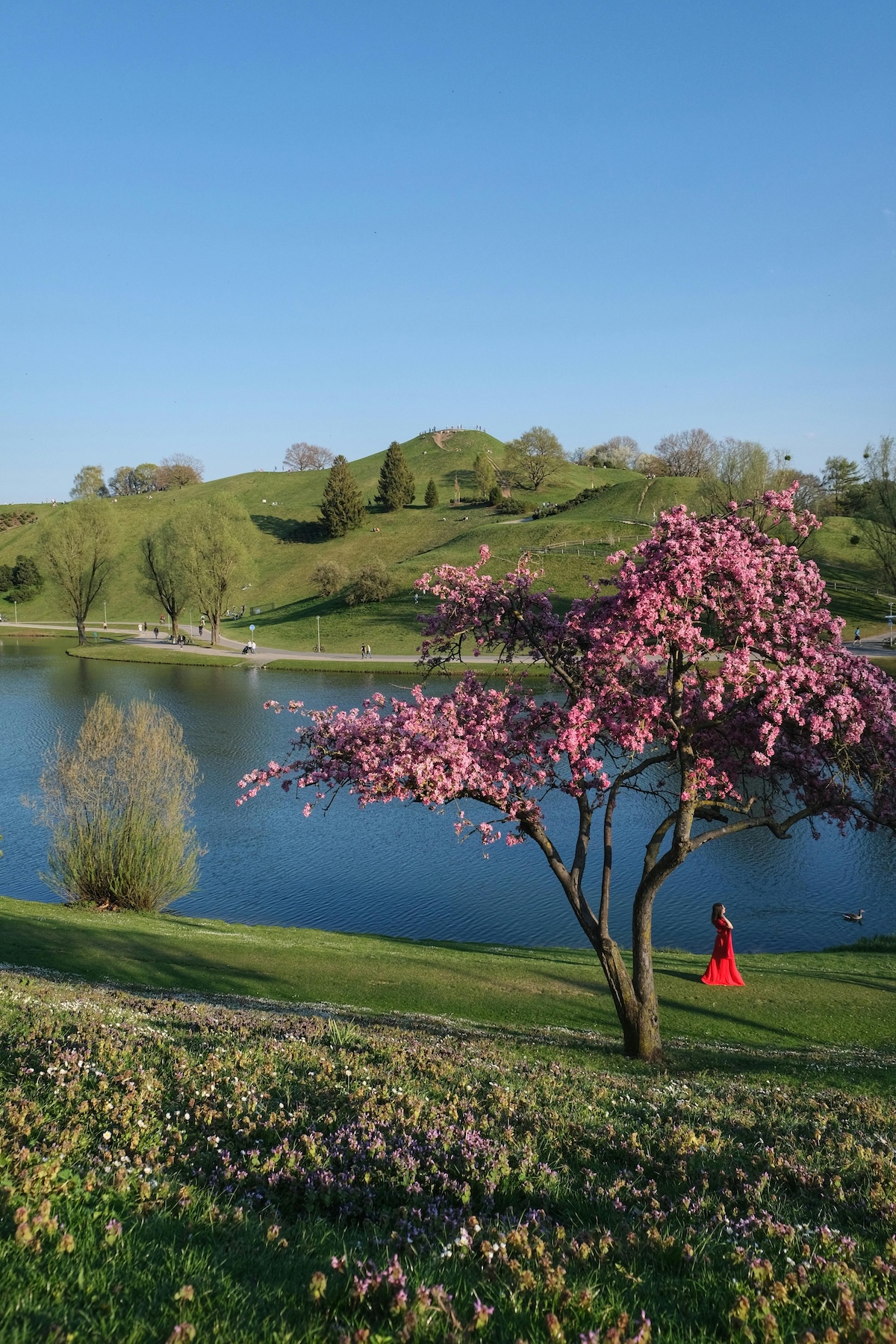
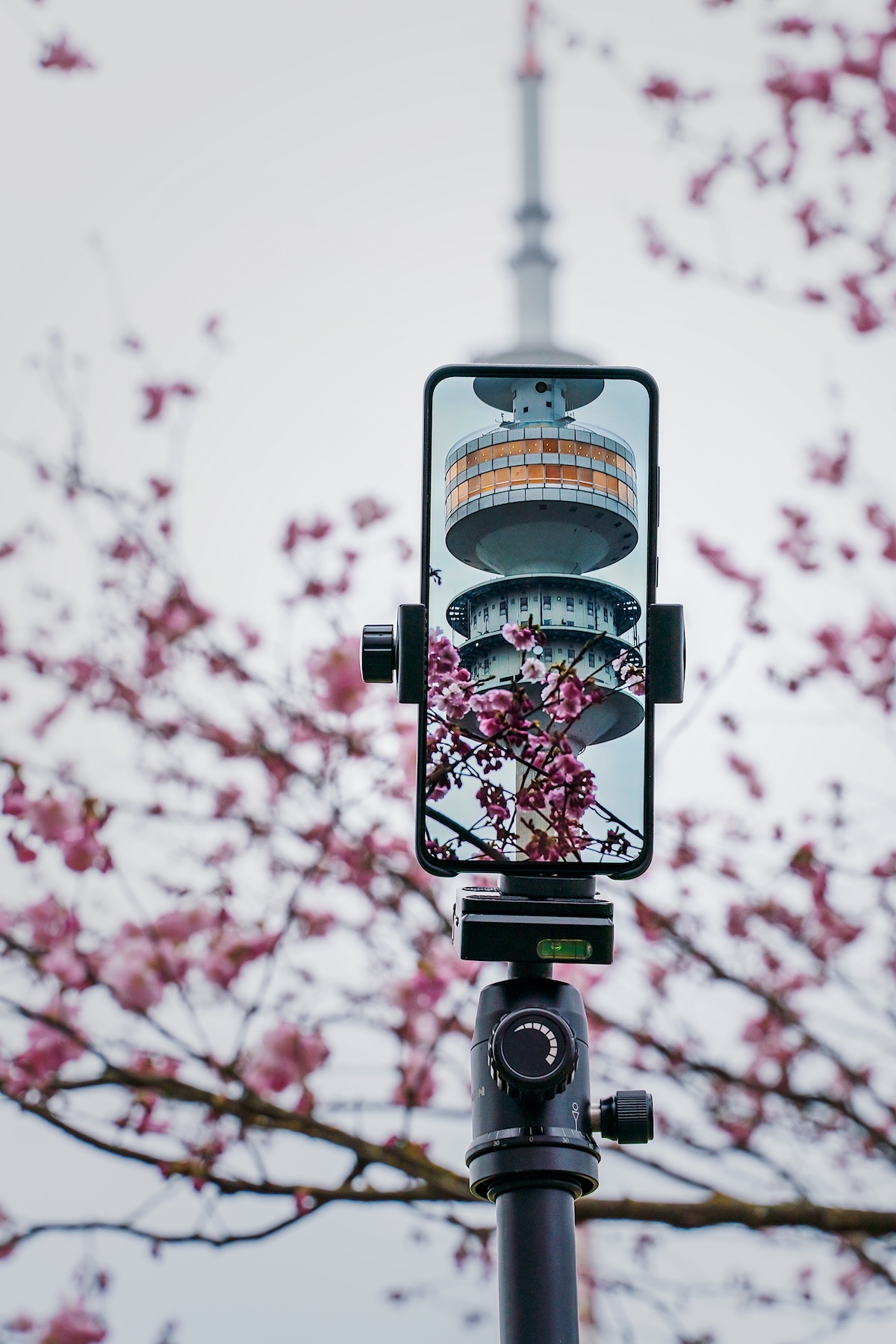
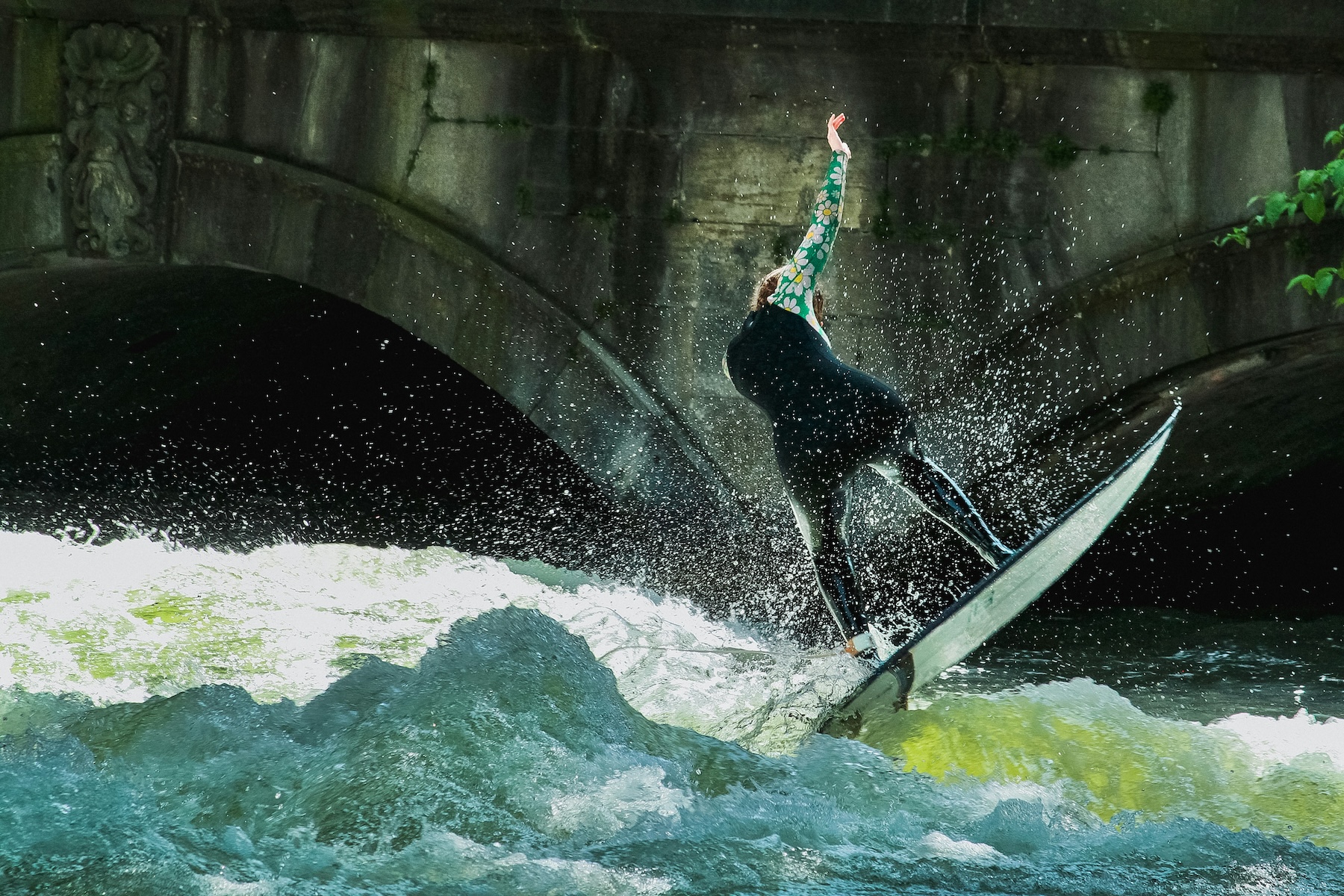


Where Roman grit collides with Bavarian beats: Dinkelsbühl’s medieval walls, design dens and raw festival energy make this historic town a must for Germany’s travel radar.
read more

Beer belongs to Amberg. It has for centuries. Brewed slowly, shared locally and shaped by families who never chased scale, the town still drinks with purpose, patience and pride.
read more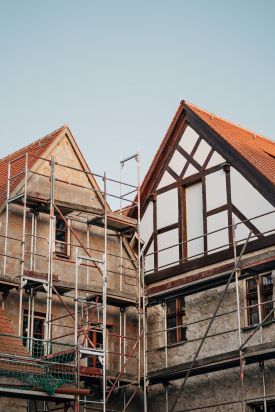
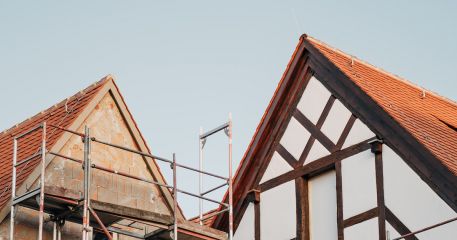
Set on the River Vils in Amberg, Bavaria, the Bootshaus reunites five historic buildings dating to 1250 into a refined riverside hotel shaped by patience and architectural restraint.
read more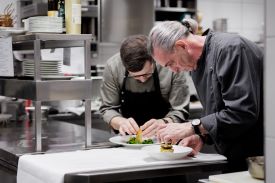

Alexander Hundt cooks at Toque level in a Bavarian town of twelve thousand. His tasting menus are a pleasure; his Chef's Table is a privilege.
read more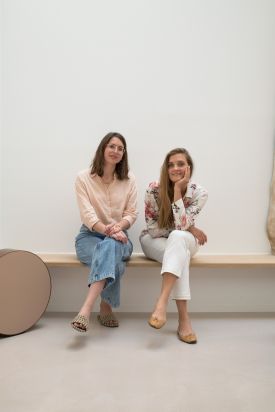
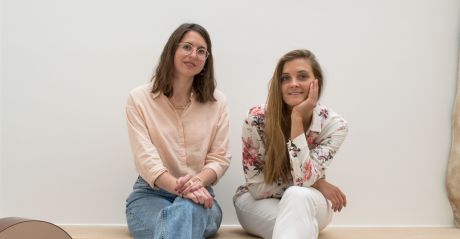
Just off Rue des Martyrs in Paris, in the 9th arrondissement, Zeuxis Contemporary Art Gallery created by Amélie du Chalard is the Maison d'Art Amelie - a showcase for paintings, engravings, sculptures, photographs, videos and works of art set within a magnificent apartment.
read more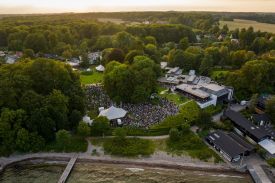
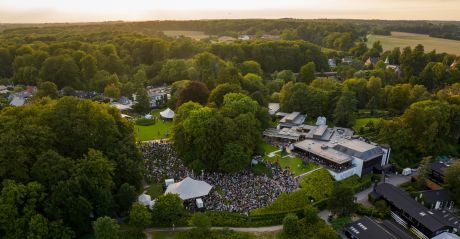
Where modern art meets coastline and clarity, Louisiana Museum of Modern Art turns a museum visit into a coastal walk, framing global creativity through architecture, light and landscape.
read more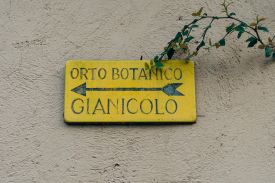
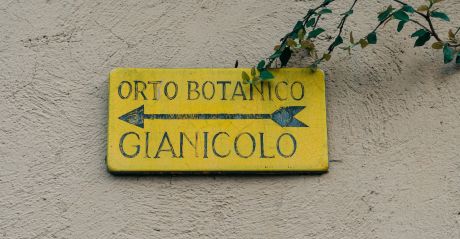
Get your phone ready as you enter the Corsini Greenhouse, created in 1800 and named after the Corsini Palace which borders one side of the botanical garden, filled with the kind of succulents that will set your Insta on fire.
read more
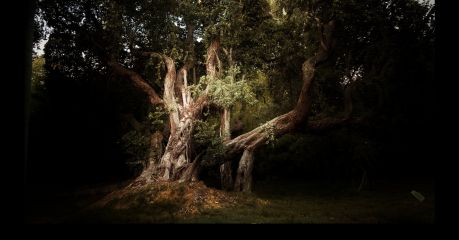
Dendrophiles, or lovers of trees, will enjoy the diversity here with over 1,400 species – including rarely seen palms and ferns from across the world.
read more
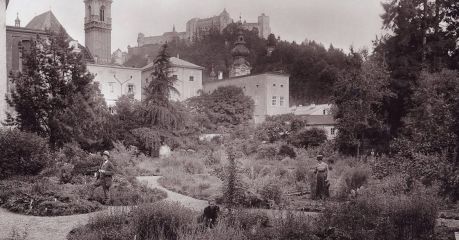
The history of this urban green space dates back as far as 1780, when a plant trader used the fertile land to grow and trade in bulbs and plants - today there is a large dry collection – some 3000 diaspores of native plants.
read more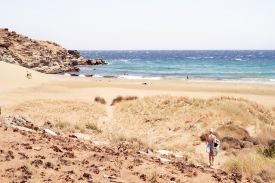
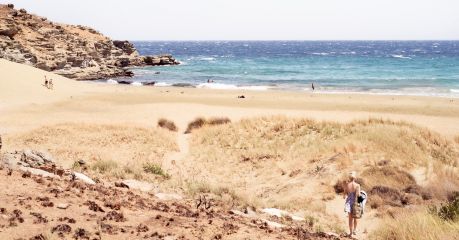
Every beach on the tiny island of Tinos is wonderfully different, the island is famed for its geological intensity and adds a sense of drama to many of its wild and rugged coastline pitstops.
read more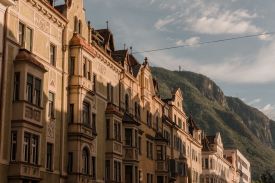
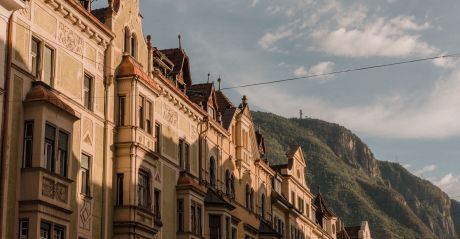
From its cultural heart to the altitudinous pleasures it offers, we put Bolzano in the headlights to explore its heritage core, architectural merit, stylish stays, foodie forays and more.
read more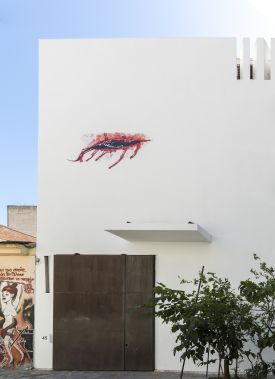
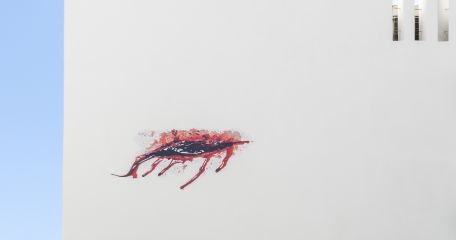
Radical, sometimes political and always on the pulse of Athens’ ever-evolving art scene, The Breeder Gallery is housed in an old ice cream factory, redesigned by architect Aris Zambicos.
Get the insider news and lowdown on what we've been up to, where we've been, and who we've met along the way. Be the first to discover new places and get the scoop on our favourites.