JOIN the AFICIONADOS
Get the insider news and lowdown on what we've been up to, where we've been, and who we've met along the way. Be the first to discover new places and get the scoop on our favourites.

Madrid’s post-war and contemporary architecture has often been overlooked in favour of Barcelona’s cleaner narratives, yet for architects and critics the city has long offered a more complex, and arguably more interesting, field of study. Its modernist and later experiments are rarely picturesque. They are argumentative, infrastructural and deeply tied to questions of density, governance and daily use, which is precisely why they continue to attract serious architectural scrutiny.
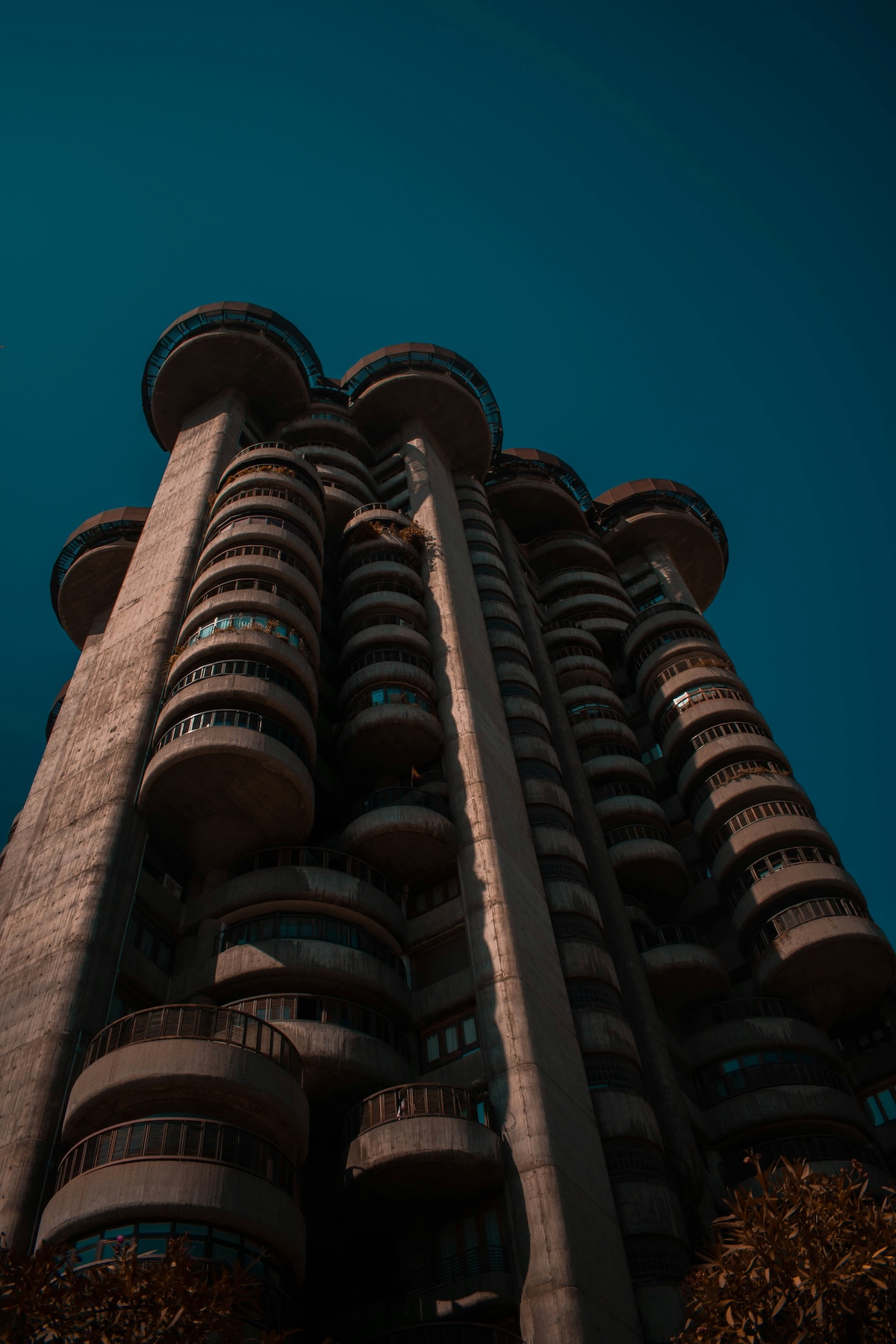
One of Madrid’s most analysed twentieth-century buildings remains Torres Blancas, designed by Francisco Javier Sáenz de Oiza and completed in 1969. Frequently cited in architectural journals for its radical departure from orthodox modernism, the tower combines organic form with exposed concrete in a way that feels closer to metabolic thinking than International Style discipline. Its cylindrical volumes and planted terraces have been dissected repeatedly in publications such as El Croquis and Arquitectura Viva, often framed as a uniquely Iberian response to high-density living rather than an imported ideology.
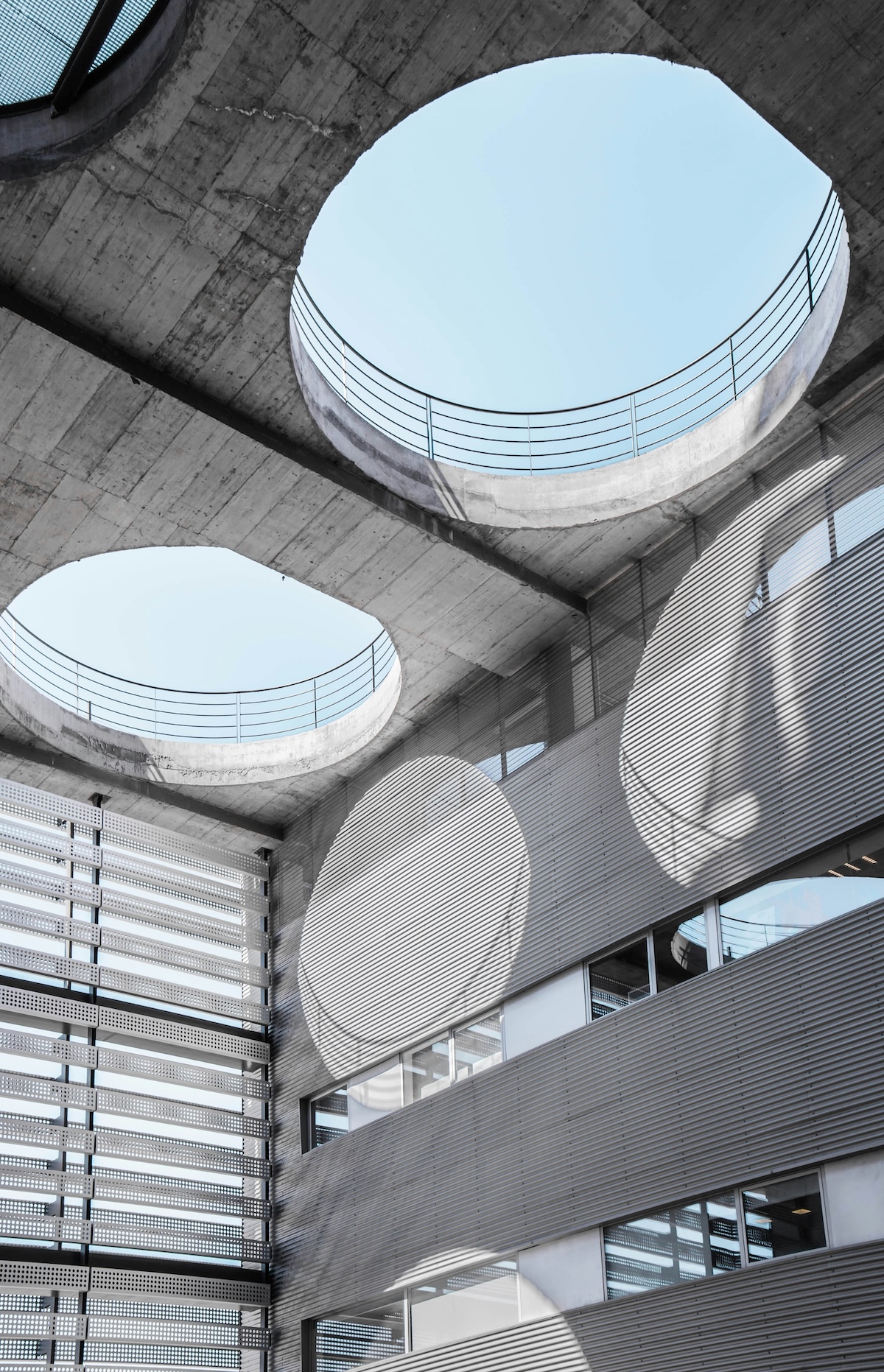
Madrid’s relationship with Brutalism is less codified but no less compelling. Large-scale housing projects, infrastructural buildings and civic complexes from the 1960s and 1970s favour mass, repetition and material honesty, shaped by a period where architecture was tasked with solving social and logistical problems rather than producing icons. Critics have frequently noted that Madrid’s Brutalist tendencies are pragmatic rather than doctrinal, driven by economy, climate and construction culture instead of manifesto.
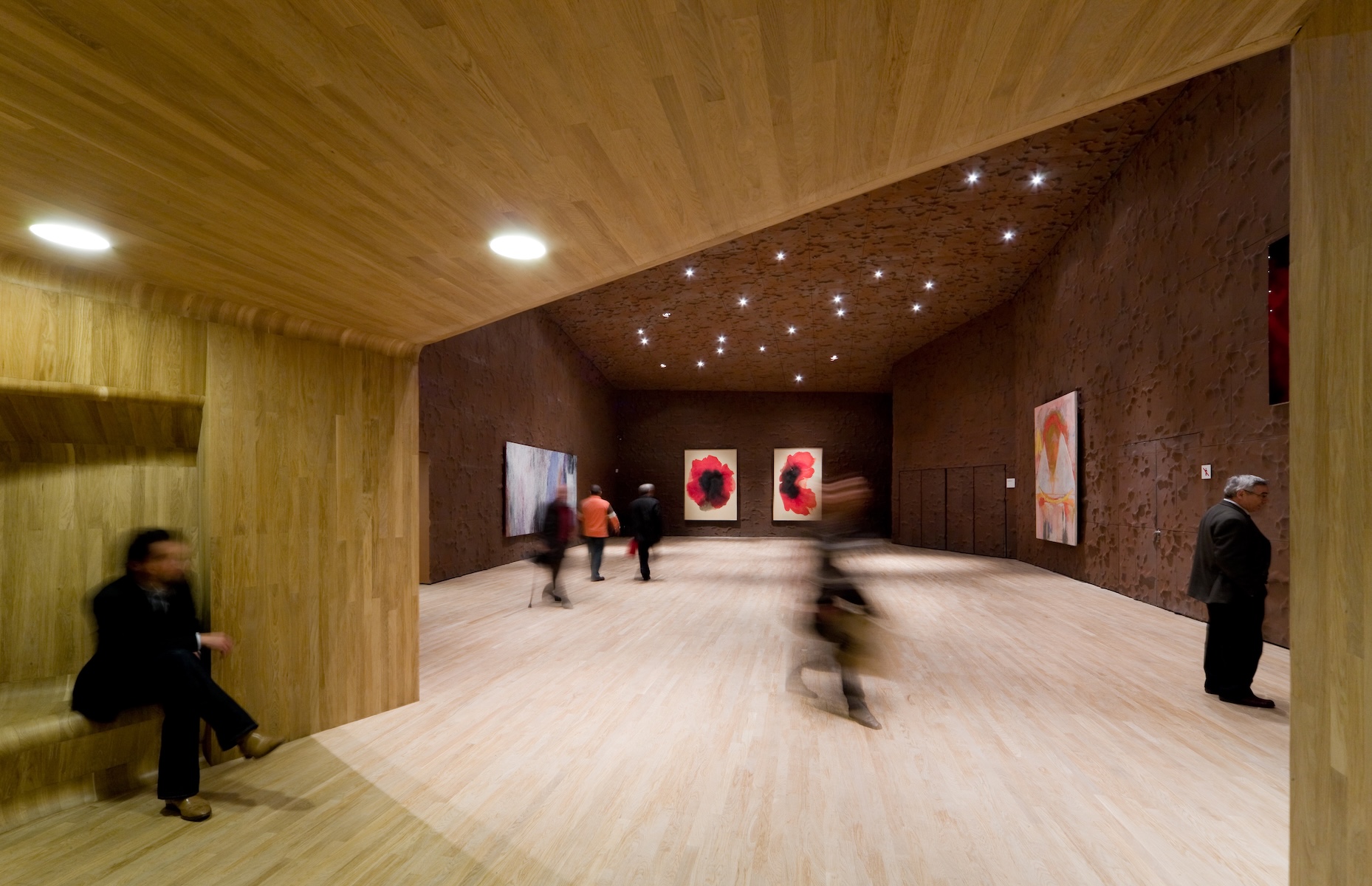
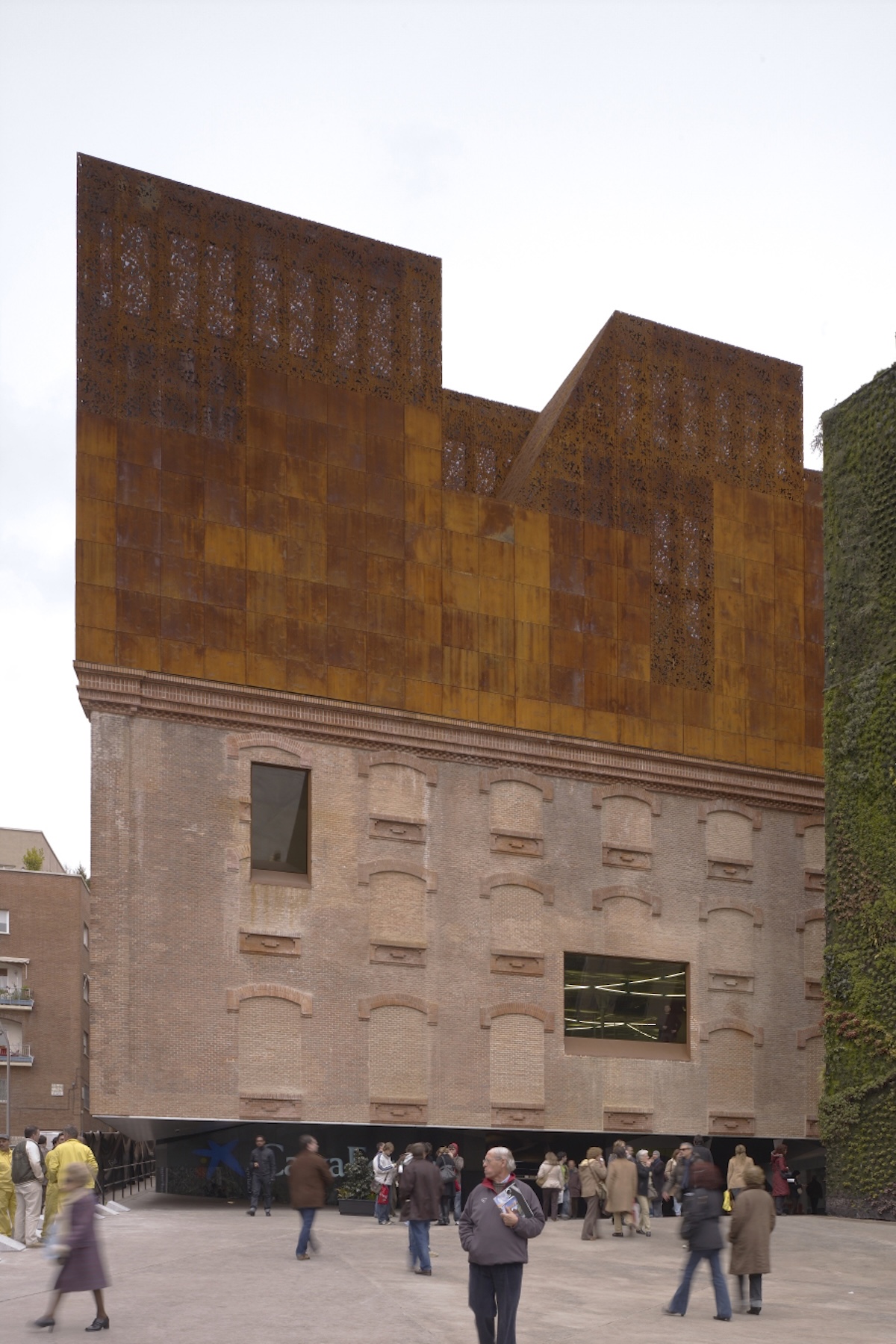
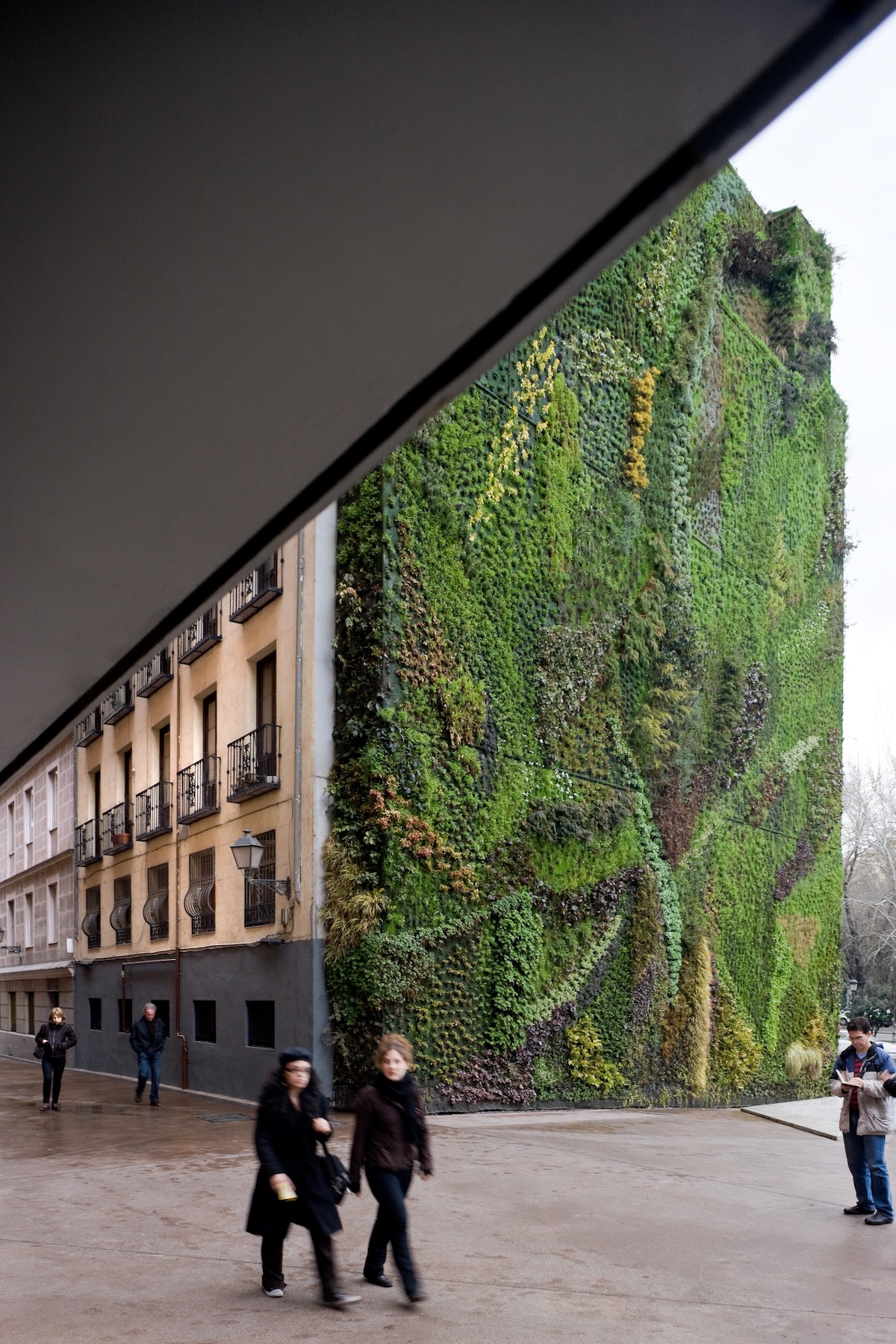
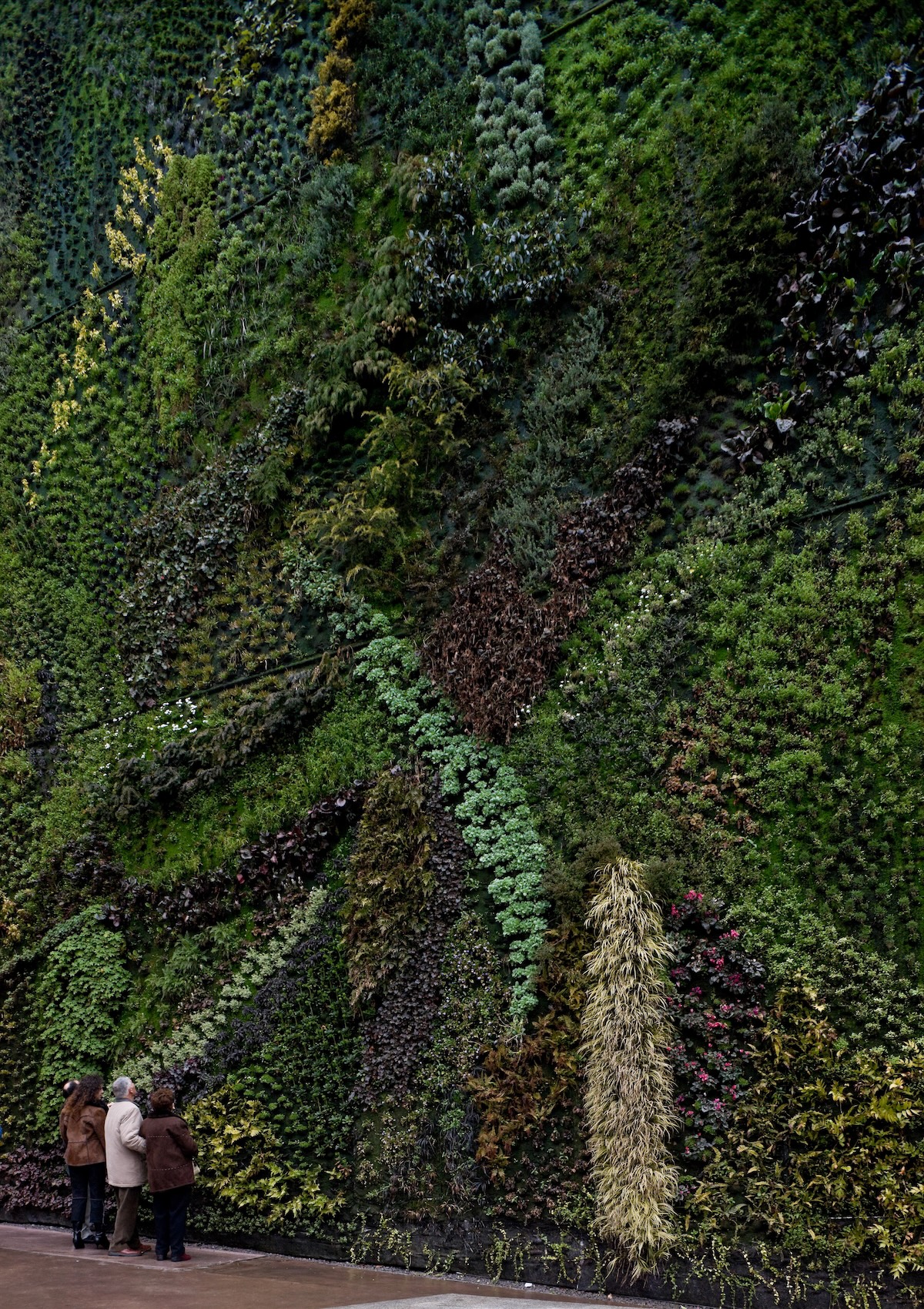
Contemporary interventions have increasingly focused on reuse and urban repair. CaixaForum Madrid, by Herzog & de Meuron, has been widely reviewed for its theatrical structural gesture, lifting the brick volume to create a public void beneath. Architectural criticism often frames the project as a turning point in Madrid’s relationship with cultural architecture, signalling a shift towards buildings that engage the street as actively as their programmes.
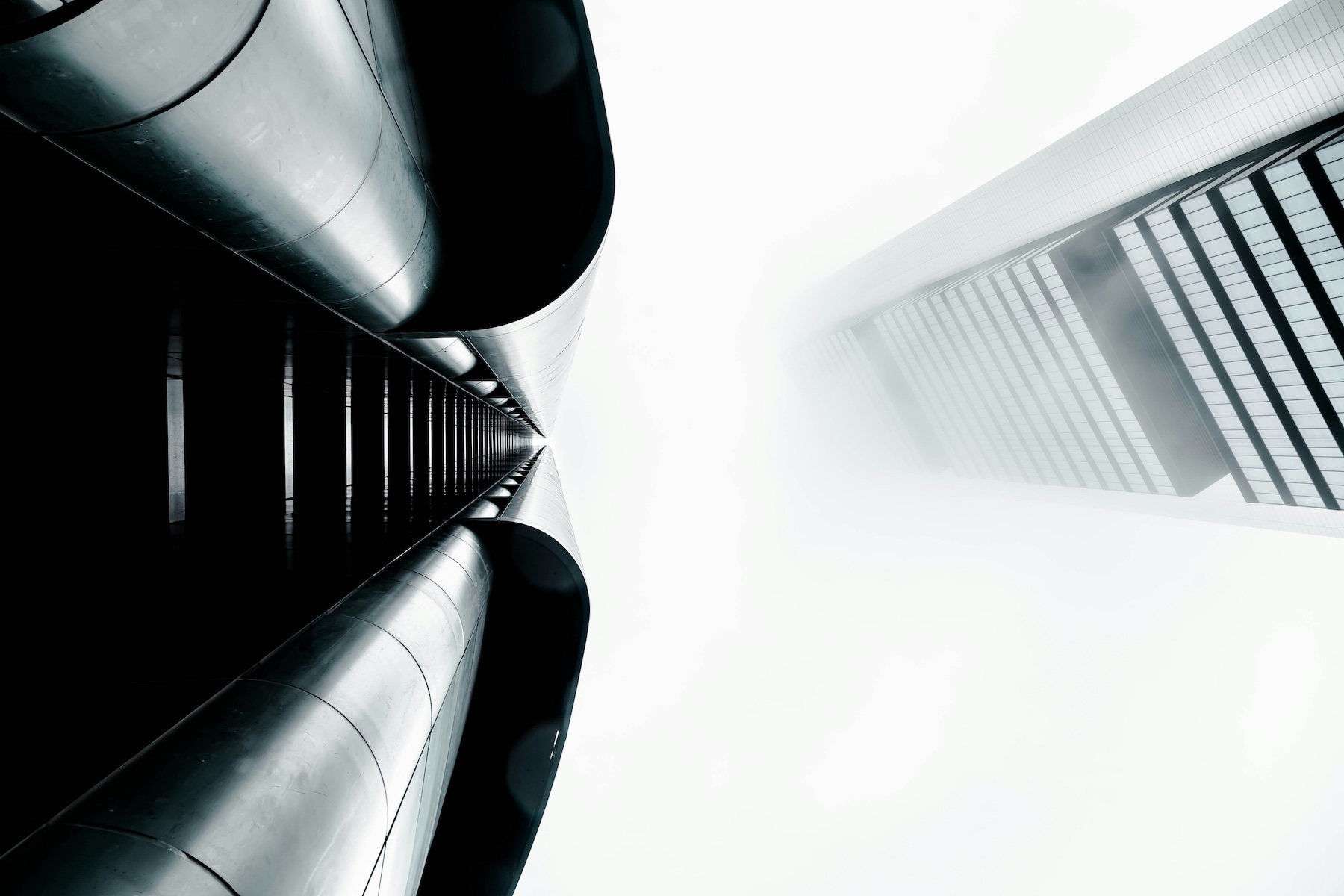
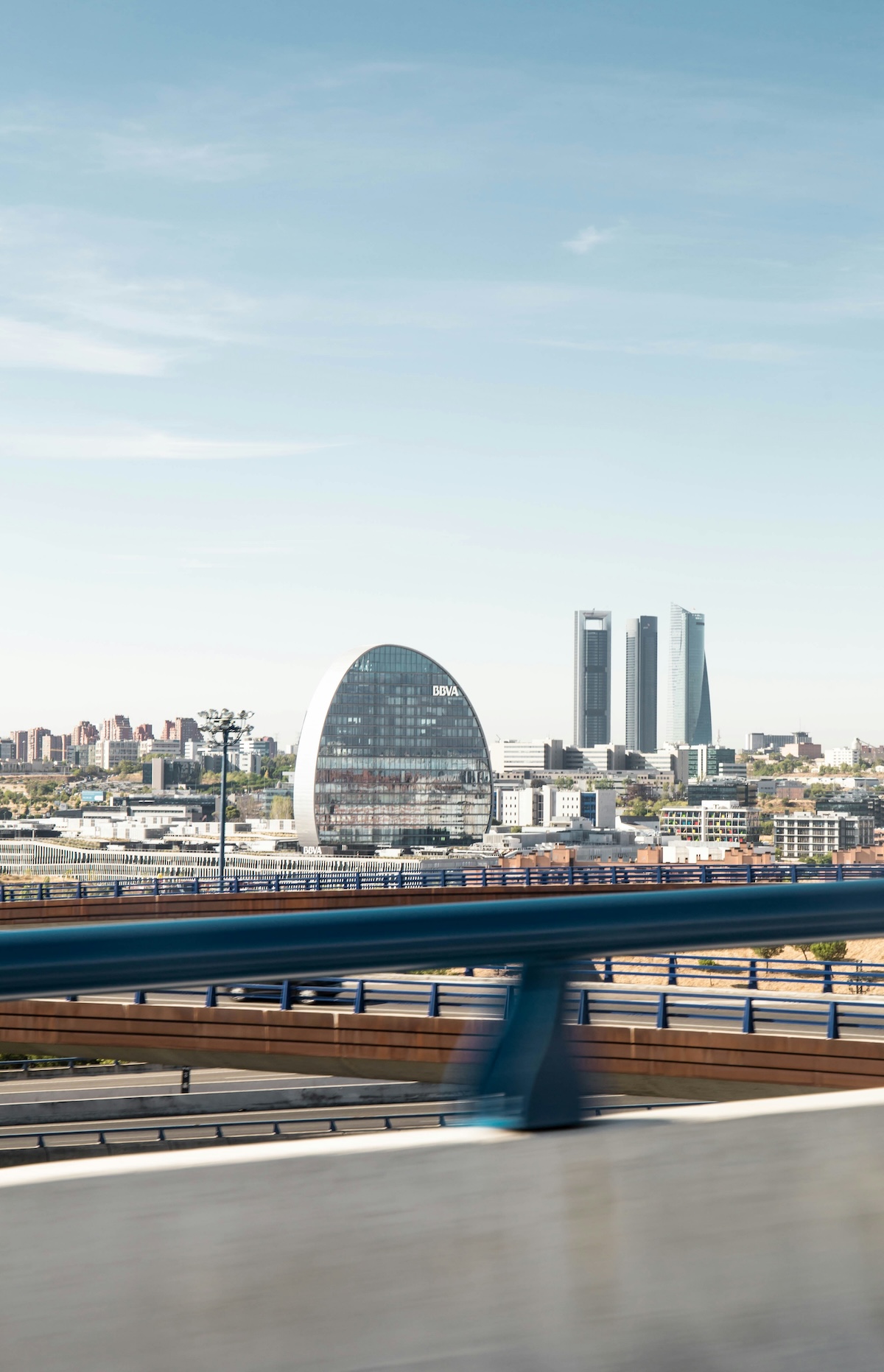
Recent critical writing also tracks Madrid’s vertical expansion, particularly in the northern business districts, where glass towers signal economic ambition more than formal experimentation. While these projects rarely dominate architectural discourse individually, collectively they are read as indicators of Madrid’s evolving urban scale and its willingness to accommodate global typologies without forcing stylistic coherence. The Fundación Juan March, in the Salamanca neighbourhood, and the ICO Museum host temporary exhibitions focused on architecture that serve as pitstops for all enthusiasts.
What emerges from architectural reviews and publications is a portrait of a city uninterested in purity. Madrid absorbs movements, adapts them and allows time to finish the work. Its architecture is judged less by novelty and more by endurance, a quality that continues to reward close reading, repeat visits and long-form critique.


A think tank for the bold, the curious, the creators of tomorrow. Where minds collide, conversations spark, and urban life gets redefined. If you shape the future, you belong here.
read more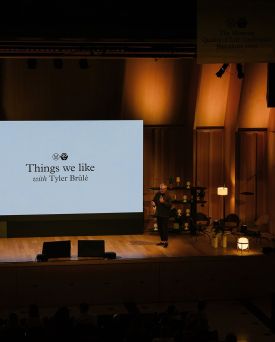
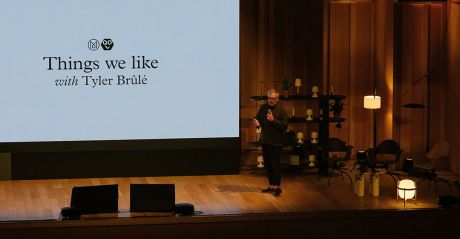
Meet the voices taking the stage at Monocle's Quality of Life Conference 2026 in Lisbon: mayors, architects, designers and makers shaping how we live in cities.
read more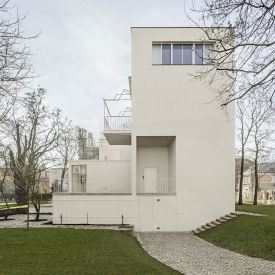
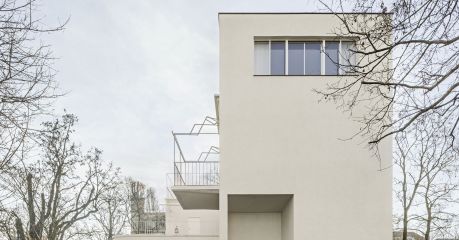
Josef Frank’s Villa Beer reopens in Vienna in 2026 following a careful restoration, offering rare access to one of his most important architectural works and a deeper understanding of the ideas that later shaped his celebrated interiors and textiles for Svenskt Tenn.
read more
Monocle's Quality of Life Conference returns to Lisbon this September, three days of ideas, design and city living at the Gulbenkian. Here's who and what to expect.
read more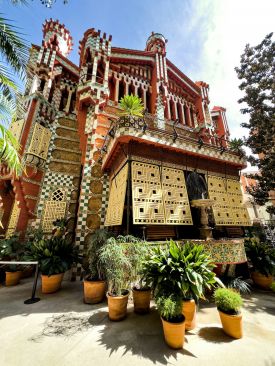
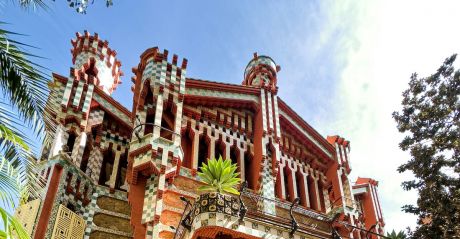
Gorgeously flamboyant, Casa Vicens is a riot of colour and fantastical architectural detailing - bearing the hallmarks of Barcelona hero, Antoni Gaudi.
read more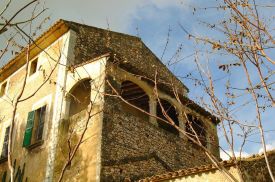
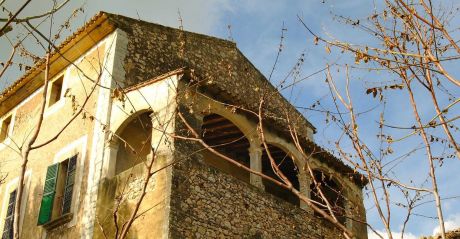
Built as an ‘alqueria’ (an Arabic farmhouse) in the 12th century during Mallorca’s Arab rule, which then became a Jesuit monastery in the 18th century, the house and grounds were in ruins; the estate utterly overgrown.
read more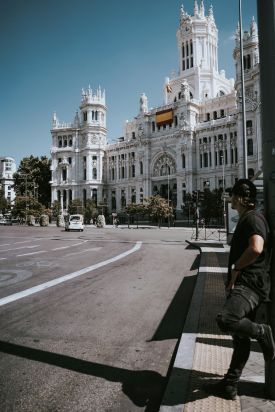
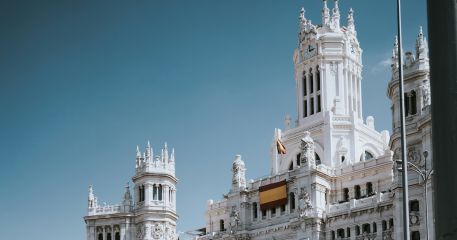
Madrid is built on routine, conversation and urban life, shaped by historic quarters, modern ambition, design culture and food, revealing itself through daily use to artists, architects and curious minds.
read more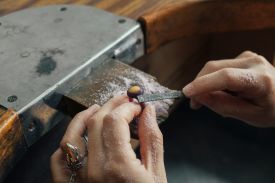
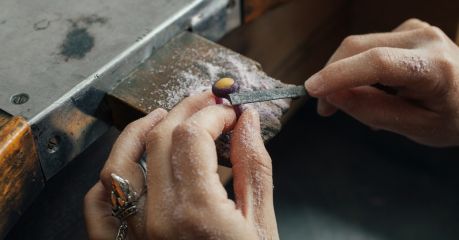
Madrid’s design culture is shaped by a new generation working close to materials and making, spanning furniture, fashion, sustainability-led studios and major annual design events in a production-led contemporary city.
read more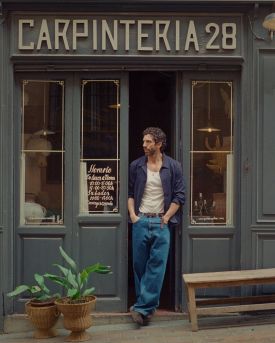
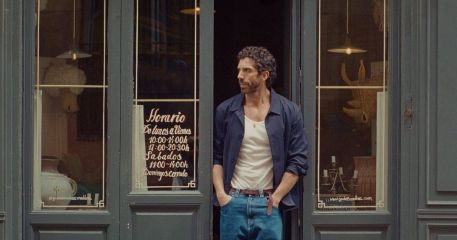
Working from Malasaña, Javier Sánchez Medina creates contemporary objects from natural fibres, guided by esparto grass, inherited craft knowledge and a deep respect for material, process and time.
read more
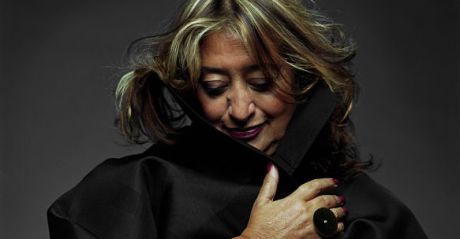
Zaha Hadid Architect's coastal Salerno Maritime Terminal in Cilento, Italy carries her hallmark curves inspired by oysters and the waves, a coastal landmark.
read more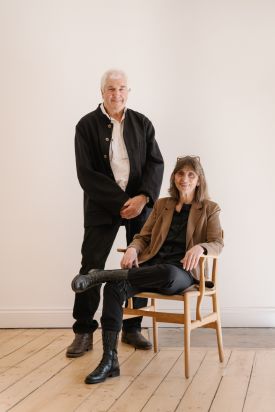
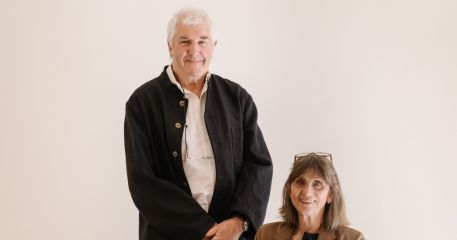
Behind some of Scotland's landmark conservation and restoration projects including the award-winning Kyle House, Hotel Lundies and Killiehuntly Farmhouse in the Highlands.
read more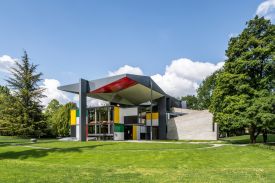
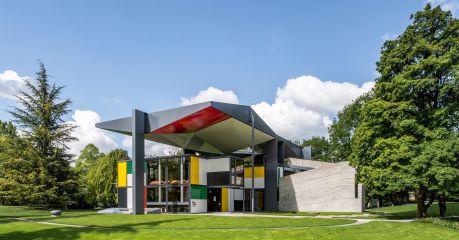
The Pavilion Le Corbusier, located in Zurich, pays homage to an architect who was the forerunner of urban design, a pioneer of sustainability, and a leader of modernism.
read more
Get the insider news and lowdown on what we've been up to, where we've been, and who we've met along the way. Be the first to discover new places and get the scoop on our favourites.