
JOIN the AFICIONADOS
Get the insider news and lowdown on what we've been up to, where we've been, and who we've met along the way. Be the first to discover new places and get the scoop on our favourites.

Madrid is a city that prioritises function over theatre, shaped by routine, debate and an unspoken agreement that dinner will be late and conversations will stretch beyond intention. As Spain’s political centre, it carries authority with ease, favouring proximity over pomp and neighbourhood life over ceremony. Its status as capital was a strategic decision of the sixteenth century, chosen for geography and control, not for romance, and that practical origin still informs the city’s temperament. Madrid was designed to administer and, over time, learned how to accommodate pleasure without losing its rhythm.
The historic core reveals itself slowly, built through accumulation, not display. In the Austrias quarter, streets tighten and loosen with an almost domestic logic, while plazas function as shared social interiors where everyday life sits comfortably ahead of spectacle. Monumental architecture appears in passing, then folds back into the fabric of the city. The Royal Palace establishes the language of power, the Gran Vía introduces early-twentieth-century ambition, and Matadero Madrid shows how former industrial structures have been adapted into contemporary cultural platforms without severing their past.
The present city is defined by contrast held in balance. Corporate towers in the north signal Madrid’s global outlook, while neighbourhoods such as Chamberí, Lavapiés and Malasaña continue to generate creative momentum at street level. Studios, galleries, bars and civic life intersect continuously, producing an urban rhythm where work, culture and social life coexist without rigid boundaries. Madrid allows different tempos and purposes to share the same ground.
Madrid's Design culture is woven into everyday experience. Independent bookshops operate as meeting places, cafés demonstrate a careful understanding of proportion, light and acoustics, and contemporary galleries sit alongside century-old trades and workshops. Madrid refines ideas through repetition and use, with little interest in novelty for its own sake. This rhythm is supported by major institutions along the Paseo del Prado and sustained by smaller, experimental spaces that value process and dialogue.
Food completes the picture. Eating in Madrid remains a form of social architecture, shaped by time, setting and conversation. The current culinary mood favours clarity and restraint, with tradition reworked through technique and thoughtful spatial design. Meals extend naturally into discussion, reinforcing the city’s preference for exchange and continuity.
Madrid is held together by an ongoing negotiation between structure and spontaneity, where institutional weight coexists comfortably with improvisation and history remains present without dictating outcomes. The city adapts through daily use, maintaining a social core that values time, conversation and return. For artists, architects and designers, Madrid offers a city in use, not a finished image, one that rewards patience, supports long ideas and has a habit of persuading people to stay longer than intended.
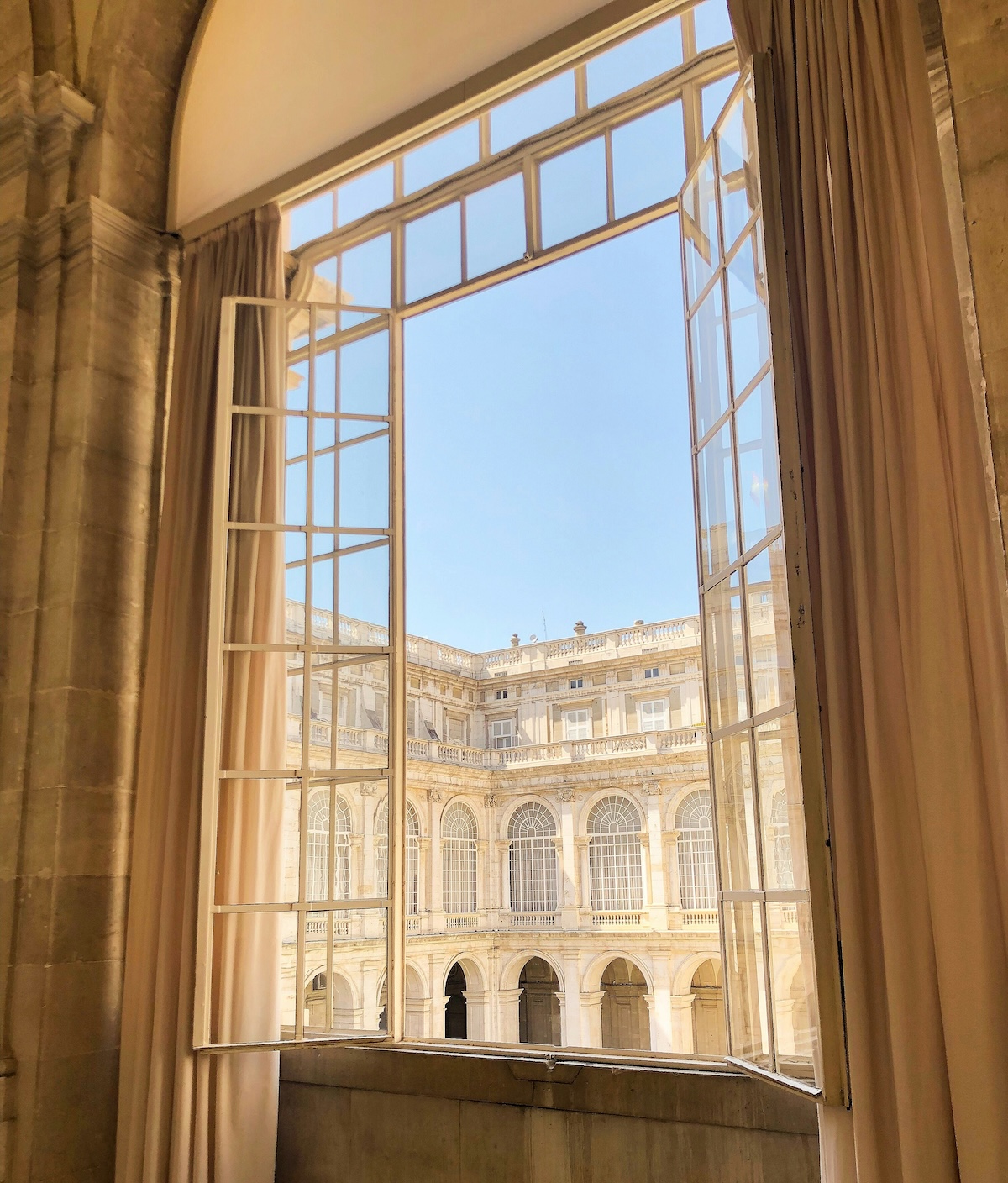
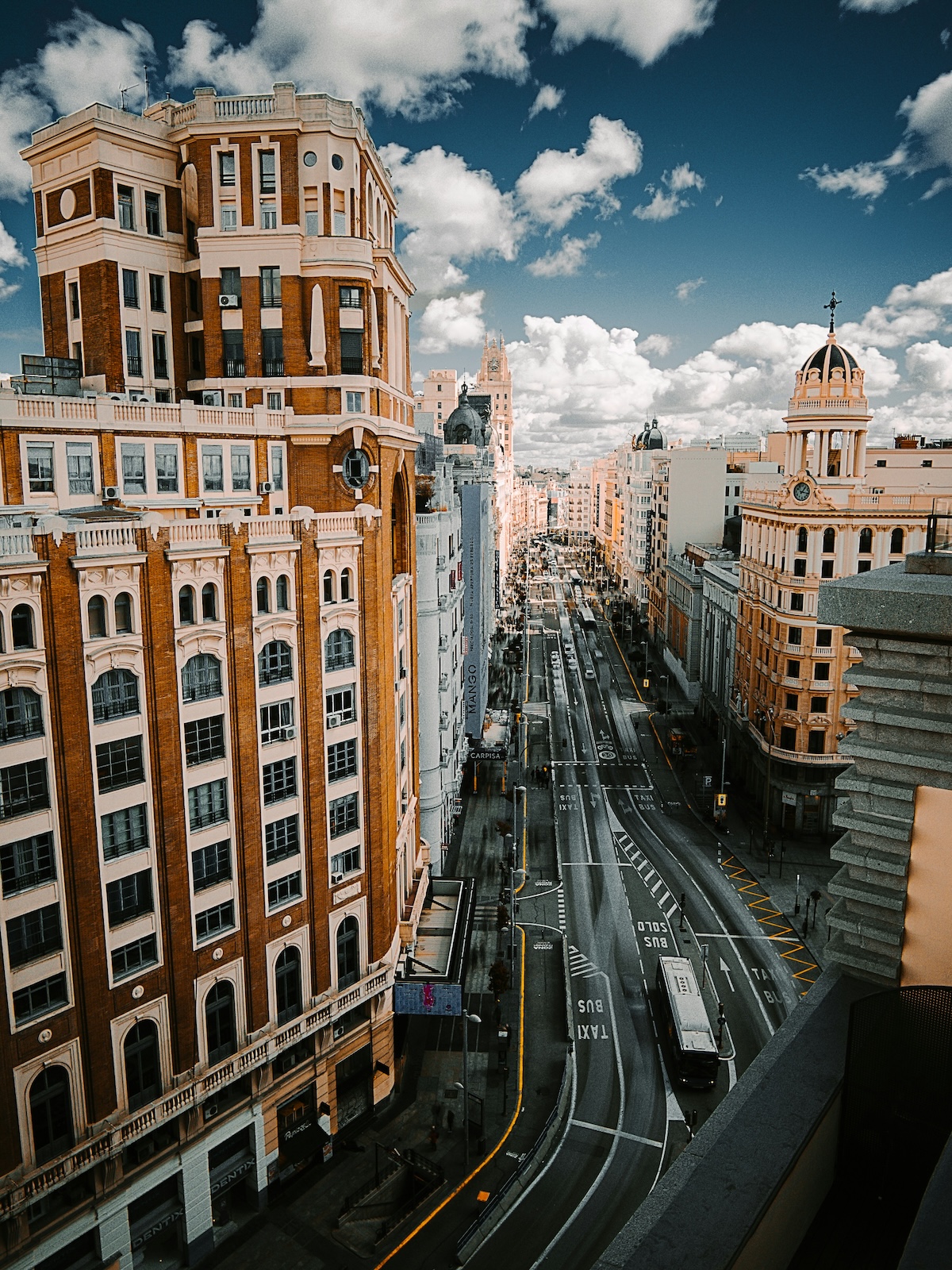

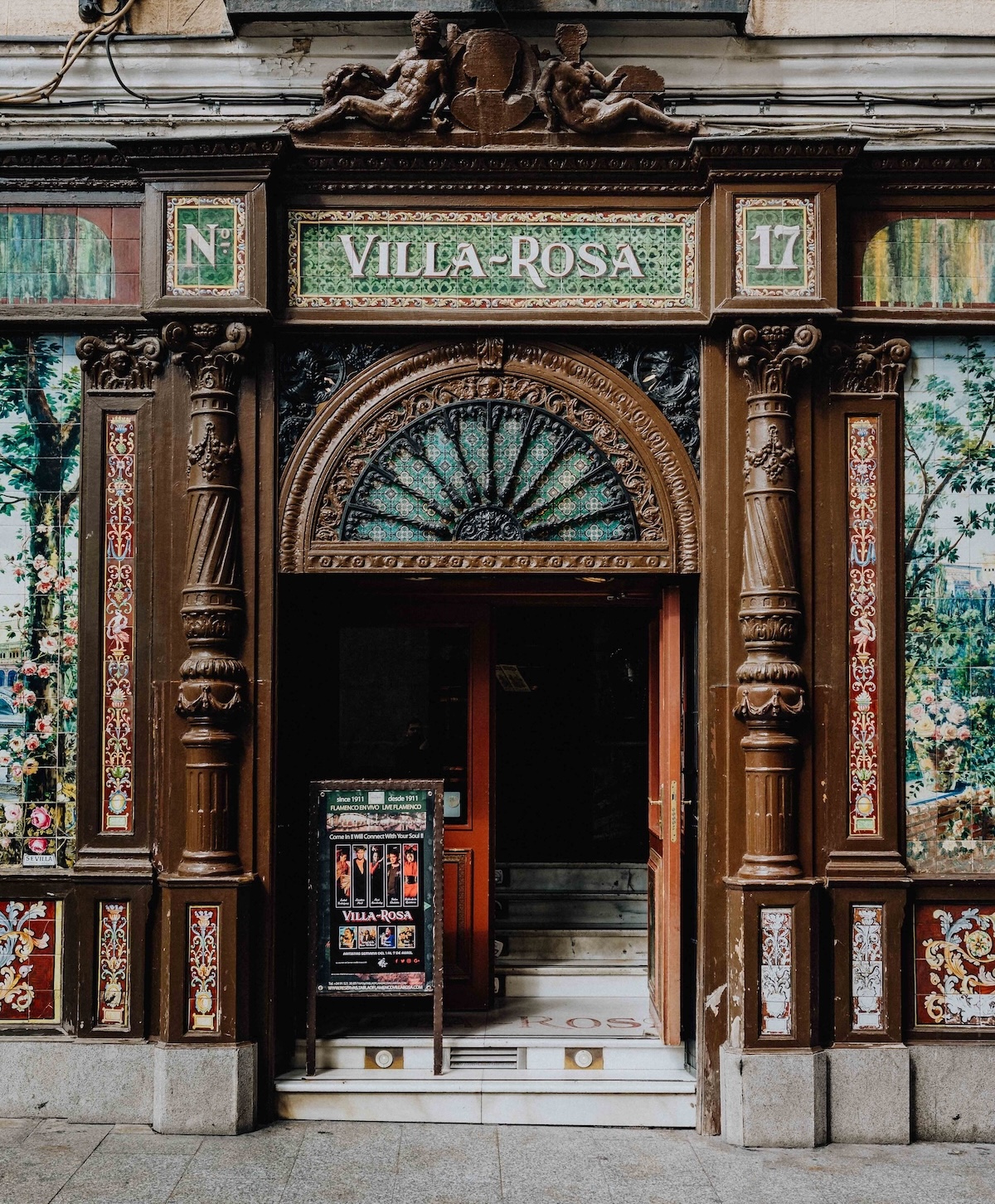


Madrid’s culture and art scene is shaped by galleries, artist-led spaces and institutions, from Lavapiés and Matadero to the Prado and Reina Sofía, unfolding through conversation, continuity and everyday use.
read more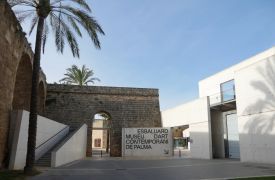
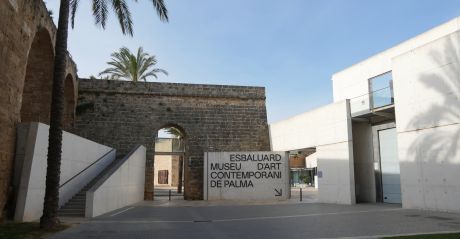
Es Baluard holds more than nine hundred works inside Palma's Renaissance walls, from Anglada-Camarasa to Miró and Barceló, with the bay laid out below.
read more
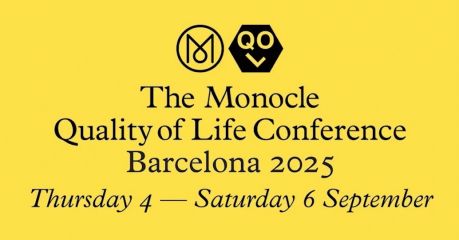
A think tank for the bold, the curious, the creators of tomorrow. Where minds collide, conversations spark, and urban life gets redefined. If you shape the future, you belong here.
read more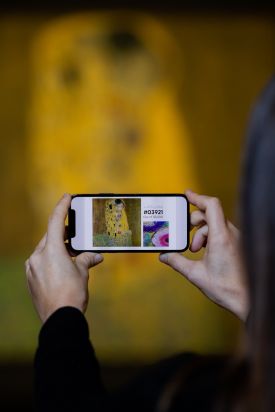
Beneath the gilt and the whipped cream, Vienna is quietly arguing with itself. Our round-up of the designers, makers, kitchens and coffeehouses reinventing the imperial city on its own terms.
read more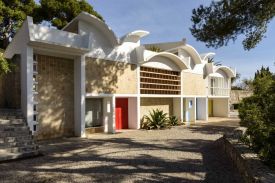
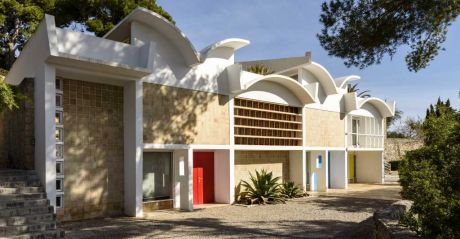
A modernist taller built by post from exile, a farmhouse covered in charcoal figures, and the Palma hillside where Joan Miró made a third of his work.
read more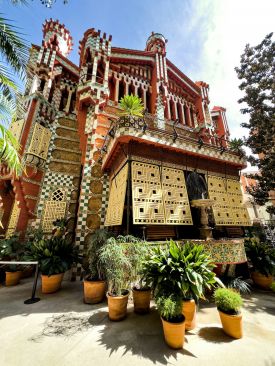
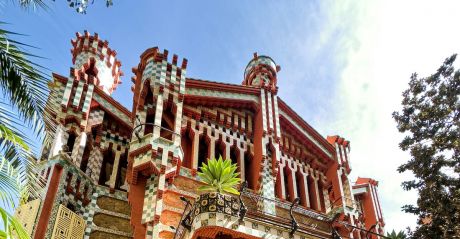
Gorgeously flamboyant, Casa Vicens is a riot of colour and fantastical architectural detailing - bearing the hallmarks of Barcelona hero, Antoni Gaudi.
read more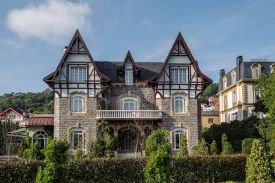
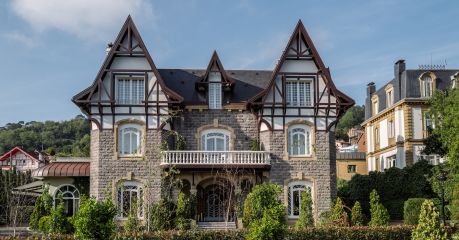
Villa Soro is an 1898 Tudor villa turned boutique hotel in San Sebastián, where Basque art and fireside txakoli sit ten minutes from La Concha.
read more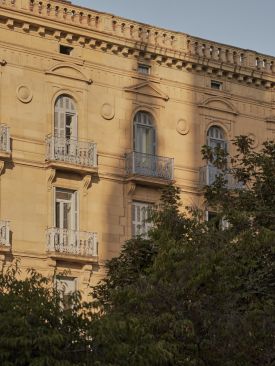
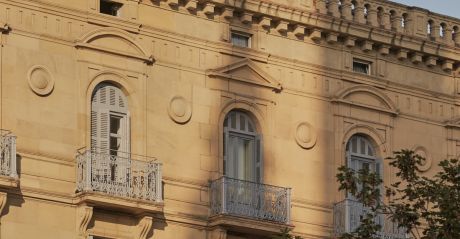
A design-led boutique hotel opposite San Sebastián’s cathedral, Arbaso wraps Basque oak, marble and craft around Iñigo Peña’s market restaurant, Narru, minutes from La Concha.
read more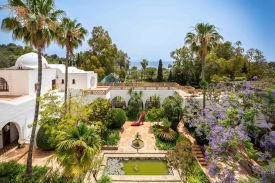
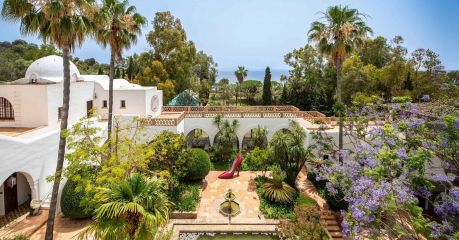
Eleven collections and the buildings they moved into, from a bastion on Palma's walls to an orange merchant's mansion in Sóller and a cistern above Alcúdia.
read more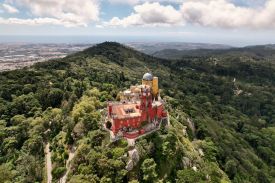
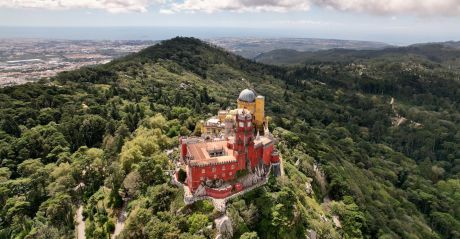
Travel to Portugal's fairytale den of Sintra, just outside Lisbon, for a world full of rolling hills and castles, once referred to by Byron as "glorious Eden".
read more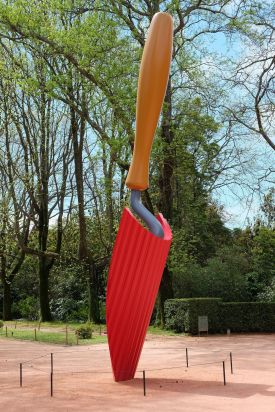

Porto for culture seekers - we explore the Serralves Foundation comprising of a dusty pink 1930-40s’s Art Deco villa designed by Porto architect José Marques da Silva, a landscape-specific contemporary museum designed by Álvaro Siza.
read more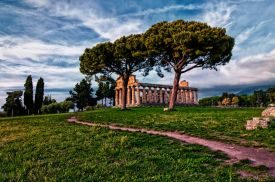
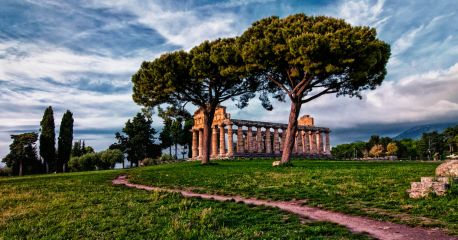
Paestum Temples in Southern Italy is one of those ancient antiquities that you have to visit – this UNESCO World Heritage Site in Cilento Campania is a treasure trove of ancient Greece including three of the world’s best-preserved temples.
read more
Get the insider news and lowdown on what we've been up to, where we've been, and who we've met along the way. Be the first to discover new places and get the scoop on our favourites.