JOIN the AFICIONADOS
Get the insider news and lowdown on what we've been up to, where we've been, and who we've met along the way. Be the first to discover new places and get the scoop on our favourites.

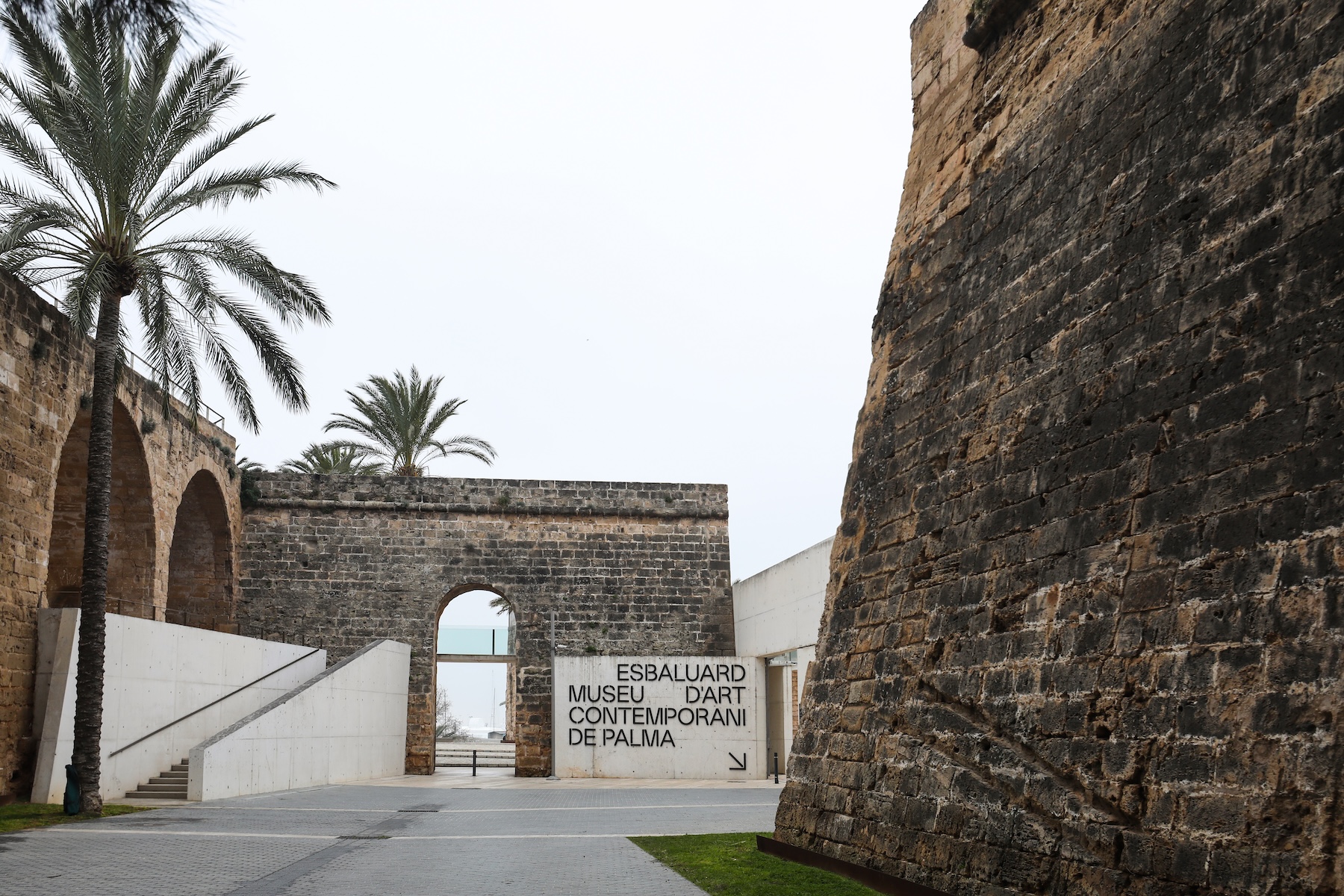
Es Baluard Museu d'Art Contemporani de Palma is the largest space for contemporary art in the Balearic Islands, built into the bastion of Sant Pere on the city's Renaissance walls and open since 30 January 2004. It holds a collection of more than nine hundred works dating from the late nineteenth century to the present, and it exists at all because, sixty years ago, the people of Palma refused to let the wall it stands on be blown up.
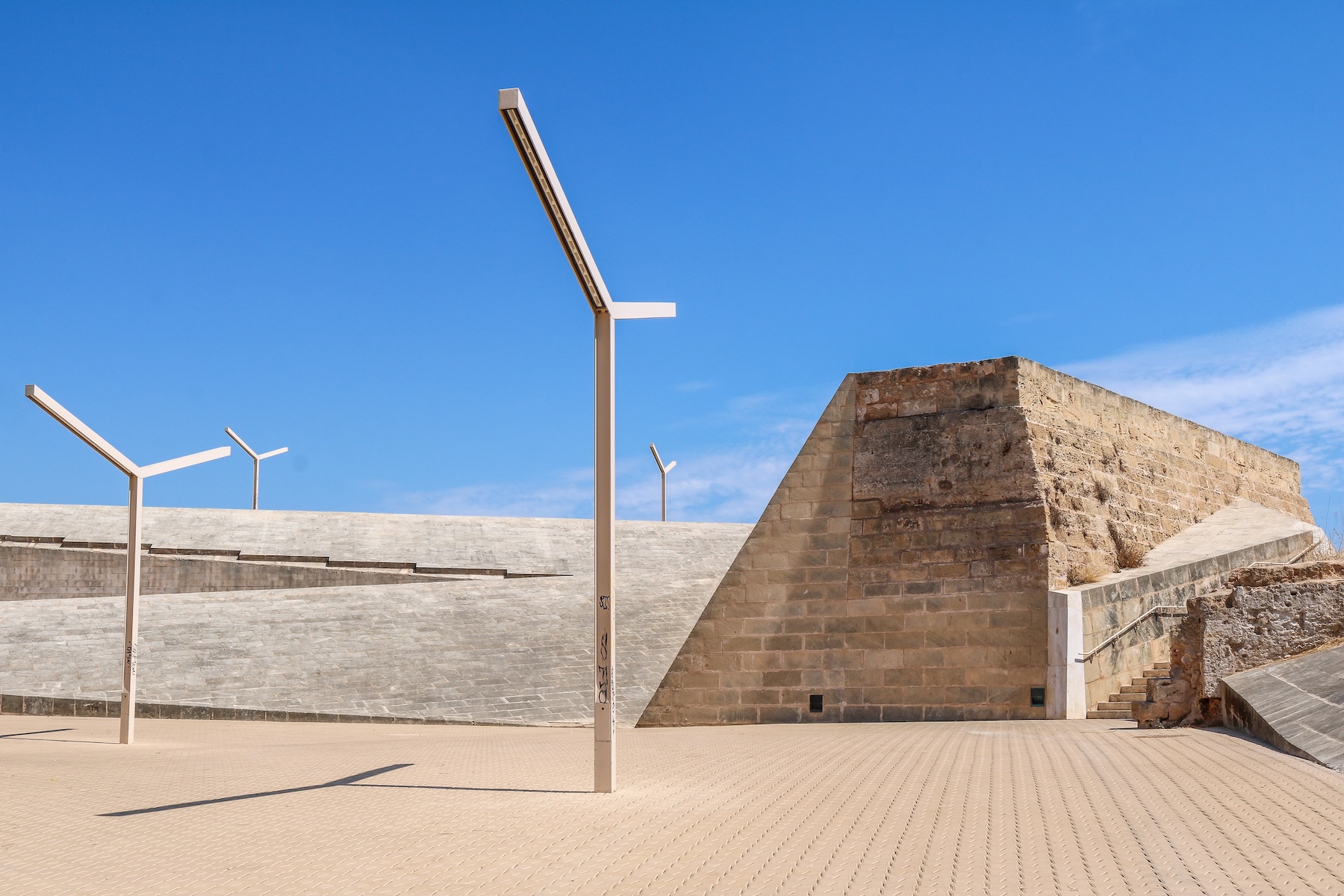
The defensive bastion went up in the last quarter of the sixteenth century, when Palma's medieval walls were reinforced to designs by the Italian engineer Giacomo Palearo Fratín. Sant Pere was large and well placed enough to house one of the most prestigious artillery schools in Europe. In 1646, under Vicenç Mut, the neighbouring bastion of Santa Catalina was brought down to a level with Moranta and Sitjar so the wall could link them, and the whole construction settled into its present shape during the eighteenth century.
In 1952, after more than three hundred years, Sant Pere stopped being military. It passed into private hands, and the new owners intended to build across the entire site. In 1963, they attempted to destroy the wall with lime bombs. The city reacted; the bulwark was declared a historical and artistic ensemble, and its reconstruction was planned in 1965. By the late eighties, the land had been classified for public use, and expropriation had begun. It then sat abandoned until 1997, when Palma City Council ceded it for a museum.
Seven years later, on 30 January 2004, the King and Queen of Spain opened the doors. Es Baluard was founded as a museum of modern and contemporary art and has since dropped the word modern from its name, a small edit that says a good deal about where its attention now sits.
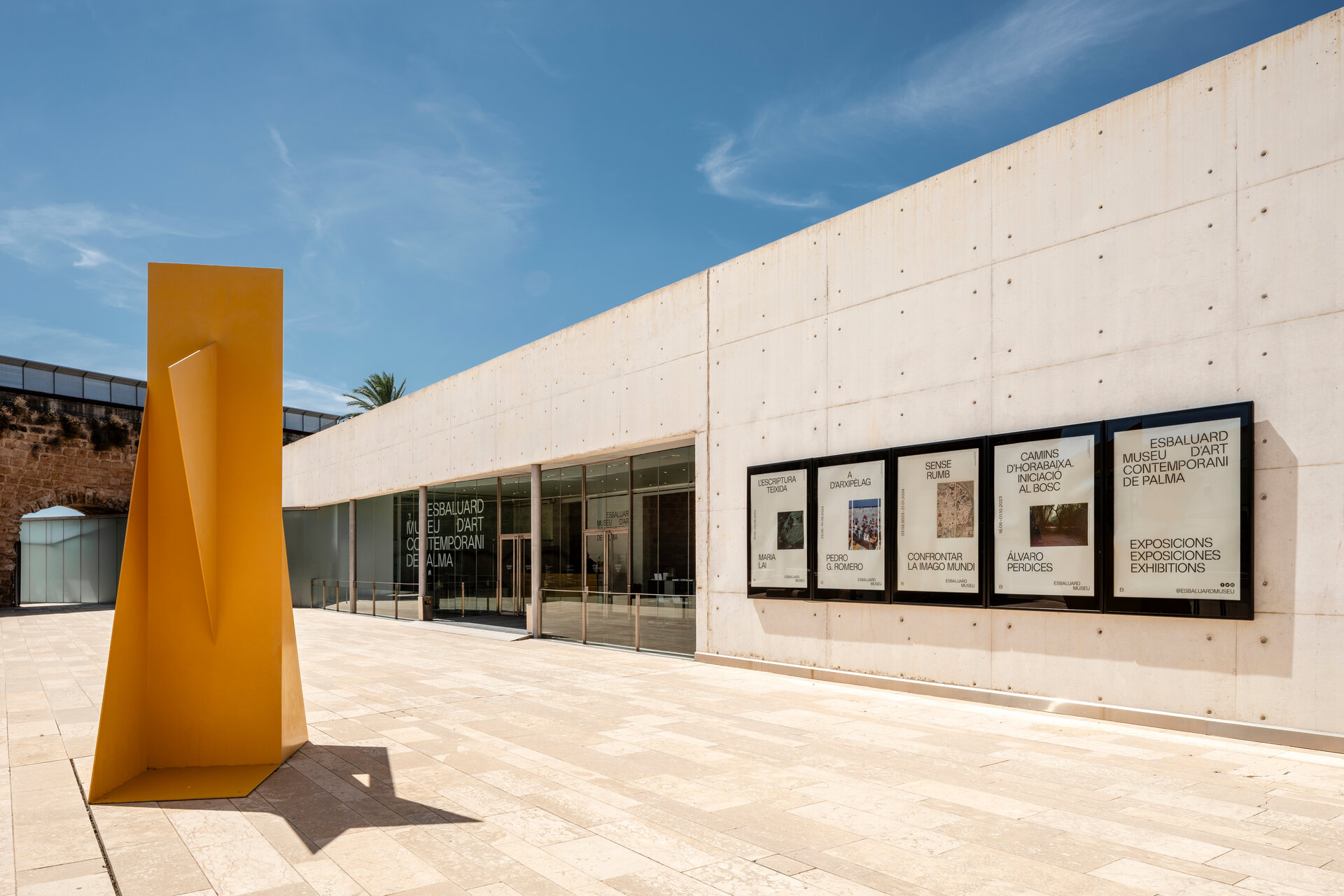
The main building was designed in 2003 by Lluís García-Ruiz, Jaume García-Ruiz, Vicente Tomás and Ángel Sánchez Cantalejo. It runs to 5,027 square metres, 2,500 of them exhibition space, arranged over three storeys that connect to the walls and to each other through ramps, skylights and large interior balconies, built around the idea of an interior street.
Simple lines, and deliberately so. The architects were working inside a protected monument, and their solution was to make the new construction legible as new: concrete and glass against ancient stone, so that at every turn you can tell which century you are touching. The dialogue between the two is the point, and it is constant. Outside, the wall's perimeterbecomes a route for walking and for showing sculpture, so the collection spills into the fortification rather than hiding from it.
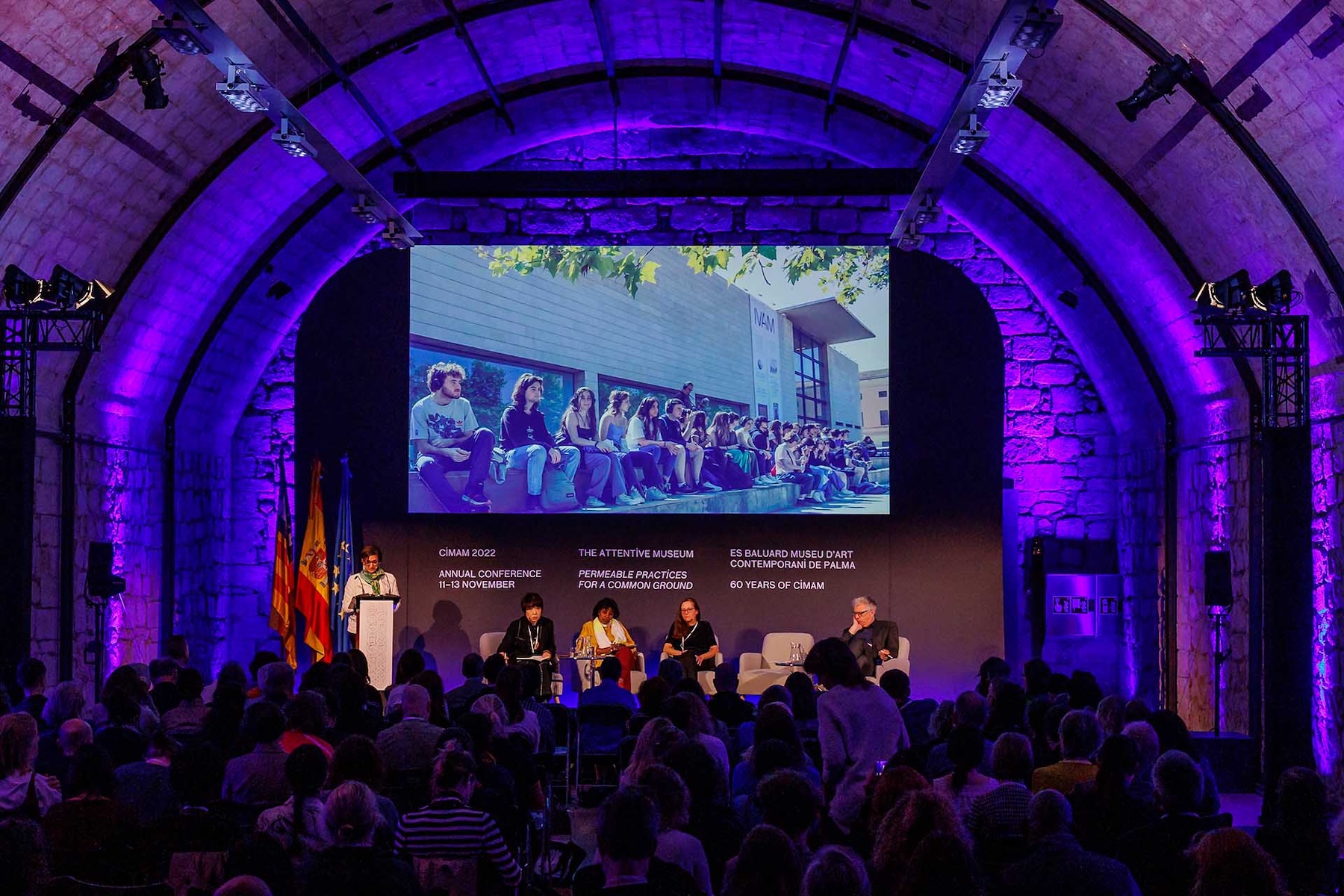
Below all this is the museum's best room, and it was once full of water. The Aljub is a freshwater cistern completed in the 1640s, rectangular in plan, 353 square metres, roofed with a low barrel vault and pierced for ventilation. Its water came from the fountain of La Vila near Esporles, entered the city by the gate of Santa Margalida and travelled by aqueductchannel to supply the whole Puig de Sant Pere neighbourhood and the boats arriving in the port.
When the bulwark fell out of use, the Aljub became a rubbish tip. It was rediscovered during the museum's construction and restored, revealing the different techniques used across its walls, including very old fishbone masonry. It now hosts exhibitions and events, and anyone who has heard music in it will tell you about the acoustics before the art.
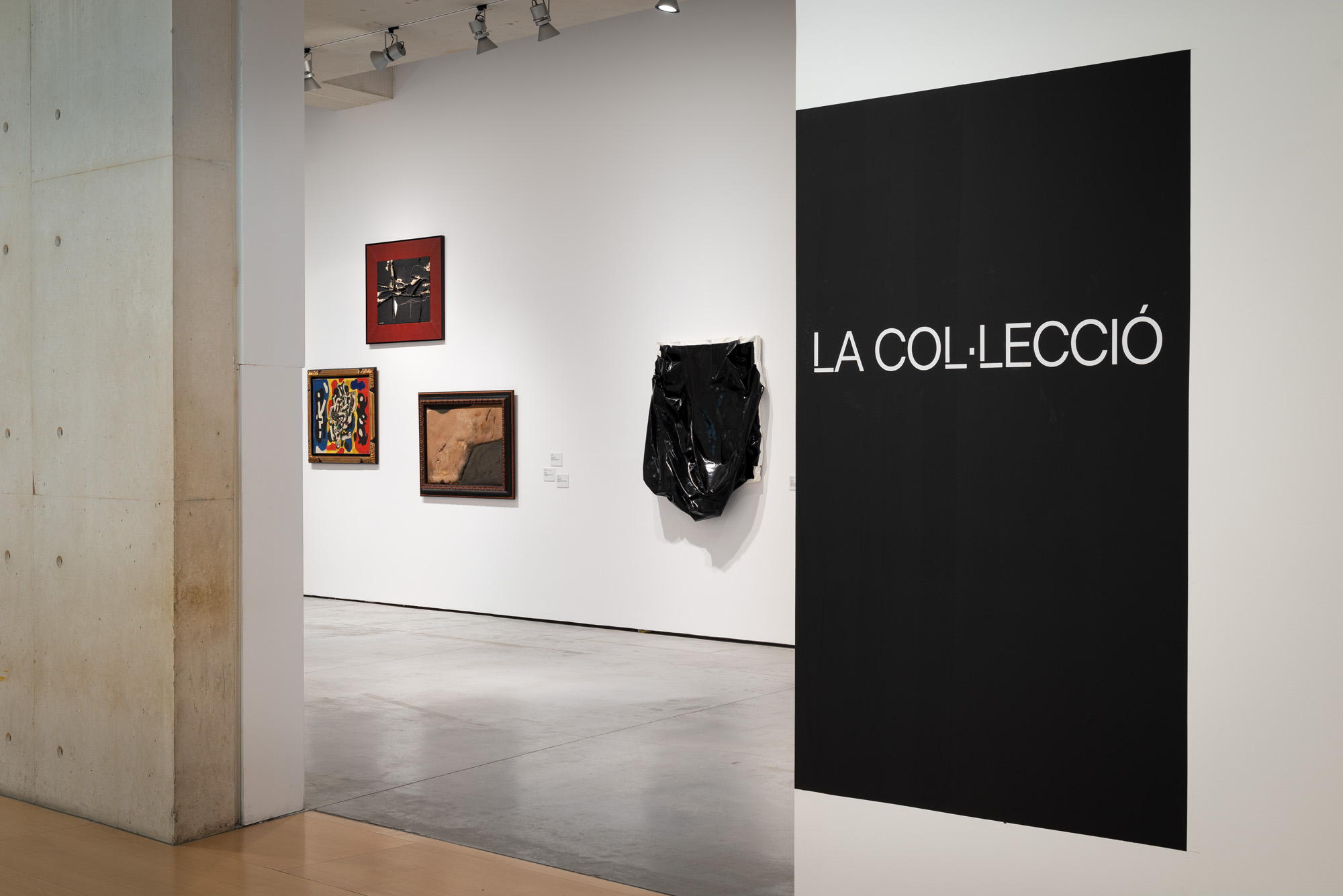
The core came from the Fundació d'Art Serra, whose donation and deposit of works was joined by deposits from Palma City Council, the Consell de Mallorca and the Govern de les Illes Balears. Those four remain the foundation’s patrons. Since 2004 the holdings have grown by purchase, donation and loan, guided since 2008 by an acquisitions commission of internal and external experts.
What that collection argues is more interesting than a roll of famous names. It opens with pictorial modernism and the renovation of landscape painting in Spain, with Mallorca placed firmly at the centre of that story: Joaquim Mir, Santiago Rusiñol, Hermen Anglada-Camarasa, Joaquín Sorolla, Antoni Gelabert and Tito Cittadini, alongside two women too often left out of it, Pilar Montaner de Sureda and Norah Borges. From there it moves through the European avant-gardes, with María Blanchard, Wifredo Lam, Fernand Léger, André Masson, Roberto Matta, Robert Motherwell, Jorge Oteiza, Picasso, Juli Ramis, Antoni Tàpies and Joan Miró, whose Dans l'espace I of 1966 is among the pieces the museum leads with. Then the generations that followed: Erwin Bechtold, Joan Brossa, Rebecca Horn, Pablo Palazuelo, Antonio Saura, and the painters who arrived with the eighties, Miquel Barceló and Maria Carbonero among them, down to Bernardí Roig, Susy Gómez, Alberto García-Alix and Amparo Sard.
The exhibition record has been correspondingly serious. Rebecca Horn and Fabrizio Plessi in the opening year, Picasso, Jaume Plensa and Warhol in 2006, Anselm Kiefer and Robert Mapplethorpe in 2009, Christian Boltanski in 2011, Thomas Hirschhorn in 2016, Teresa Margolles and Martha Rosler in 2020, Carlos Garaicoa in 2024. Katharina Grosse and Jannis Kounellis are on the walls as we write, with Ghada Amer arriving in September.
Since April 2024 the museum has been run by David Barro, the Galician curator who previously led the Fundación DIDAC in Santiago de Compostela. He has said he would like Es Baluard to be unpredictable, to have a voice of its own and to send visitors out with new questions rather than settled answers. Watching him do it, alongside the Nit de l'Art and the museum's own Biennal B, which pairs contemporary artists with craft professionals, is one of the better reasons to plan a Palma weekend around the art rather than around the beach.
Then there is the part everybody photographs. The central courtyard works as a space for events and for sitting still, and beyond it the terraces run between the outer walls and the inner stretch, above the Aljub, out to a balcony over the quay with the Bay of Palma below and Bellver Castle and the cathedral in the frame. The mirador looks back over the old Puig de Sant Pere quarter and the Paseo Marítimo. There is a café-restaurant on the terrace, and a bookshop worth the detour on its own.
The terraces have one more trick, and it is seasonal. Both the mirador and the inner terrace are vantage points for the winter solstice at the cathedral, when sunlight passes through the central nave and lands on the rose window of the main façade, turning it into an enormous kaleidoscope. It happens between 18 and 24 December, with the 21st the day that matters. Come for the art, and if the calendar is kind, stay for the light.
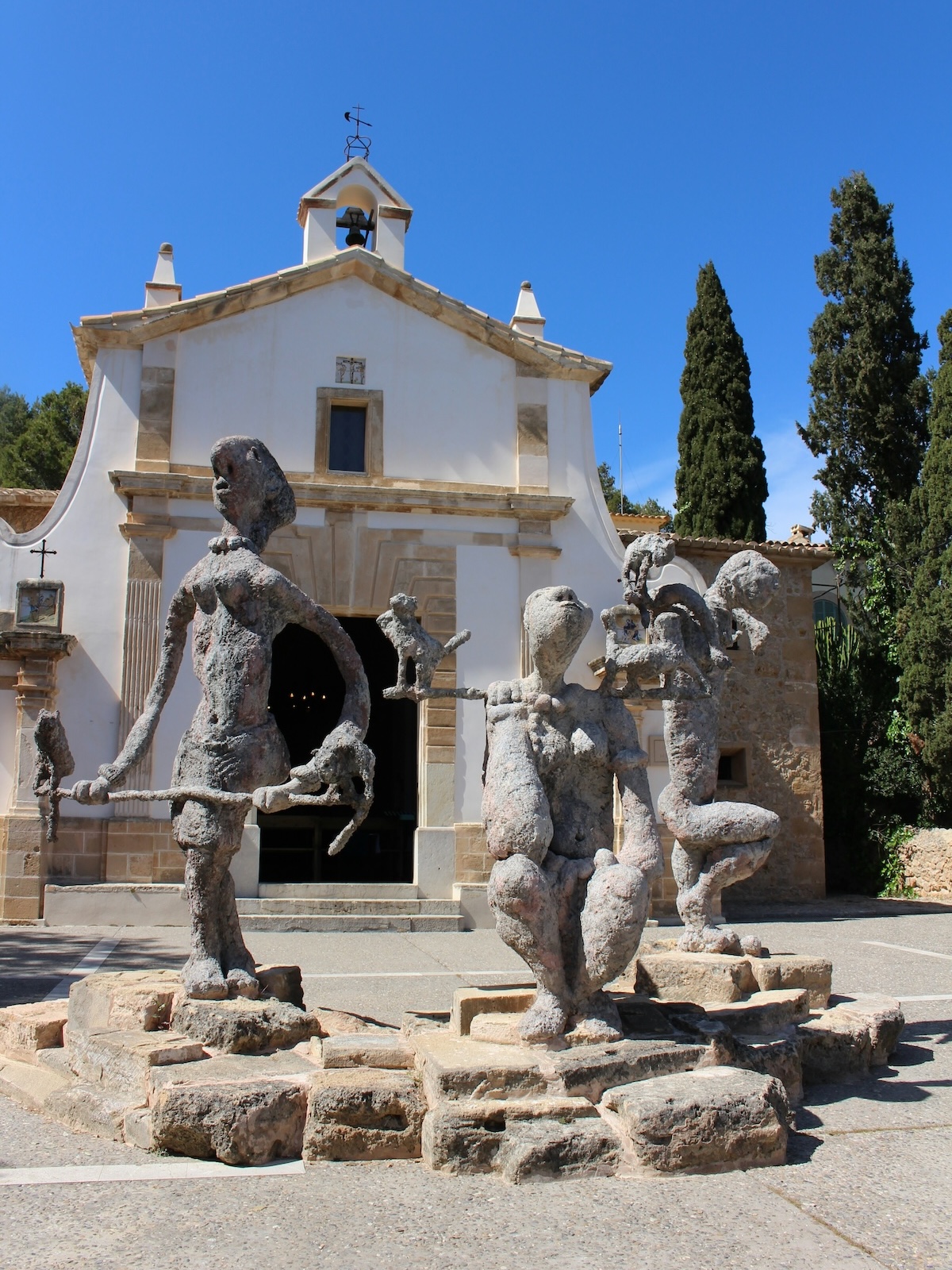
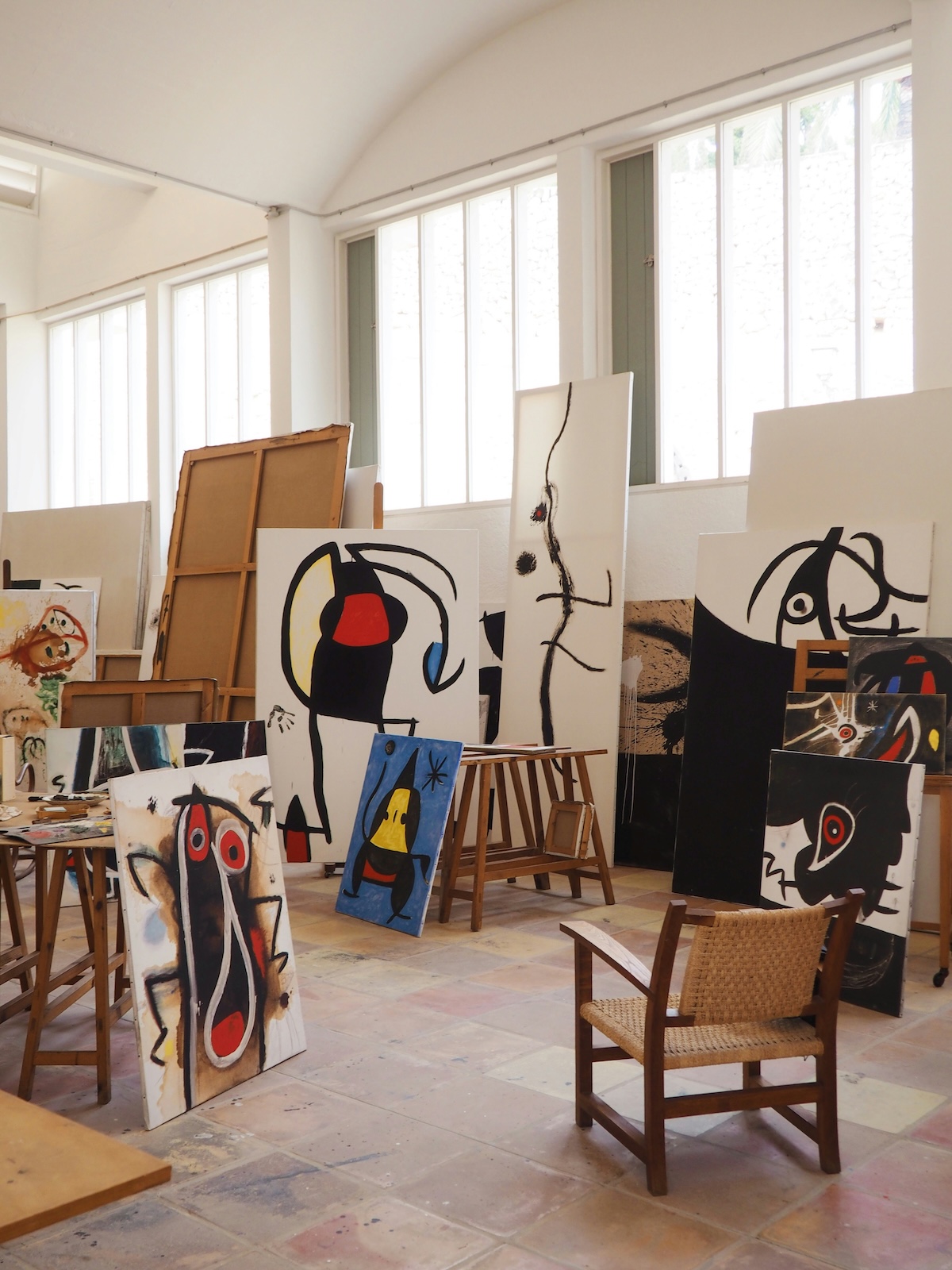
Es Baluard is the largest of the island's collections, not the only one, and the way it came to occupy a bastion turns out to be typical. Mallorca has spent centuries absorbing money made elsewhere, and that money kept arriving as buildings; when the island turned to art, the buildings were already standing. Palma alone has four more worth the walk, with Sóller, Andratx and Alcúdia holding a further three between them. We have followed that thread across the whole island in Art in Mallorca: The Island's Borrowed Houses, which is the piece to read before planning a week around the galleries. September is the moment to do it, when Nit de l'Art opens the season and the city stays up.
Es Baluard and the Fundació Miró Mallorca make the obvious Palma pairing, the collection and the studio, twenty minutes apart. Both sit easily in a day built around Palma itself.
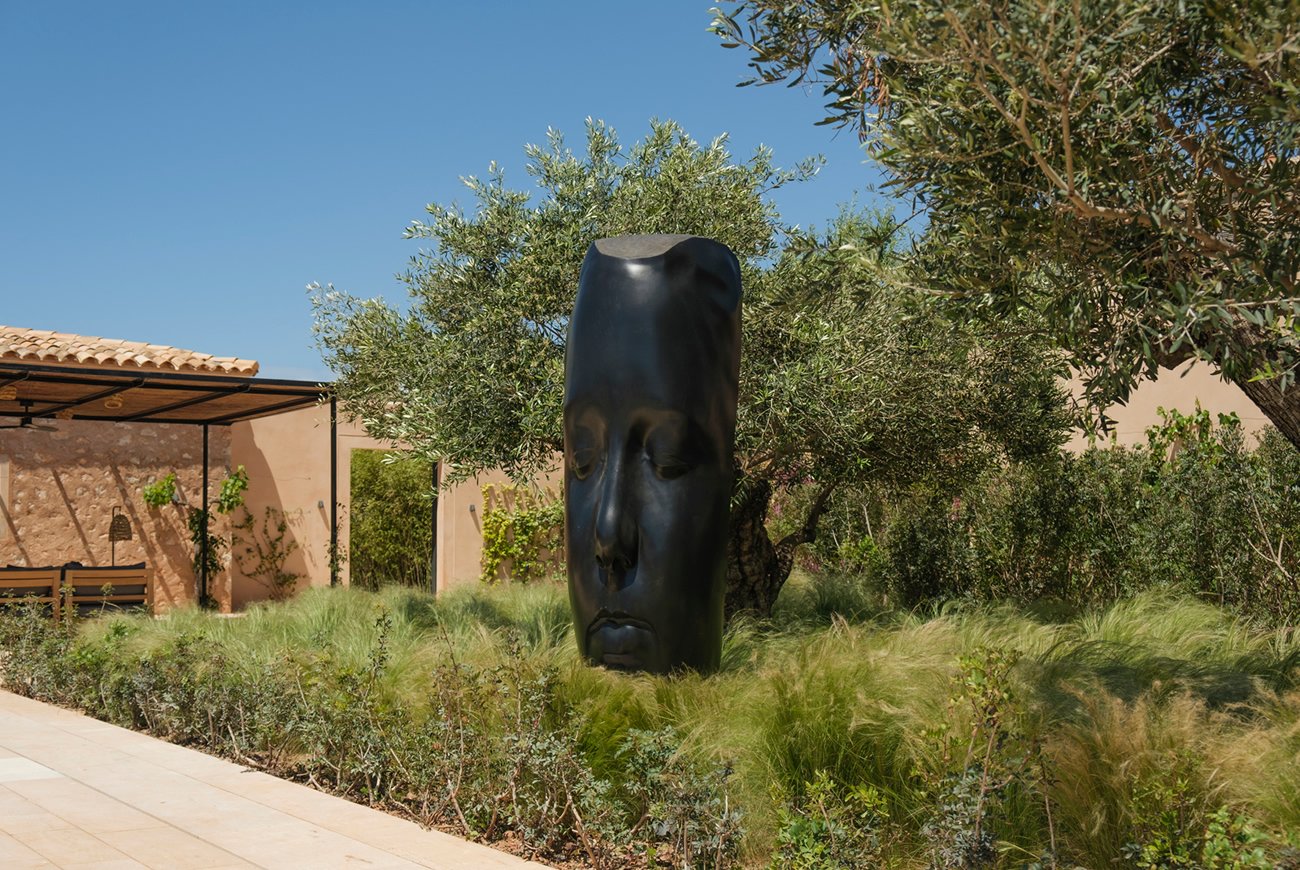
The art continues where you sleep. Ten minutes from the walls, Sant Francesc occupies an 1860 mansion on its own square and commissioned almost every work in the building; fifty minutes south in Santanyí, its sister house Can Ferrereta holds a Jaume Plensa head under the olive trees, twenty years after Plensa showed here. With the working finca at Ca'n Beneït and the former Jesuit monastery at Son Brull above Pollença, they make up The Mallorquín, four houses that carry the island in their bones.
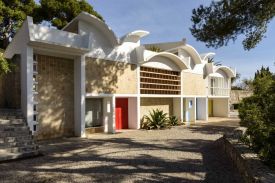
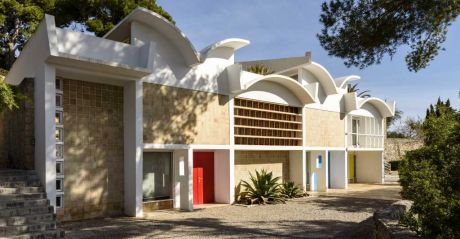
A modernist taller built by post from exile, a farmhouse covered in charcoal figures, and the Palma hillside where Joan Miró made a third of his work.
read more
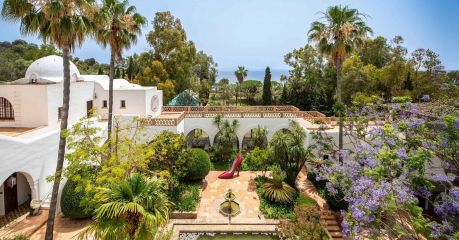
Eleven collections and the buildings they moved into, from a bastion on Palma's walls to an orange merchant's mansion in Sóller and a cistern above Alcúdia.
read more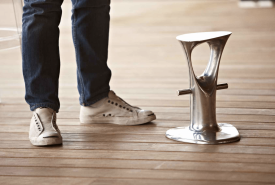
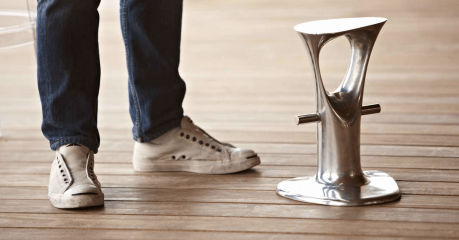
French designer Philippe Starck, himself an avid fan of sail and designer of super yachts, turned his hand to creating a new Port Adriano Marina in Mallorca – an architectural masterstroke and ‘Starck’ beautiful with not a parking lot in sight.
read more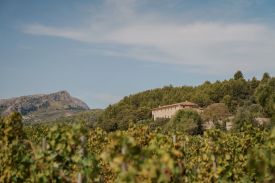
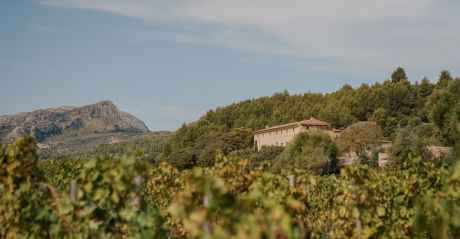
Four Mallorca hotels that speak Mallorquín: a Tramuntana finca, a Pollença monastery, a Palma mansion and a marès house near the sea. One island, four registers.
read more
A think tank for the bold, the curious, the creators of tomorrow. Where minds collide, conversations spark, and urban life gets redefined. If you shape the future, you belong here.
read more
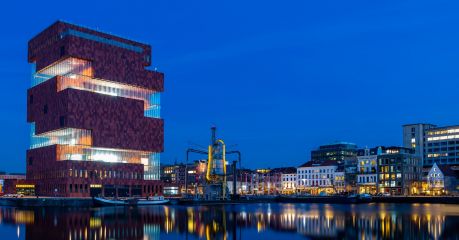
Antwerp is one of Europe's cultural hotbeds with historical landmarks and art institutions. And while Antwerp has plenty of those – we turn our focus on the smaller-scale contemporary culture must-sees the Flemish city has to offer.
read more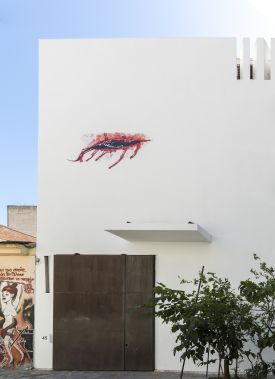
Radical, sometimes political and always on the pulse of Athens’ ever-evolving art scene, The Breeder Gallery is housed in an old ice cream factory, redesigned by architect Aris Zambicos.
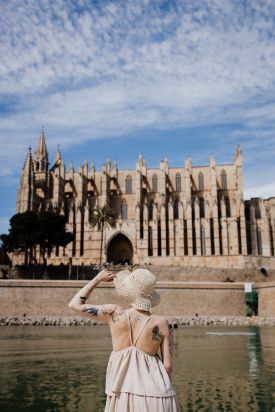
Palma's cathedral holds eighty-seven windows, the largest Gothic rose still in place, an unfinished Gaudí baldachin and a ceramic chapel by Miquel Barceló.
read more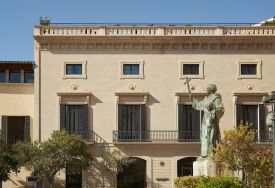
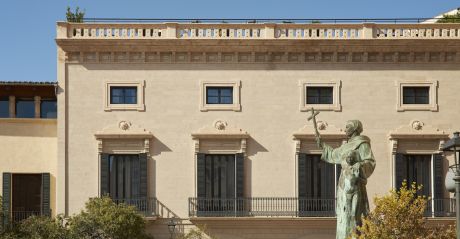
An 1860 Palma mansion turned boutique hotel, Sant Francesc pairs commissioned Mallorcan art, Lissoni and Hayón interiors and chefs Albaladejo and Forteza's Quadrat, minutes from La Seu.
read more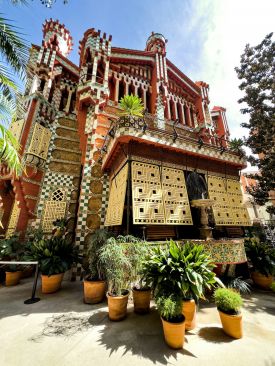
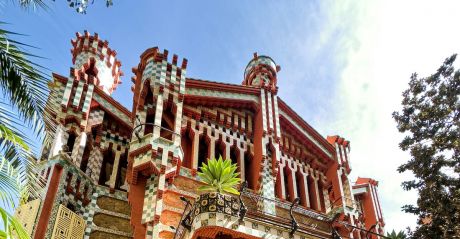
Gorgeously flamboyant, Casa Vicens is a riot of colour and fantastical architectural detailing - bearing the hallmarks of Barcelona hero, Antoni Gaudi.
read more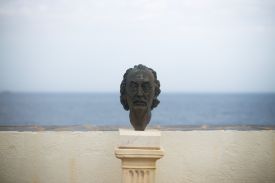
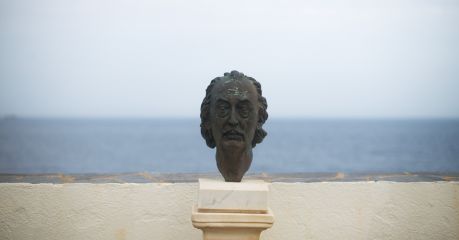
Ava Gardner came here to film Pandora and the Flying Dutchman in Tossa de Mar and was soon followed by Truman Capote, Josep Pla, Picasso, Miro and Duchamp, who, like Dalí loved to capture the refraction of light on water.
read more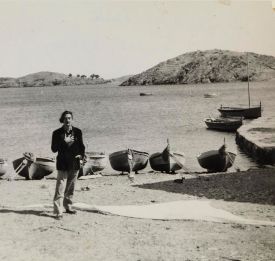
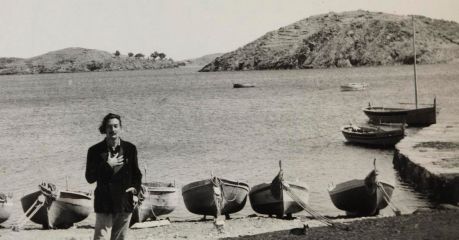
"My mystical paradise starts on the plains of the Empordà” were the words of Dalí describing his homelands blacked by the Pyrenees mountains inland and edged by the Costa Brava Mediterranean coastline.
read more
Get the insider news and lowdown on what we've been up to, where we've been, and who we've met along the way. Be the first to discover new places and get the scoop on our favourites.