
JOIN the AFICIONADOS
Get the insider news and lowdown on what we've been up to, where we've been, and who we've met along the way. Be the first to discover new places and get the scoop on our favourites.

The Cathedral of Santa Maria of Palma, known to everyone here as La Seu, is a Gothic cathedral begun in 1229 on the site of the main mosque of Medina Mayurqa, and it is built around light rather than shadow.
Eighty-seven windows and seven rose windows do the work, which is why it carries the name it does. Most Gothic cathedrals ask you to look up into gloom. This one is lit.
It sits above the old sea wall between the Almudaina palace and the Episcopal Palace, sandstone that turns from grey to gold as the day moves, and it holds the city's skyline without any competition.
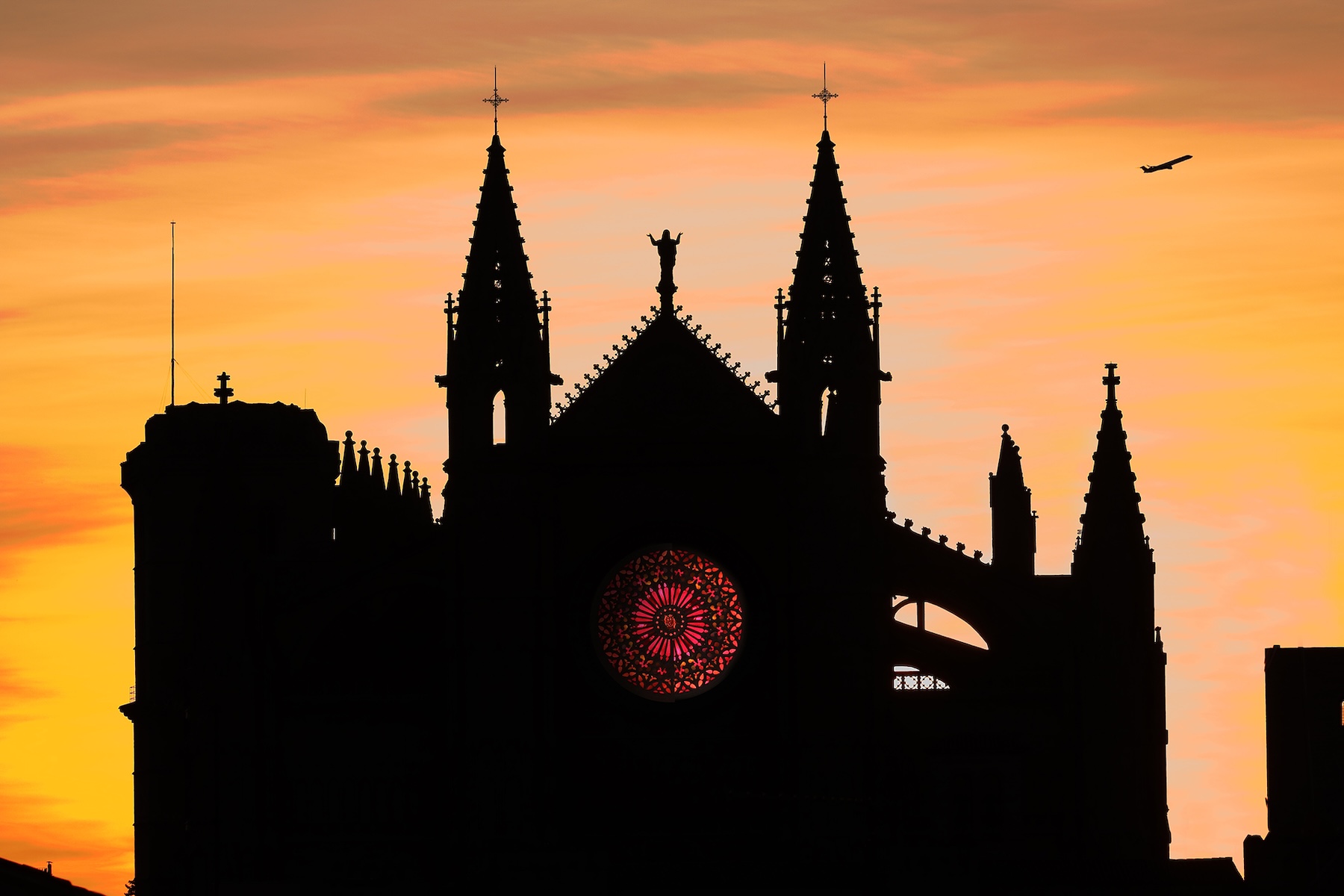
The story islanders tell is that James I of Aragon was caught in a storm on the crossing in 1229 and promised a cathedral to the Virgin if he made land. He made land, took the island, and construction began on the site of the main mosque of the Muslim capital, itself on ground the Romans had used since founding Palma in 123 BC. The first chapel was consecrated in 1269. Work went on for close to four centuries, and the main portal was not finished until 1601.
The façade you photograph is younger than any of that. An earthquake in 1851 damaged the west front, and the reconstruction that followed is nineteenth-century neo-Gothic, which is why it reads as sharper and stranger than the building behind it. Inside, the Chapel of the Trinity holds the tombs of James II and James III, the kings of the short-lived Kingdom of Mallorca, brought back to the cathedral in 1905.
The plan is not the Latin cross of the French cathedrals but a basilica, three naves forming one wide rectangular hall, a Mediterranean Gothic habit shared with Barcelona. It runs 121 metres long and 40 wide. The central nave rises 44 metres, among the tallest Gothic vaults anywhere, behind only Beauvais and Milan.
What holds it up is the part worth standing still for. Fourteen octagonal pillars, roughly a metre and a half across and 22 metres tall, carry a vault that by rights should need far more stone beneath it. Engineers still discuss how the medieval masons judged it. The effect is not the weight you expect from Gothic but openness, closer to standing in a forest than in a church.
The main entrance breaks with convention too. The Portal del Mirador faces the sea rather than the city, so the building presents itself to arriving ships and turns its back on the town it dominates.
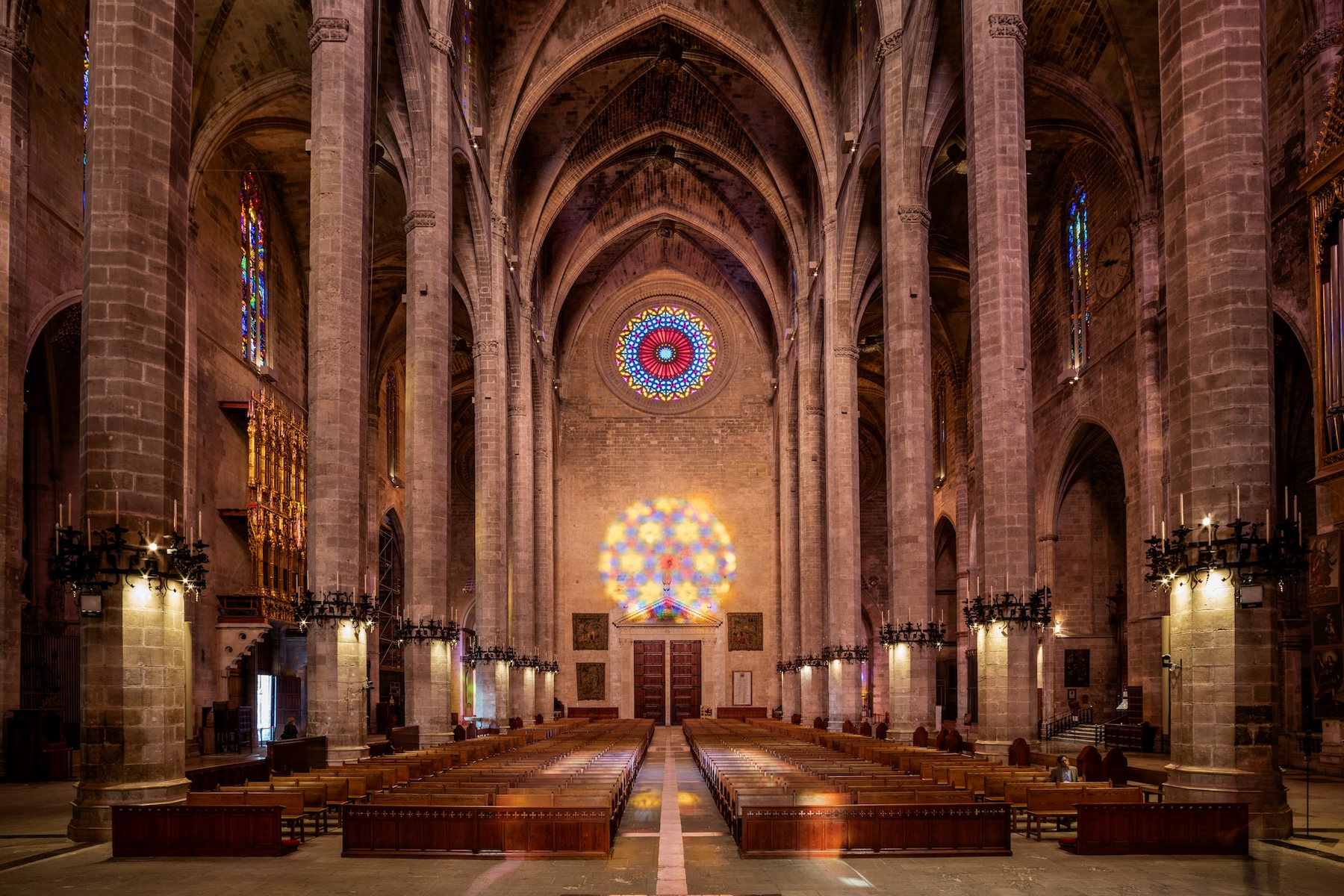
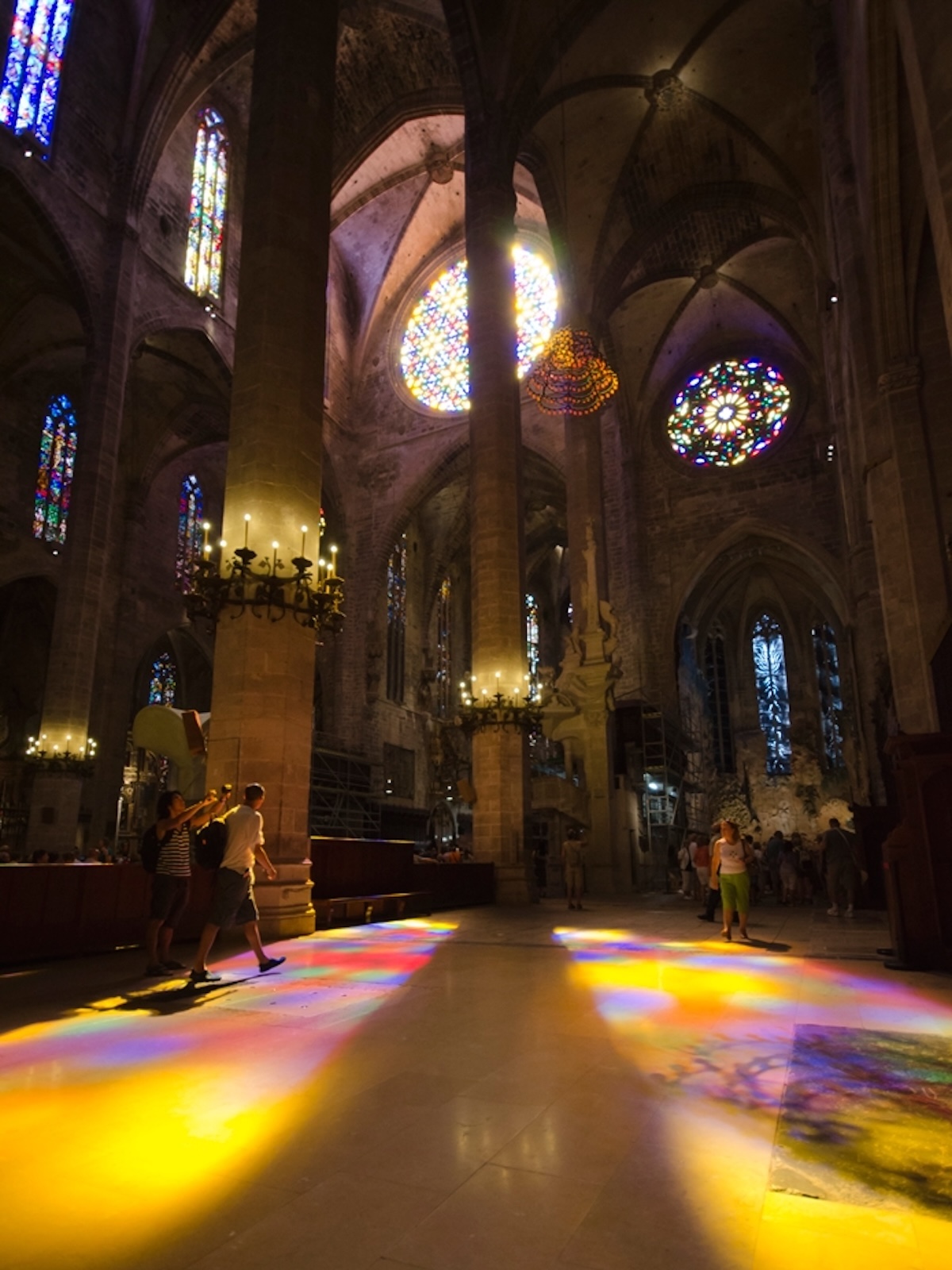
Above the altar sits the reason for the nickname. The great rose window is close to fourteen metres across, set with more than 1,200 pieces of glass, and it is the largest Gothic rose still in its original position anywhere. Islanders call it l'ull gòtic, the Gothic eye. Look at the tracery rather than the light it throws and the twenty-four triangular sections resolve into a six-pointed star, a detail almost everyone misses while photographing the colour on the floor.
Twice a year the geometry does something exact. The cathedral is set at about 120 degrees, oriented roughly to the sunrise at the winter solstice, and on 2 February, Candlemas, and 11 November, the feast of Saint Martin, the early sun comes through the great rose window and lands on the west wall directly beneath the second rose window. For a few minutes there are two roses, one of glass and one of light, stacked into a figure of eight. It is known as the espectacle del vuit, renamed the Festa de la Llum in 2018, and the doors open around half past seven for it. There is a second effect in the days around the winter solstice itself, best watched from the terraces of Es Baluard along the walls.
In 1899 Bishop Pere Joan Campins went to Barcelona, unimpressed by what his diocesan architects had proposed, and asked Antoni Gaudí to reorder the interior. Gaudí presented his scheme in 1903 and worked here from 1904 to 1914.
He took out the altarpieces that blocked the congregation's view of the bishop's throne. He moved the fifteenth-century choir stalls from the middle of the nave to the presbytery, which is the single change that opened the cathedral up. He reopened windows that had been bricked over, designed nine stained-glass windows, furniture, ceramic panels of the bishops' arms and wrought ironwork, and hollowed a resonance cavity beneath the organ. Josep Maria Jujol and Joan Rubió i Bellver worked alongside him.
Over the high altar he hung a heptagonal baldachin on the form of the crown of thorns, ringed with lamps and crowned by a crucifix with the Virgin and Saint John beneath. In 1914 he fell out with the contractor and some of the chapter and left; Campins died the following year and the money went with him. The definitive structure in iron, glass and ceramic was never built. What hangs there now is Gaudí's full-scale working model, temporary for over a century.
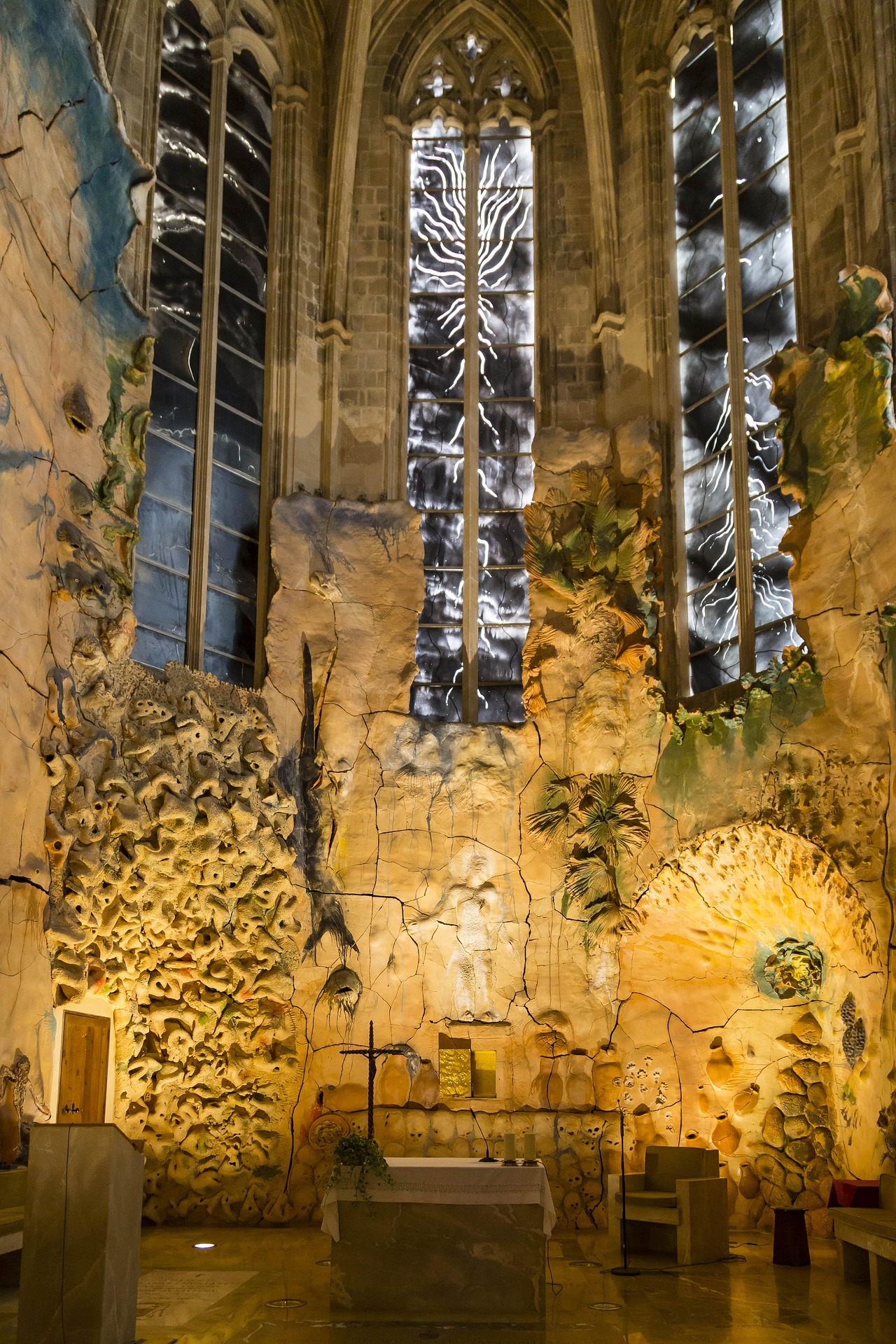
The other great intervention is a hundred years younger and caused a comparable argument. Between 2001 and 2006 the Mallorcan artist Miquel Barceló reworked the Capella del Santíssim, and it was unveiled in 2007: roughly 300 square metres of ceramic relief on the walls, taking the miracle of the loaves and fishes as its subject and filling it with the marine life of the island, along with skulls, fossils and things that look grown rather than made. The Vatican was consulted. Two decades on it is one of the things people specifically come for, and it belongs to the same instinct that runs through the whole building: let a serious artist loose in an old room and see what answers back.
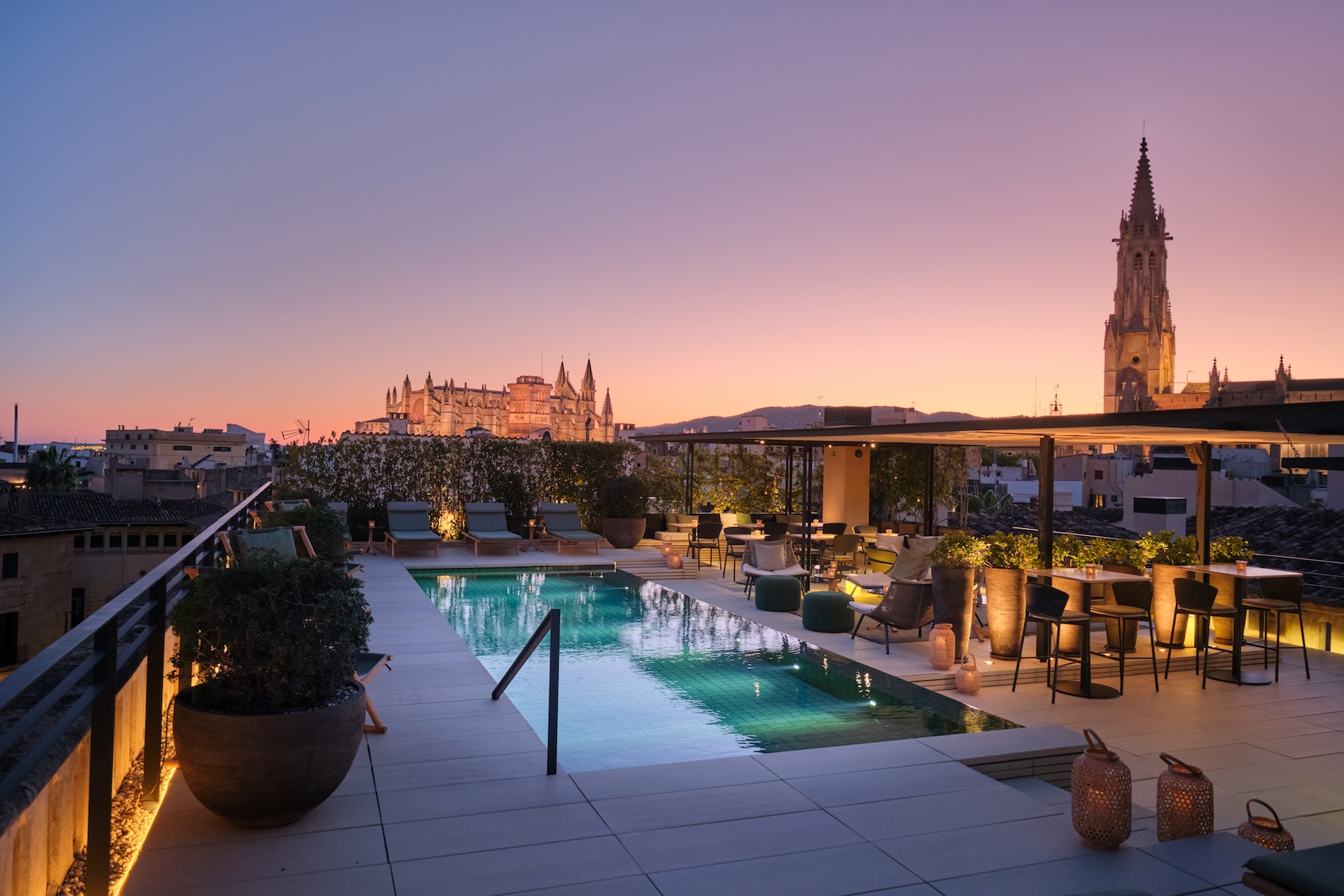
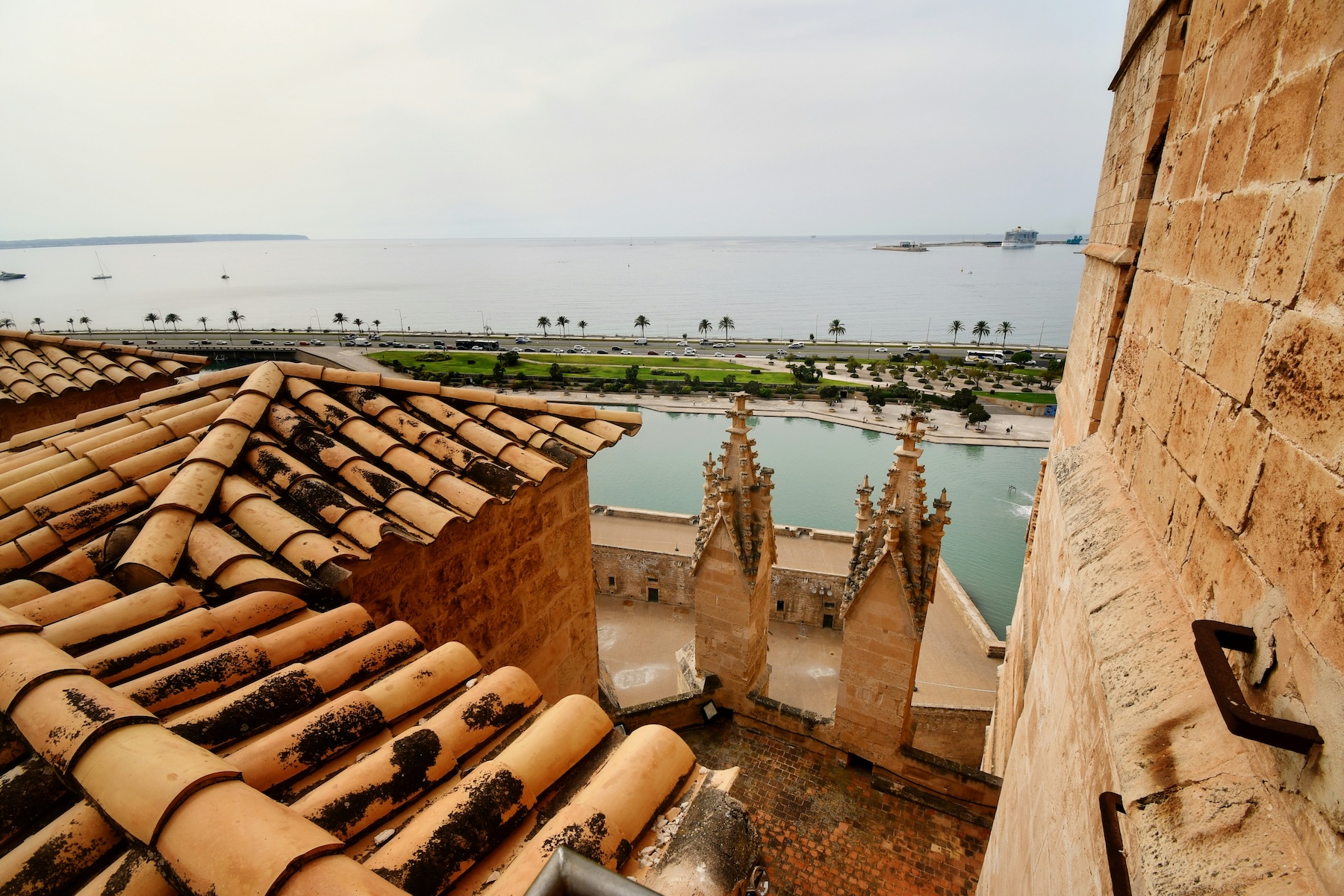
La Seu sits on Plaça de la Seu, minutes from the old town and the Almudaina. Terrace visits run separately from general admission and are worth the extra: the roof gives you the buttresses, the rose window at close range and the bay below. Check current hours and prices with the cathedral before travelling, since both move with the season.
For a bed, Sant Francesc is seven minutes away on its own square, an 1860 mansion with a rooftop pool that puts the cathedral squarely in the view, and one of the four houses in The Mallorquín. For the wider picture, the cathedral's stone, its rose window and its two modern interventions all reappear in Art in Mallorca.
What does La Seu mean? The see, in Catalan: the seat of a bishop. The formal name is the Cathedral of Santa Maria of Palma. Locally, nobody uses it.
How long should I allow? An hour inside, more if you add the terraces. Go early for the light through the great rose window, which lands on the floor of the nave through the morning.
When are the light phenomena? The figure of eight falls on 2 February and 11 November, shortly after 8am, and lasts minutes. A separate effect occurs in the days around the winter solstice.
Can I go up on the roof? Yes, on a separate terrace ticket, seasonally and by time slot. Book ahead.
Is there a dress code? Shoulders and knees covered, as at any working cathedral. It holds services daily, and the chapel Barceló reworked is used for them.
What is nearby? The Almudaina palace next door, Palau March above the cathedral steps, the old town behind, and the Parc de la Mar in front, whose lake exists to reflect the building.
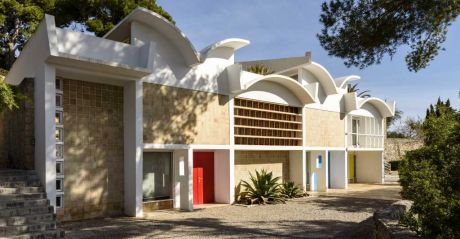
A modernist taller built by post from exile, a farmhouse covered in charcoal figures, and the Palma hillside where Joan Miró made a third of his work.
read more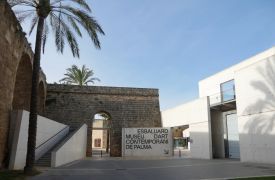
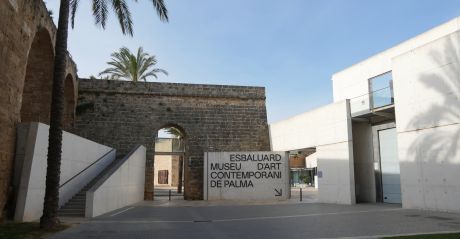
Es Baluard holds more than nine hundred works inside Palma's Renaissance walls, from Anglada-Camarasa to Miró and Barceló, with the bay laid out below.
read more
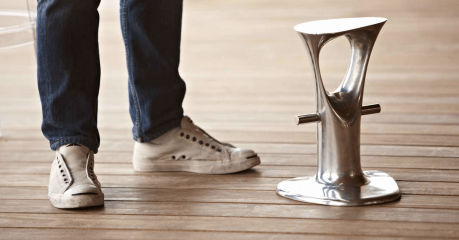
French designer Philippe Starck, himself an avid fan of sail and designer of super yachts, turned his hand to creating a new Port Adriano Marina in Mallorca – an architectural masterstroke and ‘Starck’ beautiful with not a parking lot in sight.
read more
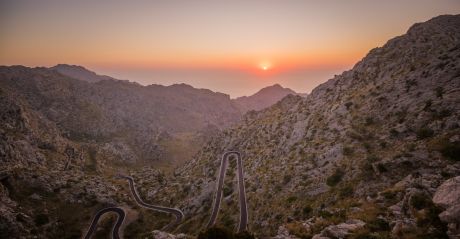
Summer in Mallorca is seeing the Balearic isle at its best. A blazing sun hangs in a deep blue, cloudless sky, people throng the cobbled streets of Palma’s old town and restaurants spill over into the streets.
read more
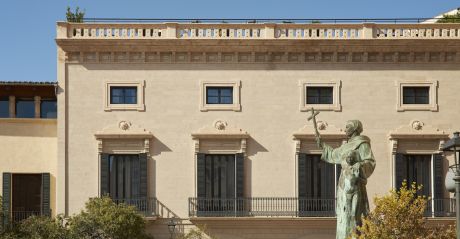
An 1860 Palma mansion turned boutique hotel, Sant Francesc pairs commissioned Mallorcan art, Lissoni and Hayón interiors and chefs Albaladejo and Forteza's Quadrat, minutes from La Seu.
read more
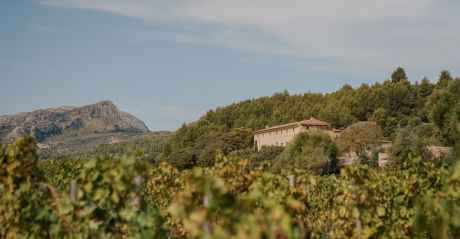
Four Mallorca hotels that speak Mallorquín: a Tramuntana finca, a Pollença monastery, a Palma mansion and a marès house near the sea. One island, four registers.
read more
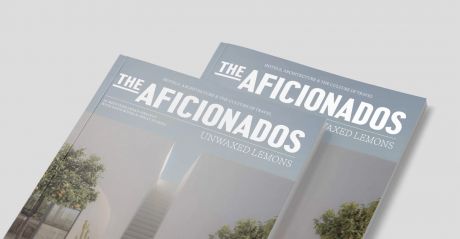
Our new summer magazine gathers thirty-six family-run design hotels across the Mediterranean, from Greece and Spain to Mallorca, Tuscany and Portugal. Here is why we put it on paper.
read more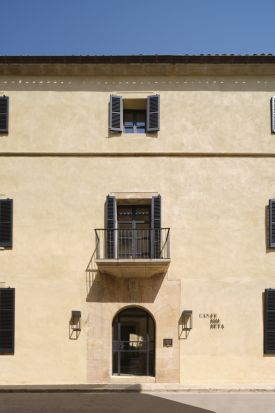
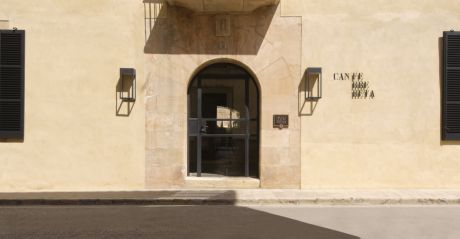
A 17th-century marès-stone mansion in Santanyí's old town, Can Ferrereta is a calm, art-filled luxury hotel with Mallorca's south-coast beaches half an hour away.
read more
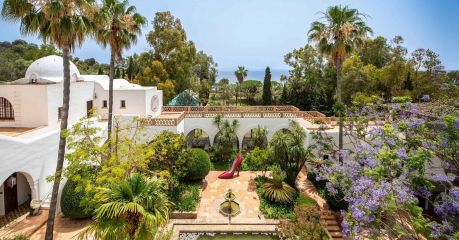
Eleven collections and the buildings they moved into, from a bastion on Palma's walls to an orange merchant's mansion in Sóller and a cistern above Alcúdia.
read more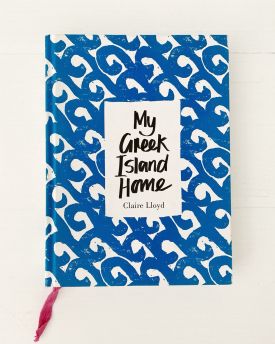
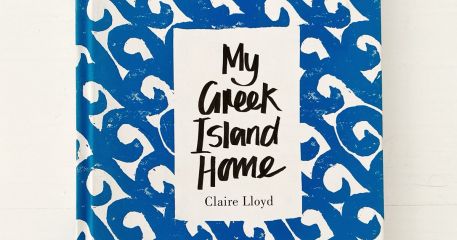
My Greek Island Home by Claire Lloyd is always out of the bookcase, an ever-present friend that tells the tale of falling in love with a Greek island and finding that a simpler life is not so bad after all.
read more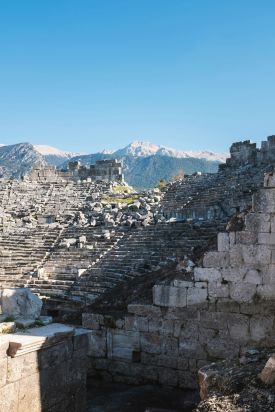
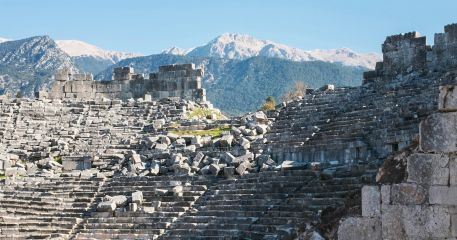
From the cliff-carved tombs of Tlos to the ghost village of Kayaköy, trace the soul of ancient Lycia along the Turkish Riviera’s sunlit coastline and mountain-framed archaeological wonders.
read more
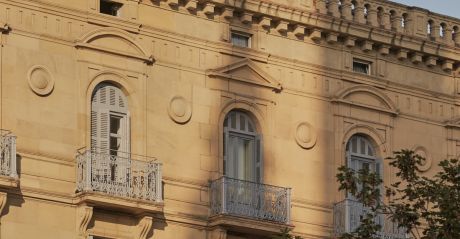
A design-led boutique hotel opposite San Sebastián’s cathedral, Arbaso wraps Basque oak, marble and craft around Iñigo Peña’s market restaurant, Narru, minutes from La Concha.
read more
Get the insider news and lowdown on what we've been up to, where we've been, and who we've met along the way. Be the first to discover new places and get the scoop on our favourites.