JOIN the AFICIONADOS
Get the insider news and lowdown on what we've been up to, where we've been, and who we've met along the way. Be the first to discover new places and get the scoop on our favourites.

Joan Miró made Palma de Mallorca his home in 1956, at the age of sixty-three, and went on to produce roughly a third of his life's work in the two studios he kept there. Both survive, left much as he had them, at the Fundació Pilar i Joan Miró a Mallorca in the Cala Major district of the city.
The Fundació holds more than 6,000 works given by the artist and his wife, and spans four parts: the Taller Sert, the 18th-century farmhouse of Son Boter, the Moneo Building, and the sculpture gardens. What follows is the story those buildings carry, which is rather more than a museum visit and rather more Mallorcan than most accounts allow.
The island was never a retirement plan. Miró was born in Barcelona in 1893, but his mother, Dolours Ferrà, was Mallorcan, as were her parents, and from the age of about seven he spent part of each summer here with his maternal grandmother in Sóller, drawing windmills, seascapes, the Llotja and Bellver Castle. In October 1929 he married the Mallorcan Pilar Juncosa in Palma. Their daughter would later settle on the island too.
Then came the harder chapter. In May 1940, with German troops advancing through Normandy, Miró left Varengeville-sur-Mer carrying a roll of unfinished gouaches, crossed the border at Perpignan and took a boat to Palma, where Pilar's parents lived. He resumed work that August. Around half of the twenty-three Constellations, among the most admired works of his career, were painted on the island under the eye of a new dictatorship. In Palma he spent mornings in the cathedral, listening to the organ and looking at the glass. "I felt a deep desire to escape," he said of the period, and the night, music and the stars took over the paintings.
So when he returned for good in 1956, it was to a place he had known for half a century, and one that had already sheltered him once.
The studio Miró had wanted since the 1930s was designed by Josep Lluís Sert, a friend since the early 1930s, when both moved in the orbit of ADLAN and GATCPAC in Barcelona and shared a conviction that art and architecture belonged together. In 1937 Sert and Luis Lacasa built the Spanish Republic's pavilion for the Paris International Exposition, the pavilion that held Picasso's Guernica. Miró painted a large oil for it, Catalan Peasant in Revolt, better known as The Reaper. It has been lost ever since.
After the Civil War, Sert went into exile in the United States, eventually becoming Dean of Harvard's Graduate School of Design, and was barred from practising as an architect in Spain for twenty years. The studio was therefore drawn in Cambridge and built in Palma, worked out through an intense correspondence between 1954 and 1956, with the site supervised by Miró's brother-in-law, the architect Enric Juncosa. Miró briefed him on climate and atmosphere, asked that working and storage areas be kept clearly apart so he could leave canvases to rest at a distance, and reminded him to allow for the scale of the large murals. In the autumn of 1956 the building was finished, and he was delighted with it.
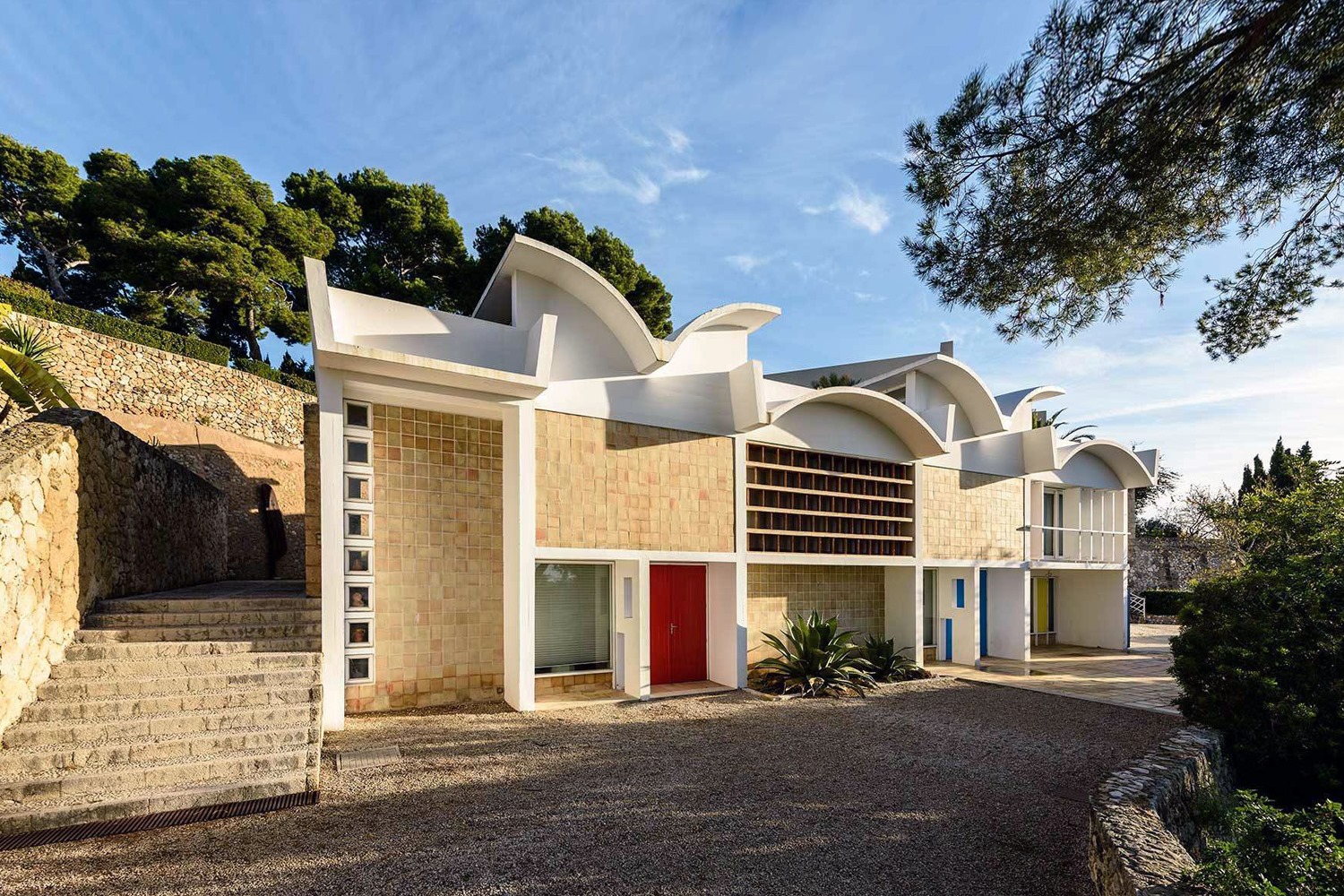
It is a white concrete structure, quite unlike the clay and stone houses of the island, yet it settles into the hillside terraces rather than sitting on them. The plan is L-shaped, on two levels, under a vaulted roof whose undulation gives the whole regular frame a sinuous movement. Every façade is treated as a composition, with the white concrete set against blue and terracotta and the red and yellow of the woodwork, a Modernist palette read through Le Corbusier and, in its primaries, close to Mondrian. Sert called it a search for a plastic architecture: architecture, in his words, "can become a sculpture". It is human-sized, and it is now listed as an Item of Cultural Heritage.
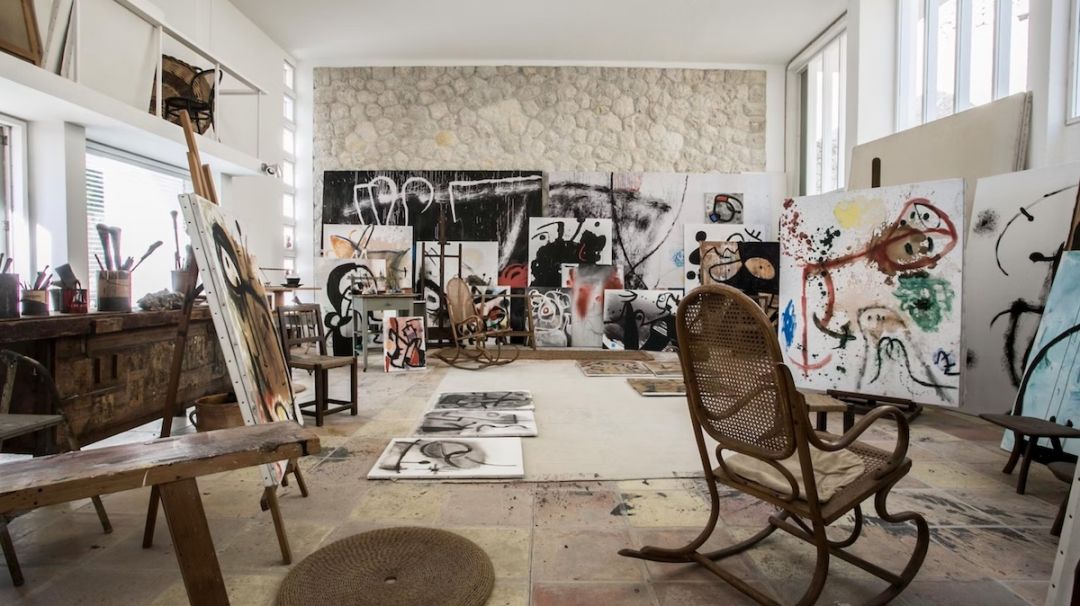
Inside, Miró assembled the conditions he needed to work: canvases, oils, watercolours, crayons, brushes and sponges alongside a collection of things with no market value at all. Postcards, newspaper cuttings, stones, butterflies, shells. Siurells, the white clay whistles daubed red and green that Mallorcan potters have made for generations. Palm Sunday fronds and nativity figures. Hopi kachina dolls and Oceanic masks. He assembled his alphabet of stars, women, and birds from that table.
In 1959 he bought the house immediately behind his own, an 18th-century Mallorcan farmhouse called Son Boter, with the prize money from the Guggenheim International Award for the Mur du soleil and Mur de la lune at UNESCO. Writing to Sert, he was characteristically dry about the motive: as well as being a good investment, the house gave him "shelter from bothersome neighbours".
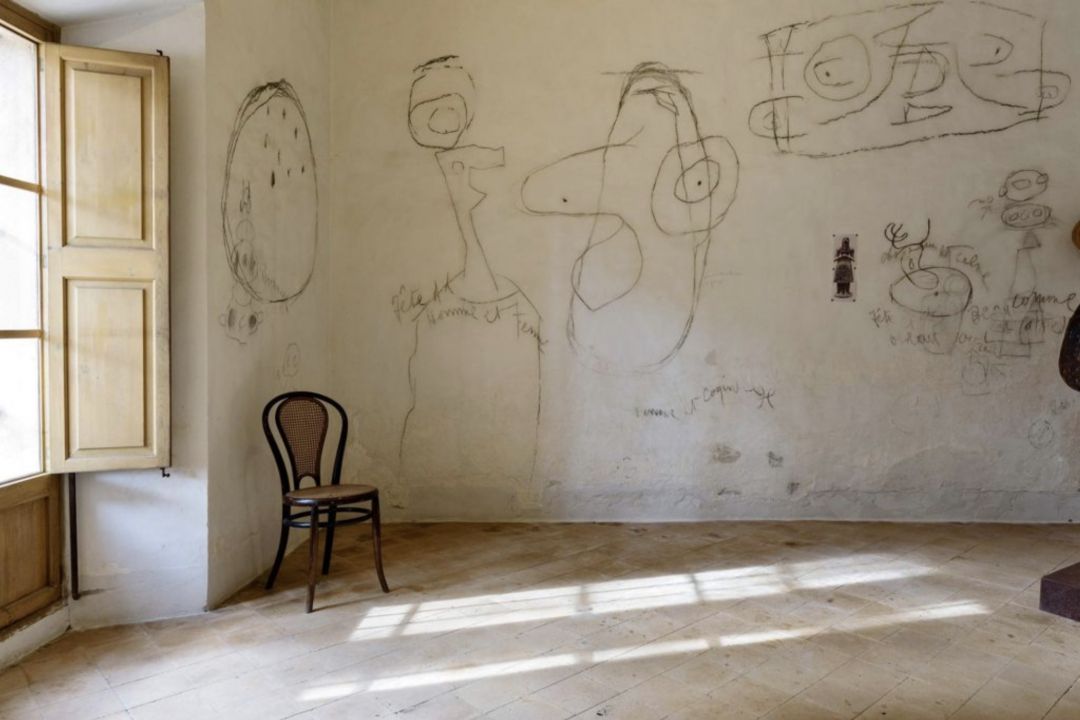
It was intended as a sculpture studio and became a second painting studio and a refuge. Its whitewashed walls carry his charcoal graffiti, huge figures and personages drawn straight onto the plaster as working sketches for bronzes, which is why the building is now a work in its own right. Engraving and lithography studios were added later so he could make prints without leaving home. Those workshops are still in use by artists today, which is the point worth holding on to: this is a working place, not a reliquary.
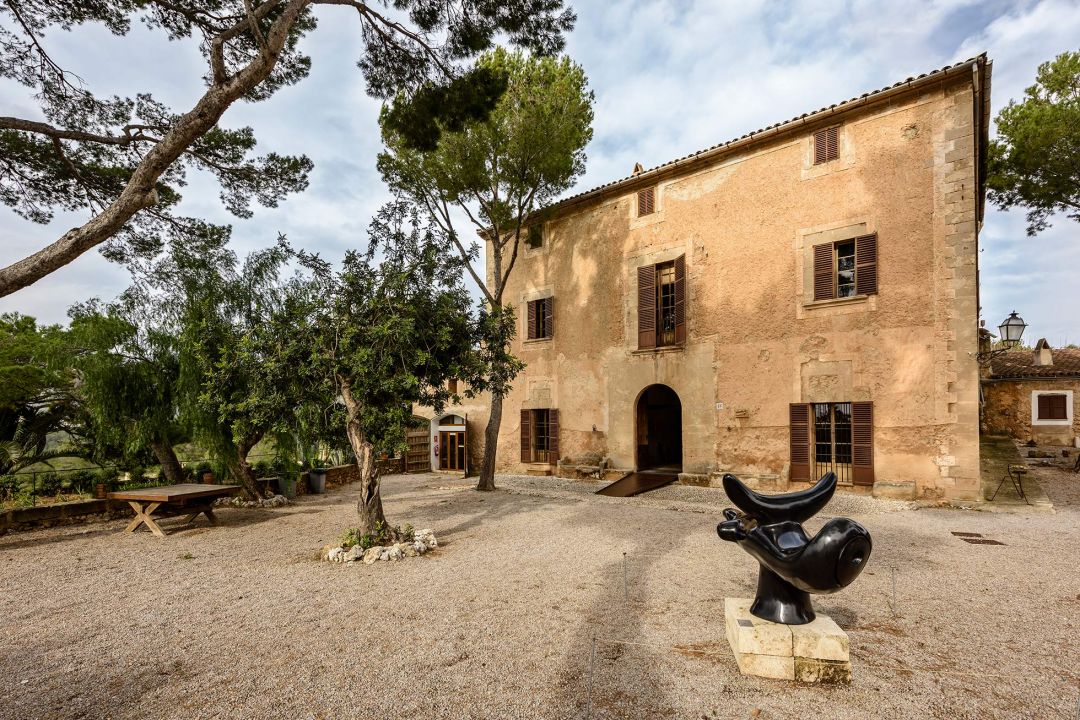
The room did not simply make him more productive. It made him start again. For a while after moving in, he stopped painting altogether, finishing the ceramic murals for the UNESCO building in Paris and spending months going back through decades of accumulated drawings, tearing up a great many of them and using others as the beginning of something else. He described what followed as a break rather than an evolution: a rejuvenated, contrary Miró setting himself harder problems, working on the floor, painting with his fingers, leaving the evidence of his own body on the canvas. The Blue triptych came in 1961. One third of everything he made was made here, in the last twenty-seven years of his life.
The Fundació exists because Miró watched Cala Major disappear under concrete in the 1970s and feared for what would happen to his studios. In 1981 he and Pilar Juncosa drew up the statutes and gave the buildings, a collection of works and his archive to the city of Palma. He told the critic Georges Raillard what he wanted from the gesture: "I want everything to remain behind me as it will be when I disappear."
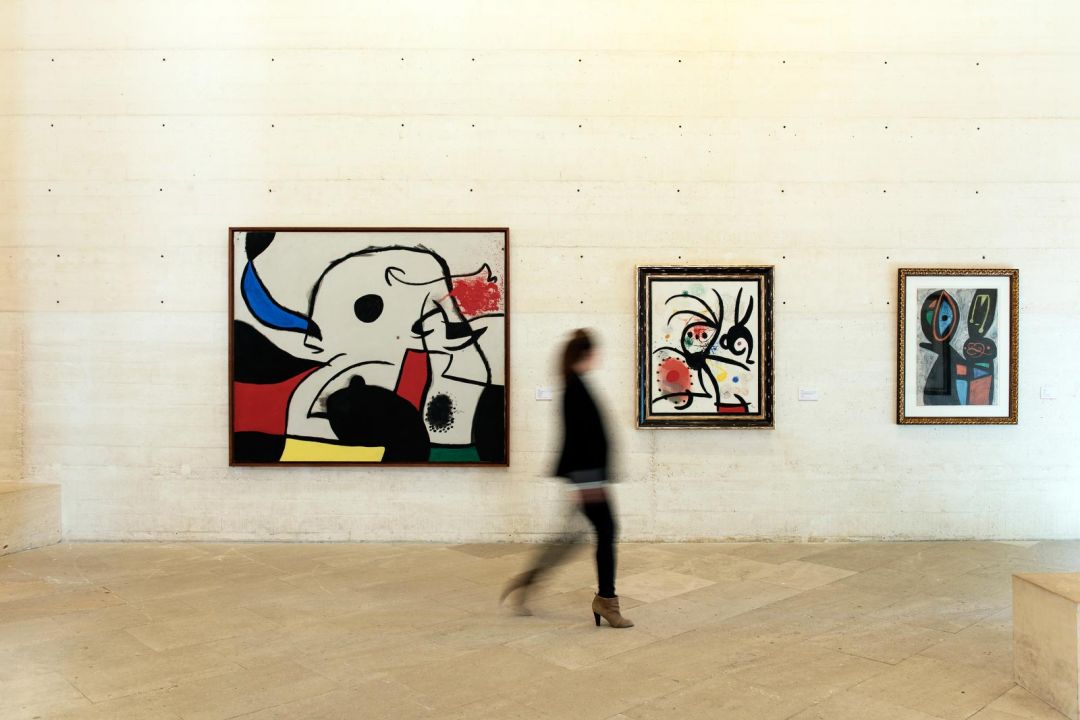
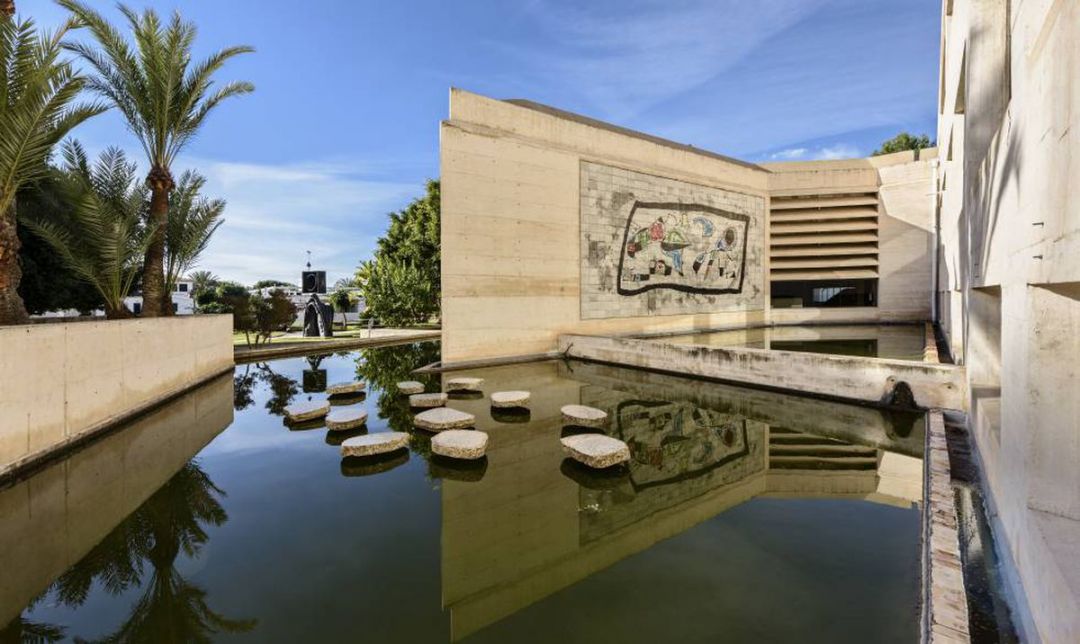
After his death, Pilar Juncosa gave the land for a headquarters along with forty-two works, auctioned at Sotheby's to pay for it. Rafael Moneo, who would take the Pritzker in 1996, opened the building on 19 December 1992. He arrived to find the same overdevelopment that had worried Miró and designed accordingly, screening the surrounding blocks from view. There are two linked concrete volumes: a low, linear service building with a colonnade of brise-soleils, and a star-shaped gallery, the Espai Estrella, that reads from outside like a fortress. Light enters through the brise-soleils and inner panels of translucent alabaster; the roof is covered in a sheet of water, and the ponds throw reflected light up into the room. The effect pulls the sea and the horizon closer, standing in for the view Miró once had from the hill.
A ceramic mural by Maria Antònia Carrió sits on one point of the star; another, by Joan Gardy Artigas, is in the café, based on a 1947 sketch. Outside, the gardens rebuild something of the landscape that was lost and hold his sculptures in the open, exactly as he wanted them. "A sculpture should stand in the open air, in the midst of nature," he said in 1951. Here they do.
Miró's work lives on around the world, in museums, galleries and collectors' homes. But mostly it lives on here, where the paint-splattered floors give the impression that his spirit is still very much present.
Can you visit Joan Miró's studio in Mallorca? Yes. The Taller Sert and Son Boter are both open to visitors as part of the Fundació Miró Mallorca, at Carrer de Saridakis 29 in Cala Major, a short drive or bus ride west of central Palma. Guided tours run on set days and are worth booking ahead.
When did Miró move to Mallorca? He settled permanently in Palma in 1956, when the Sert studio was completed, and lived and worked on the island until his death in 1983.
Why Mallorca? His mother and maternal grandparents were Mallorcan, he spent childhood summers in Sóller, he married Pilar Juncosa in Palma in 1929, and the family took refuge there in 1940 after fleeing occupied France.
What is Son Boter? An 18th-century Mallorcan farmhouse behind Miró's own house, bought in 1959, used as a sculpture and painting studio. Its whitewashed walls still carry the charcoal figures he drew as sketches for bronzes.
Who designed the buildings? Josep Lluís Sert designed the studio, working from exile in the United States. Rafael Moneo designed the foundation's headquarters, opened in December 1992.
How long do you need? Two hours covers the four zones comfortably. Allow longer if there is a temporary exhibition in the Espai Estrella.
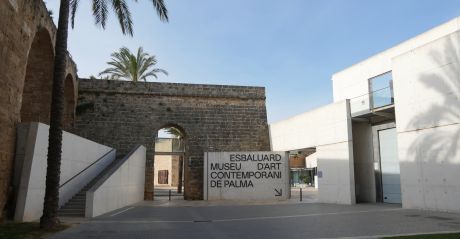
Es Baluard holds more than nine hundred works inside Palma's Renaissance walls, from Anglada-Camarasa to Miró and Barceló, with the bay laid out below.
read more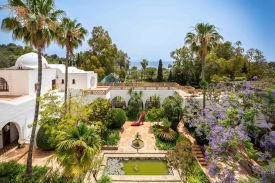
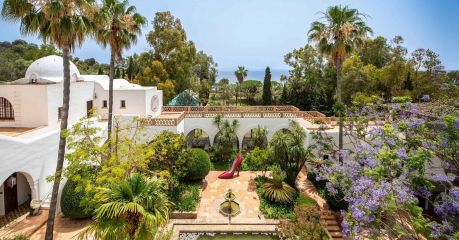
Eleven collections and the buildings they moved into, from a bastion on Palma's walls to an orange merchant's mansion in Sóller and a cistern above Alcúdia.
read more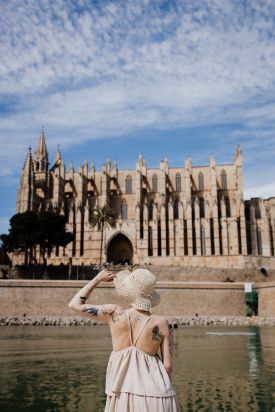
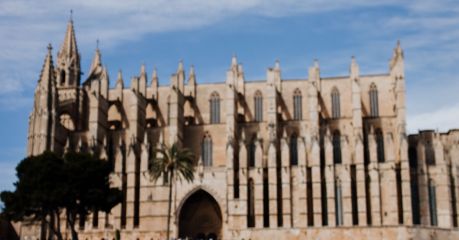
Palma's cathedral holds eighty-seven windows, the largest Gothic rose still in place, an unfinished Gaudí baldachin and a ceramic chapel by Miquel Barceló.
read more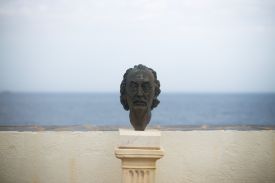
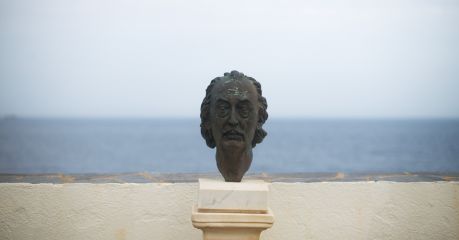
Ava Gardner came here to film Pandora and the Flying Dutchman in Tossa de Mar and was soon followed by Truman Capote, Josep Pla, Picasso, Miro and Duchamp, who, like Dalí loved to capture the refraction of light on water.
read more
A think tank for the bold, the curious, the creators of tomorrow. Where minds collide, conversations spark, and urban life gets redefined. If you shape the future, you belong here.
read more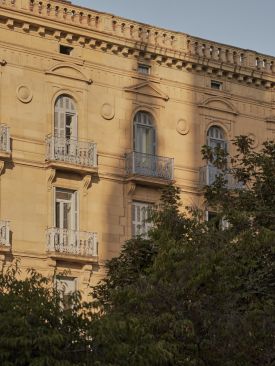
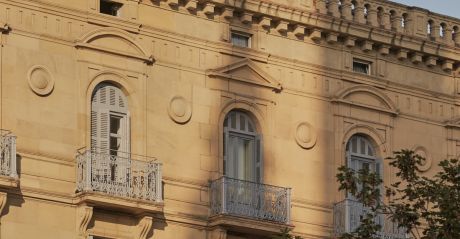
A design-led boutique hotel opposite San Sebastián’s cathedral, Arbaso wraps Basque oak, marble and craft around Iñigo Peña’s market restaurant, Narru, minutes from La Concha.
read more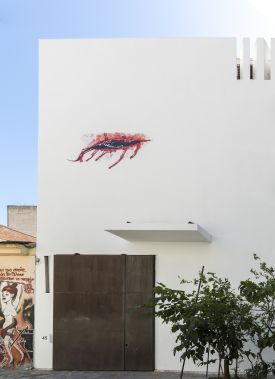
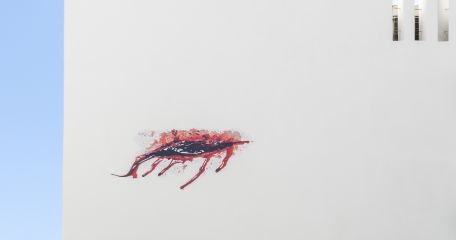
Radical, sometimes political and always on the pulse of Athens’ ever-evolving art scene, The Breeder Gallery is housed in an old ice cream factory, redesigned by architect Aris Zambicos.
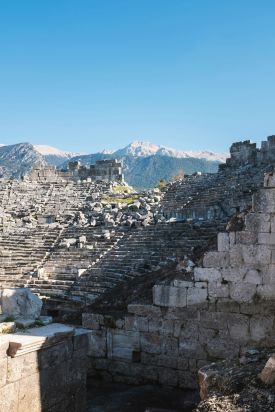
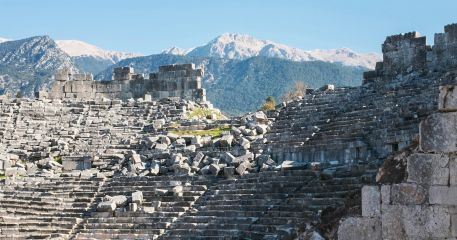
From the cliff-carved tombs of Tlos to the ghost village of Kayaköy, trace the soul of ancient Lycia along the Turkish Riviera’s sunlit coastline and mountain-framed archaeological wonders.
read more
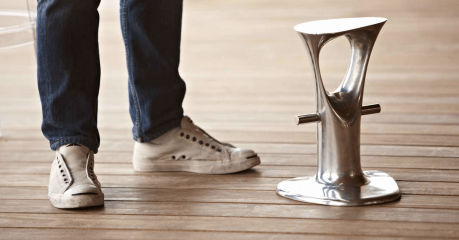
French designer Philippe Starck, himself an avid fan of sail and designer of super yachts, turned his hand to creating a new Port Adriano Marina in Mallorca – an architectural masterstroke and ‘Starck’ beautiful with not a parking lot in sight.
read more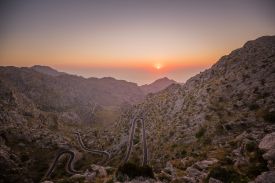
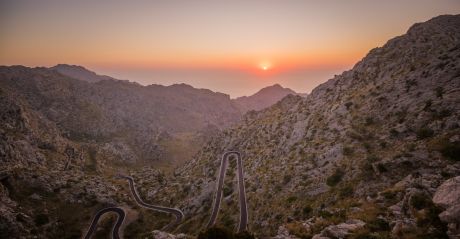
Summer in Mallorca is seeing the Balearic isle at its best. A blazing sun hangs in a deep blue, cloudless sky, people throng the cobbled streets of Palma’s old town and restaurants spill over into the streets.
read more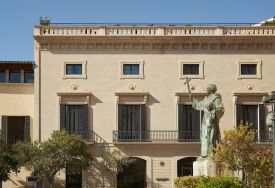
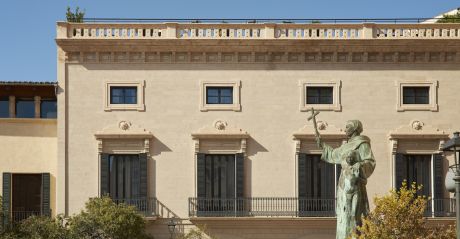
An 1860 Palma mansion turned boutique hotel, Sant Francesc pairs commissioned Mallorcan art, Lissoni and Hayón interiors and chefs Albaladejo and Forteza's Quadrat, minutes from La Seu.
read more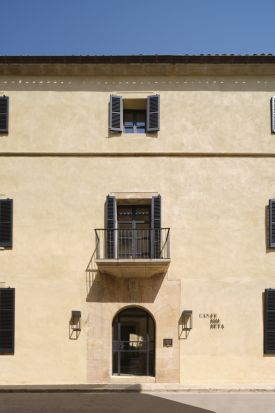
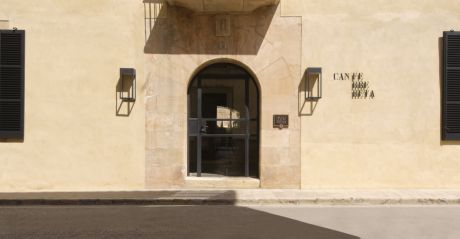
A 17th-century marès-stone mansion in Santanyí's old town, Can Ferrereta is a calm, art-filled luxury hotel with Mallorca's south-coast beaches half an hour away.
read more
Get the insider news and lowdown on what we've been up to, where we've been, and who we've met along the way. Be the first to discover new places and get the scoop on our favourites.