
JOIN the AFICIONADOS
Get the insider news and lowdown on what we've been up to, where we've been, and who we've met along the way. Be the first to discover new places and get the scoop on our favourites.

Four generations, one curved M and a beanie called PEQUOD. Since 1903 Mühlbauer has made hats by hand in Vienna, with a candour and a sense of fun the city does not always admit to.
"We are crazy to make hats like this again," Klaus Mühlbauer has admitted, "but the results are totally different by hand." Crazy is one word for it. In a first-floor workshop by Schwedenplatz, a damp cone of fur felt is pulled over a block of larch and begins, with some reluctance, to become a hat. Steam rises, a hatter tugs and pins, the oven hums at around seventy degrees, and a few hours later something emerges with the posture of a fedora and the air of having been through an ordeal.
The madness runs in the family. In 1903 Julianna Mühlbauer, a trained milliner of no particular pedigree, opened a small hat manufactory with a shop attached in Floridsdorf, on Vienna's northern edge. When her husband Robert was killed at the start of the First World War, she kept the business going and raised three sons in the trade. The eldest, Robert, came into the business in the mid-1920s and spread the name across more than ten Viennese shops; his son Heinz gave it a proper identity in the 1960s, logo, advertising and shopfronts included, just in time for the world to stop wearing hats. By the 1980s the shops sold mostly clothing, and the hats had retreated to a modest corner.
Then came the fourth generation. Klaus trained as a hat maker and milliner, studied business, served his time in the textile industry and in 2001 came home to a firm that, as he later put it, nobody even associated with hats any more. He closed most of the clothing shops, introduced the first men's collections and, with his sister Marlies, set about designing hats people might actually want to wear on a Tuesday. Within a decade output had risen from around 3,000 hats a year to nearly 13,000, every one made by hand, and Mühlbauer was stocked from Le Bon Marché in Paris to Isetan in Tokyo.
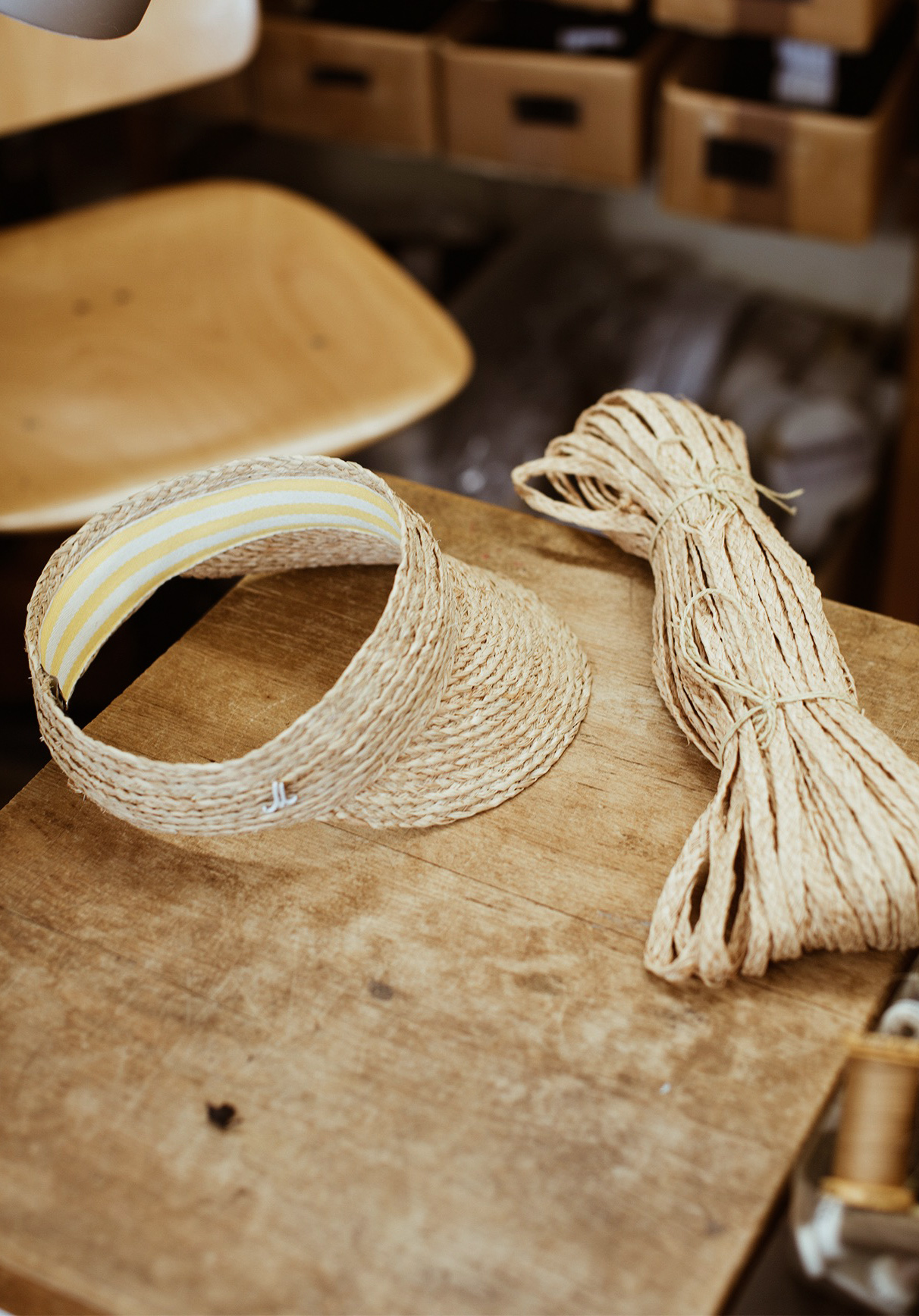
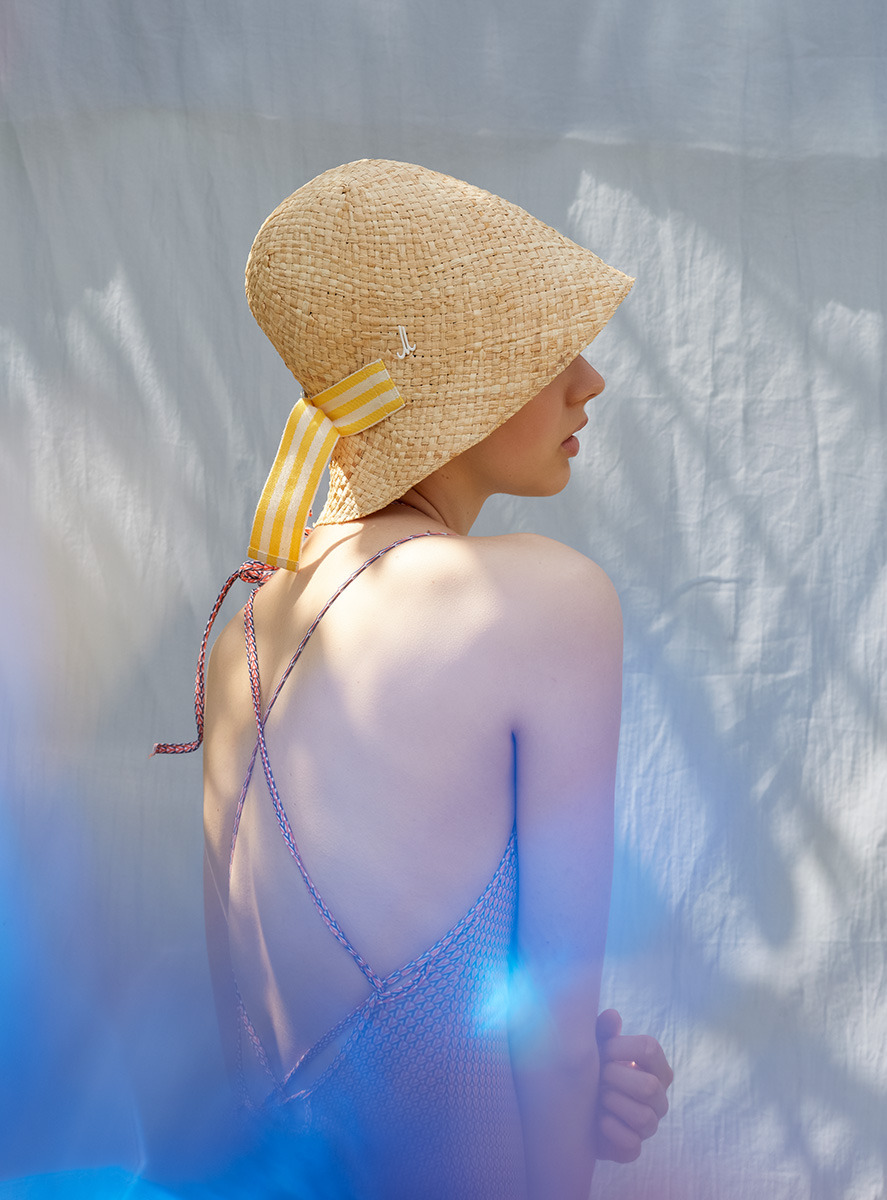
What makes the brand such good company is its happy irreverence. Mühlbauer's hats cover a full spectrum of taste, from quirky fascinators to straw pillboxes, hand-painted porkpies to braided fedoras, berets, caps and visors. The names give the game away: this season's HAVEN collection, a maritime reverie of fog and safe harbours, includes a beanie called PEQUOD, a hood scarf called MOBY, a cap named POPEYE and a fedora answering to LORD REX. Klaus designs the collections with Nora Berger and Madeleine Nostitz, and the Udo summer hat, which Der Standard counts among Austria's product classics, keeps returning in fresh guises.
The house has always enjoyed company. Over the years the workshop has blocked and trimmed for Kenzo, Junya Watanabe for Comme des Garçons, Akris and Vanessa Bruno, and with the Viennese label Fabrics Interseason it revived an old local caning technique for a run of small wicker hats. Closer to home, eigensinnig wien marked its tenth anniversary in 2022 with four black hats made at Schwedenplatz and named for David Bowie, Rembrandt, Nina Simone and John Steed of The Avengers, the Bowie a deconstructed fedora of considerable swagger. The womenswear label Armagentum brought its hand-smocked flower motif to a capsule of baseball caps, and for years an invited artist was handed free rein over each season's lookbook image. In 2022 Austria made it official, awarding Mühlbauer the state prize for fashion; by then more than 60 per cent of its hats were leaving the country.
The craft underneath is resolutely old school. The house keeps around 5,000 hat shapes and a written description of every style, so that each can be made the same way twice. Felt is steamed, blocked, oven dried, brushed and handed to the milliners for trimming. Materials run from strong and superlight fur felt to German rabbit fur, Japanese wool and hand-knitted baby merino, and Klaus once bought the last stock of a rare Italian straw rather than settle for less. Every finished piece carries the curved M. "At the end, when you touch the product, when you hold it in your hand," he says, "you see the difference."
Today there are two shops, on Seilergasse in the old town and Neubaugasse in the seventh district, and the workshop still receives visitors by appointment. Made to measure is on offer, and a hat ordered online leaves Vienna within seven to ten days. Somewhere in Vienna this afternoon a stranger will be asked where they found their hat. The answer, more often than not, is a first-floor room by Schwedenplatz.
Discover more at Mühlbauer.




Definitely off-radar, ‘an insider’s boho art den’ best describes this series of lavish apartments, suites and rooms dressed in a plush melange of period styles, furnishings and artistic installations. This discreet little number is famed by writers, artists, actors and thinkers alike.
read more

Femme Maison is a Vienna based brand founded in 2009 by Franziska Fürpass (*1983, Austria) and George Bezhanishvili (*1984, Georgia). George eventually dropped out, but Franziska pushed through by expanding and reinventing her label whilst studying at the University of Applied Arts in Vienna.
read more

Creative guru Andreas Lackner (Creative Director, perfectprops and initiator of the famous Life Ball Vienna) is the latest designer in a genius series of creatively inspiring reworks at the Hotel Altstadt Vienna.
read more
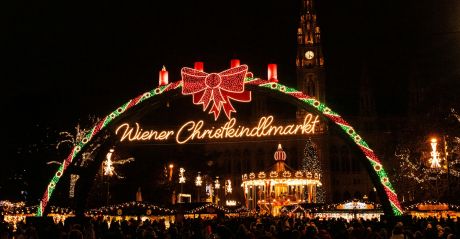
Austria's Vienna is an age-old hotspot for Christmas markets. A magical city of nostalgia, romance and old-time glamour, Advent glamour started here.
read more

The world within a Viennese coffee house is filled with so much more than just Sacher - glimpse Vienna & Austria's grand imperial past, always 'mit Schlag'.
read more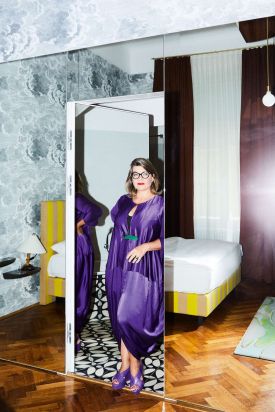
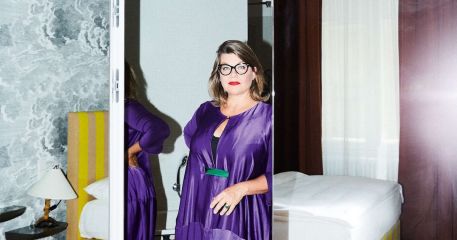
Director of internationally acclaimed Vienna Design Week, Lilli Hollein had never yet turned her eye to interior design until Vienna's Hotel Altstadt came knocking.
read more

There are the typical Vienna to-dos for any foodie enthusiast who visits Austria’s capital city; from classic cafés to innovative restaurants to ice-cream parlours.
read more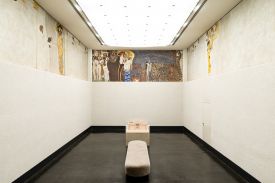
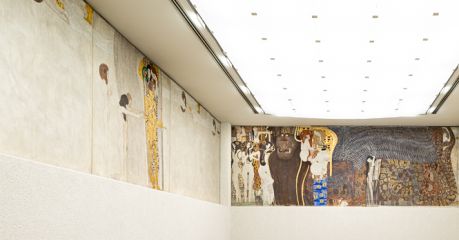
Browse our unique Vienna Art Guide below for all there is to know about Austria’s art and culture capital. Once the epicentre of the longstanding Habsburg empire, Vienna is awash with galleries, artists, museums and odes to moments of age-defining culture, as well as a new generation of creatives call this city home, once again.
read more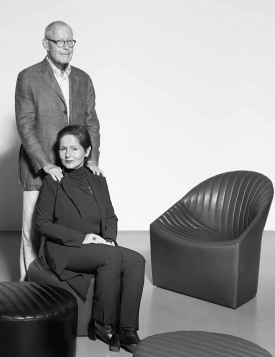
Cult furniture brand Wittmann has accumulated a distinctive mark over four generations, working with Austrian and international designers and architects, from Josef Hoffmann and Friedrich Kiesler to Matteo Thun and Edward B.Tuttle.
read more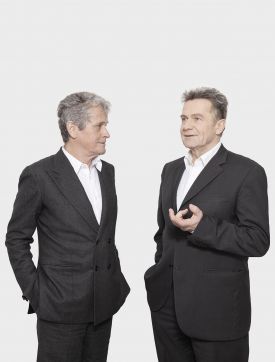
With more than 9000 artworks, Vienna's Museum Moderner Kunst Stiftung Ludwig Wien, MUMOK for short, sits au courant against the vast MuseumQuartier designed by Ortner&Ortner Architects.
read more

From the Vienna Secession movement of architecture, founded in 1897, and the broader Art Nouveau movement - Otto Wagner was a maverick thinker, looking at buildings in a different way.
read more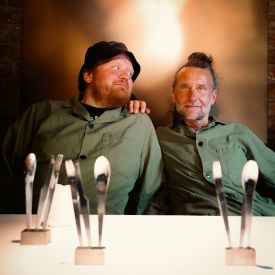

Two Michelin stars, vinyl spinning, and flavour turned loose — Mraz & Sohn is Vienna’s boldest table, where fine dining misbehaves beautifully and creativity dances between chaos and control.
read more
Get the insider news and lowdown on what we've been up to, where we've been, and who we've met along the way. Be the first to discover new places and get the scoop on our favourites.