JOIN the AFICIONADOS
Get the insider news and lowdown on what we've been up to, where we've been, and who we've met along the way. Be the first to discover new places and get the scoop on our favourites.

The shape of the Western Cape was settled a quarter of a billion years ago, when the crust buckled as Gondwana assembled and threw up the Cape Fold Mountains in long parallel ranges of hard sandstone. They still order everything between them: vineyards in the valleys, wheat on the open ground, roads following the passes cut by rivers. Table Mountain is the same sandstone standing on far older granite, and it is the fact around which Cape Town was obliged to arrange itself.
Out of that poor, sandy ground grew something remarkable. The fynbos of the Cape Floral Region is the smallest of the world's six floral kingdoms and by far the densest, with around nine thousand plant species, some seventy per cent of which grow nowhere else. Proteas, ericas and restios cover the mountains, and the whole system depends on fire to renew itself.
The rain falls here in winter, which sets the province apart from the rest of the country and explains the vine. The Khoekhoen grazed cattle across these valleys long before a supply station was established beneath the mountain in 1652, and the first wine was pressed seven years later. What followed was a building tradition suited to heat and to what was to hand. The Cape Dutch farmstead is arranged as a werf, a walled yard with the homestead at its head, often finished with the scrolled gable everyone recognises. Alongside it, and far more common, is the plain working farm building: long and low, one room deep so the air moves through, walls thick enough to keep the day's heat outside, lime-washed white and roofed in thatch or later in corrugated iron. Those plainer buildings are the ones now being restored with the most intelligence.
The regions feel genuinely distinct. Cape Town holds the peninsula and the mountain. Stellenbosch and Franschhoek carry the oldest planted valleys and the grandest gables. North lies the Swartland, farming wheat, olives and old bushvines on shale and granite, with Riebeek Kasteel beneath the Kasteelberg at its southern end. West, the Atlantic coast runs cold and bright, with crayfish, foraged strandveld and Paternoster. East over the passes are the Overberg wheat country, the whale coast at Hermanus and Cape Agulhas, where the continent ends.
Summer, from November to March, is hot and dry with the southeaster blowing. April and May are the connoisseur's months, warm and still with the vines turning. Winter brings green hills and lit fires, and August and September bring the flowering of the west.
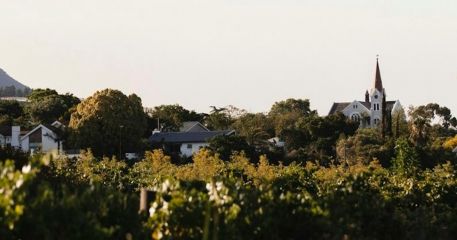
One of South Africa's oldest villages, low and white beneath the Kasteelberg: olives, old vines, galleries and good eating, an hour north of Cape Town.
read more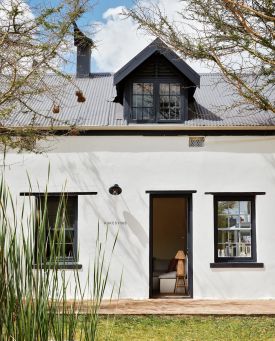
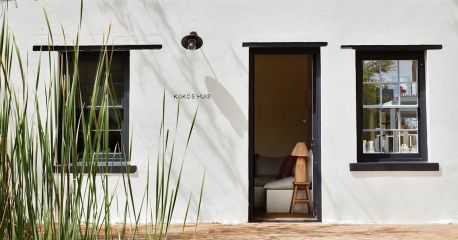
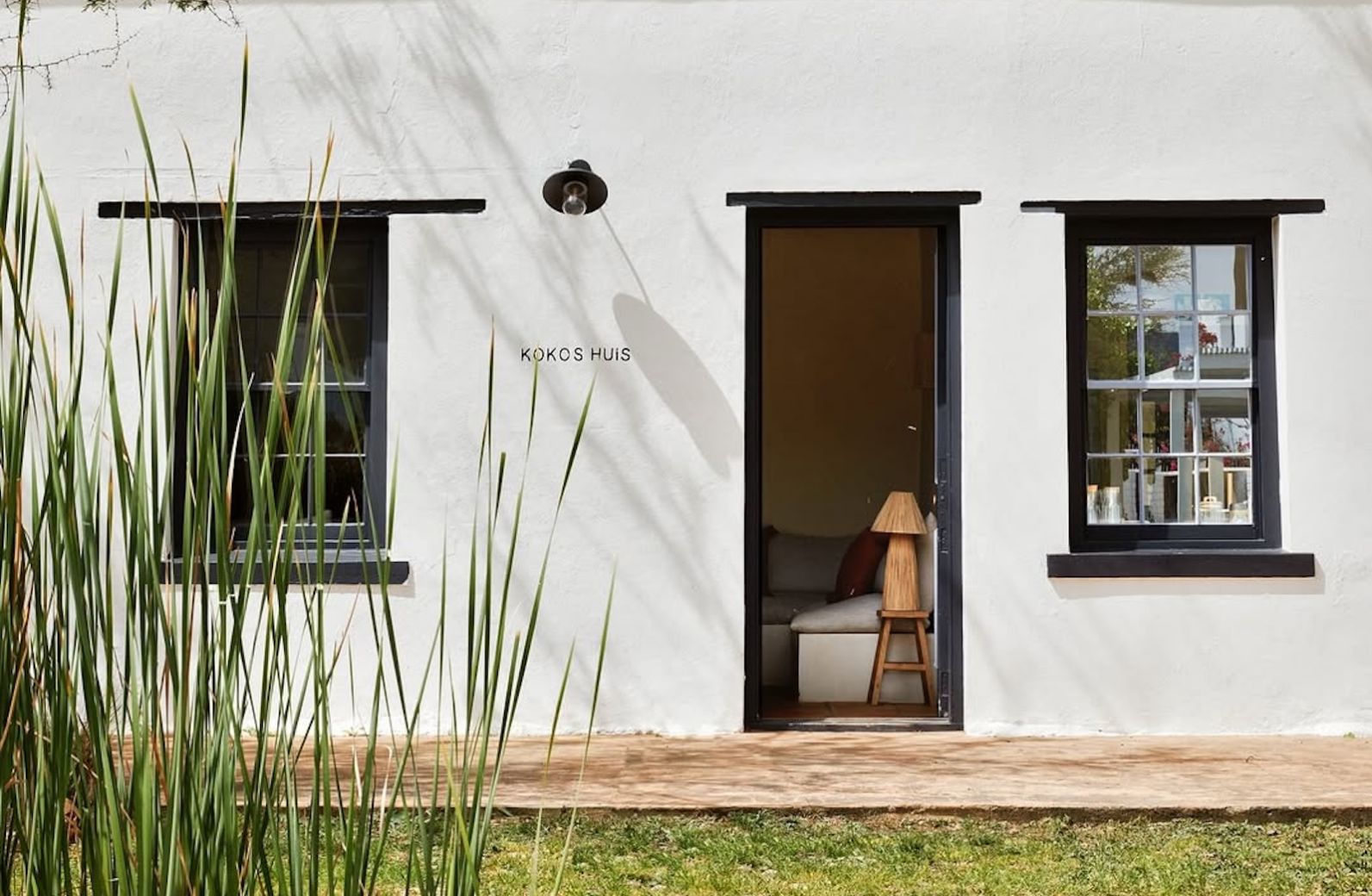
A gorgeously plain Cape farm building at the edge of Riebeek Kasteel, holding terracotta, raffia and pigment, nine keys, a palm-shaded pool and the Swartland's closed cellars.
read more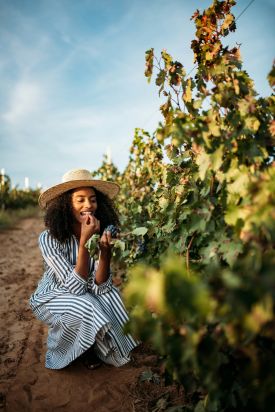
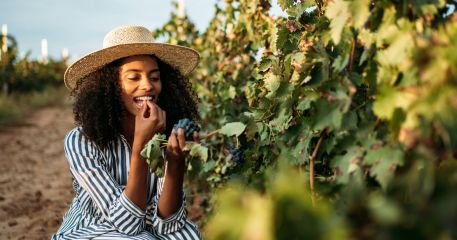
Wheat, olives and old bushvines on granite and shale, farmed by growers who share cellars, lend hands at harvest and put up almost no signage.
read more
Get the insider news and lowdown on what we've been up to, where we've been, and who we've met along the way. Be the first to discover new places and get the scoop on our favourites.