JOIN the AFICIONADOS
Get the insider news and lowdown on what we've been up to, where we've been, and who we've met along the way. Be the first to discover new places and get the scoop on our favourites.

Tropical Modernism, the '43 Group, a Rizzoli monograph and mud crab in a Dutch hospital. The capital gives nothing away to the hurried, and almost everything to those who stay.
Stop in Colombo on arrival, before the road turns south to the coast or up into the hills, andgive it long enough to find your bearings. To pass straight through would be like visiting England and never seeing London.
Colombo is the fascinating, underrated capital of South Asia, and its pleasures are not the postcard kind. The city is the better for it. This is a tropical metropolis where new towers rise over colonial stone, five centuries of trading port folded into a working modern city, and no single skyline does the work, no set-piece to tick off. That absence leaves the place free to be what it actually is: a layered, generous, slow-revealing port city that gives up its rewards room by room, and rarely to the hurried. Five hundred years of trade. A generation of Tropical Modernism. A confident contemporary art scene, a handful of design houses with serious lineage, and a food culture that runs from a street-side hopper cart to one of Asia's fifty best restaurants. None of it sits on the surface, and this is not an obvious walking city: all of it repays two days of your attention and a good local guide, someone who knows which lane turns into which and which unmarked door is worth the knock, and who will earn the difference several times over.
Geoffrey Bawa, the island's great architect and the long shadow across almost every good building on it, once described his method plainly. "The site gives the most powerful push to a design, along with the brief. Without seeing the site, I cannot work. It is essential to be there." He was talking about buildings. He might as well have been talking about Colombo.
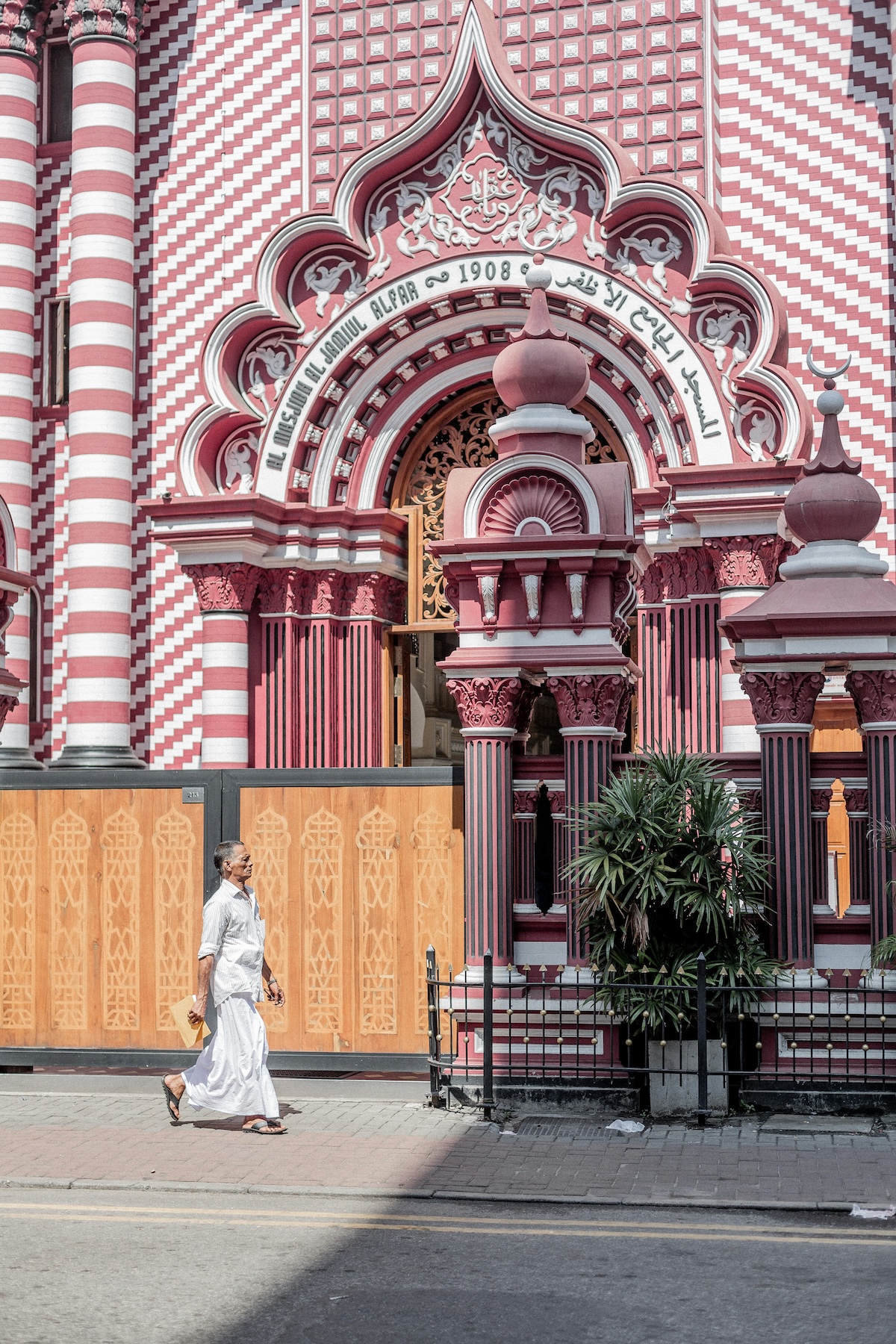
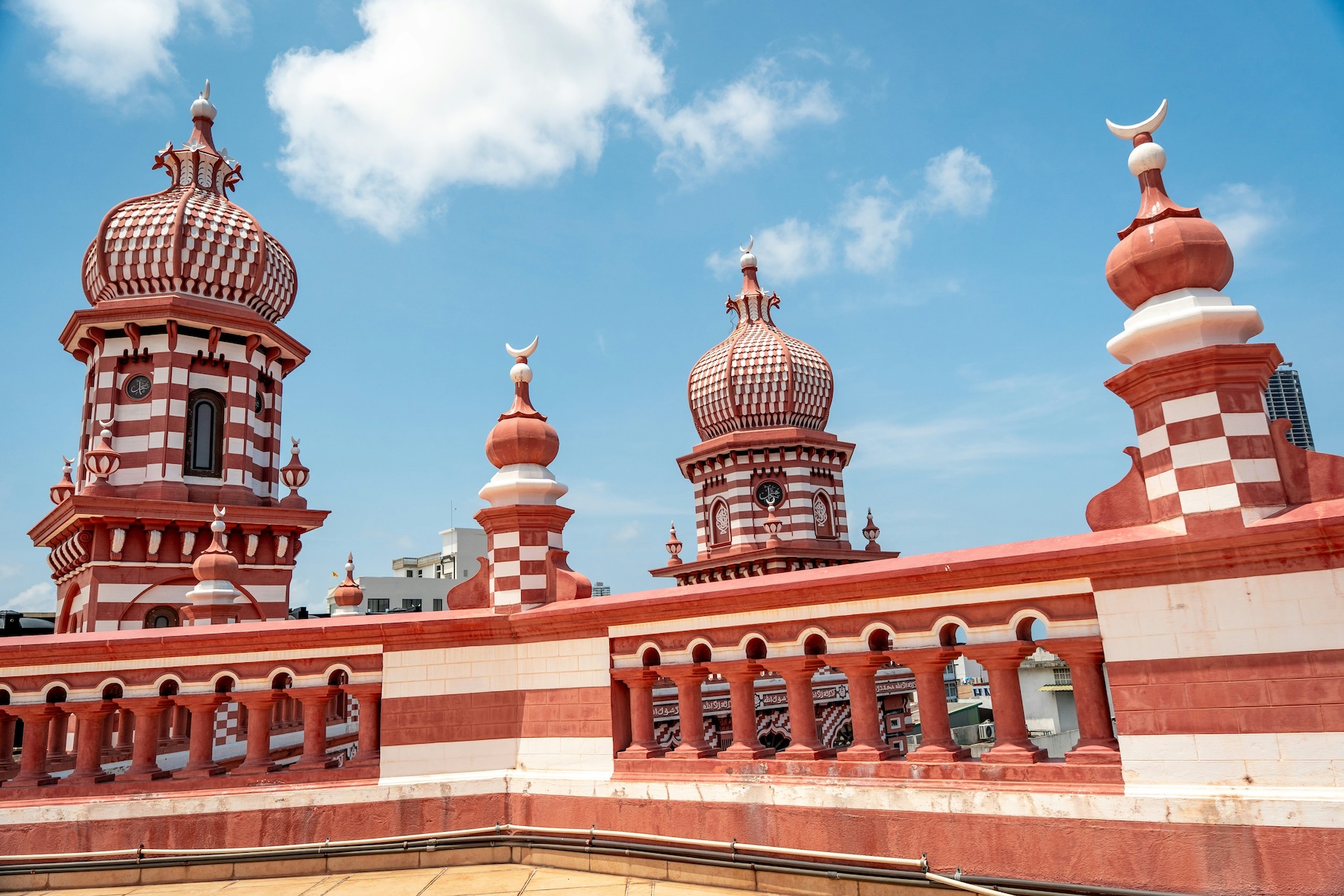
Begin where the city began, in the Fort. The Edwardian banking halls, shipping offices and clock towers around York Street are the bones of colonial Ceylon, and many have been beautifully restored this past decade: the Dutch Hospital precinct, the Old Parliament, the Cargills façade in its faded oxblood red. Walk east and the streets tighten into Pettah, the old bazaar, which still sorts itself by trade the way medieval cities once did. Gold on Sea Street, electricals on First Cross, fabric on Main Street, spice on Fifth Cross, the whole of it conducted in a fog of jasmine, jaggery and diesel. The Red Mosque, properly the Jami-Ul-Alfar, presides over the lot in its candy-striped, iced-bun glory, and is the city’s most photographed building for good reason.
Further south, Galle Face Green opens onto the Indian Ocean and becomes the city's living room at dusk: kite sellers, isso vade carts, courting couples, joggers, and the colonnaded promenade running on as it has since 1864. The Gangaramaya Temple, gloriously over-decorated and welcoming to visitors, sits a short walk inland on Beira Lake. The Independence Memorial Hall, modelled on the audience hall of the last Kandyan kings, anchors Cinnamon Gardens to the south.
Colombo 7, the leafy embassy quarter, is where the city's cultural life gathers, and where Bawa's legacy is most visible. As the father of Tropical Modernism, he spent fifty years rewriting how the subcontinent thought about climate, courtyard, and the relationship between a building and its garden. You cannot understand contemporary Asian architecture without him.
His Colombo residence, Number 11 on 33rd Lane off Bagatelle Road, is the essential pilgrimage. It is not one house but four interconnected bungalows, acquired over the decades and stitched into an airy, light-filled labyrinth of courtyards, white walls, dark timber and polished concrete. The Geoffrey Bawa Trust keeps it as the architect left it, down to his customised 1934 Rolls-Royce in the garage. Visits are by guided tour only, with daily slots at 10 am, 2 pm and 3.30 pm Monday to Friday, and 11 am and 4 pm at weekends. Numbers are limited, so book ahead. A second residence, Lunuganga, lies ninety minutes down the southwest coast and is a day trip in its own right; the two together are the closest thing Asian architecture has to a manifesto in built form.
The Trust's wider work is worth knowing. The archive, exhibitions and research programme run from the same compound, and often stage shows on Tropical Modernism, regional architecture and the broader post-independence design moment that Bawa anchored. While you are in the neighbourhood, walk a few streets to the Paradise Road Gallery Café, in Bawa's former working office. Shanth Fernando leased the building in 1998, spent nine months restoring it, and Bawa personally approved the conversion. It is now one of the city's most considered dining rooms, and an architectural visit in itself.
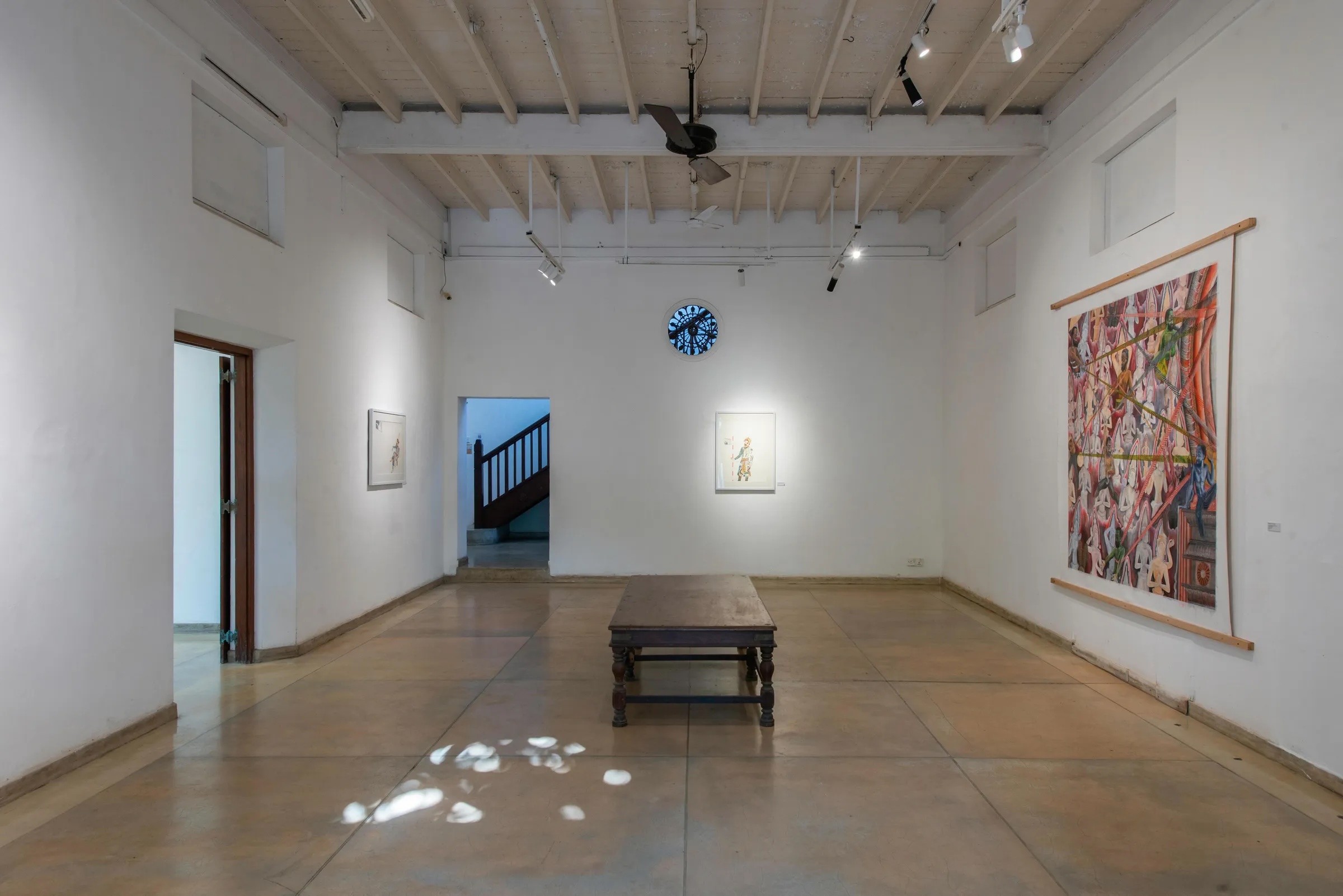
Colombo's contemporary scene punches well above its weight, and in Colombo 7 it clusters close enough to see in an afternoon, once someone has pointed you to the doors.
Start at the Sapumal Foundation, the former home of the painter Harry Pieris at 32/4 Barnes Place. The collection traces Sri Lankan art from the 1920s on, with its heart in the '43 Group, the country's most important post-independence circle: George Keyt, Lionel Wendt, Ivan Peries, Justin Daraniyagala, Geoffrey Beling, George Claessen, Richard Gabriel, Aubrey Collette and Pieris himself. The opening hours are gloriously obtuse: Thursday to Sunday, 10am to 1 pm; the air is still, and most visitors find themselves entirely alone with paintings that ought to be far better known. Entry is free; a donation is appreciated.
From there, walk across to the Paradise Road Saskia Fernando Gallery. In 2024, the two great names of Colombo gallery life merged: Paradise Road Galleries, founded by UdayshanthFernando in 1998 and long the country's voice for modernist masters like Lionel Wendt and George Claessen, joined with Saskia Fernando Gallery, his daughter's contemporary space, founded in 2009 and representing the leading new Sri Lankan artists abroad. PRSFG now works across two addresses, 41 Horton Place in Colombo 7 and 138 Galle Road in Colombo 3, with a rolling programme that is the best place to take the temperature of the country's contemporary practice.
Around the corner from the Galle Road space sits Barefoot, an institution in its own right. Barbara Sansoni founded the brand in 1964 to put Sri Lankan handloom weaving on the world map, and the compound has grown to hold a shop, a courtyard café, a bookshop and the Barefoot Gallery in a 1920s townhouse called Ivanhoe. The Sunday jazz session has run for over twenty years and is the gentlest possible introduction to a Colombo weekend. Sansoni's own legacy, designing colour into Bawa's monochrome buildings, runs quietly through every great Sri Lankan interior of the last half-century.
For a deeper read, the Colombo National Museum on Sir Marcus Fernando Mawatha is the country's holding institution for everything from Anuradhapuran bronzes to the throne of the last king of Kandy. It is undersold and unhurried, and a morning there frames the rest of the trip.
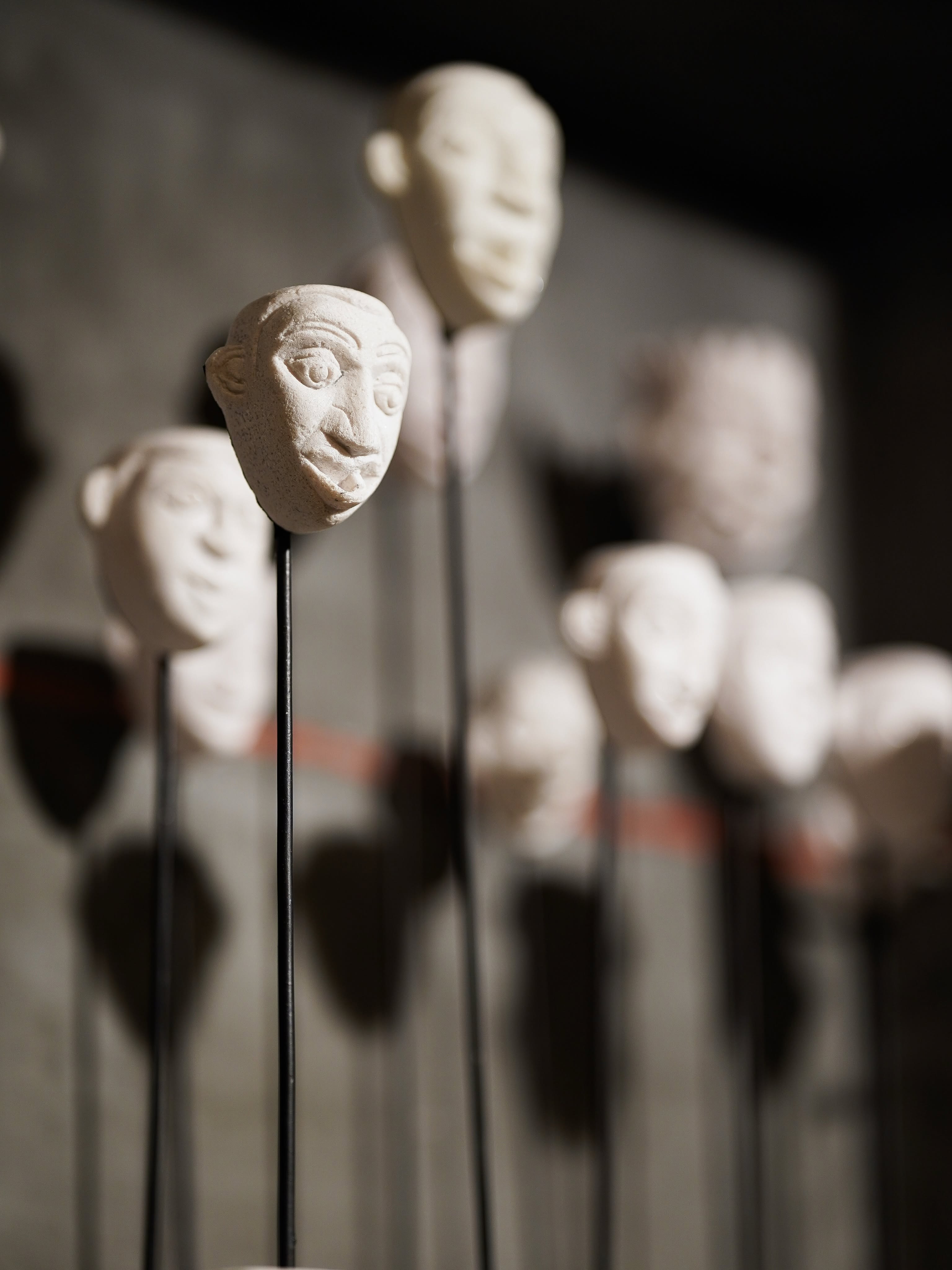
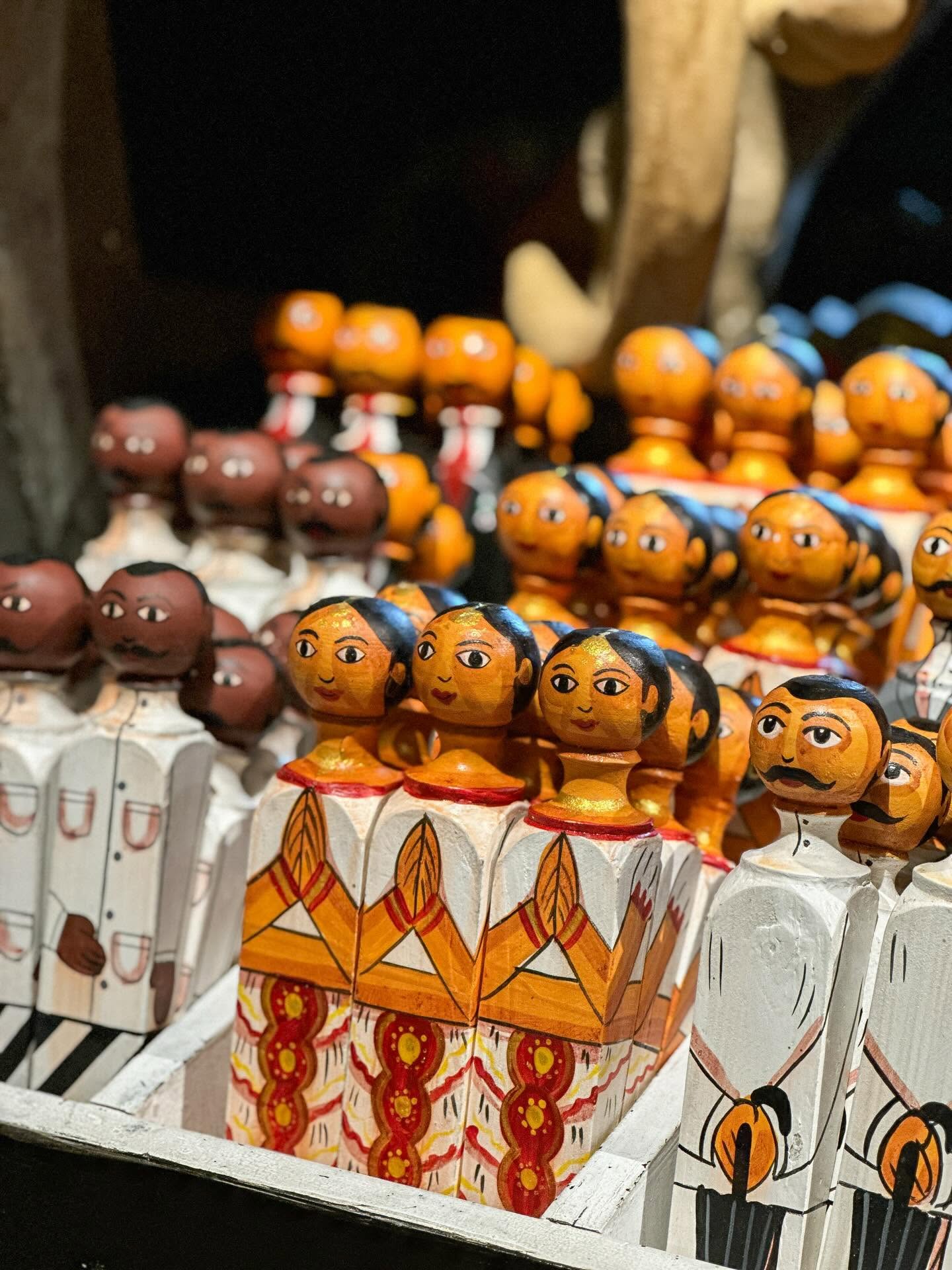
Colombo shopping divides cleanly into two registers, and both are worth the time.
Pettah is the noise, the spice and the bargain: covered markets, gem dealers, sari merchants, Ayurvedic apothecaries, vegetable carts piled with king coconuts. Mayura Hotel in Pettah is, incidentally, where locals will send you for the city's best crab curry, though the room is the size of a postage stamp.
Paradise Road is the calm. Shanth Fernando's lifestyle brand is the island's design house in the truest sense: ceramics, glassware, textiles, lacquer work, leather, candles, all of it considered, much of it monochrome, none of it tourist-shop. Nobody, by common account, leaves empty-handed. Several outposts dot the city; the flagship behind the Gallery Café is the one to start with.
Time it well and the just-published Rizzoli monograph, Udayshanth Fernando: Living Design, is worth carrying home. The first definitive monograph on Shanth Fernando, the pioneering Sri Lankan designer, collector, hotelier and restaurateur, it captures the transformative power of design in everyday life, and remains the best primer on how design has been understood, and made beautiful, in Sri Lanka these last fifty years. Read it on the plane home and the rest of the island keeps unfolding.
Barefoot supplies the colour to Paradise Road's restraint: sarongs, cushions, the cotton elephants and stuffed mice that every Colombo child has loved at some point, and a quietly excellent bookshop heavy on Sri Lankan titles. Between the two, the suitcase fills itself.
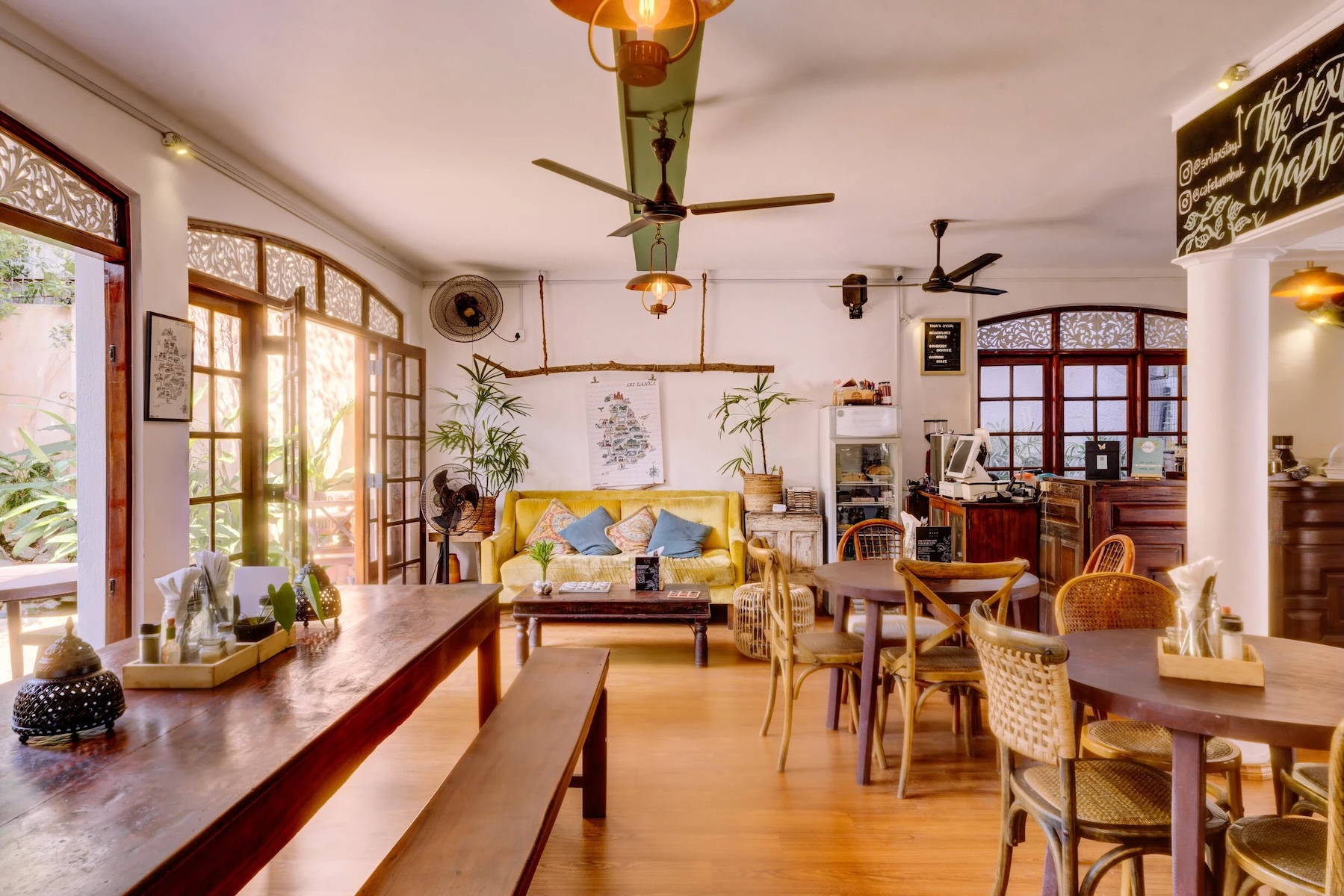
Colombo dining is overdue its proper reputation. The standout is the Paradise Road Gallery Café, in Bawa's former office, for the architecture as much as the kitchen, and for a long-standing dessert menu that is the stuff of local legend.
For seafood, the Ministry of Crab in the Dutch Hospital precinct, founded by chef Dharshan Munidasa with the cricketing greats Mahela Jayawardene and Kumar Sangakkara, is an Asia's 50 Best regular and a serious meal; book well ahead. For traditional Sri Lankan food in a folk-village setting, Nuga Gama, set around a 200-year-old banyan tree, is rightly loved. Upali's by Nawaloka does rice and curry properly; Café Kumbuk is the smart, plant-led room where Colombo's design crowd takes lunch. Finish on the colonnade at Galle Face Green with a sundowner, as the kite-sellers work the lawn and the lights come on along the seafront.
Give Colombo two to three days, not one. By the time the road turns south to the coast or up into the hill country, the capital will have shifted from a place to get through into a place worth returning to, which is the only honest measure of a city worth knowing.
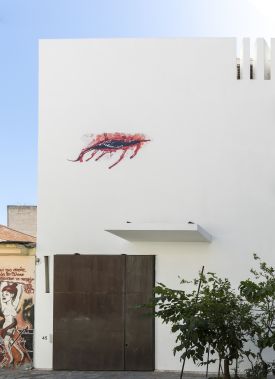
Radical, sometimes political and always on the pulse of Athens’ ever-evolving art scene, The Breeder Gallery is housed in an old ice cream factory, redesigned by architect Aris Zambicos.
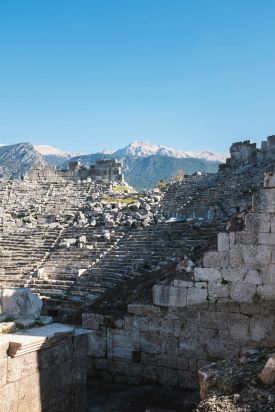
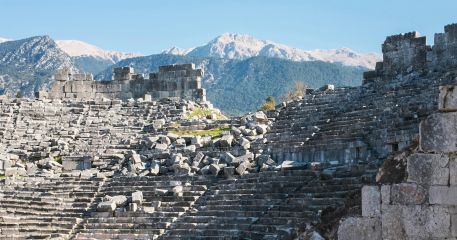
From the cliff-carved tombs of Tlos to the ghost village of Kayaköy, trace the soul of ancient Lycia along the Turkish Riviera’s sunlit coastline and mountain-framed archaeological wonders.
read more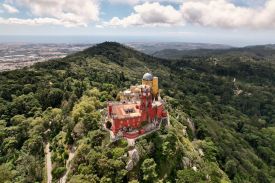
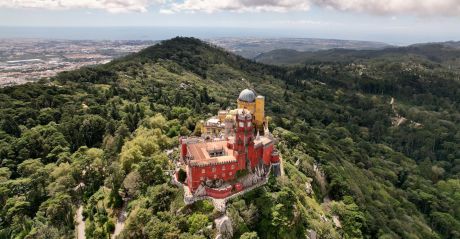
Travel to Portugal's fairytale den of Sintra, just outside Lisbon, for a world full of rolling hills and castles, once referred to by Byron as "glorious Eden".
read more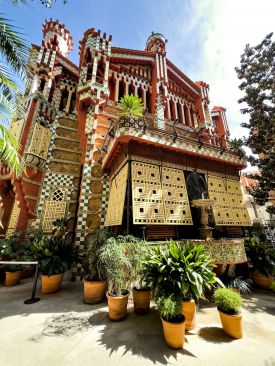
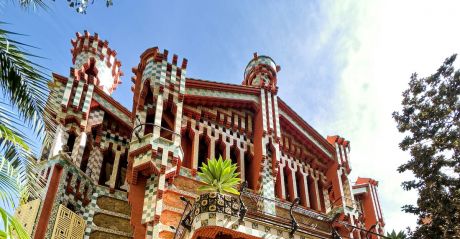
Gorgeously flamboyant, Casa Vicens is a riot of colour and fantastical architectural detailing - bearing the hallmarks of Barcelona hero, Antoni Gaudi.
read more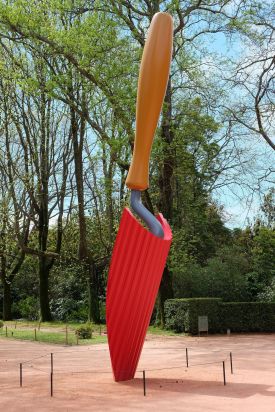
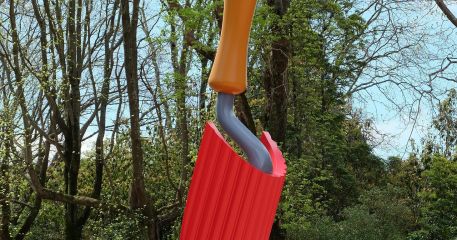
Porto for culture seekers - we explore the Serralves Foundation comprising of a dusty pink 1930-40s’s Art Deco villa designed by Porto architect José Marques da Silva, a landscape-specific contemporary museum designed by Álvaro Siza.
read more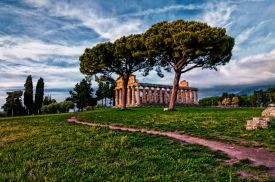
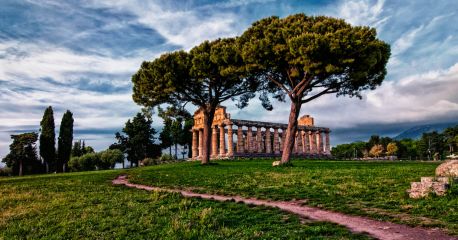
Paestum Temples in Southern Italy is one of those ancient antiquities that you have to visit – this UNESCO World Heritage Site in Cilento Campania is a treasure trove of ancient Greece including three of the world’s best-preserved temples.
read more
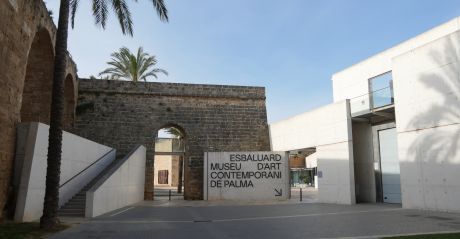
Es Baluard holds more than nine hundred works inside Palma's Renaissance walls, from Anglada-Camarasa to Miró and Barceló, with the bay laid out below.
read more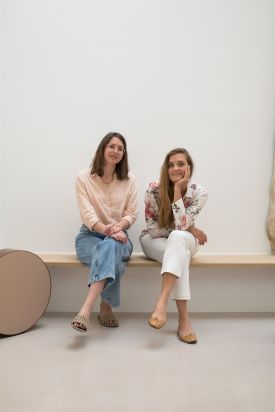
Just off Rue des Martyrs in Paris, in the 9th arrondissement, Zeuxis Contemporary Art Gallery created by Amélie du Chalard is the Maison d'Art Amelie - a showcase for paintings, engravings, sculptures, photographs, videos and works of art set within a magnificent apartment.
read more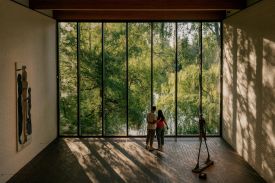
Where modern art meets coastline and clarity, Louisiana Museum of Modern Art turns a museum visit into a coastal walk, framing global creativity through architecture, light and landscape.
read more
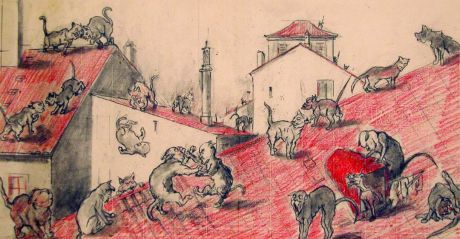
With an extraordinarily creative mind, Rafael Bordalo Pinheiro (1846 – 1923), was known for taking his own approach which can be seen in this revealing museum which showcases his graphic arts, caricatures, ceramics, object design and decoration.
read more
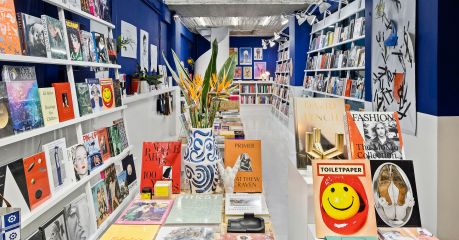
A bold bookseller and publisher for the next big thinkers created by Stathis Mitropoulos, an award-winning graphic designer and art director, and Andreas Kokkinos, a former fashion and design editor at ‘T’ The New York Times Style Magazine.
read more
A think tank for the bold, the curious, the creators of tomorrow. Where minds collide, conversations spark, and urban life gets redefined. If you shape the future, you belong here.
read more
Get the insider news and lowdown on what we've been up to, where we've been, and who we've met along the way. Be the first to discover new places and get the scoop on our favourites.