JOIN the AFICIONADOS
Get the insider news and lowdown on what we've been up to, where we've been, and who we've met along the way. Be the first to discover new places and get the scoop on our favourites.

Antwerp nearly lost its museum of contemporary art last year. It kept it, and this autumn the city of Rubens and the Antwerp Six has one of its strongest seasons in years.
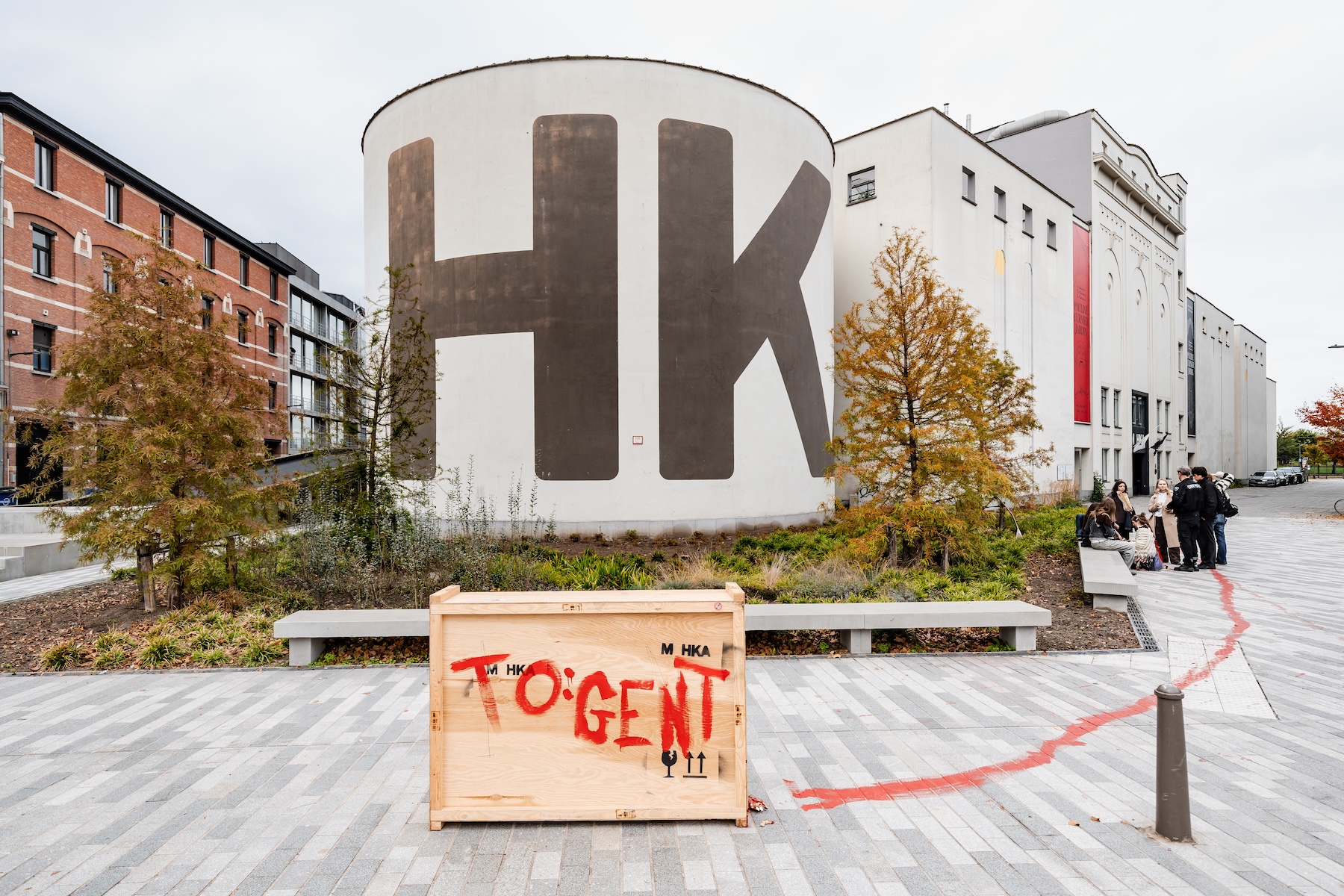
In October last year the Flemish government announced that M HKA, Antwerp's museum of contemporary art since 1985, would lose its museum status and send its collection an hour down the road to Ghent. Artists wrote open letters, curators from across Europe weighed in, and by February the plan had been dropped. The museum in the old grain warehouse on Leuvenstraat kept its collection, its name and its place in the Zuid, and it now works under the banner "M HKA 2.0", with a new shared leadership announced this month. We mention it first because it says something about the city. Antwerp takes its art personally.
It always has. This is the city where Rubens built his house and studio, and where his altarpieces still hang in the Cathedral of Our Lady. It is the city of Christophe Plantin's presses, of the Royal Academy of Fine Arts, founded in 1663, whose fashion department sent six young designers to London in 1986 and changed how the world dressed. It is home to Zeno X, the gallery behind Luc Tuymans, Marlene Dumas and Michaël Borremans, and to a network of galleries and art spaces that has worked together as Antwerp Art since 2014. For a port city of barely half a million, the density is remarkable.
The Royal Museum of Fine Arts reopened in 2022 after eleven years of work, with KAAN Architecten slipping a bright white museum inside the nineteenth-century one. It holds Van Eyck, Rubens and the largest Ensor collection anywhere, and after a summer given over to Antony Gormley, whose Geestgrond spread through the galleries and out into the streets, the autumn belongs to sculpture again.
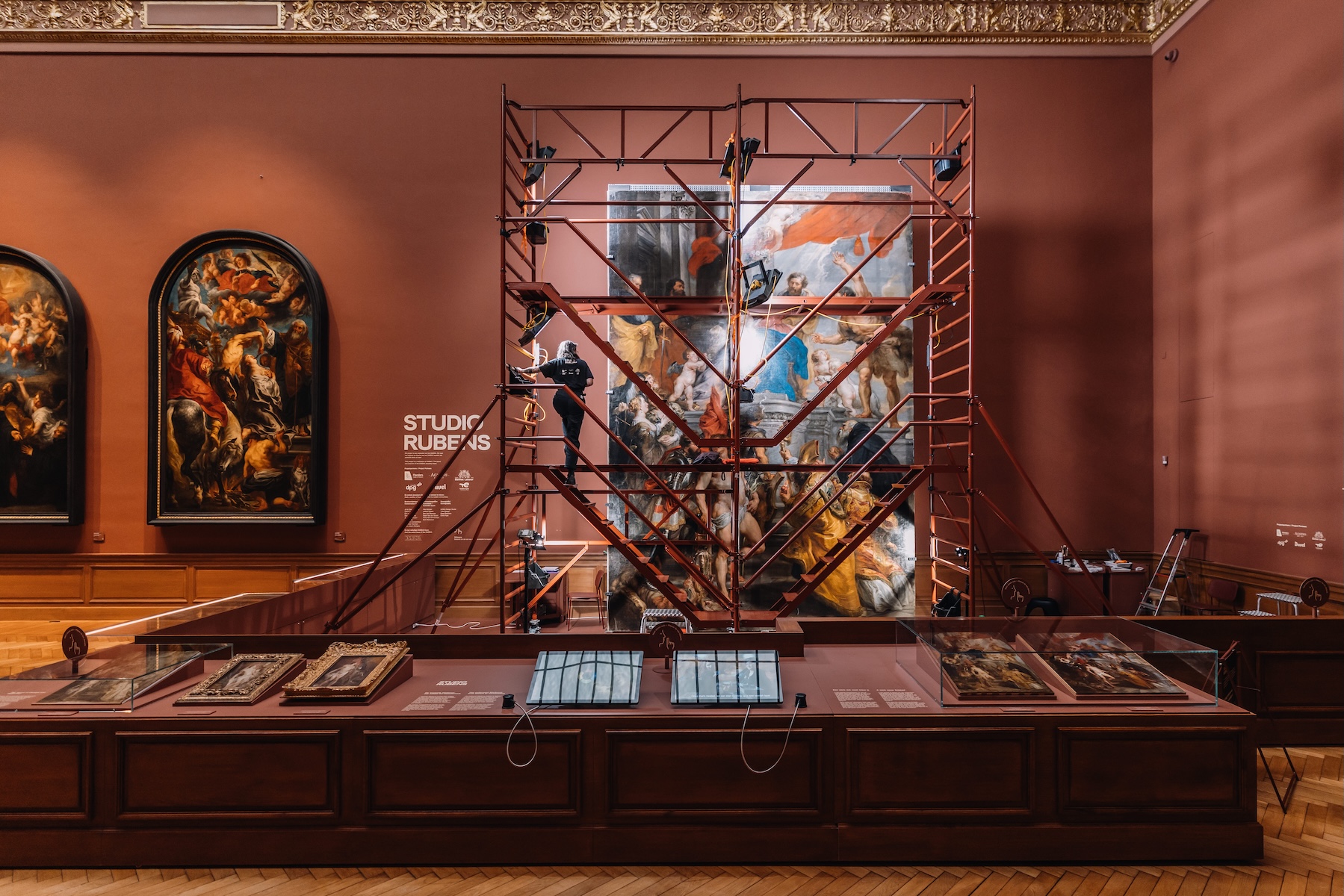
From 3 October to 17 January, Art and the World is the first major retrospective of Philip Aguirre y Otegui, born in nearby Schoten in 1961. His subjects are migration, water and shelter, rooted in his own family's history of displacement, and his figures stand in public spaces across Belgium, including the memorial at Kazerne Dossin in Mechelen. On 31 October Ossip Zadkine arrives, the Belarus-born sculptor of Montparnasse, in a show running to 18 April. Upstairs, the conservators of Studio Rubens continue to work in public view through 2027.
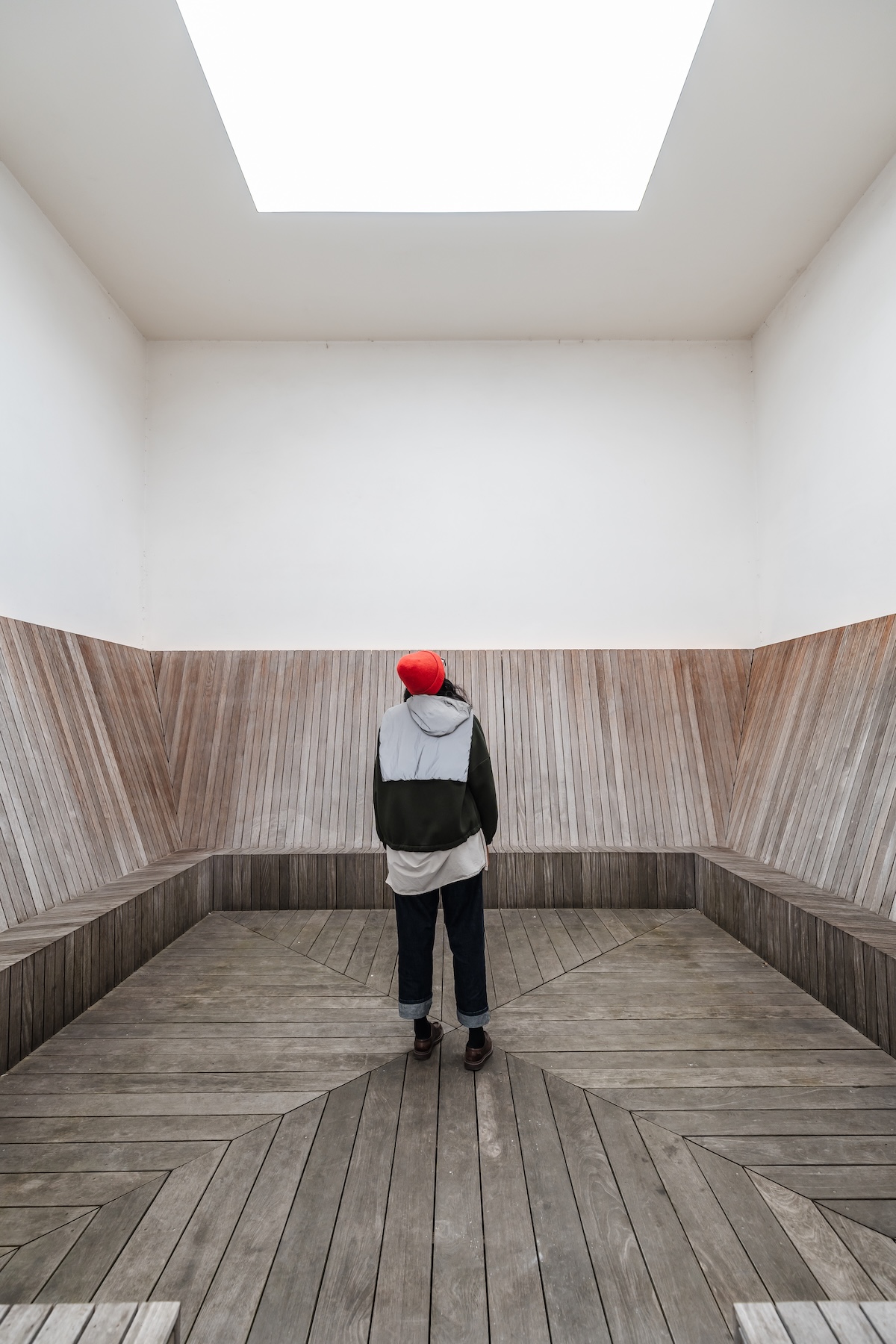
The Zuid is where the city's contemporary art gathers, a short walk from KMSKA along wide nineteenth-century boulevards and down to the quays. At M HKA, Lee Bul's survey From 1998 to Now opens on 12 November across two floors (to 14 February), arriving from the Leeum in Seoul by way of Hong Kong. The Korean artist's cyborgs, mirrored labyrinths and fragments of failed utopias suit a museum that has just spent a year arguing about its own future. The archive show Old Guard? Avant-garde! runs to 15 November.
Across the way on Waalsekaai, FOMU has two strong photography shows until 17 January: Graciela Iturbide, whose black and white images of Mexico have shaped a generation, and the Congolese-Belgian Léonard Pongo. Further south, on the banks of the Scheldt in Nieuw Zuid, Tim Van Laere Gallery occupies five concrete volumes designed by Office KGDVS in 2019, with a sculpture garden and a roof terrace. The Danish painter Tal R shows there from 15 October to 21 November, followed by Pélagie Gbaguidi from 26 November. We wrote about the building here, and it is worth the walk for the architecture alone.
In 1986 six graduates of the Royal Academy (Dirk Bikkembergs, Ann Demeulemeester, Walter Van Beirendonck, Dries Van Noten, Dirk Van Saene and Marina Yee) rented a van, drove to the British Designer Show in London and came home as the Antwerp Six. MoMu marks the fortieth anniversary with The Antwerp Six (to 17 January), guest curated by Geert Bruloot, who sold their work from his shop before most of the world knew their names. It traces six very different careers from the same studios, and the clothes still look startlingly current. The academy's current students are on view in LOOKS, LOOKS, LOOKS until 8 November, and from 5 December MoMu turns to the history of chintz. Azzedine Alaïa follows next spring. Our earlier visit is here.
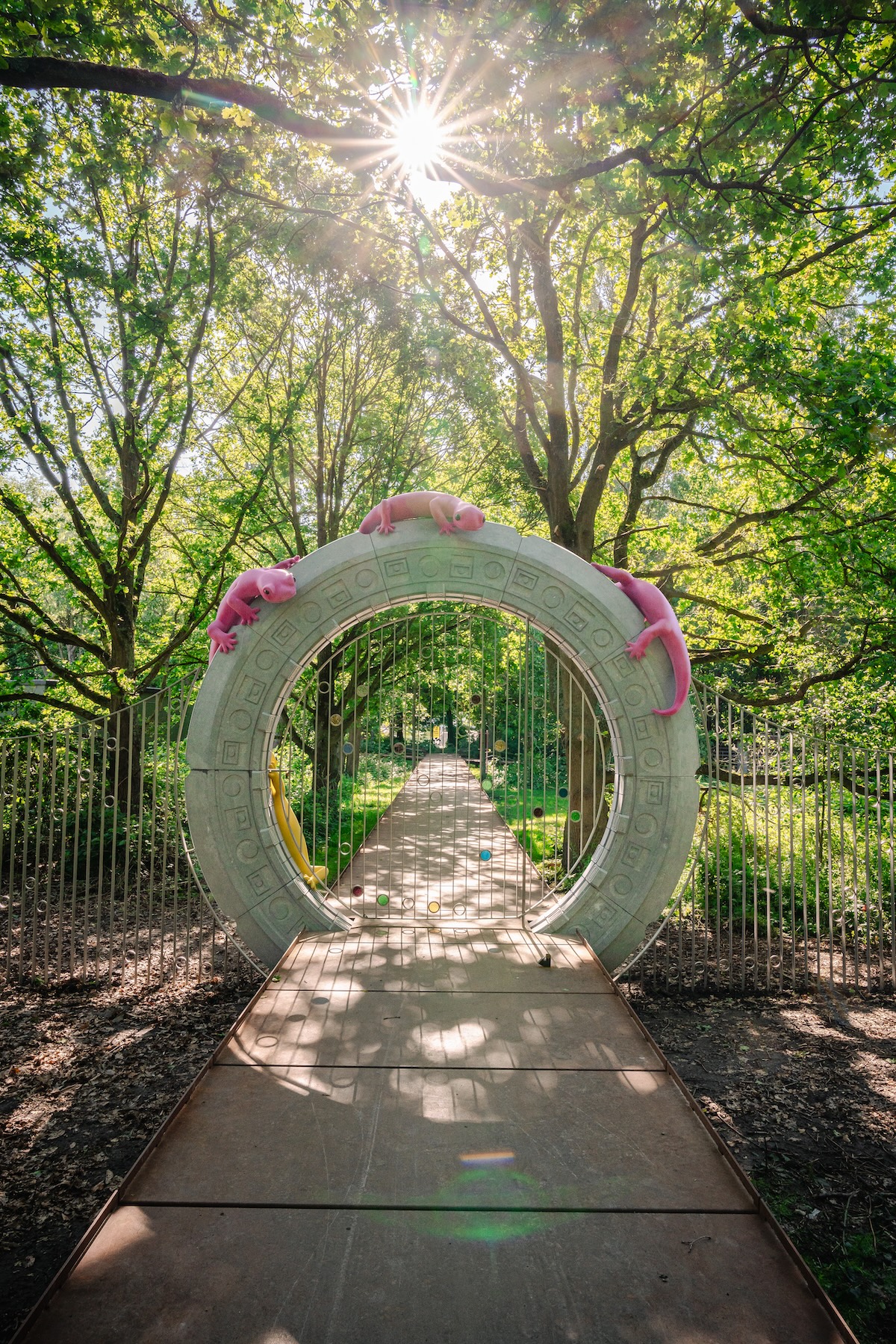
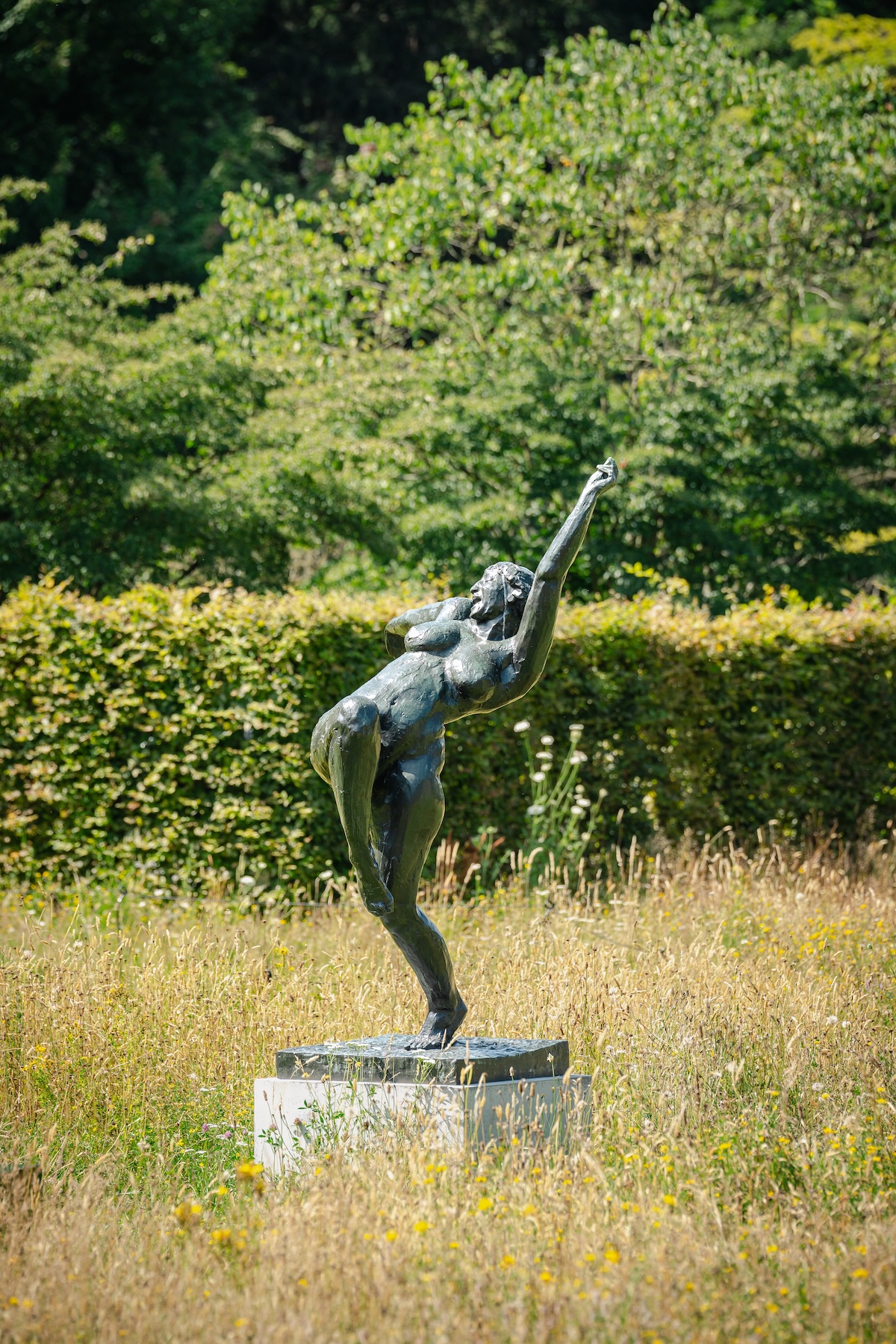
Take a tram south to the Middelheim Museum, thirty hectares of parkland and some 400 works that have grown from a sculpture biennale first held in 1951. Entry is free. Rodin's Balzac stands among the trees, Ai Weiwei's Bridge Without a Name crosses a pond, and Chris Burden's Beam Drop preserves the moment steel beams were dropped from a crane into wet concrete. Monster Chetwynd's first Belgian solo, A Friends Making Machine, is out in the grounds until 11 October, so go soon, or go in any season and have the park largely to yourself.
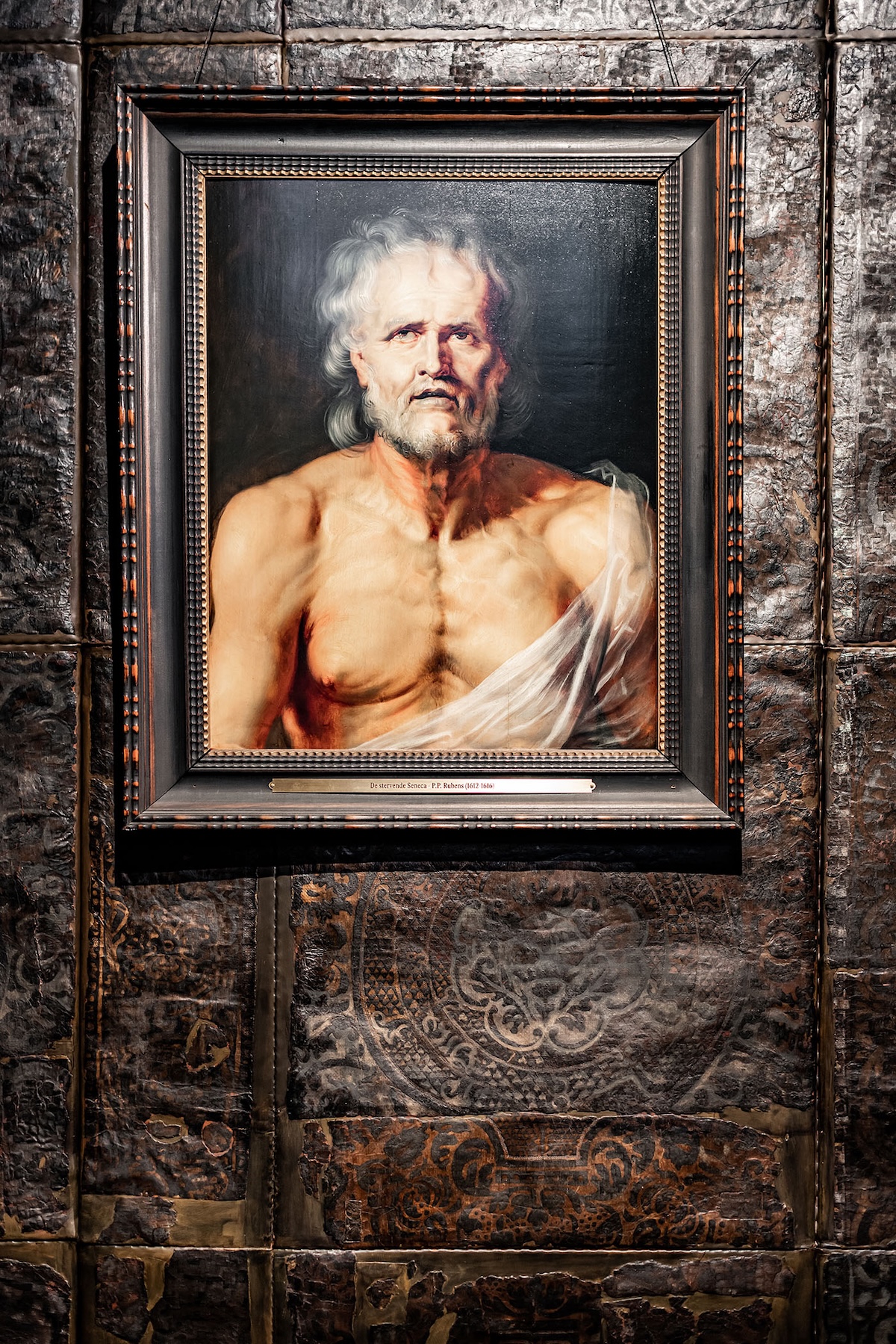
Two of the city's historic houses are worth building a morning around. At Snijders&Rockox House, Van Hemessen & Father (15 October to 31 January) is the first full exhibition of the sixteenth-century studio of Jan van Hemessen and his daughter Catharina, one of the earliest known women painters in Europe. From 5 December the Museum Plantin-Moretus, the UNESCO-listed printing house on the Vrijdagmarkt, begins a year of celebrations: 450 years since Plantin moved his presses here, and 150 years as a museum.
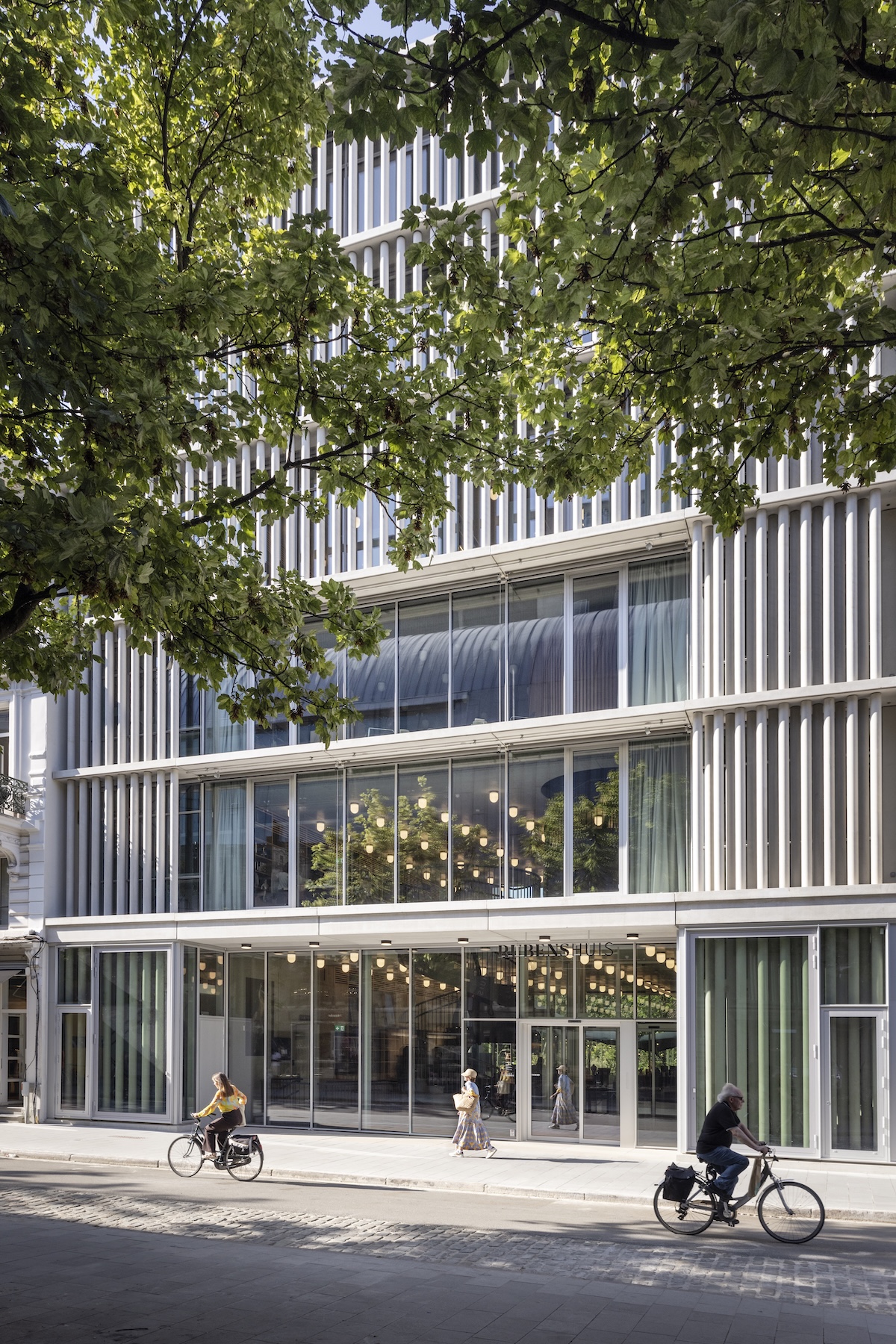
At the Rubenshuis, the new visitor building and restored garden have been open since 2024, while the house itself is closed for restoration until 2030. For now, see Rubens at the cathedral and at KMSKA.
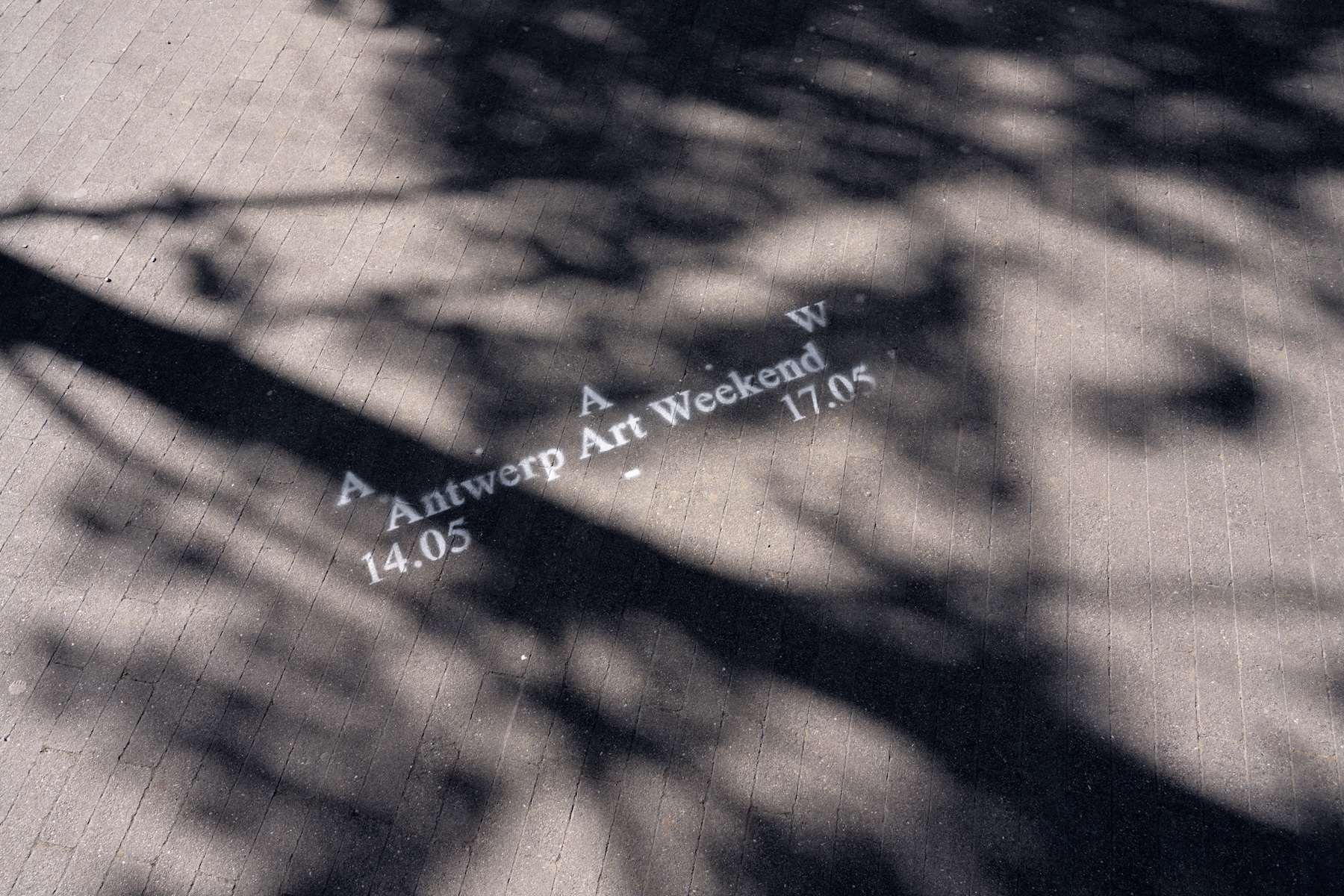
The gallery calendar gathers around two dates. Art Antwerp fills Antwerp Expo from 10 to 13 December, and Antwerp Art Weekend returns from 6 to 9 May 2027, four days when galleries, art spaces and museums open late and together. Between those dates, Keteleer's group show Four to the Floor (17 October to 21 November), Base-Alpha and Zeno X reward a slow afternoon, and our friends at Valerie Traan keep the line between design and art usefully blurred.
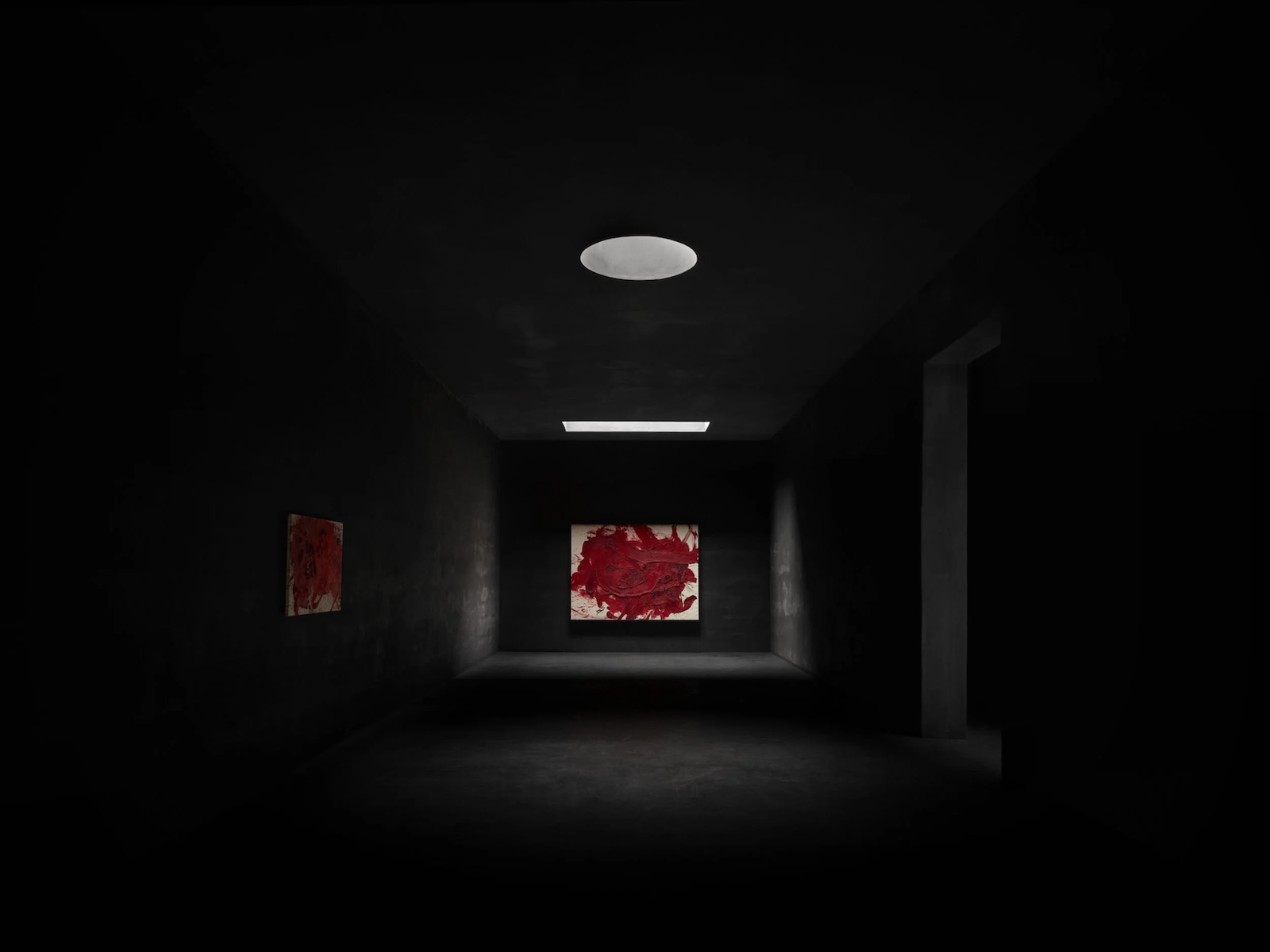
Twenty-five minutes' drive east, in Wijnegem, Axel Vervoordt's Kanaal sets Kapoor, Turrell and Kazuo Shiraga inside the brick warehouses and silos of an 1857 malt distillery. Brussels is under an hour by train, and on 28 November Kanal-Centre Pompidou finally opens in the vast 1934 Citroën garage on the canal, converted by noAarchitecten, EM2N and Sergison Bates. Ghent's S.M.A.K., the museum that was to have received M HKA's collection, is an hour west.
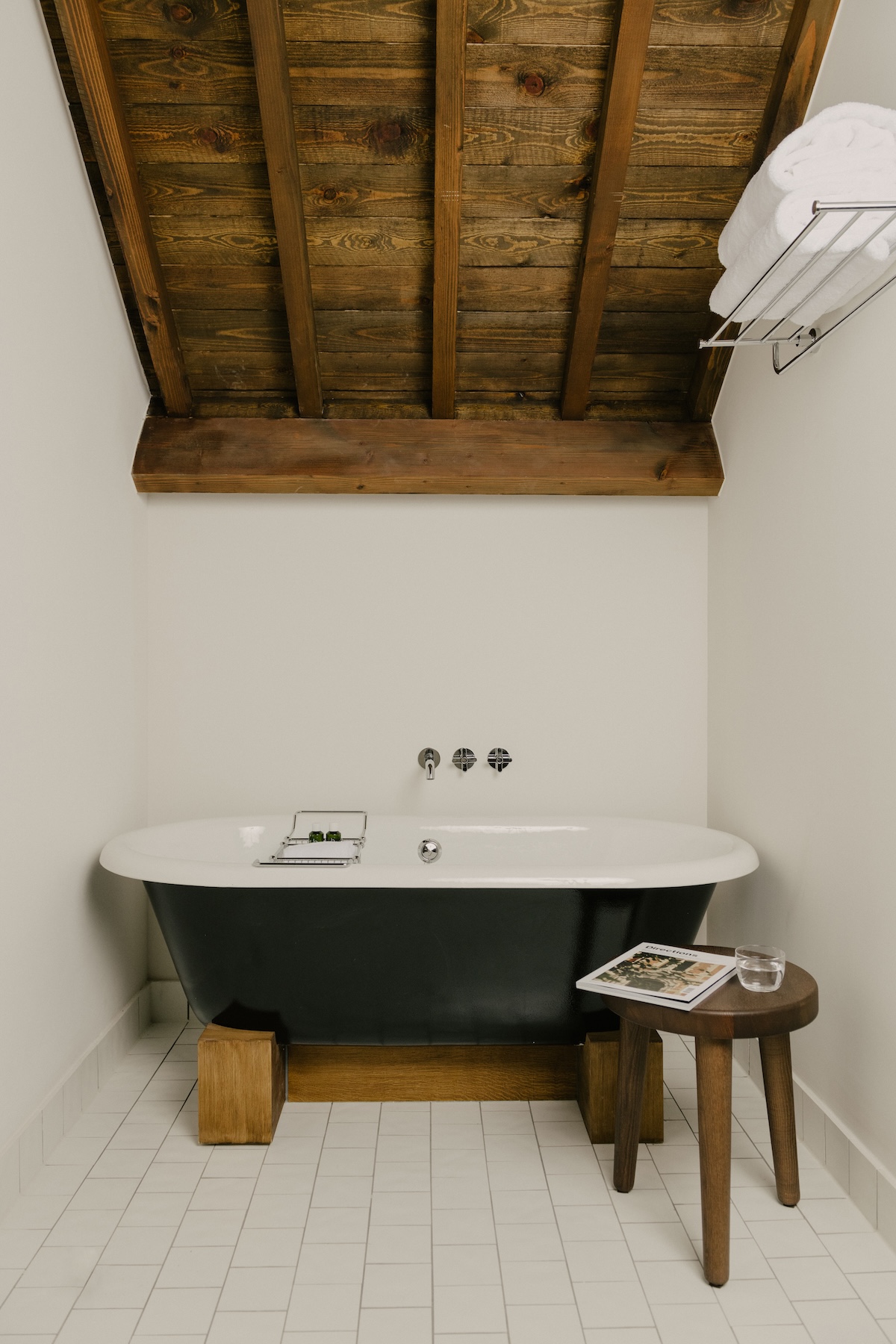
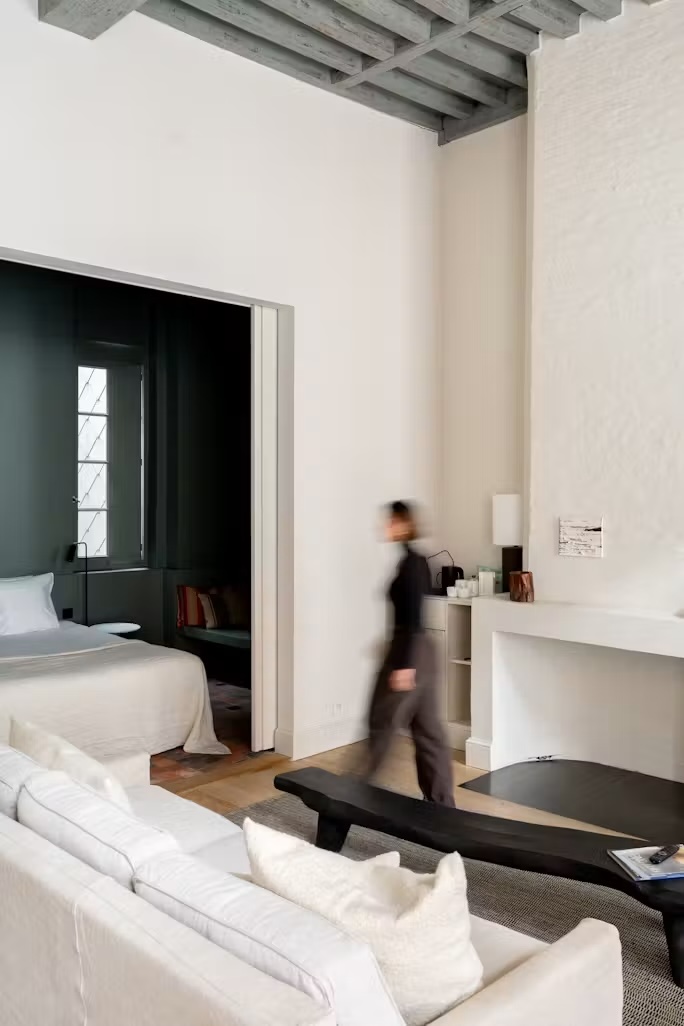
Mouche Van Hool and Laurent De Scheemaecker have given the city two of its most considered places to sleep. August, in the Groen Kwartier, is a former Augustinian convent reworked by Vincent Van Duysen, with dinner served in the old chapel and three walled gardens to read in. Hotel Julien, near the cathedral, spans a pair of sixteenth-century townhouses with interiors by Peter Ivens and Bea Mombaers, art from local Gallery 51 and a roof terrace that looks straight at the spire. Choose August for the calm, Julien for the old town on the doorstep. Both are little places with a sharp eye, which is why they belong with us.
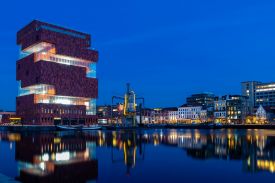
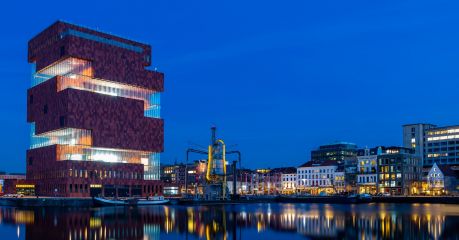
Antwerp is one of Europe's cultural hotbeds with historical landmarks and art institutions. And while Antwerp has plenty of those – we turn our focus on the smaller-scale contemporary culture must-sees the Flemish city has to offer.
read more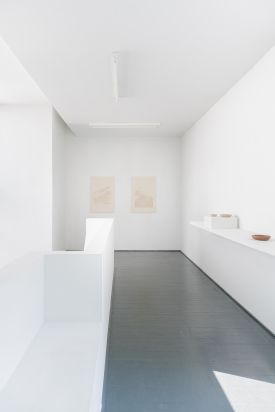
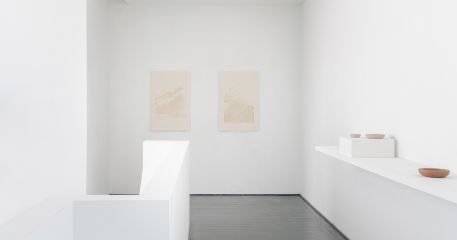
Hidden in a small street in Antwerp’s historical centre, where a convent used to be, gallerist Veerle Wenes founded a design gallery that’s known for exploring the fusion between art, design and architecture.
read more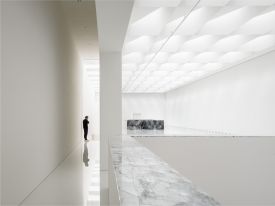
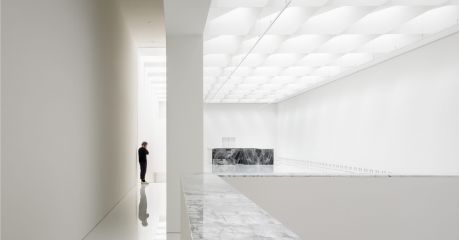
Antwerp’s Royal Museum of Fine Art reopens – recreated by KAAN architects, the KMSKA holds over 8,400 art pieces dating back to the 14th century onwards.
read more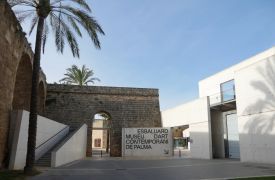
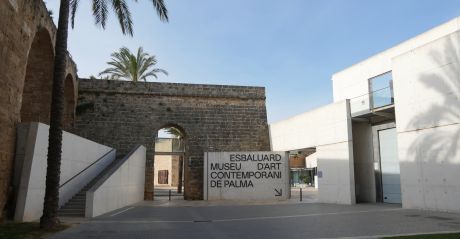
Es Baluard holds more than nine hundred works inside Palma's Renaissance walls, from Anglada-Camarasa to Miró and Barceló, with the bay laid out below.
read more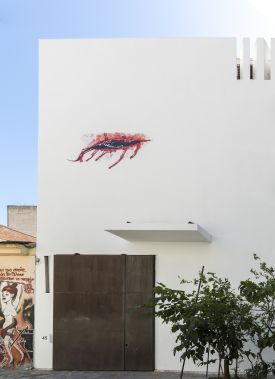
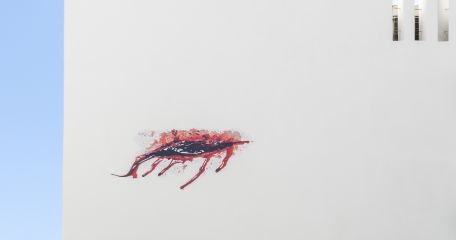
Radical, sometimes political and always on the pulse of Athens’ ever-evolving art scene, The Breeder Gallery is housed in an old ice cream factory, redesigned by architect Aris Zambicos.
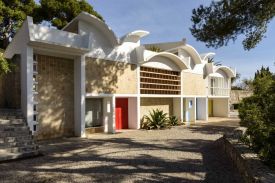
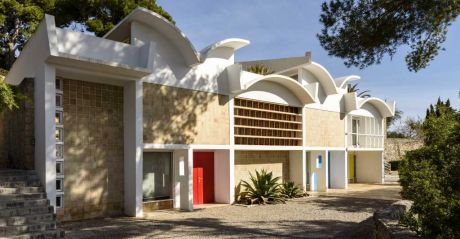
A modernist taller built by post from exile, a farmhouse covered in charcoal figures, and the Palma hillside where Joan Miró made a third of his work.
read more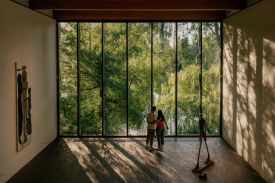
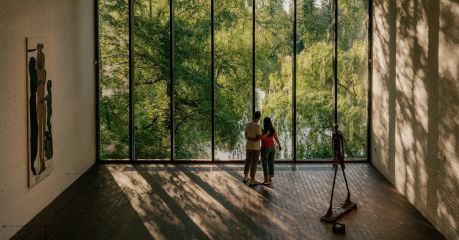
Where modern art meets coastline and clarity, Louisiana Museum of Modern Art turns a museum visit into a coastal walk, framing global creativity through architecture, light and landscape.
read more
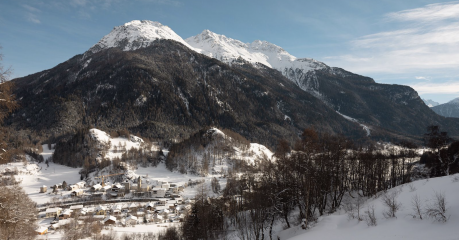
Contemporary art continues to find its way into the Alpine villages of Engadin – surely, a reflection of the cosmopolitan and cultured crowd that seizes upon these rural locales each holiday season.
read more
Museion in Bolzano, Italy, strikes a standout cubic pose created in reflective aluminium over five floors. Home to the modern and contemporary art museum designed by architects Krüger Schuberth Vandreike.
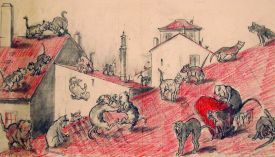
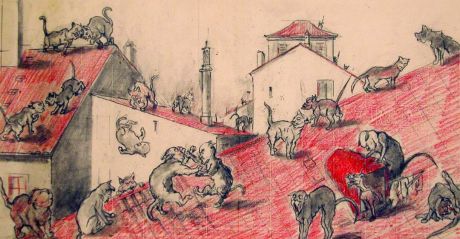
With an extraordinarily creative mind, Rafael Bordalo Pinheiro (1846 – 1923), was known for taking his own approach which can be seen in this revealing museum which showcases his graphic arts, caricatures, ceramics, object design and decoration.
read more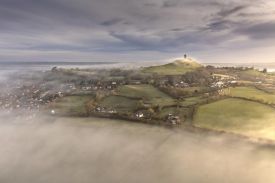
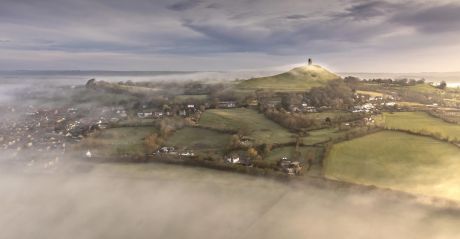
Bruton? It’s the Somerset village that swapped wool for world-class culture. Think Hauser & Wirth, Michelin stars, floral architecture and design studios shaping England’s most creative countryside escape.
read more
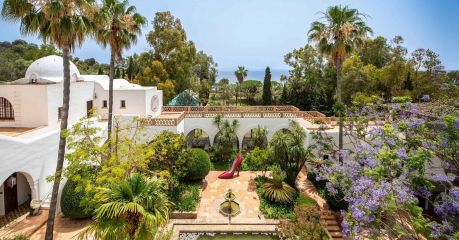
Eleven collections and the buildings they moved into, from a bastion on Palma's walls to an orange merchant's mansion in Sóller and a cistern above Alcúdia.
read more
Get the insider news and lowdown on what we've been up to, where we've been, and who we've met along the way. Be the first to discover new places and get the scoop on our favourites.