JOIN the AFICIONADOS
Get the insider news and lowdown on what we've been up to, where we've been, and who we've met along the way. Be the first to discover new places and get the scoop on our favourites.

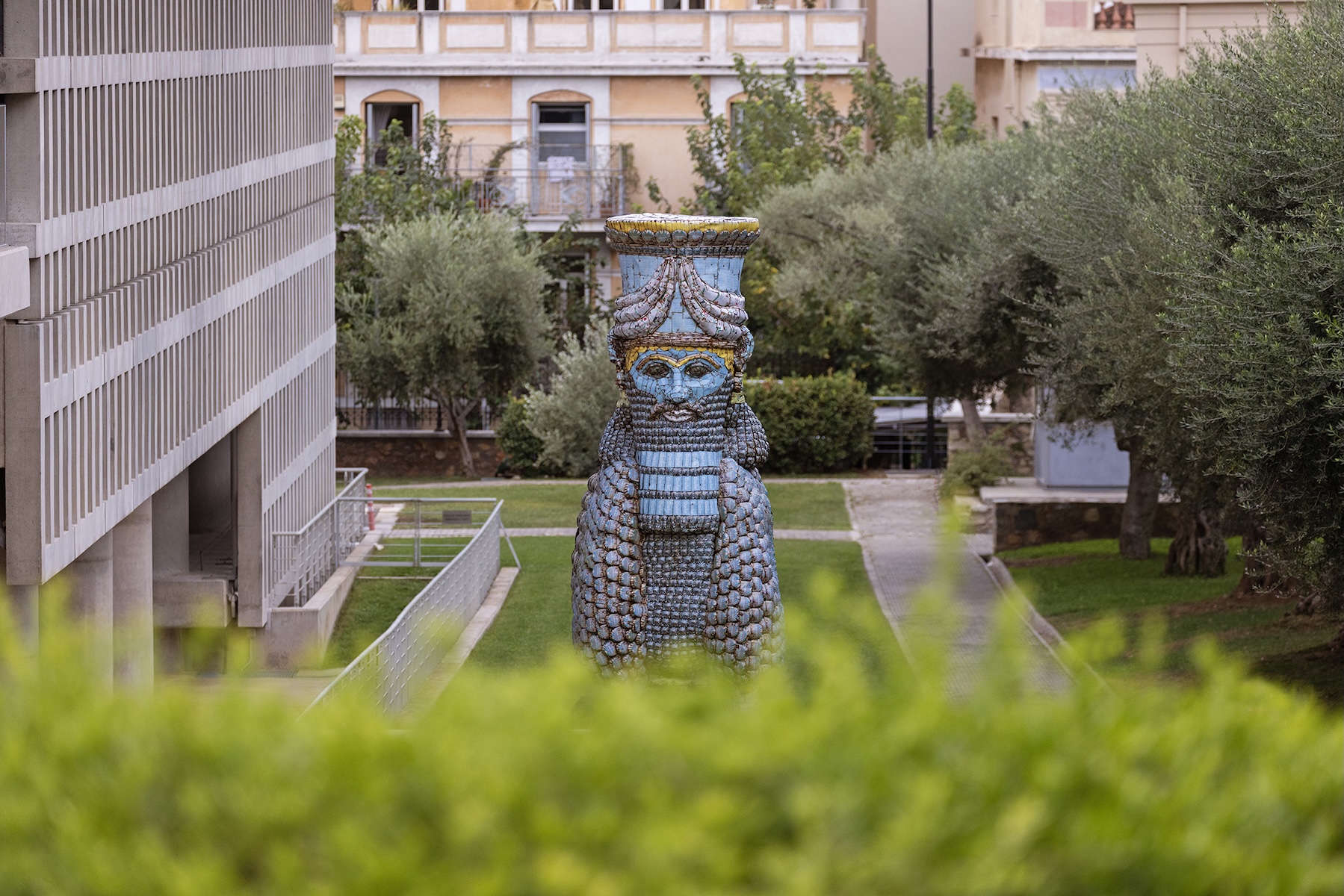
A winged bull made of date syrup tins stands beneath the Parthenon, and the foundation that put it there is taking its final bow. Athens has rarely looked more alive to contemporary art.
What NEON leaves behind is a city unusually shaped by private patronage. Since documenta 14 split itself between Kassel and Athens in 2017, the world has come to look here for art, and it is the foundations that have met it. Onassis, Goulandris, Niarchos, Benaki and the Cycladic museum's founding families all fund programmes that would be the envy of many national institutions. The result is a scene with real ambition and a pleasingly personal edge: collections built by families, shown in houses and factories, with the Acropolis always somewhere in the frame.
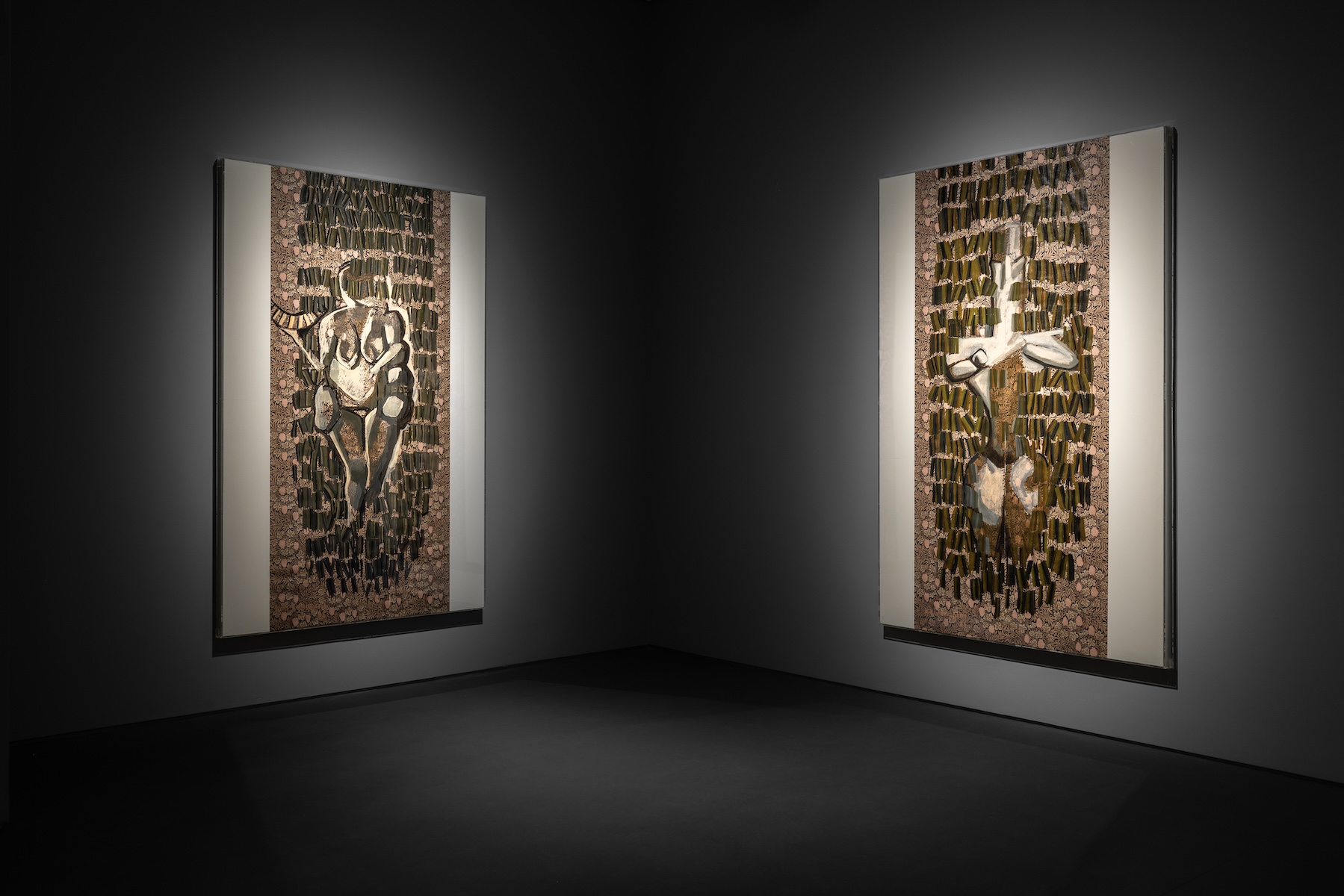
The public anchor is EMST, the National Museum of Contemporary Art, which fills Takis Zenetos's modernist Fix brewery on Syngrou Avenue, a few steps from the Syngrou-Fix metro. Under director Katerina Gregos the programme has grown steadily more confident, and this autumn it is at its most Greek. An Ode to Things, a retrospective of the painter Niki Kanagini, runs to 14 February. Stathis Logothetis's Earth to Earth, George Lappas's sculpture and a room on the avant-garde composer Jani Christou all continue to 8 November, and the collection has been rehung as South by Southeast, looking at Greek art from the Mediterranean outward. Go on a Thursday, when the museum stays open until ten, and finish on the roof as the city lights come on.
Further down Syngrou, the Onassis Stegi has been the city's most restless cultural address since 2010, and its 2026 to 2027 season, billed as Hormones in Madness, is typically wide. The visual art sits across town at Onassis Ready, the foundation's converted industrial complex in Agios Ioannis Rentis. There, until 5 December, Céleste Boursier-Mougenot's clinamen sets white porcelain bowls drifting across a pool in the outdoor Mandra, where they touch and ring like a slow, accidental gamelan. In spring the director and choreographer Dimitris Papaioannou, of the 2004 Olympic ceremonies, gets his first solo exhibition across four decades of work (4 April to 13 June).
Onassis Ready also hosts this year's Art Athina, from 12 to 16 November. One of Europe's longest-running art fairs has moved from the Zappeion, which closes for renovation ahead of Greece's EU presidency next year, and the change of scene should suit it.
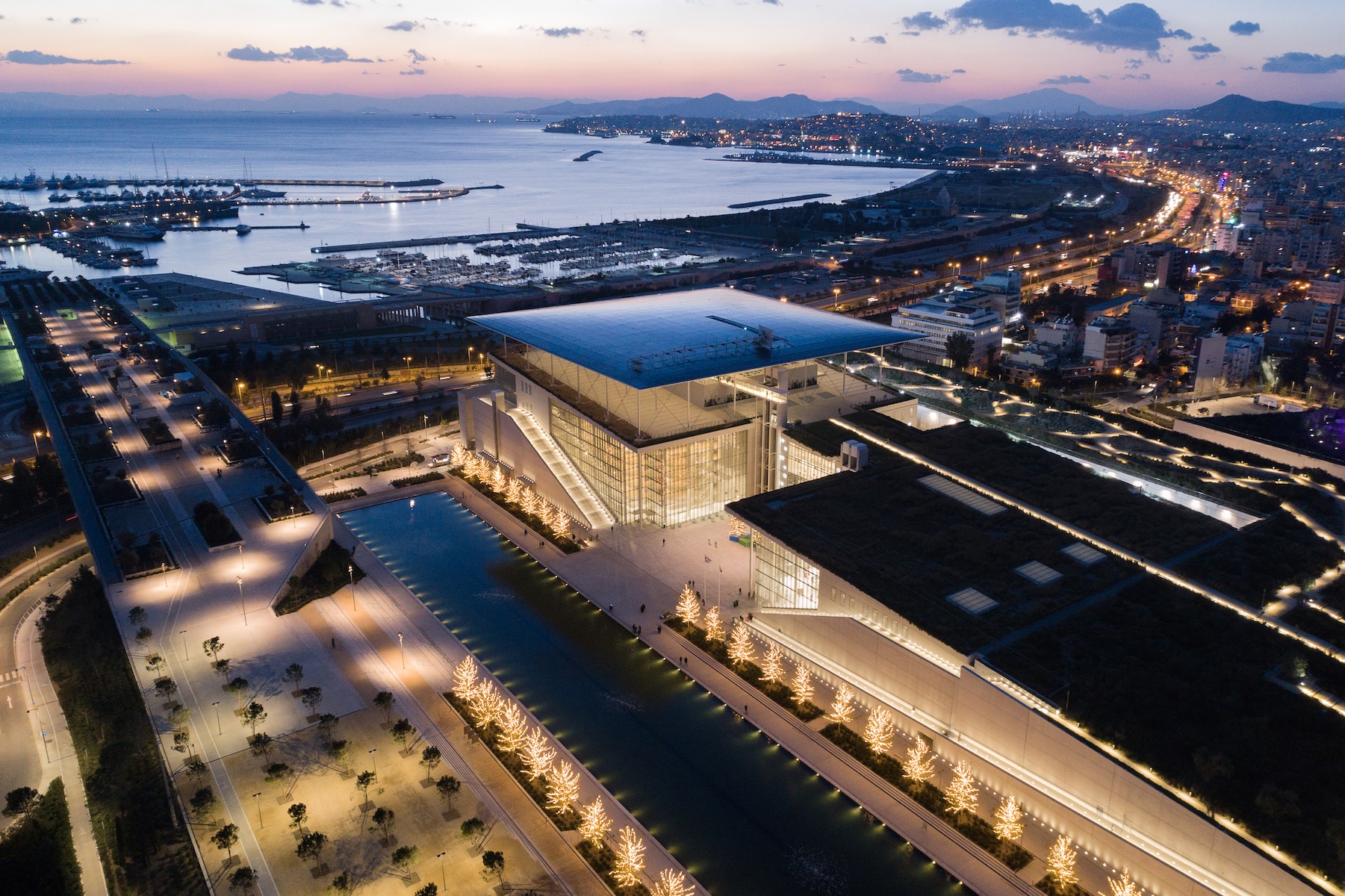
Down on the coast at Kallithea, the Stavros Niarchos Foundation Cultural Centre is the other great act of patronage of the past decade. Renzo Piano set the National Library and the Greek National Opera beneath a vast, solar-panelled canopy, raised on a man-made hill above a canal and a park of Mediterranean planting. The park is free and open late, the free public programme runs through the year, and the glass lighthouse room at the top gives the best view in Athens across Faliro Bay to the Acropolis. It is not an art museum, and it does not need to be: come for the architecture and the light, and stay for whatever is on in the park.
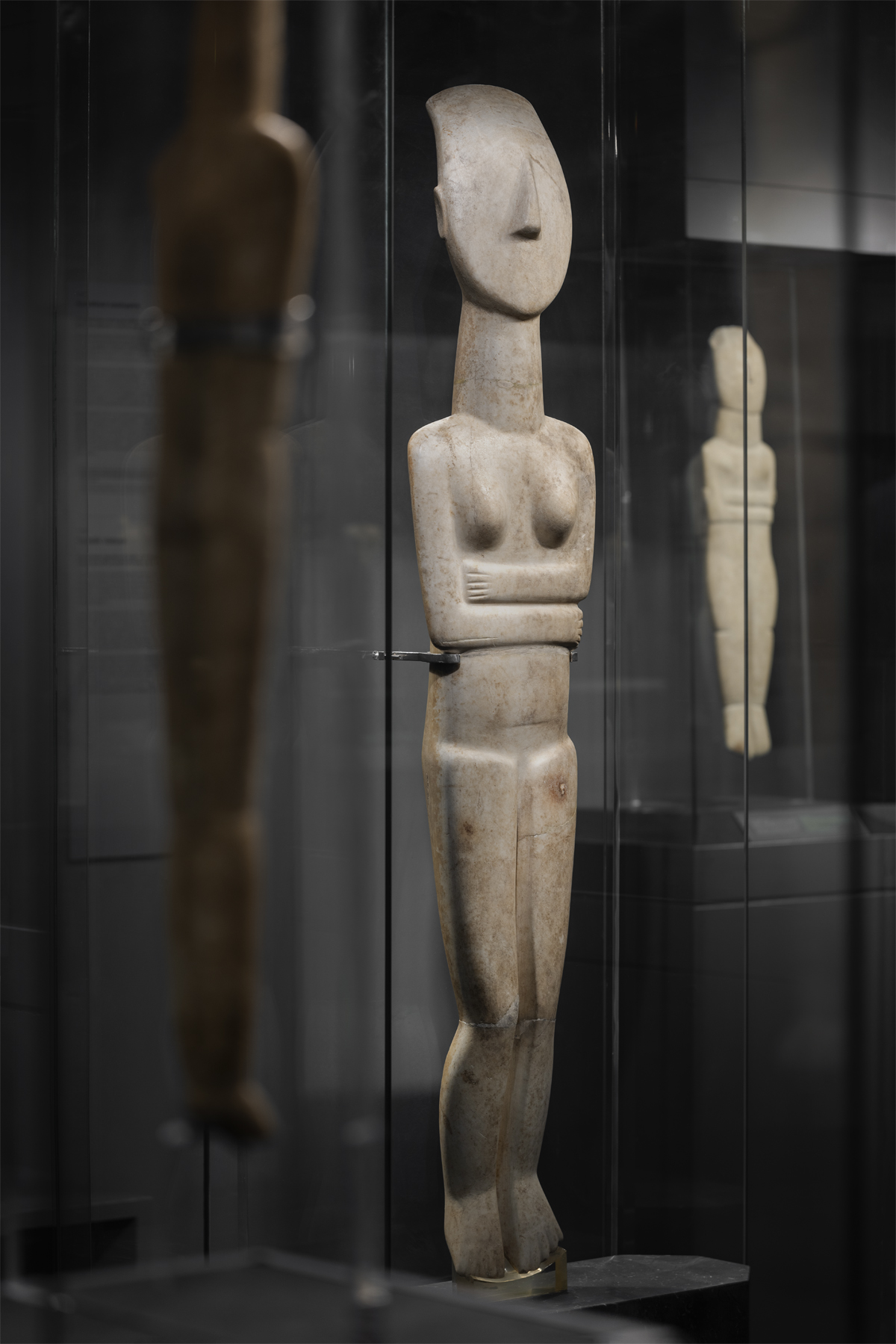
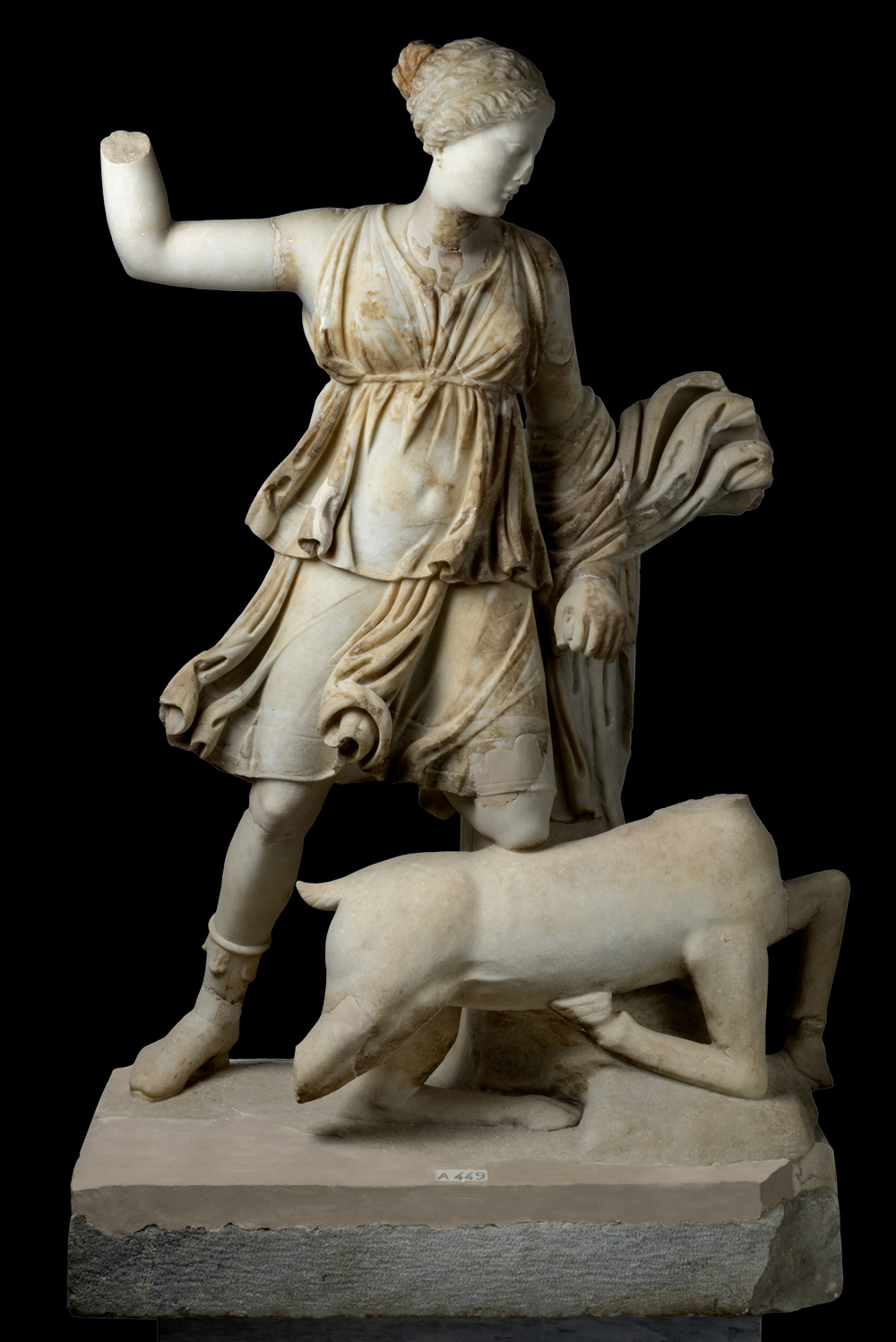
In the elegant streets below Lycabettus, three houses deserve an unhurried afternoon. The Basil & Elise Goulandris Foundation hangs its family collection, from Monet to Warhol, in a pair of restored buildings, and opens Belle Époque on 31 October (to 15 February). A few streets away, the Museum of Cycladic Art keeps its marble figures in conversation with contemporary artists; Jeff Koons, Marlene Dumas and Cindy Sherman have all taken their turn, and its new season is worth checking before you travel. Gagosian's Athens gallery occupies a neoclassical house on Anapiron Polemou, where Rachel Feinstein's Fates runs from 24 September to 9 January. Kalfayan and Zoumboulakis, both long-standing, complete the circuit.
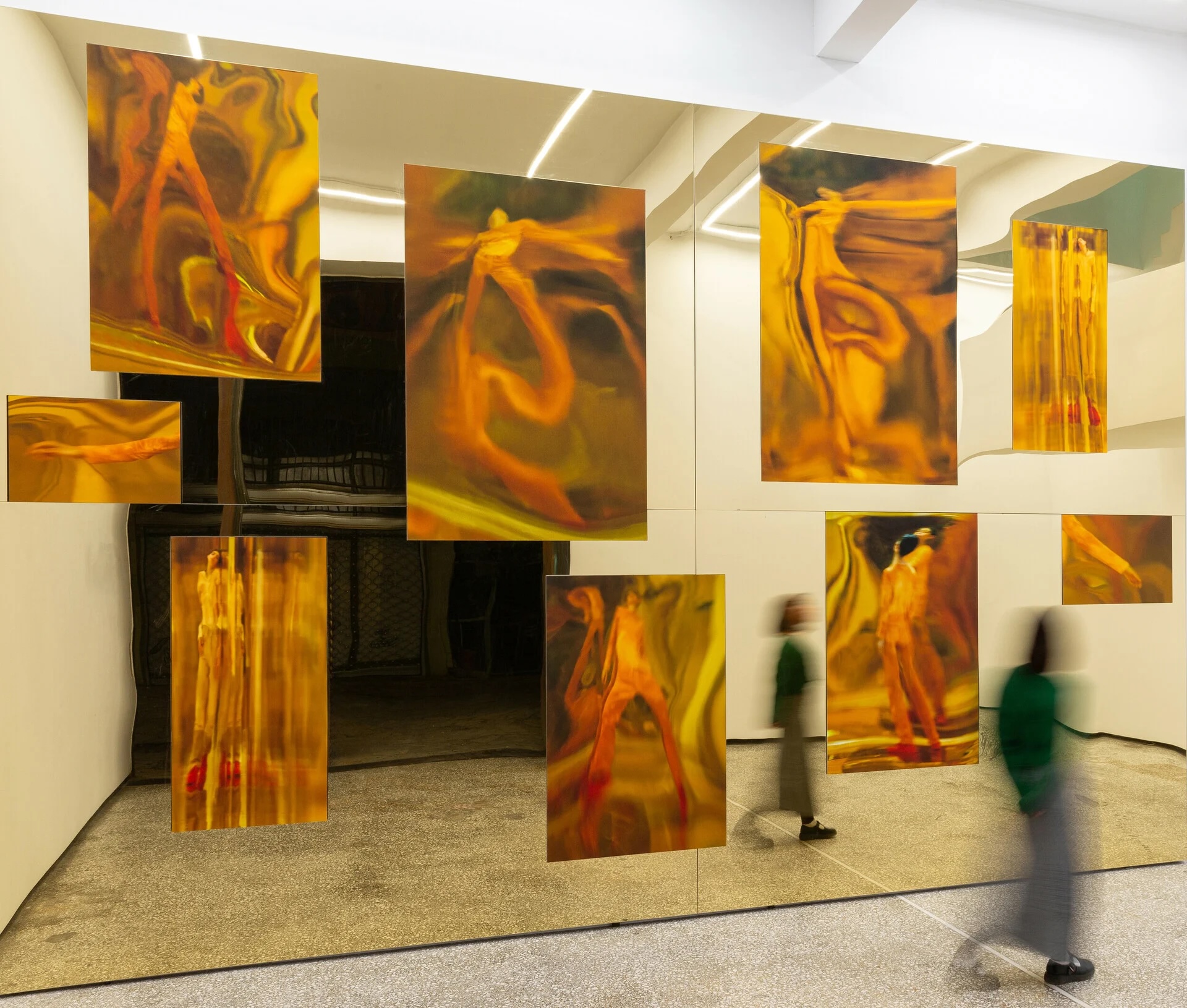
The grittier energy is west of the centre. In Metaxourgeio, The Breeder has occupied a former ice cream factory since 2008, four floors of black and grey that have launched many of the Greek artists now seen at international fairs. Rebecca Camhi is nearby. In Thissio, Bernier/Eliades introduced minimalism and conceptual art to Athens and still shows with a clear, international eye. Artist-run spaces such as Okupa keep the calendar loose and lively, and for a slow hour among art books and small-press magazines, Hyper Hypo is the place.
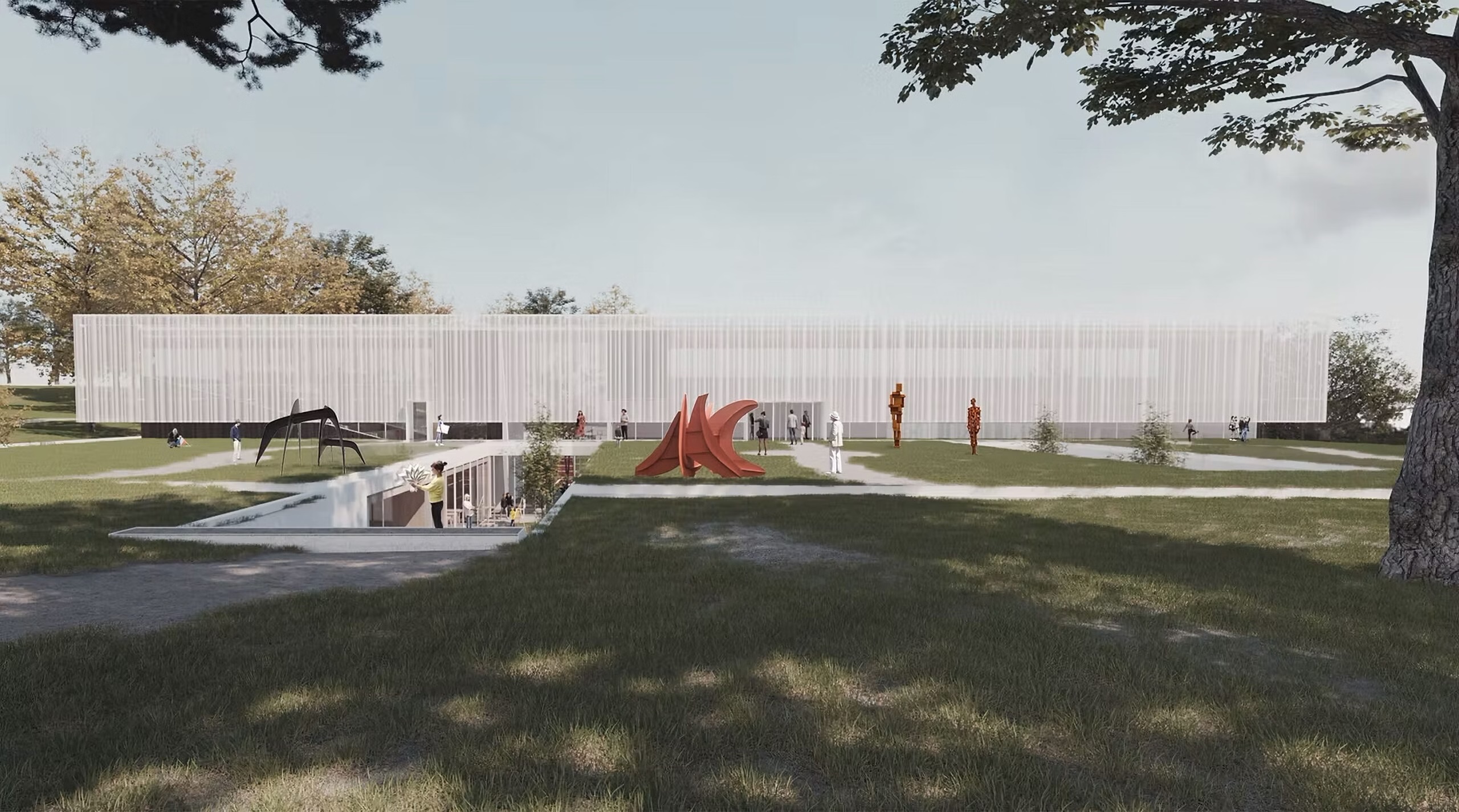
Spring is already filling up. The eighth Athens Biennale runs from 2 April to 28 June 2027, its curators still to be named. ONX Athens, the Onassis platform for art and technology, shows in March, and in June the D. Daskalopoulos Arts Building opens at Athens College, the collector's next project. The Rakowitz commission on the Acropolis should land before then. Between them, the city will spend much of 2027 answering the question of what comes after NEON, and we suspect the answer will be plenty.
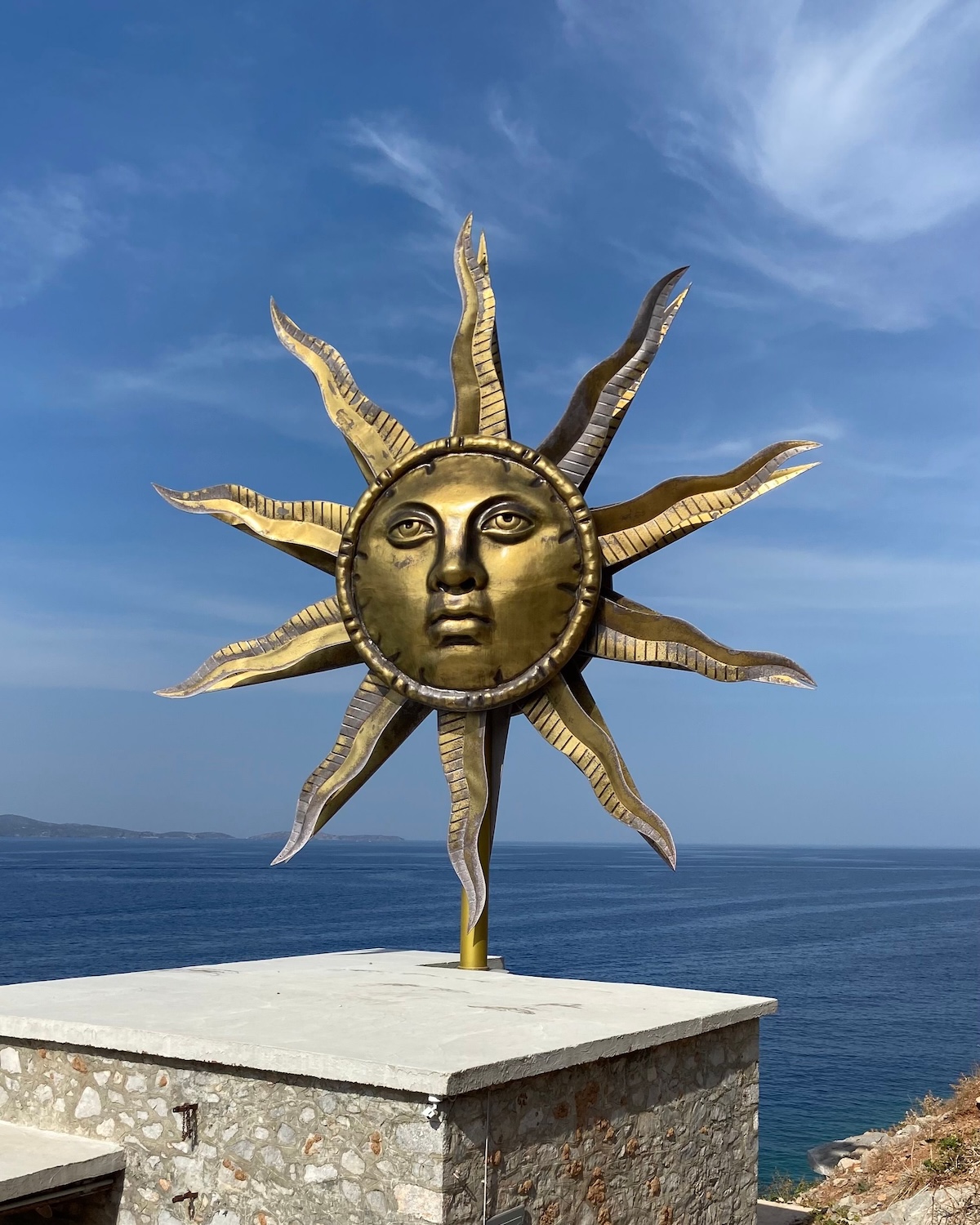
Summer is the season for the islands, and it is worth planning ahead. On Hydra, the DESTE Foundation turns the old Slaughterhouse on the shore into a project space each summer. On Andros, the Goulandris Museum of Contemporary Art in Chora mounts its major show in the warmer months. Closer to hand, Eleusis, European Capital of Culture in 2023, pairs its sanctuary of the Mysteries with a rusting industrial seafront that artists have taken to.
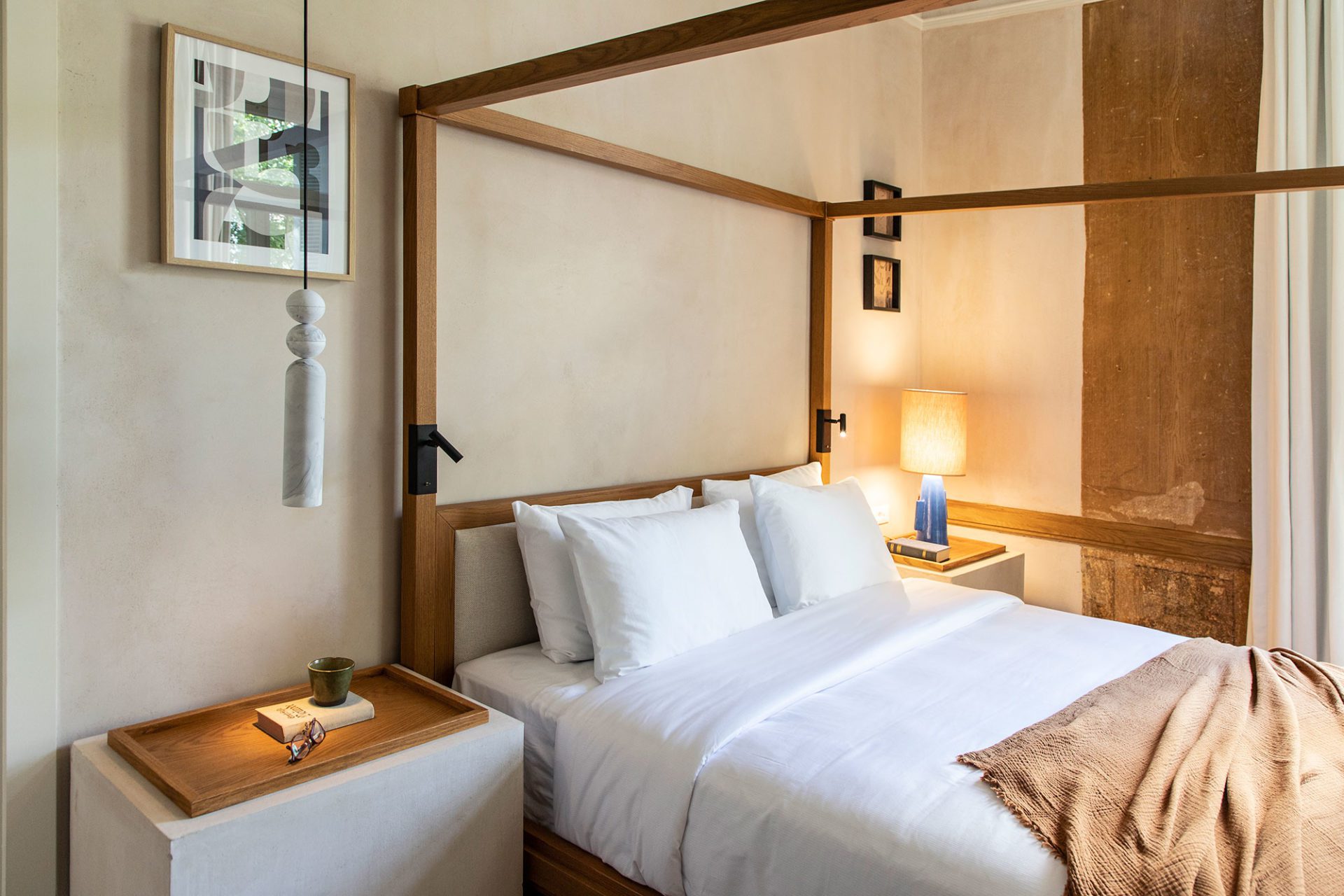
We would stay at Monsieur Didot, six rooms in a neoclassical house on Sina Street in Kolonaki, named for the French printer and philhellene Ambroise Firmin Didot. Natalia Georgopoulou and Margarita Papaioannou gave BaBatchas a strict brief to change as little of the old house as possible, and the marble fireplaces, painted ceilings and mosaic floors are the better for it. Goulandris, the Cycladic museum and Gagosian are all within a ten-minute walk, and the books on the shelves suggest someone here reads as well as looks. A little place with a literary soul, which is exactly the company we like to keep.
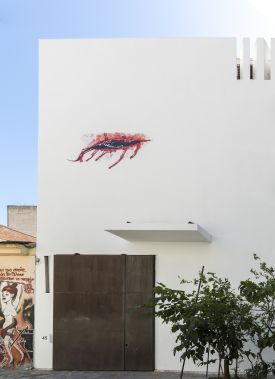
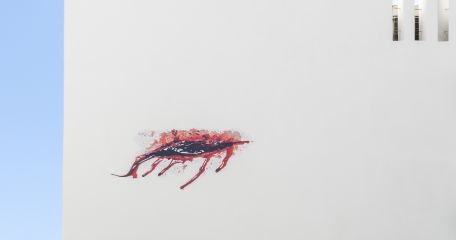
Radical, sometimes political and always on the pulse of Athens’ ever-evolving art scene, The Breeder Gallery is housed in an old ice cream factory, redesigned by architect Aris Zambicos.
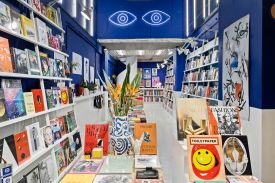
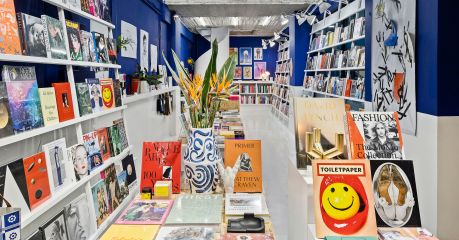
A bold bookseller and publisher for the next big thinkers created by Stathis Mitropoulos, an award-winning graphic designer and art director, and Andreas Kokkinos, a former fashion and design editor at ‘T’ The New York Times Style Magazine.
read more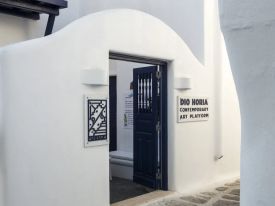
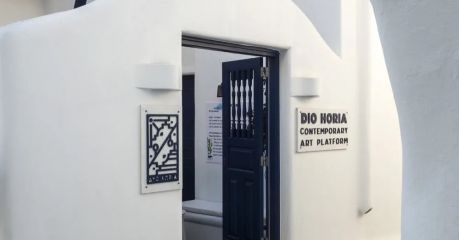
Founded as an art platform in 2018 by curator Marina Vranopoulou, the objective was twofold: to give a voice to emerging artists from peripheral countries historically connected to Greece, Greek history, and culture.
read more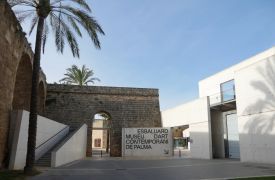
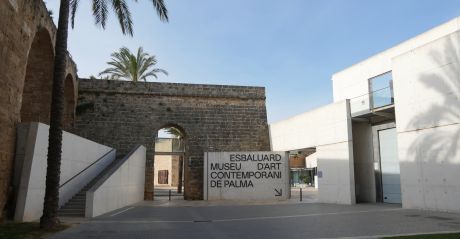
Es Baluard holds more than nine hundred works inside Palma's Renaissance walls, from Anglada-Camarasa to Miró and Barceló, with the bay laid out below.
read more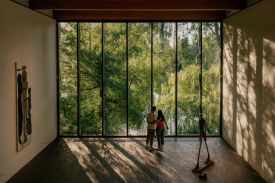
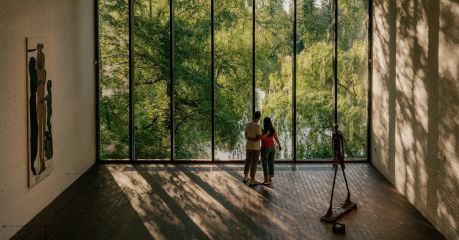
Where modern art meets coastline and clarity, Louisiana Museum of Modern Art turns a museum visit into a coastal walk, framing global creativity through architecture, light and landscape.
read more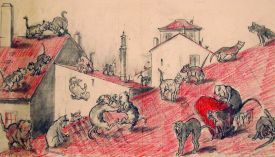
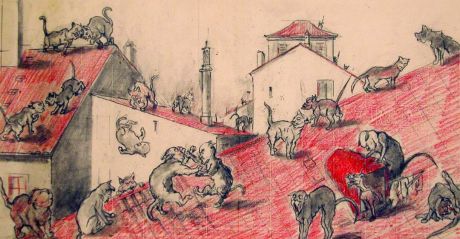
With an extraordinarily creative mind, Rafael Bordalo Pinheiro (1846 – 1923), was known for taking his own approach which can be seen in this revealing museum which showcases his graphic arts, caricatures, ceramics, object design and decoration.
read more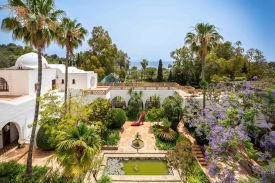
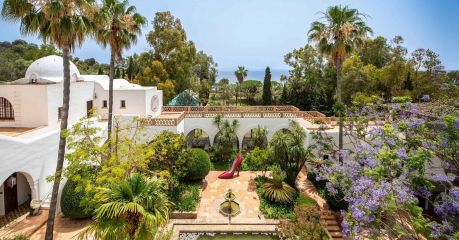
Eleven collections and the buildings they moved into, from a bastion on Palma's walls to an orange merchant's mansion in Sóller and a cistern above Alcúdia.
read more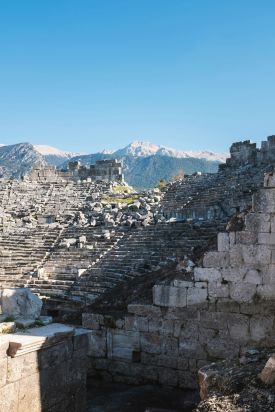
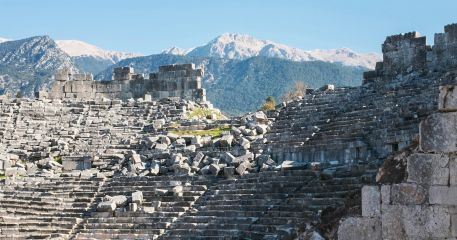
From the cliff-carved tombs of Tlos to the ghost village of Kayaköy, trace the soul of ancient Lycia along the Turkish Riviera’s sunlit coastline and mountain-framed archaeological wonders.
read more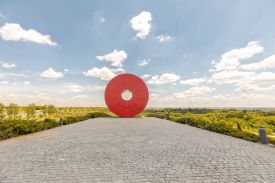

Madrid’s culture and art scene is shaped by galleries, artist-led spaces and institutions, from Lavapiés and Matadero to the Prado and Reina Sofía, unfolding through conversation, continuity and everyday use.
read more
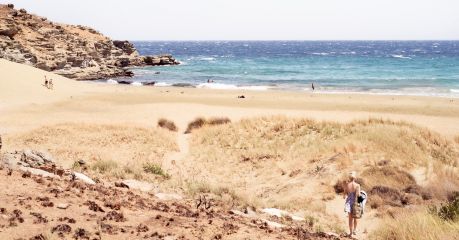
Every beach on the tiny island of Tinos is wonderfully different, the island is famed for its geological intensity and adds a sense of drama to many of its wild and rugged coastline pitstops.
read more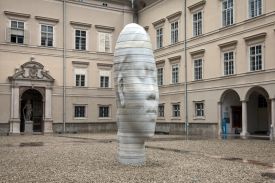
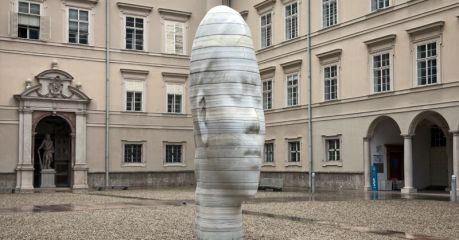
Kiefer, Turrell, Abramović, Plensa and Wurm, set into Salzburg's squares, courtyards and cliffs: the city's free sculpture route, walked in order from Getreidegasse to Mirabell.
read more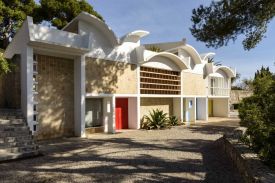
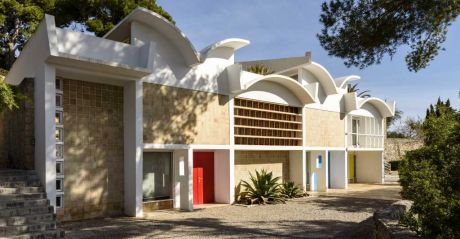
A modernist taller built by post from exile, a farmhouse covered in charcoal figures, and the Palma hillside where Joan Miró made a third of his work.
read more
Get the insider news and lowdown on what we've been up to, where we've been, and who we've met along the way. Be the first to discover new places and get the scoop on our favourites.