JOIN the AFICIONADOS
Get the insider news and lowdown on what we've been up to, where we've been, and who we've met along the way. Be the first to discover new places and get the scoop on our favourites.

Fourteen commissions, one old town and no ticket required. Salzburg's Walk of Modern Art, from Kiefer's lead library to Wurm's pickles.
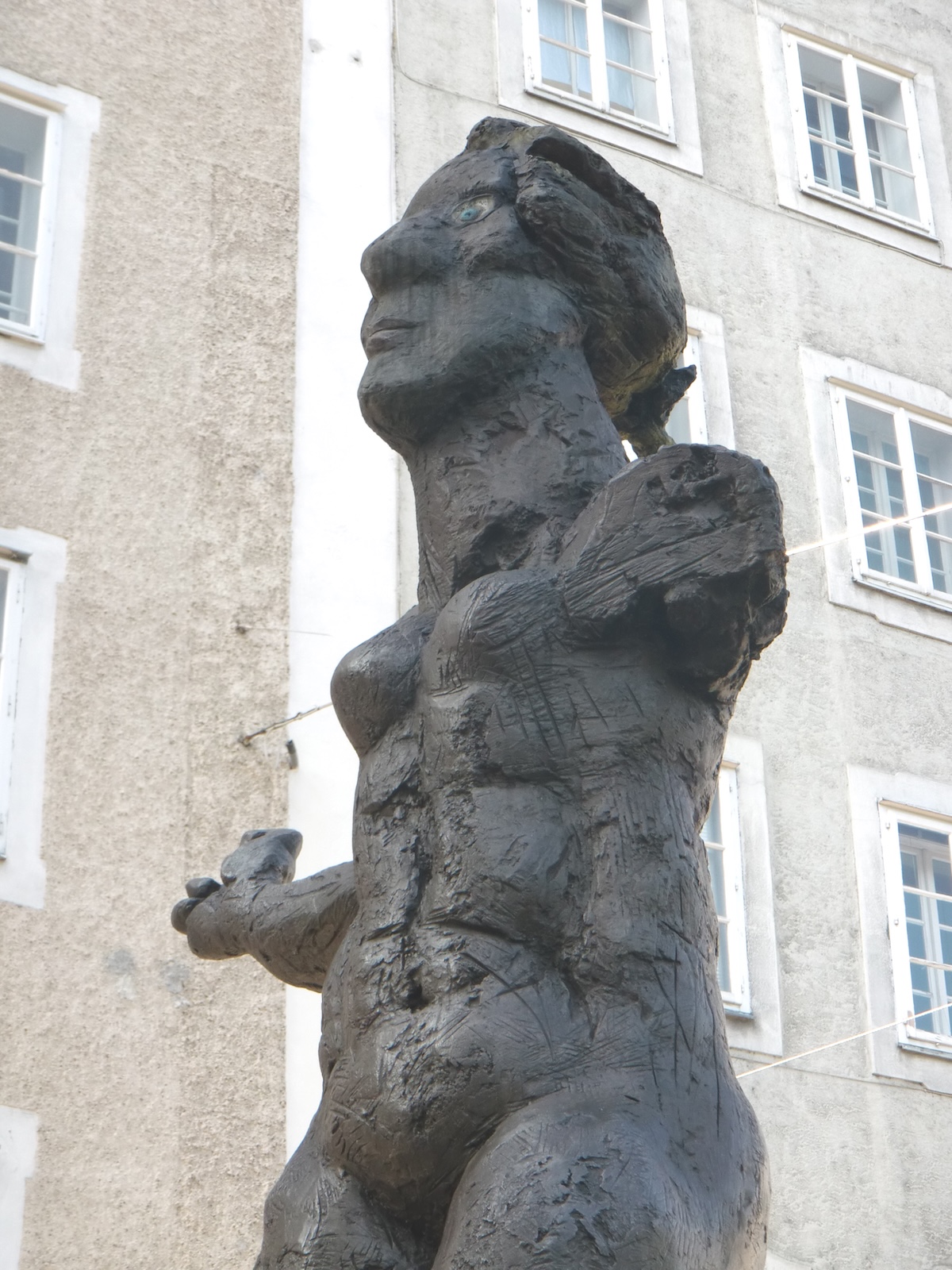
Start at Blaue Gans on Getreidegasse, a coaching inn recorded since 1350, where Andreas Gfrerer has hung more than 200 works by over 60 Austrian artists. It sets the tone. A few minutes west, on Ursulinenplatz, Markus Lüpertz's Mozart homage (2005) faces Fischer von Erlach's Markuskirche: a painted bronze almost three metres tall that sets the composer's head and famous hair on a female torso. Lüpertz wanted the contrasts of male and female, fragment and whole, to stand for genius and inner conflict. It still divides opinion, which seems to be the point.
The Mönchsberg lift rises from Gstättengasse next door. At the top, in a hollow beside the old water tower, Mario Merz's Ziffern im Wald (2003) is a seven-metre igloo of twelve steel arcs, threaded with twenty-one neon numerals from the Fibonacci sequence. Merz saw the numbers as growth, sprouting from the steel like leaves. He died in November 2003, the year it was unveiled. Come back after dark, when the digits glow through the trees.
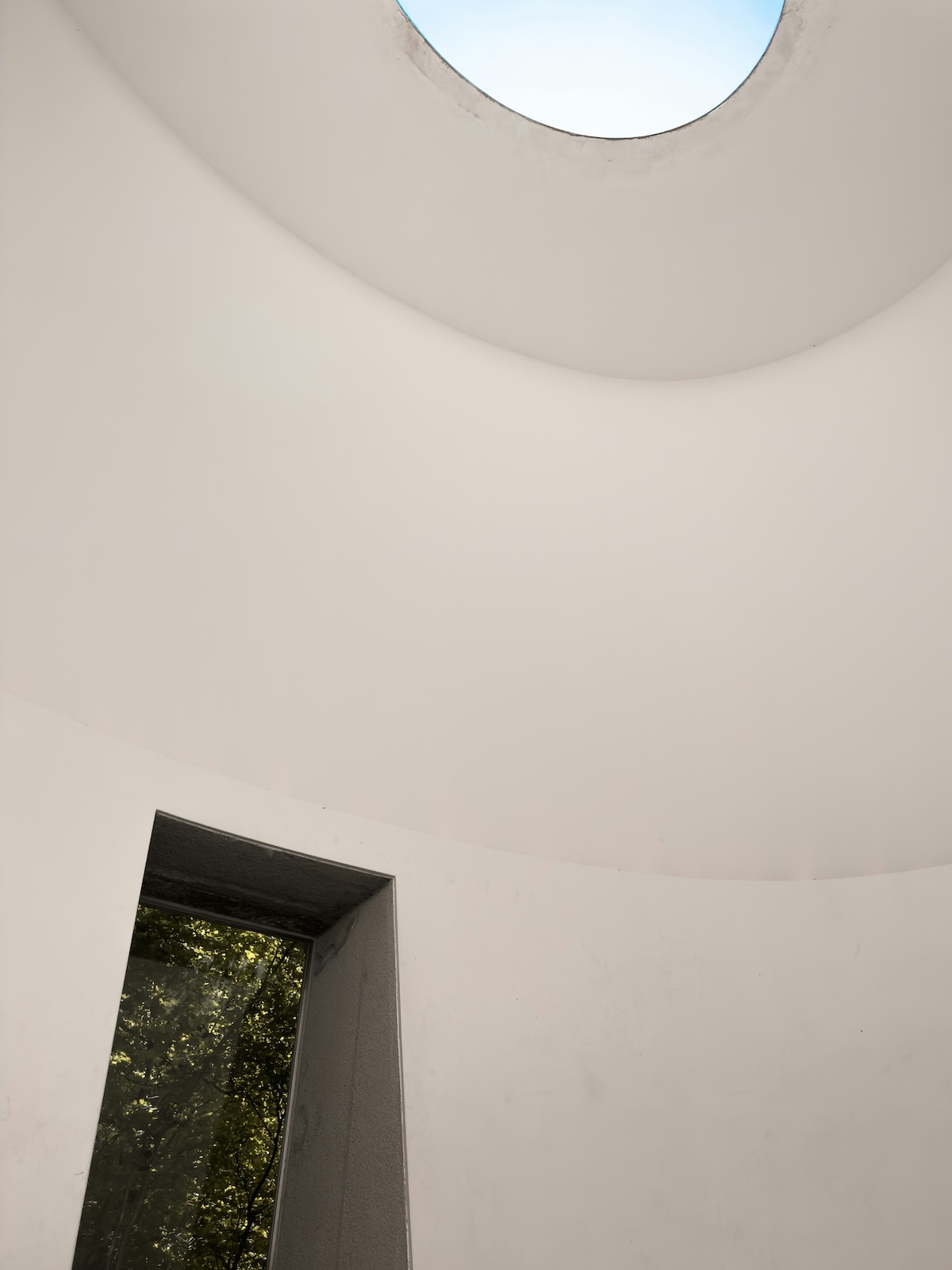
Nearby, James Turrell's Sky-Space (2006) is an elliptical chamber built from Nagelfluh, the conglomerate stone the mountain itself is made of. Inside, a bench runs around the wall and the ceiling opens to the sky, framed so precisely that the patch of blue overhead seems to belong to a different day. A concealed ring of coloured light shifts the effect further as evening falls. It is open Tuesday to Sunday (daily during the Festival), until 8pm from April to October and 6pm in winter. Dusk is the time to go.
Take the steps down into the Toscaninihof, where the first of Stephan Balkenhol's two figures, Frau im Fels, stands in a niche cut into the rock wall: a woman of about 140 centimetres, calm, anonymous and a little uncanny. Across the road, in the Furtwänglergarten opposite the Festival halls, the walk's two most talked-about neighbours share a lawn.
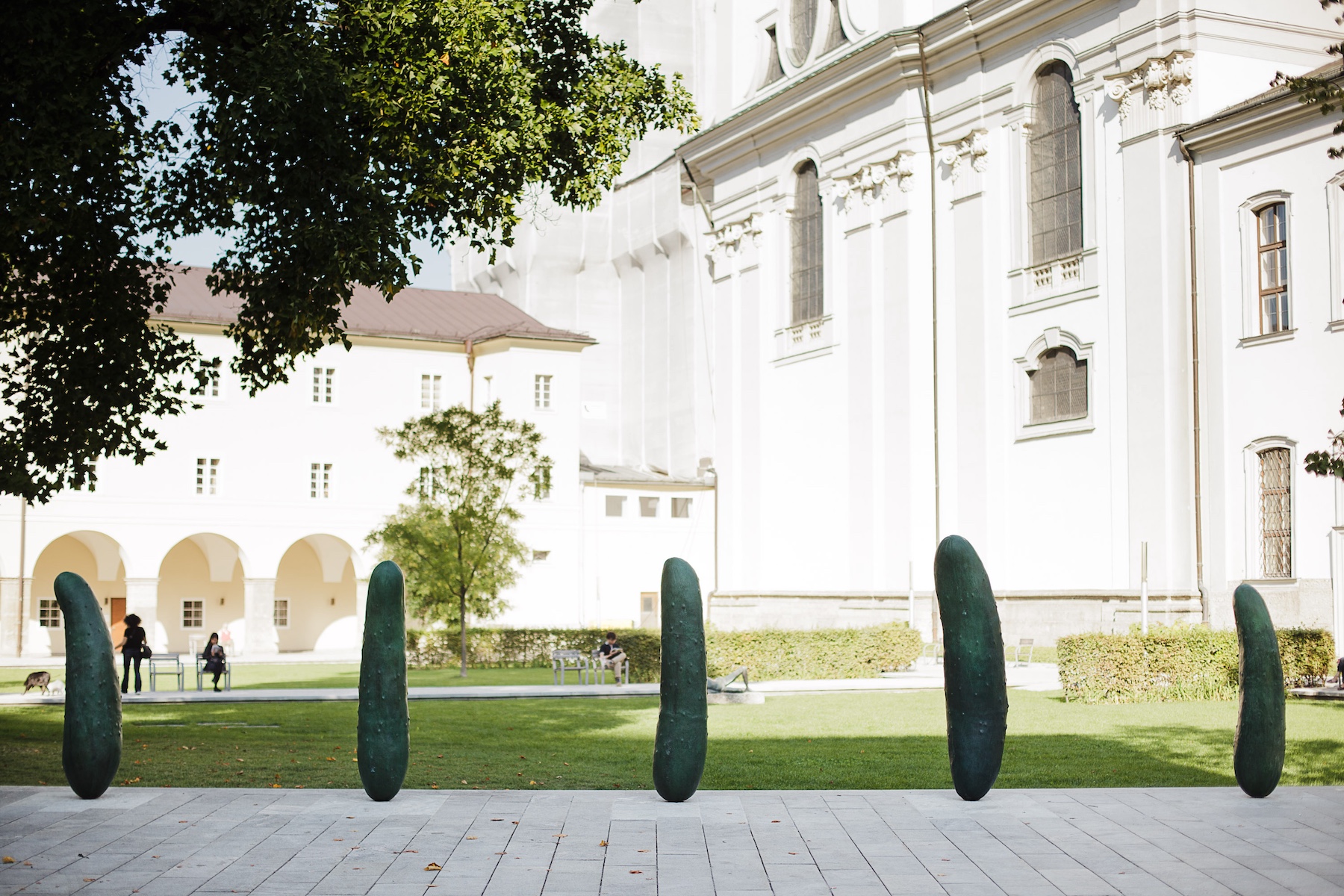
Anselm Kiefer's A.E.I.O.U. (2002) opened the project. It is a small walk-in house containing a shelf of sixty lead books sprouting Moroccan thorn branches and a large painting, Wach im Zigeunerlager, after a poem by Ingeborg Bachmann. The five vowels were the cipher of the Habsburg emperor Friedrich III, most often read as Alles Erdreich ist Österreich untertan, all the earth is subject to Austria. Kiefer imagined the room asleep until each visitor wakes it. A few paces away, Erwin Wurm's Gurken (2011) push up out of the paving: giant pickles, each a slightly different shape. Wurm has compared them to people, individual and yet instantly recognisable as one of a kind. Children climb them. Adults photograph them and pretend not to.
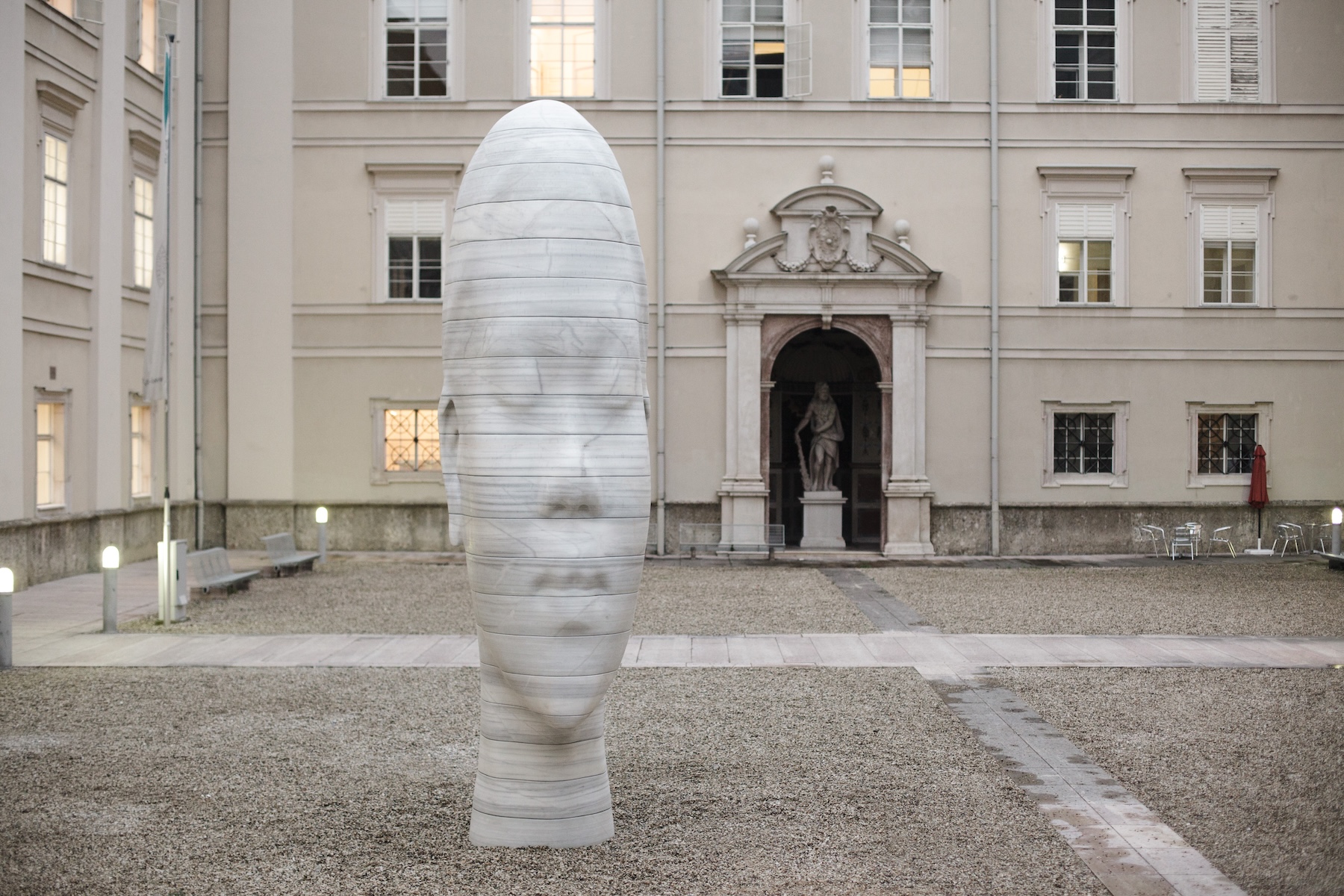
At the university's Dietrichsruh courtyard, Jaume Plensa's Awilda (2010) is a five-metre head of a young girl from Santo Domingo, built from twenty discs of white Spanish marble stacked on a steel rod. From the side the layers seem to shift and flow, which is Plensa's image for the anonymous generations that make a city.
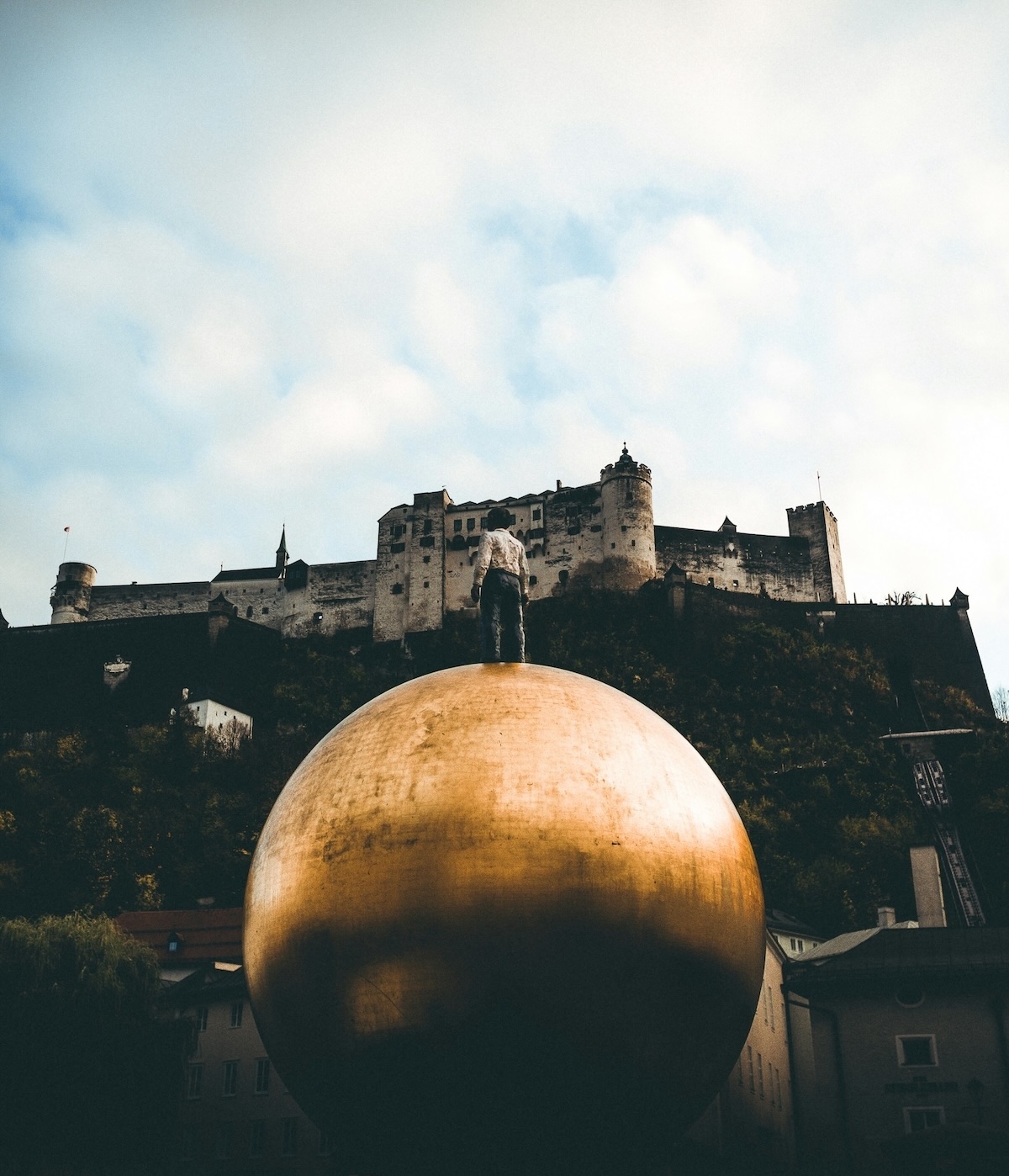
Back on Kapitelplatz, the man on the golden ball is Balkenhol's Sphaera (2007), about nine metres high with its base and the most photographed work on the walk. The figure gives nothing away, which is the quality Balkenhol prizes.
Inside Salzburg Cathedral, the choir crypt was restored specifically for Christian Boltanski's Vanitas (2009). Twelve small metal figures on the wall are lit by candles so that their shadows flicker, a shadowy angel moves slowly across the apse, and a recorded voice repeatedly tells the time. Boltanski called it a place to hear and feel time passing. He died in 2021, and the piece now reads as a quiet memorial to him too.
A short walk east, the courtyard of the Chiemseehof, the seat of the regional government, was cleared of parked cars in 2019 to make room for Kiefer's second contribution, Die Sprache der Vögel. A pair of bronze wings nearly three metres tall spreads over a stack of bronze books. The title comes from the alchemist Fulcanelli's secret "language of the birds", a route to hidden knowledge. It is the most recent work on the walk, and one of the most moving.
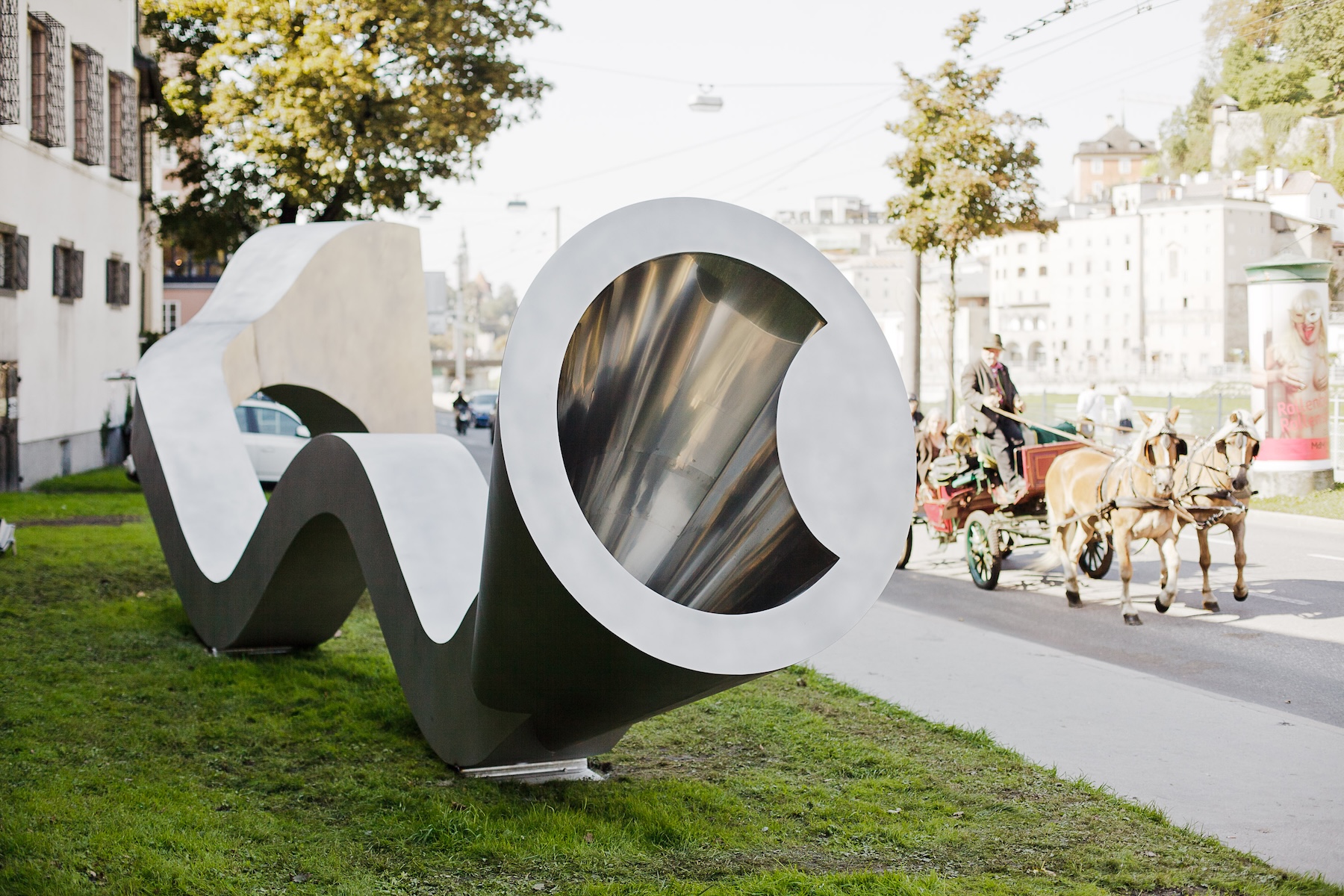
On Rudolfskai, between the old city wall and the Salzach, Manfred Wakolbinger's Connection (2011) is an eleven-metre curl of stainless steel, sealed on the outside and mirrored within, so that looking in puts you inside the sculpture. At the Staatsbrücke, Brigitte Kowanz's Beyond Recall (2011) sets four semi-transparent mirrored cubes on the bridge pedestals, their neon lines repeating into infinity. One carries a memorial to the forced labourers and prisoners of war who built the bridge between 1941 and 1945. Kowanz died in 2022. By the same bridge, Marina Abramović's Spirit of Mozart (2004) is a fifteen-metre steel chair without a seat, ringed by eight ordinary chairs for sitting. Her instructions are simple: sit, close your eyes, lose track of time.
Across the river on Makartplatz, Tony Cragg's Caldera (2008) is a five-metre bronze landscape among the traffic, where human profiles appear and vanish as you walk around it. The walk ends in the Mirabellgarten with Gerhard Trieb's berliner block (2017), a near-cube of Krastal marble scored with a fine milled mesh.
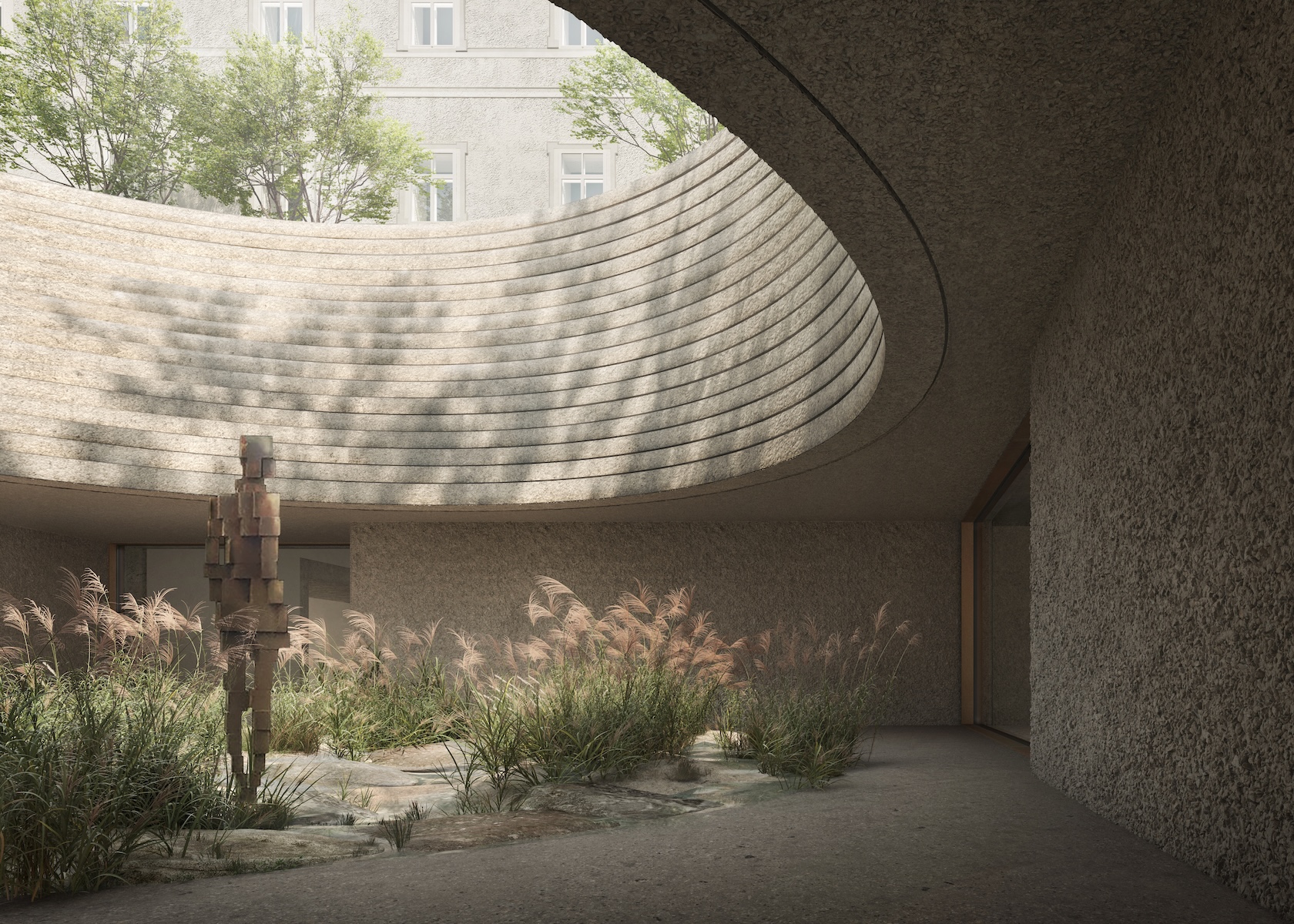
Beyond the loss of Merz, Boltanski and Kowanz, the biggest shift is in the city around the walk. Across Residenzplatz from Sphaera, the Neue Residenz is being rebuilt to open in the first half of 2027 as Belvedere Salzburg, an outpost of the Vienna Belvedere alongside a new Salzburg Museum. The contemporary galleries have also found their stride. Finish at Villa Kast, Galerie Thaddaeus Ropac's house on Mirabellplatz, where VALIE EXPORT and Ketty La Rocca share the rooms until 23 December 2026, or go back up the lift for the autumn openings at the Museum der Moderne.
Then walk back along the river to Getreidegasse, where the collection at Blaue Gans carries the thread indoors.
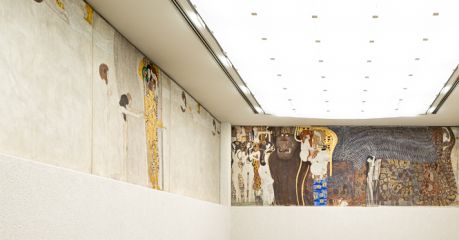
Browse our unique Vienna Art Guide below for all there is to know about Austria’s art and culture capital. Once the epicentre of the longstanding Habsburg empire, Vienna is awash with galleries, artists, museums and odes to moments of age-defining culture, as well as a new generation of creatives call this city home, once again.
read more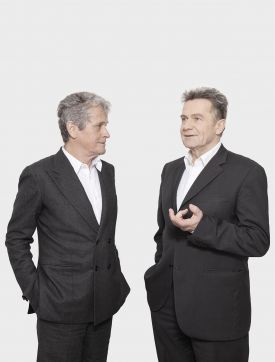
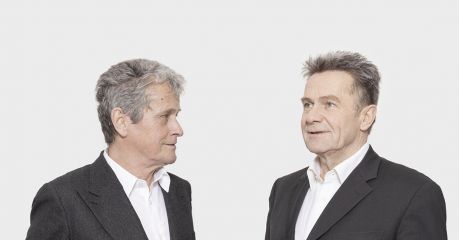
With more than 9000 artworks, Vienna's Museum Moderner Kunst Stiftung Ludwig Wien, MUMOK for short, sits au courant against the vast MuseumQuartier designed by Ortner&Ortner Architects.
read more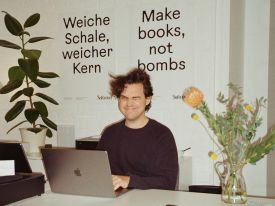
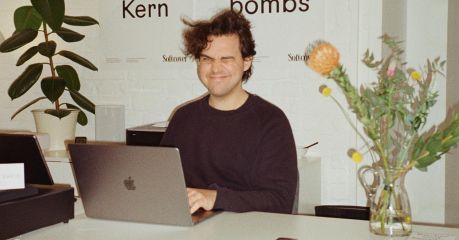
Photographer Sebastian Gansrigler on Softcover, his fiercely curated Vienna shop for independent magazines, art books and zines, and why paper slows a screen-weary world down.
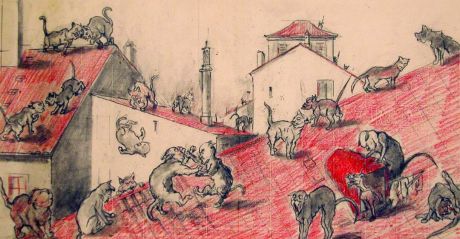
With an extraordinarily creative mind, Rafael Bordalo Pinheiro (1846 – 1923), was known for taking his own approach which can be seen in this revealing museum which showcases his graphic arts, caricatures, ceramics, object design and decoration.
read more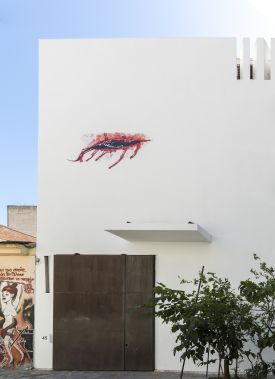
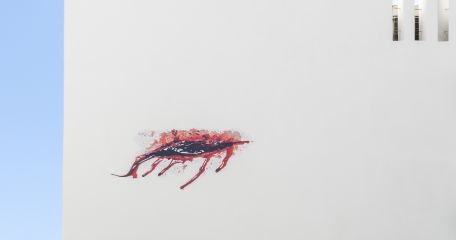
Radical, sometimes political and always on the pulse of Athens’ ever-evolving art scene, The Breeder Gallery is housed in an old ice cream factory, redesigned by architect Aris Zambicos.
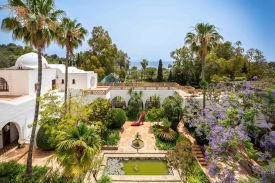
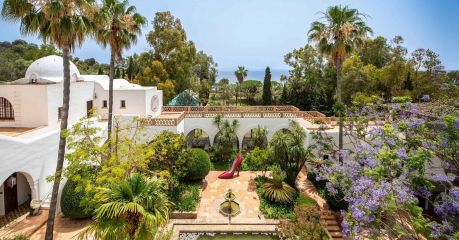
Eleven collections and the buildings they moved into, from a bastion on Palma's walls to an orange merchant's mansion in Sóller and a cistern above Alcúdia.
read more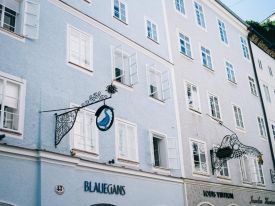
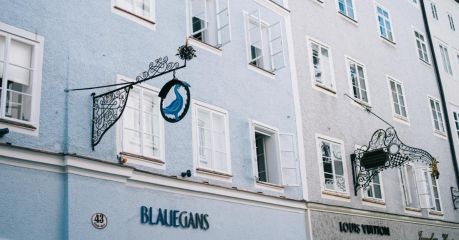
A cradle of the arts and style where twisted beams and heritage-thick walls flank a contemporary curatorial scene at this historic coaching inn and foodie haunt since 1350.
read more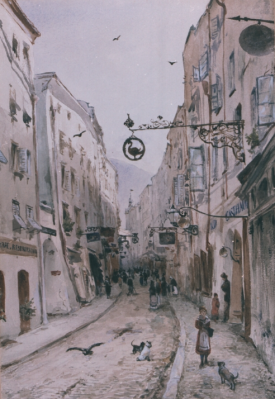
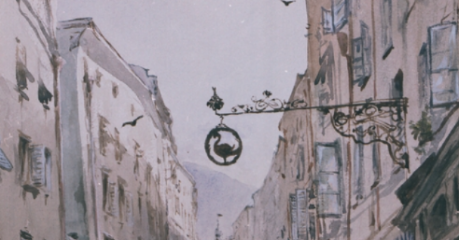
When dealing with one of the oldest buildings in Salzburg, it takes the architect’s clever manipulation of architecture and design to create an exciting, inspiring atmosphere that coverts the old and the new to extreme yet complimentary dimensions.
read more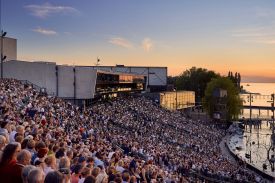
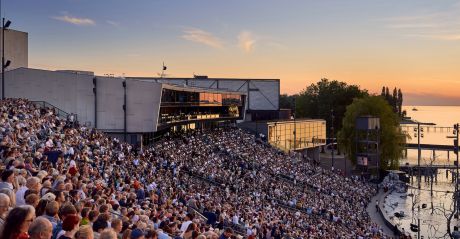
Bregenz Festival, an operatic culture den on Austria's Lake Constance is one of Austria's biggest art events, home to the world's largest floating opera stage.
read more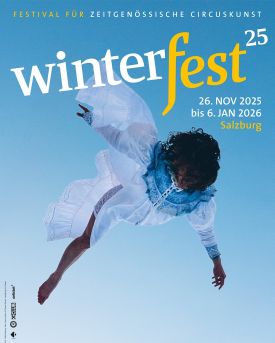
A fabulous Winter Festival in Austria's snowy Salzburg - Salzburg Winter Festival December 2025 celebrates Contemporary Circus with acrobatics, juggling, music and Machine de Cirque - fun from France, Canada & Austria.
read more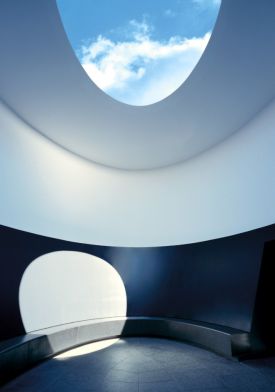
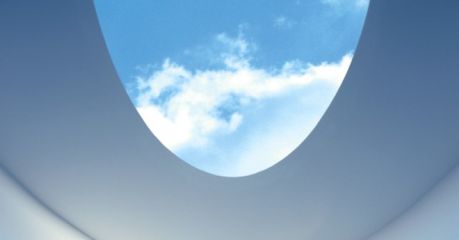
Turrell’s latest skyspace is such an iteration, located in Lech, a little skiing town in the Arlberg mountains, Austria. At a height of almost 1800 meters above sea-level, The Skyspace-Lech, a lightroom inside a stone building at the end of a 15-metre tunnel, is set in alpine terrain, and is only accessible by foot or by skiing – so wear your walking shoes and your best raincoat.
read more

During the summer months, the once crowned Monte Carlo of the Alps, the spa town & resort of Bad Gastein, plays host to an inspiring Artists-in-residence cultural programme: sommer.frische.kunst. 2026.
read more
Get the insider news and lowdown on what we've been up to, where we've been, and who we've met along the way. Be the first to discover new places and get the scoop on our favourites.