JOIN the AFICIONADOS
Get the insider news and lowdown on what we've been up to, where we've been, and who we've met along the way. Be the first to discover new places and get the scoop on our favourites.

Germany has a habit of exceeding expectations. Mention it and the conversation quickens: Bavaria, the Black Forest, the Moselle, the Allgäu, the Rhine Gorge, the Baltic coast. A country that shares its borders with Denmark, Poland, the Czech Republic, Austria, Switzerland, France, Luxembourg, Belgium and the Netherlands: nine nations, nine distinct cultural gravitational pulls, and something particular absorbed from every one of them. The depth here is not accidental. It is accumulated.
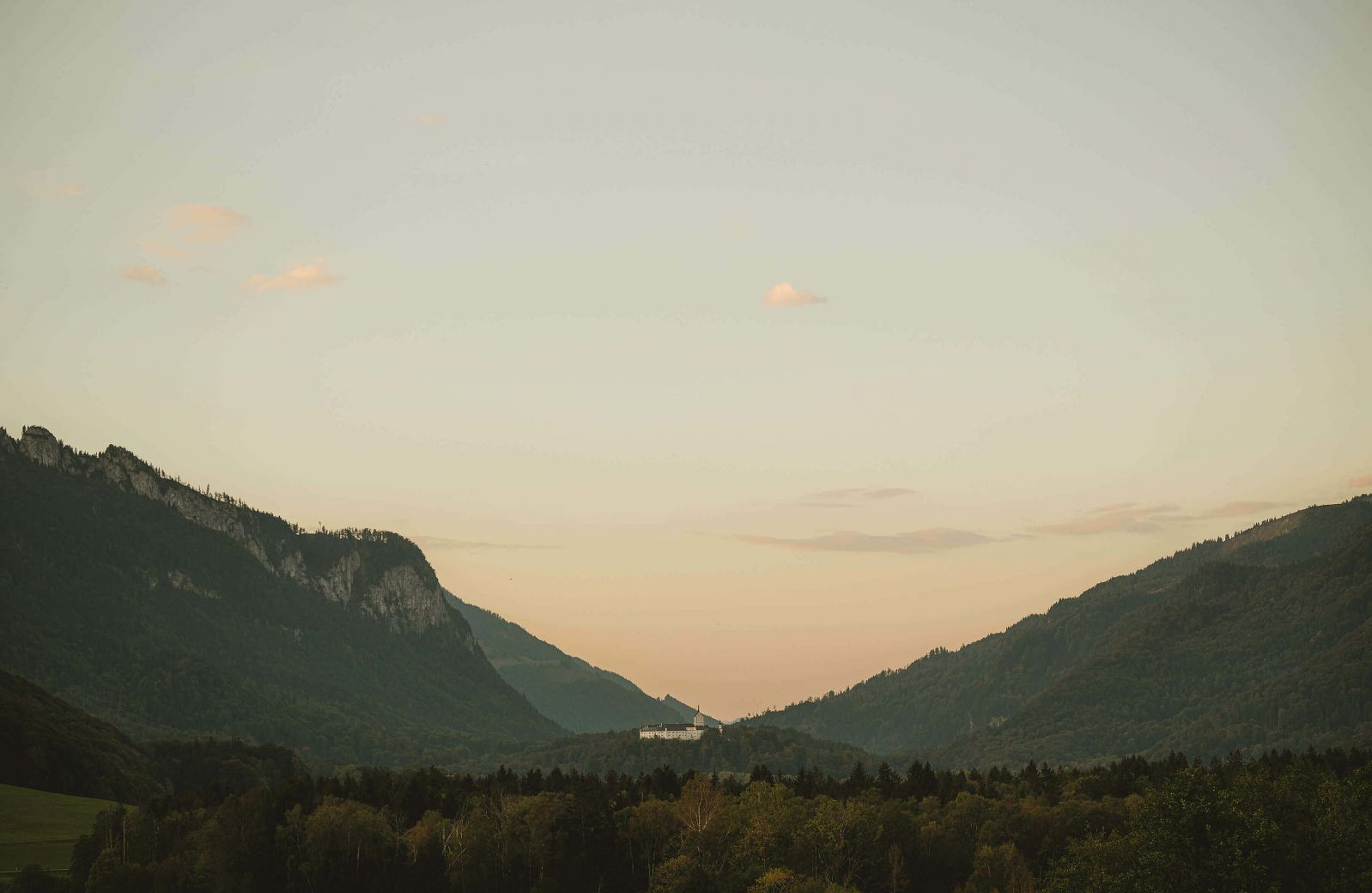
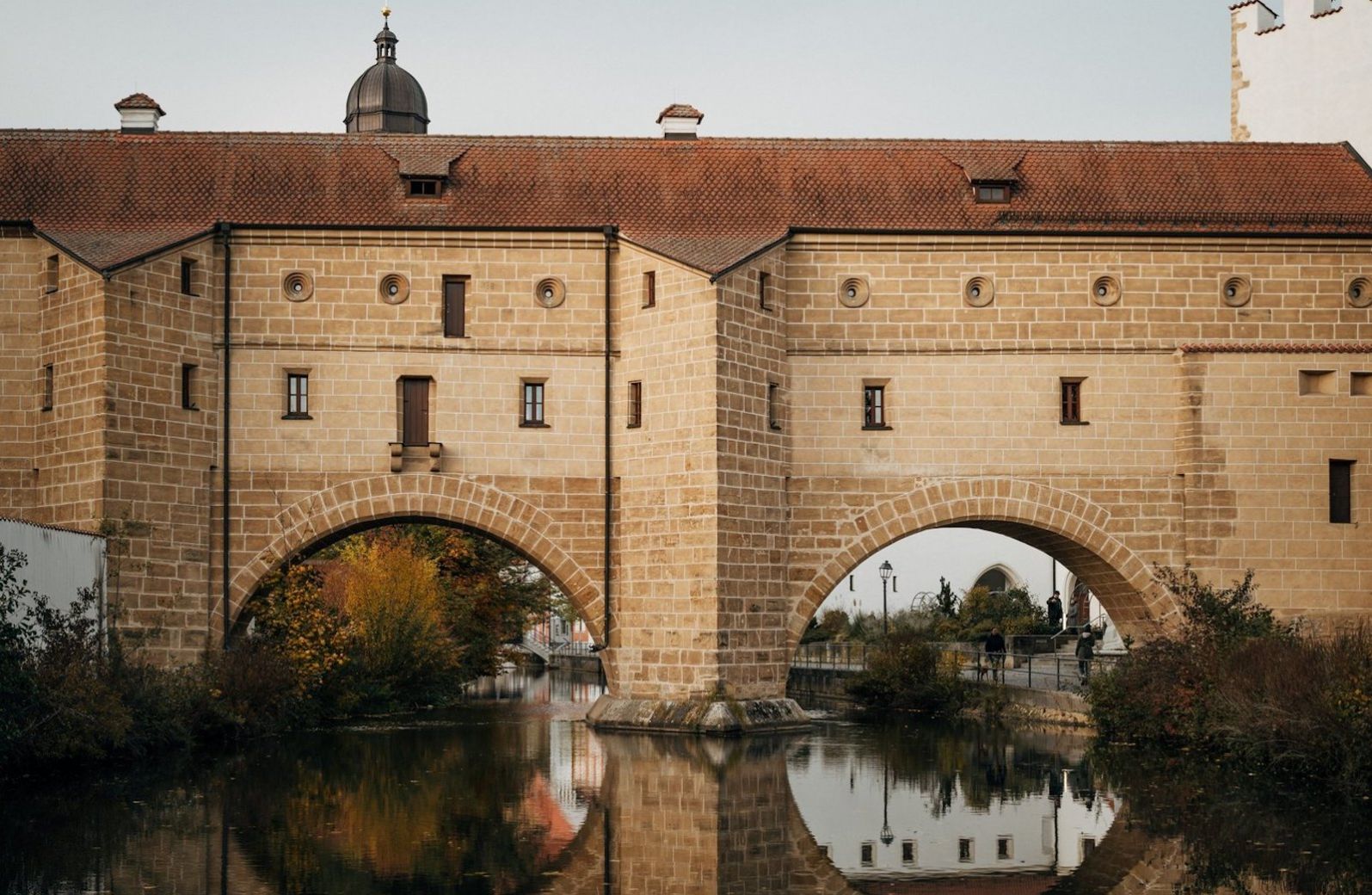
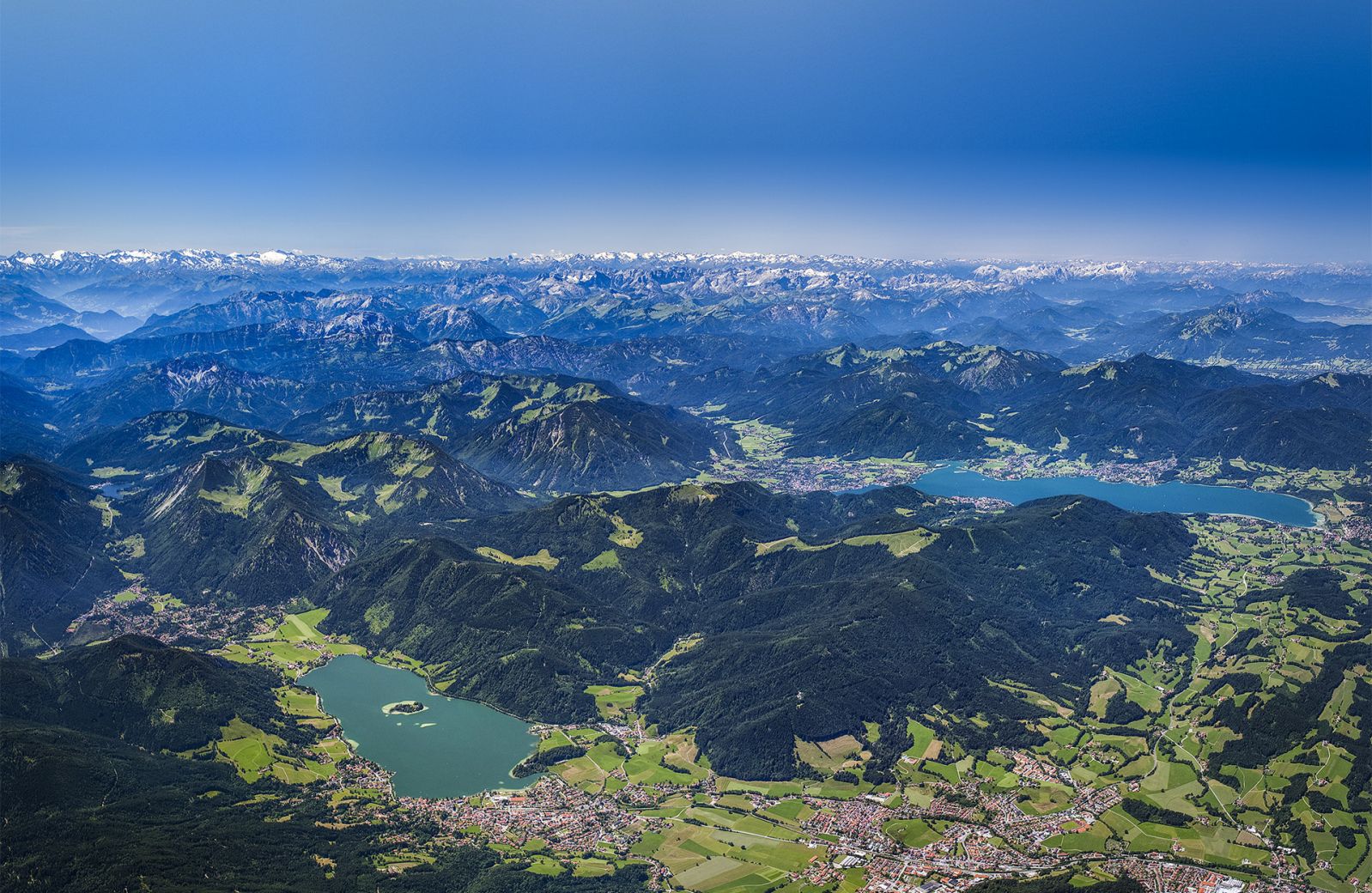
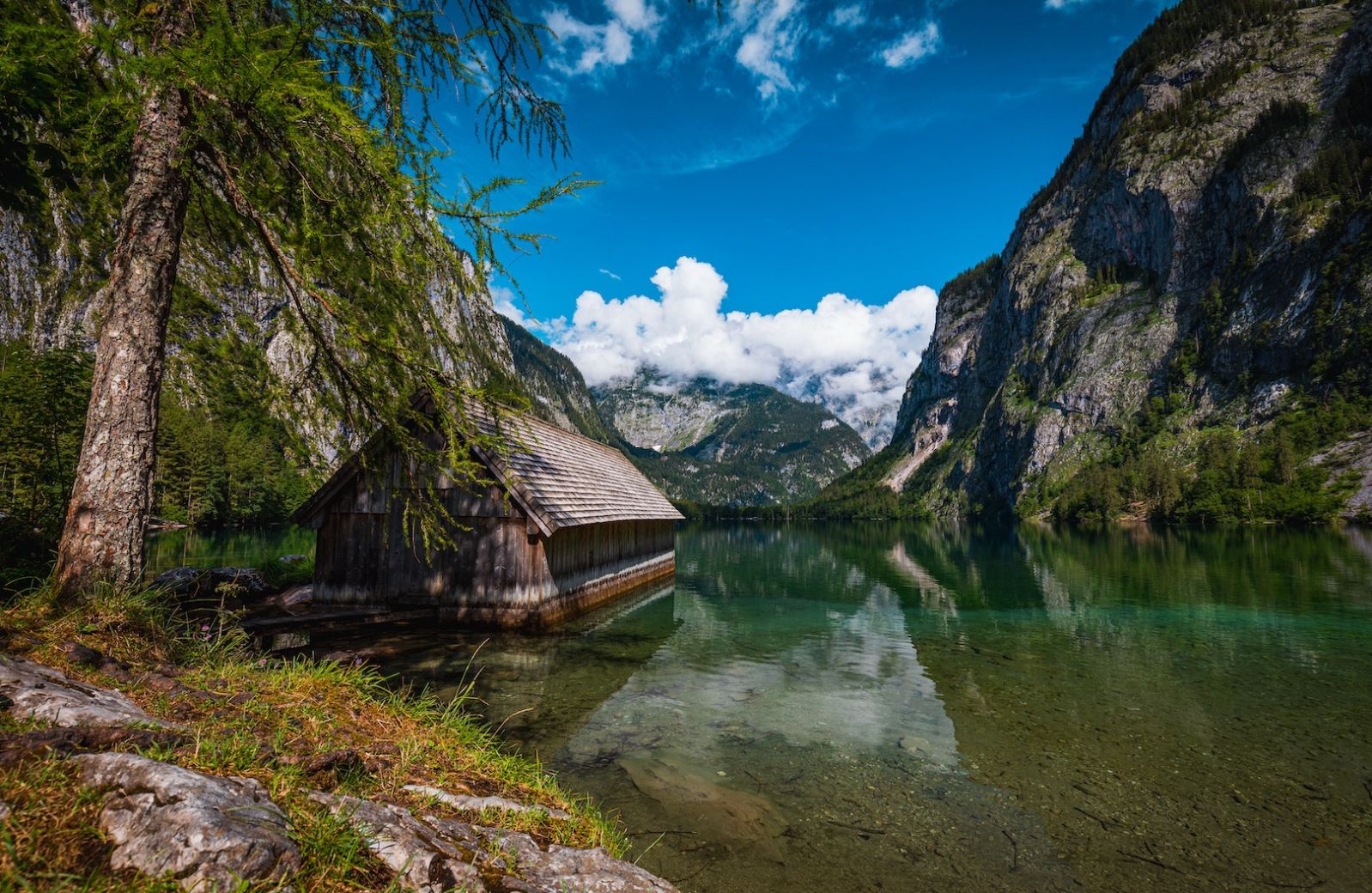
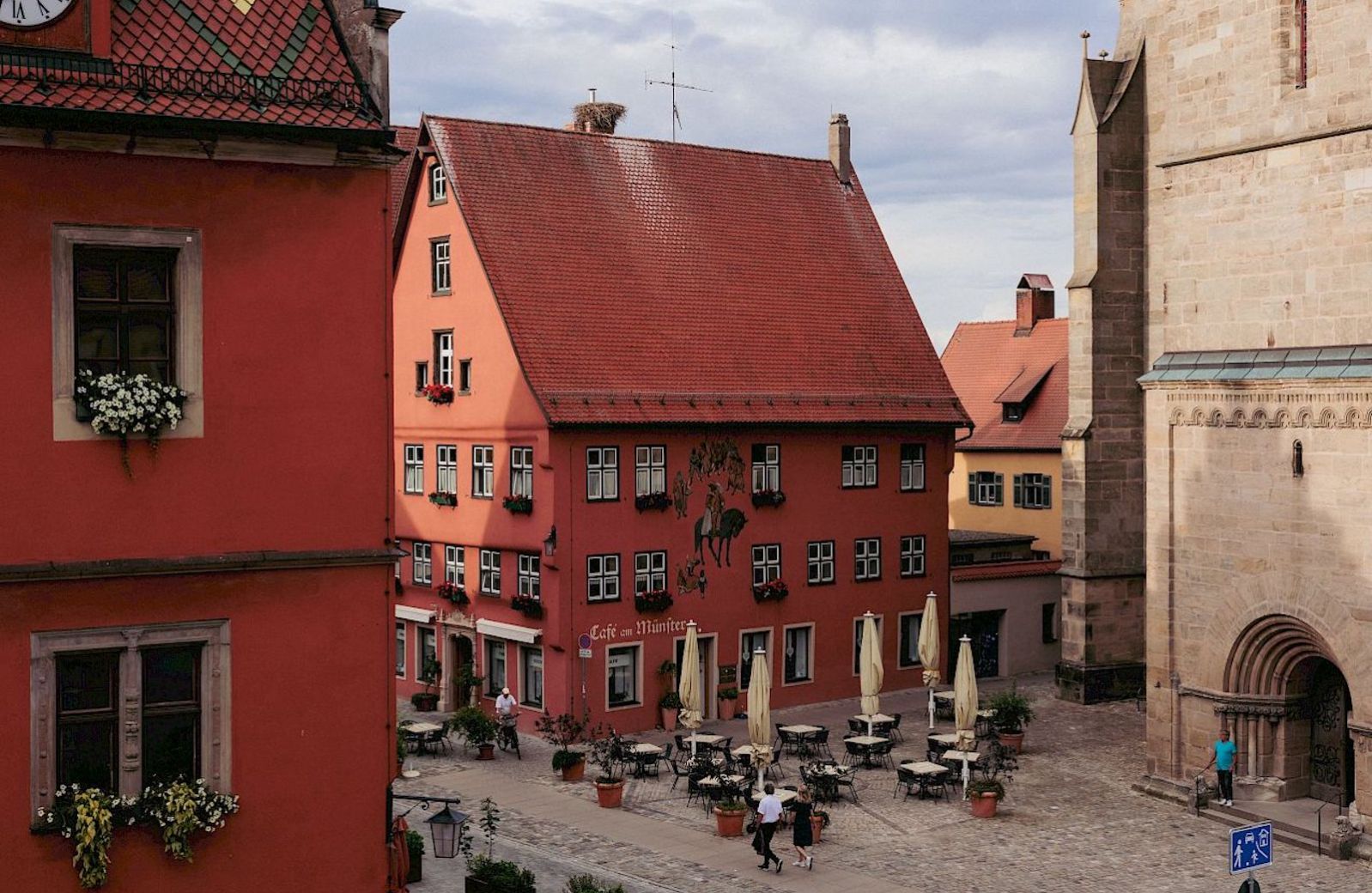
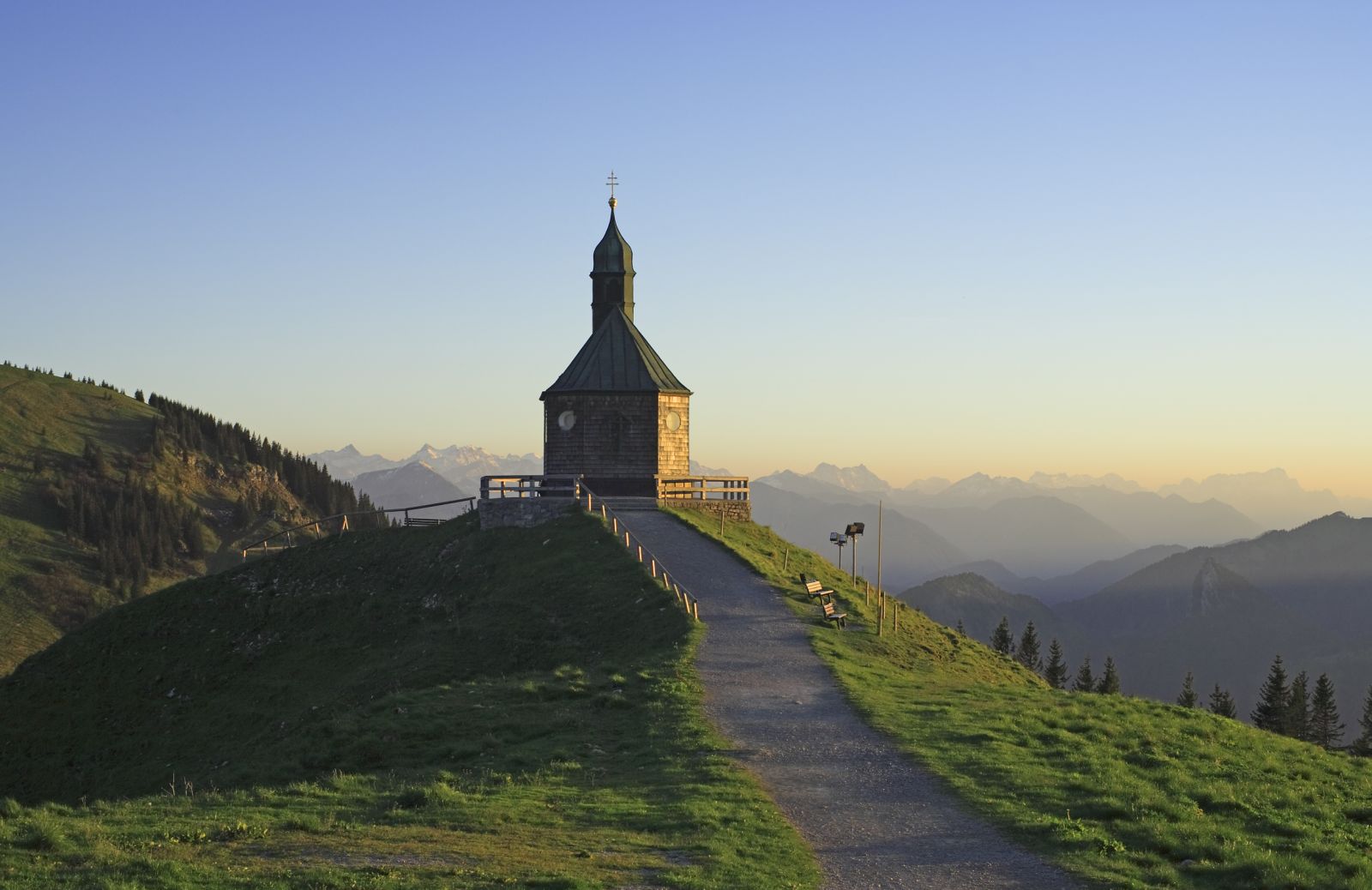
Head south into Bavaria (Bayern) and the scale shifts entirely. The Allgäu opens into meadowed uplands and the first serious reach of the Alps; the Chiemgau, caught between Munich and Salzburg, offers lake, moorland and mountain in a single unhurried afternoon. The medieval market towns of Dinkelsbühl and Amberg are among the most quietly extraordinary in the country: walled, intact and entirely unselfconscious about it. And secreted into the farmland of Lower Bavaria, the restored courtyard estates and rural retreats of the region make a compelling case for slowing down entirely.
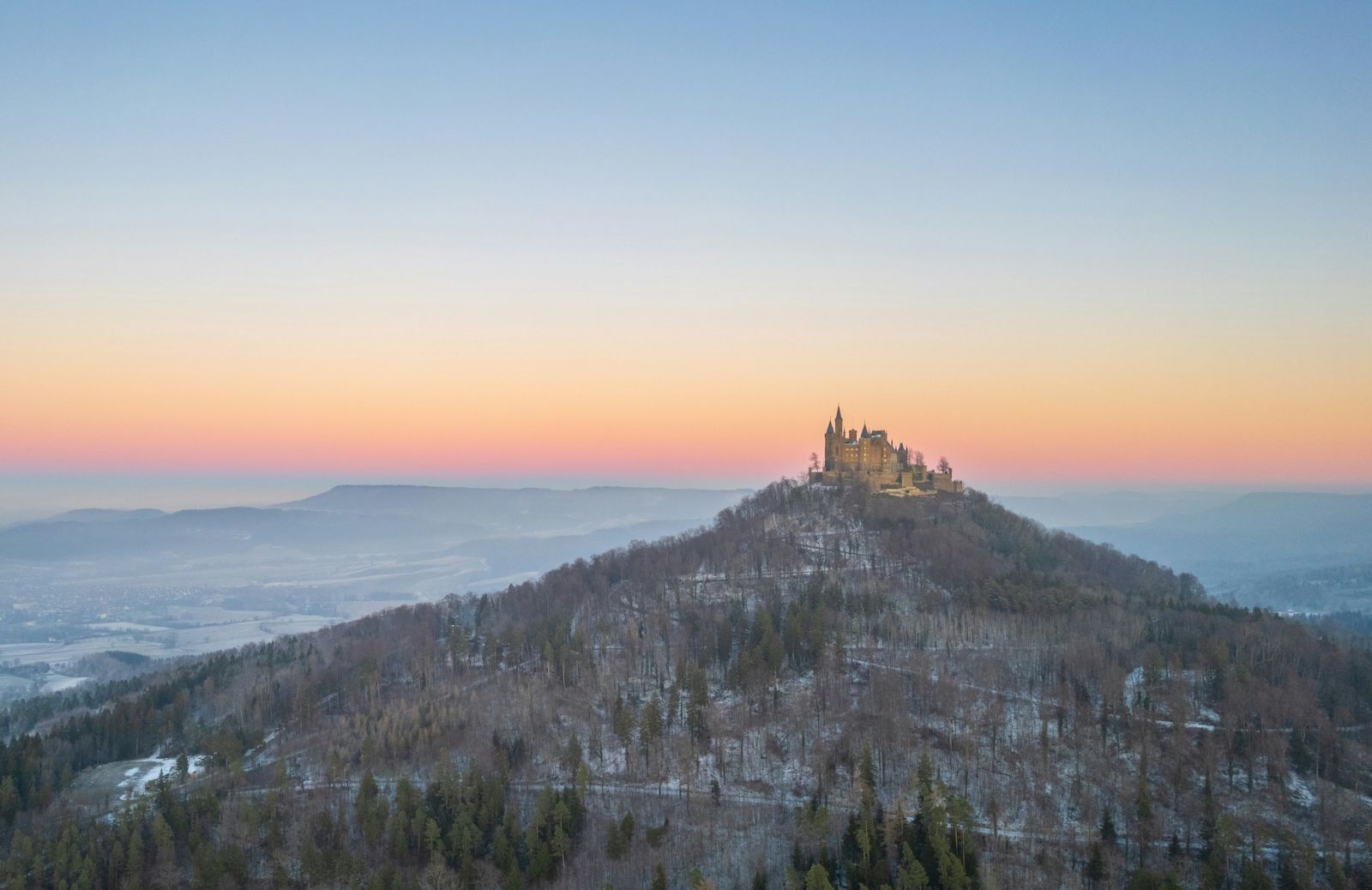
Westward, Baden-Württemberg holds its own considerable argument: the Black Forest's dense sandstone ridges, the thermal civility of Baden-Baden and a culinary culture that has absorbed French influence across centuries of proximity without losing its own character. This is the Germany of Michelin kitchens, vineyard-adjacent Riesling and forested drives that require no particular destination.
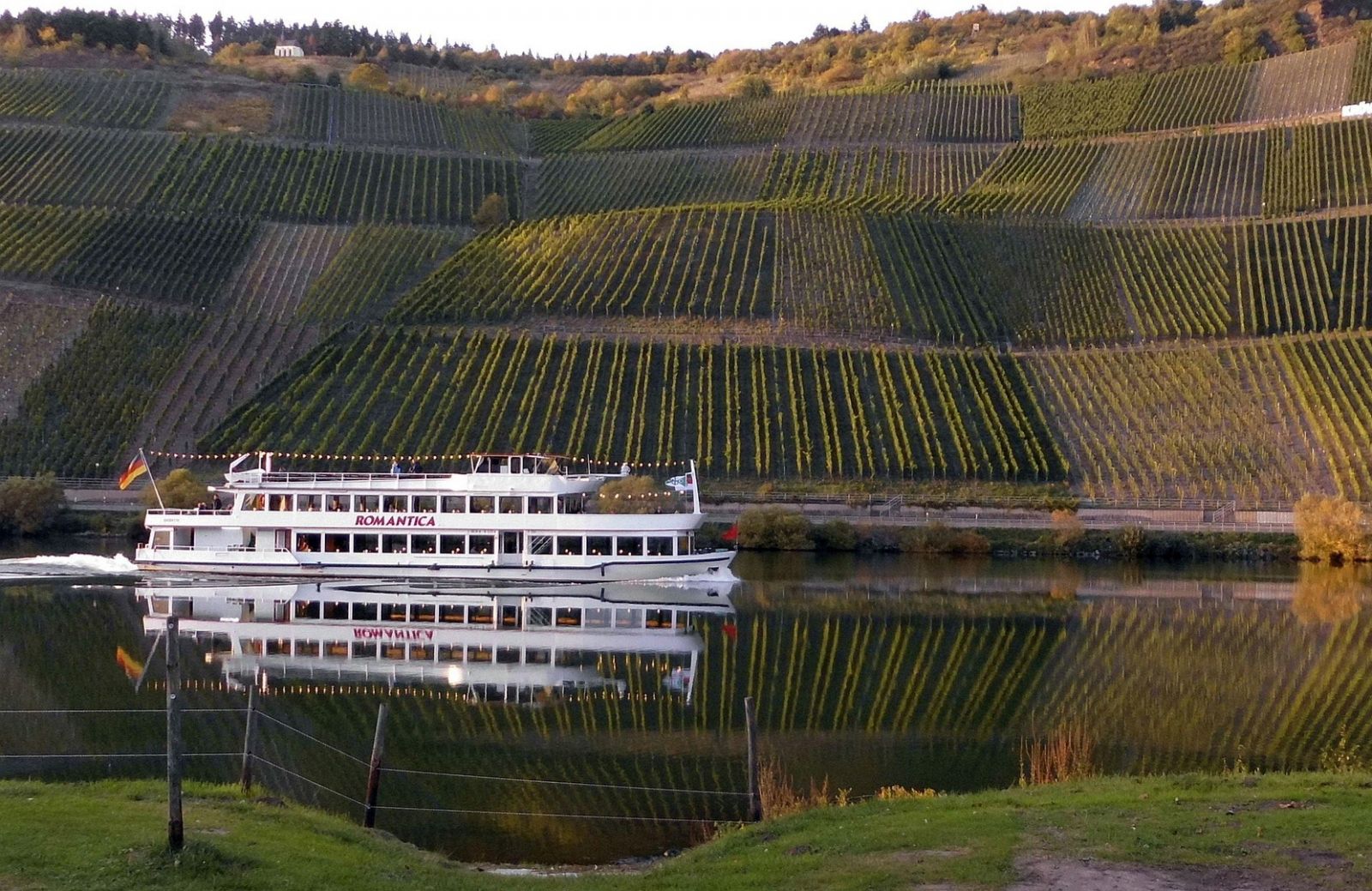
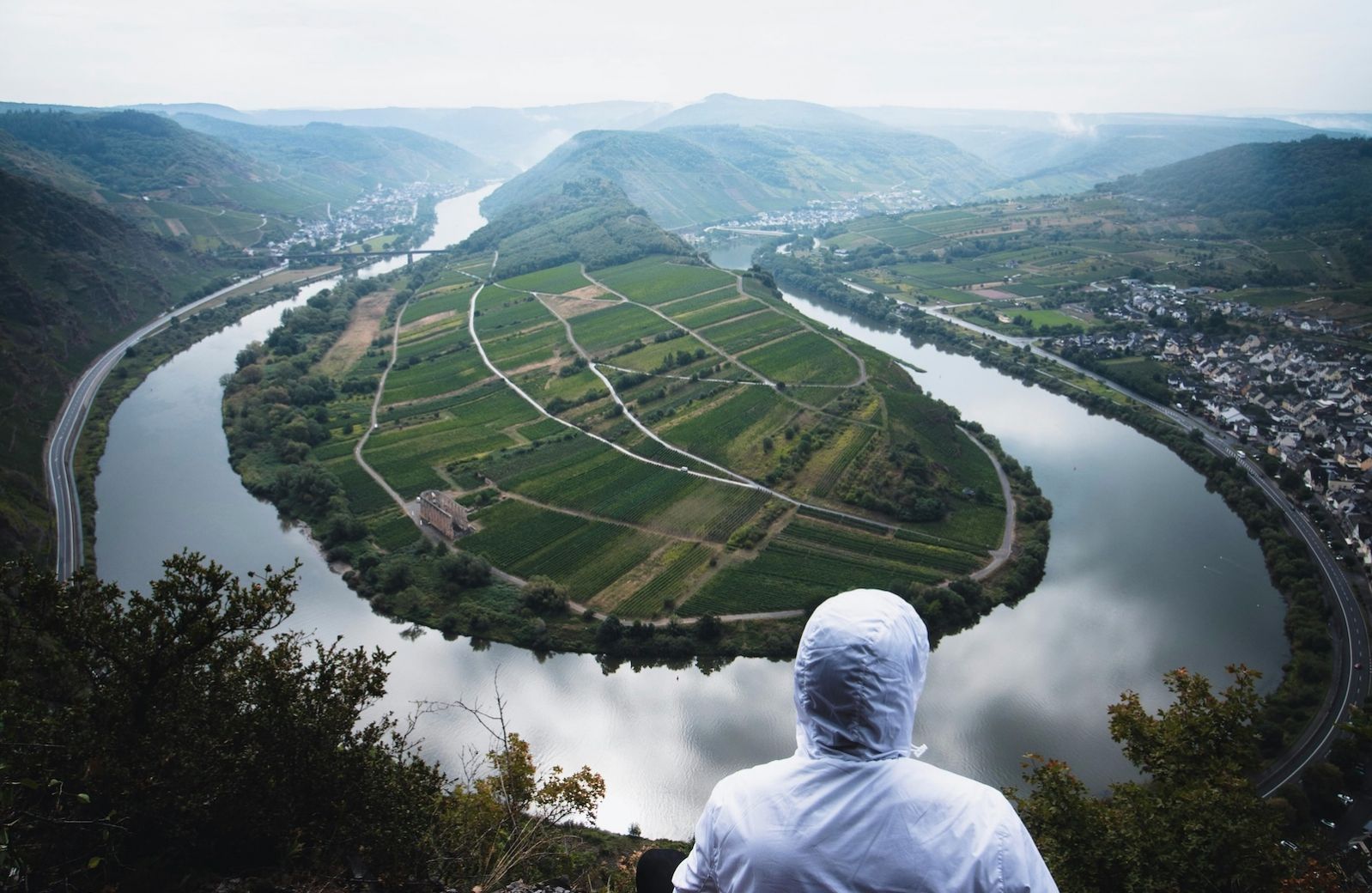
Further west, Rhineland-Palatinate (Rheinland-Pfalz) is where geology becomes gastronomy. The Moselle (Mosel) carves its famous loops through steep-sided valleys of Blaue Schiefer, blue slate that stores the sun's heat by day and releases it through the night, producing Rieslings of mineral precision that rank among the finest white wines on earth. The Roman city of Trier, Germany's oldest, anchors the valley's upper reaches with a weight of history the rest of Europe seldom matches. The Middle Moselle (Mittelmosel) and its vine-terraced villages have been inhabited, cultivated and deeply known for two thousand years and still, in late afternoon light, feel entirely their own.
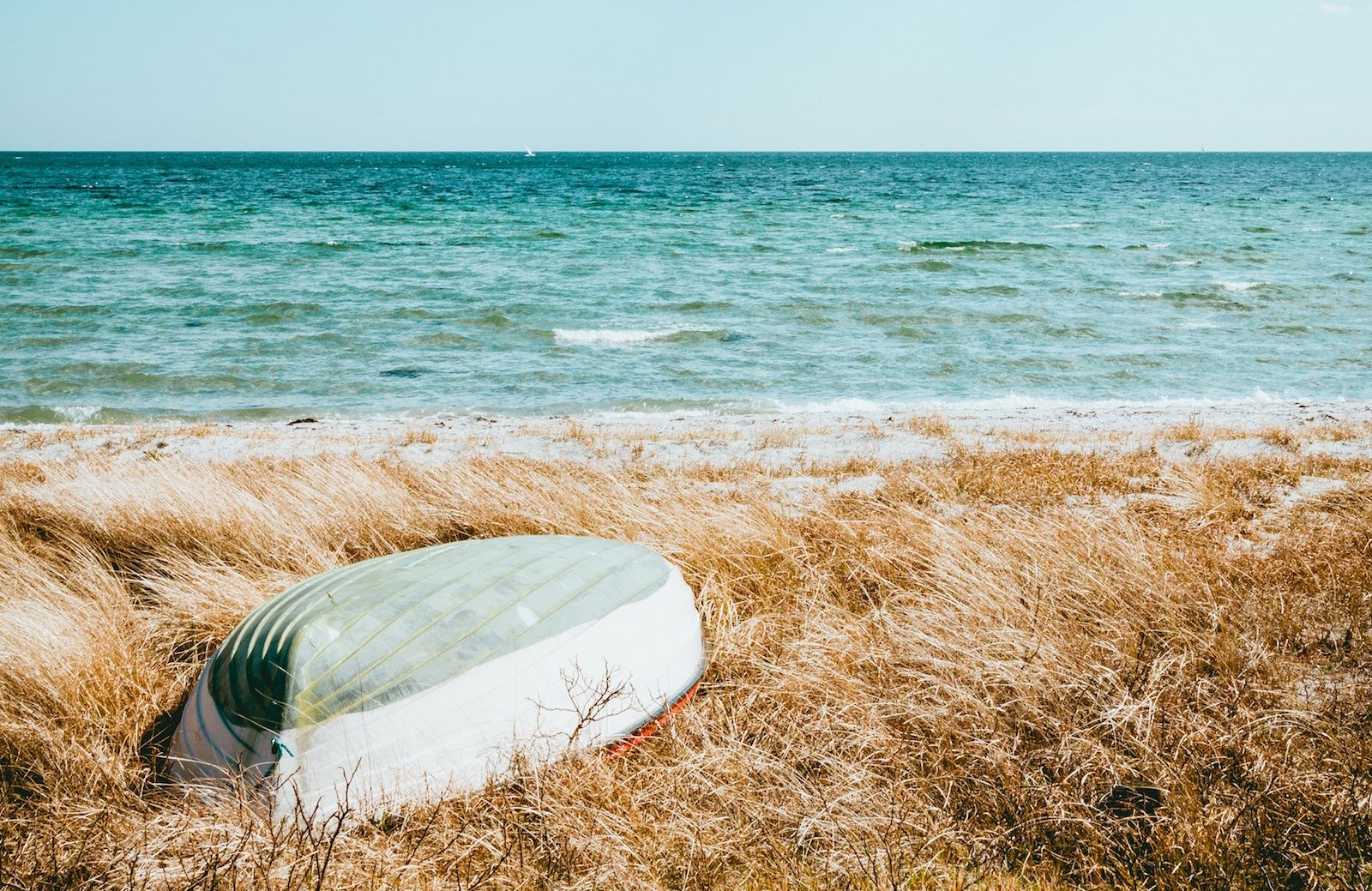
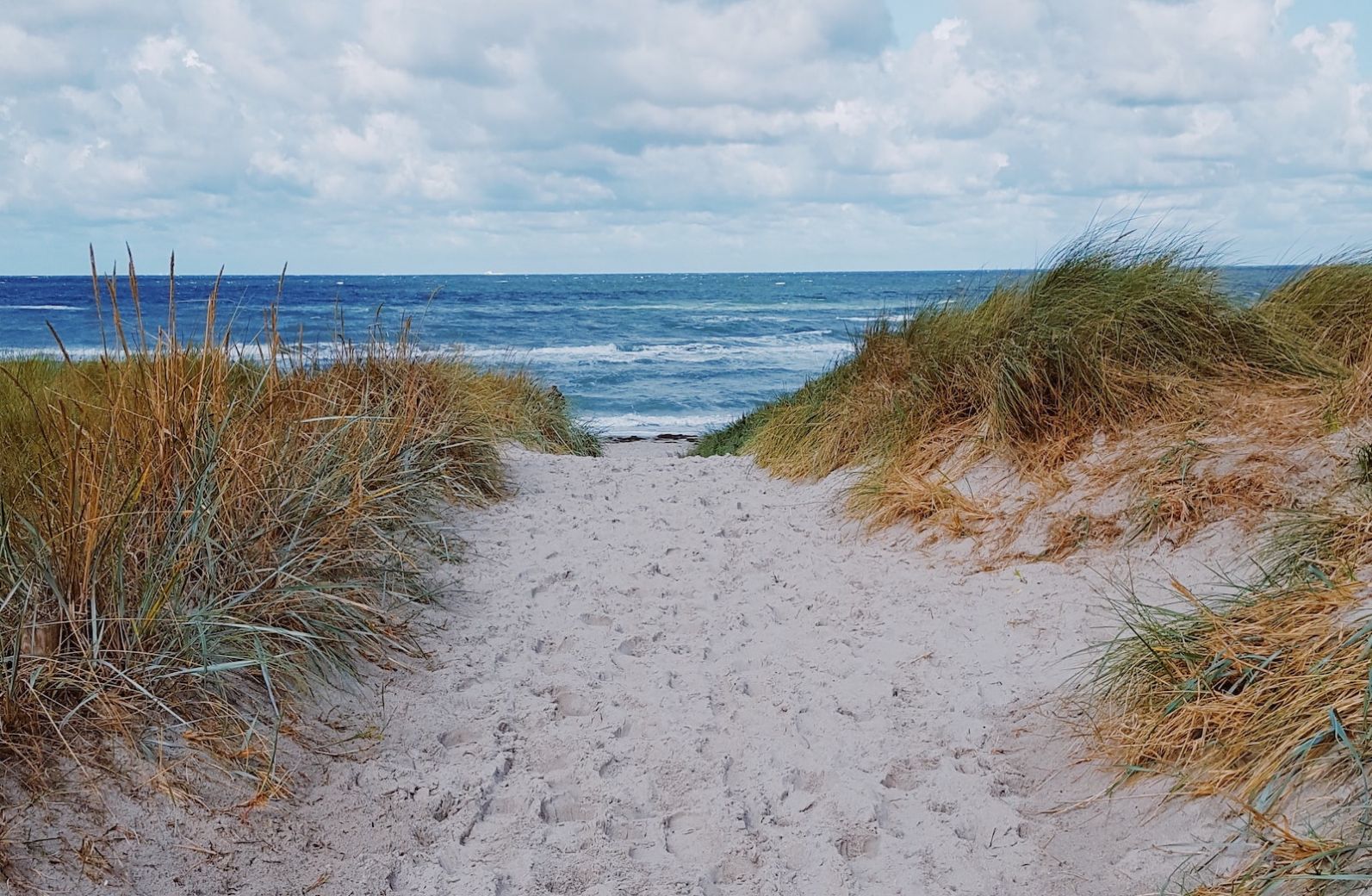
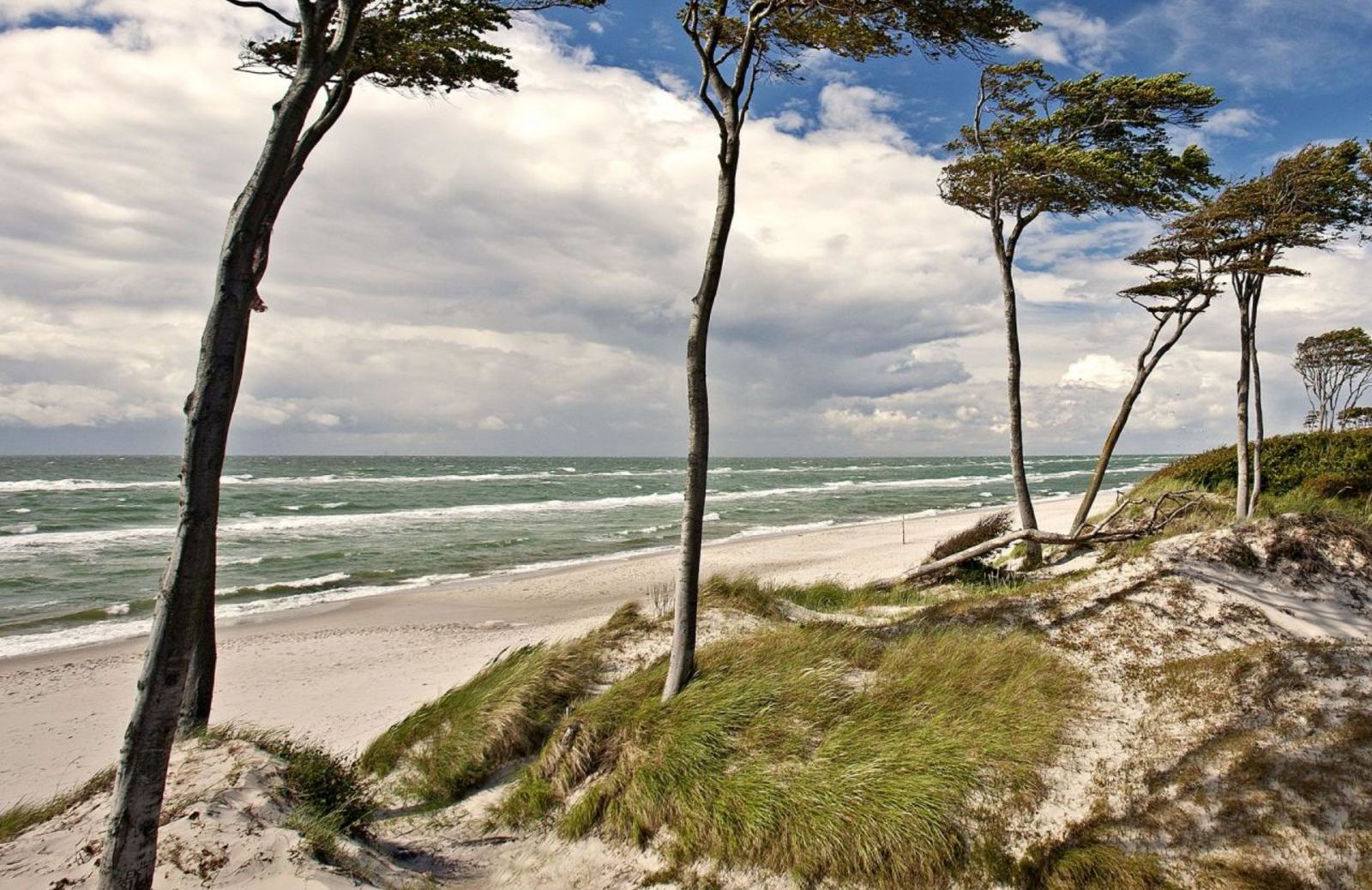
Germany also rewards those who simply move slowly through it. The tree-lined Baltic coast offers sea-sprayed beaches and wind-swept calm for those who need both distance and quiet. The Bavarian Alps reward the high-octane as much as the contemplative: drive them fast or walk them slowly; both are correct.
It is a long, complicated, deeply beautiful country. It reveals itself steadily to those willing to travel a little further from the obvious.
Discover Bavaria in all its Bayerisch allure, from Munich’s cultured stride to Alpine peaks and forested valleys. Explore Chiemgau, Bayrischzell and Amberg, wander fairytale towns and enjoy design-driven stays across one of Germany’s most beautiful regions.
read more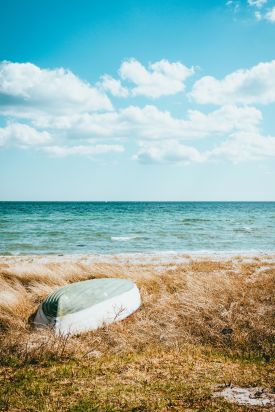
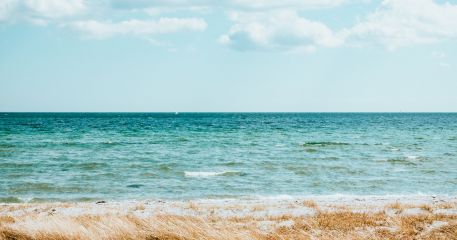
Ostseebad Ahrenshoop, a municipality in the Vorpommern-Rügen district on the Fischland-Darß-Zingst peninsula, was formerly home to painters such as Paul Müller-Kaempff and Oskar Frenzel. Moved by the landscape, in 1889 they formed an artist colony that soon became popular among other leading painters of the era.
read more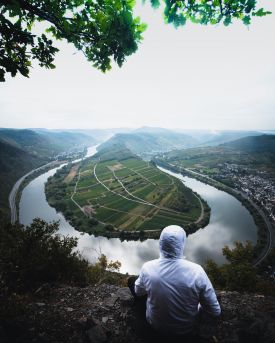
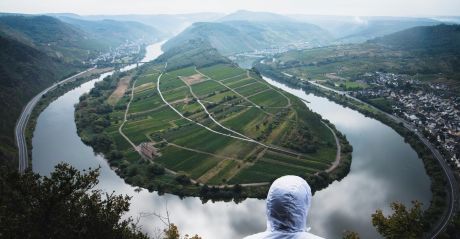
Blue slate, Roman roots and Rieslings grown on gradients no machine can work. The Moselle doesn't flow: it deliberates. Germany's most quietly extraordinary valley.
read more
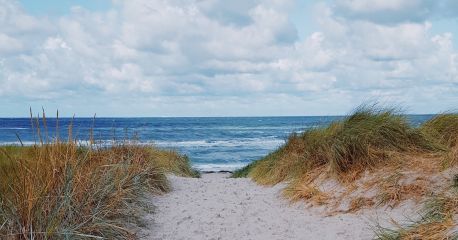
The Fischland-Darß peninsula is known as a place where thousands of migrating birds – cranes and geese – come to rest in their trek to southern, warmer regions.
read more
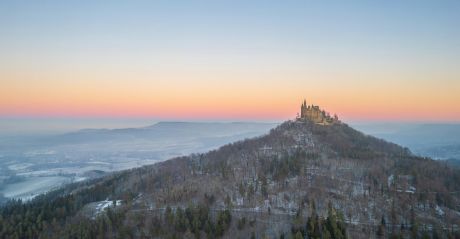
One of Germany’s most southerly states is demarcated as Baden-Württemberg, bordering France, Switzerland and Austria over the glistening shores of Lake Constance, and within Germany it shimmies up to Bavaria, Hesse and Rhineland Palatinate.
read more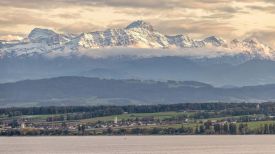
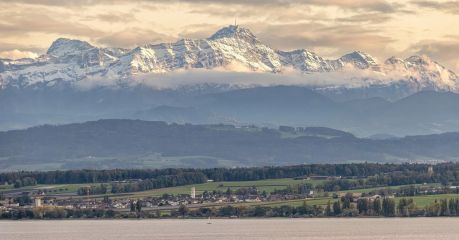
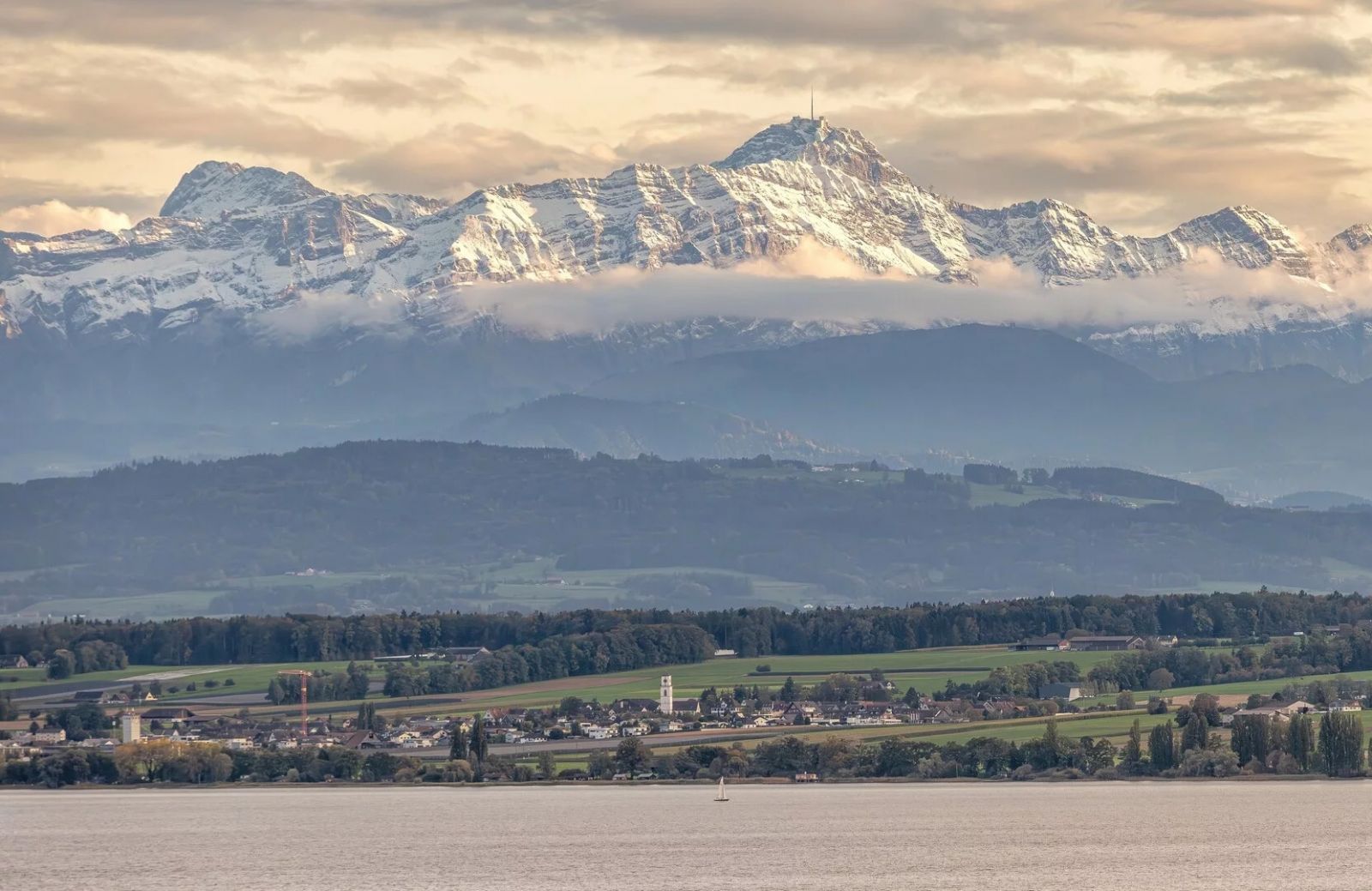
Affectionately known as the lake without a nation, freshwater Lake Constance, known as the Bodensee in German, was formed in the ice age by glaciers and is Europe's third largest lake.
read more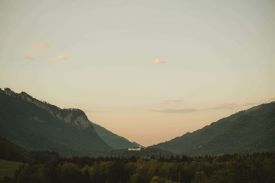
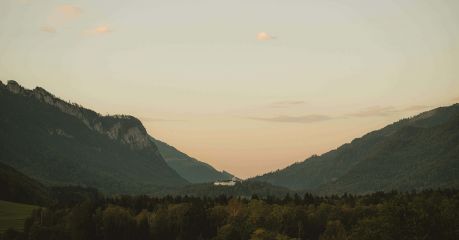
A cinematic landscape of lakes and Alpine peaks, Chiemgau is Bavaria in perfect edit: deep heritage, intelligent design and nature’s calm balanced by ski runs, forest trails and reed-lined shores.
read more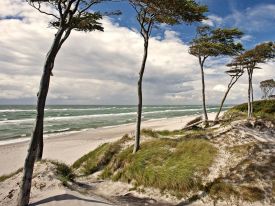
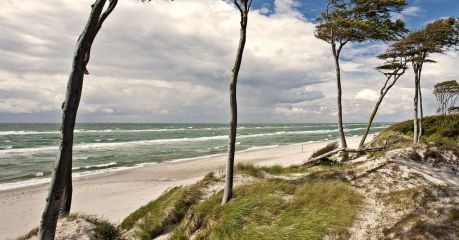
The Baltic Sea, for centuries an invaluable trade port, is a unique blend of Nordic, Germanic and Slavic influences. The Vikings fought for control of it, the poets have written sonnets in tribute to it, and today it continues to inspire heroic feats.
read more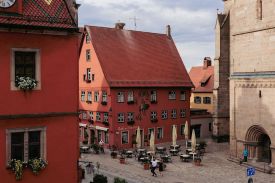
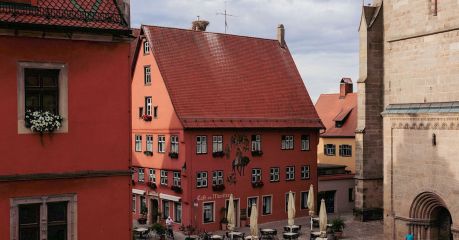
Located on the banks of the Wörnitz River in Bavaria, one of Germany’s best-preserved cities where immaculate medieval buildings meet cobbled streets, cathedrals, churches and museums are clasped by old city walls.
read more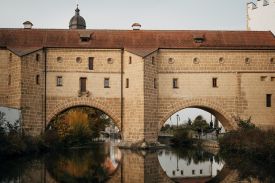
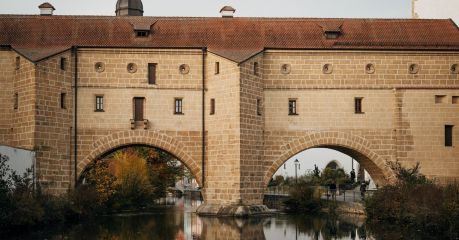
Backed by the Franconian Jura Mountains, Bavarian Amberg is a heritage rich town in Germany with medieval architecture, famed for its beer makers, as well as its Air Museum.
read more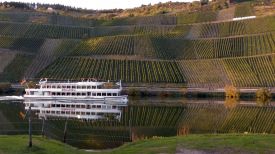
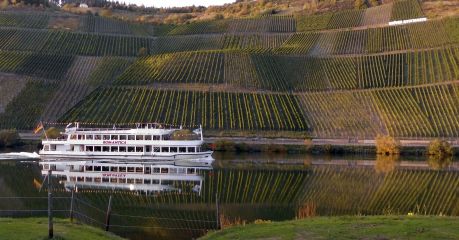
If a landscape could be defined by patience, Rhineland-Palatinate (Rheinland-Pfalz) in the western flanks of Germany would be its proof. This is a region where two thousand years of viticulture, empire, and river commerce have left their mark not in monuments alone but in the very grain of the land: in the slate-terraced hillsides, the Romanesque stonework, the unhurried rhythms of villages that have organised themselves around a river bend since Roman legions first planted vines in the valley soil.
read more

Bayrischzell is a peaceful Alpine village in Upper Bavaria near Munich, framed by Wendelstein and Aiplspitz. Trails, ski slopes and lakes shape its rhythm, creating a grounded escape rooted in Bavarian character.
read more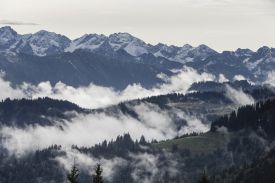
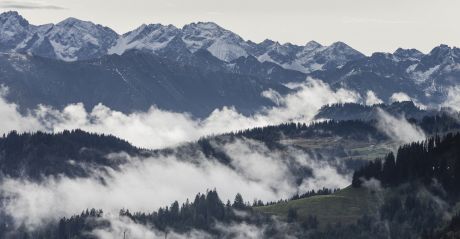
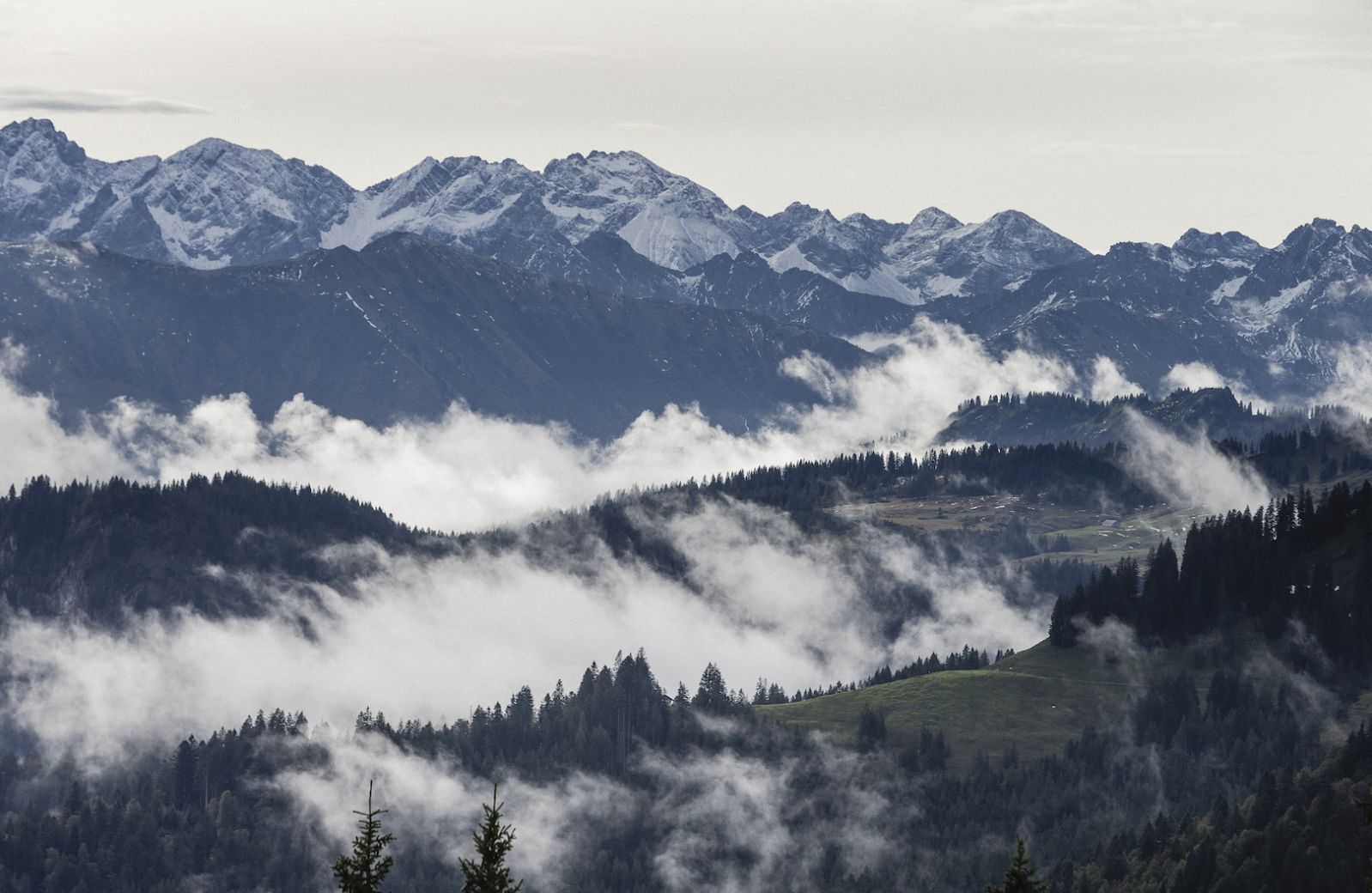
Clasped by the Bavarian Alps and found just north of the border with Austria, the picturesque region of Allgäu in southern Germany has all the quintessential hallmarks of alpine beauty. Shimmering lakes, verdant forests, fresher-than-fresh mountain air, all surrounded by jagged peaks that punctuate the panorama.
read more
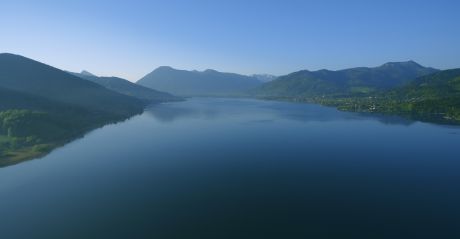
The town of Tegernsee, less than an hour from Munich, sits on the tranquil shores of its signature lake, Lake Tegernsee, in the cradle of the Bavarian Alps. Home to impressive peaks like the "Rotwand“ (1.884m asl) and the "Wallberg“ (1.722m asl), in many ways it owes its appeal to local, man-made attractions.
read more
Get the insider news and lowdown on what we've been up to, where we've been, and who we've met along the way. Be the first to discover new places and get the scoop on our favourites.