
JOIN the AFICIONADOS
Get the insider news and lowdown on what we've been up to, where we've been, and who we've met along the way. Be the first to discover new places and get the scoop on our favourites.

Bavaria has a way of drawing you in with its quiet confidence. Call it Bavaria or Bayern, this southern realm of Germany leans against the Alps with an easy poise shaped by centuries of craft, folklore and architectural flourish. It shares its borders with Austria and the Czech Republic, and within Germany it touches Baden-Württemberg, Hesse, Thuringia and Saxony. The result is a region defined by crossings, cultures and landscapes that slip from mountain drama to river valleys and broad lake country.
Munich sits at the heart of it all. The Bavarian capital, München, balances courtly heritage with a contemporary stride. Its streets carry the Baroque and Neoclassical visions of Leo von Klenze and Friedrich von Gärtner, while modern quarters hum with design studios, galleries,and the city’s famously laid-back café culture. Landmarks such as the Frauenkirche, the Residenz and the Englischer Garten set the tone, yet Munich is also the natural gateway to the Alps, its southern horizon framed by peaks that feel close enough to touch. Trains and autobahn routes sweep you straight into mountain valleys, lakes and storybook villages.
This sense of legend shapes much of Bavaria’s appeal. Neuschwanstein Castle rises out of the Allgäu as if sketched from a childhood dream, its towers mirrored in countless retellings of fairy tales. The walled towns of the Bayerischer Wald carry a similar spell, their Medieval silhouettes edging the Bavarian Forest National Park. Here, the Brothers Grimm would find familiar shadows among the pines. Further north, Würzburg and the broader Franconia wine region add a different cadence with Baroque palaces and vineyards that roll into the horizon, each one a reminder that Bavaria’s pleasures extend far beyond the mountains.
The region’s cultural spectrum arcs from folk traditions to avant garde experiment. The image of Lederhosen, Dirndl and brass bands remains part of the Bavarian rhythm, especially in festival season, yet this is also the land that shaped radical voices such as Bertolt Brecht, Klaus Nomi, Rainer Werner Fassbinder and Werner Herzog. Their legacy threads through theatres, film houses and contemporary arts spaces across Munich, Augsburg, Regensburg and Nuremberg.
Nature remains the constant anchor. The Chiemgau Alps offer a softer Alpine profile where lakes, forests and villages settle between soaring limestone peaks. Bayrischzell brings crisp air, mountain passes and winter ski lines that feel wonderfully secluded. Amberg, with its pastel facades and Medieval walls, adds a more urban charm shaped by trade routes and river life. Together, these destinations sketch an itinerary that is both grounded and wildly scenic.
Travel to Bavaria rewards all seasons. In winter, the Bavarian Alps serve up ski trails, hearty mountain huts and that irresistible pause over Schweinshaxe and Weißwurst. In summer,fields brim with wildflowers that drift toward deep blue lakes. Beer gardens remain a rite of passage from mid-April to October, each one an open invitation to sit beneath chestnut trees and taste a little of Bavaria’s easy-going soul.
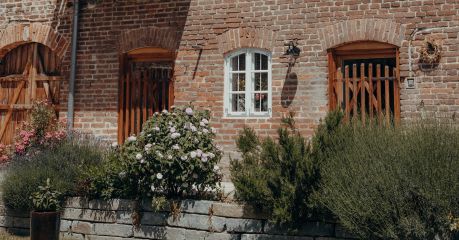

A design and culture-led guide to Munich, exploring layered architecture, Bavarian craft, contemporary creativity and a refined approach to the good life.
read more
Where Roman grit collides with Bavarian beats: Dinkelsbühl’s medieval walls, design dens and raw festival energy make this historic town a must for Germany’s travel radar.
read more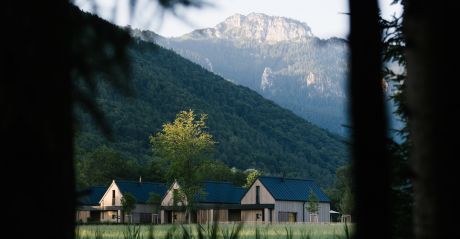
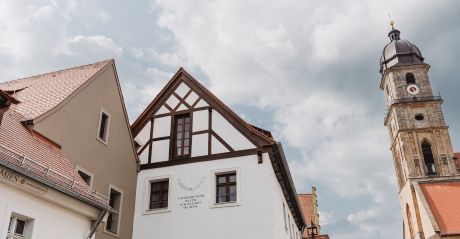
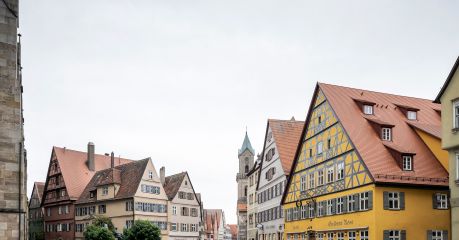
A regal abode of rich heritage rethought for the creative set, founders, fashionistas and entrepreneurs who feel equally in residence in Bavaria's downtown beauty, Dinkelsbühl.
read more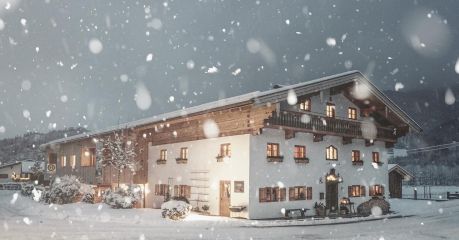
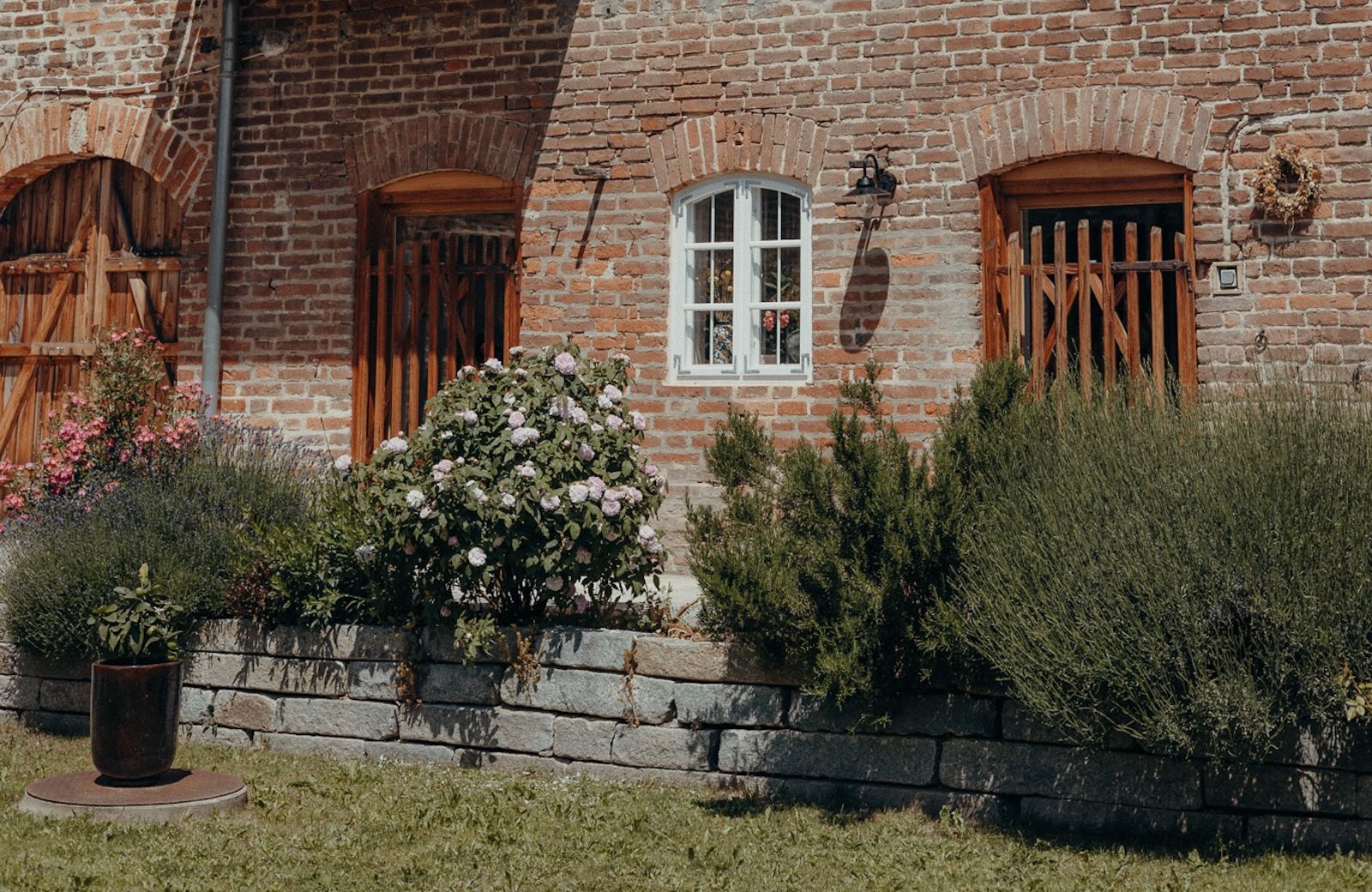
A five-hundred year old farmhouse in Geitau, Der Schmiedhof pairs Bavarian heritage with calm, design led apartments framed by Wendelstein and Aiplspitz, creating a quiet Alpine retreat shaped by craft and clarity.

Beer belongs to Amberg. It has for centuries. Brewed slowly, shared locally and shaped by families who never chased scale, the town still drinks with purpose, patience and pride.
read more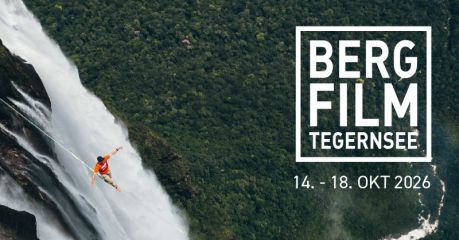
Bavaria's culture hotspot, the International Mountain Film Festival, is set to open its doors October 14 - 18, 2026 by beautiful Lake Tegernsee.
read more
Ellen von Unwerth's HEIMAT, a photographic ode to her homeland, Bavaria, has the whole world talking, and we can sure see why.
read more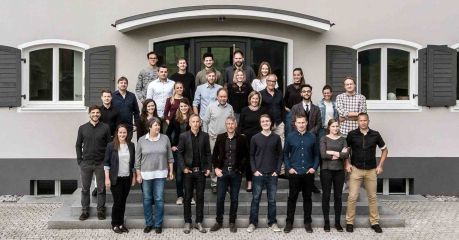
With an immersive sense of place, their structures merge perfectly into their environments, creating buildings with soul, that seem intrinsically linked to nature.
read more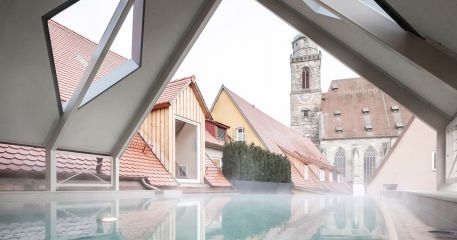
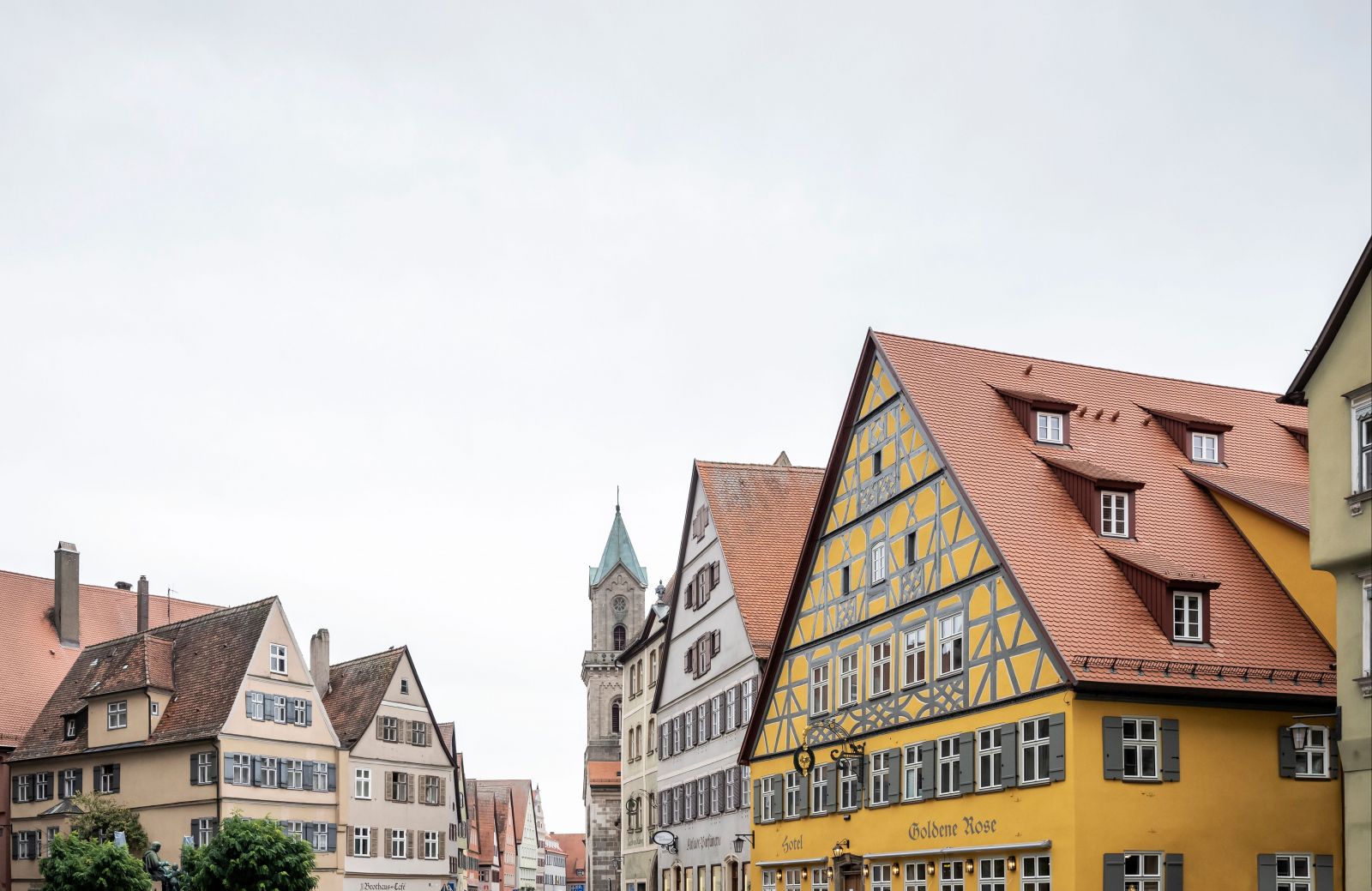
Medieval rooftops cradle a hidden spa. Goldene Rose in Dinkelsbühl, fuses heritage and wellness with a rooftop infinity pool, saunas and timeless timbered design.
read more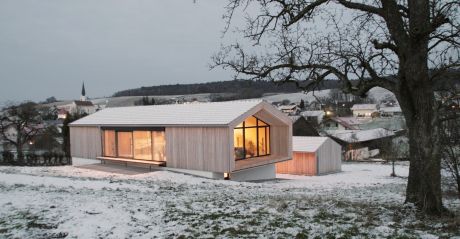
We like the way in which partners Manfred Brennecke and Stefan Kohlmeier from Arc Architekten approach the business of architecture – bringing the client into the heart of the process and using it as their humble raison d’etre.
read more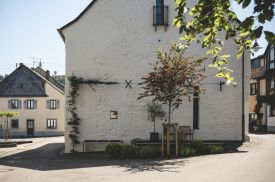
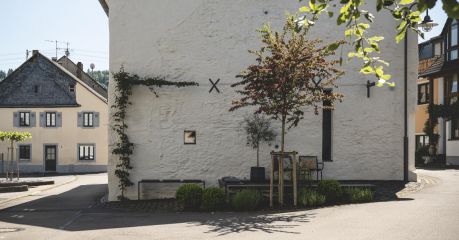
Two thousand years of vines, empire and river commerce, written into the slate and stone of western Germany. Rhineland-Palatinate does not perform its history. It simply continues it.
read more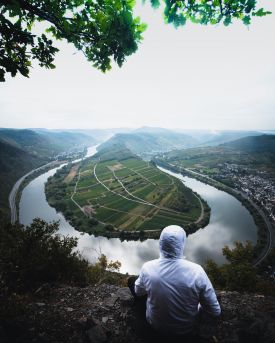
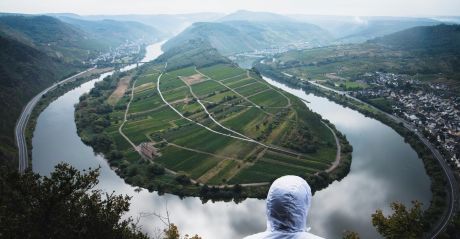
Blue slate, Roman roots and Rieslings grown on gradients no machine can work. The Moselle doesn't flow: it deliberates. Germany's most quietly extraordinary valley.
read more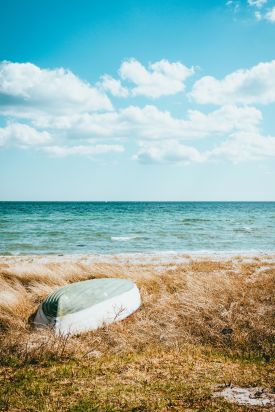
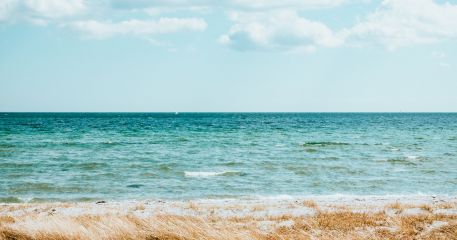
Ostseebad Ahrenshoop, a municipality in the Vorpommern-Rügen district on the Fischland-Darß-Zingst peninsula, was formerly home to painters such as Paul Müller-Kaempff and Oskar Frenzel. Moved by the landscape, in 1889 they formed an artist colony that soon became popular among other leading painters of the era.
read more
A five-hundred year old farmhouse in Geitau, Der Schmiedhof pairs Bavarian heritage with calm, design led apartments framed by Wendelstein and Aiplspitz, creating a quiet Alpine retreat shaped by craft and clarity.
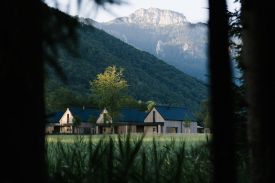
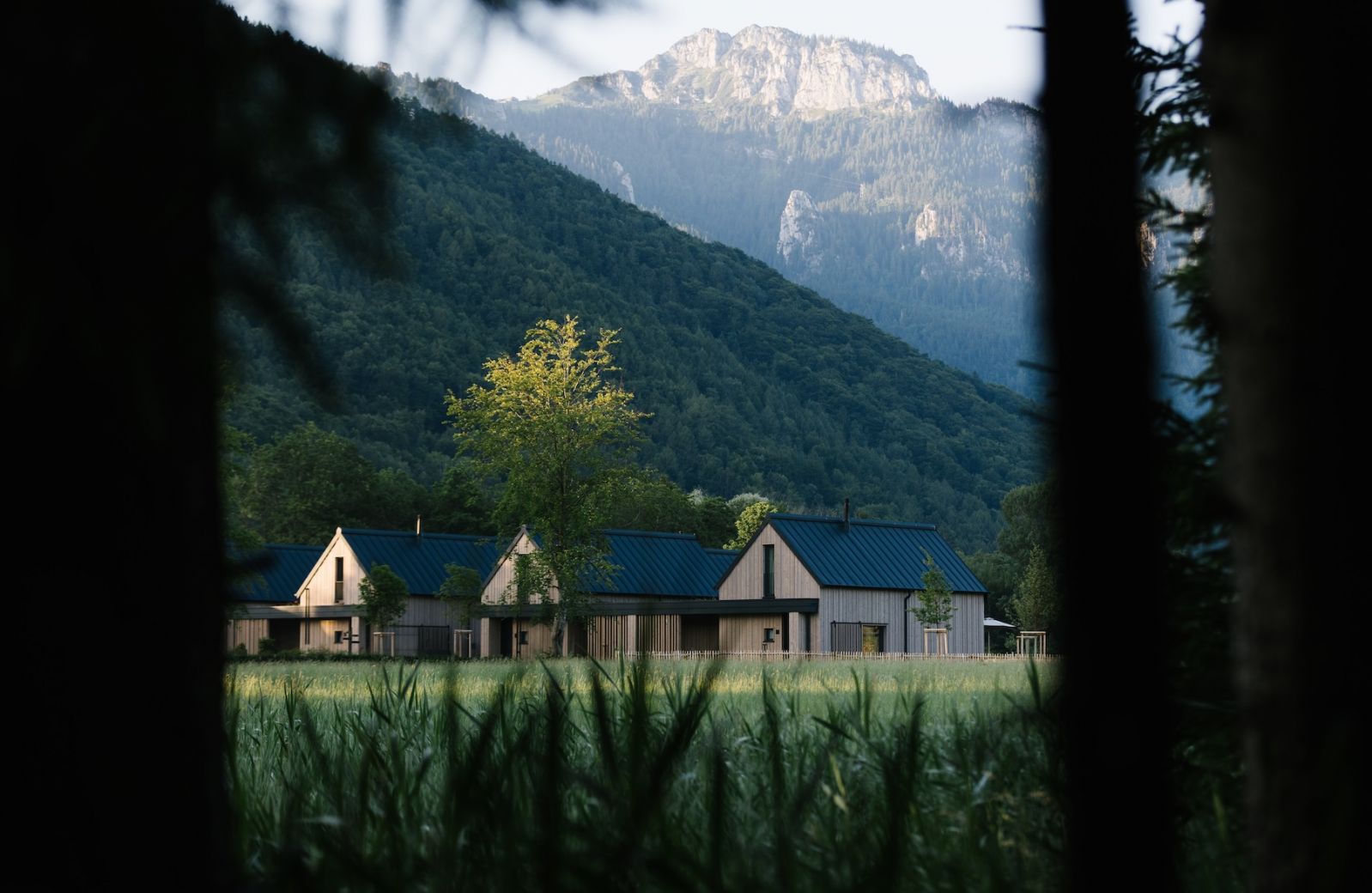
Timber chalets in the Chiemgau Alps unite self-catering ease with Bavarian soul, sustainable craft and lake to peak adventure, set between Munich and Salzburg beside Chiemsee’s reeds, moorland and mountain light calm.
read more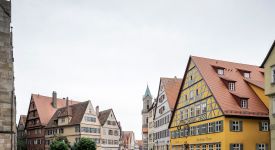
A regal abode of rich heritage rethought for the creative set, founders, fashionistas and entrepreneurs who feel equally in residence in Bavaria's downtown beauty, Dinkelsbühl.
read more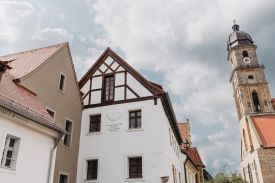
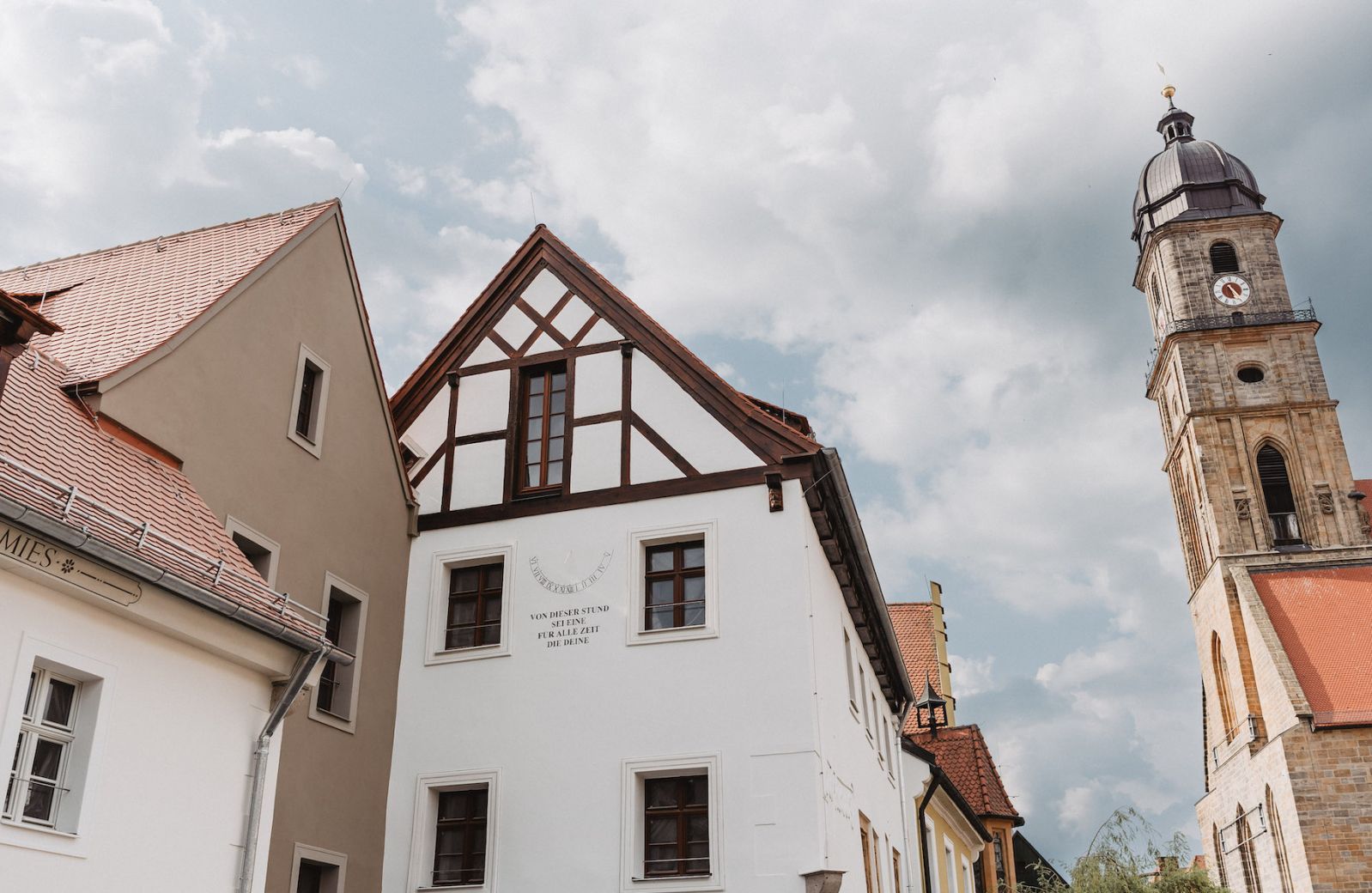
A beautiful narrative of restoration and design, this riverside perch of style sits in the heartland of historic Amberg, its aged facade plays host to a seductive remit of subtle design and crafted interiors overlooking the river Vils.
read more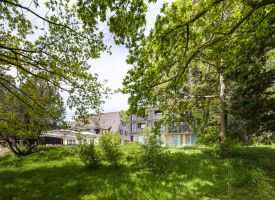
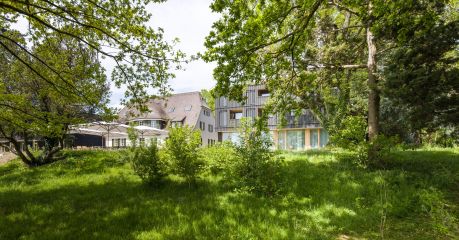
Steps away from Lake Constance, this shoreside hideaway fuses historical elegance with modern, purist architecture and conscious design, cradled in nature, wildflowers and centuries-old pine trees.
read more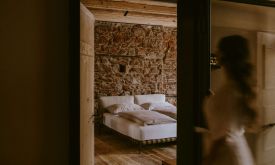
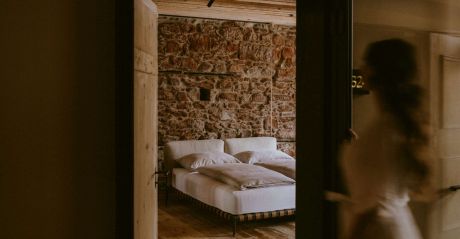
Raw architecture, rusticity and a gallery of textured heritage narrate this design hotel outpost from its façade of dandy red shutters to the tales of twisted loft rafters and atmospheric exposed history.
read more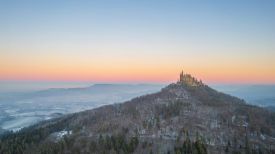
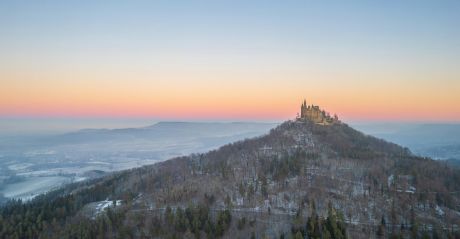
One of Germany’s most southerly states is demarcated as Baden-Württemberg, bordering France, Switzerland and Austria over the glistening shores of Lake Constance, and within Germany it shimmies up to Bavaria, Hesse and Rhineland Palatinate.
read more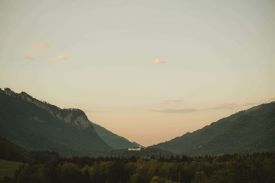
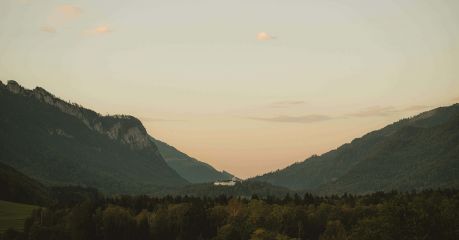
A cinematic landscape of lakes and Alpine peaks, Chiemgau is Bavaria in perfect edit: deep heritage, intelligent design and nature’s calm balanced by ski runs, forest trails and reed-lined shores.
read more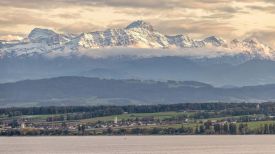
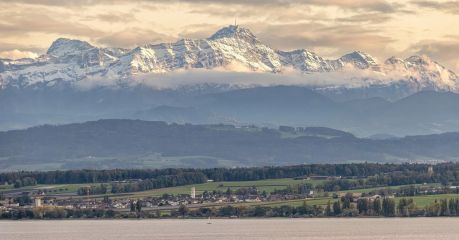
Affectionately known as the lake without a nation, freshwater Lake Constance, known as the Bodensee in German, was formed in the ice age by glaciers and is Europe's third largest lake.
read more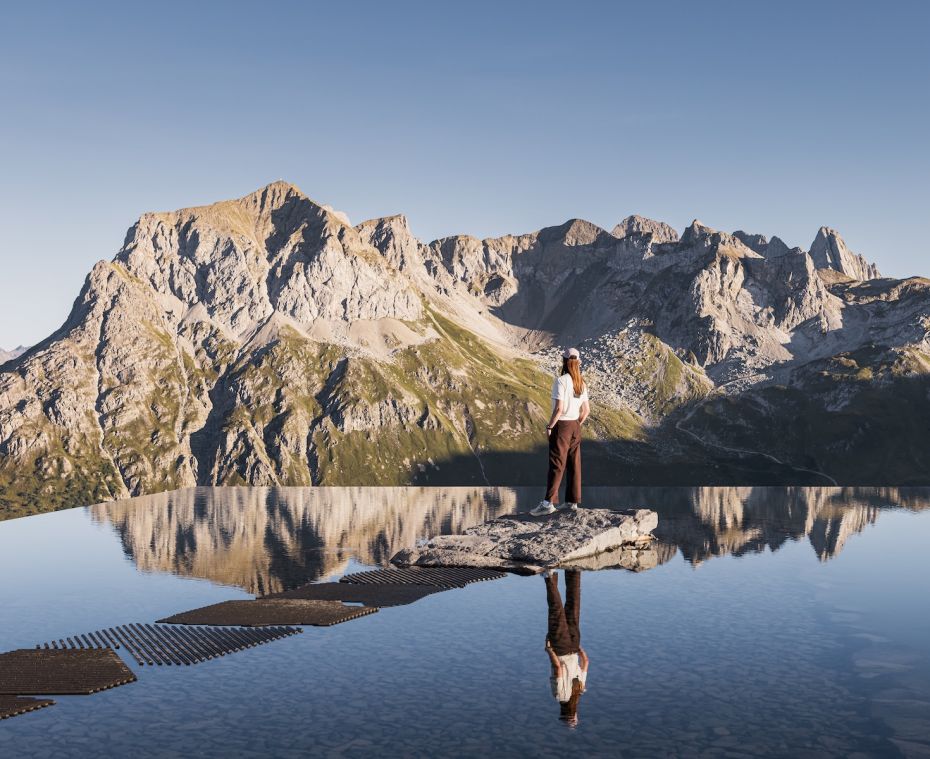
Get the insider news and lowdown on what we've been up to, where we've been, and who we've met along the way. Be the first to discover new places and get the scoop on our favourites.