JOIN the AFICIONADOS
Get the insider news and lowdown on what we've been up to, where we've been, and who we've met along the way. Be the first to discover new places and get the scoop on our favourites.

If a landscape could be defined by patience, Rhineland-Palatinate (Rheinland-Pfalz) in the western flanks of Germany would be its proof. This is a region where two thousand years of viticulture, empire, and river commerce have left their mark not in monuments alone but in the very grain of the land: in the slate-terraced hillsides, the Romanesque stonework, the unhurried rhythms of villages that have organised themselves around a river bend since Roman legions first planted vines in the valley soil.
The region is drawn by water. The Rhine carves south to north through volcanic basalt and loess terraces; the Moselle (Mosel) swings in great loops from the French border through ancient Trier and down to Koblenz; the Nahe threads through the uplands toward Bad Kreuznach. To the west, the Eifel plateau rises into a volcanic landscape of crater lakes: the Maare; dense forest and moorland that feels older than politics. To the east, the Palatinate Forest (Pfälzerwald), a UNESCO Biosphere Reserve, stretches through sandstone ridges and mixed woodland that form the largest unbroken forest in Germany.
The Weight of Stone
Trier is the oldest city in Germany and, in the history of northern Europe, one of the most consequential. Its Roman inheritance is not curated but lived-in: the Porta Nigra stands in the city grain without apology, the Imperial Baths and amphitheatre remain present in the texture of an ordinary working town. Trier's proximity to Luxembourg and the French border gave it centuries of strategic weight, and that borderland tension, between empires, between languages, between allegiances, is still readable in its architecture and in the particular self-possession of its inhabitants.
Koblenz, where the Rhine and Moselle meet at the Deutsches Eck, is the region's second city: Prussian in its civic ambition, medieval in its bones. The Ehrenbreitstein Fortress, one of the largest preserved fortifications in Europe, sits across the Rhine as a reminder that this confluence has been contested ground for as long as there have been people to contest it.
The ecclesiastical landscape is dominated by Romanesque architecture to a degree found almost nowhere else. The three Kaiserdome: the Imperial Cathedrals of Speyer, Worms and Mainz; form a loose axis along the Rhine. Speyer Cathedral, largely intact since the eleventh century, is sobering in its scale and its austerity: a building that does not ask to be admired so much as understood. Between Bingen and Koblenz, the Rhine Gorge passes more than forty medieval fortifications in a UNESCO World Heritage landscape where the grammar of rock, vine and tower has remained essentially unchanged across five centuries.
Borderland Character
The culture of Rhineland-Palatinate is shaped as much by proximity as by belonging. Lorraine lies to the south-west, the Saarland to the south-east, Koblenz to the north, with Luxembourg in the west, minutes away, and France just across the border. The culinary and linguistic traditions blur freely across those lines; Pfälzer Saumagen, the stuffed pig-stomach dish of the Palatinate, appears on menus where French charcuterie traditions have long since crossed the border and settled in. Carnival, Fastnacht, reaches an intensity in Mainz that predates Venice in its documented form, a tradition of organised irreverence that is entirely indigenous.
Wine is not a visitor attraction here. It is structural: a form of land management, cultural identity and seasonal rhythm that has shaped rural life continuously since the Romans. The Palatinate and Moselle wine regions are among the oldest in the world. Their terraced vineyards are landscape architecture, requiring hand labour on gradients that no machine can work, producing wines of geological specificity. To walk through these terraces in October, the Spätlese harvest underway, is to understand a region not as a destination but as a long, deeply inhabited place; somewhere that has been known, worked and loved for a very long time.
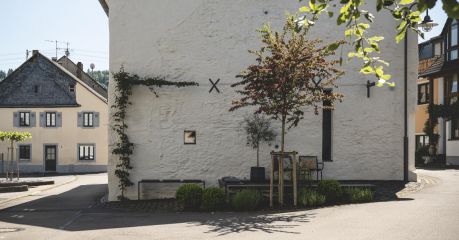
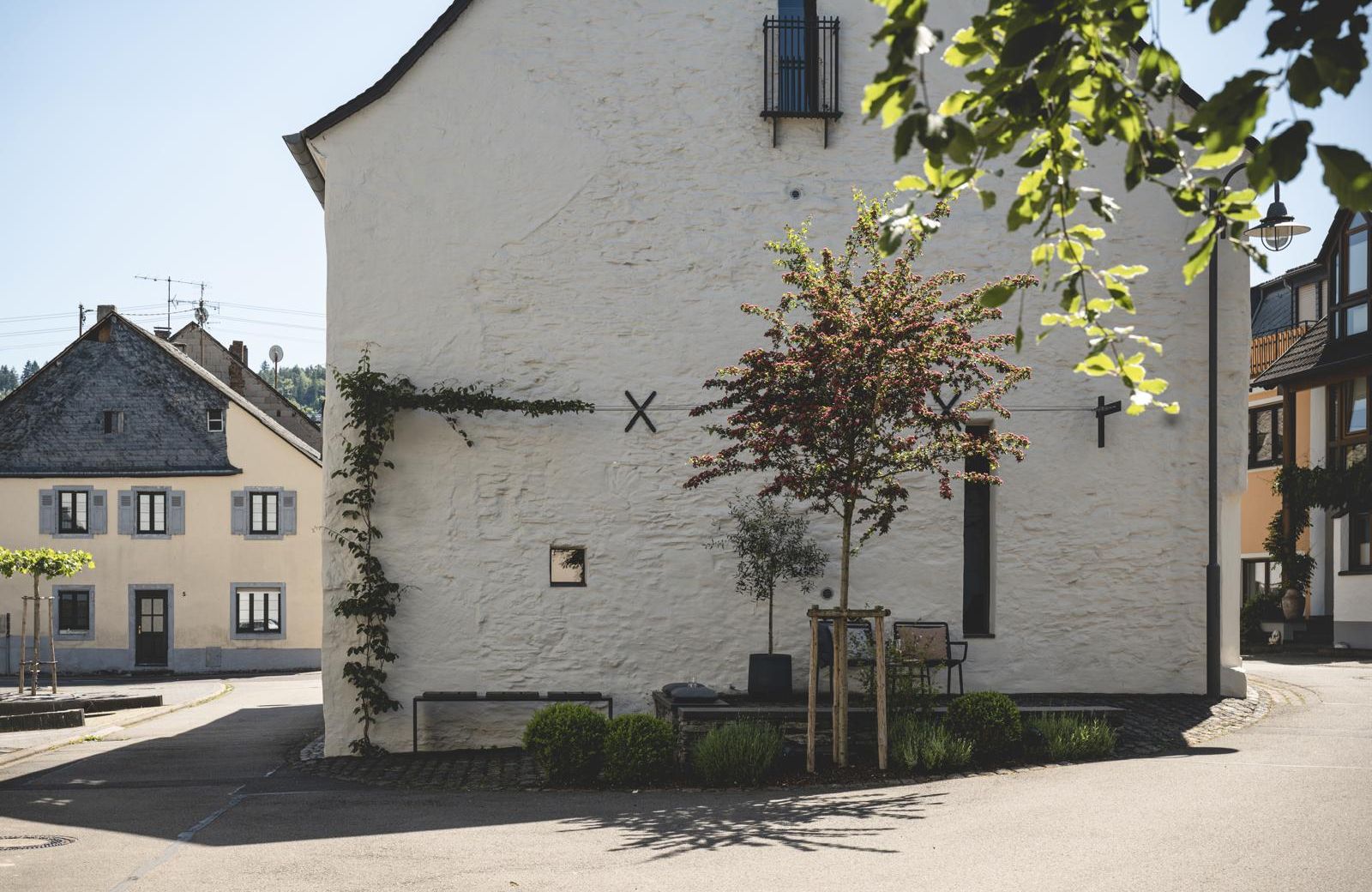
Two thousand years of vines, empire and river commerce, written into the slate and stone of western Germany. Rhineland-Palatinate does not perform its history. It simply continues it.
read more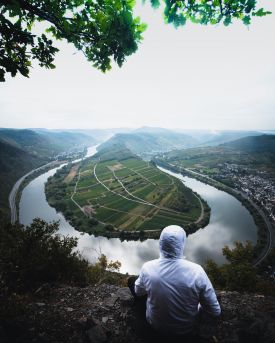
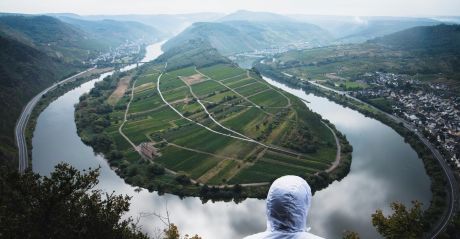
Blue slate, Roman roots and Rieslings grown on gradients no machine can work. The Moselle doesn't flow: it deliberates. Germany's most quietly extraordinary valley.
read more
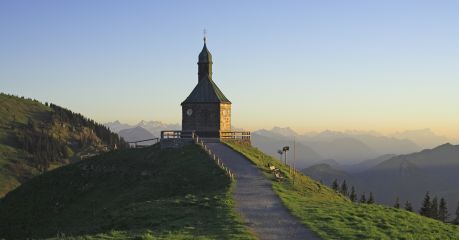
Discover Bavaria in all its Bayerisch allure, from Munich’s cultured stride to Alpine peaks and forested valleys. Explore Chiemgau, Bayrischzell and Amberg, wander fairytale towns and enjoy design-driven stays across one of Germany’s most beautiful regions.
read more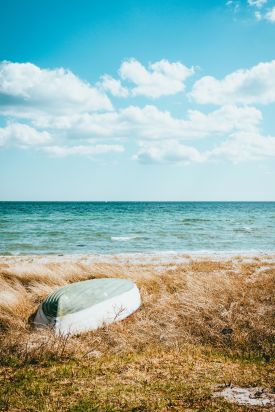
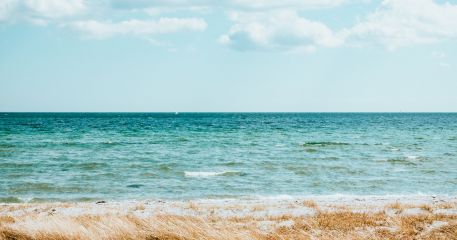
Ostseebad Ahrenshoop, a municipality in the Vorpommern-Rügen district on the Fischland-Darß-Zingst peninsula, was formerly home to painters such as Paul Müller-Kaempff and Oskar Frenzel. Moved by the landscape, in 1889 they formed an artist colony that soon became popular among other leading painters of the era.
read more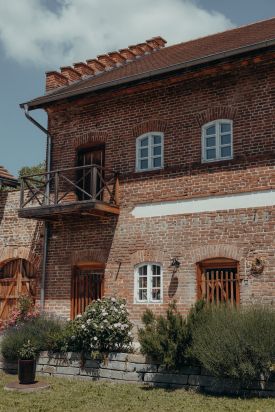
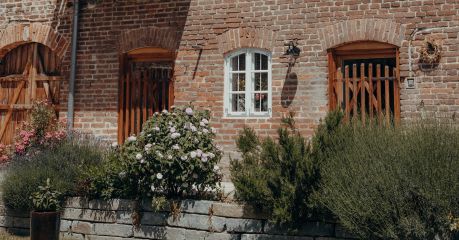
Farmstead aesthetics slip seamlessly into bed with a contemporary cousin at this bucolic commune of guesthouse and creative venue space known collectively as the DENHARTEN.
read more
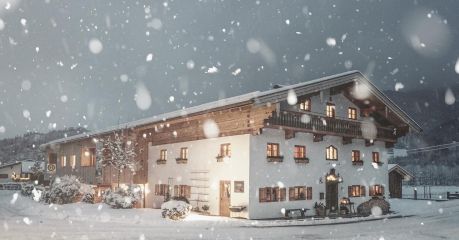
A five-hundred year old farmhouse in Geitau, Der Schmiedhof pairs Bavarian heritage with calm, design led apartments framed by Wendelstein and Aiplspitz, creating a quiet Alpine retreat shaped by craft and clarity.
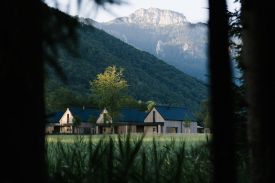
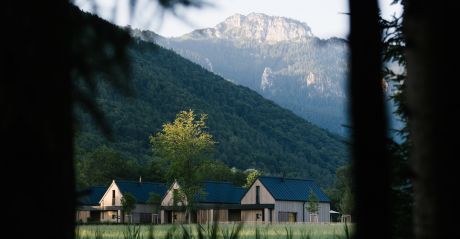
Timber chalets in the Chiemgau Alps unite self-catering ease with Bavarian soul, sustainable craft and lake to peak adventure, set between Munich and Salzburg beside Chiemsee’s reeds, moorland and mountain light calm.
read more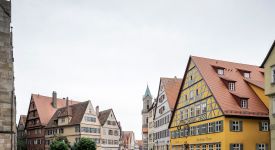
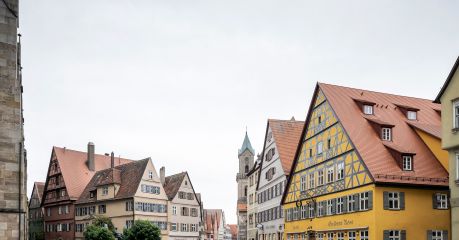
A regal abode of rich heritage rethought for the creative set, founders, fashionistas and entrepreneurs who feel equally in residence in Bavaria's downtown beauty, Dinkelsbühl.
read more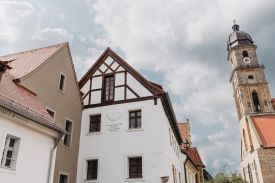
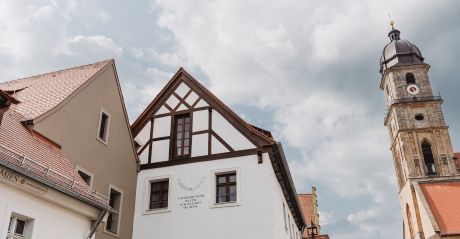
A beautiful narrative of restoration and design, this riverside perch of style sits in the heartland of historic Amberg, its aged facade plays host to a seductive remit of subtle design and crafted interiors overlooking the river Vils.
read more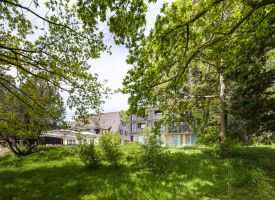
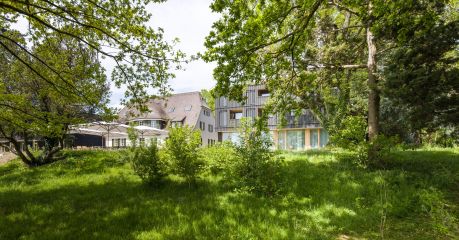
Steps away from Lake Constance, this shoreside hideaway fuses historical elegance with modern, purist architecture and conscious design, cradled in nature, wildflowers and centuries-old pine trees.
read more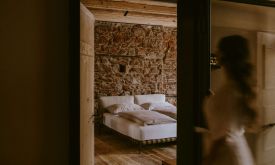
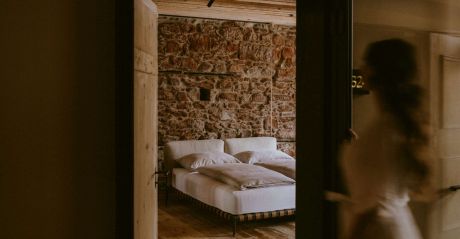
Raw architecture, rusticity and a gallery of textured heritage narrate this design hotel outpost from its façade of dandy red shutters to the tales of twisted loft rafters and atmospheric exposed history.
read more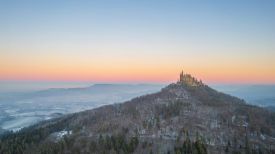
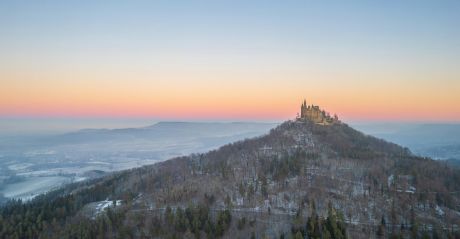
One of Germany’s most southerly states is demarcated as Baden-Württemberg, bordering France, Switzerland and Austria over the glistening shores of Lake Constance, and within Germany it shimmies up to Bavaria, Hesse and Rhineland Palatinate.
read more
Get the insider news and lowdown on what we've been up to, where we've been, and who we've met along the way. Be the first to discover new places and get the scoop on our favourites.