JOIN the AFICIONADOS
Get the insider news and lowdown on what we've been up to, where we've been, and who we've met along the way. Be the first to discover new places and get the scoop on our favourites.

Snøhetta, the Oslo practice that took its name from a Norwegian peak, has spent 37 years designing roofs you can climb, galleries that hide in gardens and small timber towers that tell you exactly where to stand. A tour of the studio, from Alexandria to the Alps.
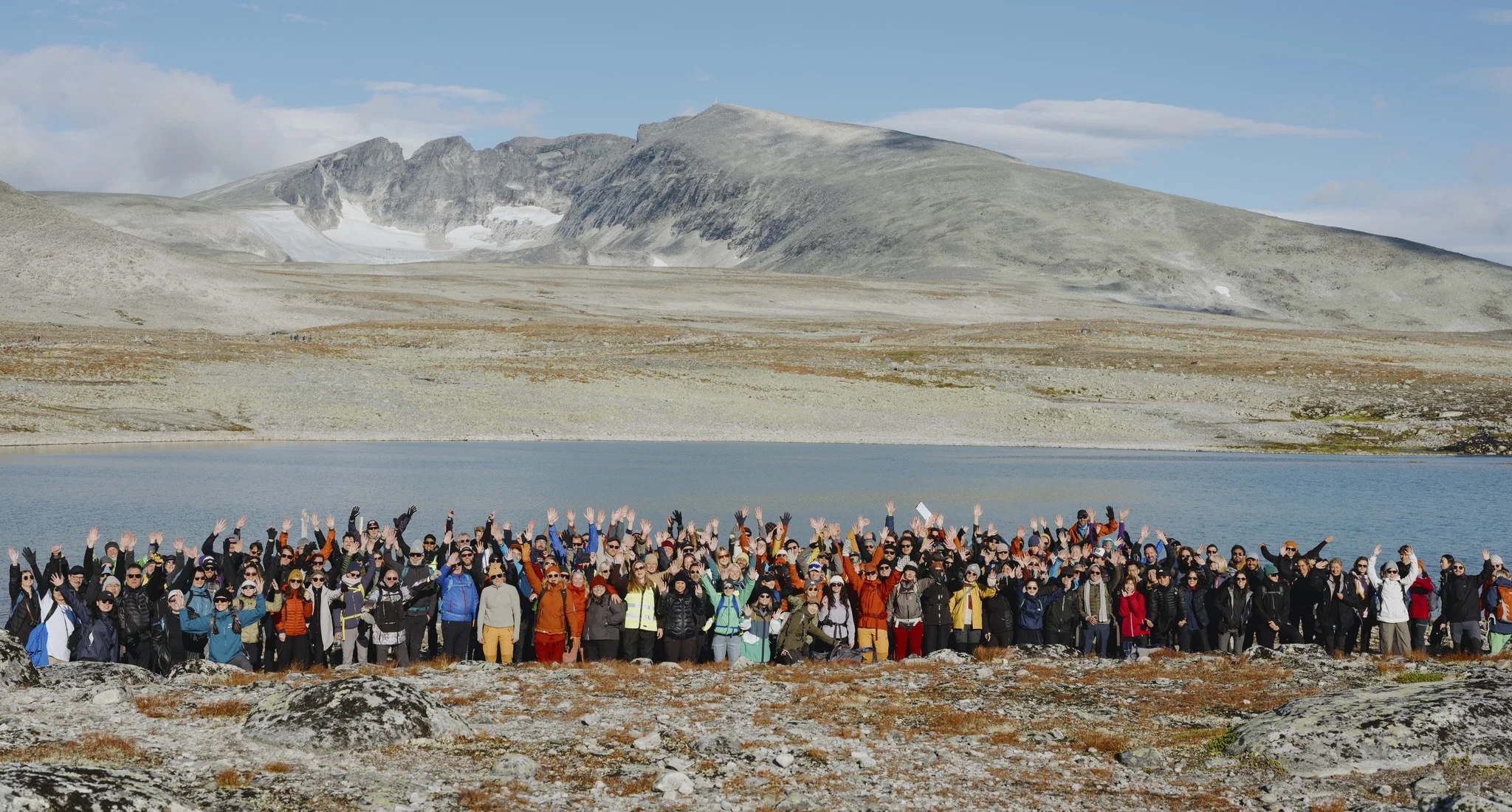
Most architecture practices are named after their founders, a handful after a street, and one, as far as we know, after a mountain. Snøhetta shares its name with the remote peak that presides over Dovrefjell in central Norway, and the choice has proved a fairly accurate job description. The studio announced itself in 1989 by winning the competition for a new library of Alexandria, a startling debut for a young Oslo collective, and one that opened in 2002 as the Bibliotheca Alexandrina: a vast tilted disc of granite rising out of the ground beside the Mediterranean, carved with the scripts of the world.
From the beginning the landscape architects sat at the same table as the architects, and the habit has stuck. Founded by Kjetil Trædal Thorsen and Craig Dykers, the practice now also takes in interiors, product, graphic and digital design, with studios in Oslo, New York, Paris, Innsbruck, Hong Kong, Adelaide and San Francisco. It pairs traditional handicraft with the latest digital tools, and likes to swap roles across its disciplines, so that a landscape architect may well be the one questioning the floor plan. The range is wide enough to include the reverse sides of Norway's banknotes, issued from 2017 with pixelated seascapes that dissolve as the denominations rise, which makes Snøhetta probably the only architect most Norwegians carry in their wallets.
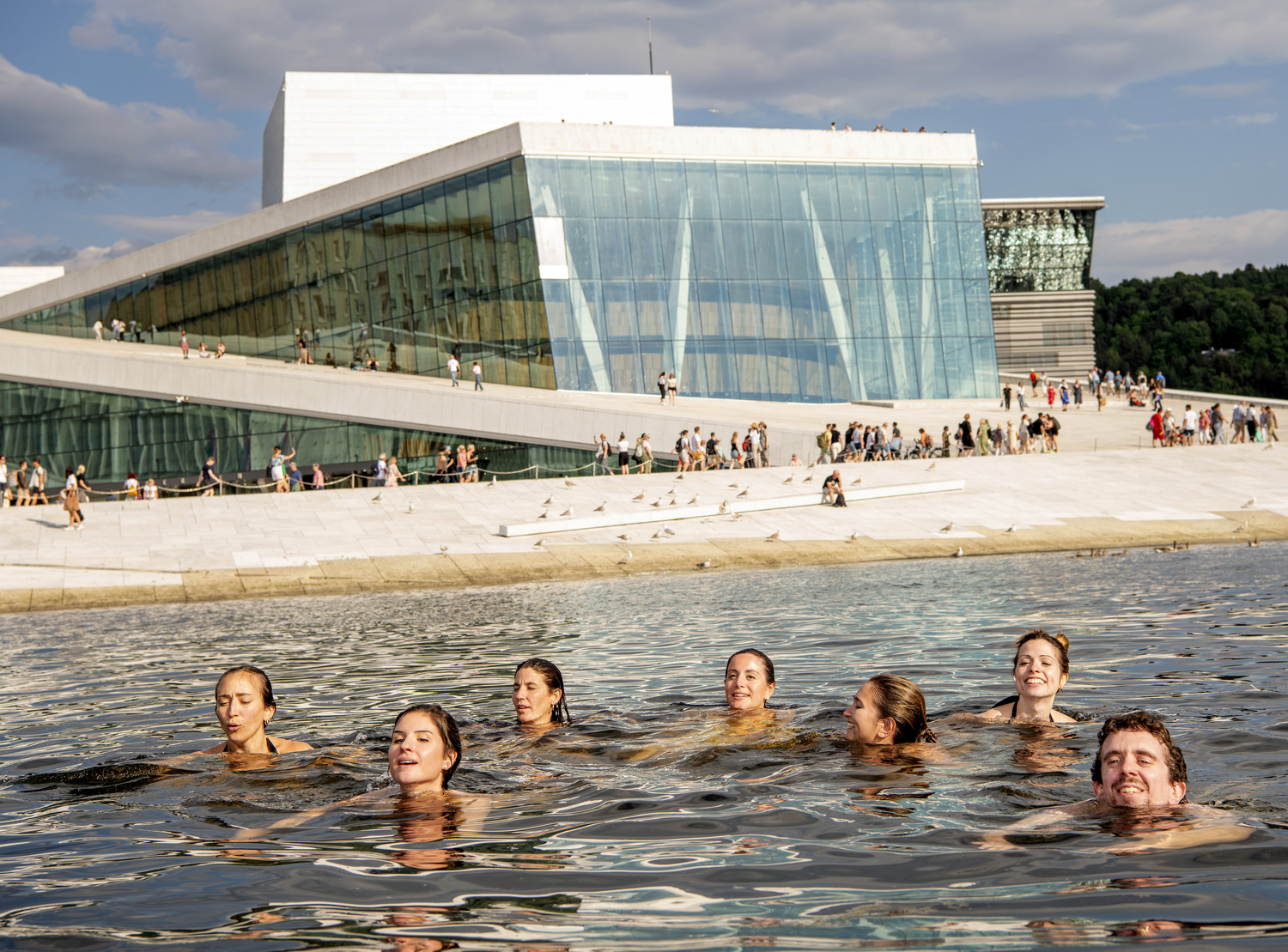
The Oslo Opera House (2008) is the building that made the name. Its white stone roof slopes down into the fjord, so that half the city treats it as a hill and wanders up for the view without ever buying a ticket. It set a pattern for public buildings that hand their surfaces back to the public, and the studio has carried it across the Atlantic: the National September 11 Memorial Museum Pavilion in New York (2014) and the expansion of SFMOMA in San Francisco (2016), its rippled white façade borrowed from the fog and water of the bay.
The smaller Norwegian works are often the more telling. At Hjerkinn, the Norwegian Wild Reindeer Centre Pavilion (2011) wraps a plain steel box around a carved timber interior, shaped like rock worn by wind, with a glazed wall turned towards the very peak the studio is named after, and across the plateau where some of Europe's last wild mountain reindeer still graze. Under, at Lindesnes on Norway's southern tip (2019), sinks a restaurant into the North Sea and lets the fish do the décor.
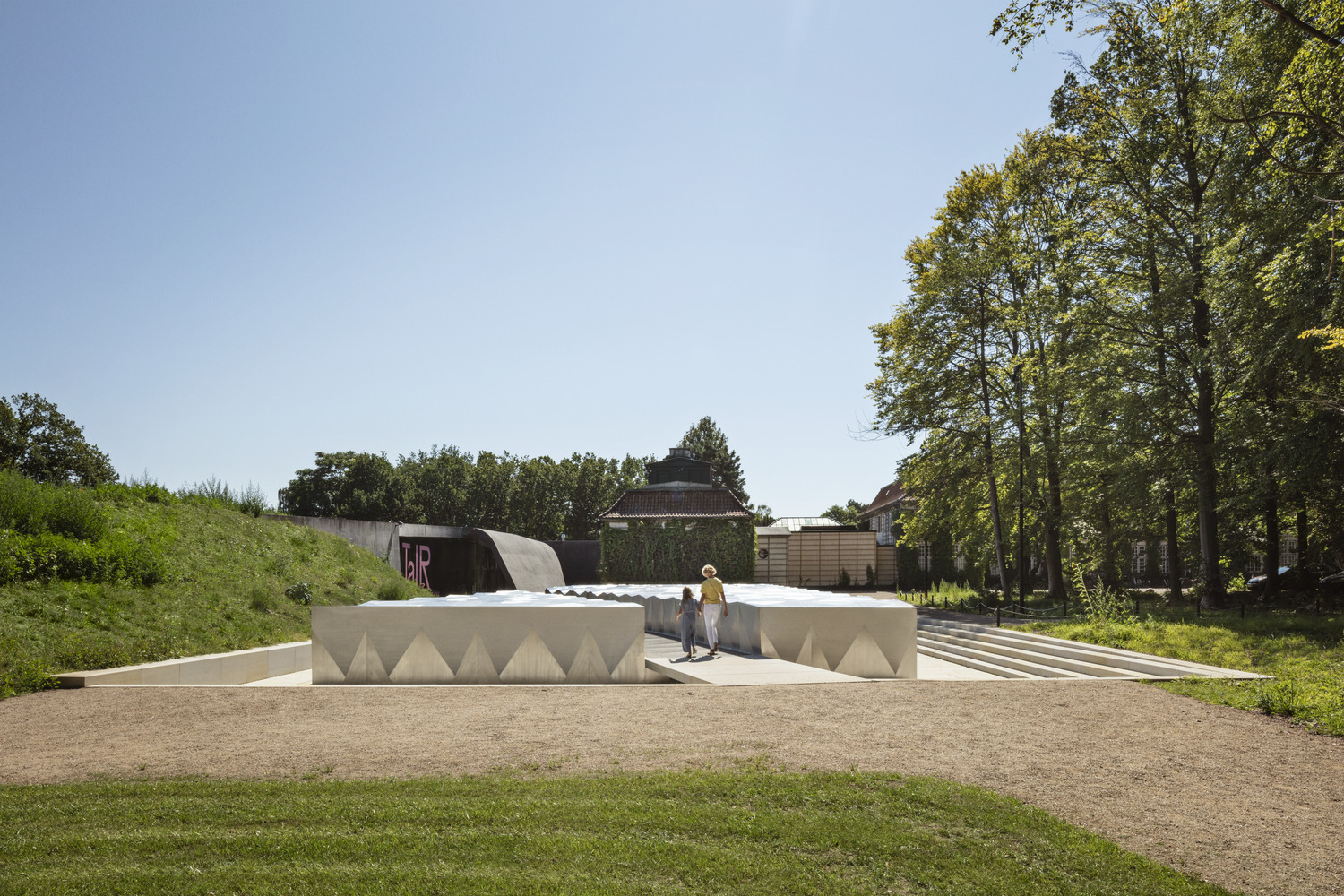
In Denmark the studio was handed a quieter test: how to add to a museum without anyone quite seeing you do it. Ordrupgaard, in the leafy suburbs north of Copenhagen, is Wilhelm Hansen's country house of 1918, built to hang his French and Danish paintings, and since 2005 joined by Zaha Hadid's wing of glass and black lava concrete. Snøhetta's extension (2021) goes mostly underground, partly carved out of the garden, and the architects call it a third parterre, laid between the English park with its fruit trees and the smaller French rose garden.
Below ground it carries Hadid's dark concrete on into new galleries, then lightens in colour and material for the Monets, Degas and Cézannes, and it ties the old house, the Hadid wing and Finn Juhl's own house in the grounds into a single circuit. Two of the great names of contemporary architecture now share one Danish garden, and the younger addition has had the good manners to go downstairs. Ordrupgaard is Stop 3 on our Copenhagen design route.
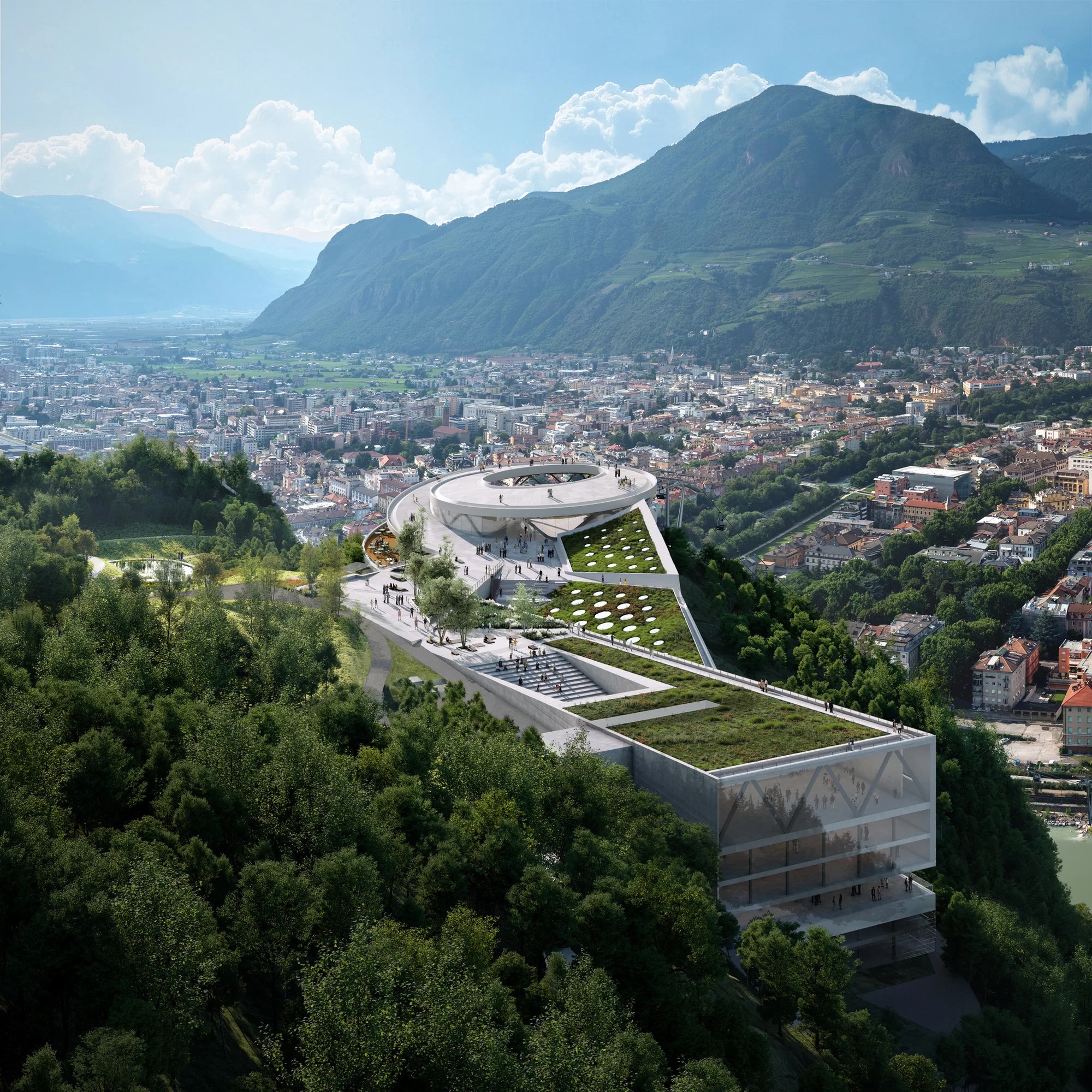
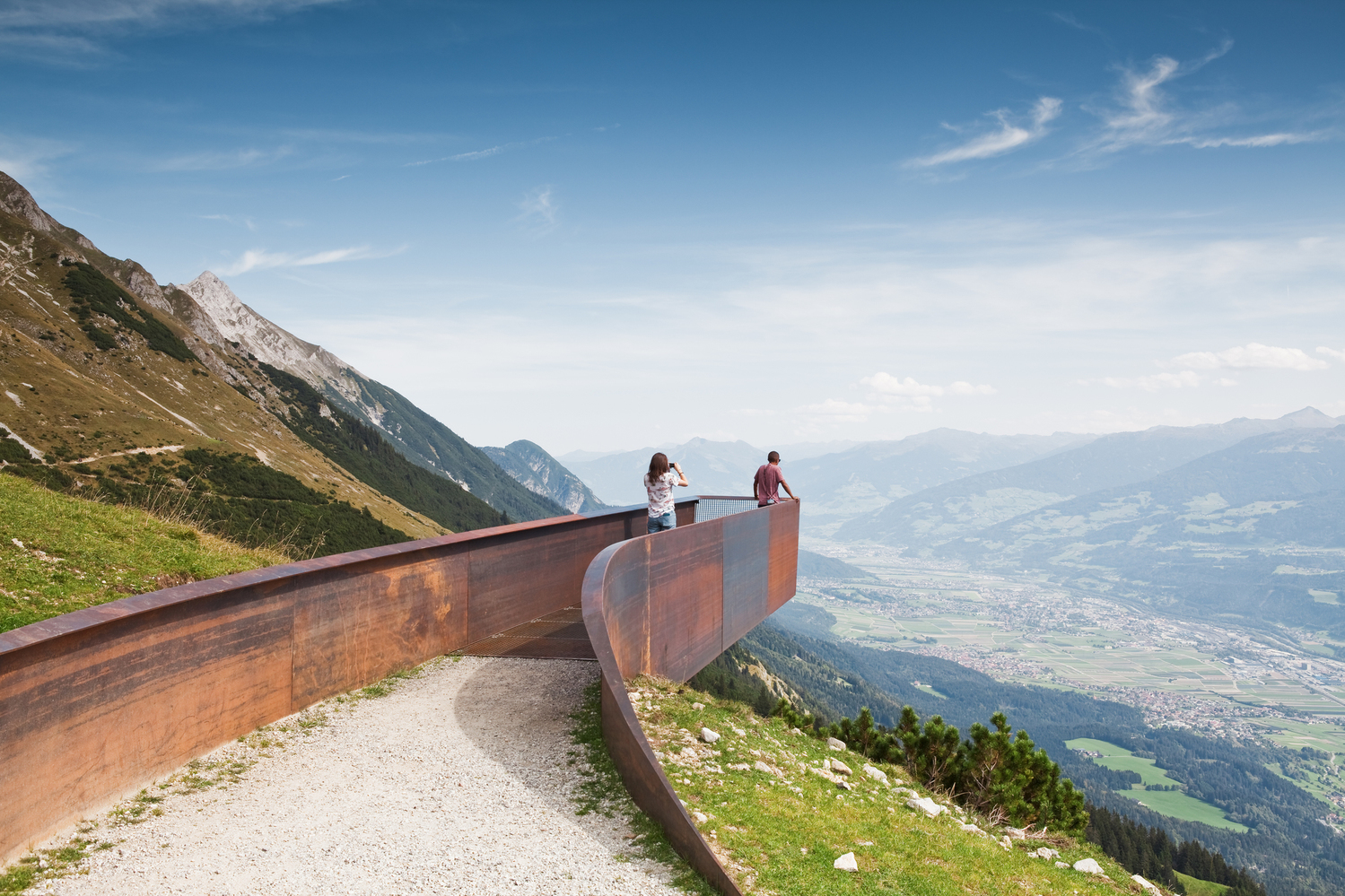
The mountain work comes from Innsbruck, where Patrick Lüth is partner and managing director. On the Nordkette above the city, the studio's Path of Perspectives (2016 to 2018) laid a hiking trail of lookouts and resting places along the ridge, an early sign of what was to come.
Further east in the Tyrol, Top of Alpbachtal (2022) stands beside the Hornbahn 2000 lift below the Wiedersberger Horn, at 2,030 metres. Commissioned by Ski Juwel AlpbachtalWildschönau to mark its tenth anniversary, it is a 13-metre timber tower that narrows as it rises, wrapped entirely in shingles made by hand by a local shingle maker: the same overlapping armour Tyrolean farmhouses have worn against the weather for centuries. Inside, a lounge for skiers is panelled like a farmhouse parlour, a long band of glass frames the peaks, and the very top is an open-air platform with the whole horizon on offer.
Across the border in South Tyrol, the studio drew something far more ambitious for Bolzano. Viva Virgolo proposed a cable car from the city to the Virgl, Bolzano's long-neglected house mountain, with two bone-white rings for its stations and, on the plateau above, a museum quarter that would have given Ötzi the Iceman a new home, along with an open-air concert arena, a restaurant and terraces looking down on the medieval centre. Commissioned as a design study by René Benko's Signa Group, its future has been an open question since Signa collapsed in 2023, but it remains the purest statement of the Innsbruck studio's instinct: give a city back its mountain, and put something worth climbing for on top.
The newest of the Alpine works is in Vorarlberg. On the roof of the Zugerberg cable car's mountain station above Lech, the Lech Mountain Mirror is a shallow pool that holds the Arlberg upside down on a still day and blurs it to watercolour when the wind gets up, with stepping stones out to a single rock in the middle. It joins Antony Gormley and James Turrell on the list of artists Lech has invited onto its mountains, and we tell that story in full in The Mountain Looks Back. Our nearest bed to it is Haus W in Zug, five minutes on foot from the cable car.
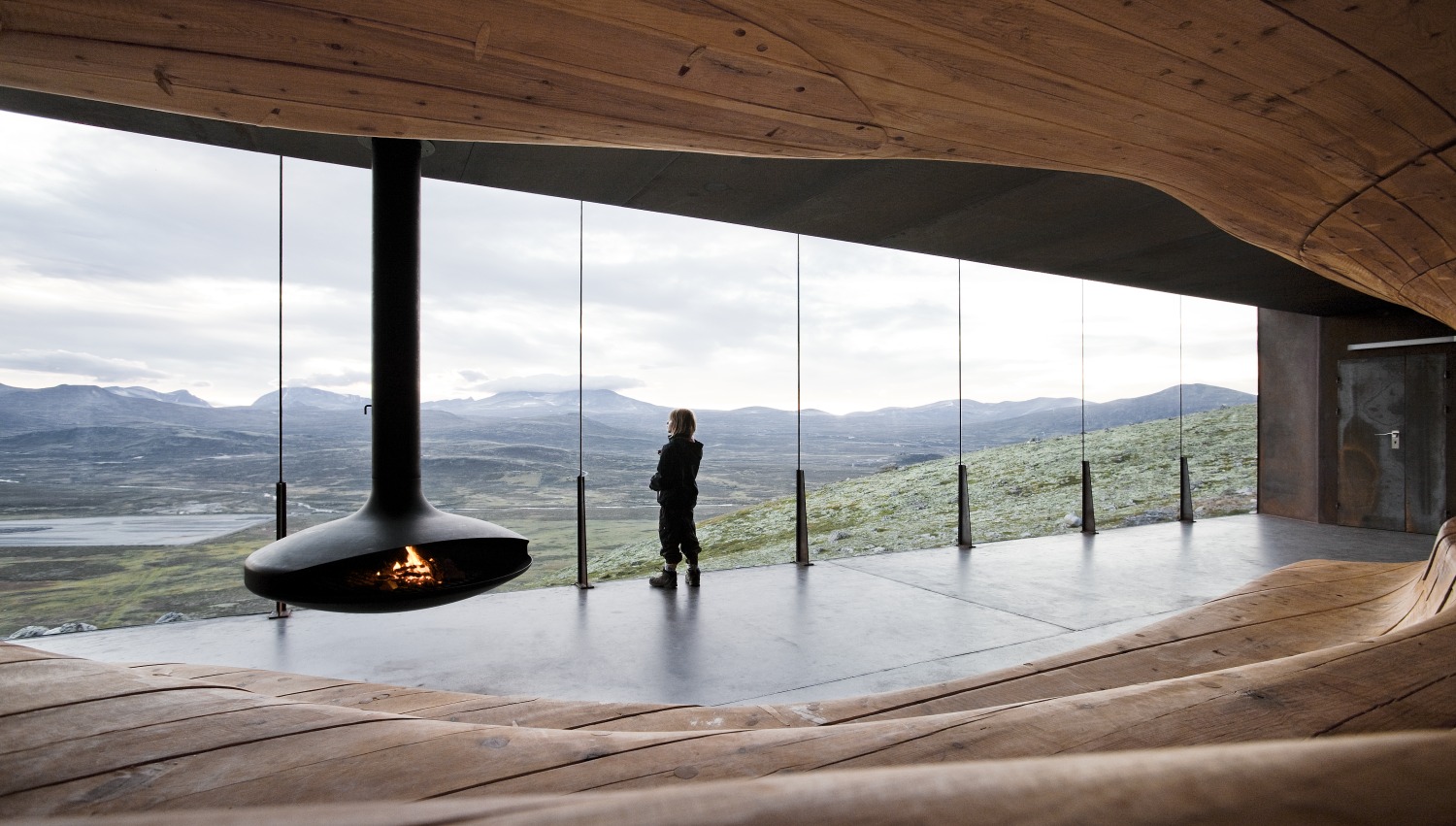
Put the projects side by side and the thread is plain enough. Whether it is an opera house you can climb, a gallery folded under a lawn or a shingled tower at 2,030 metres, a Snøhettabuilding is usually a set of quiet instructions: come this way, stop here, now look. For a studio named after a mountain, it is a fitting habit, and a rather generous one.

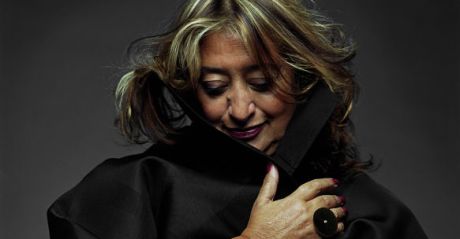
Zaha Hadid Architect's coastal Salerno Maritime Terminal in Cilento, Italy carries her hallmark curves inspired by oysters and the waves, a coastal landmark.
read more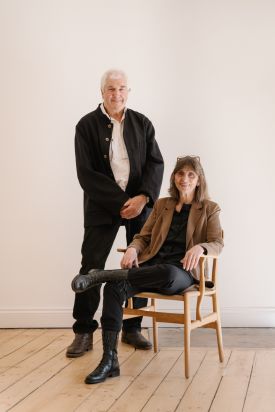
Behind some of Scotland's landmark conservation and restoration projects including the award-winning Kyle House, Hotel Lundies and Killiehuntly Farmhouse in the Highlands.
read more

Norwegian-based architectural firm, Jensen & Skodvin Architects are well known for their striking, often extraordinary designs, some of which are found in wild and remote areas; others camouflaged in urban hubs, with their engaging use of tectonic architecture.
read more
Brothers Tarla and Antoin MacGabhann are the creative talents behind some of Ireland's more modernist eco builds including the little design hotel Breac.House in Donegal.
read more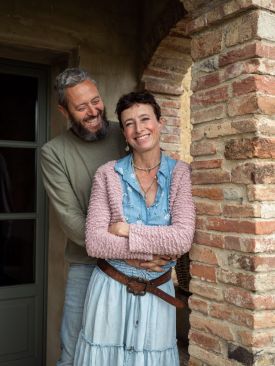

As the property neared finishing, Fabio took the decision to keep the garden wild and naturally indigenous – where the boundaries between garden and rural countryside were blurred.
read more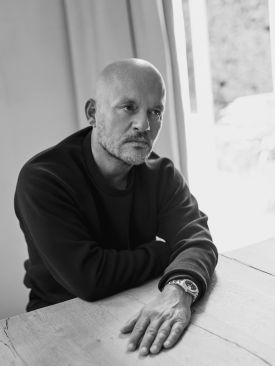
The master of reductive design, Belgium architect and interior designer Vincent Van Duysen is a behemoth legend of pared-back aesthetic and minimalist style over a spectrum of design disciplines, including furniture, textiles, and lighting.
read more

The women behind our hotels: eighteen owners, designers and hosts across eight countries, from an Andorran lodge to a Zurich villa and a Tuscan farmhouse.
read more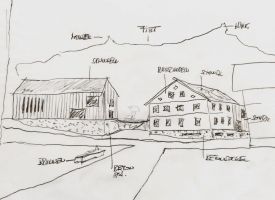
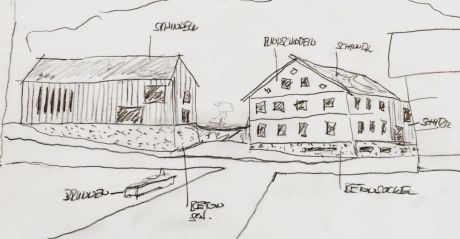
Ten architectural hideaways, from forest pods in Norway to vineyard villas in Alentejo. Alpine modernism, island calm, Lisbon rhythm and one breezy Turkish beauty. Small hotels with big design thinking.
read more

Architect David Thulstrup crafts atmospheric, material-driven spaces shaped by empathy and rigour, from Noma and Ikoyi to TimeSpirit in Speyside, defining a new clarity in contemporary hospitality.
read more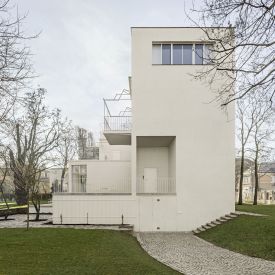
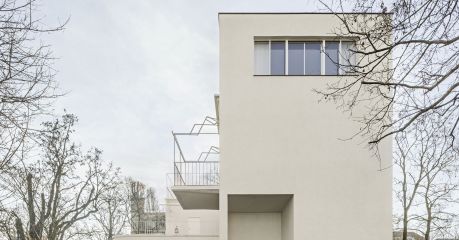
Josef Frank’s Villa Beer reopens in Vienna in 2026 following a careful restoration, offering rare access to one of his most important architectural works and a deeper understanding of the ideas that later shaped his celebrated interiors and textiles for Svenskt Tenn.
read more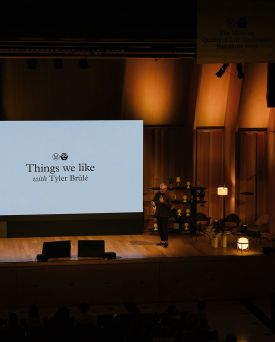
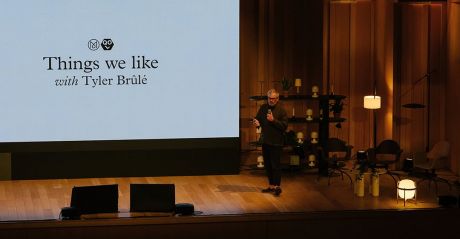
Meet the voices taking the stage at Monocle's Quality of Life Conference 2026 in Lisbon: mayors, architects, designers and makers shaping how we live in cities.
read more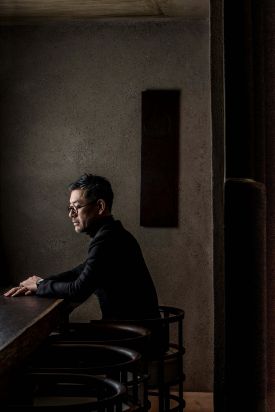
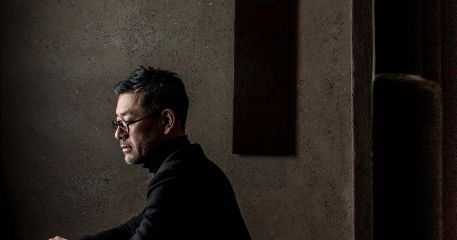
For more than a quarter of a century Shinichiro Ogata and his Tokyo studio SIMPLICITY have shaped how Japanese craft is eaten, served, sold and lived in, from the confectioner HIGASHIYA and the tea house Yakumo Saryo to OGATA Paris. In Lech am Arlberg, that same hand has made a garage, a cellar sauna and a timber screen for two Walser houses.
read more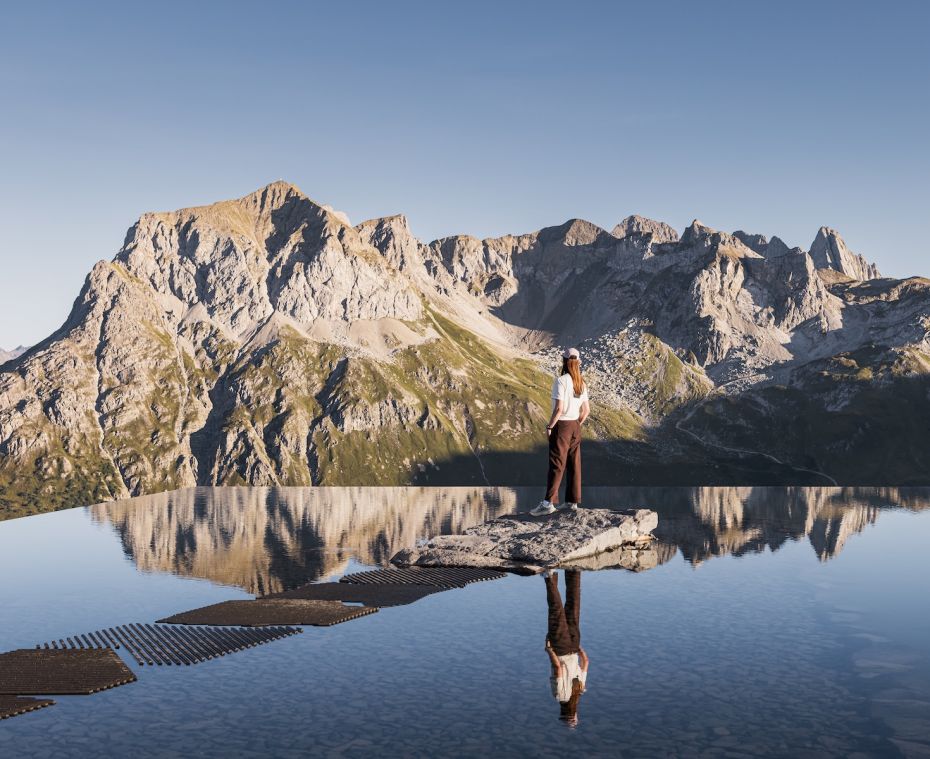
Get the insider news and lowdown on what we've been up to, where we've been, and who we've met along the way. Be the first to discover new places and get the scoop on our favourites.