JOIN the AFICIONADOS
Get the insider news and lowdown on what we've been up to, where we've been, and who we've met along the way. Be the first to discover new places and get the scoop on our favourites.

A curated guide to the best hotels, guesthouses and private habitats in Scotland, chosen by The Aficionados and running from the wind-scoured coast of Sutherland down through Loch Ness and the Cairngorms to the soft hills of Perthshire, nine houses bound by stone, oak and a quiet respect for the landscape.
Scotland keeps its beauty at a distance and makes you earn it. This is a country of long single-track roads and longer light, where the weather writes the day and the land holds the upper hand. You feel it in the materials the old buildings are made from: Caithness flagstone and heart oak, lime plaster and slate, brass gone soft with handling, wool and leather and heather-smoke. The houses worth crossing the country for share a single instinct. They keep the bones of an old building, fold real comfort into the walls, and let the landscape do the talking.
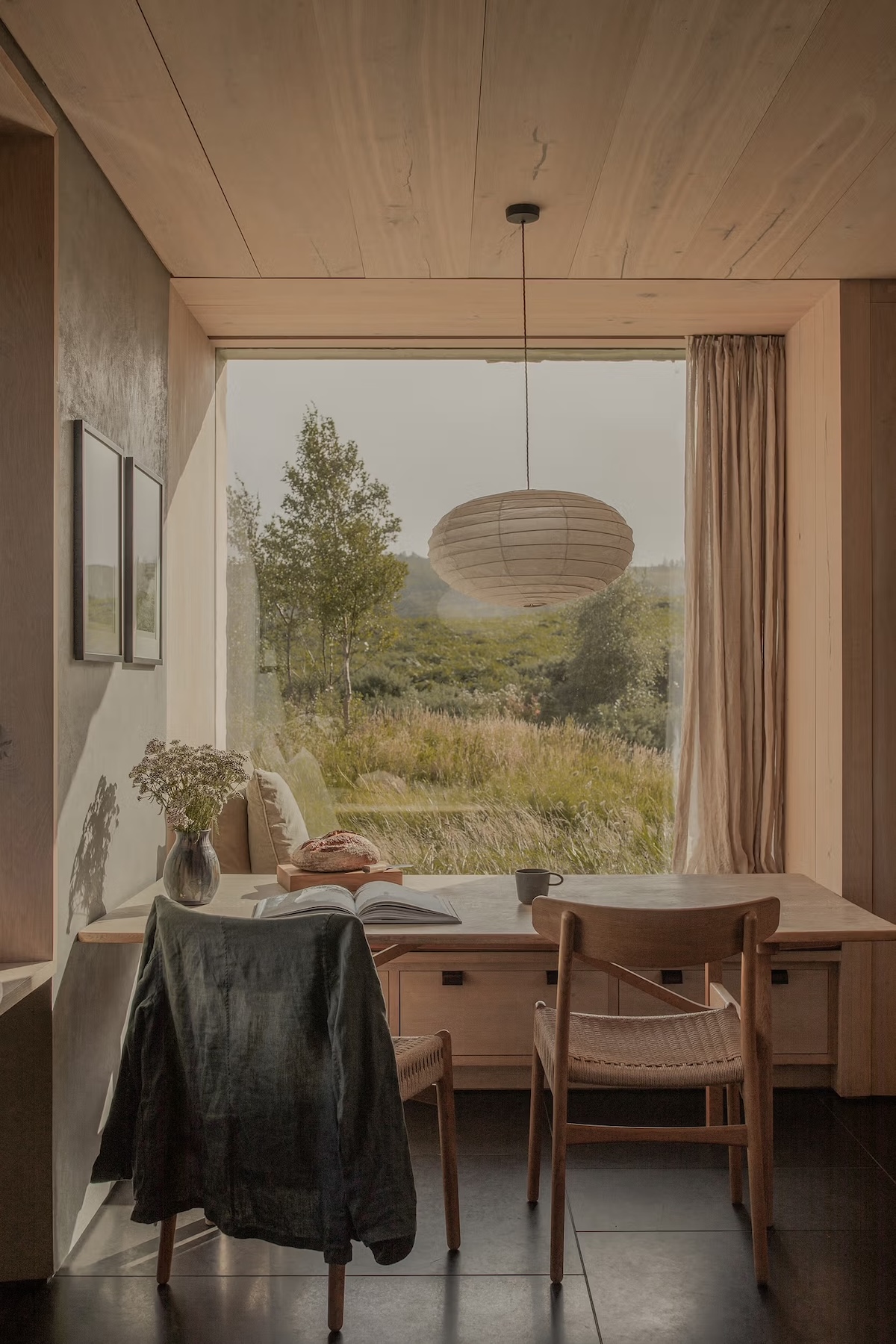
Start at the top, on the wild north coast where the secret of Sutherland is that almost nobody is there. On the Kyle of Tongue, Kinloch Lodge was once a remote shooting lodge in the gift of the Duke of Sutherland, and Wildland has reawakened it as a fully staffed house for private hire. Seven bedrooms take fourteen guests, with a drawing room built around a log fire, a sunlit conservatory and a riverside sauna set in woodland with a cold plunge beside it. There is an in-house chef, daily housekeeping and a wilderness of ocean, loch, forest and farmland at the door for cold-water swimming, forest bathing and long walks into nothing. The design speaks softly, all Scandinavian ease and Highland material, so the view stays the loudest thing in the room.
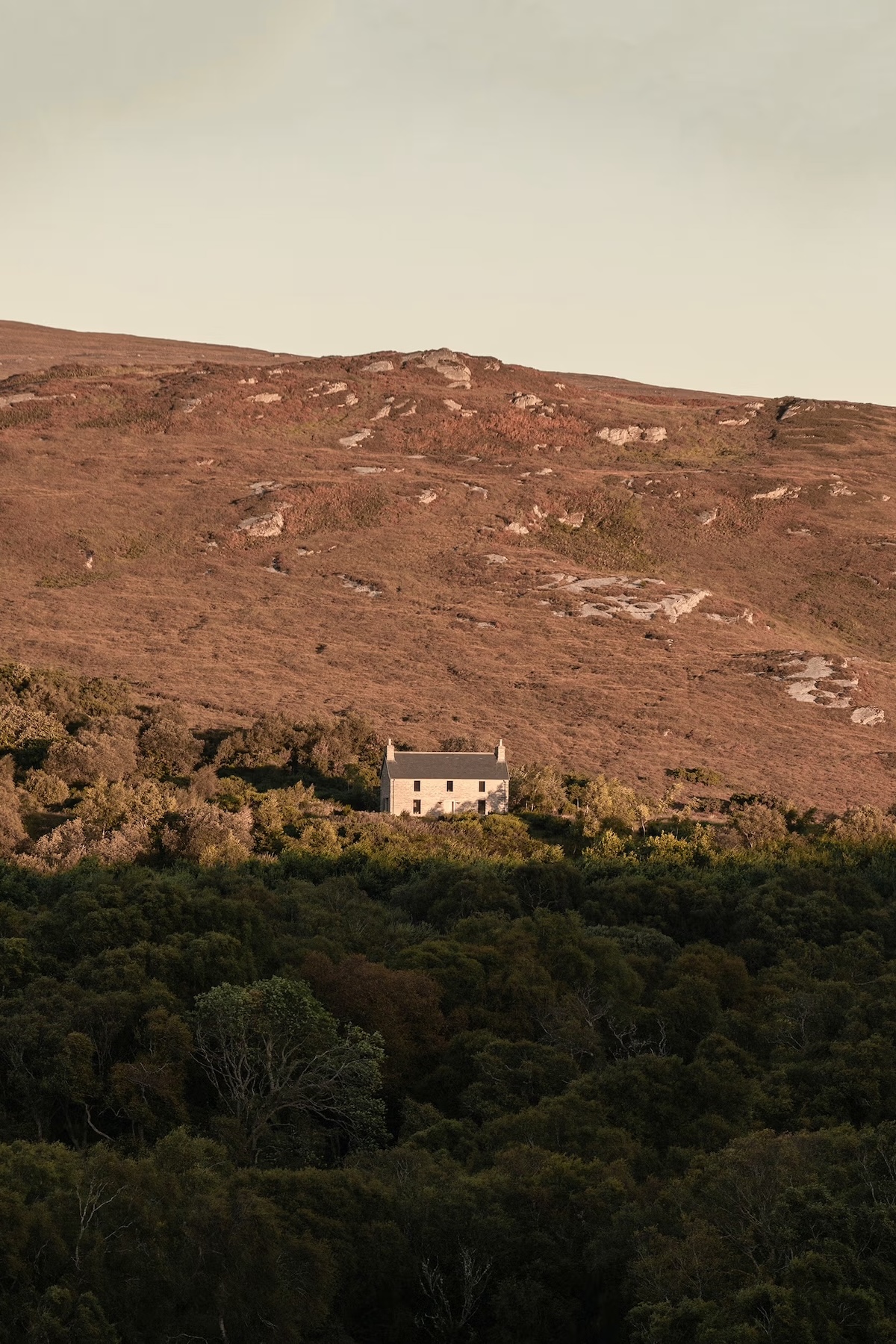
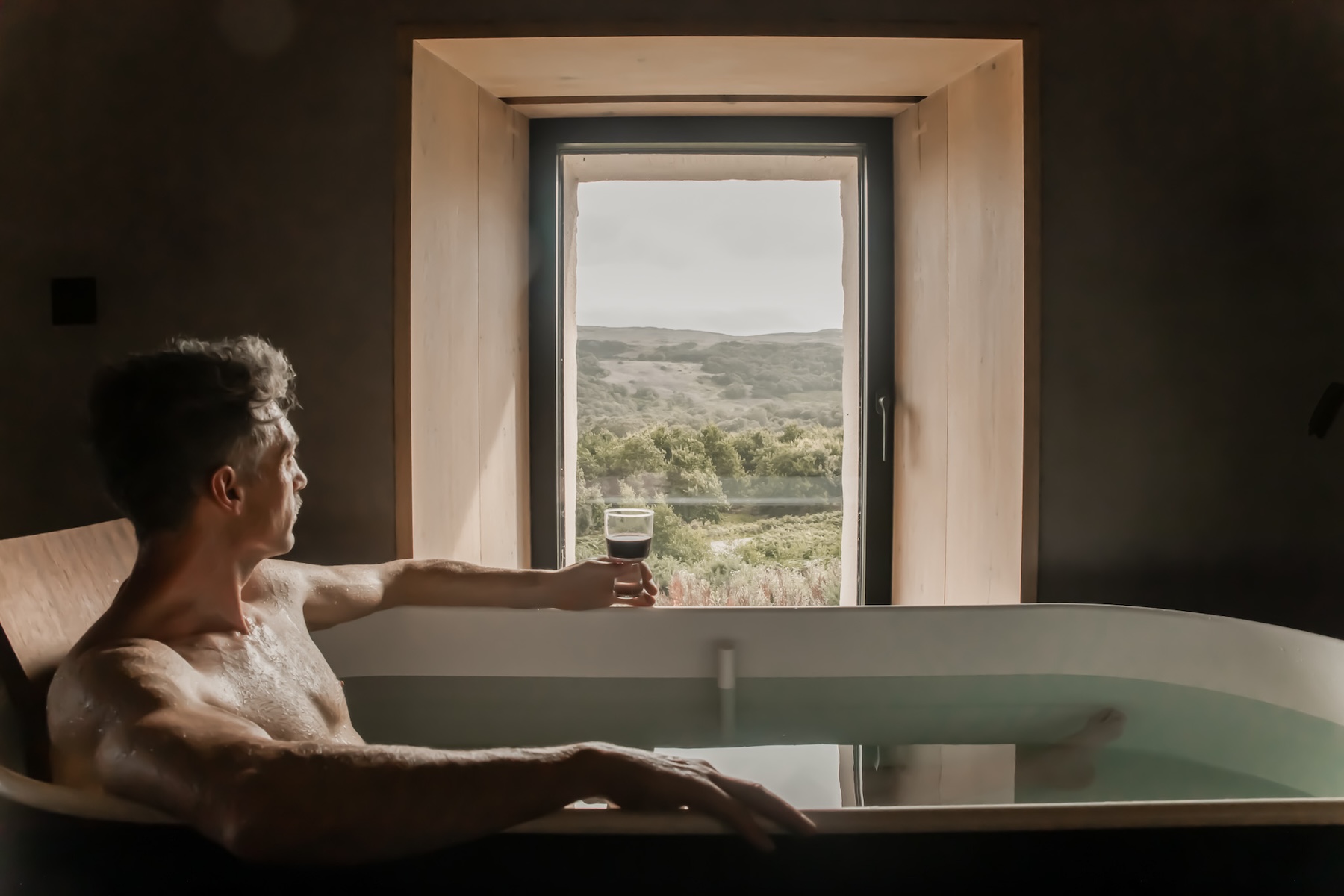
Five minutes on, at the southern end of the same sea inlet, sits the purest design statement in this guide. Kyle House was a nineteenth-century stone cottage, its walls thought to be built from stones salvaged from the Iron Age broch of Dun Mhaigh, windowless on three sides and left disused for two decades. Ruth Kramer and the architects at GRAS rebuilt it in Caithness stone, heart oak, lime plaster, brass and glass, slipping finely detailed oak rooms inside the old lime shell and cutting large frameless windows into the gable, hidden from the road, that frame the mountain Ben Loyal from a freestanding bath. The restraint has been decorated: an RIAS Award in 2021, a Scottish Design Award in 2020, and a place on the RIBA House of the Year longlist. From the tub, with not another soul in sight, you can feel like the only person in the glen.
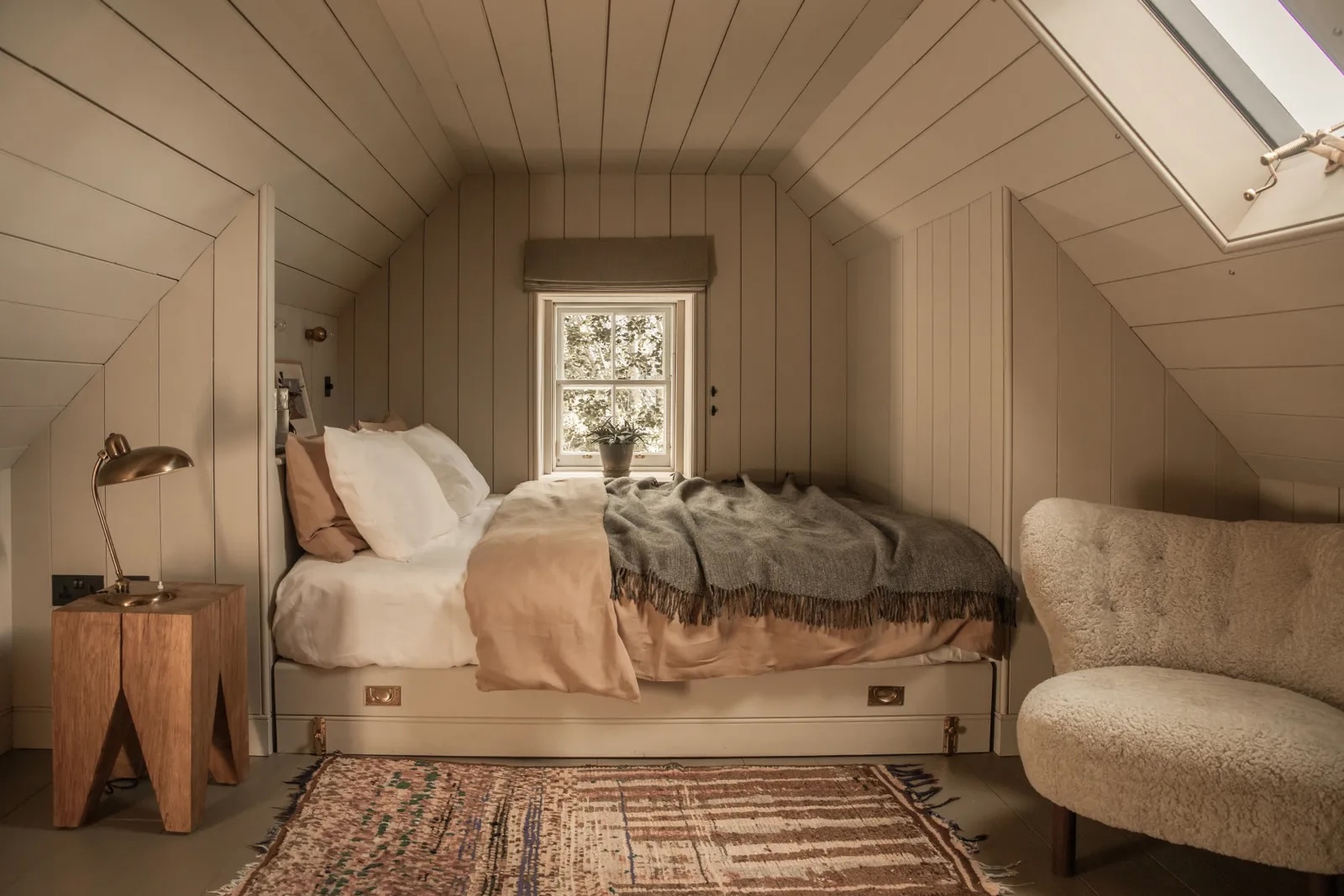
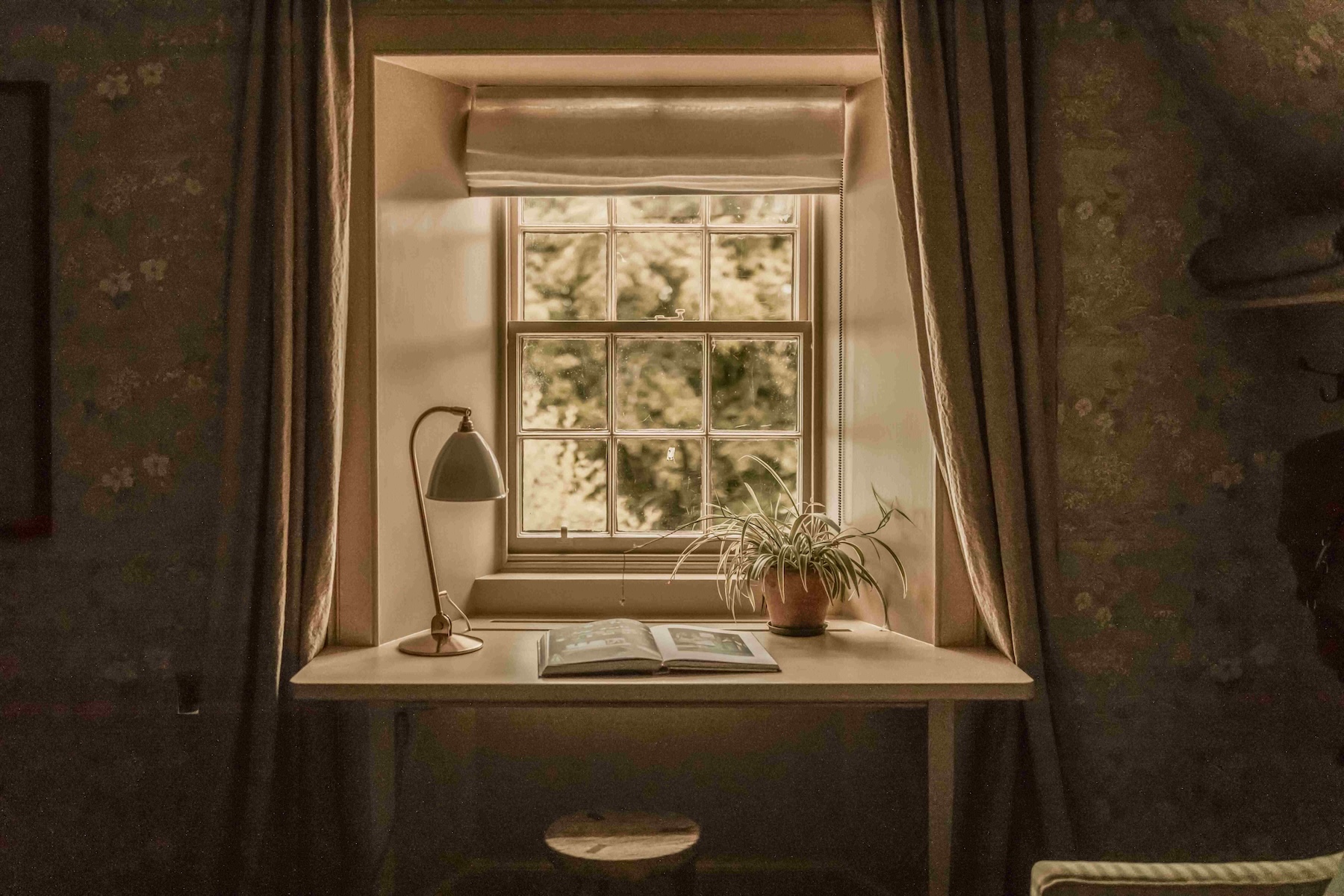
A short way west at Tongue, Lundies House makes the case for the guesthouse. This is a seventeenth-century former manse, once the clergy's quarters, restored by Wildland with Groves-Raines and lined in the "Scandi-Scot" style that Anne Holch Povlsen and Ruth Kramer have made their own. Three bedrooms sit on the first floor, with the Flora Room apartment tucked beneath the eaves, three studios in the outbuildings and a two-floor family suite, The Bothan, beyond. Inside, a moss-green sitting room holds a sofa by the Danish house &tradition, the dining room wears a wildflower mural by the French artist Claire Basler, and a standalone bath looks out to Castle Varrich across the water. It is art-led, hushed and deeply rooted in the village that gave the Reverend Lundy his name.
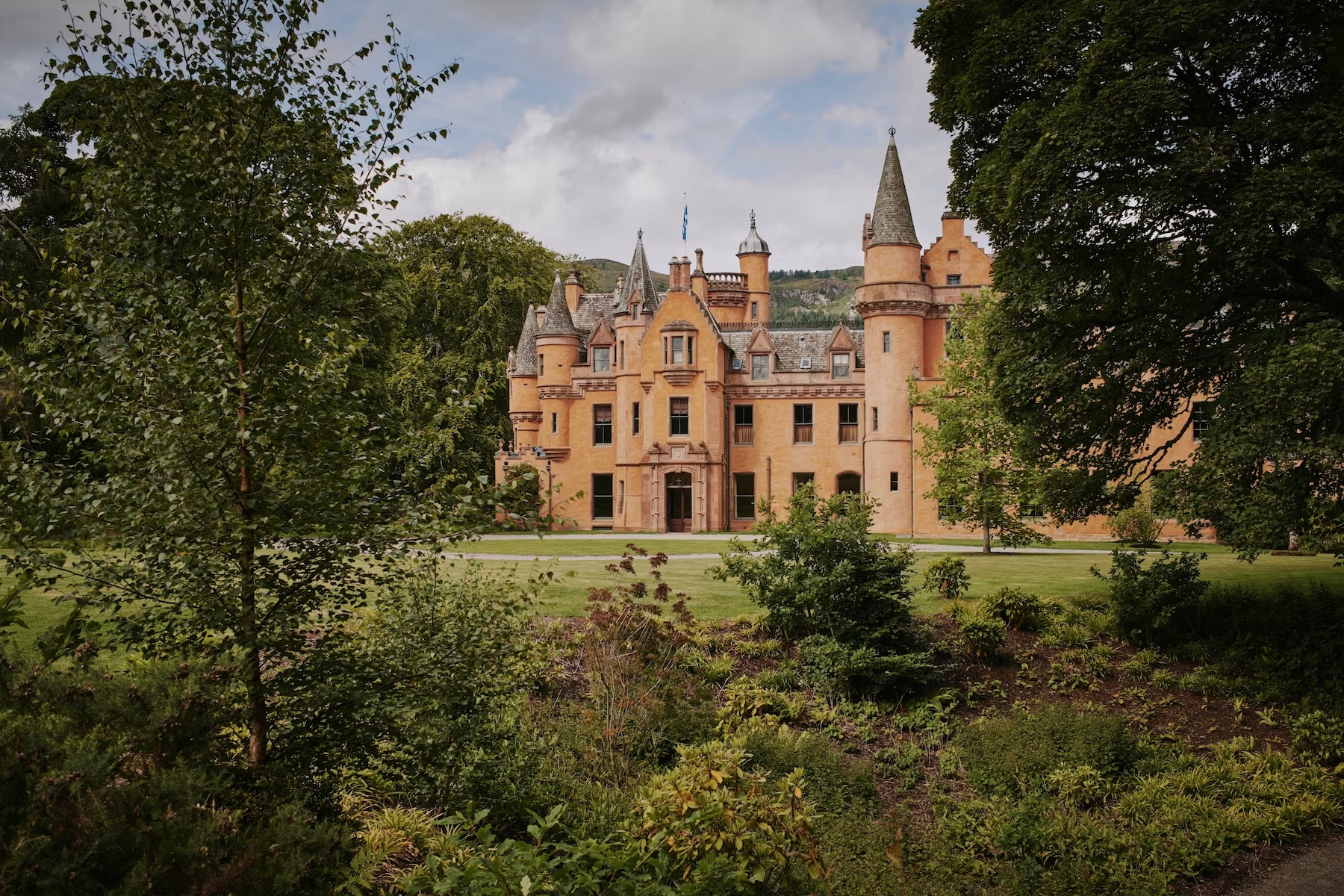
Turn inland to the Great Glen, where Aldourie Castle stands apricot-pink on the quiet southern shore of Loch Ness. The oldest parts date to 1626, with the baronial turrets and Gothic flourishes added in the 1860s, and Wildland has restored the whole 500-acre estate with the architect Ptolemy Dean guiding the fabric and the great plantsman Tom Stuart-Smith reworking the gardens, from wildflower meadows to a classical walled garden and a glasshouse of citrus and tropical planting. Inside, twelve suites mix antique furniture, oriental rugs and Victoriana velvet with clean white sofas and contemporary art, the Great Hall carrying Montaigne's crest above it all. Four cottages by Ruth Kramer add a further twelve bedrooms, and a boathouse shaped like a hull opens straight onto the water for wild swimming. Taken whole, on exclusive hire, it sleeps twenty-four and feels less like a hotel than a private world.
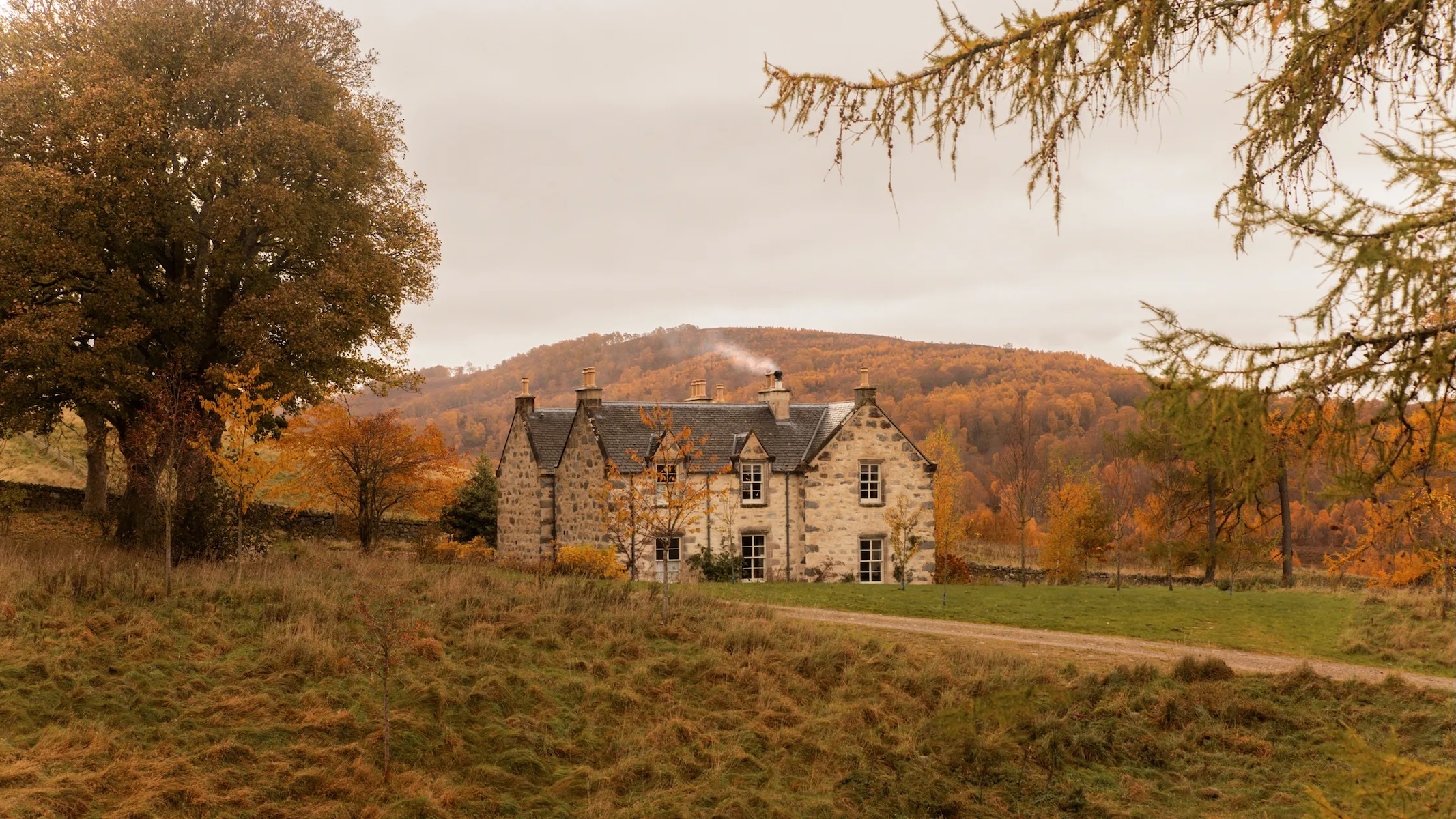
South again into the Cairngorms, near Kingussie, where Killiehuntly Farmhouse sits on a 4,000-acre working farm at the centre of the Wildland idea. The house is a weathered farmhouse from around 1800, and Ruth Kramer's interiors are the template for the whole "Scandi-Scot" look: greys, blues and browns, rustic pieces beside modern ones, a warmth that stays unpretentious and slightly rugged. It takes just eight guests, meals are local and served at a shared table, and the days are given over to fishing, hiking and biking across the regenerating land. The mood is slow, generous and quietly precise.
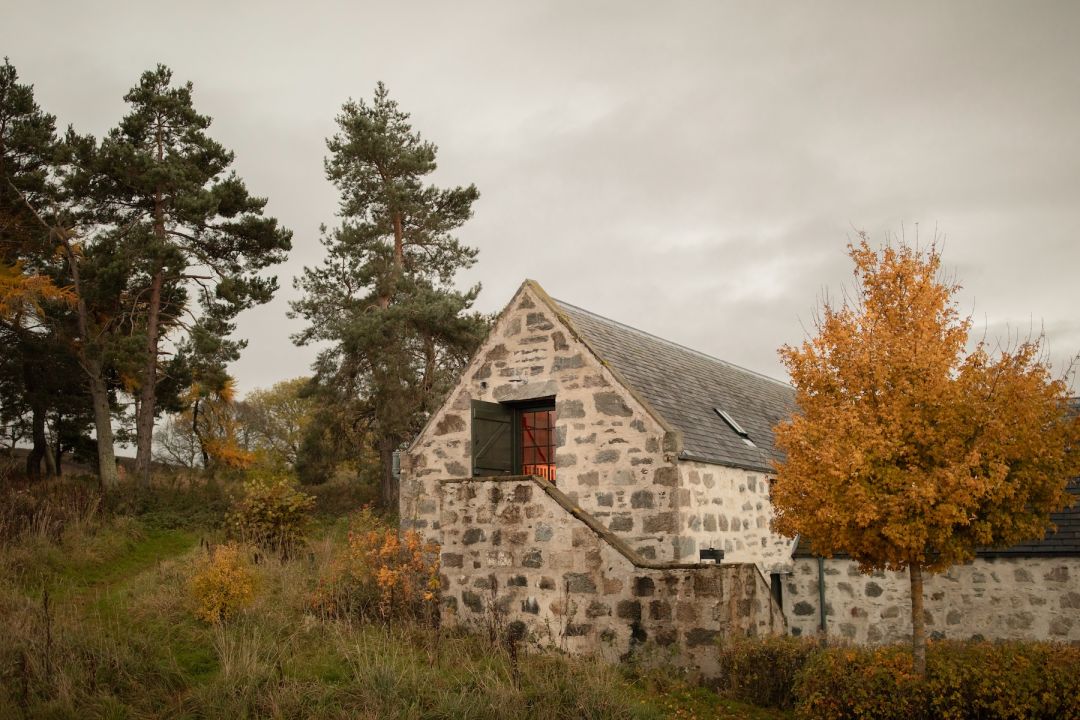
For those who want the estate to themselves, the Killiehuntly Cottages sit alongside the farmhouse in the same Danish-Highland language, self-catering boltholes on the edge of the National Park where Scandinavian restraint meets Scottish craft. They carry the farmhouse's calm into a smaller, more private frame, with the Cairngorms filling every window and the same well-made simplicity throughout. A family or a couple of friends can settle in, cook, and let the mountains set the pace.
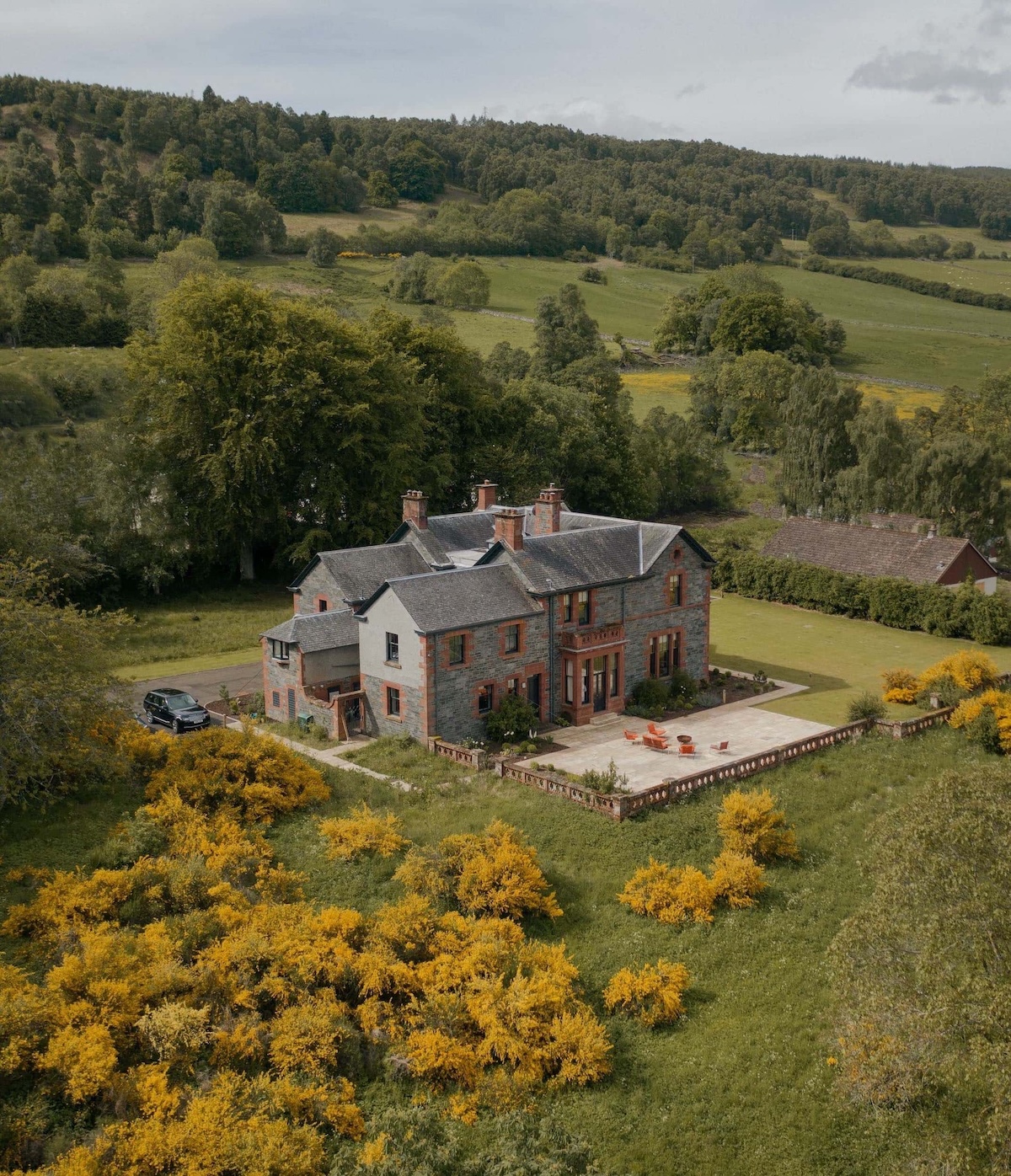
Finish in Highland Perthshire, the softer country where the Highlands begin. Above Aberfeldy, boutique hotel and private estate Dun Aluinn is a handsome Victorian mansion, once a school boarding house, brought back by John Burke and Susie Whyte, she an interior designer and architect who reinstated the panelling and returned a fireplace to its original brilliant blue. Nine bedrooms take eighteen guests on exclusive use, or bookable individually, each individually styled, several with Japanese soaking tubs. The set piece is a 5.5-metre dining table in bronze and oak, said to be the longest bronze table in the world, joined by a tangerine B&B Italia sofa, handmade leather lampshades and a wood-fired hot tub looking out over the Tay valley. Heritage and bold, confident design share the same rooms without either giving way. An in-house private chef completes the narrative of country estate living.
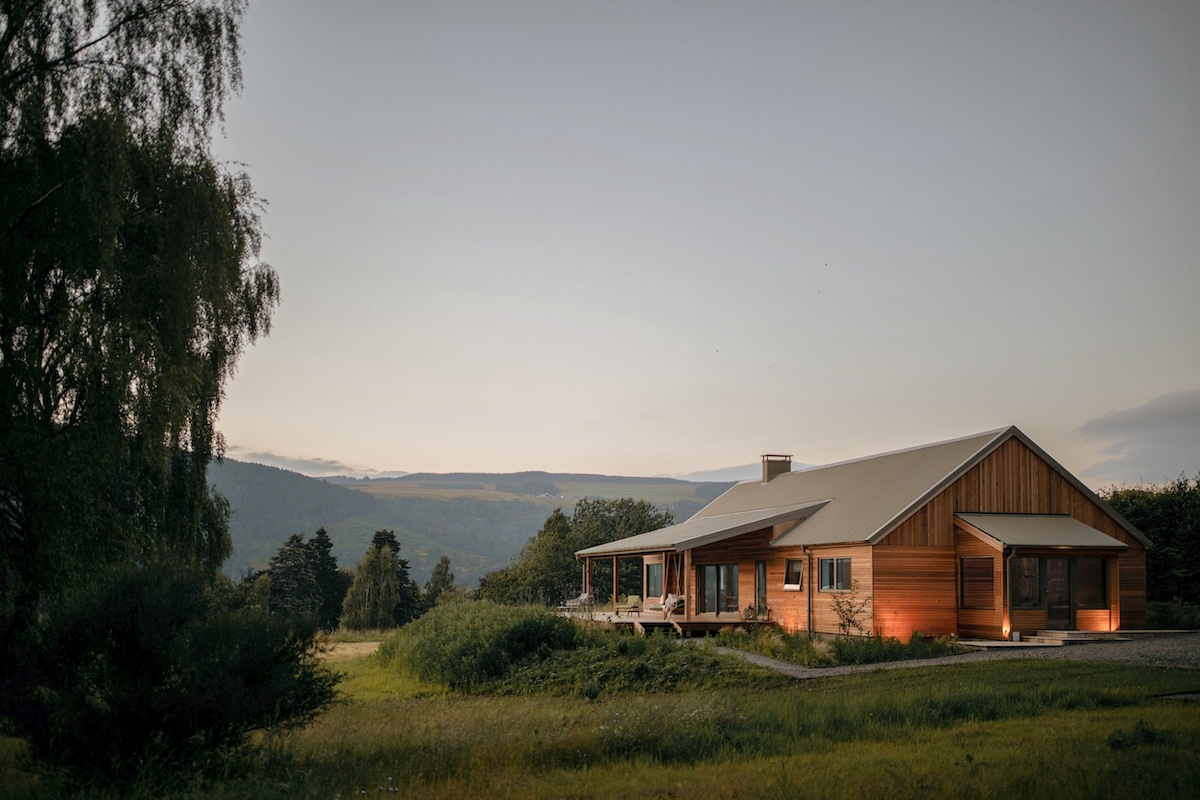
On the same estate, and rentable on its own, The Lodge at Dun Aluinn is the contemporary counterpoint: a cedar-clad timber lodge for eight across four en-suite bedrooms, named by Condé Nast Traveller among the best holiday homes in the UK. The interior is minimalist, a muted palette lifted by careful pops of colour and vivid basins by the Dutch maker Not Only White, with an open-plan kitchen for cooking or a private chef and floor-to-ceiling glass framing Aberfeldy and the river beyond. Where the main house is layered and maximal, the lodge is pared back and light, two moods of the same view.
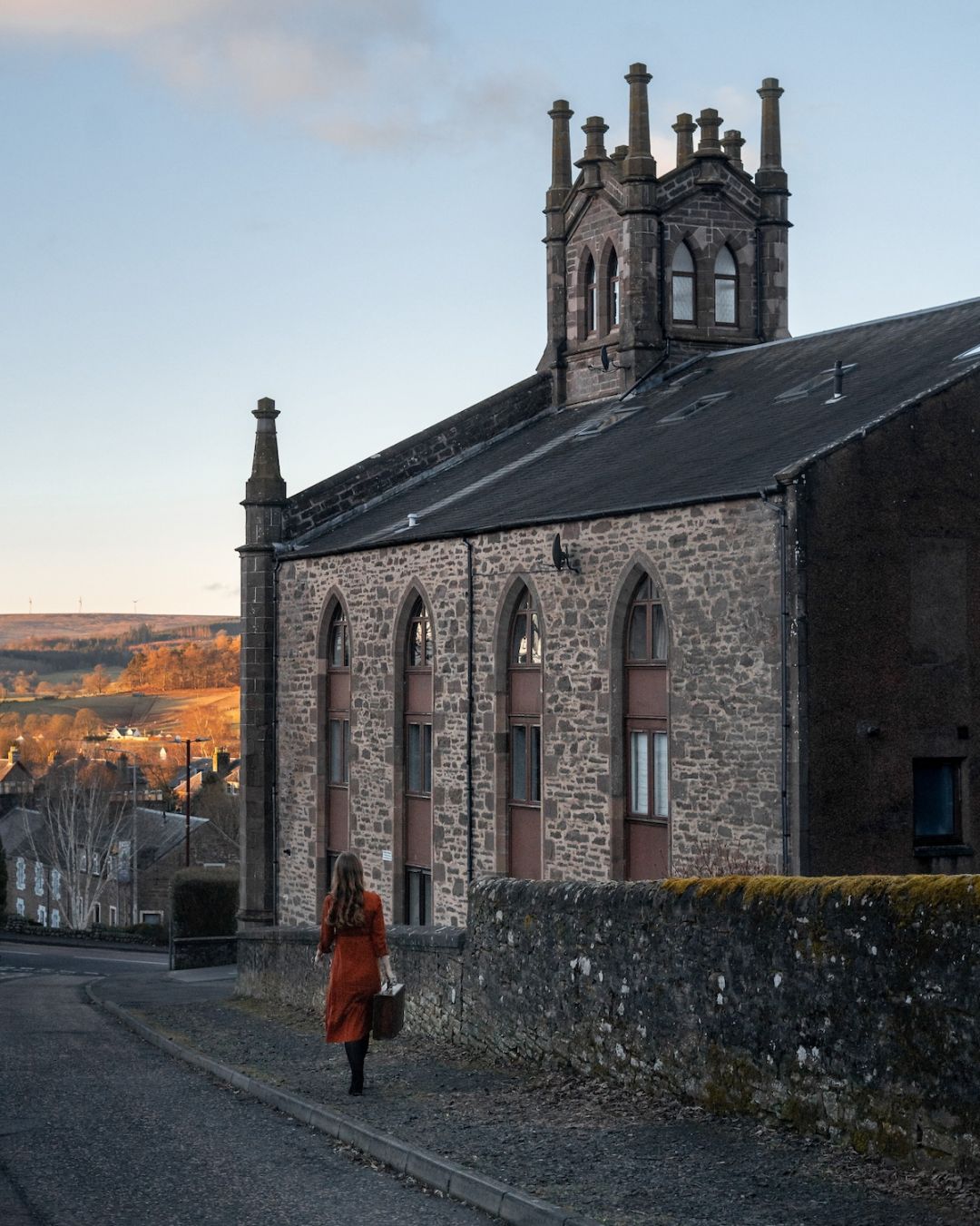
A little south, in the whisky town of Crieff, The Church Tower closes the route with ecclesiastical swagger. John Burke has converted a historic stone church tower into a design-led bolthole for six, keeping the thick exposed walls and arched windows and setting solid oak floors, a Bulthaup kitchen and Dornbracht matt-gold fittings against them. The tower climbs several storeys of old stone to rooftop views over the town and the hills, a small tower with a tall sense of drama. The Michelin-starred Glenturret Distillery is a walk away.
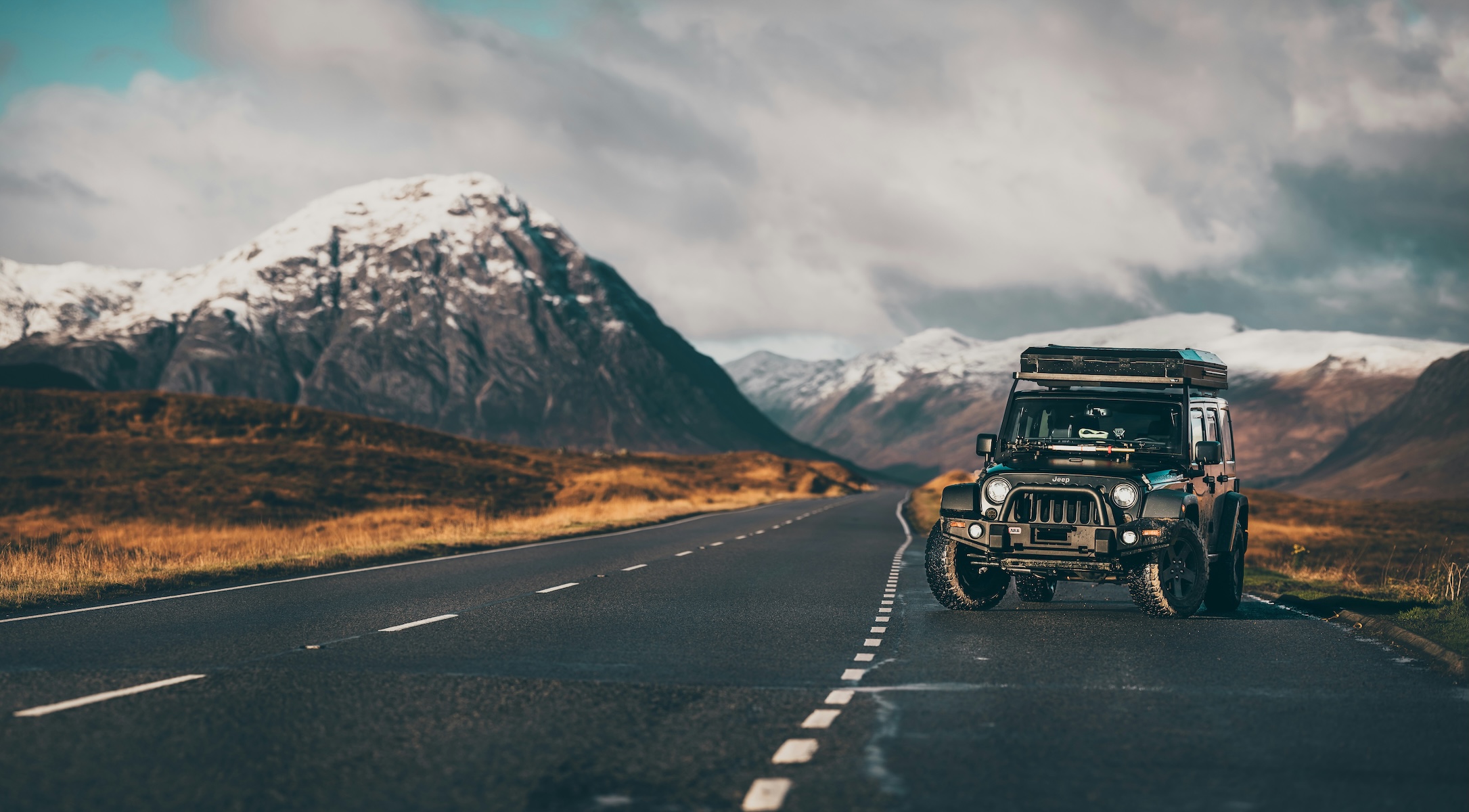
Drive the whole route, from a Sutherland Sea loch down to a Perthshire church tower, and the argument makes itself. A staffed shooting lodge, a manse, a prize-winning cottage, a Loch Ness castle, two Cairngorm farmhouses and three Perthshire houses could hardly differ more in scale or budget, yet each keeps the bones of its building, hands the decisive gesture to a designer who understood those walls first, and lets Scottish stone, oak and weather stay at the centre of the room. Some belong to a rewilding project measured in centuries; others to owners with a sharp eye and a single house to perfect. That is the thread these Aficionados properties share. Find the Scottish house that kept its bones and framed the view, and you have usually found the one worth the drive north.
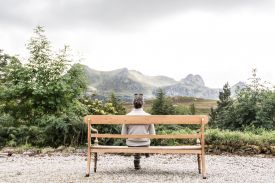
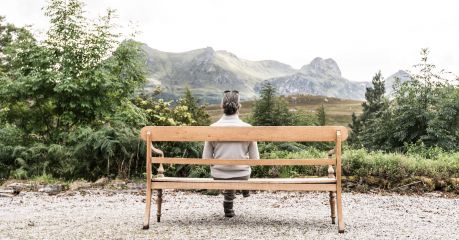
The ancient Caledonian forest and its temperate pines are still in evidence and here red deer, osprey, golden eagle and the native wolf can be seen. Sea cliffs, mirror-like lochs and peaty bogs reveal more diversity from guillemots, otters and seals.
read more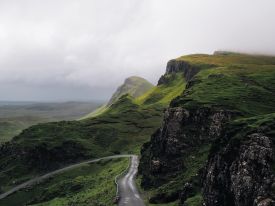
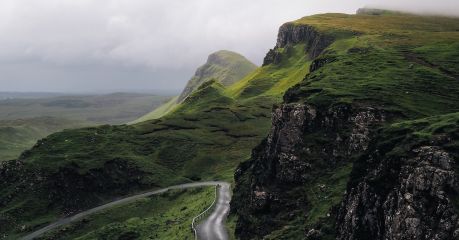
This isn’t just a road trip – it’s Scotland in widescreen. Remote, radical, and road-tested with design stays, wild moments and Highland soul stitched into every mile.
read more
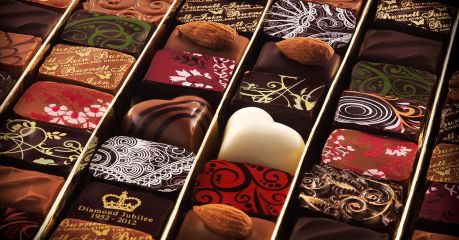
The Highland Chocolatier at Grandtully, where Iain Burnett is putting his artisan chocolates on the international foodie map. In fact, that might be underselling his talents: Burnett’s truffles have been crowned as the world’s best – twice, alongside receiving over 40 other awards.
read more
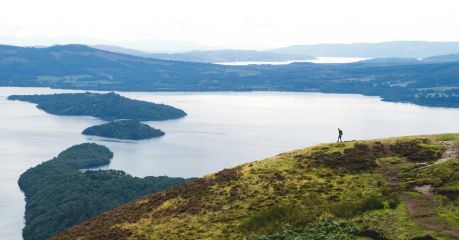
Crieff throws tradition into the Highlands with a twist – whisky-soaked culture, trail-laced nature, and design-rich heritage collide in this slow-living Scottish town with serious style credentials.
read more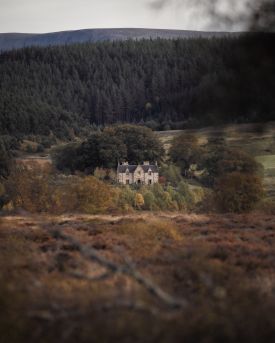
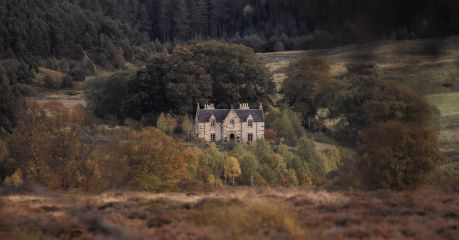
A tiny weathered Scottish farmhouse plays host to Scandinavian contemporary design and Scottish crafted pieces from the Highlands - an irresistible combo of old and new, heritage meets the design - affectionately known as the 'Scandi-Scot'.
read more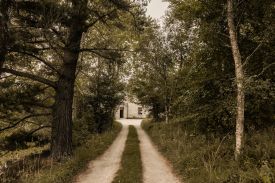
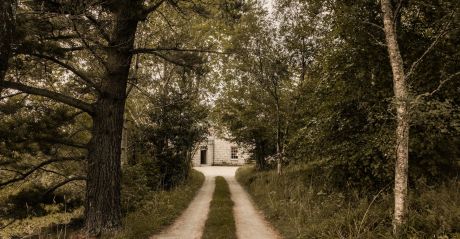
This reclusive stopover will give you reason to pause and take in the stillness of your environment while revelling in the perfectly blended alchemy of Scottish and Scandinavian style.
read more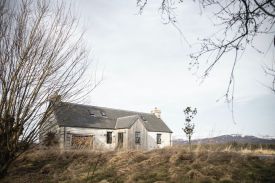
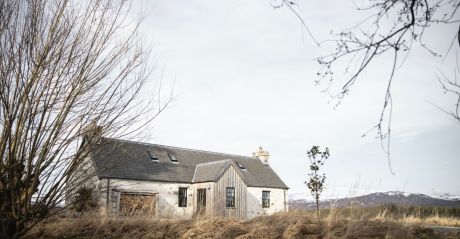
Design Bothy & Geordie's Cottage close to the Cairngorms National Park, ideal for a small family or as a Highland refuge, this aged restored cottage is decorated with Scandi influences and Scottish crafts - complete with log stove.
read more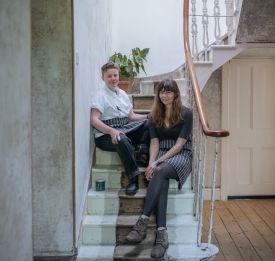
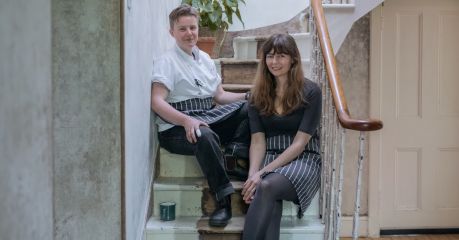
Paired with more familiar favourites such as home-smoked mackerel, lamb from the local Ben, lemon tart dusted with marigold petals, Highland beef, locally caught and cured hake, freshly shucked oysters, the dining experience at Eòlach is one which is made for sheer enjoyment.
read more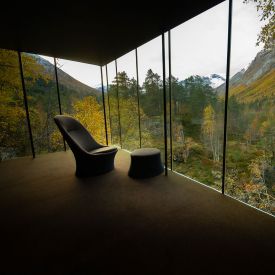
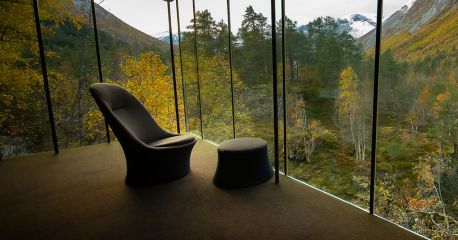
Where wilderness meets radical architecture, soulful stays and culture-led adventures – join us in chasing raw nature, good people and unapologetically beautiful escapes across the wild corners of the world.
read more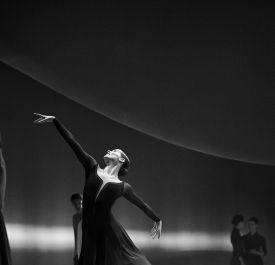
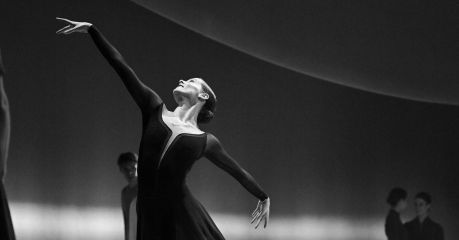
Wild swims meet ballet grace and fabulous food in Perthshire’s wilds – blending immersive adventure, mindful movement and elemental feasts that ignite body and soul.
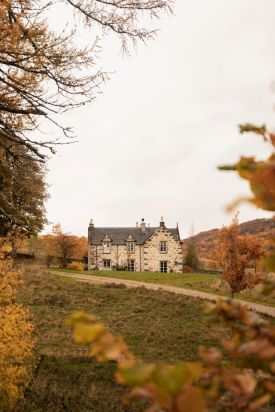
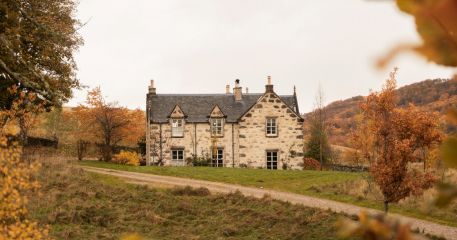
Located within the breathtaking Cairngorms National Park this creatively unique designer pad in the Scottish highlands is the new place to bed down for the night. Expect a wondrous, comforting blend of classic Scottish aesthetic and smooth, muted Scandi design.
read more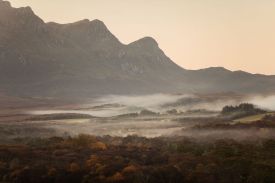
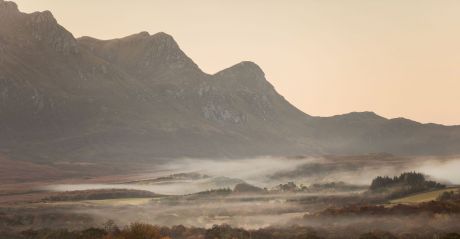
One percent of Scotland. Thirteen estates. A 200-year plan to bring the Highlands back to life. This is what it looks like when conservation becomes a calling.
read more
Get the insider news and lowdown on what we've been up to, where we've been, and who we've met along the way. Be the first to discover new places and get the scoop on our favourites.