JOIN the AFICIONADOS
Get the insider news and lowdown on what we've been up to, where we've been, and who we've met along the way. Be the first to discover new places and get the scoop on our favourites.

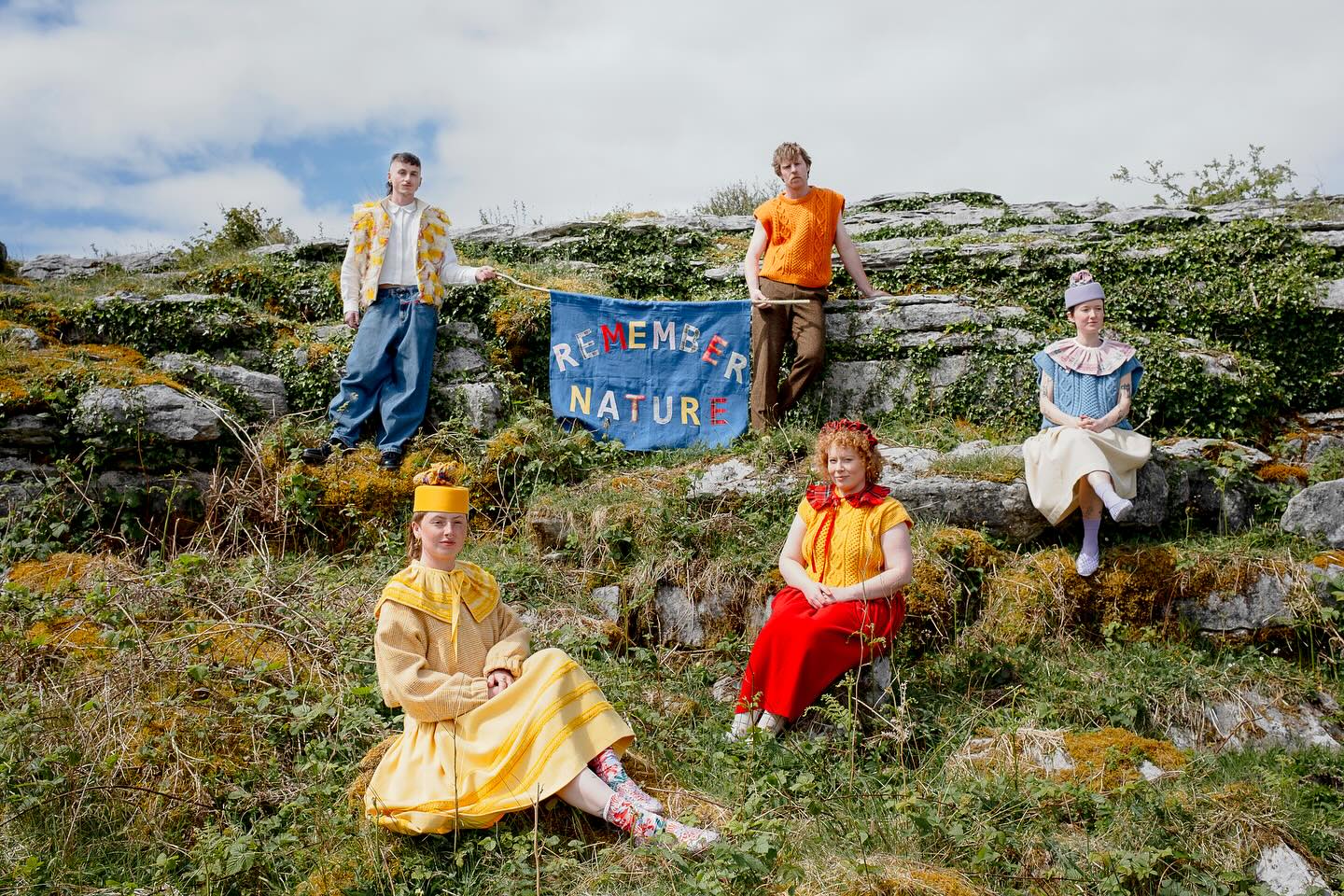
For over a decade, the Galway atelier The Tweed Project has been reworking indigenous Irish cloth into bombers, kaftans and cloud collars. Founders Aoibheann McNamara and Triona Lillis on rebellion, colour, and the freedom of making by hand on the Wild Atlantic coast.
Some clothes ask to be taken seriously. The Tweed Project would rather make you smile first, then look twice. One recent piece pairs a great soft "cloud" collar with tassels from Molly & Son, with a matching alice band waiting alongside, ready to lift a look from jeans to a full dress in a single move. It is beautiful and a little bit silly, which is precisely the point.
For over a decade, the Galway atelier has been quietly, and sometimes loudly, rebelling against the ordinary. Founders Aoibheann McNamara, of the much-loved Ard Bia, and Triona Lillis, a costume designer for Irish screen, began in 2014 with a simple frustration. Ireland made some of the finest cloth in the world, and most of it was being cut into clothes that felt clunky, old school, more heritage costume than living wardrobe. "We were rebelling against the stereotype of how tweed was being designed and worn," says McNamara. So they subverted it: bombers, hoodies and kaftans, modern global shapes married to stunning indigenous fabric.
That instinct to follow the feeling rather than the season still runs the studio. The colour story has wandered from the green and gold-flecked greys of the west coast to bright reds and yellows and, lately, soft creams and blush. Ask what drives the shifts and the answer is refreshingly honest: mood, the weather of a given year (Covid restrictions included), and quite simply what cloth they can lay hands on. The current offering, "Remember Nature," is less a defined collection than a set of ideas being chased in real time. "We have great freedom in what we create and how we put pieces out," she says. "A large part of that is down to how we feel."
Fabric is where the creativity and the constraint meet. Alongside vintage and deadstock finds, they re-run their signature tweed and blankets as a constant thread, the staple everything else hangs off. They commission Irish linen from Emblem Weavers in Wexford for shirts and cooler summer suits. And from Kerry Woollen Mills they buy what McNamara calls "crazy coloured" existing stock, then do something joyful with it: those cloud collars, the tassels, the alice bands. Working with what already exists could read as a limit. In their hands it becomes a licence to play.
The discipline underneath the fun comes, in part, from a restaurant. McNamara sees no great leap from slow food to slow fashion. "It's basically the same. Everything is considered, everything is made in-house." A plate or a piece, the ambition is identical: something meant to last a lifetime, holding feeling and integrity, the antithesis of the generic offerings widening all around us. Look to the old, take your time, produce something deeply authentic. In a house built on that belief, a hand-finished tassel is the whole philosophy, worn on the shoulder.
If there is talk of Irish design having its moment, the view from the Wild Atlantic coast is that the moment was always here. "Being based on the west coast of Ireland has always been a superpower for us," says Lillis. "All our inspiration comes from here." She finds it lovely to see the world now looking back to Ireland for inspiration, and calls it a very exciting time for Irish fashion. McNamara is equally clear that staying small is the entire proposition. Jonathan Anderson may be carrying Irish tweed to a global stage; The Tweed Project carries it in a smaller, more intrinsic way, toward an audience that loves the cloth as much as they do. With Donegal tweed said to be on its way to protected status, much as Harris Tweed is guarded in Scotland, the fabric has never mattered more. Which leaves the two of them exactly where they want to be: on the edge of the Atlantic, making one considered, characterful, faintly mischievous thing at a time.
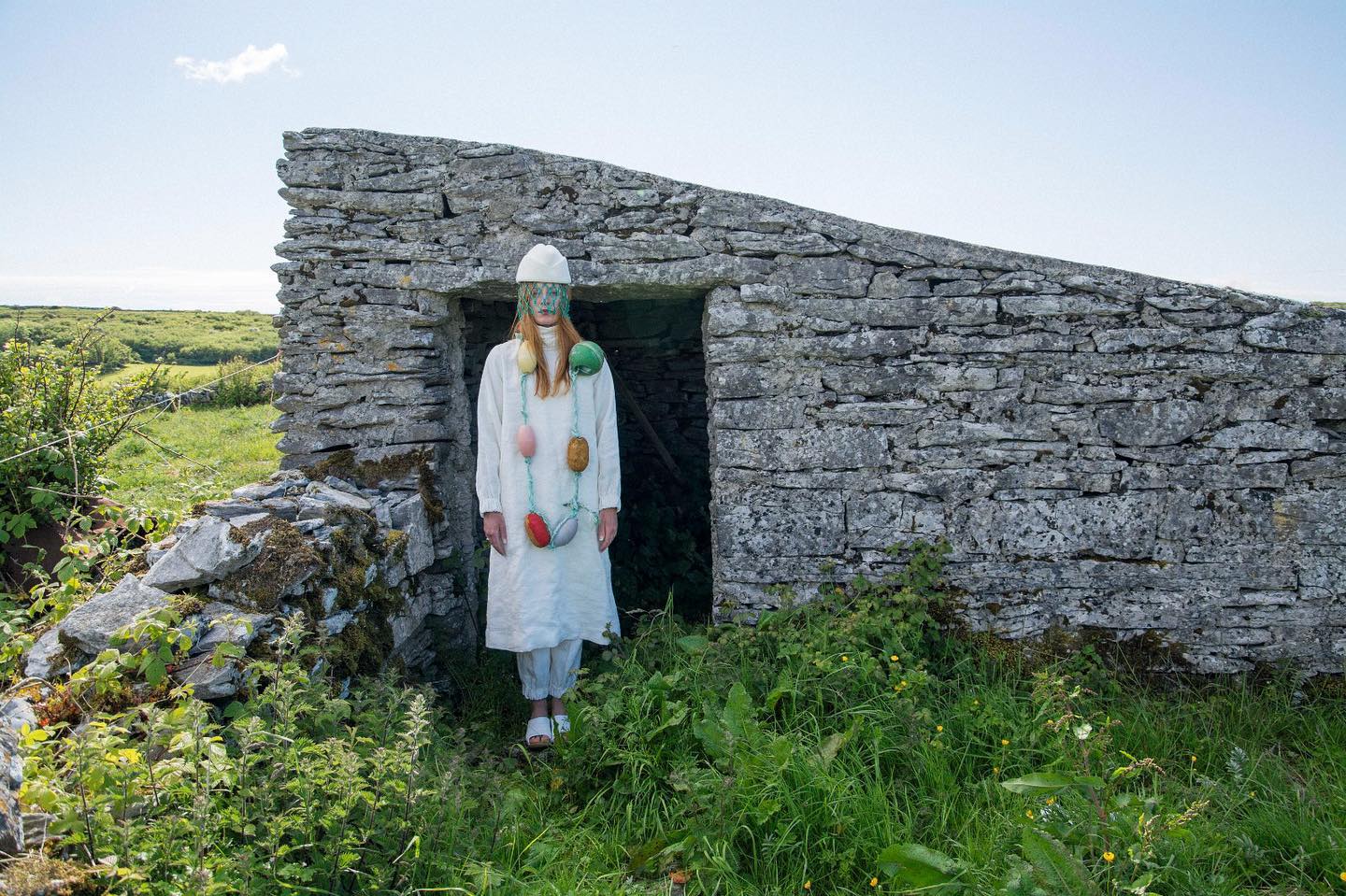
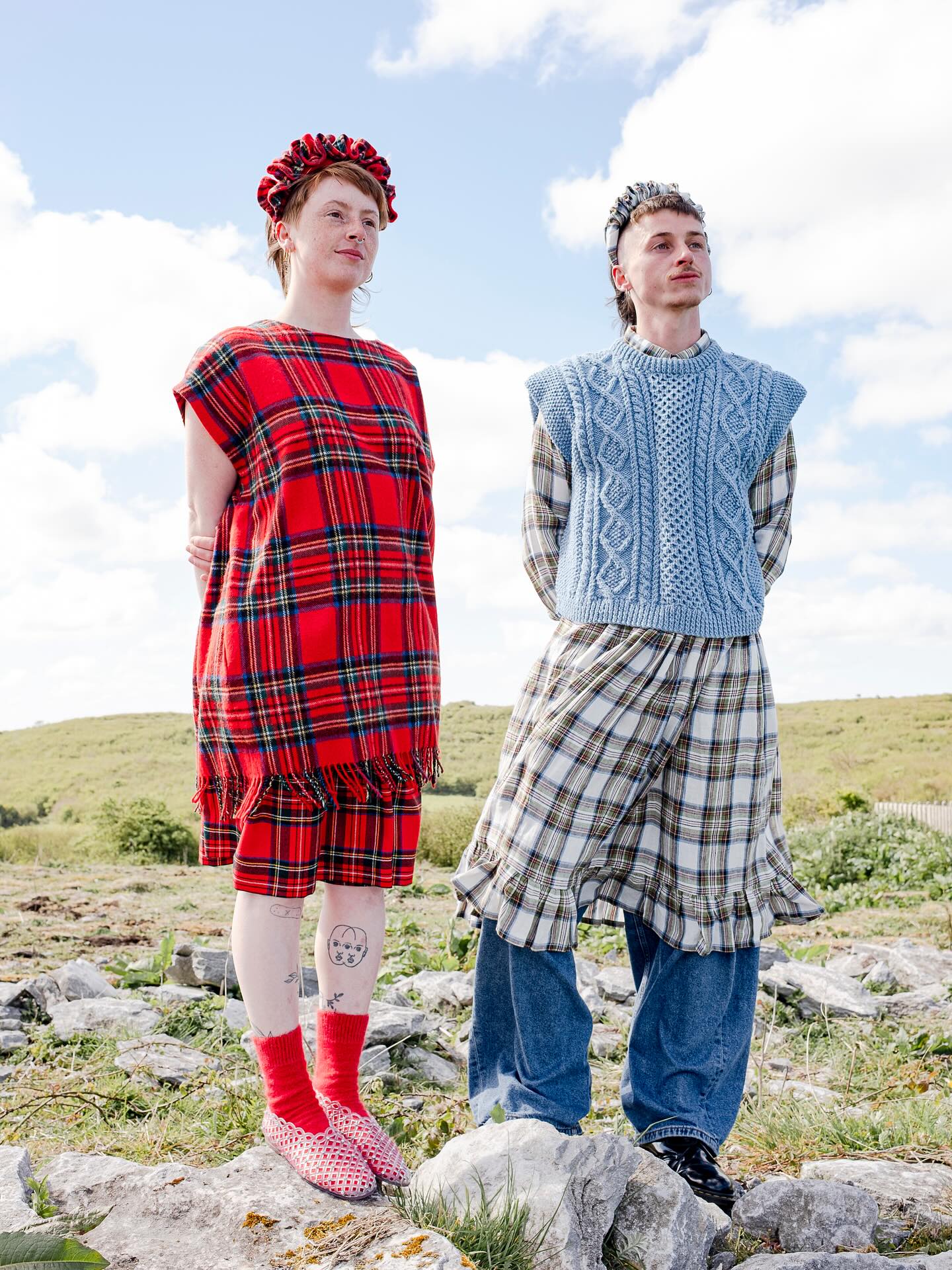
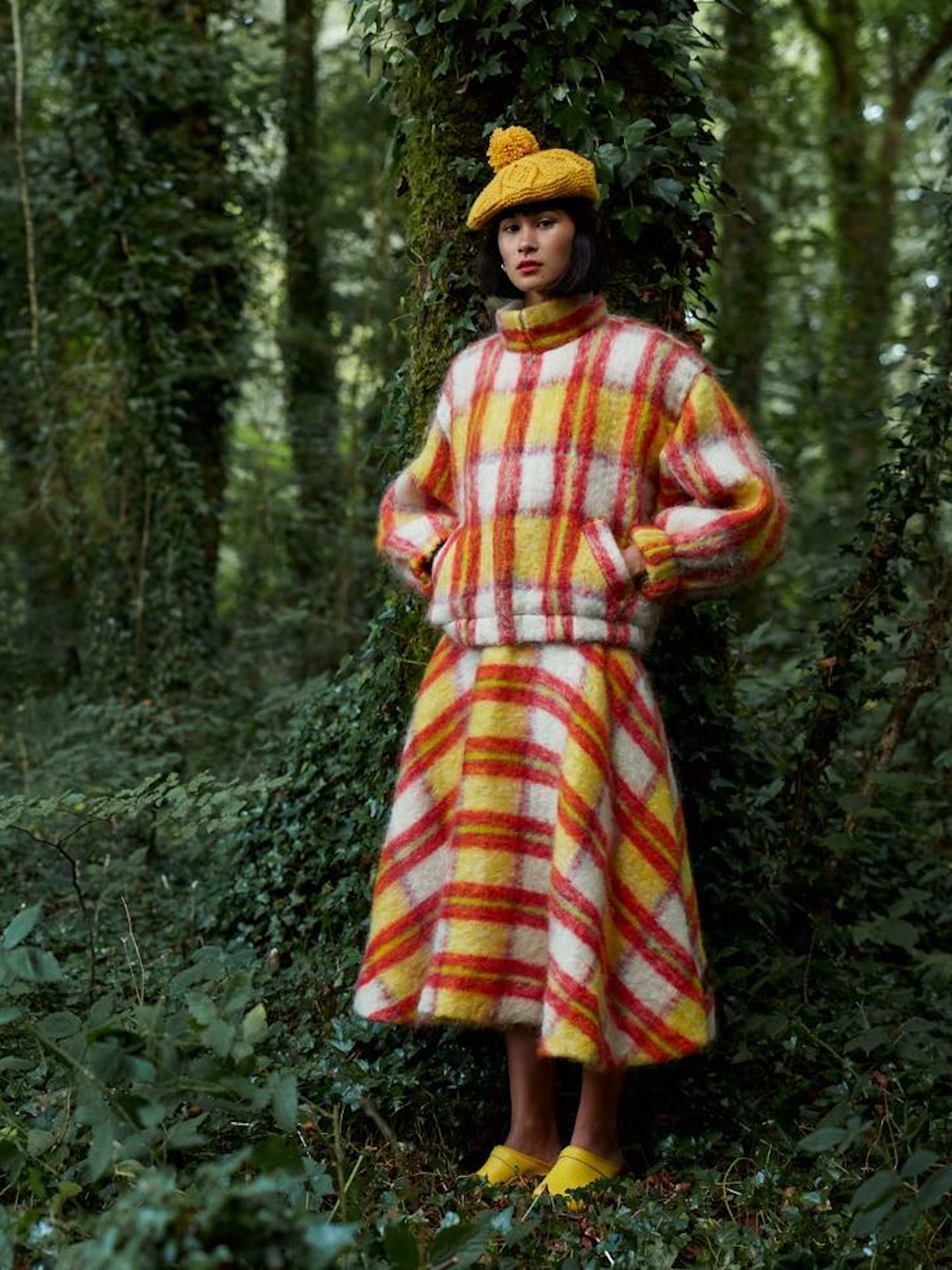
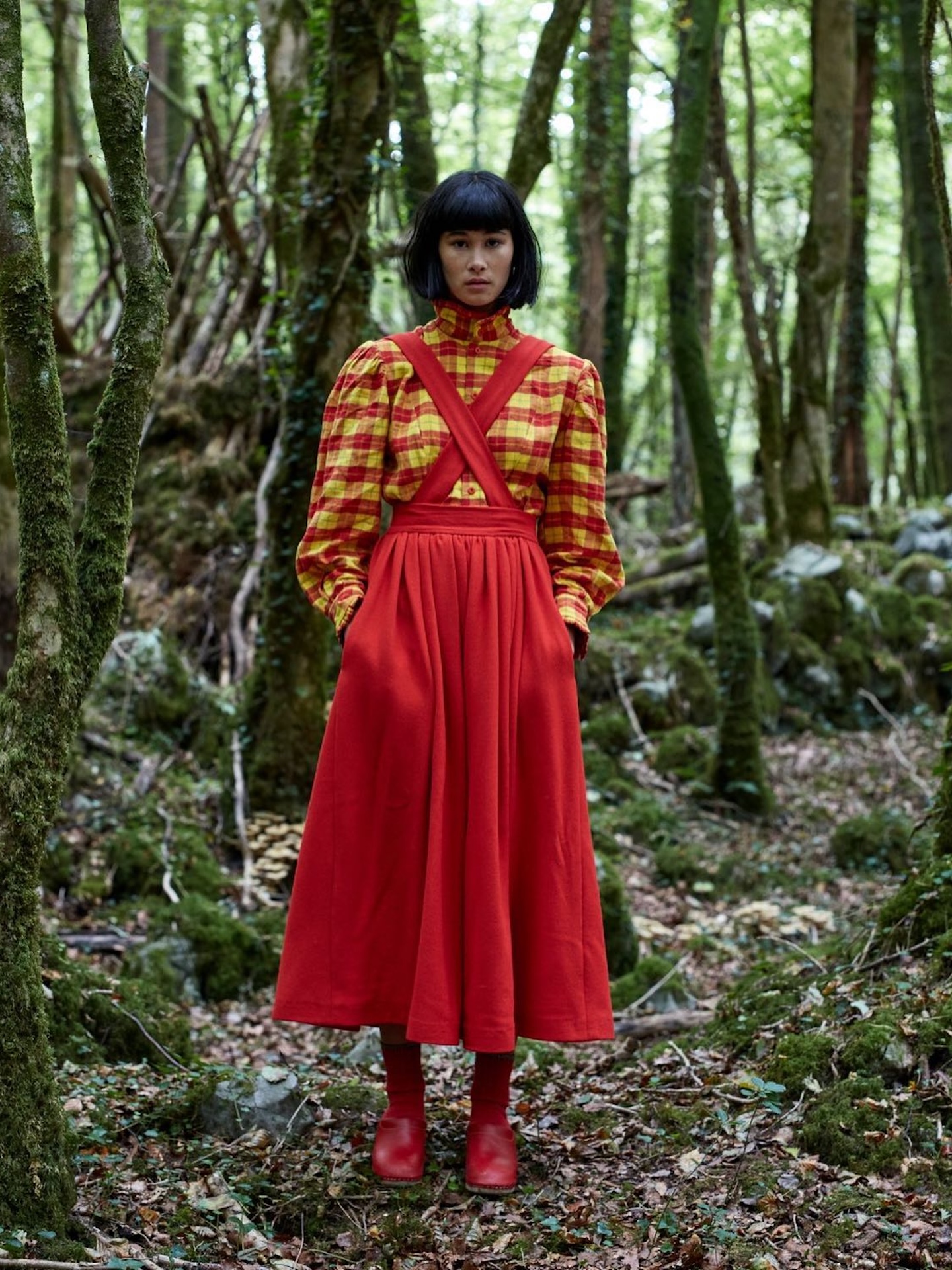
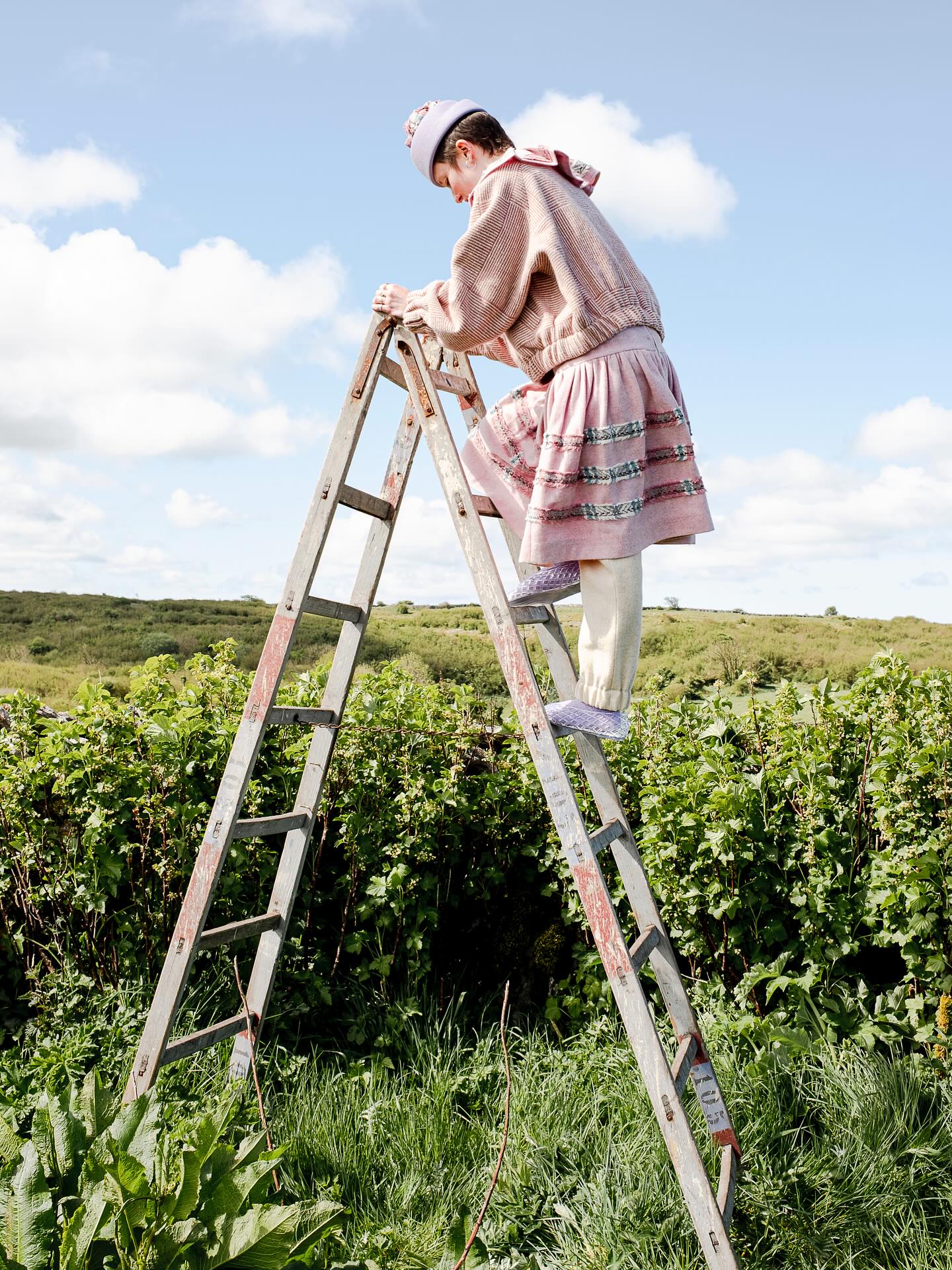
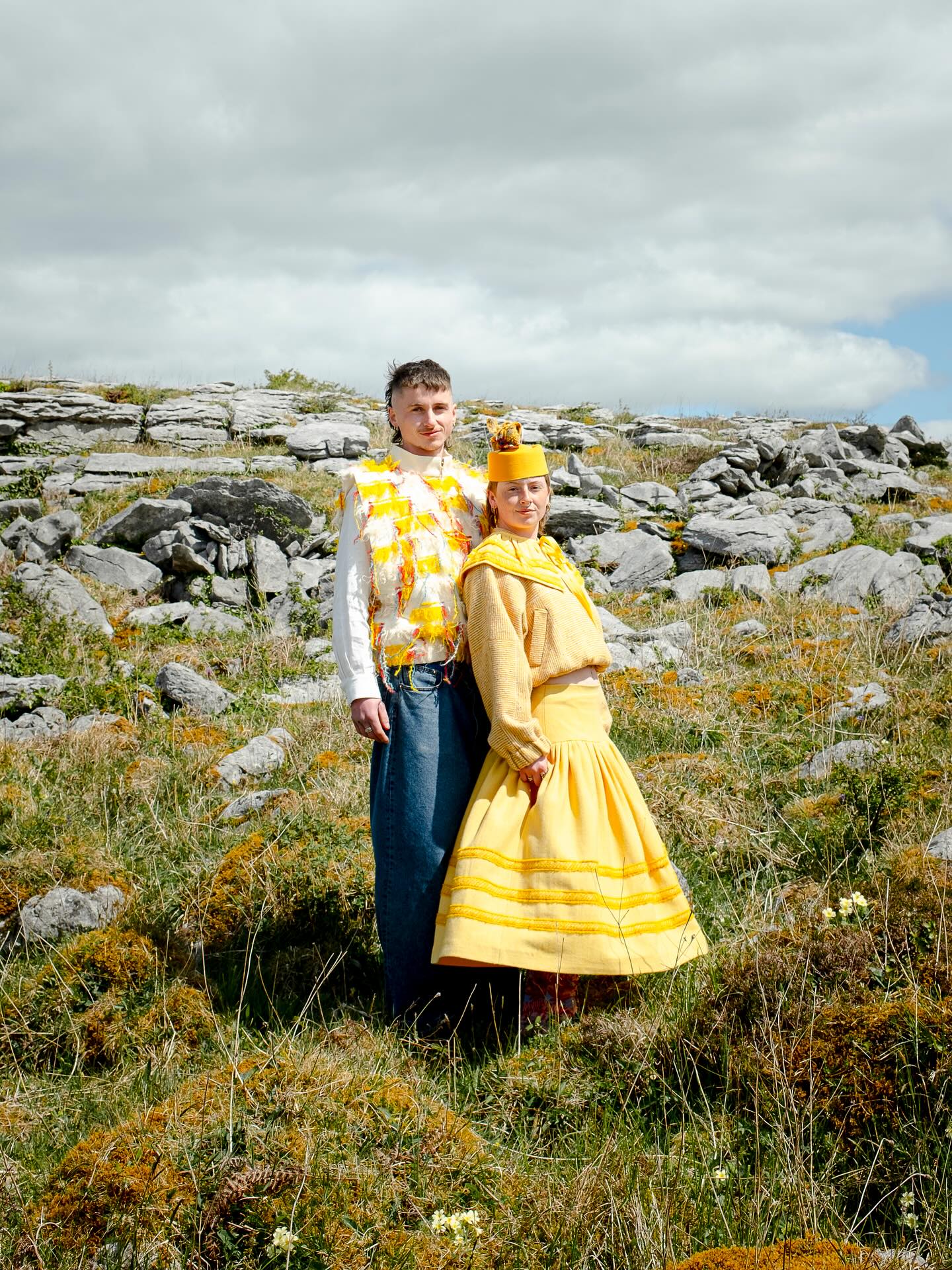
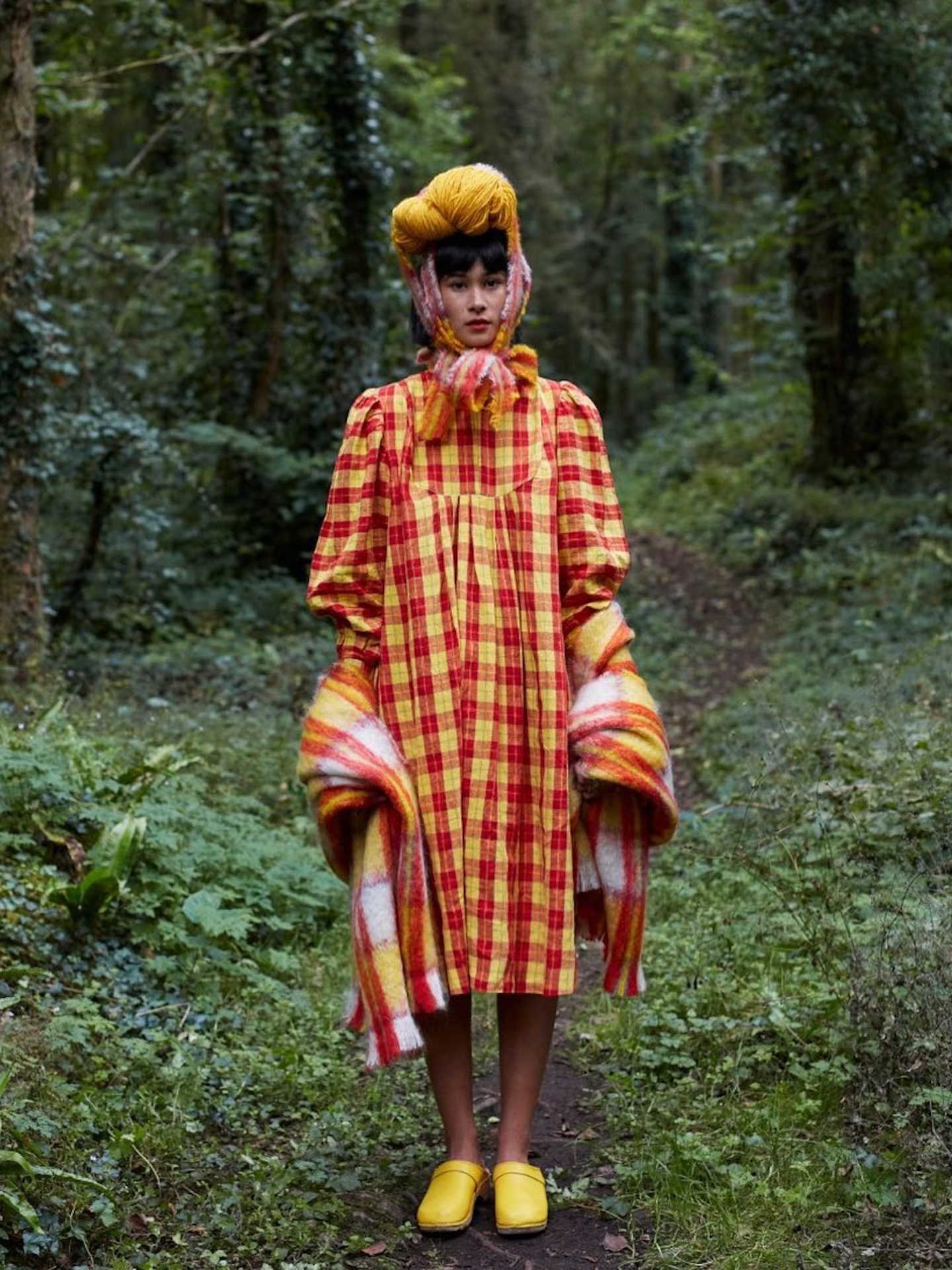
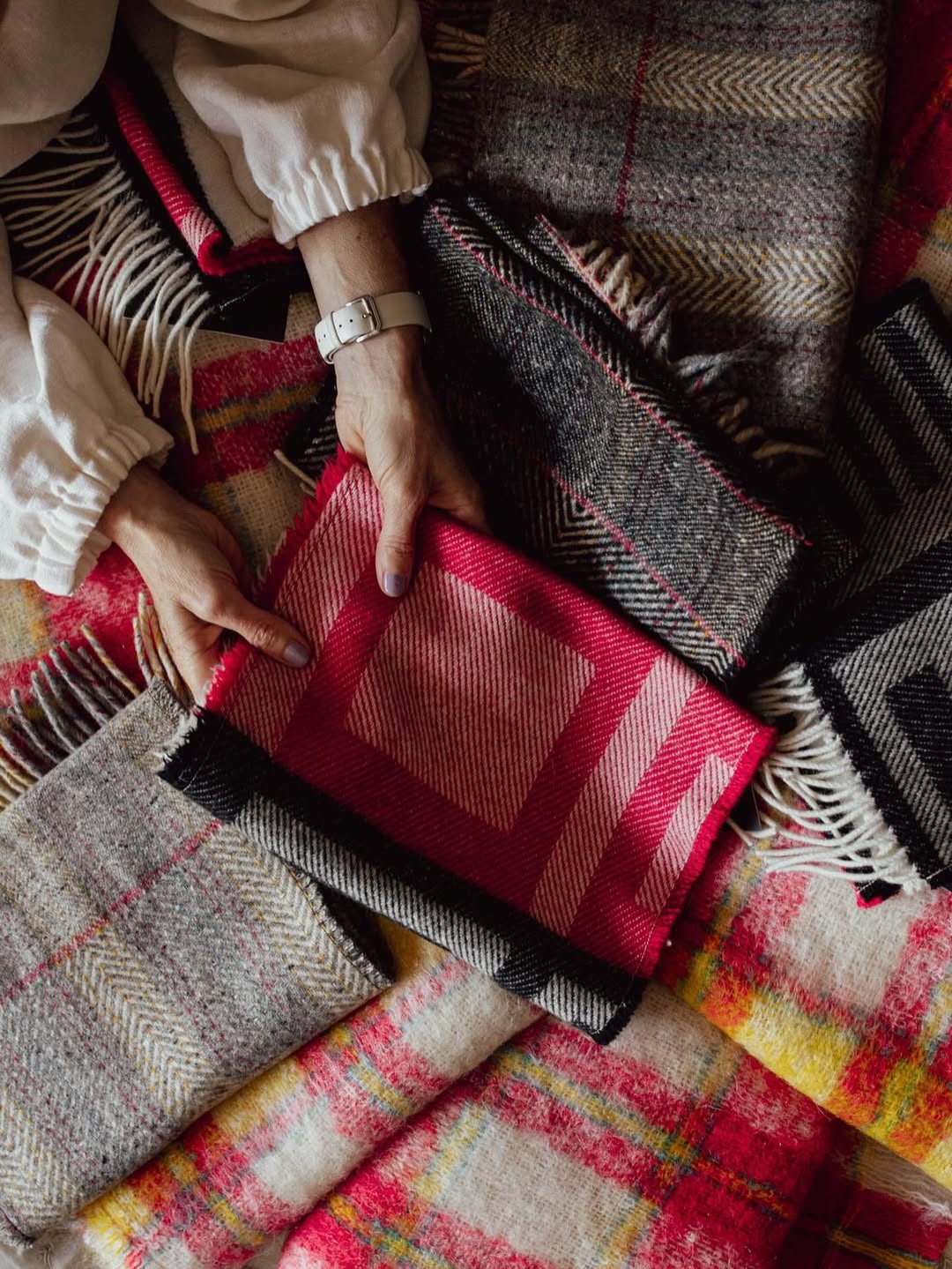
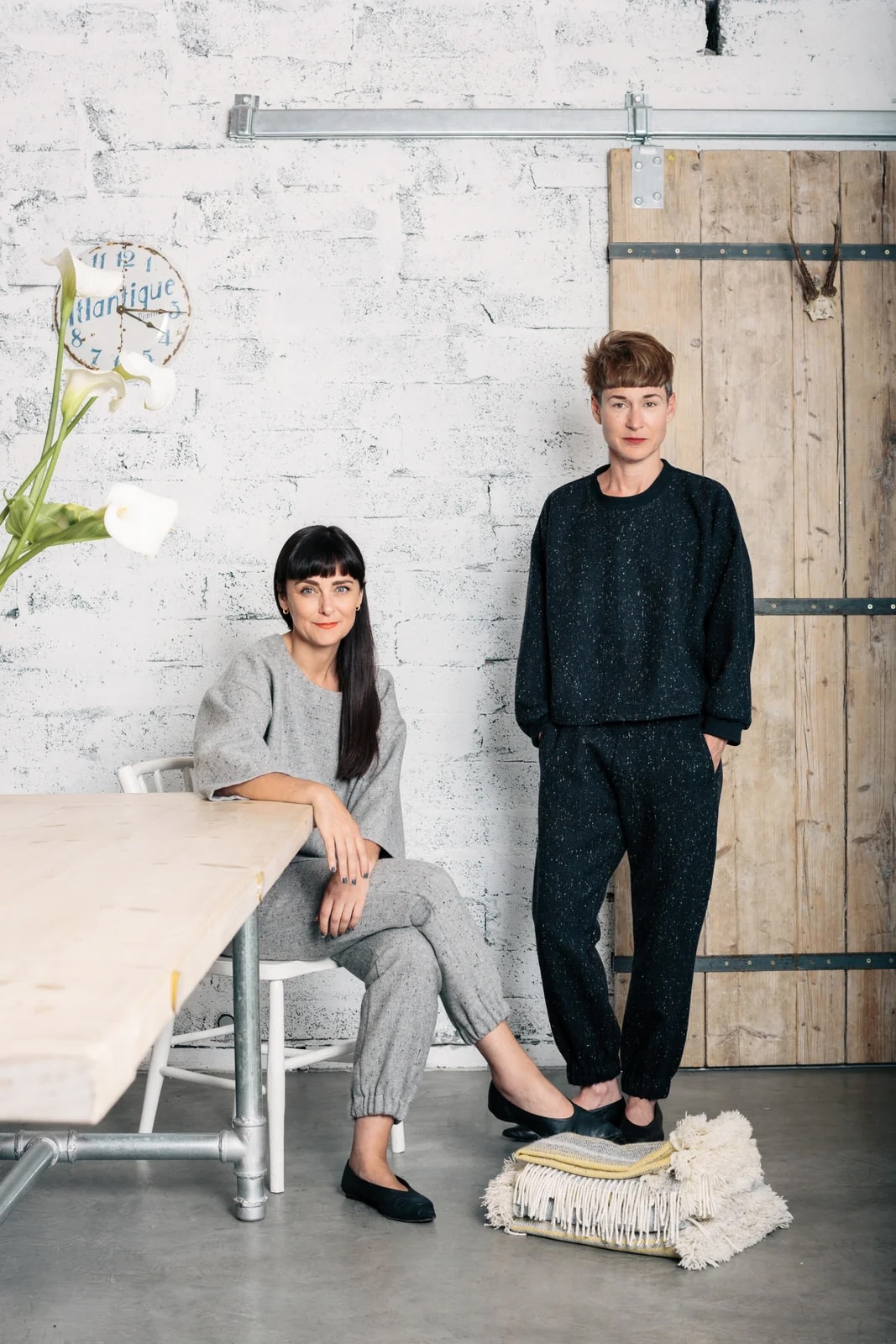
Founded in 2014 by Aoibheann McNamara (the restaurateur behind Galway's Ard Bia) and Triona Lillis (a costume designer for Irish film and television), The Tweed Project is a slow-fashion atelier working only with Irish cloth. Everything is made to order in small batches. Fabrics come from Irish mills and makers, including Donegal tweed from Molly & Son, Irish linen from Emblem Weavers in Wexford, and colourful woollens from Kerry Woollen Mills. Explore the work at thetweedproject.com and on Instagram.
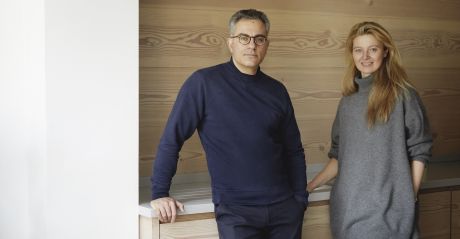
Stylish, natural, casualwear, knits, t-shirts + crafted closet essentials that are ethical, sustainable, carbon neutral and natural, created by Petra Brichnacova and Esteban Saba.
read more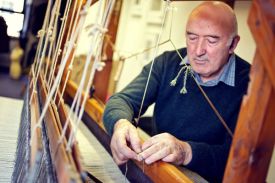
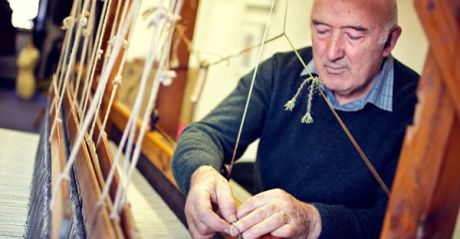
One of Ireland’s last handloom weavers, Eddie Doherty. At the age of 16, he learned to weave by hand, and he’s been doing so ever since for the next 40 years – with two long stints at large Irish fabric companies in between.
read more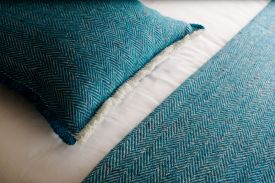
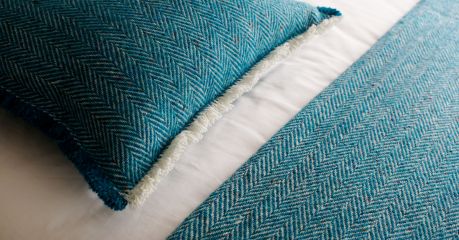
McNutt of Donegal weave tweed and Irish wool on handlooms and has evolved over the years to produce Irish linen, fabric and accessories including wool blankets, throws and scarfs as found at Breac.House.
read more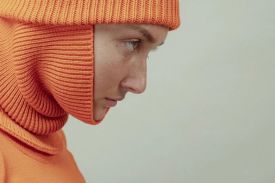

Inspired by the mountains, this timeless fashion and design label was founded in 2021 by brothers Clément and Germain Douillet. The duo works solely with French specialist ateliers to create legacy pieces.
read more
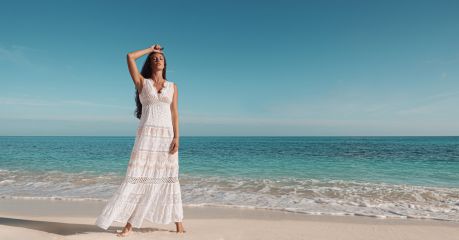
Temptation Positano is a fashion brand that translates the golden moments of the Amalfi coast into its garments. Drawing inspiration from these unique locations, Temptation Positano produces all its garments in picture-perfect Positano.
read more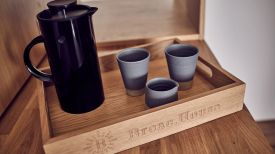
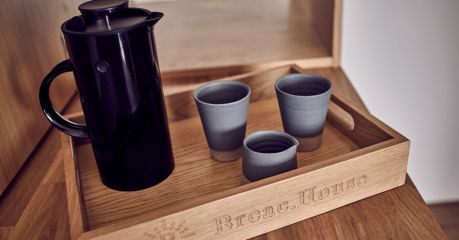
Muck’n’Muffins: a sisterly venture of handmade goods in Dunfanaghy Ireland which champion the crafts from ceramics, furniture, toys, vintage finds and serve great coffee.
read more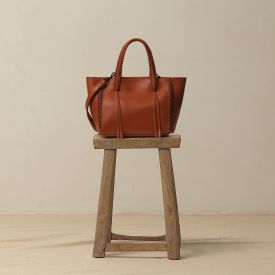
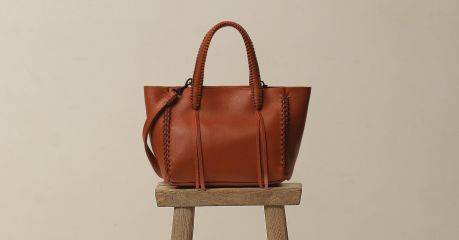
Made in their Athens atelier, Callista's bags are iconic, timeless, and one of a kind, each skilfully handmade using age-old crafts and techniques to incorporate Greek heritage.
read more
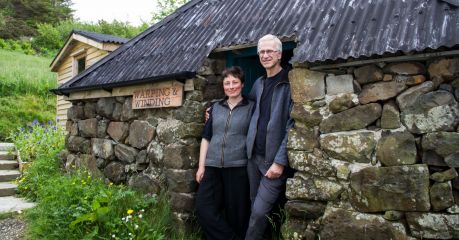
Specialising in Scottish tweed and textiles in natural woollen yarns collected from the fluffy sheep that dot the isle, Skye Weavers create a versatile range of 100% Skye wool products.
read more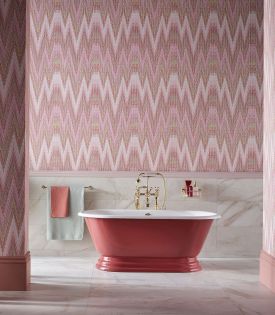
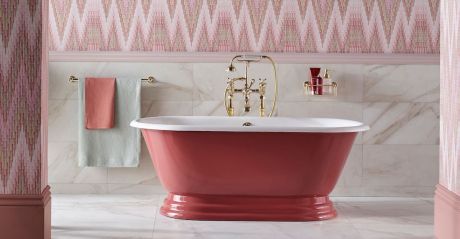
Set up in the 1980s, by Drummond Shaw, the company began as a vintage salvage company, restoring old rolltop baths to a characterful beauty, perfect for upmarket interiors and of course, indulgent deep soaks.
read more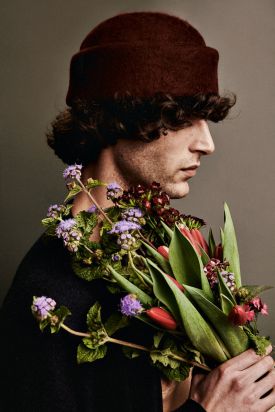
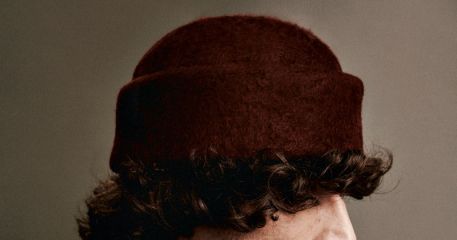
What we wear is a signifier of who we are, and the hat in particular has become a marker of individuality and style.
Handcrafted, family-owned hat makers literally headline this lineup of the coolest, oldest, most stylish and rare finds - our chapeaux of choice from felt fedoras, brimming sun hats or a jaunty beret.

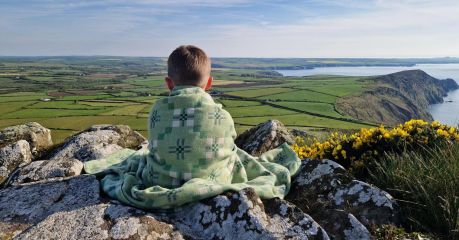
The country of Wales is a long-time respected and highly regarded producer of crafted textiles and weaving, and one of the most sought-after British manufacturers, produced in a whitewashed mill that’s been in continuous use since 1841.
read more
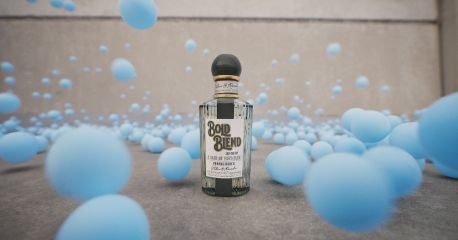
Bold Blend is Penhaligon's new aromatic green eau de parfum, created by perfumer Paul Guerlain and launched in 2026 as the first addition to the Potions & Remedies collection since 2023, pairing peppermint and black pepper with clary sage, violet leaf, palo santo, cypress and cypriol.
read more
Get the insider news and lowdown on what we've been up to, where we've been, and who we've met along the way. Be the first to discover new places and get the scoop on our favourites.