JOIN the AFICIONADOS
Get the insider news and lowdown on what we've been up to, where we've been, and who we've met along the way. Be the first to discover new places and get the scoop on our favourites.

There is a particular quality to the light in Sri Lanka, late in the afternoon, when the heat begins to soften and the air takes on the colour of weak tea. It catches on the lacquered leaves of the rubber trees, on the wet flanks of a working elephant in the Mahaweli, on the white dome of a roadside stupa, on the gold tooth of a tuk-tuk driver grinning at you in his rear-view mirror. It is, perhaps, what people mean when they talk about the Sri Lankan smile. Not the smile itself, exactly, but the light it sits in.
The island carries its history lightly, which is no small thing, given how much of it there has been. Sri Lanka has known difficult chapters, the long years of civil conflict, the tsunami of 2004, the quiet of the pandemic, the economic strain of recent years, and a lesser country might have let those things harden it. Sri Lanka has done the opposite. What you meet instead is a kind of unguarded warmth that seems only to have deepened. Doors open. Tea appears. A king coconut is hacked down from a tree and handed to you with a straw and a small, patient nod. If the afternoon goes a certain way you may be offered arrack, a coconut-sap spirit that is the colour of caramel and the strength of regret, and which is best drunk with soda and lime on a verandah as the geckos start their evening conversation.
If the afternoon goes a different way, you will end up in someone's kitchen. This is the thing to say yes to. A proper Sri Lankan cookery lesson begins not at the stove but at the market, among the pyramids of curry leaves, dried fish, fresh turmeric still bleeding orange, and ten varieties of chilli arranged by temperament. Come home cooking better than you arrived.
The island runs on two monsoons, which is a courteous way of saying that the weather is always good somewhere. November to March belongs to the southwest coast, dry and bright; the rest of the year, the east comes into its own, with long empty beaches and surf that builds and builds. The shoulder seasons are increasingly worth a look: a shower or two, a moodier sea, but the light, again, is the thing.
Colombo, the great underrated capital of South Asia, is best given a proper day at the start rather than a rushed night. The city keeps its pleasures below the surface: five hundred years of trading port, a generation of Geoffrey Bawa's Tropical Modernism, a serious contemporary art scene anchored by the Sapumal Foundation and the Paradise Road Saskia Fernando Gallery, the design houses of Paradise Road and Barefoot, and a food culture that runs from street-side hopper carts to Asia's 50 Best. A good local guide will more than earn the difference.
For the full picture, see the standalone Journal post Colombo, Read Slowly.
From Colombo, the road south runs through a tunnel of coconut palms and roadside fruit stalls toward Galle, which is where most of the island's layered history finally becomes legible. The old town inside the ramparts is a small, walkable lesson in five hundred years of maritime trade. Portuguese fort, Dutch gables, Anglican spire, British lighthouse, colonial villa, Moorish merchant house, all of it pressed together along three or four shaded streets that smell of frangipani and salt. The entire seaward wall can be walked in an hour at sunset, and it should be. Above the town, in the hills, Doornberg occupies a tea-planter's bungalow with the kind of view that resolves the day's argument with itself, and is the most considered base for the region.
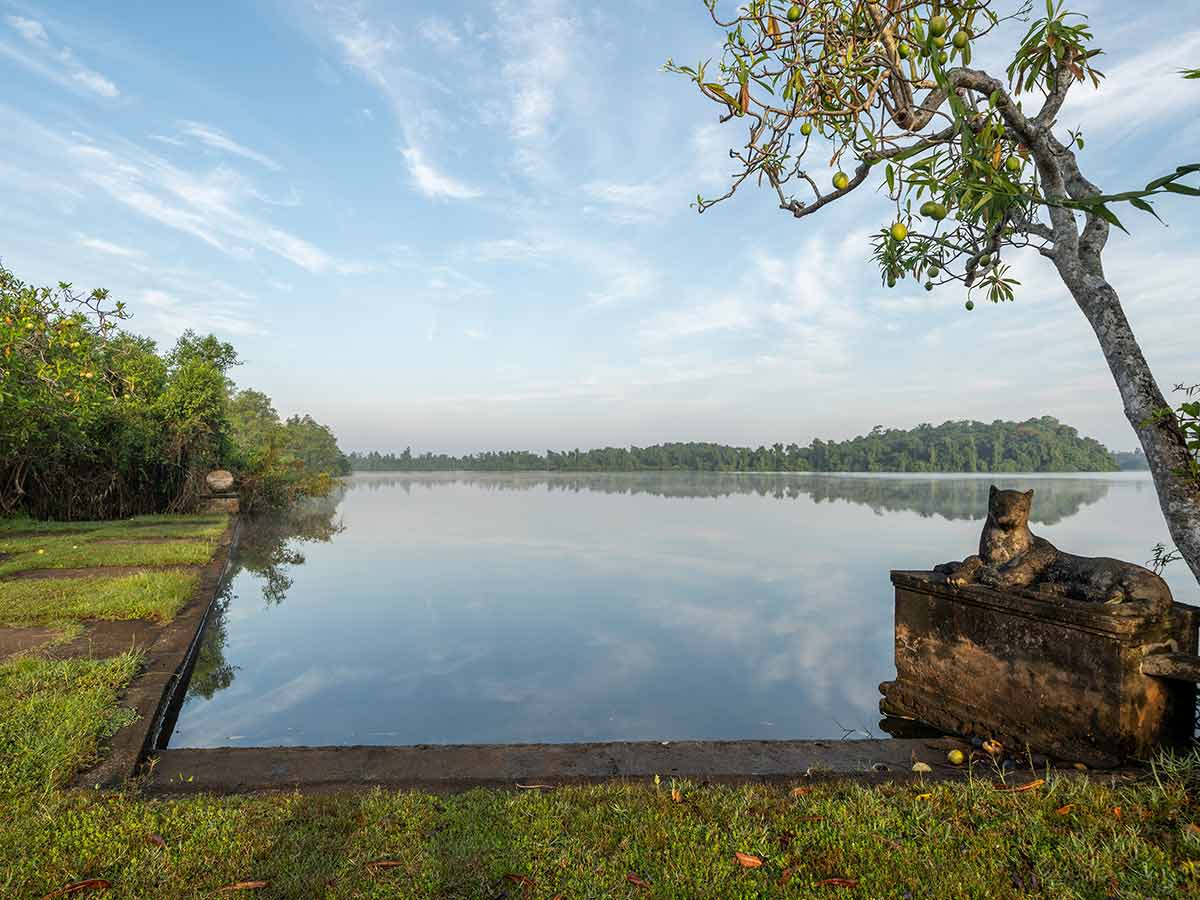
Bawa's country estate, Lunuganga, sits ninety minutes back up the coast on a lake near Bentota, and is the closest thing the subcontinent has to a manifesto in landscape form: clipped lawns, frangipani, terracotta, a single bronze leopard staring across the water. A day there will reorder any preconception about what a garden can do.
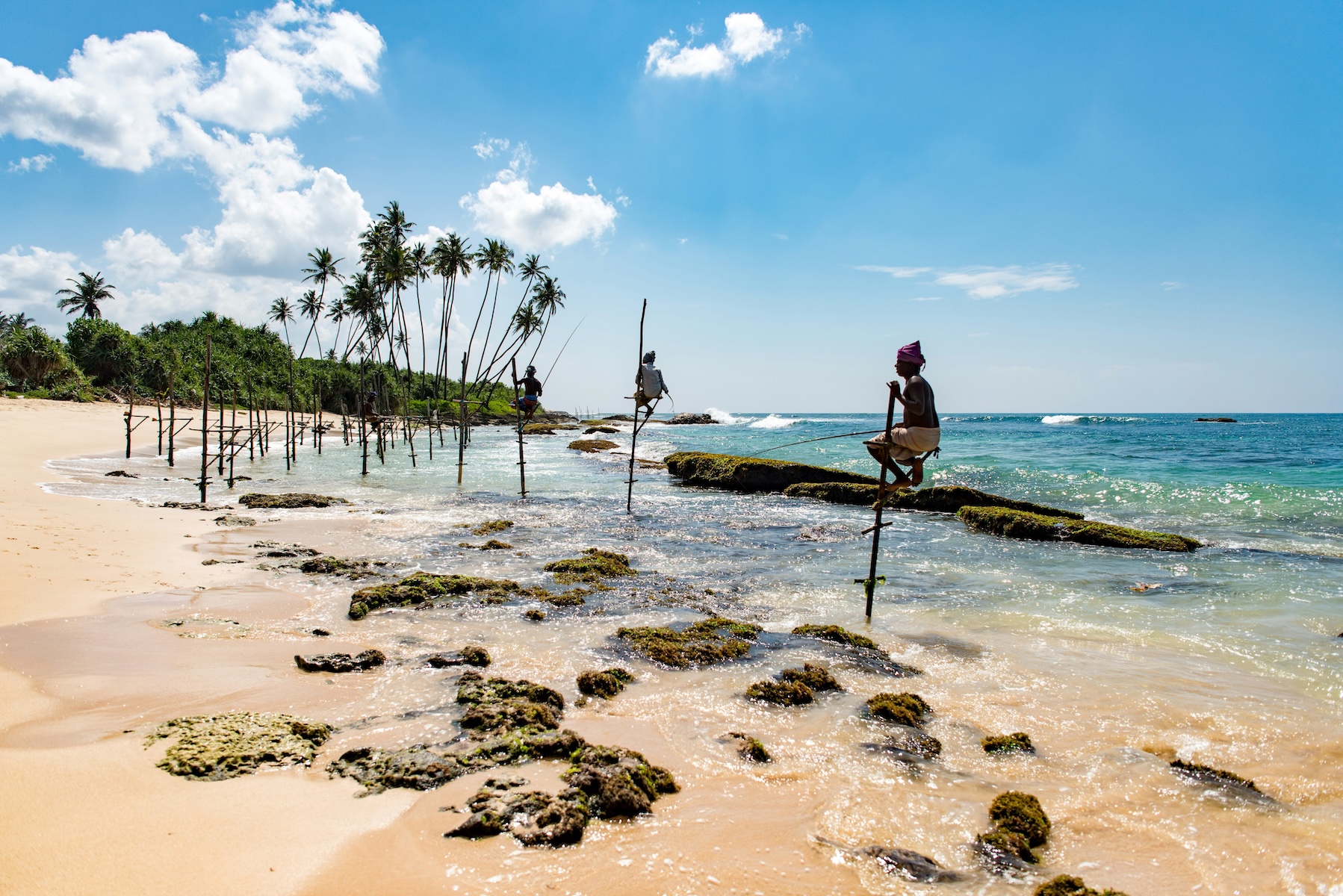
Continue east and the coastline opens out into a long sequence of surf breaks, small fishing harbours and the stilt fishermen of Koggala, who still balance on their wooden poles in the shallows at first light. The Indian Ocean here is theatrical: blue whales pass within sight of the shore between December and April, and pods of spinner dolphins arc through the water in the kind of numbers that feel almost rude.
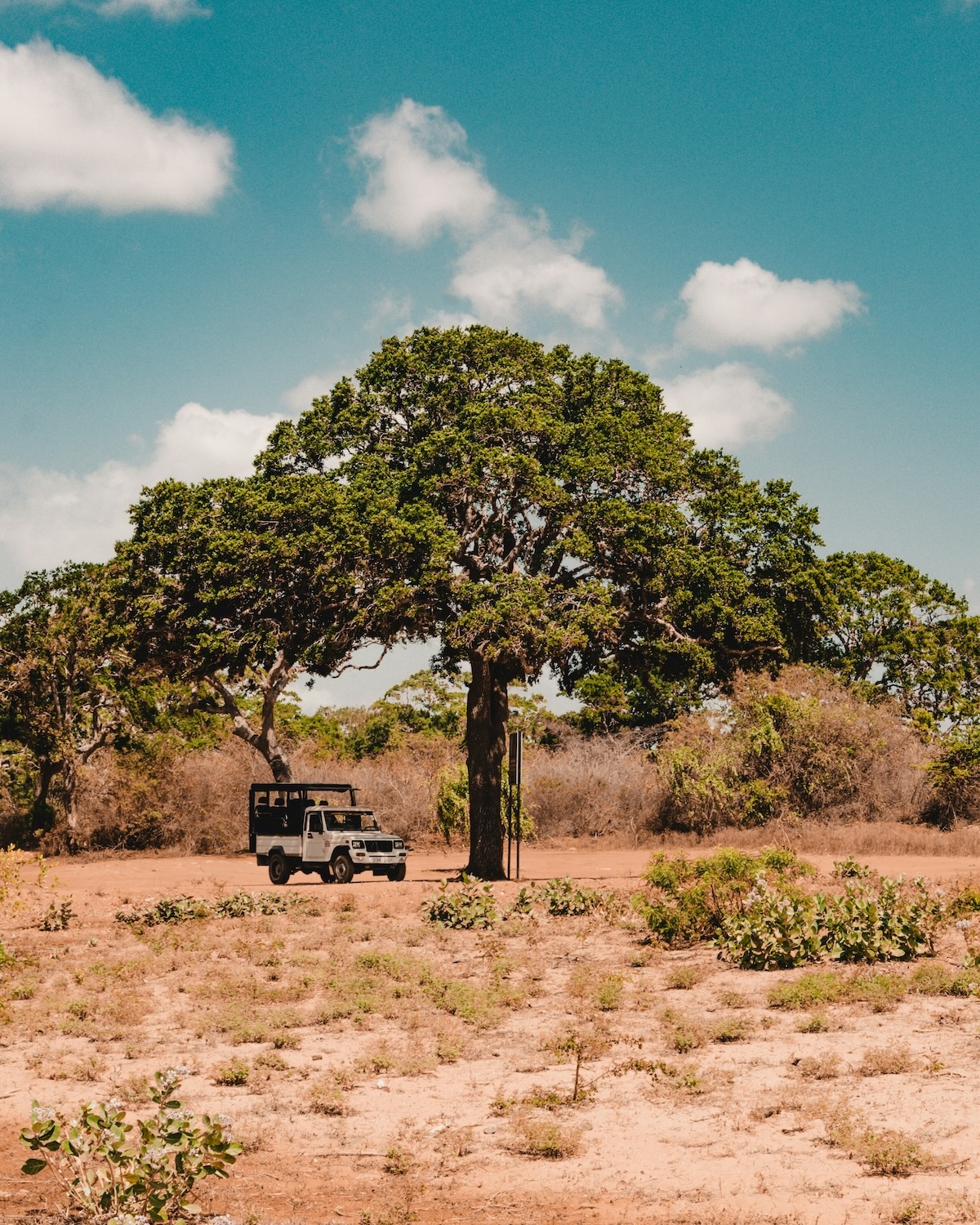
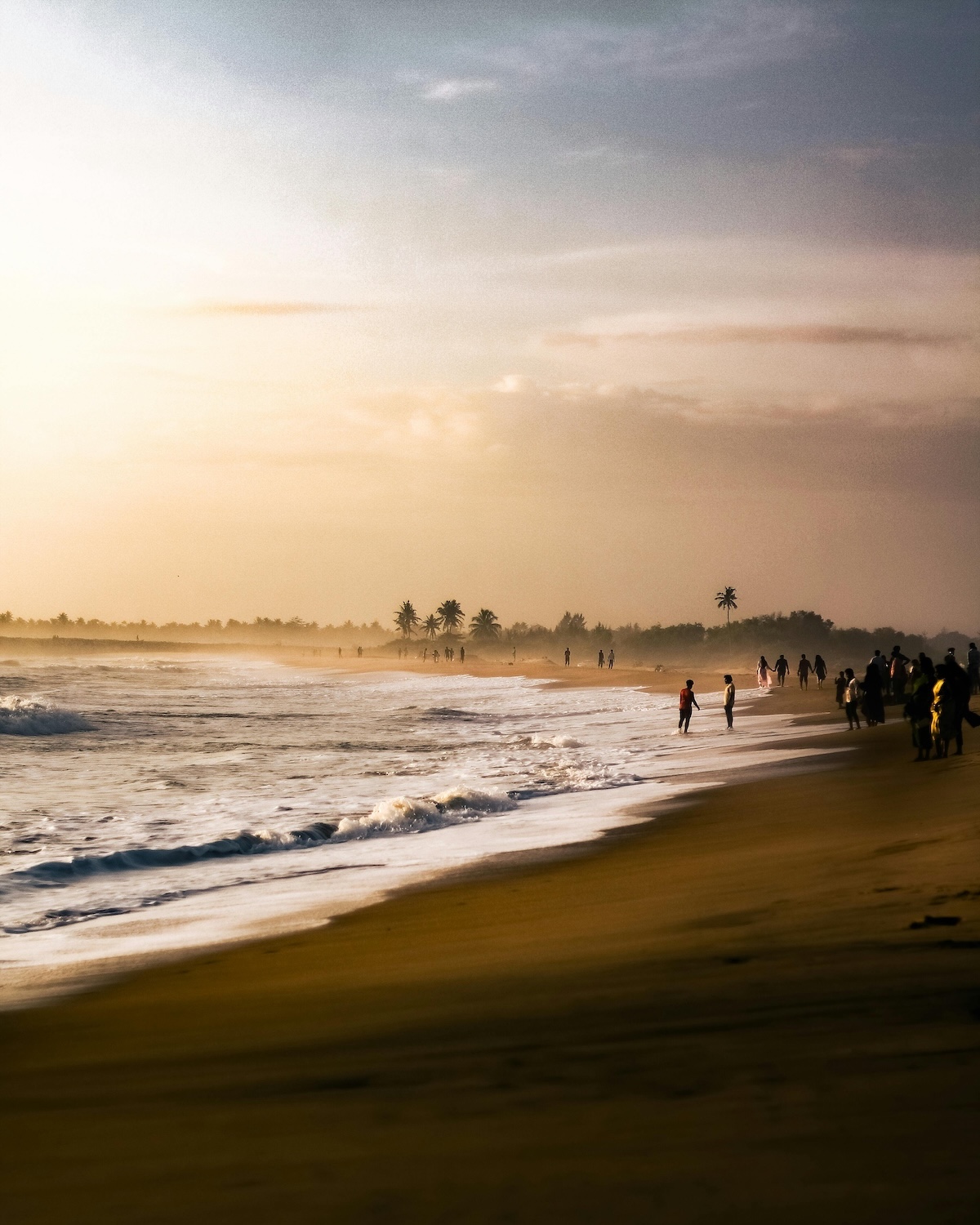
Below the southern tip, the country tilts into its wilder register. Yala and Udawalawe, the two great national parks, are best taken slowly and at the edges of the day, in a jeep with someone who knows the leopards by sight. The elephants here are wild, large, and entirely unimpressed by human presence. Crocodiles haul out on the riverbanks, sloth bears amble across the track, and the birdlife is operatic. Keep going and the coastline curves up into the east, the part of the island the guidebooks still forget. Arugam Bay is the surf town, a long crescent of sand and a single street of cafés; further north, the beaches simply lengthen and empty, until the map runs out.
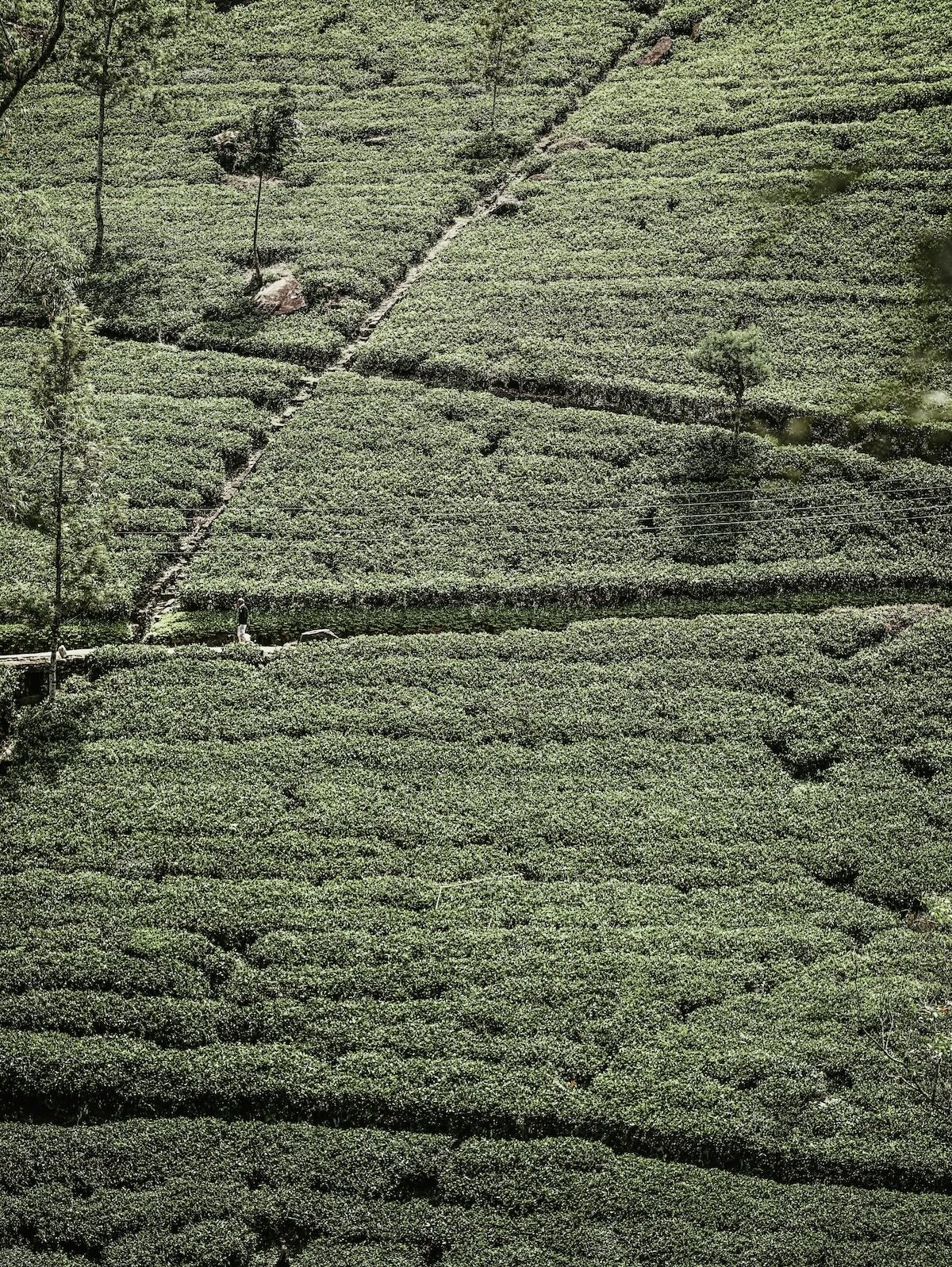
Inland, the temperature drops and the green deepens. The hill country around Nuwara Eliya, Hatton and Haputale is high, cool, mist-prone and covered in tea, every contour terraced and every terrace tended, mostly by Tamil women in saris bright enough to read from a passing train. Which is exactly the right way to read them.
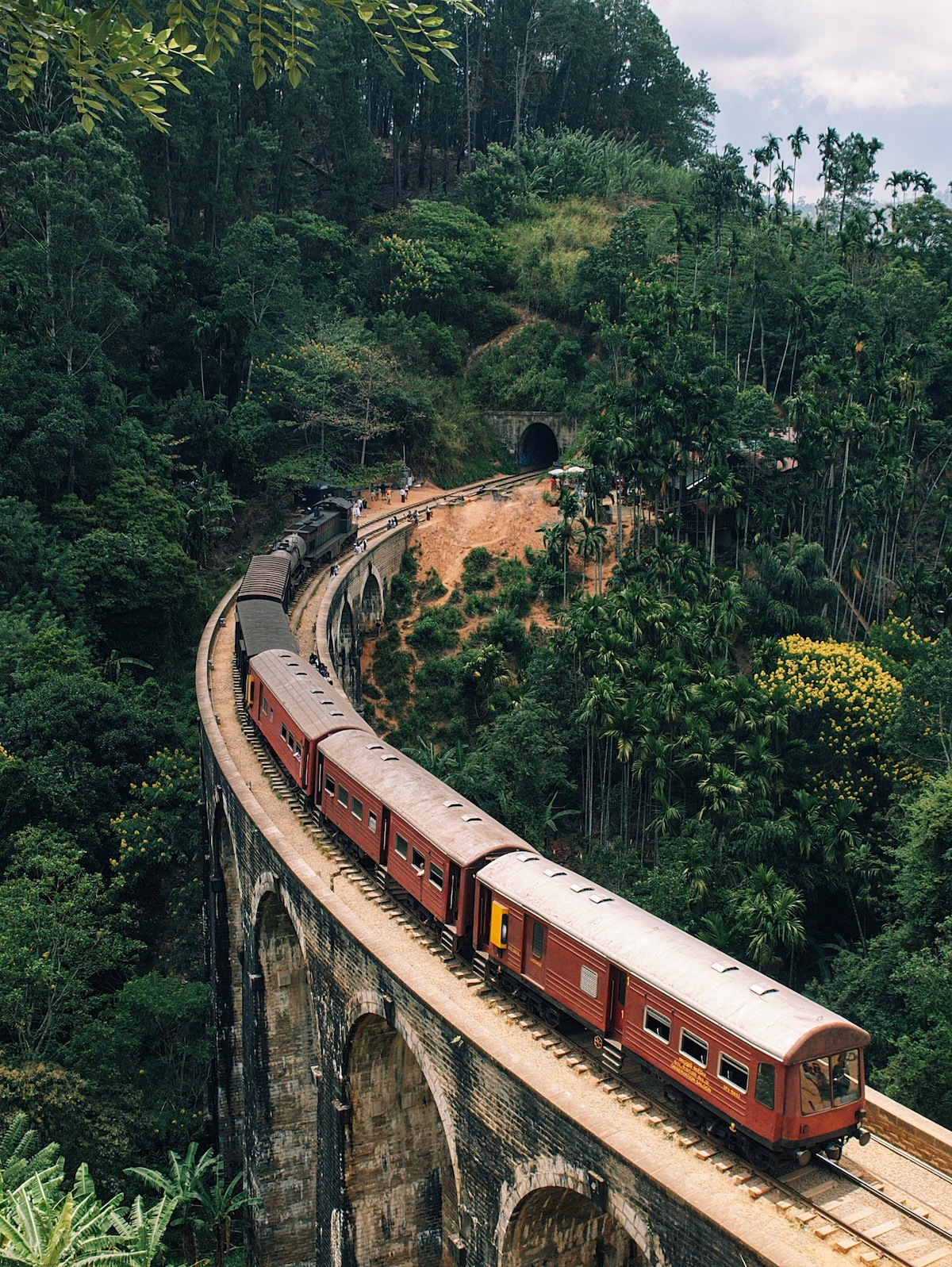
The Kandy-to-Ella line is rightly famous, and the section across the Nine Arches Bridge at Demodara is one of the great train moments anywhere. Stay in a heritage planter's bungalow, learn the difference between an orange pekoe and a broken orange pekoe, and walk a section or two of the newly waymarked Pekoe Trail, which strings 300 kilometres of footpath through the hills and is the most quietly thrilling addition to Sri Lankan travel in a generation.
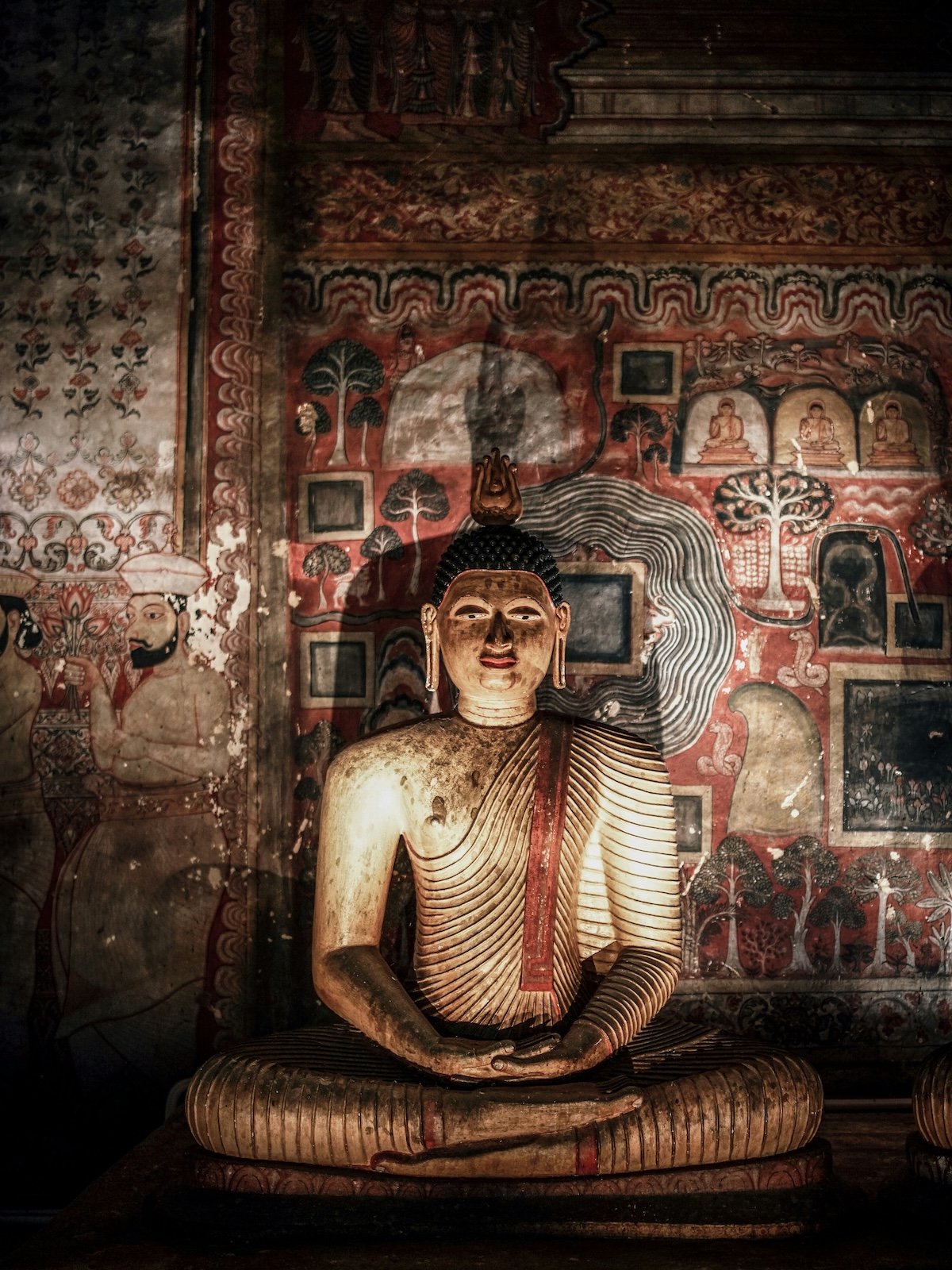
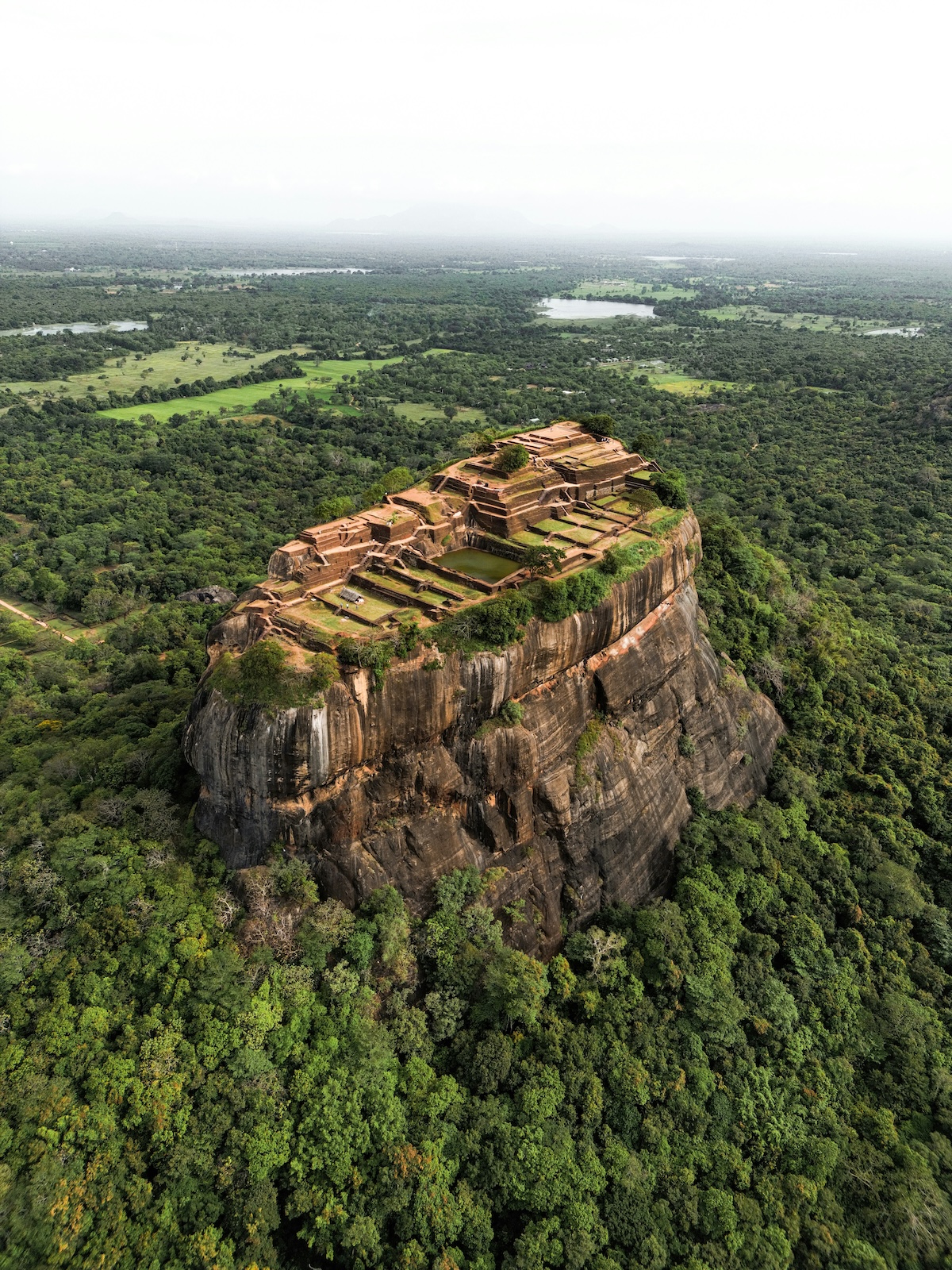
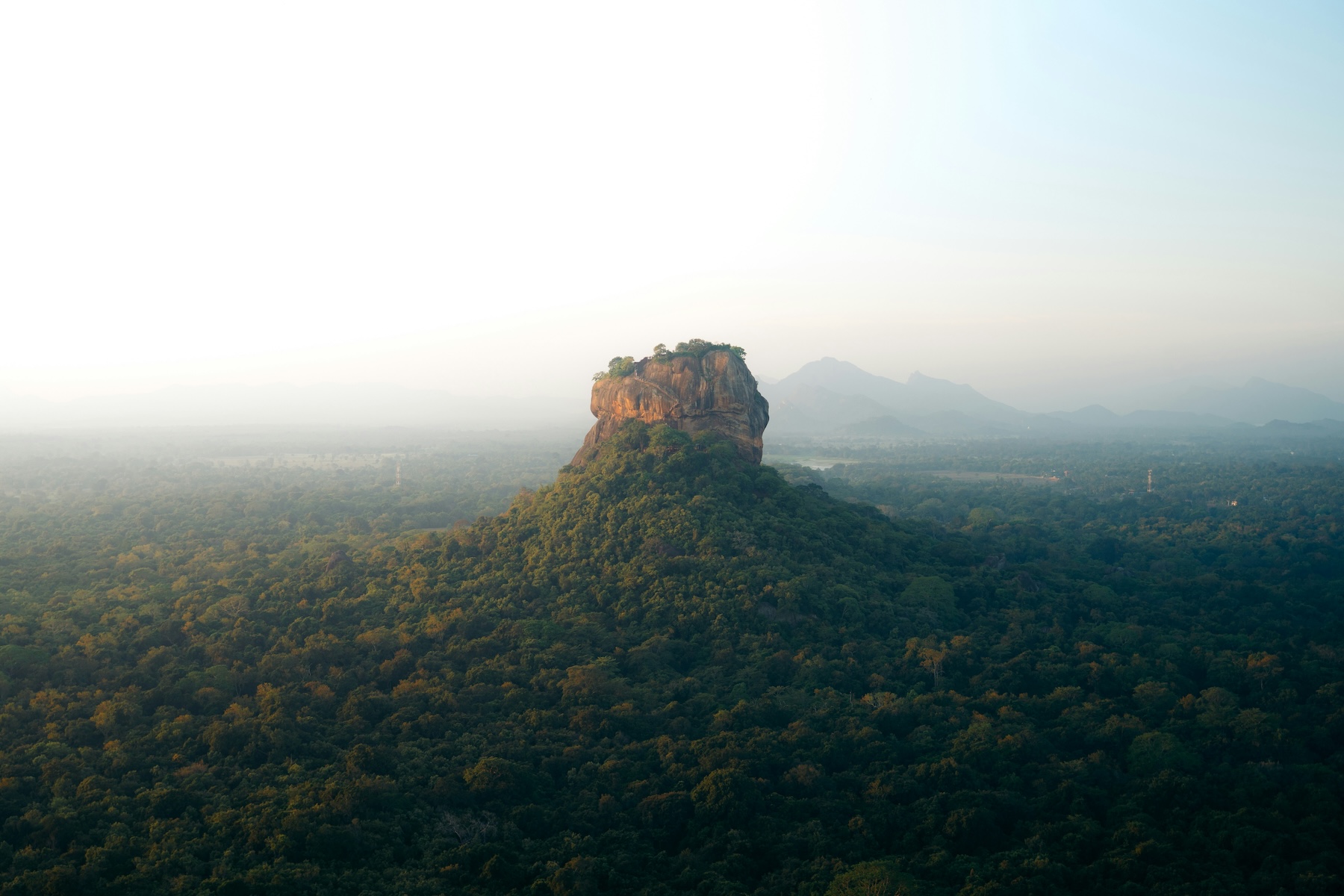
North of the hills, the island turns devout. Kandy holds the Temple of the Tooth, which contains, behind several locked doors and a great deal of incense, a relic of the Buddha, and which at the evening puja is one of the most affecting religious experiences in Asia. Further north, in the dry zone, the Cultural Triangle opens out: Sigiriya, the fifth-century rock palace built by a patricidal king on top of a volcanic plug; Polonnaruwa, the medieval capital slowly being reclaimed by the jungle; Anuradhapura, older still, where white dagobas rise out of the trees like enormous bells. The cave temples at Dambulla, painted ceiling to floor with Buddhas in every posture, are worth the climb. So is Adam's Peak, climbed through the small hours by pilgrims of four faiths to watch the mountain throw its perfect triangular shadow across the dawn.
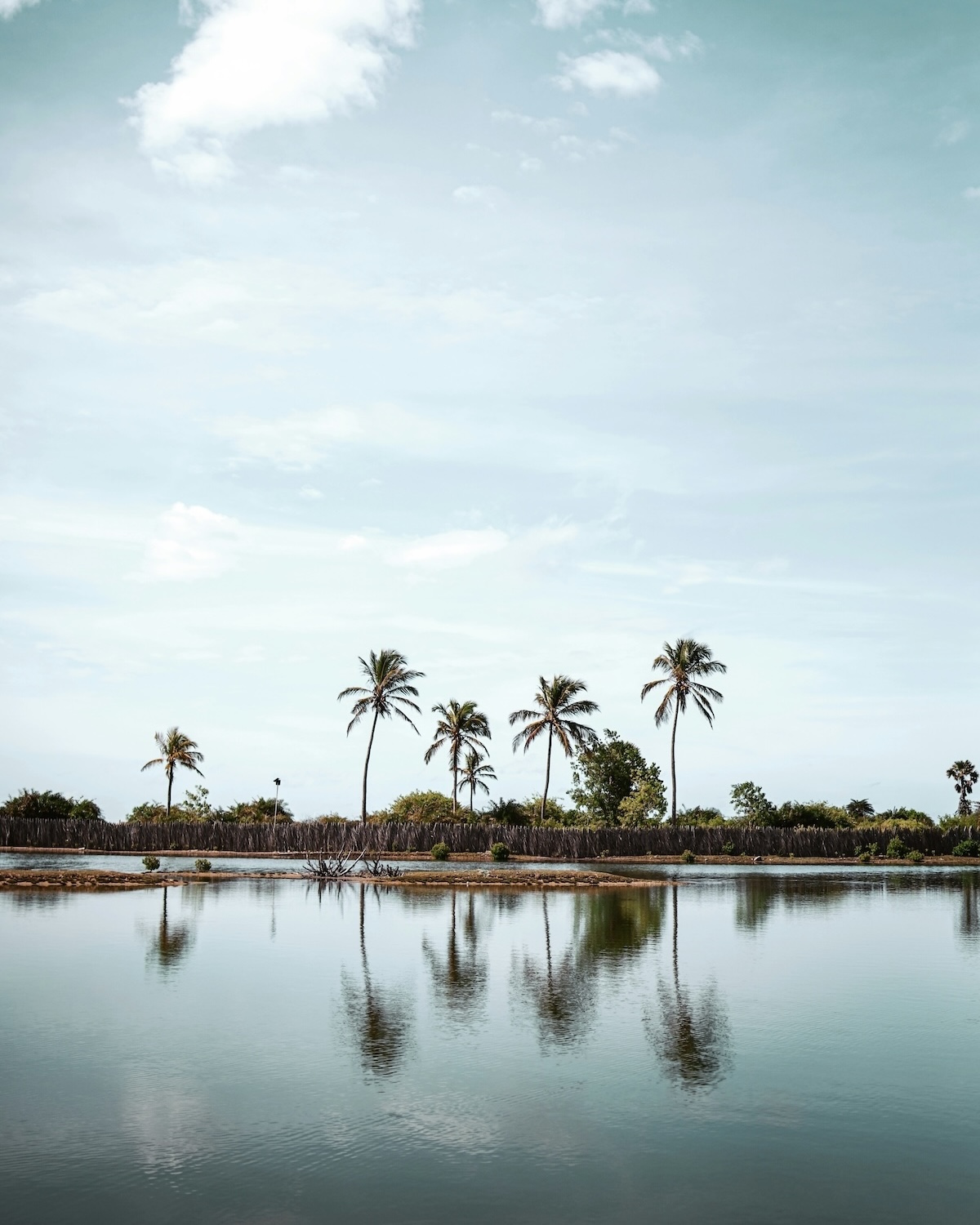
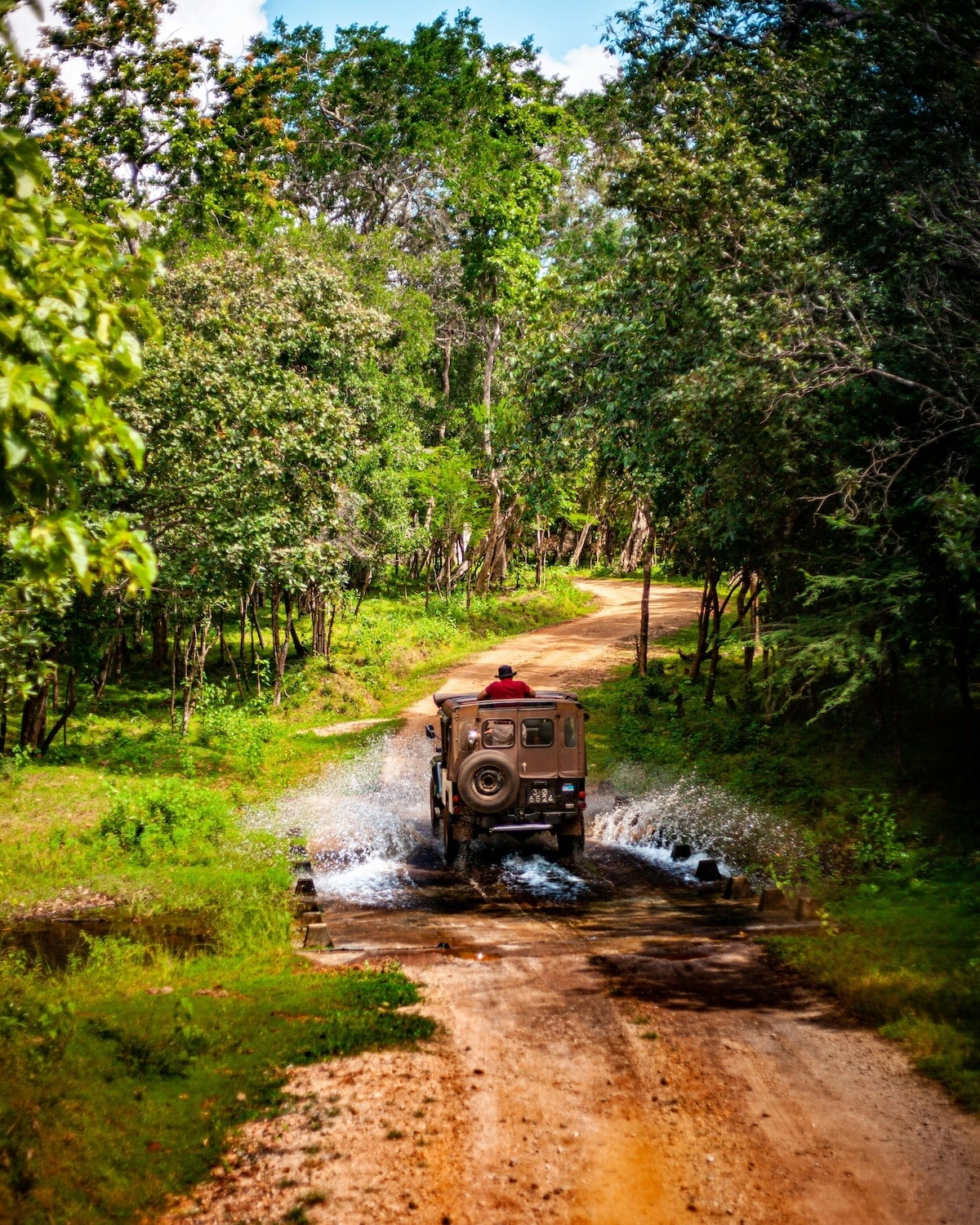
West of all this, almost back to where the journey began, lies Wilpattu, the largest of the national parks and the least visited. The leopard density here is, quietly, the highest on the island. The park ends at the sea, in a sequence of unpopulated beaches that feel like the closing chapter of a novel that ought not to end. From there, the road south runs back through the coconut belt to Colombo, completing a full circle of an island roughly the size of Ireland, which contains, by any reasonable measure, four or five entirely different countries.
Sri Lanka rewards a slow loop rather than a single-stop trip. From Colombo, the road south leads through Bentota, Geoffrey Bawa's Lunuganga garden and the walled Dutch old town of Galle, on to the wildlife of Yala and Udawalawe, up the quieter east coast to Arugam Bay, inland to the tea country around Nuwara Eliya and the Kandy-to-Ella train, and north into the Cultural Triangle at Sigiriya, Polonnaruwa and Anuradhapura, before closing the circle through Wilpattu National Park and back to the capital. Best travelled: November to March on the southwest coast; the rest of the year on the east coast.
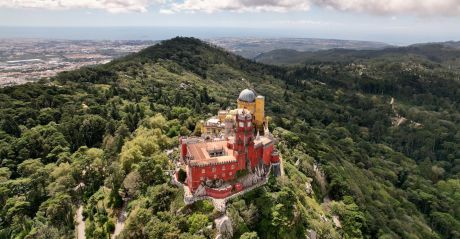
Travel to Portugal's fairytale den of Sintra, just outside Lisbon, for a world full of rolling hills and castles, once referred to by Byron as "glorious Eden".
read more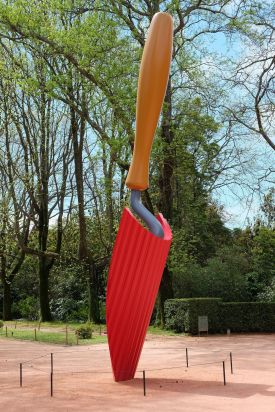
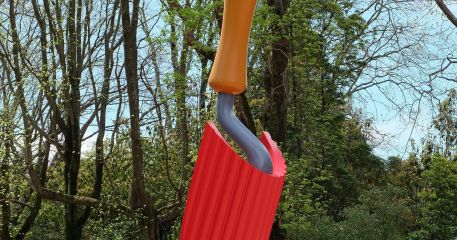
Porto for culture seekers - we explore the Serralves Foundation comprising of a dusty pink 1930-40s’s Art Deco villa designed by Porto architect José Marques da Silva, a landscape-specific contemporary museum designed by Álvaro Siza.
read more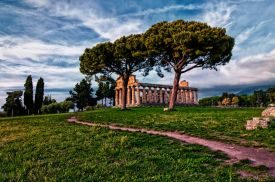
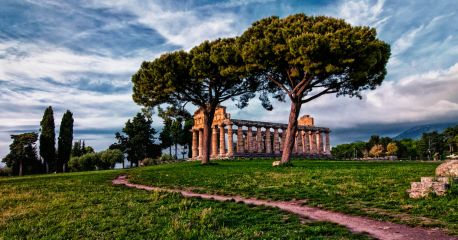
Paestum Temples in Southern Italy is one of those ancient antiquities that you have to visit – this UNESCO World Heritage Site in Cilento Campania is a treasure trove of ancient Greece including three of the world’s best-preserved temples.
read more
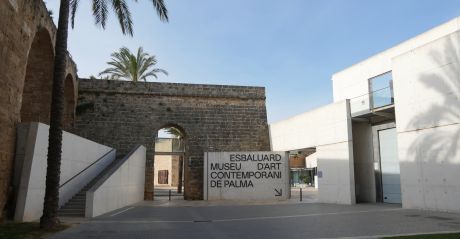
Es Baluard holds more than nine hundred works inside Palma's Renaissance walls, from Anglada-Camarasa to Miró and Barceló, with the bay laid out below.
read more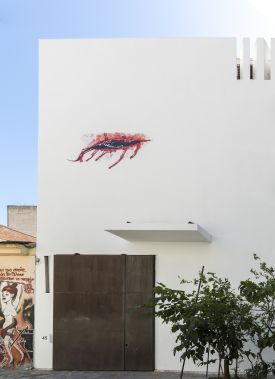
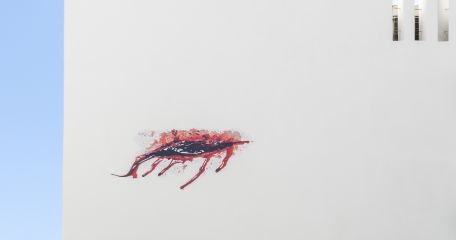
Radical, sometimes political and always on the pulse of Athens’ ever-evolving art scene, The Breeder Gallery is housed in an old ice cream factory, redesigned by architect Aris Zambicos.
A think tank for the bold, the curious, the creators of tomorrow. Where minds collide, conversations spark, and urban life gets redefined. If you shape the future, you belong here.
read more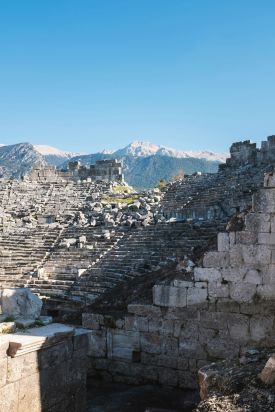
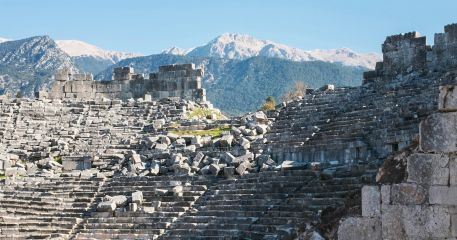
From the cliff-carved tombs of Tlos to the ghost village of Kayaköy, trace the soul of ancient Lycia along the Turkish Riviera’s sunlit coastline and mountain-framed archaeological wonders.
read more
Monocle's Quality of Life Conference returns to Lisbon this September, three days of ideas, design and city living at the Gulbenkian. Here's who and what to expect.
read more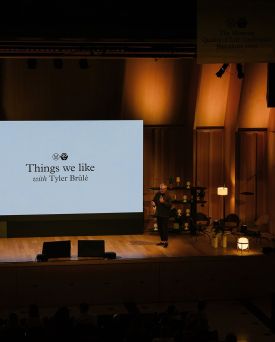
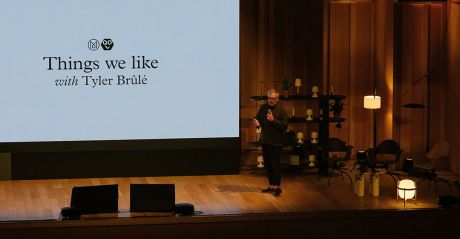
Meet the voices taking the stage at Monocle's Quality of Life Conference 2026 in Lisbon: mayors, architects, designers and makers shaping how we live in cities.
read more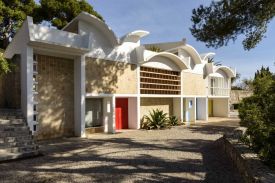
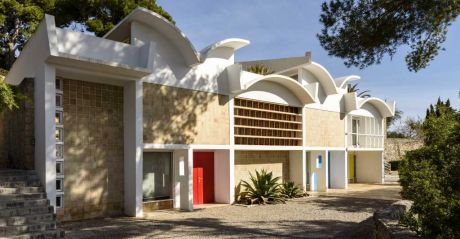
A modernist taller built by post from exile, a farmhouse covered in charcoal figures, and the Palma hillside where Joan Miró made a third of his work.
read more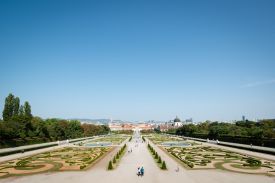
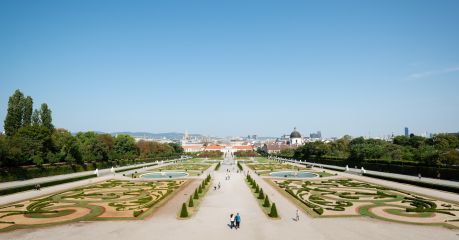
Founded in 1754 by Empress Maria Theresa, the oldest area, the medicinal garden, is replete with poisonous plants and the sultry tropical house is home to orchids, cacti and carnivorous plants.
read more
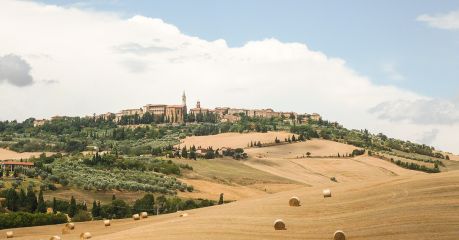
Pienza is a Renaissance experiment that never finished – and that’s what makes it perfect. Golden piazzas, sweeping Val d’Orcia views, and pecorino-fuelled indulgence – this is Tuscany’s dreamscape, frozen in time.
read more
Get the insider news and lowdown on what we've been up to, where we've been, and who we've met along the way. Be the first to discover new places and get the scoop on our favourites.