JOIN the AFICIONADOS
Get the insider news and lowdown on what we've been up to, where we've been, and who we've met along the way. Be the first to discover new places and get the scoop on our favourites.

Florence’s modern art has never had a building of its own. It has moved into the city’s old ones instead: a banker’s palace, a hospice, a church, a prison and a cigar factory.
Florence has no Tate Modern, no Pompidou, no purpose-built museum where the twentieth century begins and the Renaissance ends. What it has is a habit of reuse. Marino Marini’s horses stand in the nave of a deconsecrated church. Twentieth-century Italian painting hangs in a hospice for poor girls on Piazza Santa Maria Novella. Artists work in the cells of a former prison, fashion students study in a cigar factory, and the largest international exhibitions in the city take place in a palace built for a banking family in 1489.
It is a slower way to meet contemporary art, and a rewarding one. Every visit comes with its building attached, and the old city is never far from the new work. The Renaissance remains the reason most people come. These are the places that give a reason to stay longer.
Filippo Strozzi began his palace in 1489 to outdo the Medici, and its rusticated stone still dominates the streets around Via Tornabuoni. Since 2006 the Fondazione Palazzo Strozzi has used it for two or three major exhibitions a year, ranging from Renaissance masters to living artists, often in collaboration with museums in Washington, London and New York. Under its director general Arturo Galansino it has become the city’s most reliable door to contemporary art.
Three things are worth knowing. The Renaissance courtyard is free to enter and usually holds a commissioned installation, so walk through even without a ticket. The exhibitions run late on Thursdays, until 11pm, when the rooms are quieter and the city outside is at its best. And the programme is announced a year or more ahead, so it is easy to plan a visit around a show.
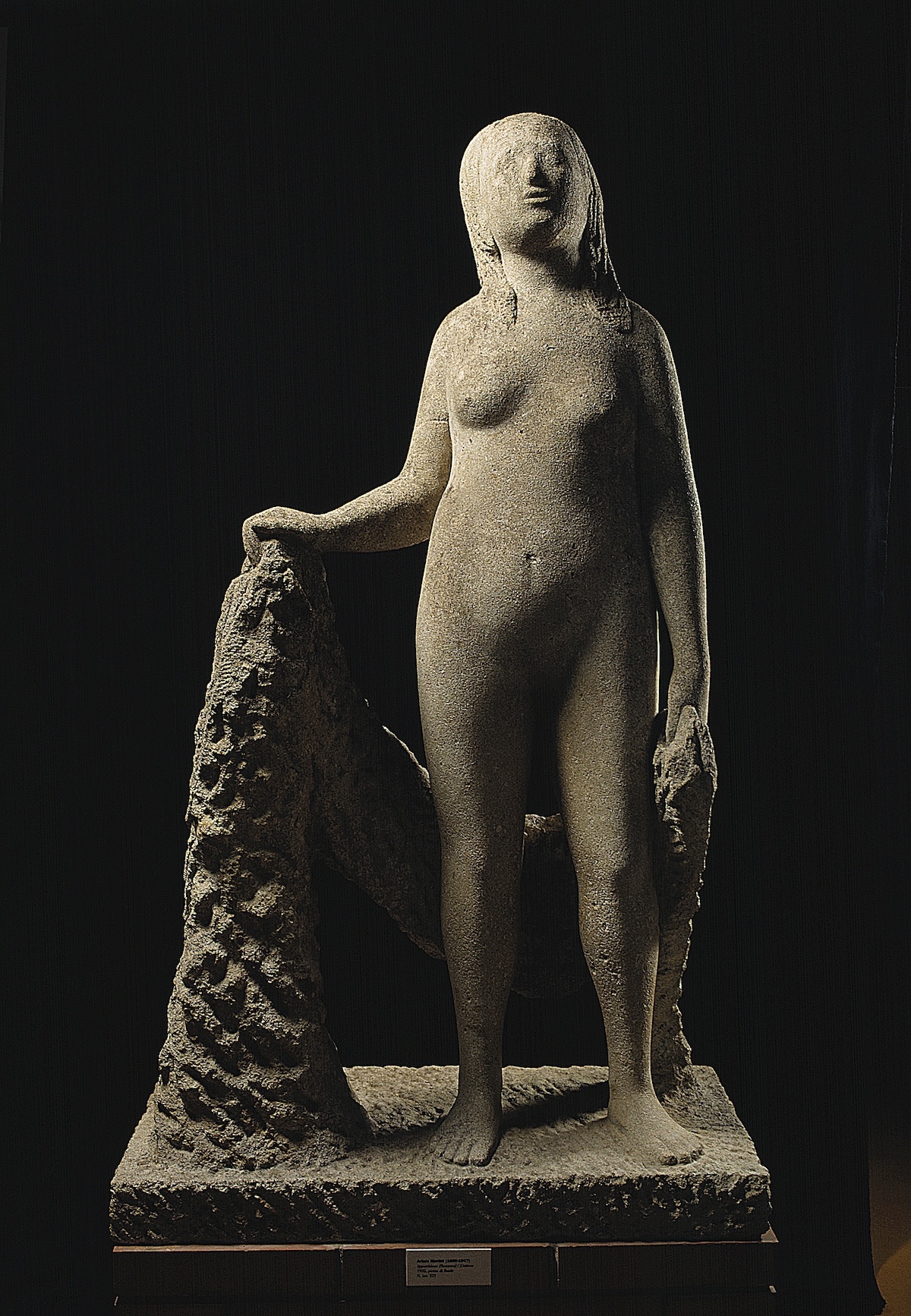
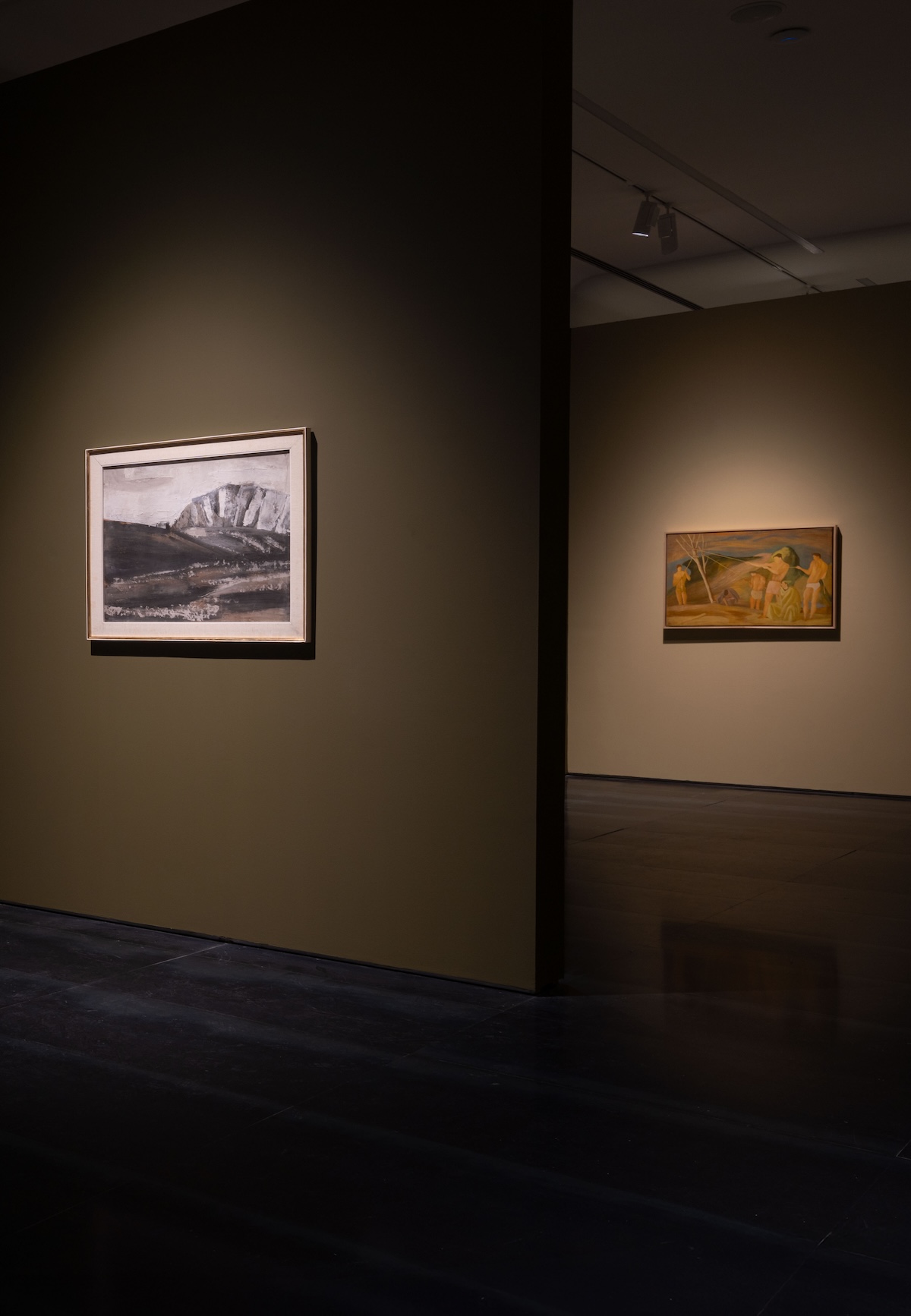
The Spedale delle Leopoldine faces the marble front of Santa Maria Novella across the piazza. It was a hospice and later a school for girls, and in 2014 it became the city’s museum of twentieth-century Italian art. Its core is the collection Alberto Della Ragione gave to Florence after the Arno flood of 1966, when the city asked artists and collectors to help it rebuild: Morandi, de Chirico, Carrà, Severini, Marino Marini and Mario Mafai among them. The painter Ottone Rosai has his own collection here too.
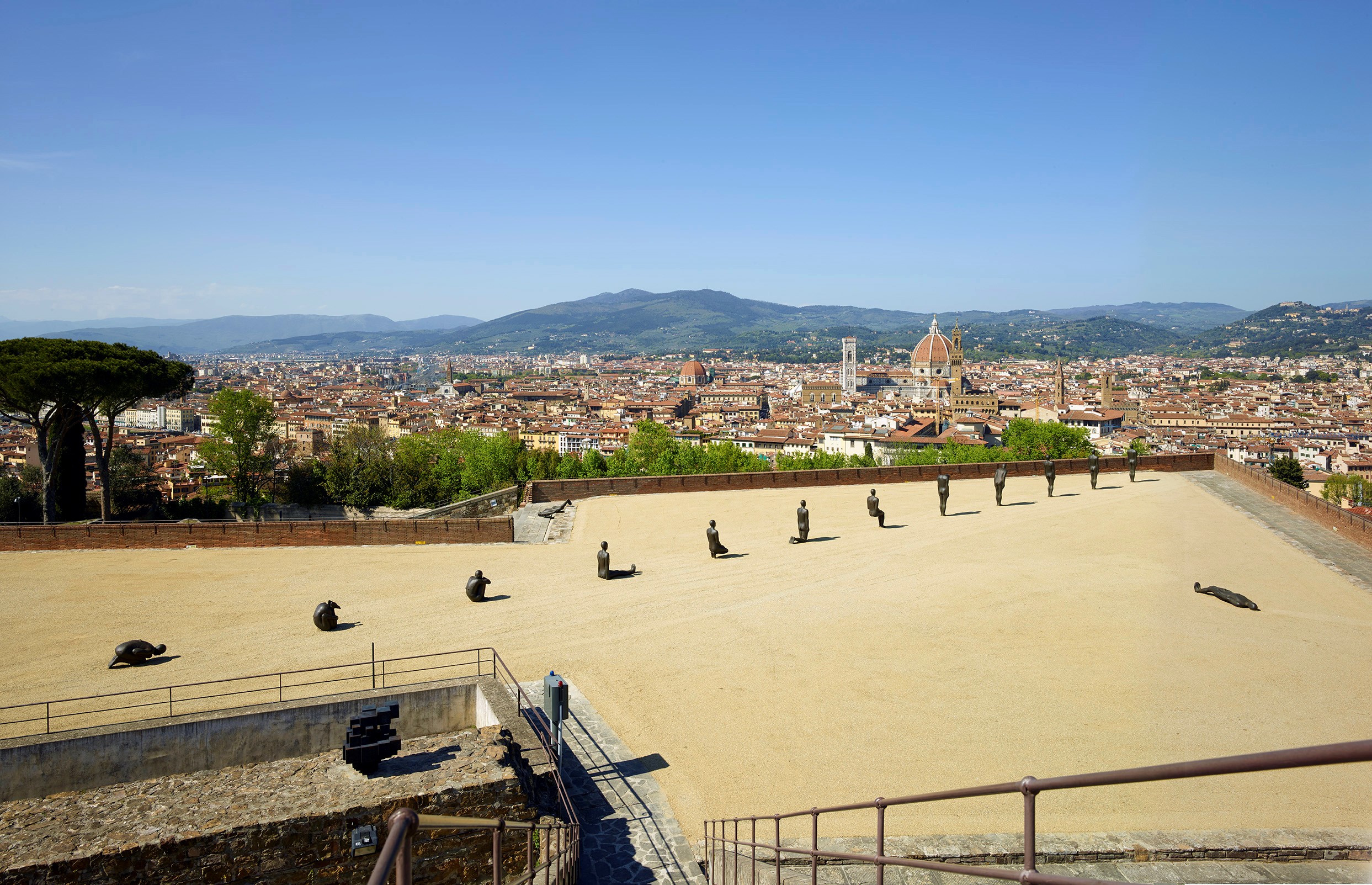
Under its director Sergio Risaliti the museum has become the city’s most adventurous public stage for living artists. Its habit is to set new work beside the permanent collection rather than apart from it, and to spill out into the city: into Palazzo Vecchio, onto the Forte di Belvedere, into churches and squares. The cloister and garden of the Leopoldine are a calm place to sit between rooms.
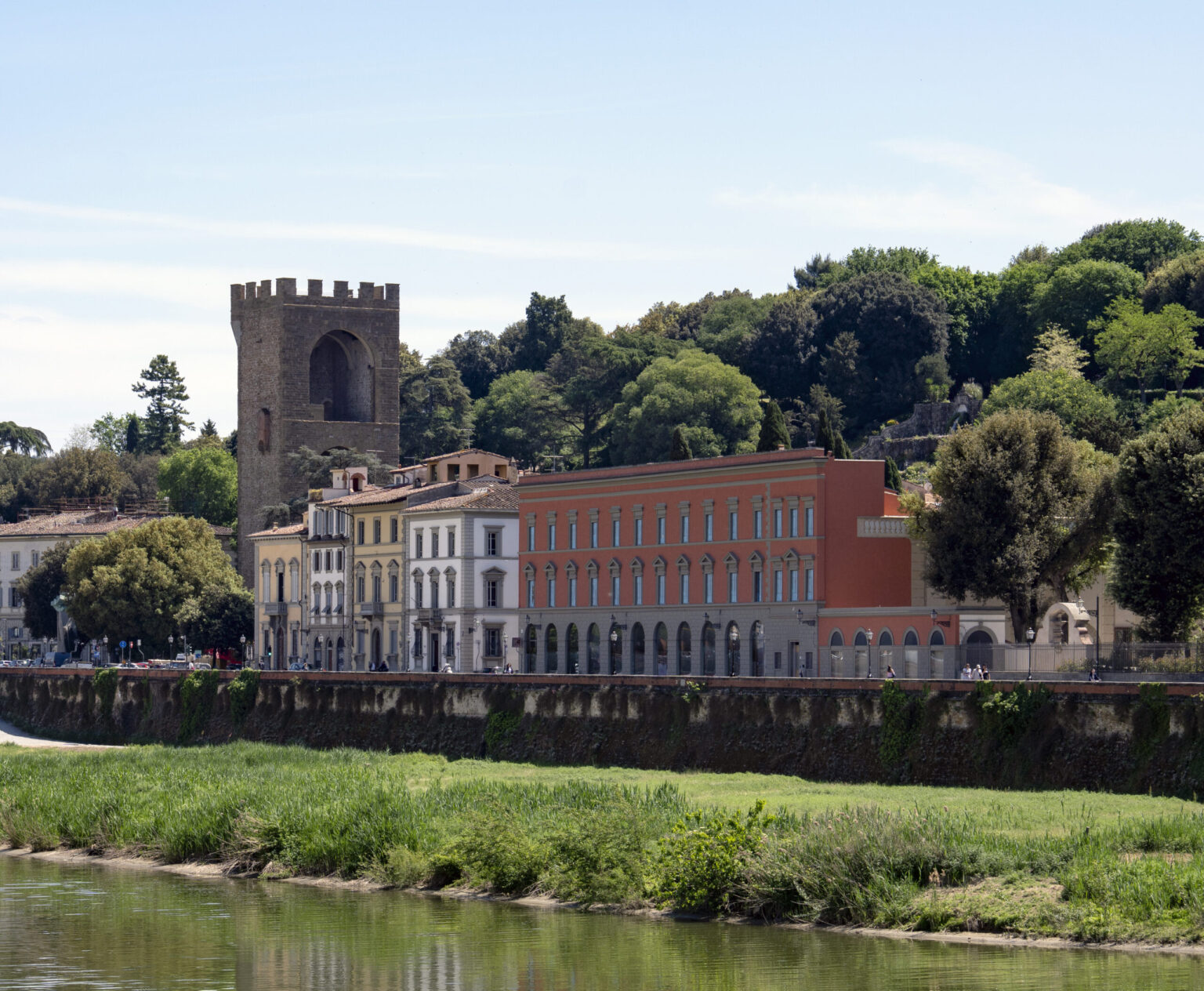
In September 2026 the collector Roberto Casamonti moved his collection to Palazzo San Giorgio at Lungarno Serristori 17, a short walk upstream from the Ponte Vecchio. In a nineteenth-century building restored by Archea Associati, around 250 works hang across 28 rooms on two floors. The sequence runs from Boldini and Balla through de Chirico, Picasso, Kandinsky and Magritte, to Fontana, Burri and Manzoni, and on to Warhol, Basquiat, Haring, Bill Viola, Marina Abramović, Anselm Kiefer, Anish Kapoor and Maurizio Cattelan. It is a private collection with the range of a small national museum, and the only place in Florence where the whole arc of the last 150 years can be seen in one visit.
The Museo Marino Marini fills the deconsecrated church of San Pancrazio with 184 works by the Pistoia-born sculptor, made between 1916 and 1977: horses and riders, dancers, portraits in bronze, plaster and paint. The architecture does much of the work, with the riders set against bare nave walls and light from high windows. Through the same ticket you reach the Rucellai Chapel and Leon Battista Alberti’s marble Tempietto of the Holy Sepulchre, one of the most perfect small buildings of the fifteenth century. Opening days are limited, so check before you go.
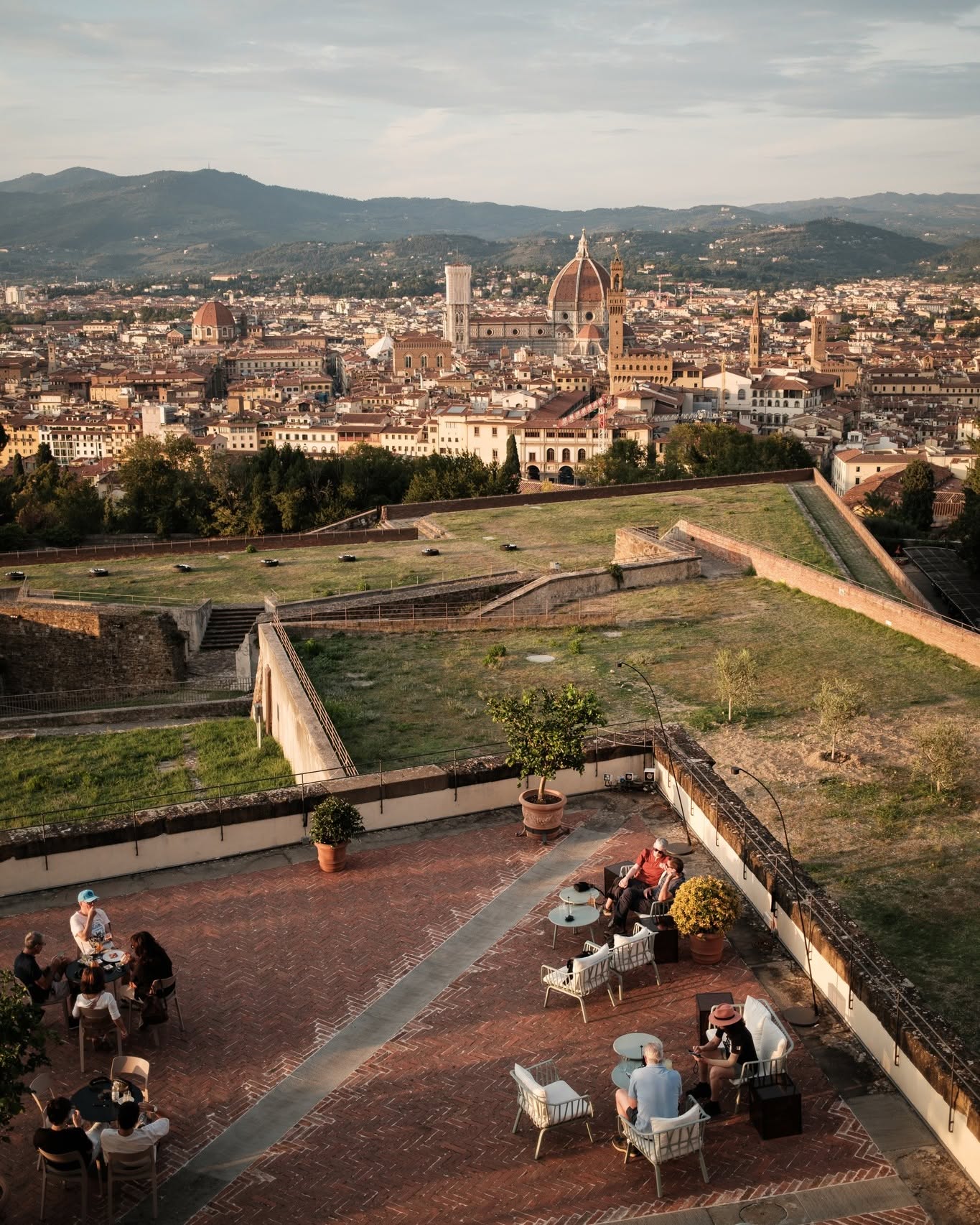
Above the Boboli Gardens, the Forte di Belvedere was built for Ferdinando I de’ Medici in the 1590s to watch over the city and protect the Pitti Palace. Each summer, from June into the autumn, its bastions and the small villa at their centre are given over to contemporary sculpture and installation, with the whole of Florence laid out below. Walk up from San Niccolò by the Costa San Giorgio and go towards evening.
Le Murate, in Santa Croce, was a convent and then, for a century, the city’s prison. Since its closure it has been rebuilt as housing, cafés and a public square, and as MAD Murate Art District, where artists in residence work in the old cells and exhibitions fill the corridors. Few buildings in Florence carry their past so plainly.
On Via Senese, south of Porta Romana, Villa Romana has hosted artists since 1905, a German residency in a villa and garden that has given generations of painters and sculptors a year in Florence. BASE / Progetti per l’arte, run by artists since 1998, is the city’s longest-standing independent space; after leaving its ground floor in San Niccolò it works from a temporary home on Via Palazzuolo and in evenings of film around the city. On Via Maggio, among the antique dealers of the Oltrarno, the Frascione Gallery sets contemporary sculpture among its old master paintings, a pairing Florence does well.
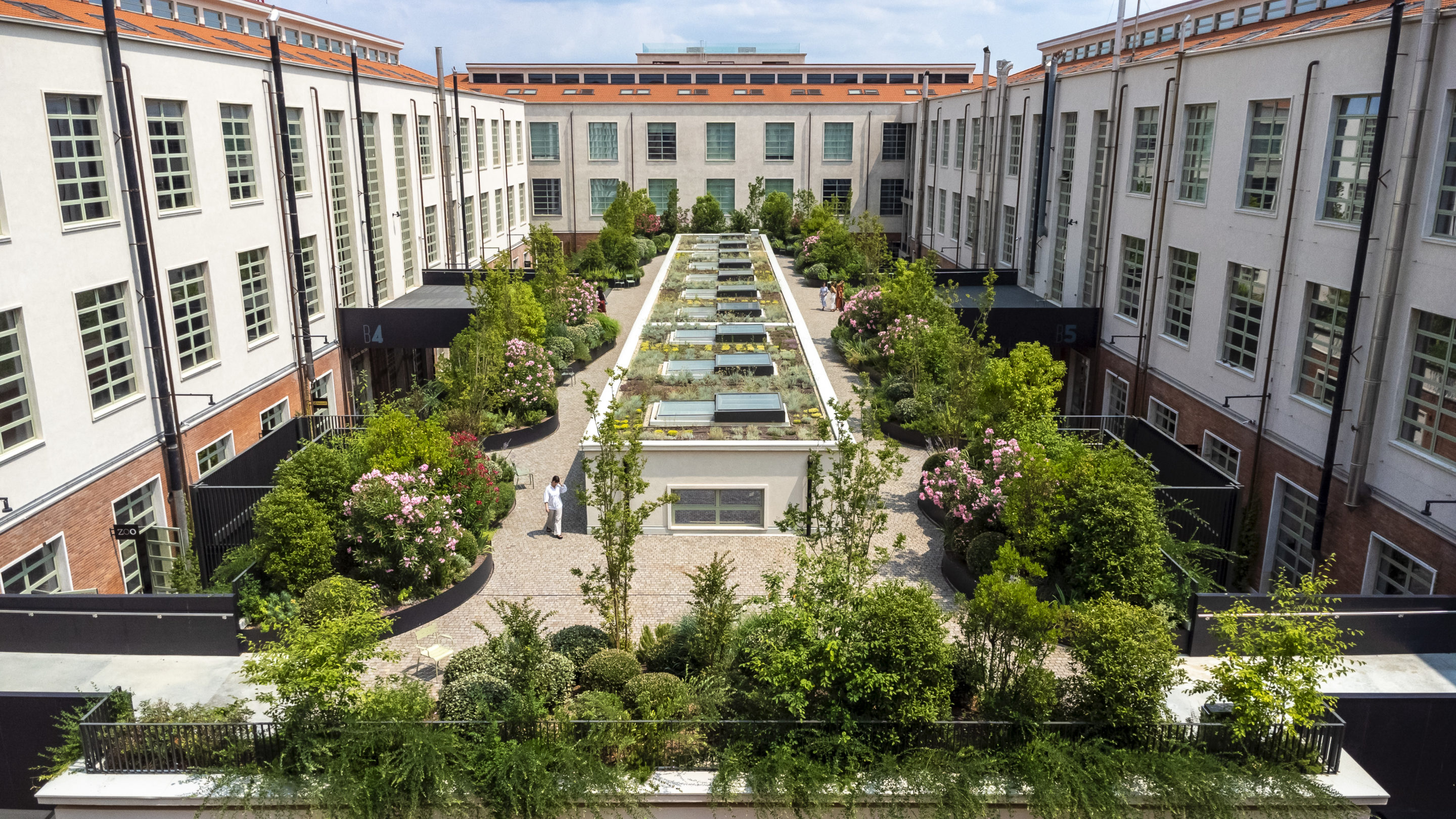
On the western edge of the centre, by the Cascine park, the Manifattura Tabacchi made cigars for much of the twentieth century in a vast rationalist complex. Its sixteen buildings are being returned to use, with completion due by 2028. Polimoda, the fashion school, has had its Manifattura Campus here since 2024, and its library of more than 70,000 fashion materials will follow. Studios, workshops, offices and restaurants fill the rest. It is a neighbourhood still taking shape, and the best way to see it is to go to whatever is on.
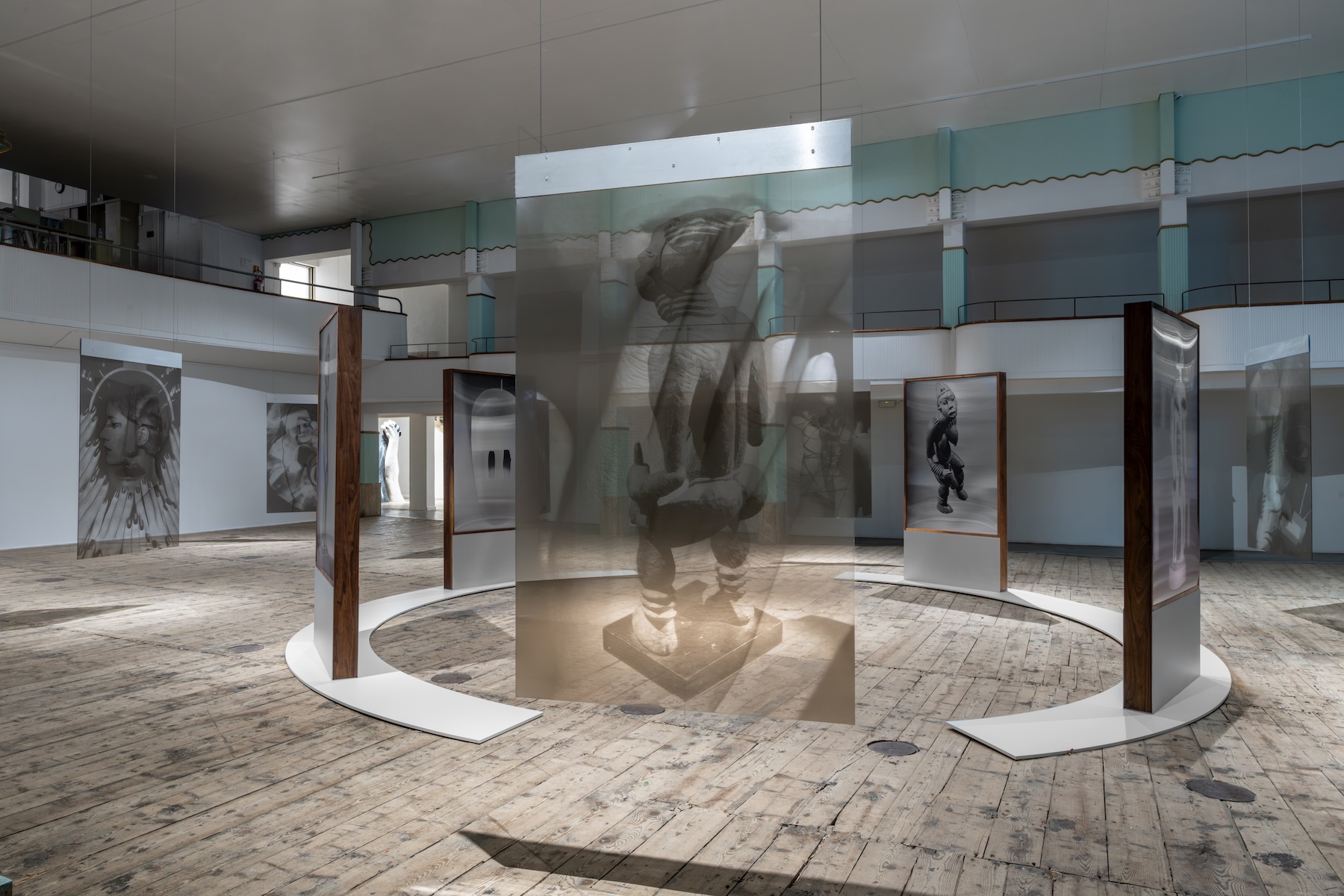
Prato is twenty minutes by train. Its Centro Pecci opened in 1988 as the first Italian museum built from scratch for contemporary art, and a curved silver extension, added in 2016, now rings the original building. Its collection and programme lean international and experimental, and the textile city around it is worth an hour of its own.
Further south, Galleria Continua has occupied a former cinema in San Gimignano since 1990, contemporary art inside a medieval town of towers. Its founders went on to open in Beijing, Paris, Havana and São Paulo, but the gallery’s heart remains here, and its shows are among the most ambitious in Tuscany. Combine it with a night in Chianti.
Our Florence addresses belong to Florence Luxury Home, a family company that buys old apartments in the historic centre and brings back what earlier owners painted over. Santa Croce Historical Home is in the Palazzo dell’Antella, whose facade on Piazza Santa Croce was painted in 1619 and 1620 by Giovanni da San Giovanni and a team of painters in about twenty days; inside, a fragment of fresco found during the works gave the apartment its sugar-paper blue. Medici Historical Home keeps its grisaille ceilings and looks onto the flank of the Medici Chapels, where Michelangelo’s Dawn, Dusk, Day and Night lie in the New Sacristy. Across the river, Lungarno Guicciardini, 9 occupies a floor of Baccio d’Agnolo’s Palazzo Lanfredini, above the British Institute’s Harold Acton Library.
For a night in the country between Florence and San Gimignano, Colle ai Lecci, fifty minutes south in Chianti, is three stone farmhouses reworked as a small borgo by Nina Mair and Ana Turcan, who studied at Florence’s Accademia di Belle Arti.
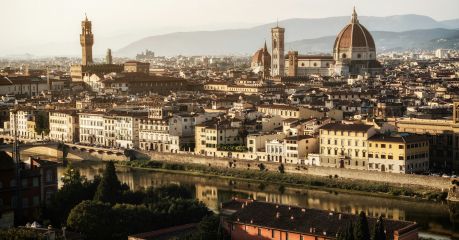
Florence is where Renaissance vision meets timeless craftsmanship – a city of cathedrals, sculpture, stone workshops and living history, layered with legacy and pulsing with quiet creative strength.
read more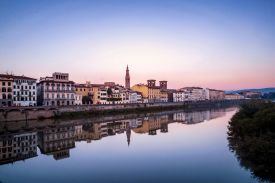
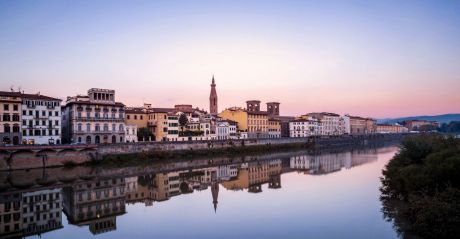
On the trail of Michelangelo and Brunelleschi: five of the best private serviced apartments in Florence, each set inside a restored building, eight centuries apart.
read more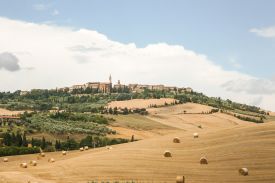
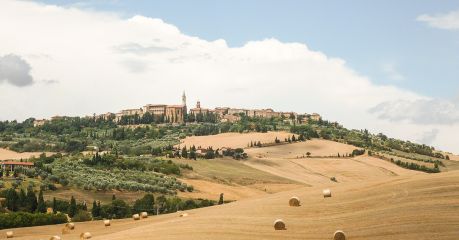
Pienza is a Renaissance experiment that never finished – and that’s what makes it perfect. Golden piazzas, sweeping Val d’Orcia views, and pecorino-fuelled indulgence – this is Tuscany’s dreamscape, frozen in time.
read more
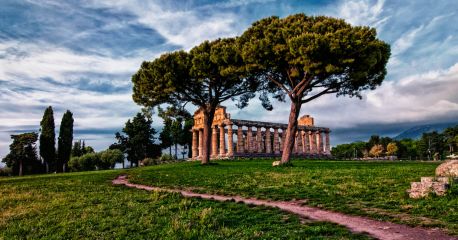
Paestum Temples in Southern Italy is one of those ancient antiquities that you have to visit – this UNESCO World Heritage Site in Cilento Campania is a treasure trove of ancient Greece including three of the world’s best-preserved temples.
read more
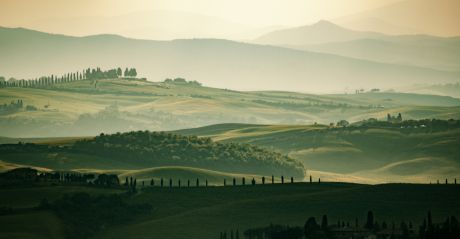
Four independently owned Tuscan hotels, from a 1720 Chianti borgo and a Versilia art house to a Montefollonico farmhouse and a convent townhouse in Pienza.
read more
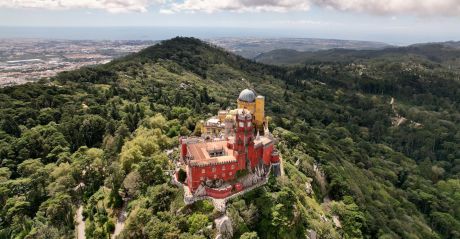
Travel to Portugal's fairytale den of Sintra, just outside Lisbon, for a world full of rolling hills and castles, once referred to by Byron as "glorious Eden".
read more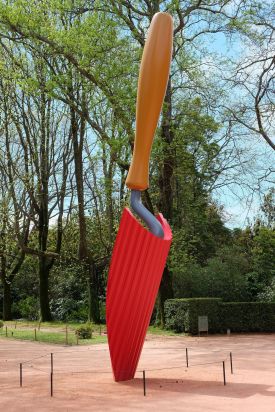
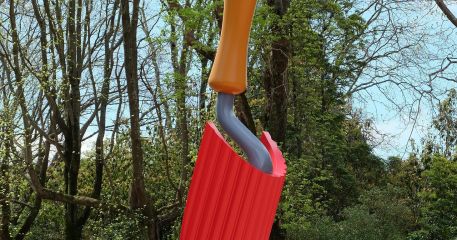
Porto for culture seekers - we explore the Serralves Foundation comprising of a dusty pink 1930-40s’s Art Deco villa designed by Porto architect José Marques da Silva, a landscape-specific contemporary museum designed by Álvaro Siza.
read more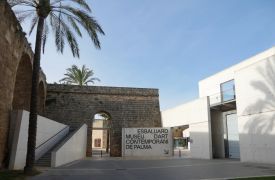
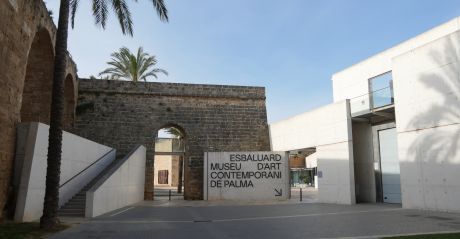
Es Baluard holds more than nine hundred works inside Palma's Renaissance walls, from Anglada-Camarasa to Miró and Barceló, with the bay laid out below.
read more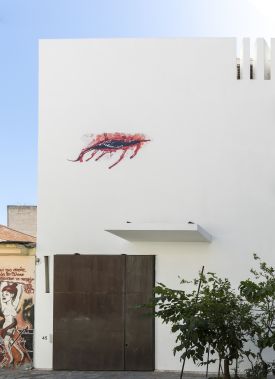
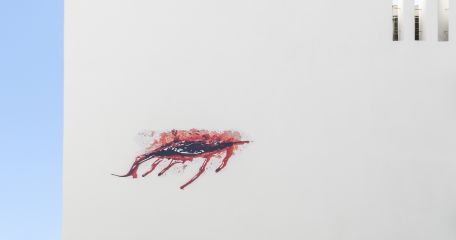
Radical, sometimes political and always on the pulse of Athens’ ever-evolving art scene, The Breeder Gallery is housed in an old ice cream factory, redesigned by architect Aris Zambicos.
A think tank for the bold, the curious, the creators of tomorrow. Where minds collide, conversations spark, and urban life gets redefined. If you shape the future, you belong here.
read more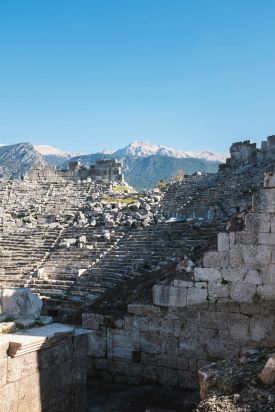
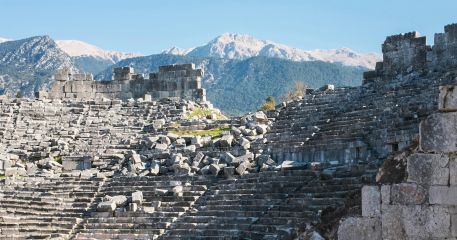
From the cliff-carved tombs of Tlos to the ghost village of Kayaköy, trace the soul of ancient Lycia along the Turkish Riviera’s sunlit coastline and mountain-framed archaeological wonders.
read more
Monocle's Quality of Life Conference returns to Lisbon this September, three days of ideas, design and city living at the Gulbenkian. Here's who and what to expect.
read more
Get the insider news and lowdown on what we've been up to, where we've been, and who we've met along the way. Be the first to discover new places and get the scoop on our favourites.