JOIN the AFICIONADOS
Get the insider news and lowdown on what we've been up to, where we've been, and who we've met along the way. Be the first to discover new places and get the scoop on our favourites.

There is no such thing as Italian style, only Tuscan, Sicilian, Milanese and Pugliese style, each convinced it invented taste. Our edit runs the length of the argument, from a convent above Lake Garda to a granary in the Madonie hills: twenty-odd small hotels, no two speaking the same dialect.
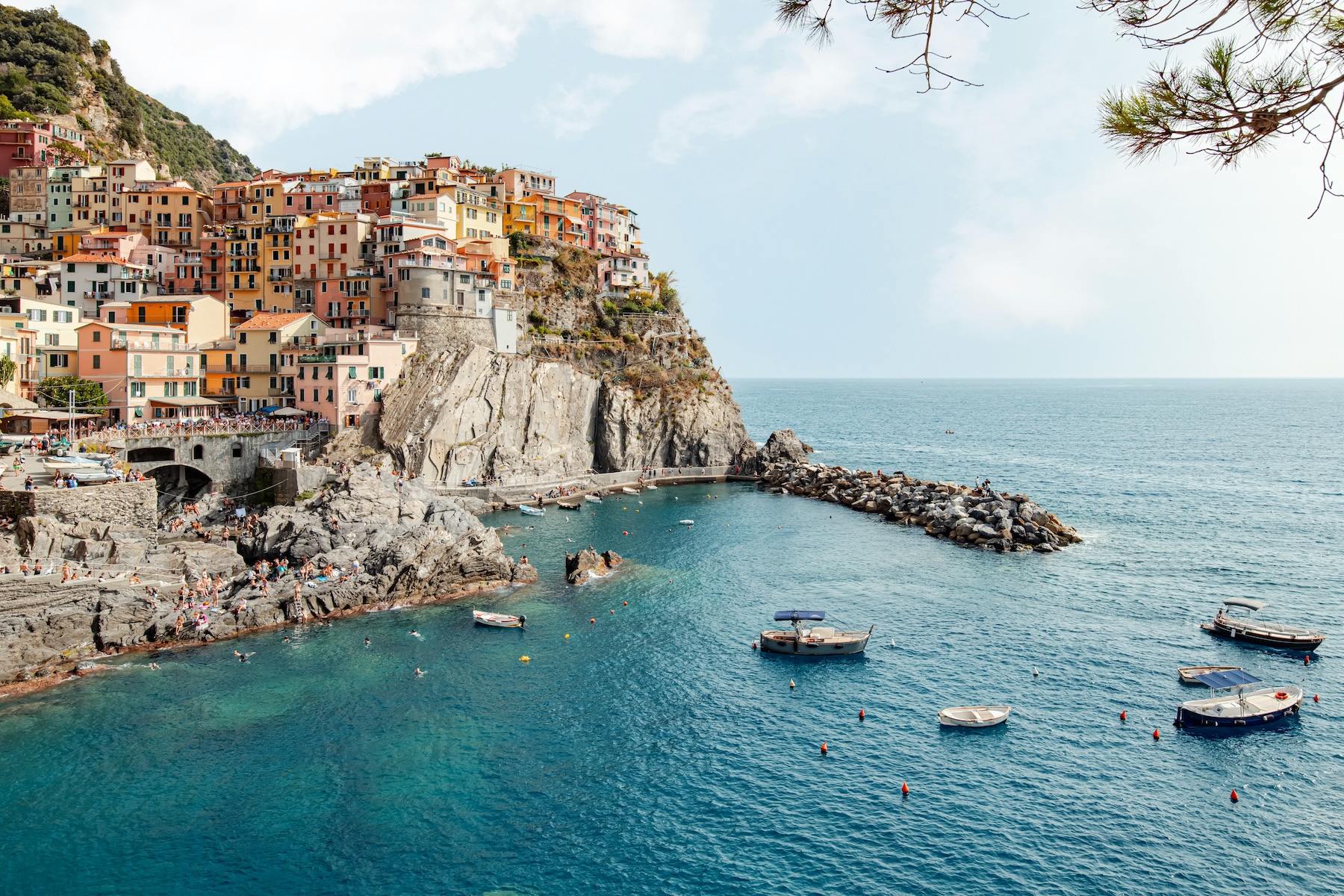
Italy isn’t a country so much as a glorious quarrel of regions that happen to share a flag, and its small hotels are the proof. A working farm in the Sicilian interior, a monastery in Umbria, a set of rooms a hundred paces from the Spanish Steps: what binds the addresses in our Unwaxed Lemons edit is not a look but a temperament. Family-owned, design-led, drawn from the particular stone, clay and light of their own patch. This is where we send anyone who wants Italy with the volume turned down and the style turned up.
Italy wears its regions like a wardrobe of characters, each with its own dialect, kitchen and swagger. The north tilts Alpine and industrious, Milano all graft and design, the lakes gilded and languid; the centre softens into Tuscany, Umbria and the Marche, a slow country of vineyards, hill towns and the unrushed lunch; the south runs wilder and older, Sicily and Puglia baked in sun, salt and citrus, the past lingering in the air. Cities and countryside play call-and-response: a Renaissance piazza one day, a working Masseria the next. Threaded through all of it is a genius for living well: food as ritual, beauty as birthright, and the firm conviction that style is less something you buy than something you are.
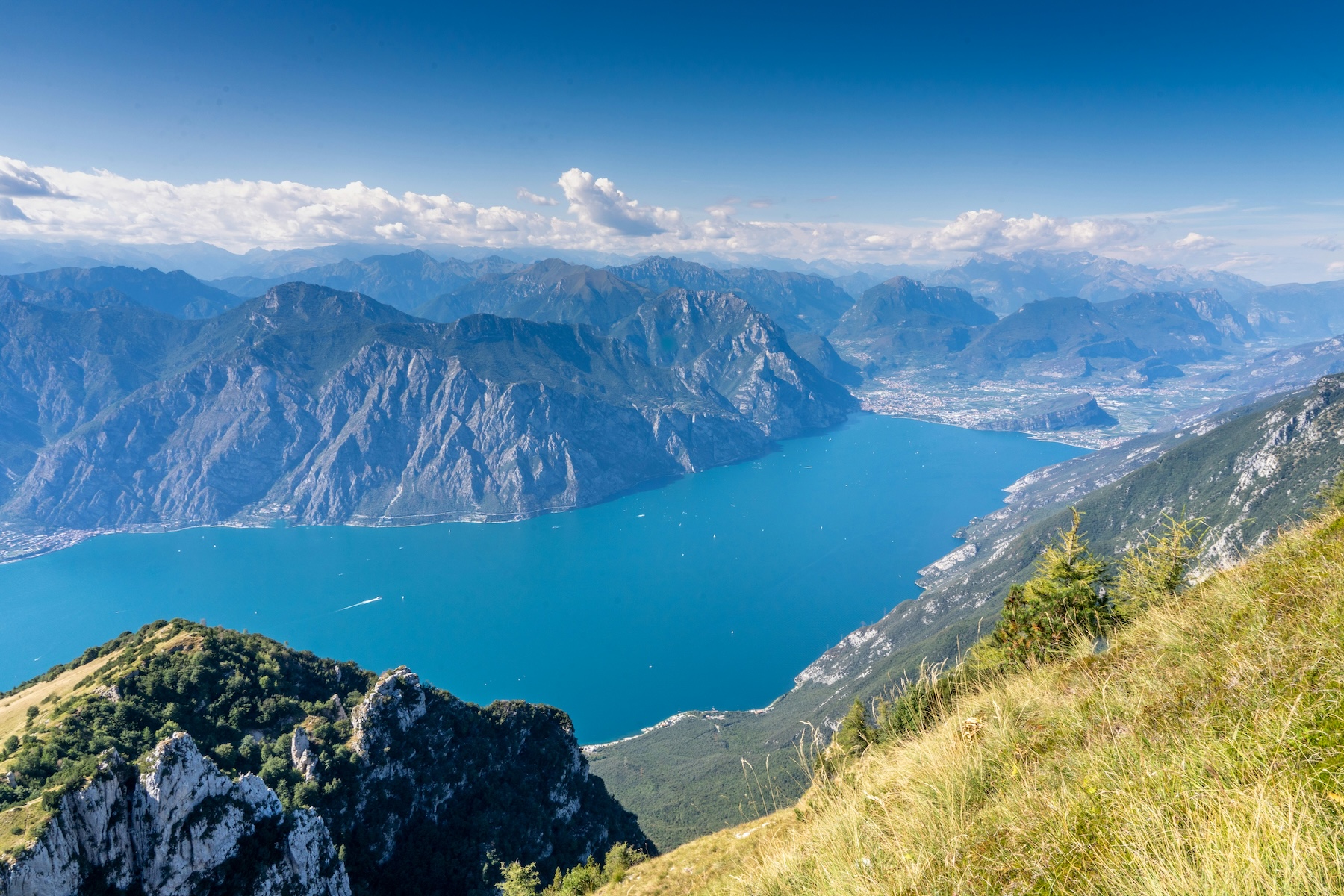
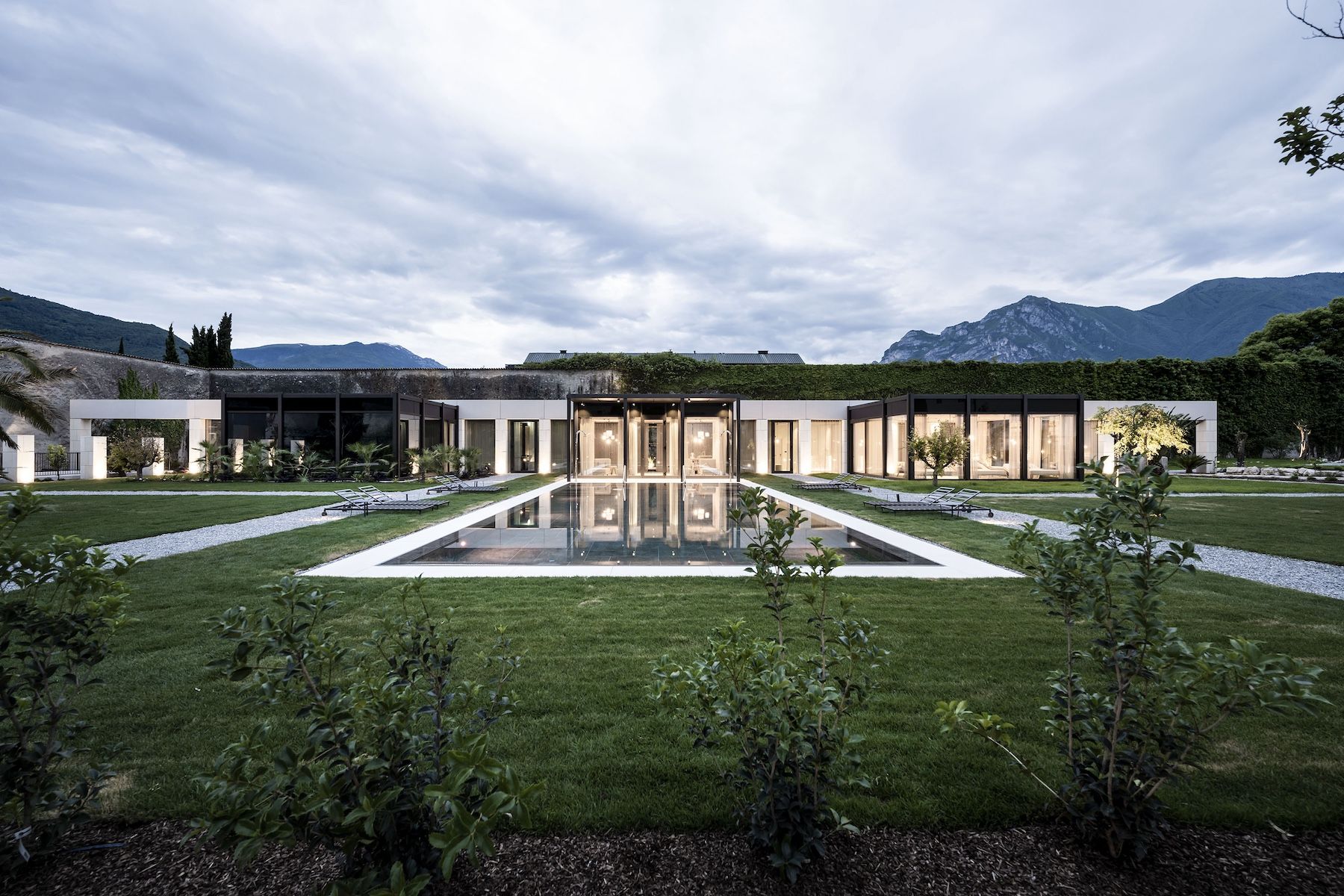
Start where Italy goes to show off. Above the northern tip of Lake Garda at Arco, Monastero Arx Vivendi is a seventeenth-century former convent recast by architects noa* as a walled-garden wellness hotel, the monastic calm intact, the spa anything but austere. Down the road, Vivere Suites and Rooms sinks low into the vines, minimalist rooms and an infinity pool that steals the scene.
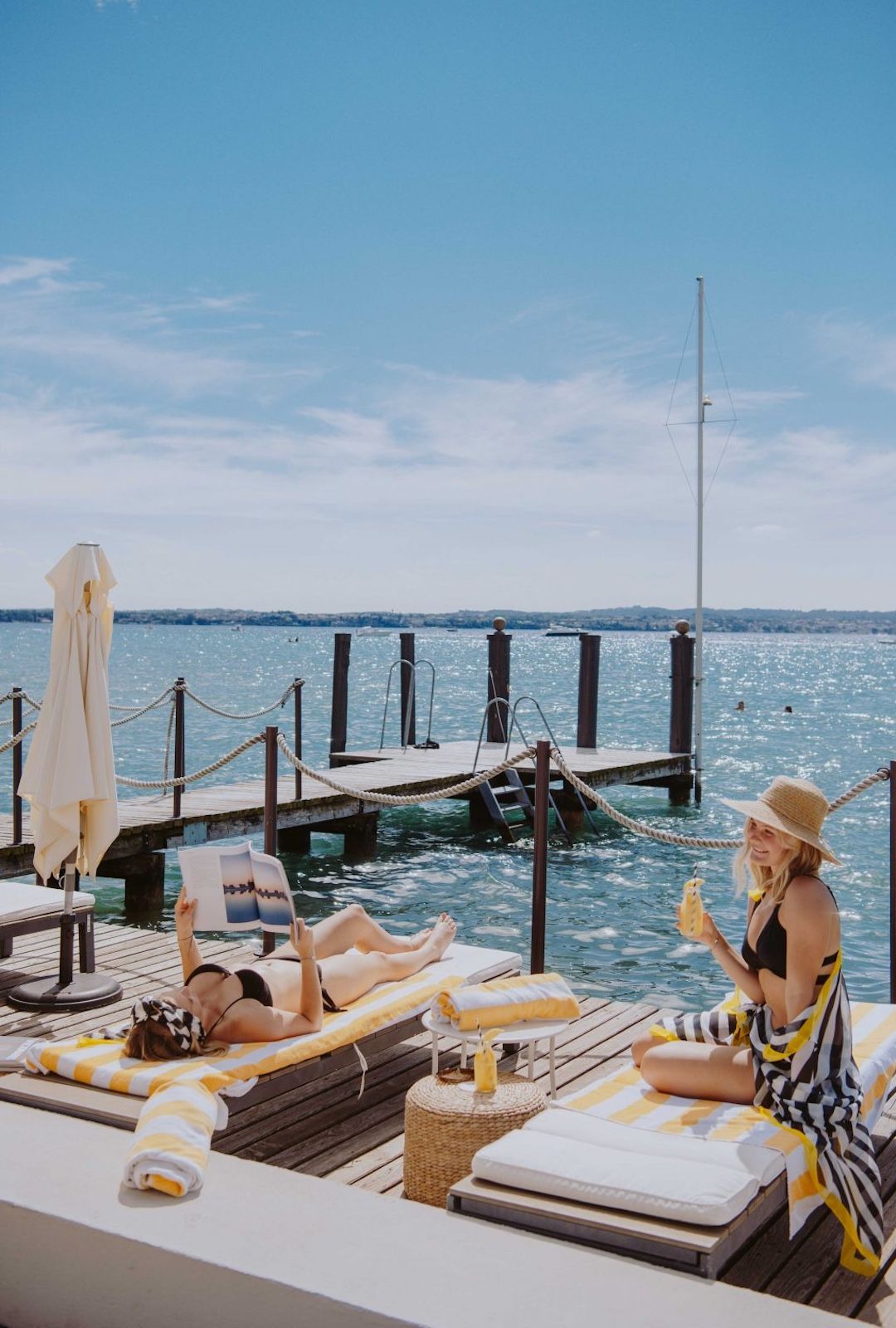
Out on the Sirmione peninsula, Aqva Boutique Hotel is a lido-lover's clubhouse of alabaster-white cubes and a turquoise pool, its private pier pointing straight out onto the lake; while inland at Valeggio sul Mincio, Corte Pravecchio is a minimalist, eco-minded bolthole tuned to slow Italian living.
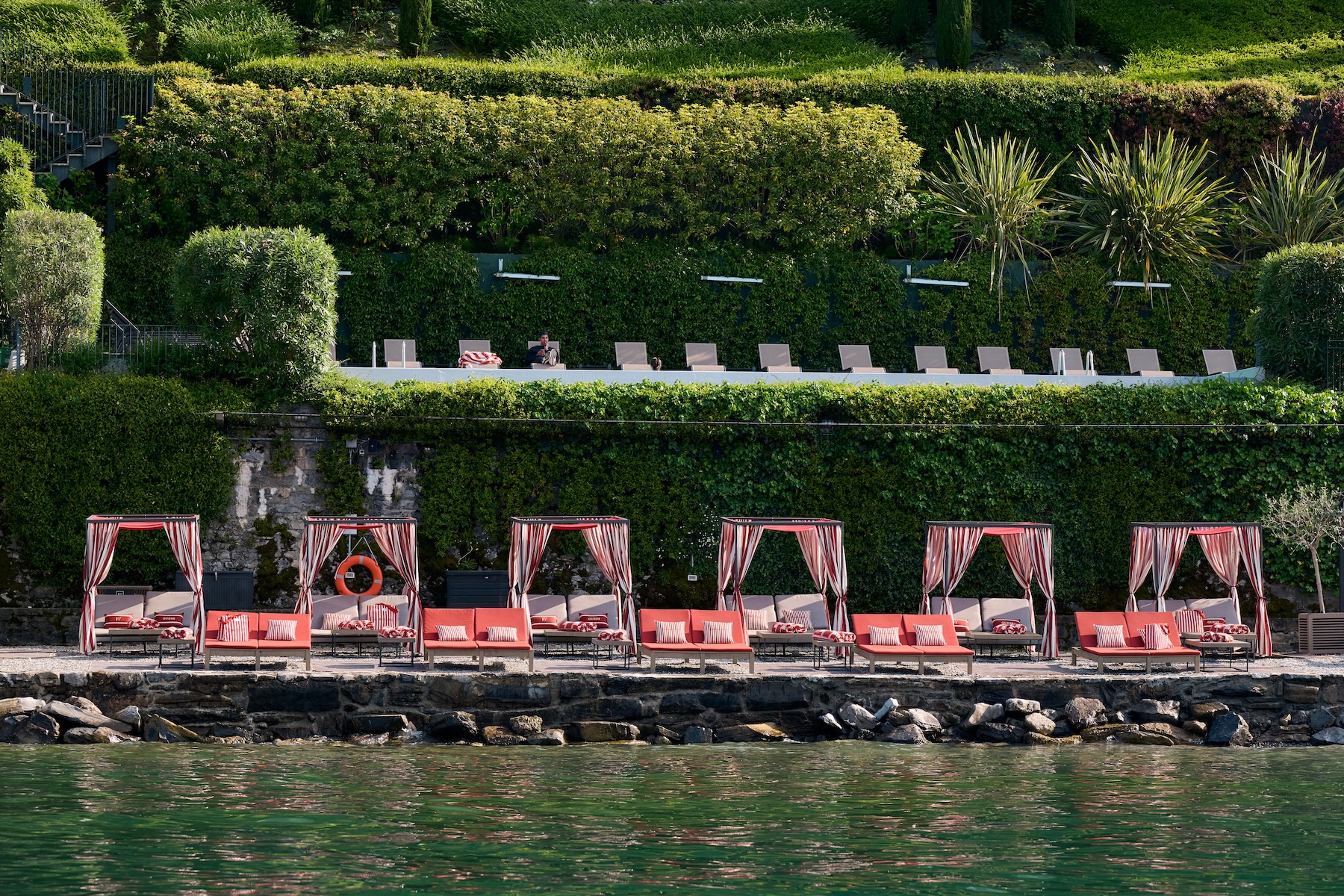
Over on the celebrity shores of Lake Como, Filario ditches the gilt for something sharper: Alessandro Sironi's cubic modernism, unpretentious and low-key, with front-row seats to the lake.
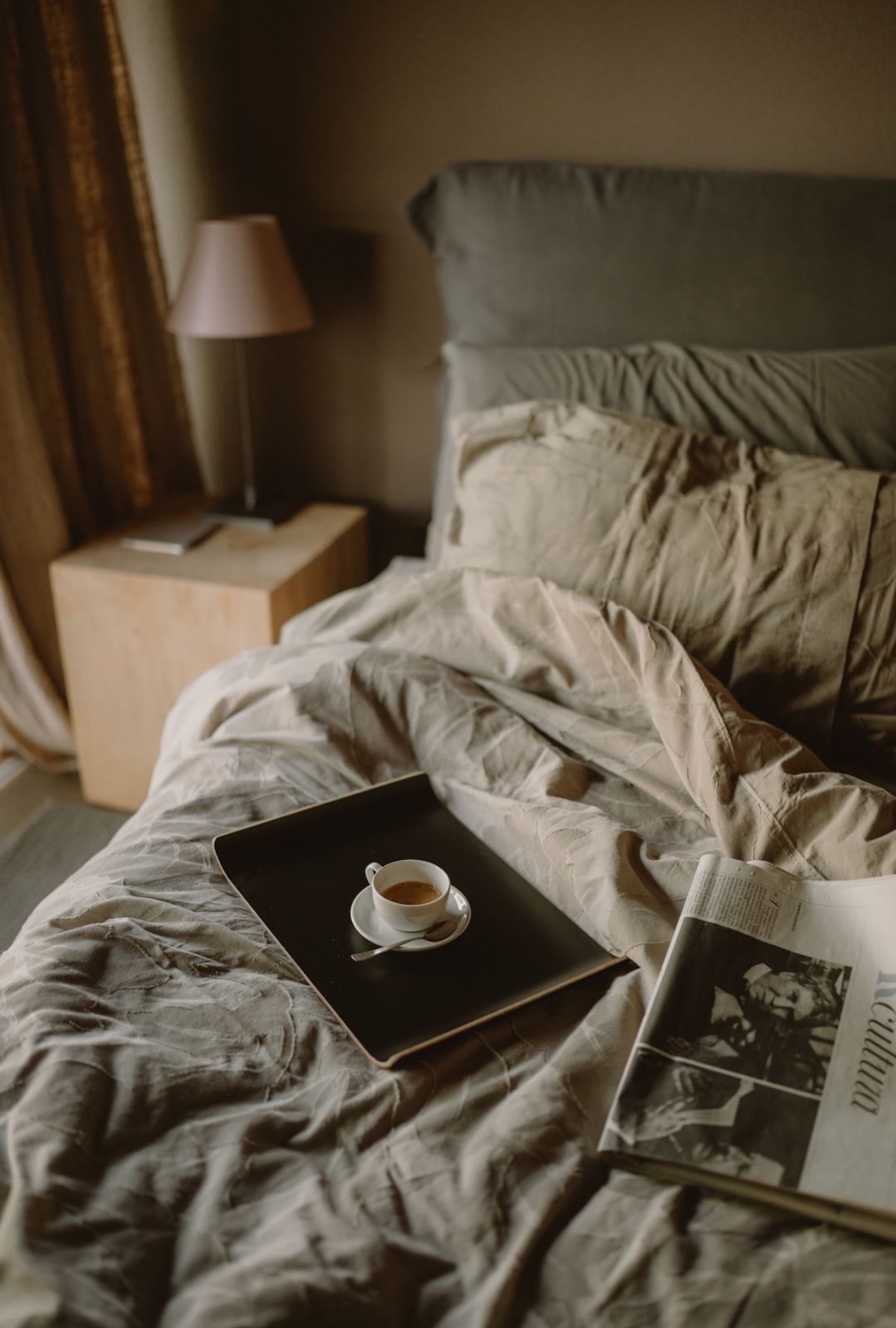
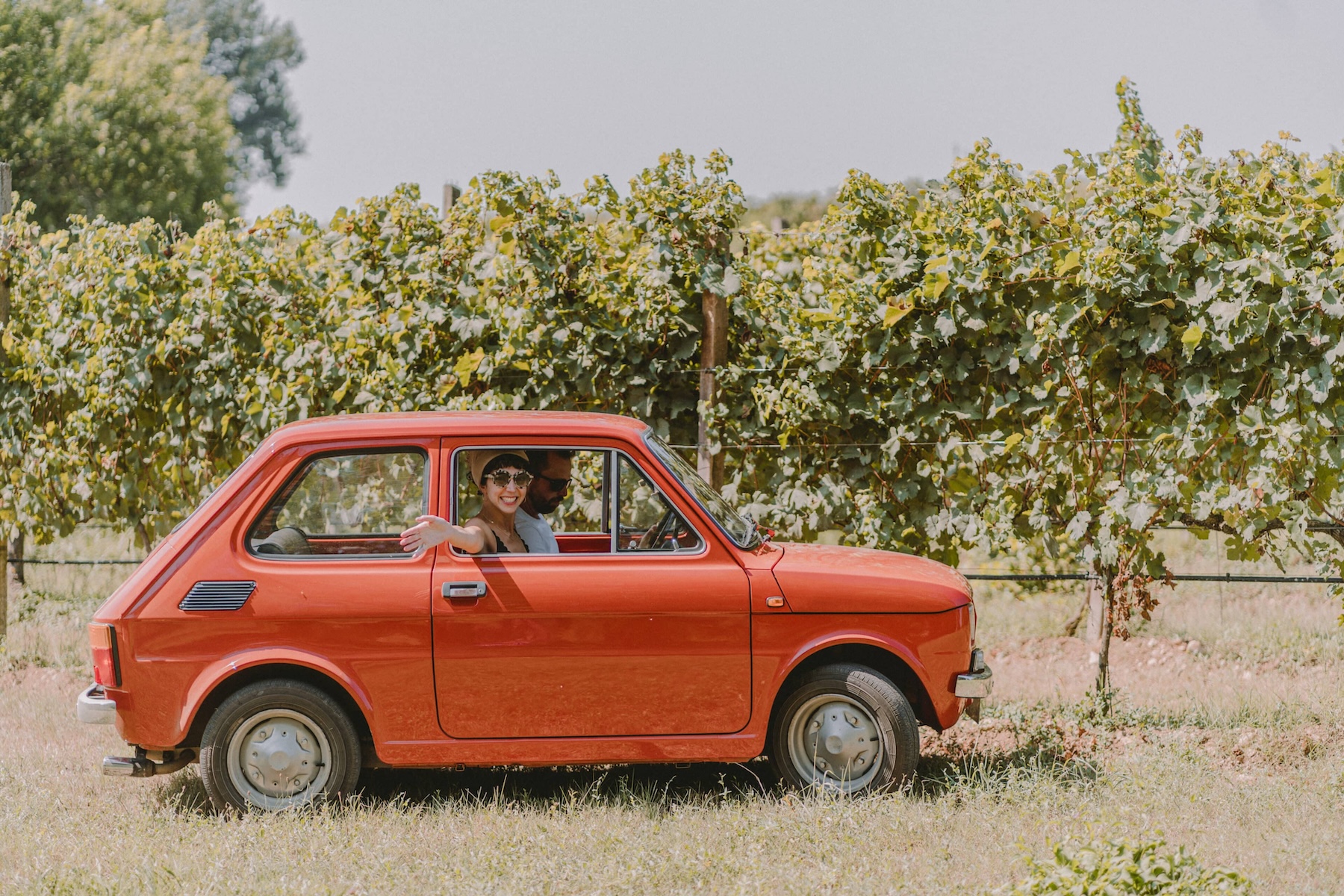
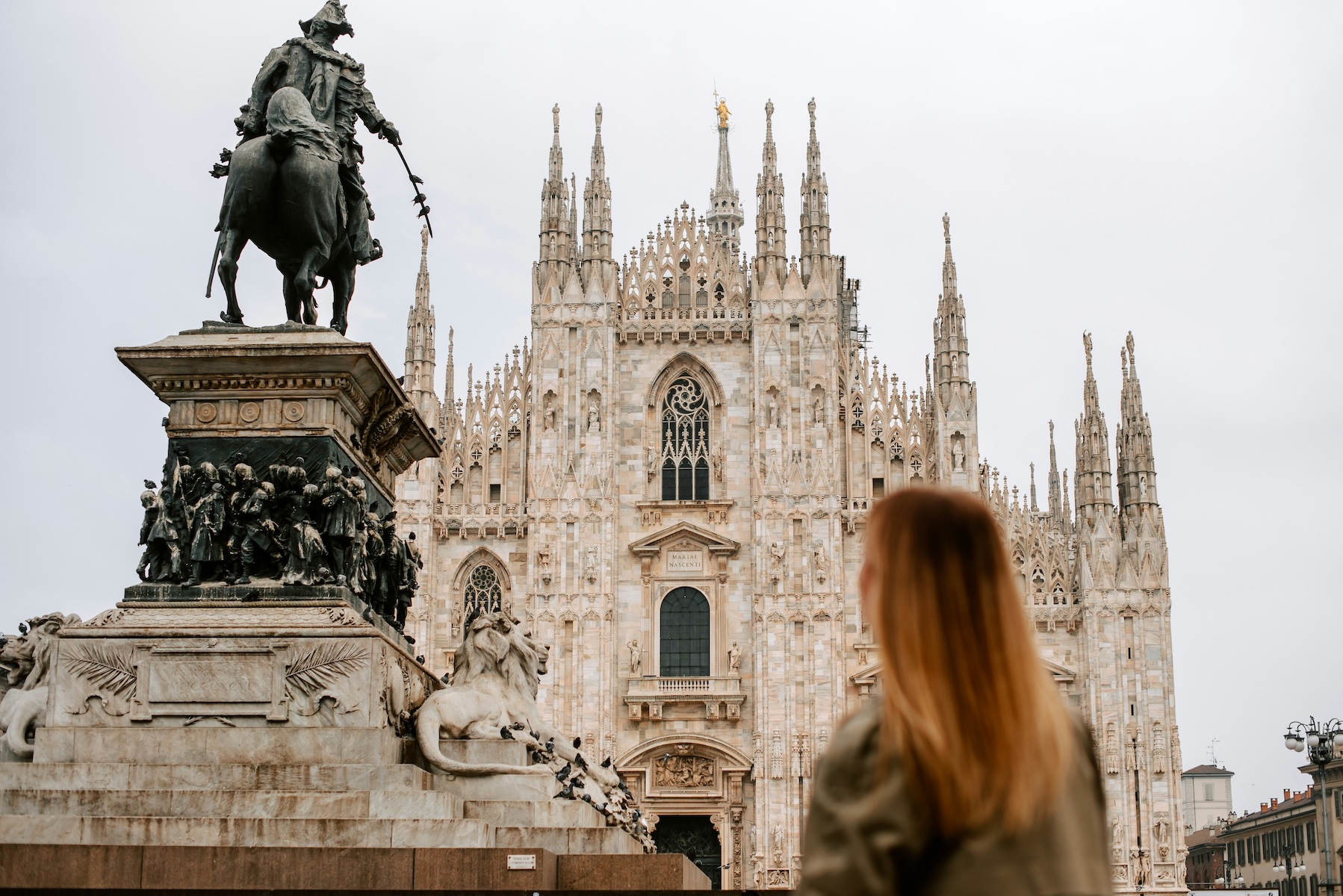
In Milan, a step from the fashion district, Crossing Manzoni is a hushed townhouse-hotel laced with design heroes and curated art, off-the-radar yet dead centre of the city's hum. Far to the north-east, high in Friuli's Carnic Alps, Borgo Eibn Mountain Lodge gathers three timber-and-stone malga houses above the Sauris plateau, larch shingles, Dolomite views and a spa, Alpine charisma by the armful.
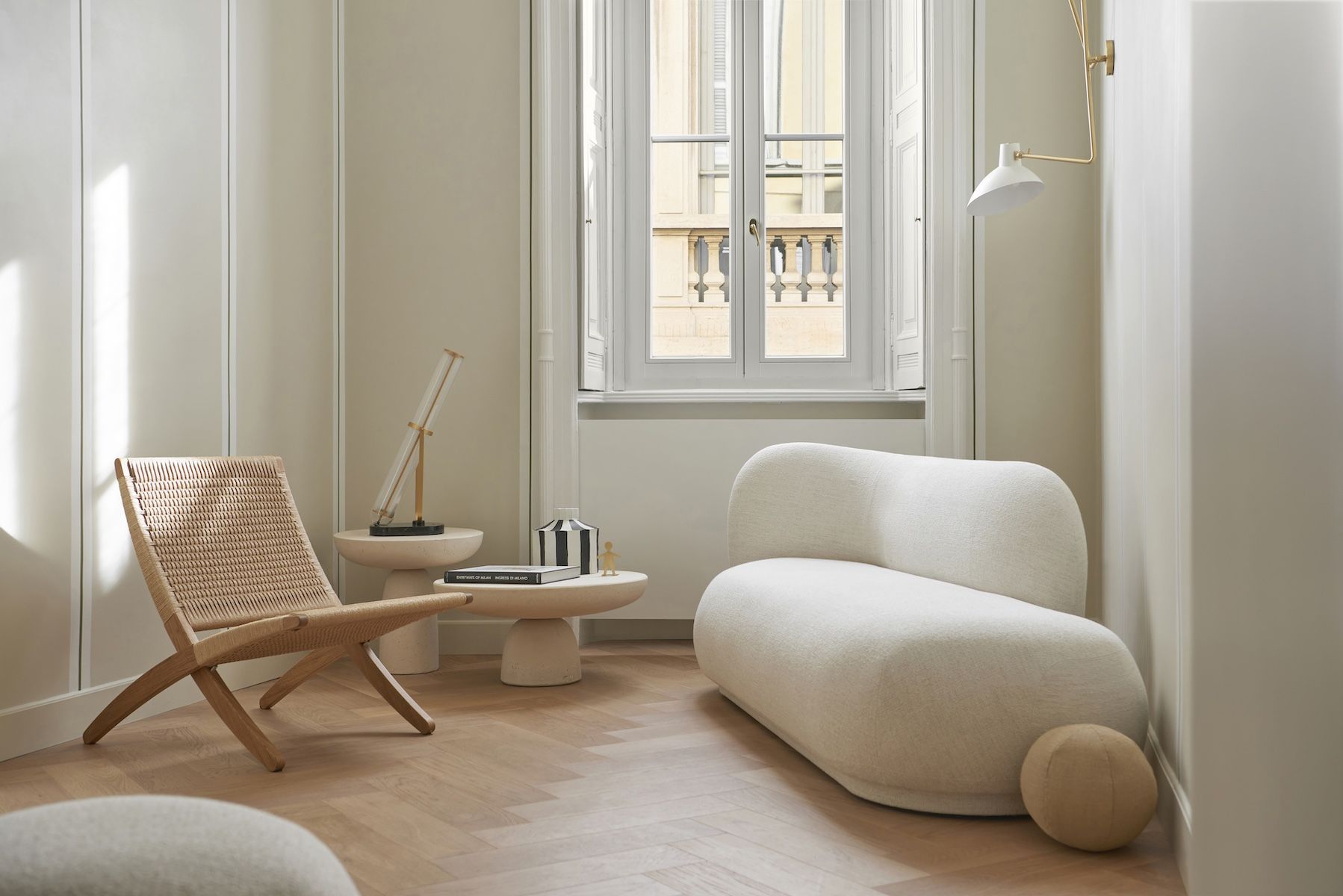
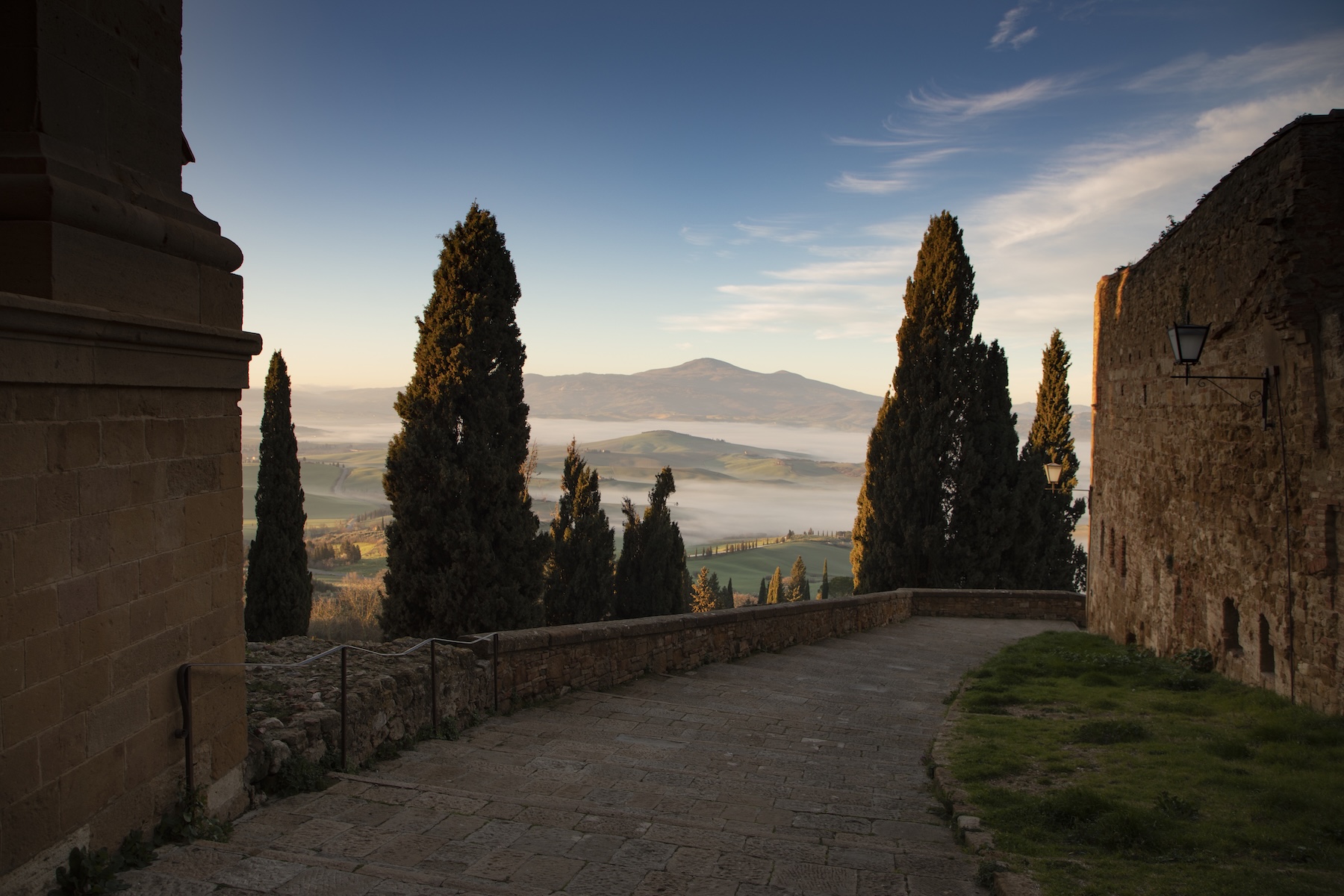
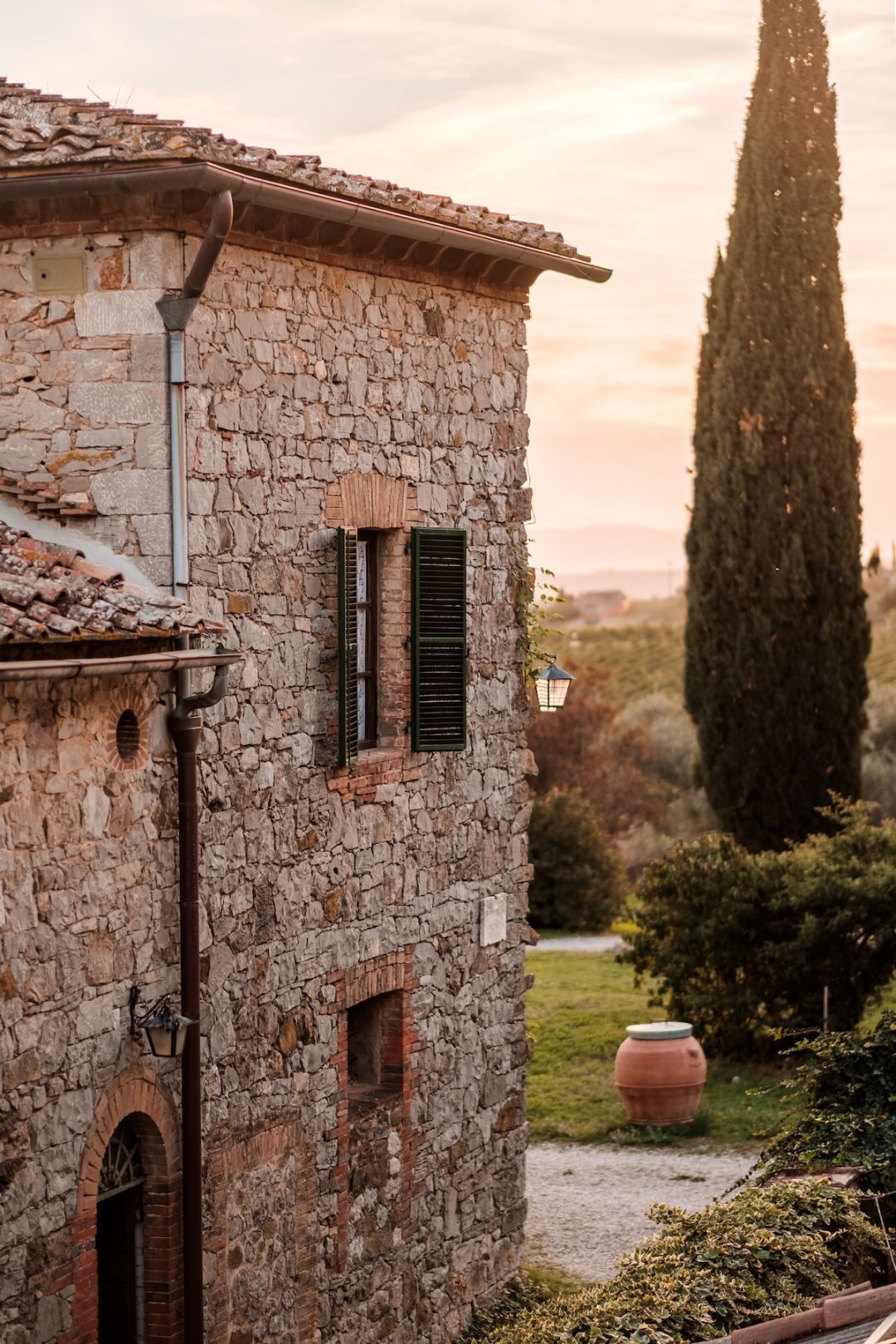
Between Pienza and Montepulciano, Follonico is six rooms, a working vineyard and the unhurried rota of a real Tuscan farmhouse. Fabio Firli and Suzanne Simons left Rome in 2004 for a 200-year-old house and never looked back: salvaged doors lean as headboards, antique typewriters sit on the desks, Suzanne’s hand-sewn linens are crisp as a Mediterranean morning, and the three-course breakfast never repeats across a stay. The most domestic and disarming boutique guesthouse in southern Tuscany; and yes, the pasta is every bit as good as they say.
In Chianti, Colle ai Lecci folds three stone farmhouses of 1720 into one craft-filled boutique retreat among the olive groves.
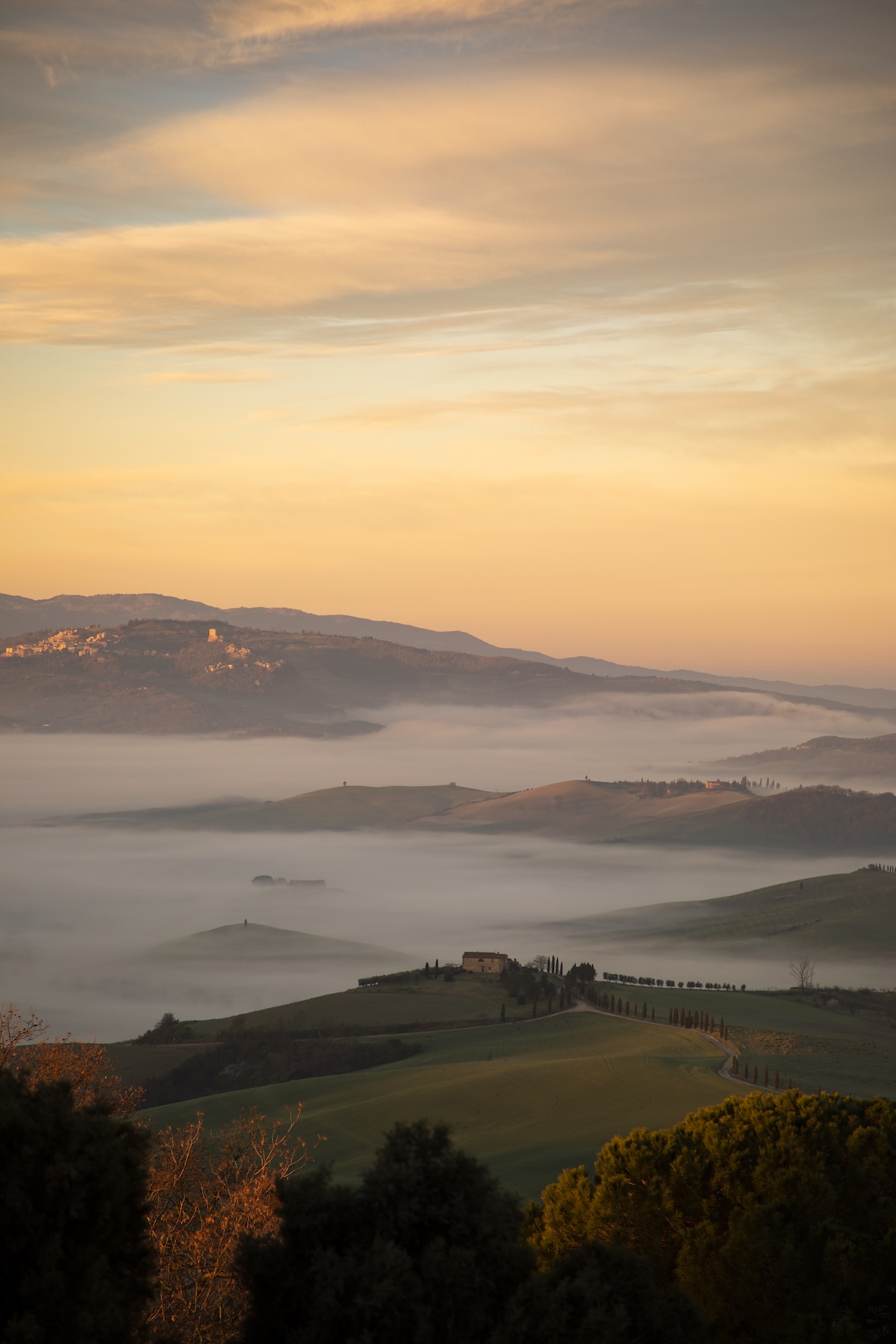
Over in the Val d’Orcia, La Bandita Townhouse is a 500-year-old convent reborn as a cool contemporary design hotel in the UNESCO hilltown of Pienza, former music-industry man John Voigtmann’s world of floating beds, Tuscan feasts and courtyard aperitivos.
In the hills of Versilia, Locanda al Colle keeps farmhouse luxury collected and unhurried, a short drive from the coast at Forte dei Marmi and Viareggio.
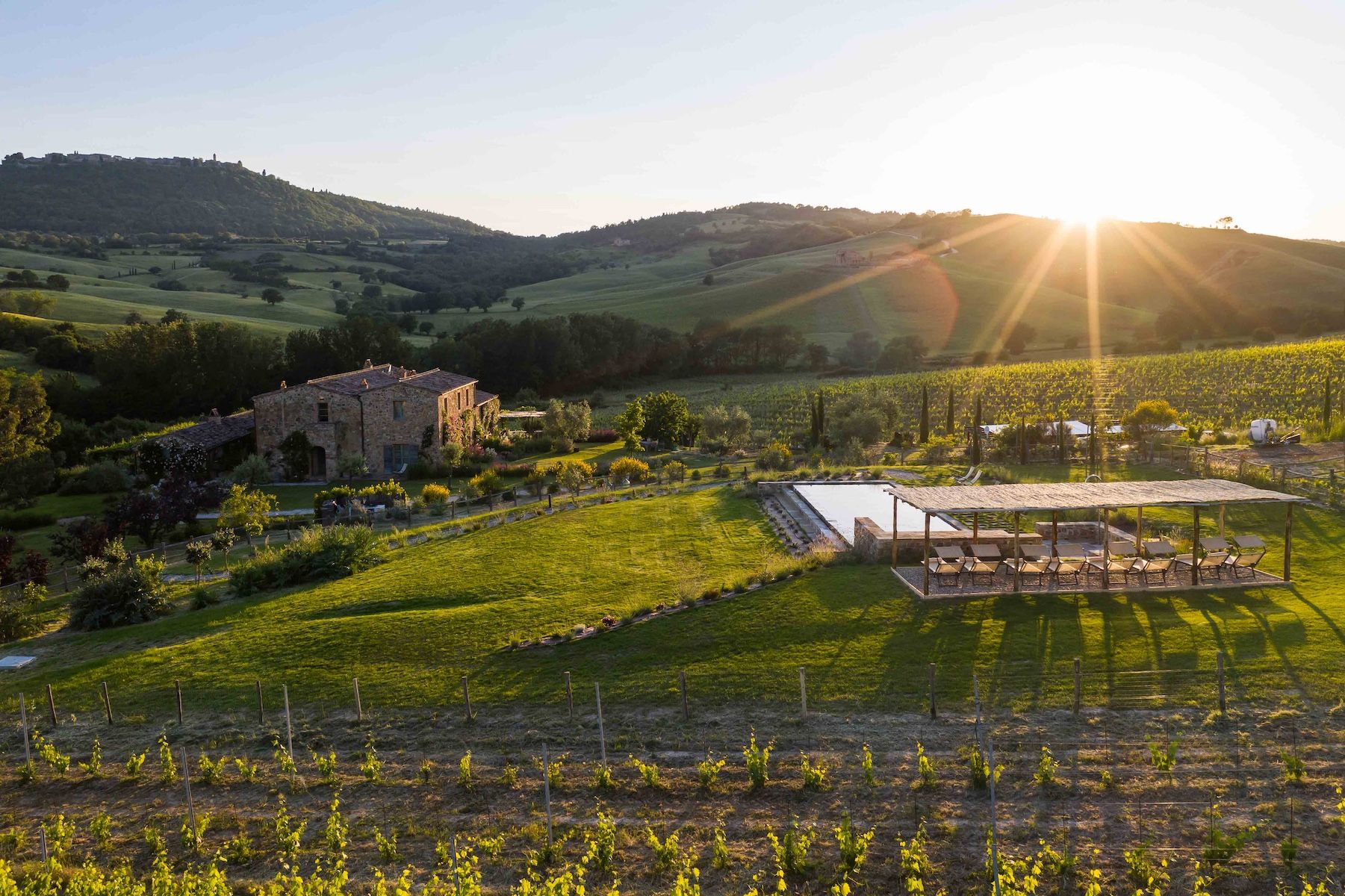
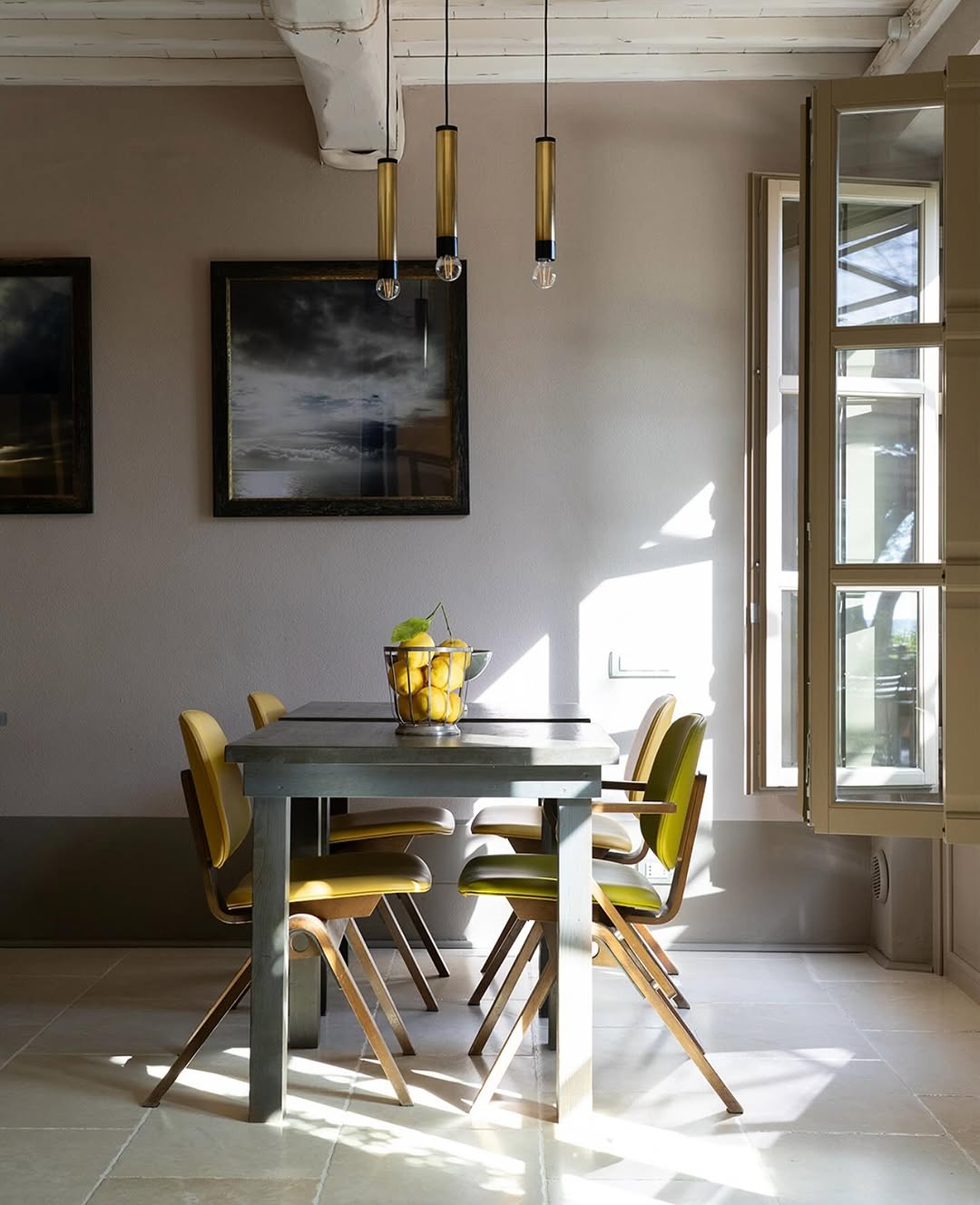
In Umbria, Vocabolo Moscatelli is a twelfth-century monastery brought back to life by the architect Jacopo Venerosi Pesciolini of Studio Archiloop, in what he calls a kind of architectural listening: take away a finish, a door, a covering, and the place begins to breathe again. Glazed terracotta by Cotto Etrusco, iron four-posters forged by Lispi & Co., a wash of Flos and Davide Groppi light, and the long Umbrian afternoons to finish the sentence.
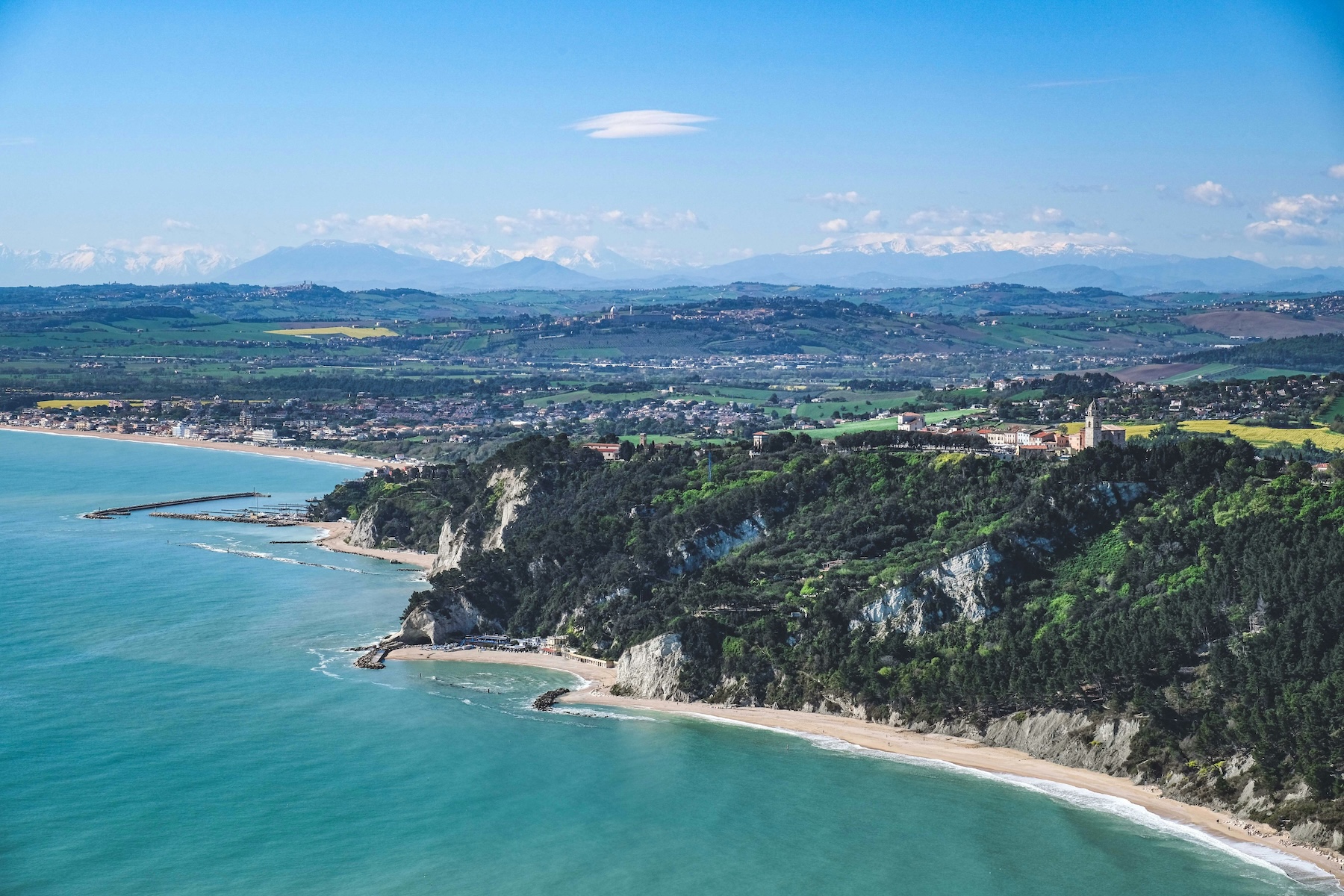
Nudge east into Le Marche and Filodivino turns an abandoned vineyard farmhouse into radical vision: seven suites, an InArchitettura-awarded underground winery and an infinity pool floating above the hills.
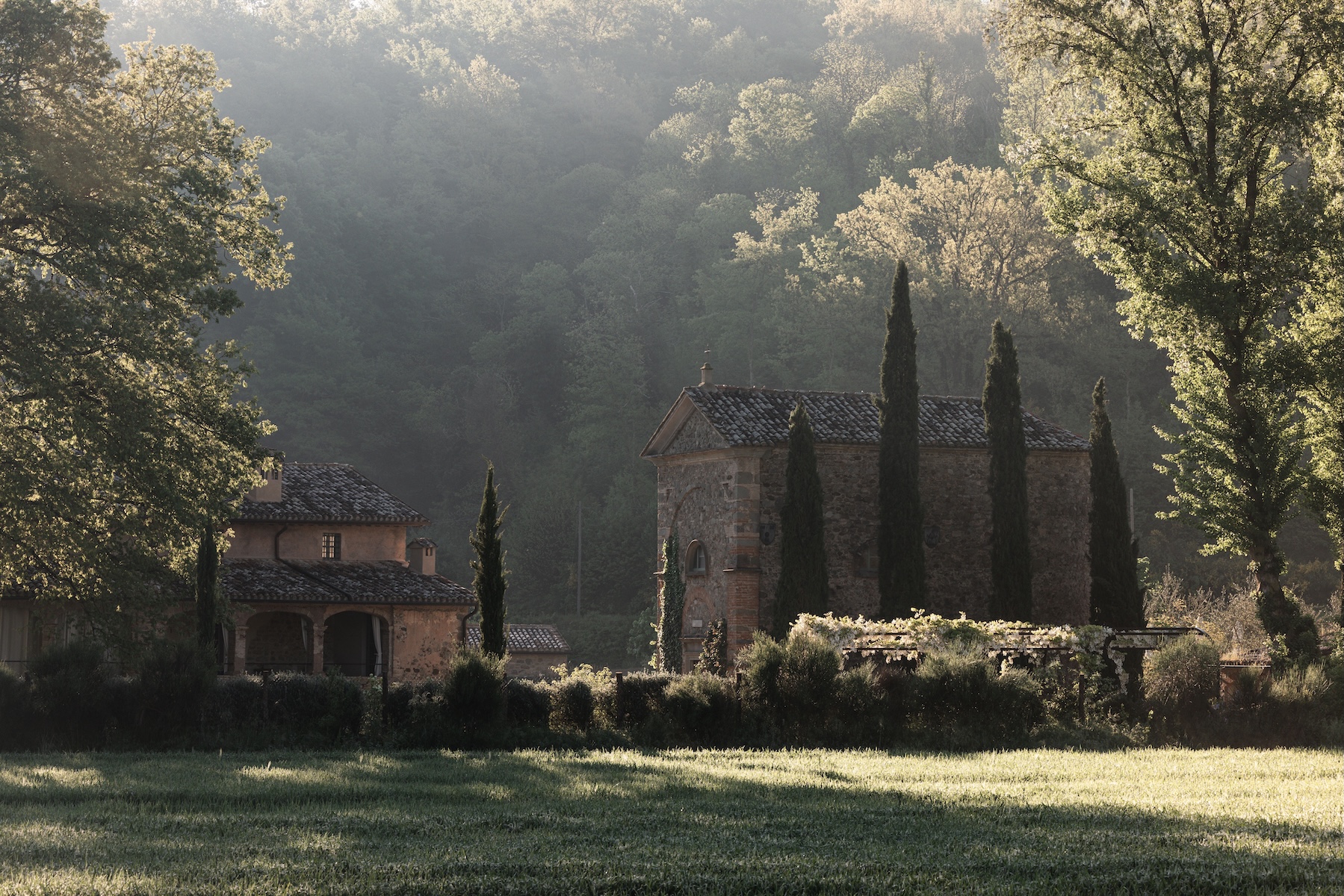
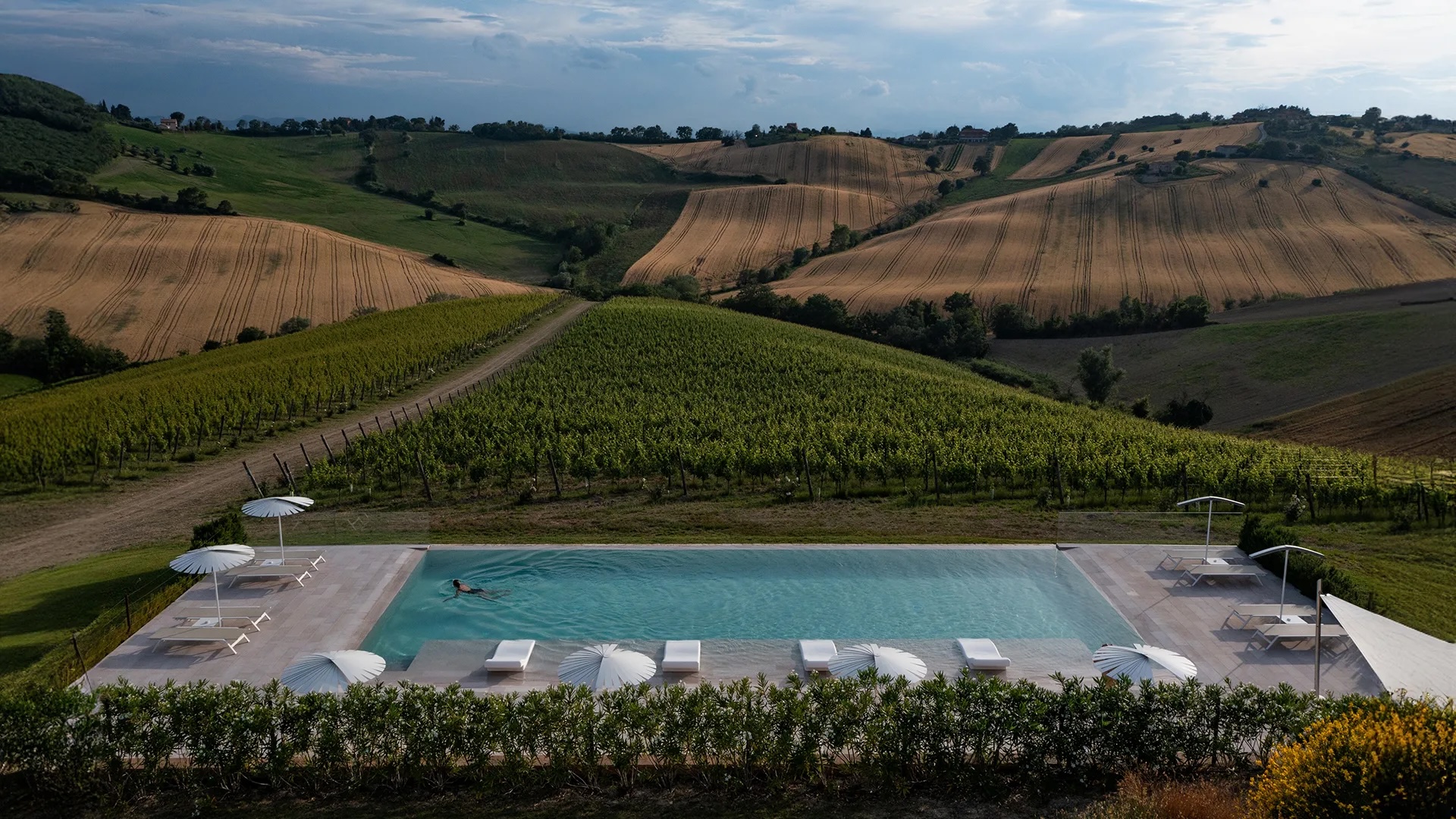
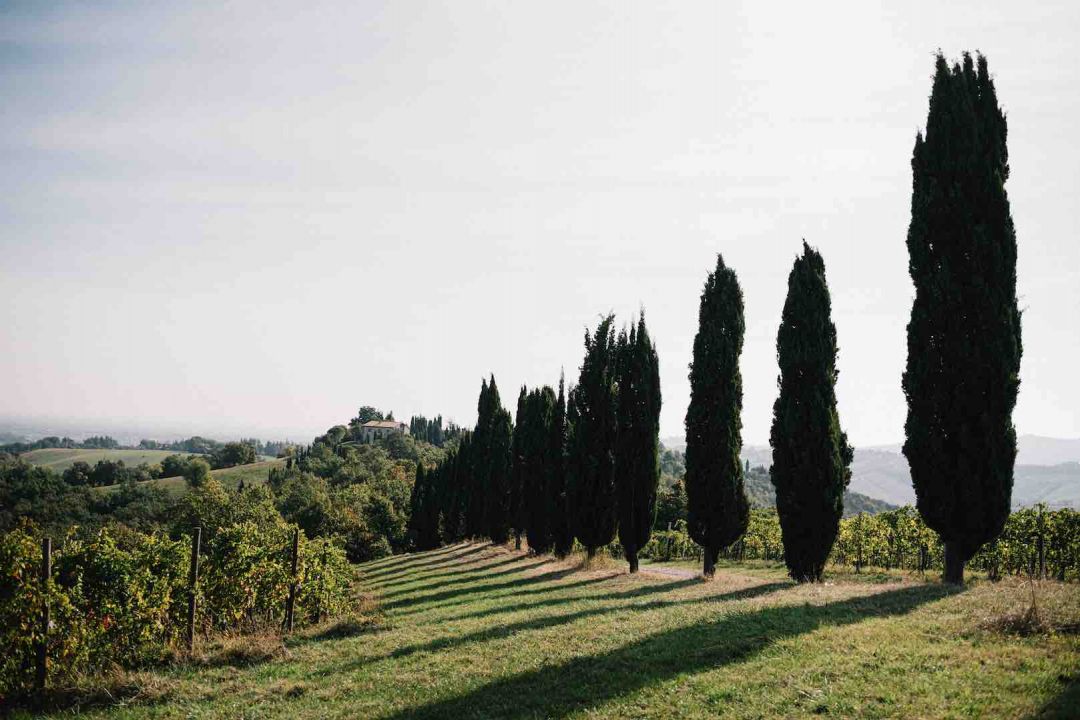
In Italy's culinary heartland, Relais Roncolo 1888 is a seventeen-suite boutique hotel around the sixteenth-century Villa Manodori on the organic Venturini Baldini wine estate, between Parma and Reggio Emilia: cypress-lined drives, addictive dry Lambrusco, a 400-barrel vinegar loft and dinner in the historic greenhouse restaurant, La Limonaia.
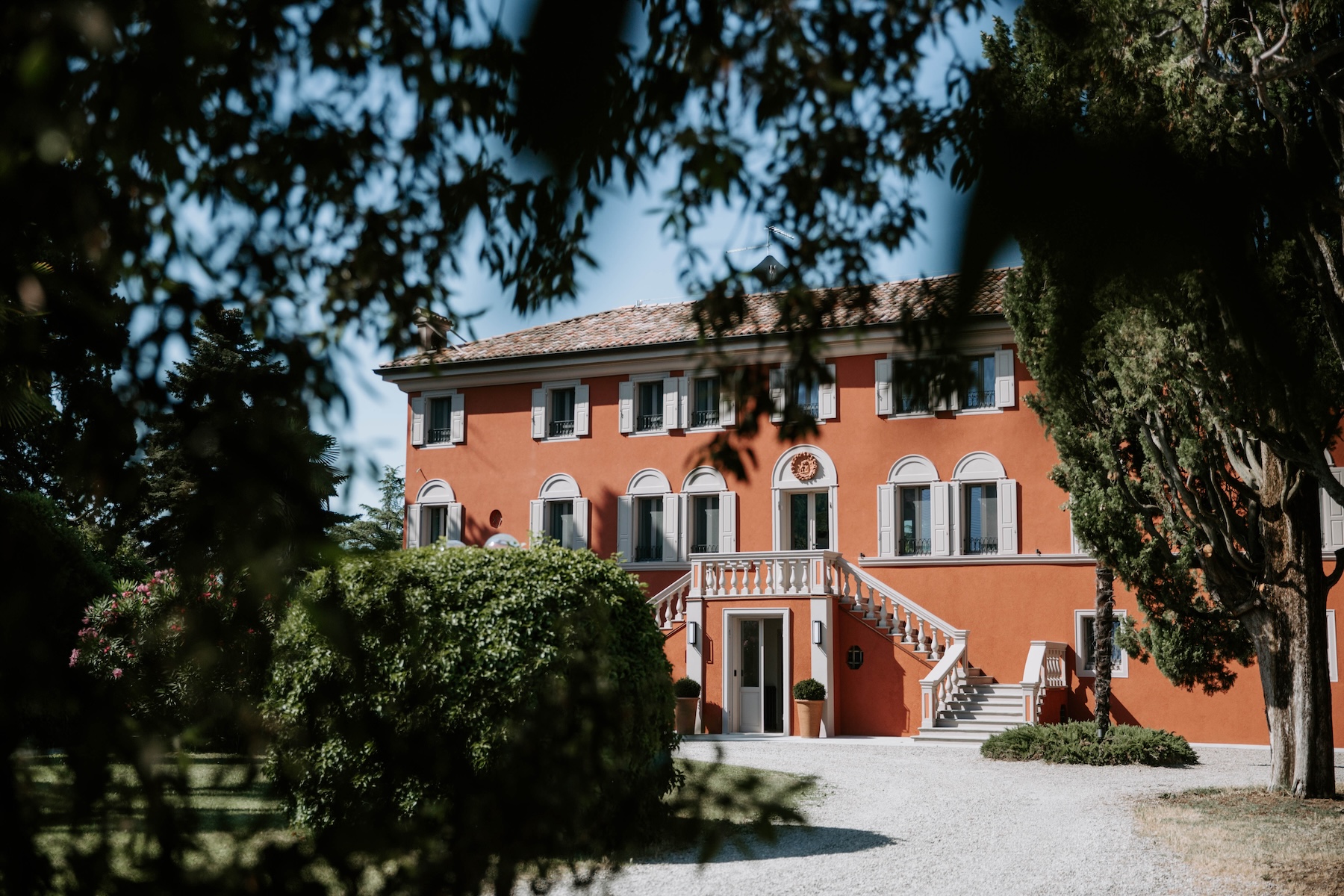
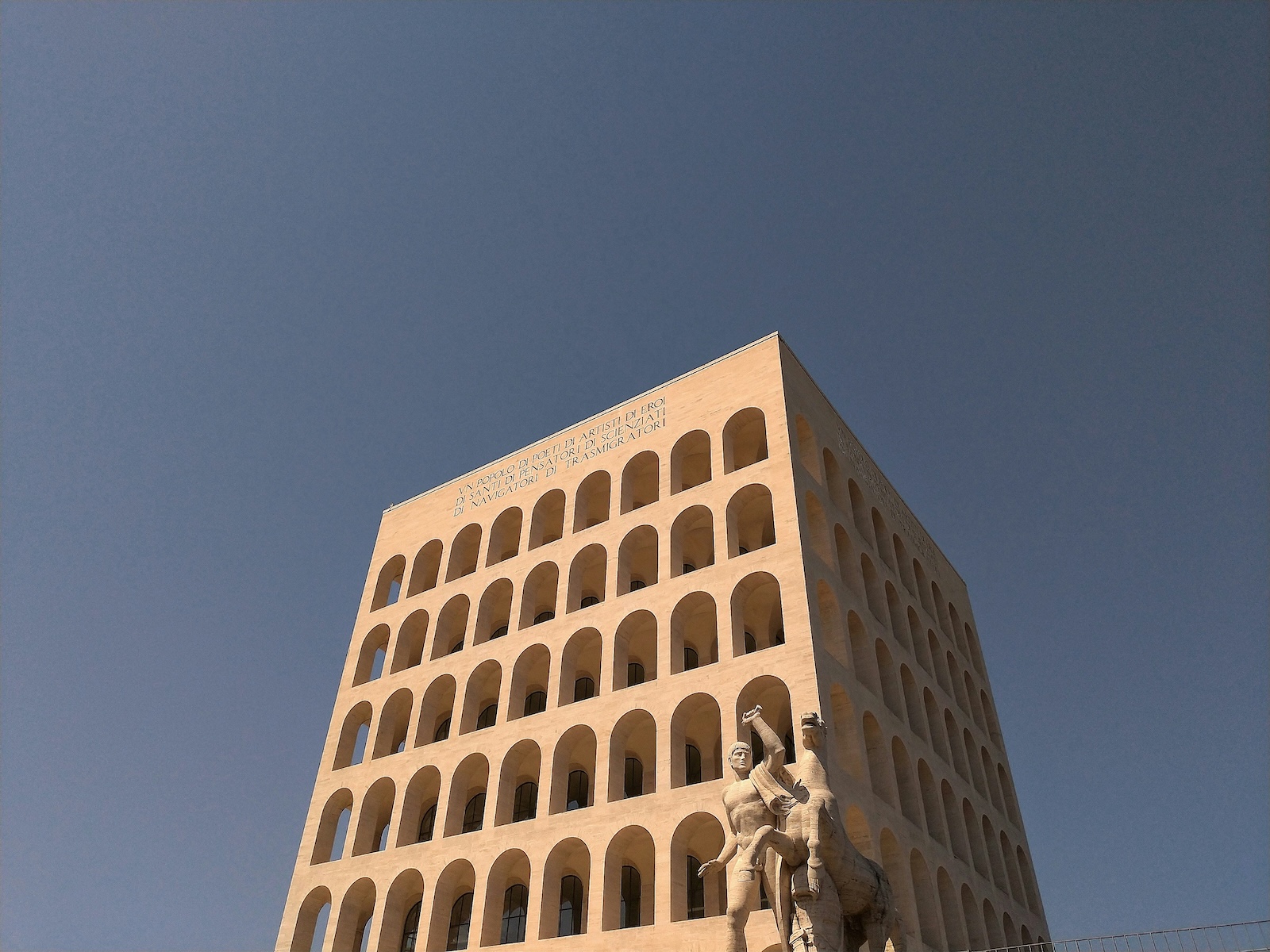
In Rome, the Crossing group keeps two style colonies of luxury suites and designer apartments in eighteenth-century palazzo townhouses: Crossing Condotti, a whisper behind the Piazza di Spagna in the historic Tridente, and its sibling Crossing Corso a few steps away on the Via del Corso. City swagger, left politely at the door.
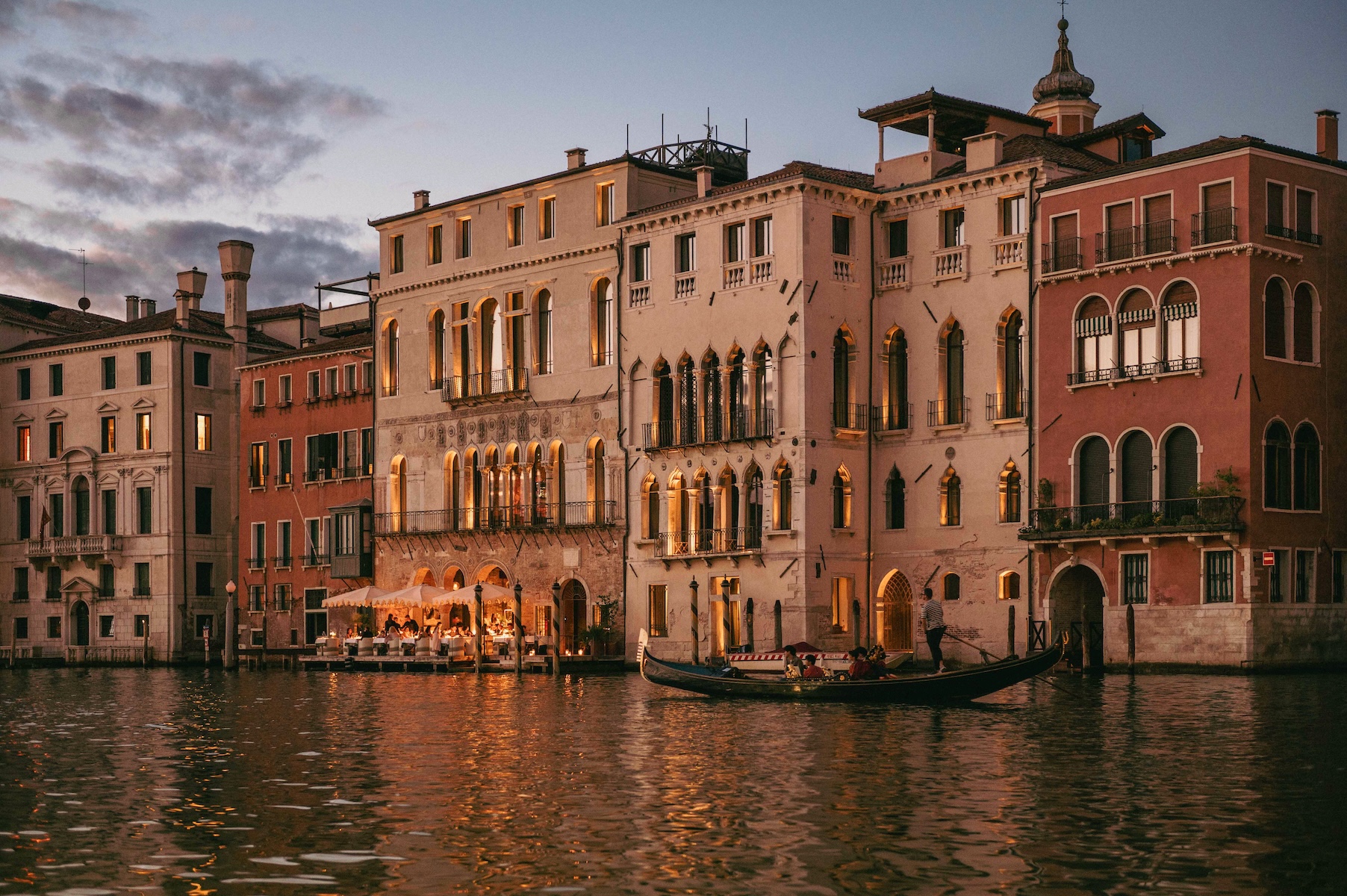
And in Venice, The Venice Venice Hotel recasts a thirteenth-century Venetian-Byzantine palace on the Grand Canal, the ancient Ca’ da Mosto, as something its Golden Goose founders cheerfully brand ‘post-Venetian’: a design statement that flatly refuses to dress up as the past it is sitting in.
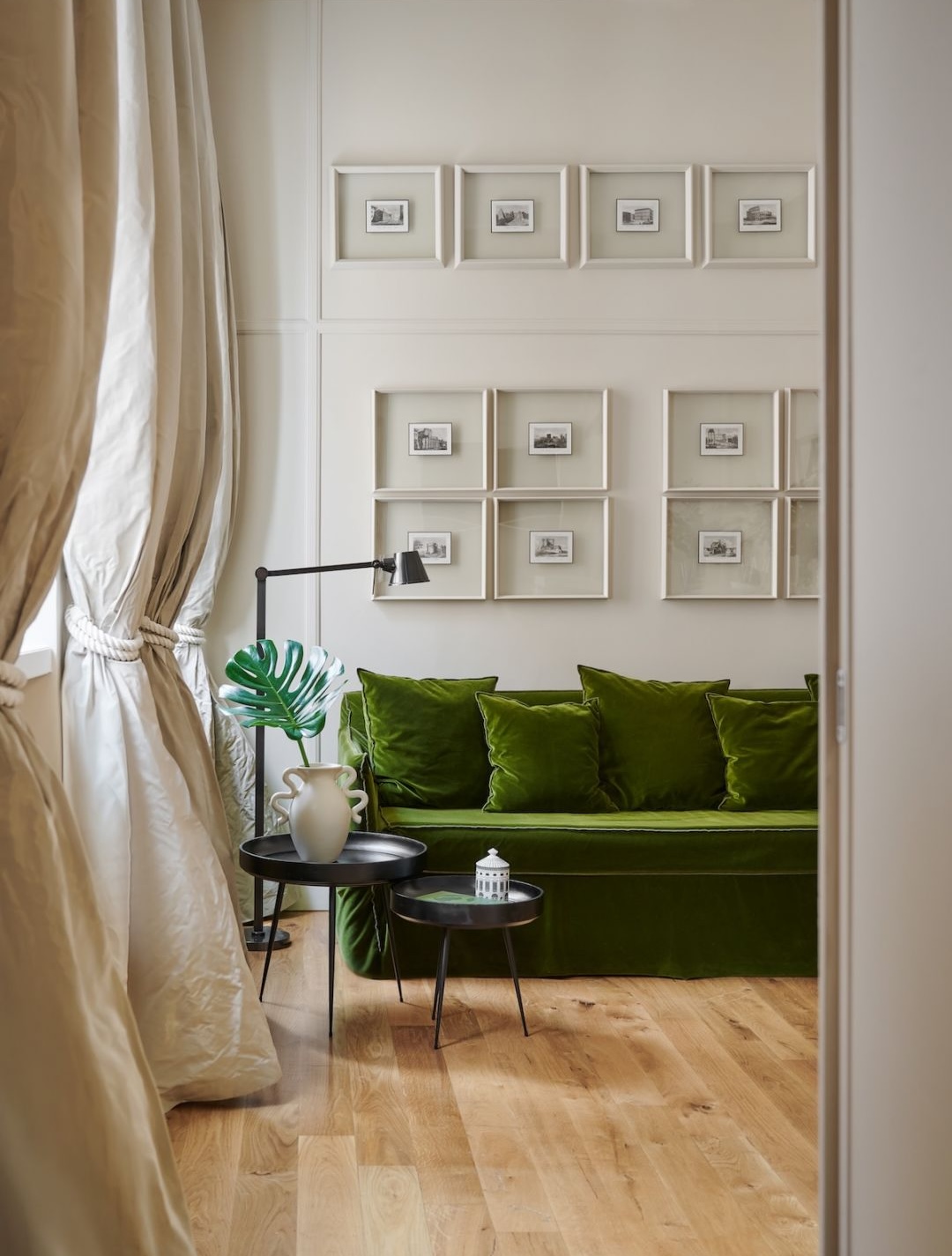
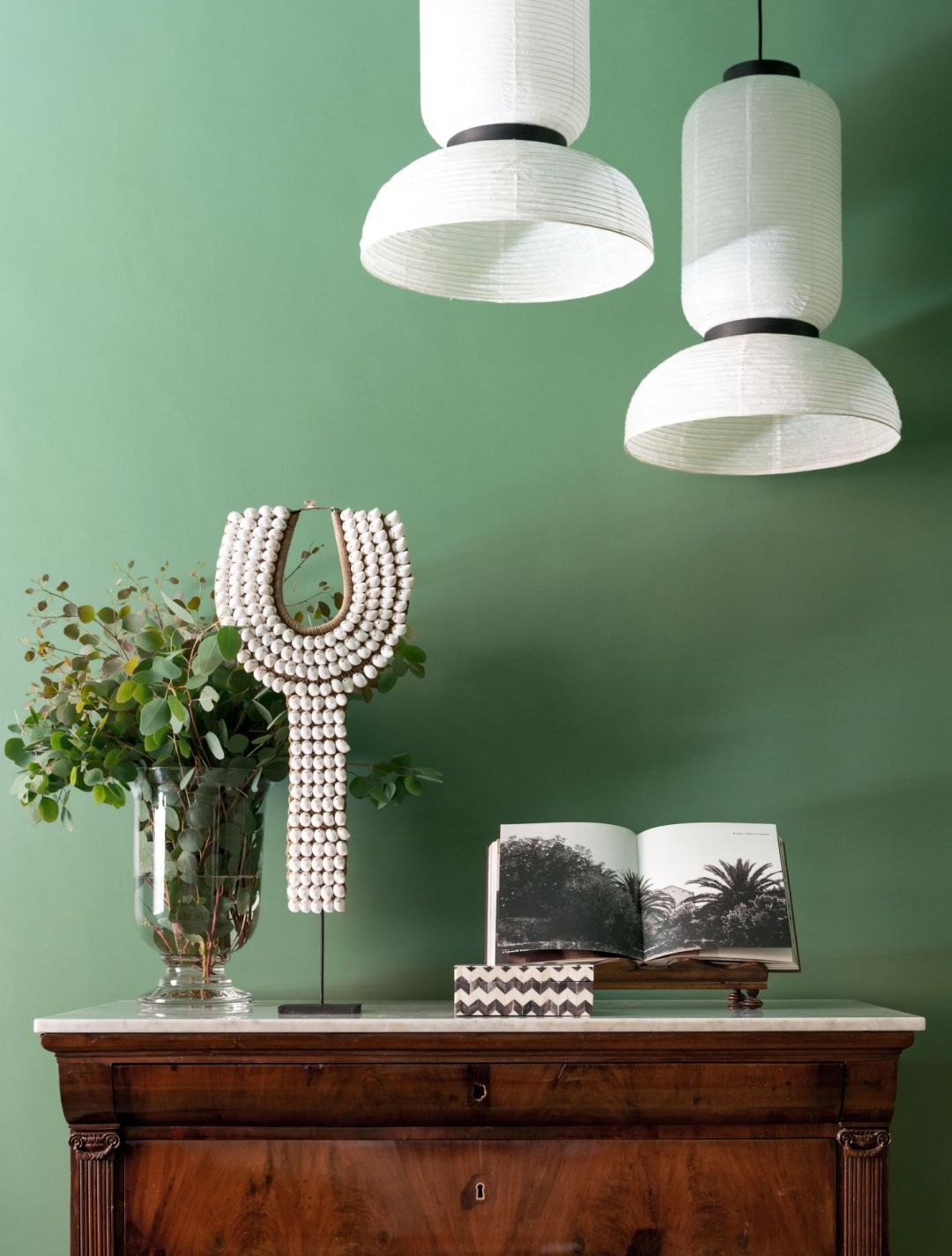
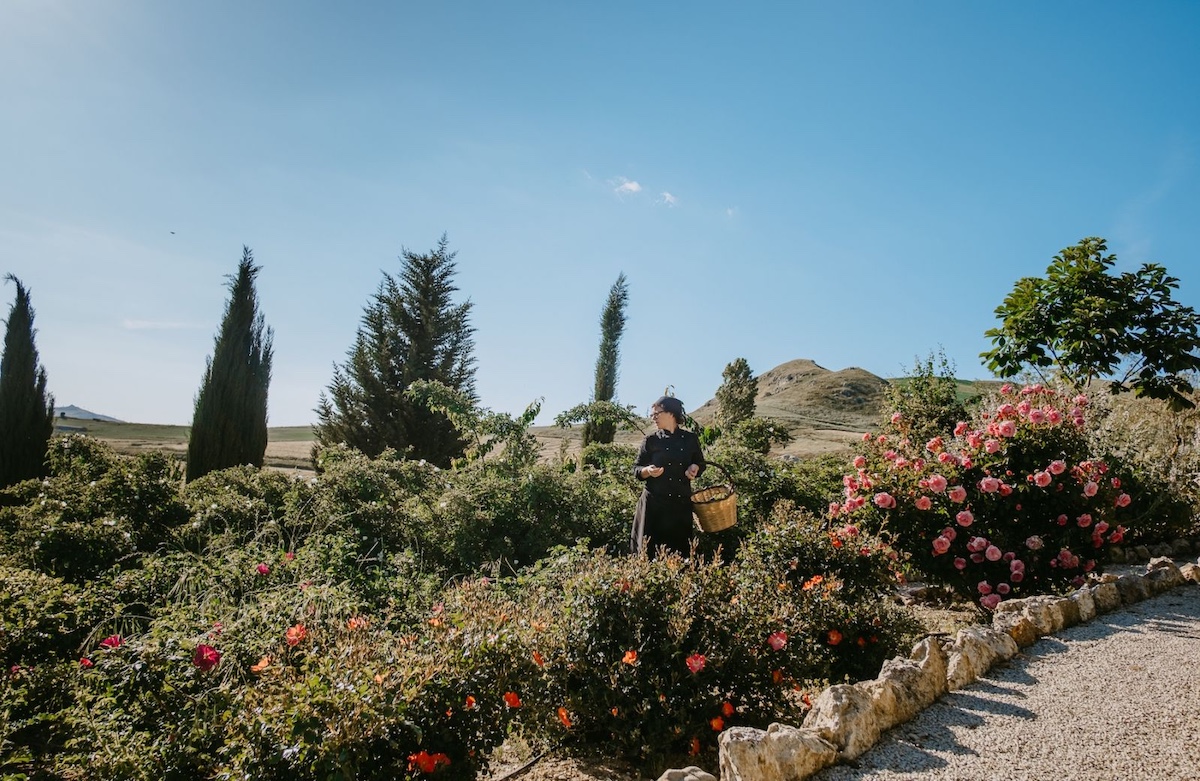
In the rural Sicilian interior, Susafa is a 500-hectare Masseria the Saeli-Rizzuto family have farmed for five generations, up in the Madonie foothills near Polizzi Generosa: milking parlours turned bedrooms, the old granary now the restaurant, the wine press now the bar, luxury of the analogue kind. Su-sa-fa means, in dialect, ‘it can be done’; and reader, it has. On the Agrigento coast, ADLER Sicilia plays a different hand: a design-led wellness and spa resort of clay and volcanic stone within a WWF reserve, the kitchen fed straight from the farm.
And in Puglia, above Ostuni, Masseria Moroseta is the whitewashed dream made real: a modern limewashed Masseria among the olive groves, twin citrus trees flanking an external staircase, the Adriatic light doing the rest.
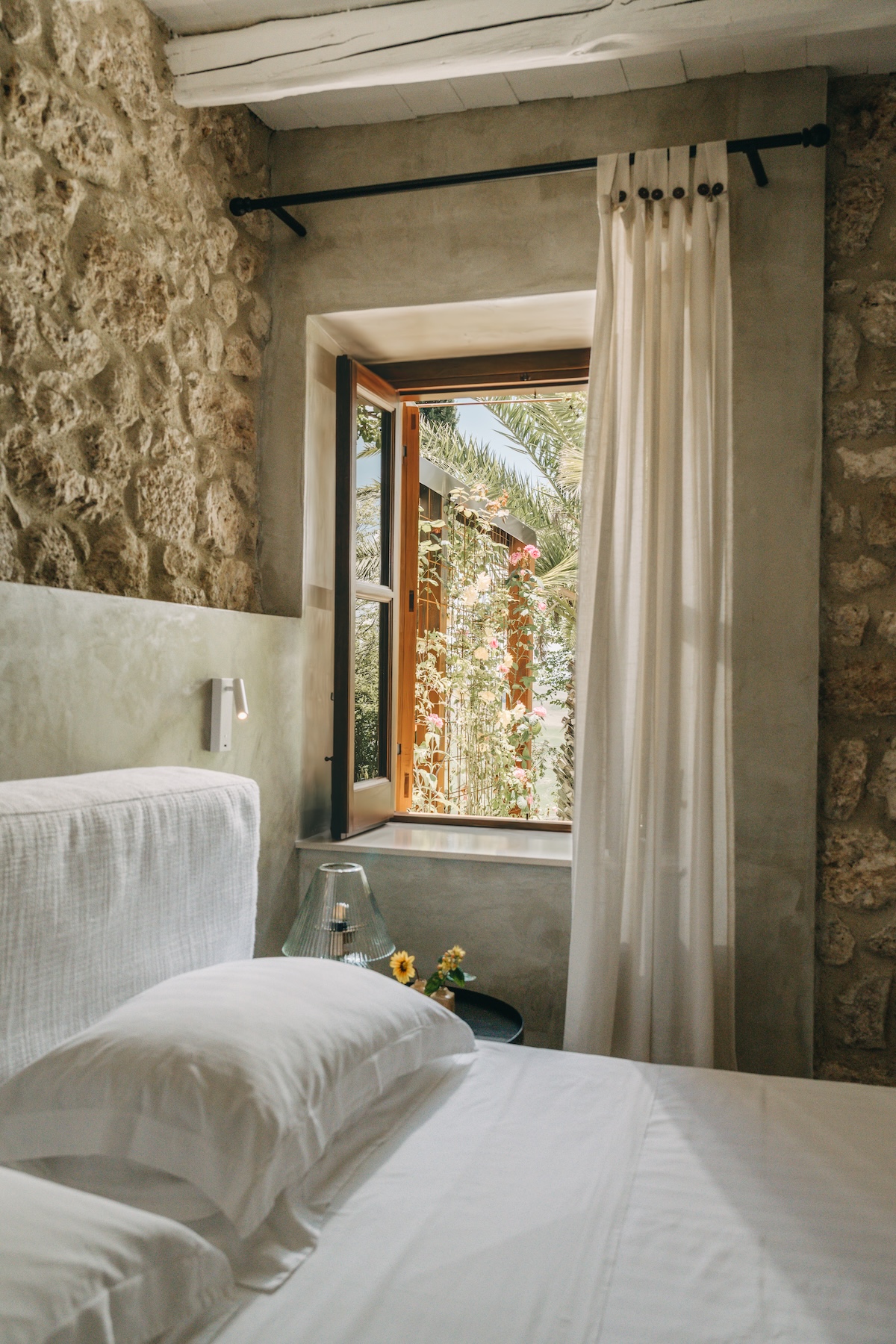
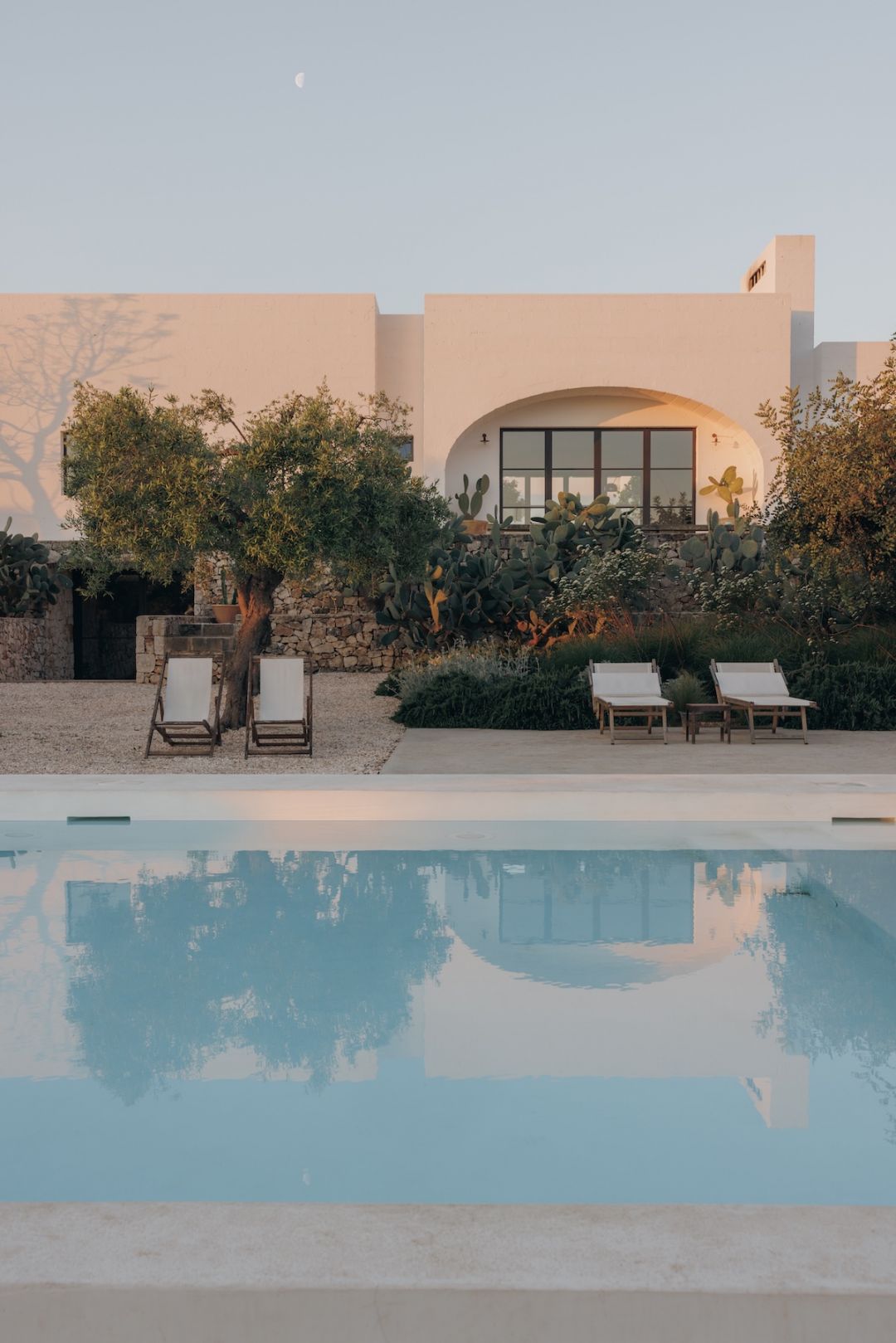
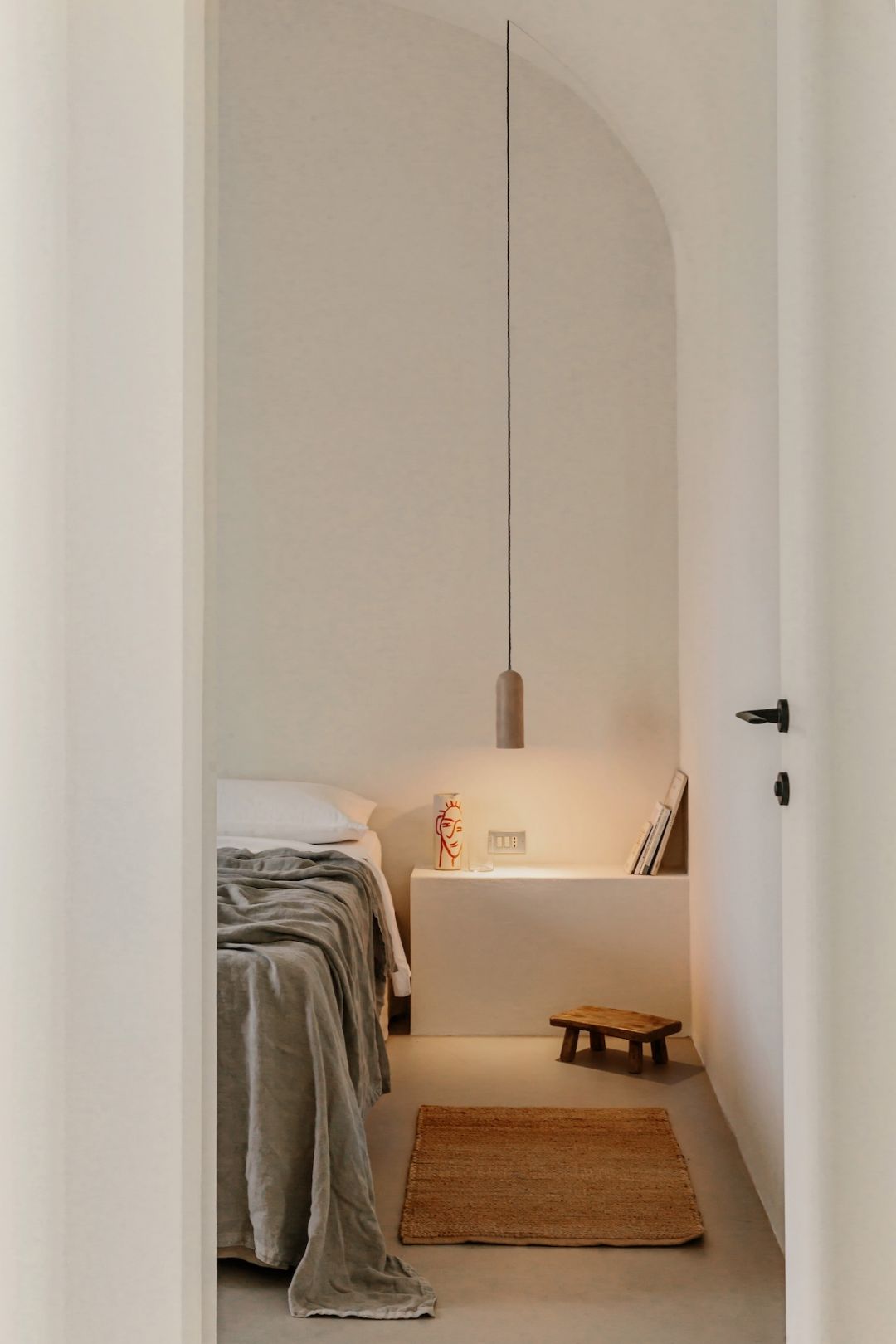
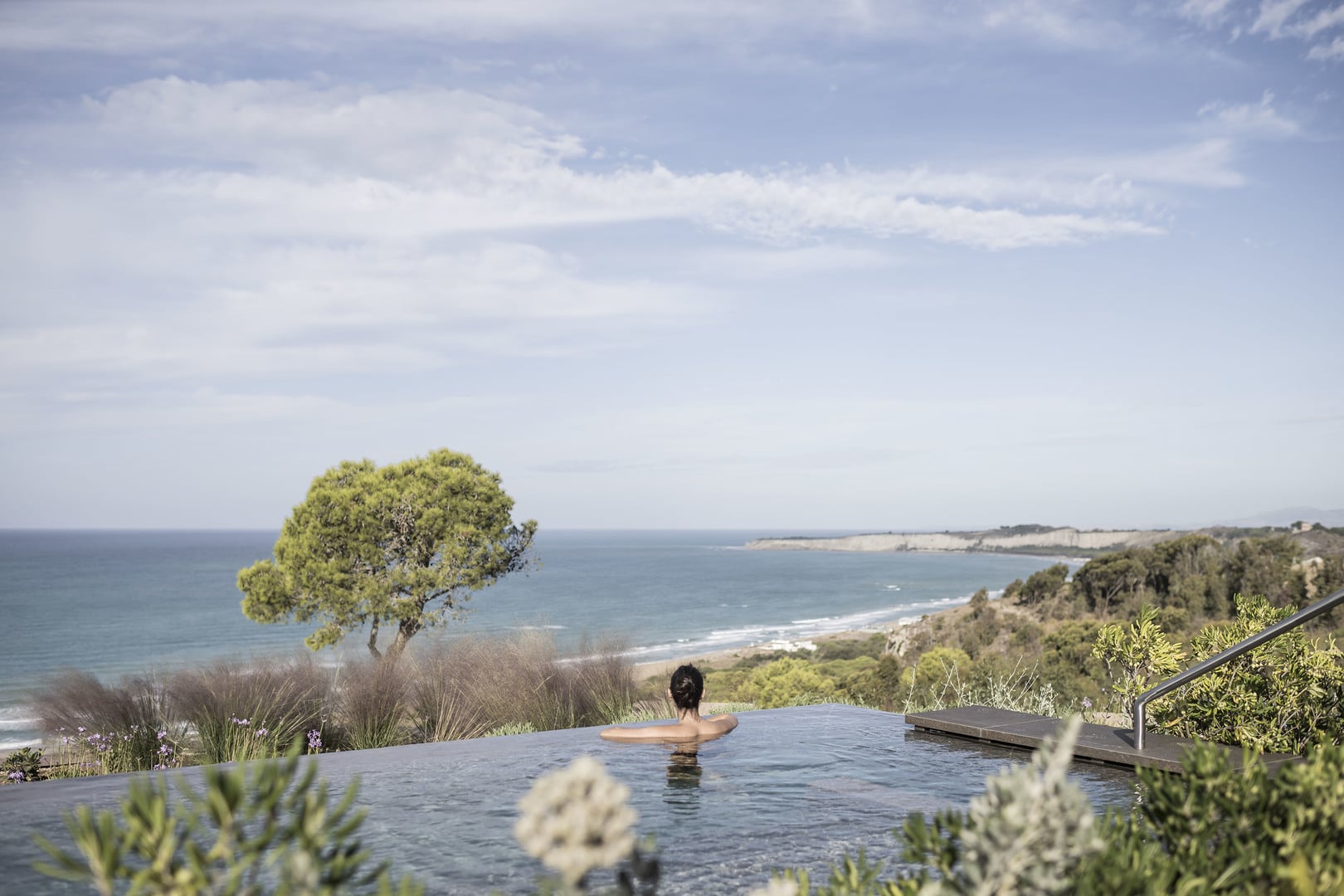
Those in and around the Mediterranean feature in Unwaxed Lemons, our print magazine of thirty-six family-run design hotels; the rest of this Italian spread is ours alone.
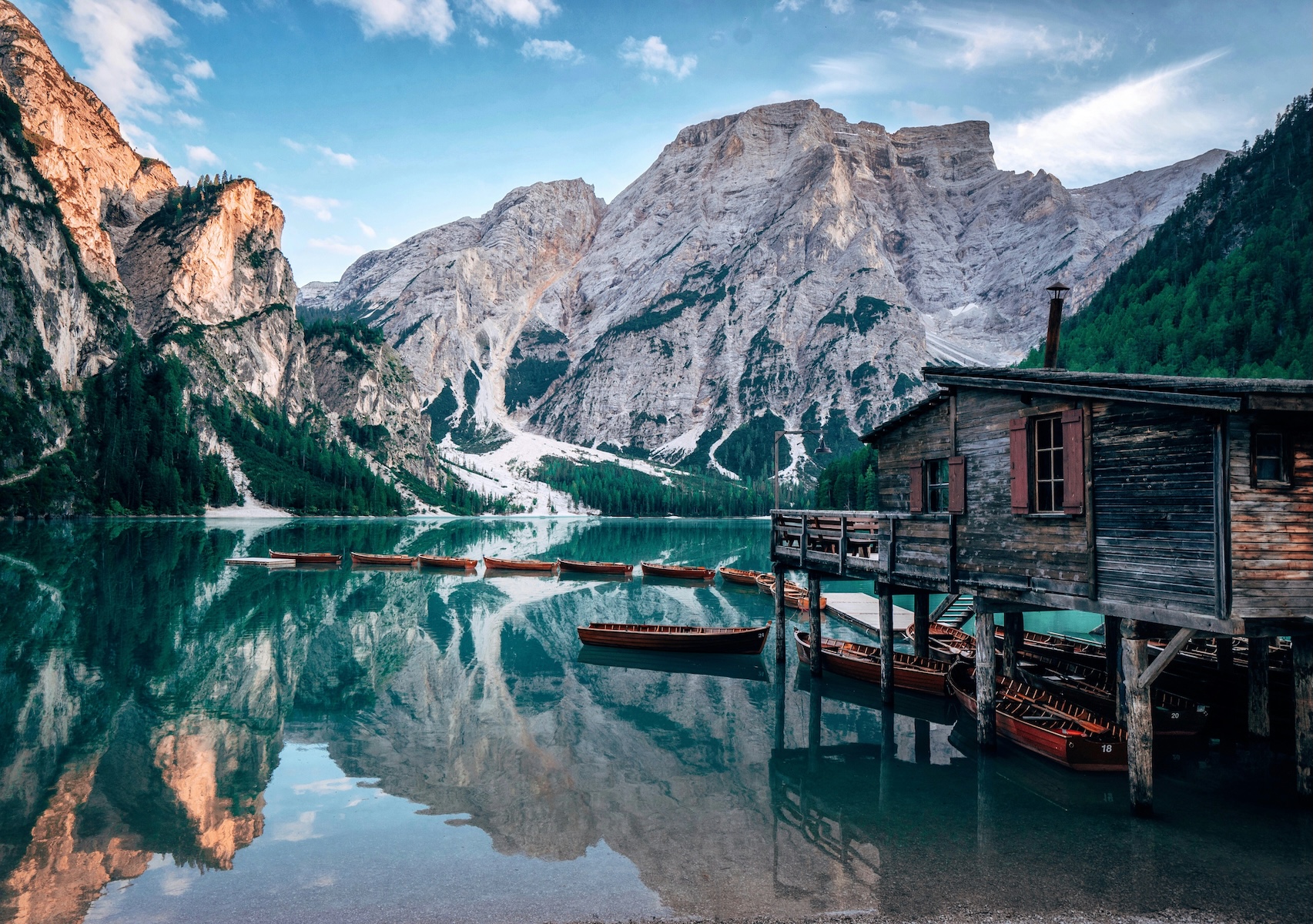
Far to the north, where Italy kisses the Austrian Alps, sits a region all its own. South Tyrol (Südtirol, or Alto Adige) is a chameleon of the Mediterranean and the Alps, where pasta meets Knödel, espresso flows beside Schnapps and snow-dusted Dolomite peaks give way to sun-warmed vineyards. We keep more than twenty-five design hotels, guesthouses and spa wonders up here, with some of Europe’s best spas and wellness retreats. Explore our South Tyrol Hotel Edit, or dive into the Ski destinations.
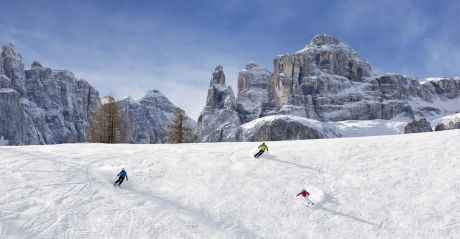
As The New York Times, The Guardian, and international travel sections begin to fill up with articles about winter getaways, we’re going to throw our recommendation into the mix. Tried and true, Alta Badia, on the border of Austria and Italy, offers unparalleled winter sports, relaxation, and cuisine.
read more
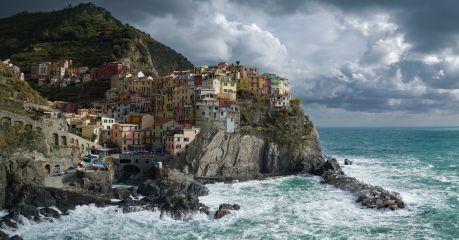
Cinque Terre in the Slow Lane – Ensconce yourself at a secluded retreat where the pleasures of slow living are championed in a peaceful and tradition-filled Ligurian way of life.
read more
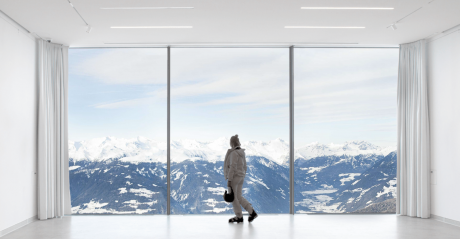
If you like your ski resort with a side serving of efficiency, you’ll love Kronplatz, also known as Plan de Corones, located in the breath-taking UNESCO World Heritage site of the Dolomites.
read more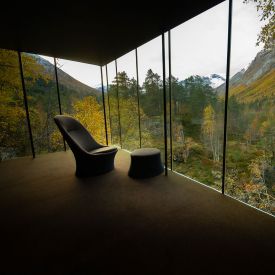
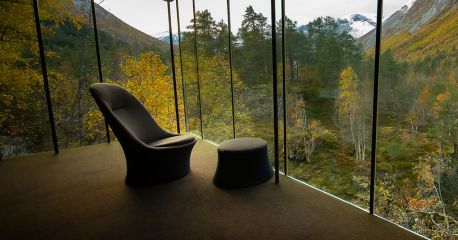
Where wilderness meets radical architecture, soulful stays and culture-led adventures – join us in chasing raw nature, good people and unapologetically beautiful escapes across the wild corners of the world.
read more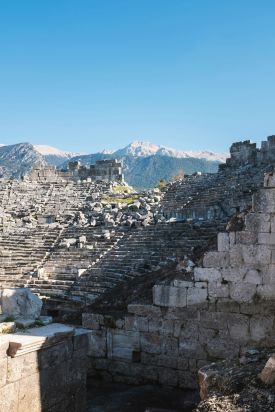
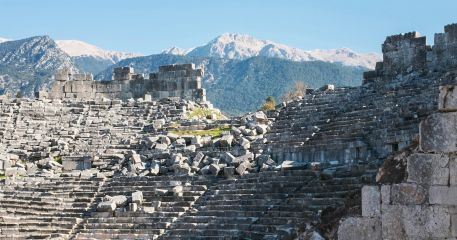
From the cliff-carved tombs of Tlos to the ghost village of Kayaköy, trace the soul of ancient Lycia along the Turkish Riviera’s sunlit coastline and mountain-framed archaeological wonders.
read more
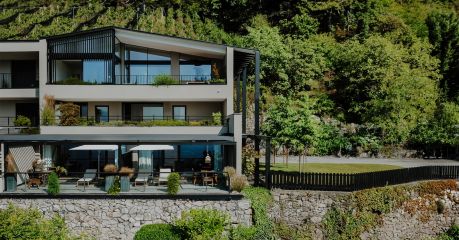
Fabulous holiday apartments with panoramic views and an interior palette that borrows from the surrounding beauty and captures the purity of nature with a modernist hand.
read more
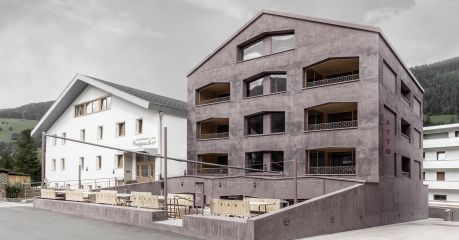
An architectural-statement, this minimalist hideaway in the Dolomites is the perfect basecamp for those who appreciate design, food, comfort and doorstep nature.
read more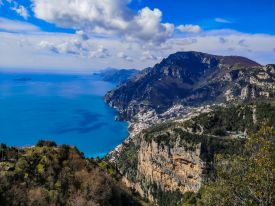
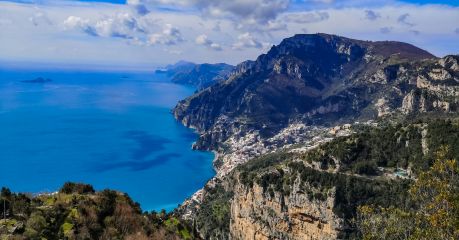
Amalfi and the Path of the Gods - Sentiero degli Dei is magical, an easy, two-hour amble for mortals like us, spy the Amalfi Coast’s breath-taking UNESCO World Heritage site in all its glory from a lofty, God-like height, tracking the path from Agerola’s Bomerano near Amalfi to Positano’s pause-worthy Nocelle.
read more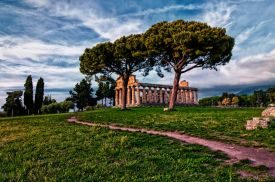
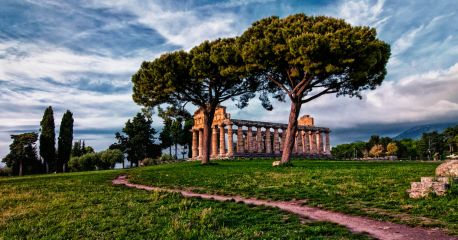
Paestum Temples in Southern Italy is one of those ancient antiquities that you have to visit – this UNESCO World Heritage Site in Cilento Campania is a treasure trove of ancient Greece including three of the world’s best-preserved temples.
read more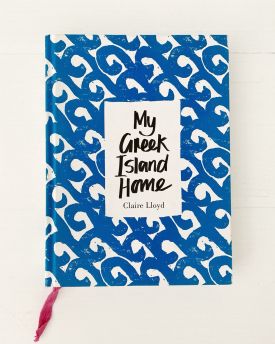
My Greek Island Home by Claire Lloyd is always out of the bookcase, an ever-present friend that tells the tale of falling in love with a Greek island and finding that a simpler life is not so bad after all.
read more
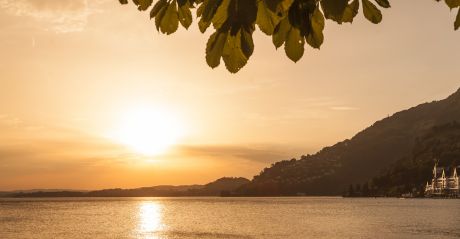
Meet the GOLD-BERGS, our Autumn line-up of Alpine Hotels dressed in the amber tones of Fall - from Italy, Austria, Germany and Switzerland – the scene is indeed magical, marking the start of the wonderful Alpine Indian Summer.
read more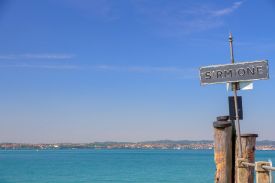
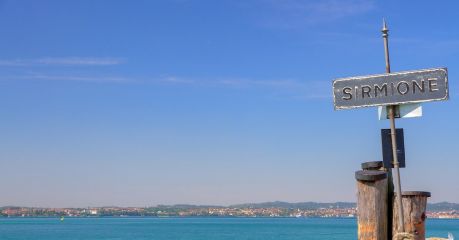
An absolute charm ball landmarked by pillars, arcaded colonnades from the Roman archaeological ruins of "Grotte di Catullo" to the 13th-century fortress, Scaligero Castle.
read more
Get the insider news and lowdown on what we've been up to, where we've been, and who we've met along the way. Be the first to discover new places and get the scoop on our favourites.