JOIN the AFICIONADOS
Get the insider news and lowdown on what we've been up to, where we've been, and who we've met along the way. Be the first to discover new places and get the scoop on our favourites.

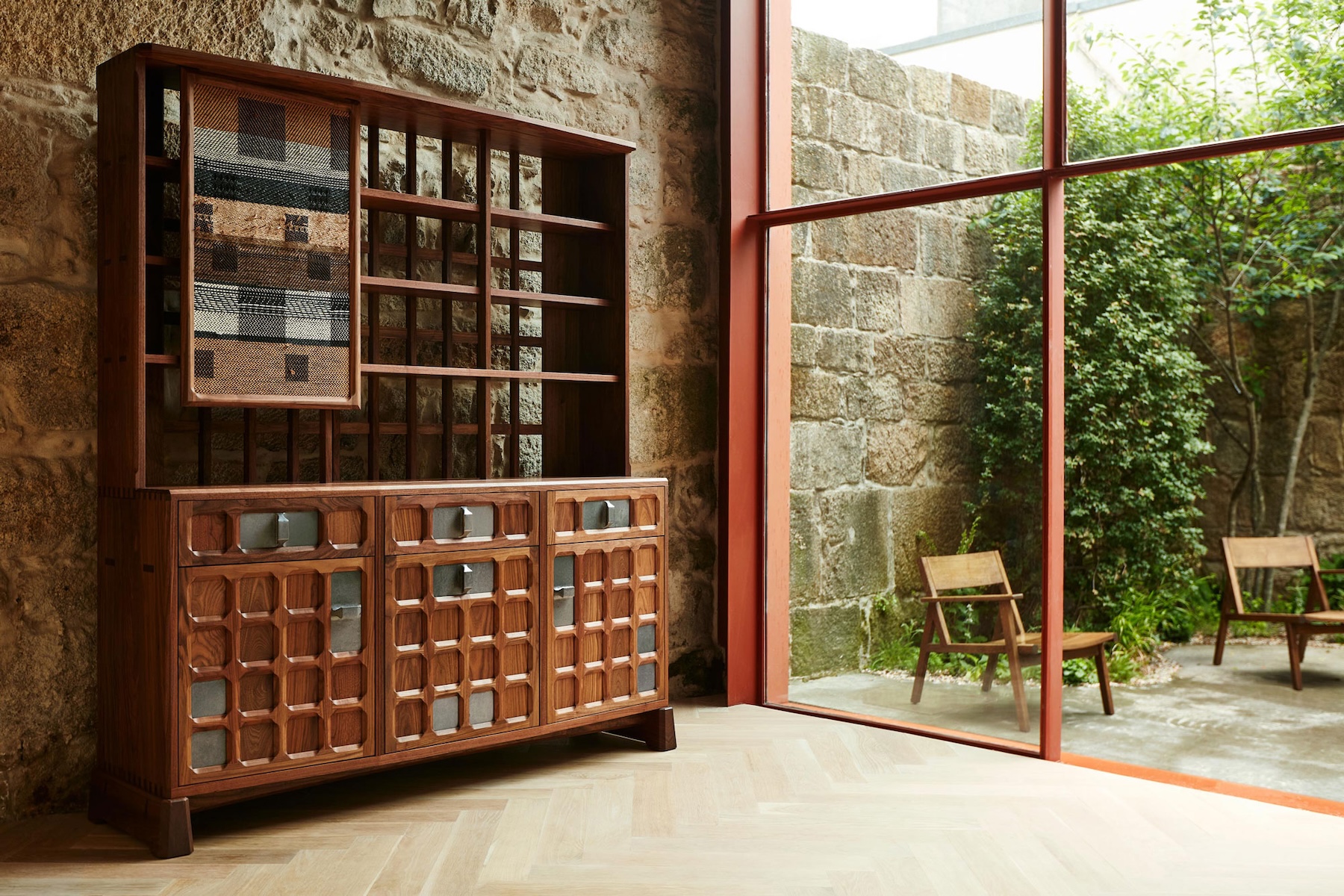
Walnut, ash and oak form the design dialogue with form, function and time. Thirty years on from a small workshop, De La Espada has become one of the world's most serious solid wood houses. Its founders on heartwood, repair, and why the silhouette was never the design.
De La Espada makes solid wood furniture to a hundred-year standard. Founded in 1993 by Fatima De La Espada and Luis De Oliveira, partners in life as well as work, the house combines generations-old joinery with research-led contemporary design, and does almost all of it under one roof at a solar-powered workshop on Portugal's Silver Coast.
The belief is simple to state and difficult to live by. Furniture should last a century. Everything else follows.
The origin story is unglamorous, which is part of its appeal. De Oliveira, born in Porto, and De La Espada, from Madrid, met while studying civil engineering in London. Neither came out of a design school. A relative had started a small construction business doing carpentry for a house, the couple joined it after university, and when the Spanish property market turned in the 1990s they moved into custom furniture to survive. From there they began making their own line, designed and built in-house, and opened their first London store in 1996, at a moment when the city had comparatively little quality contemporary furniture to buy.
The early aesthetic drew on the Arts and Crafts movement, on Tadao Ando, Luis Barragán, John Pawson and Álvaro Siza, and on Scandinavian design of the 1950s. The method was narrower still: pared-back modern forms made with traditional woodworking and very little else, mostly fabric and the occasional piece of glass.
Production moved to Portugal in 2005. Then, in 2007, the business turned. They closed their own shops in favour of a retail network, and began partnering with designers rather than only designing themselves. That decision is the hinge of the whole company. Everything the house is known for now sits on the far side of it.
The hundred-year standard is not an aspiration the company grew into. It is a working brief, and the founders describe it as something they can verify rather than promise.
"We are fortunate as we have generations of craft expertise to draw from. When we look at products from 100 years ago, we have clear evidence of how materials age and how joinery holds over long periods of time. We apply this wisdom to our products, choosing materials, finishes, and construction methods that we know will stand the test of time."
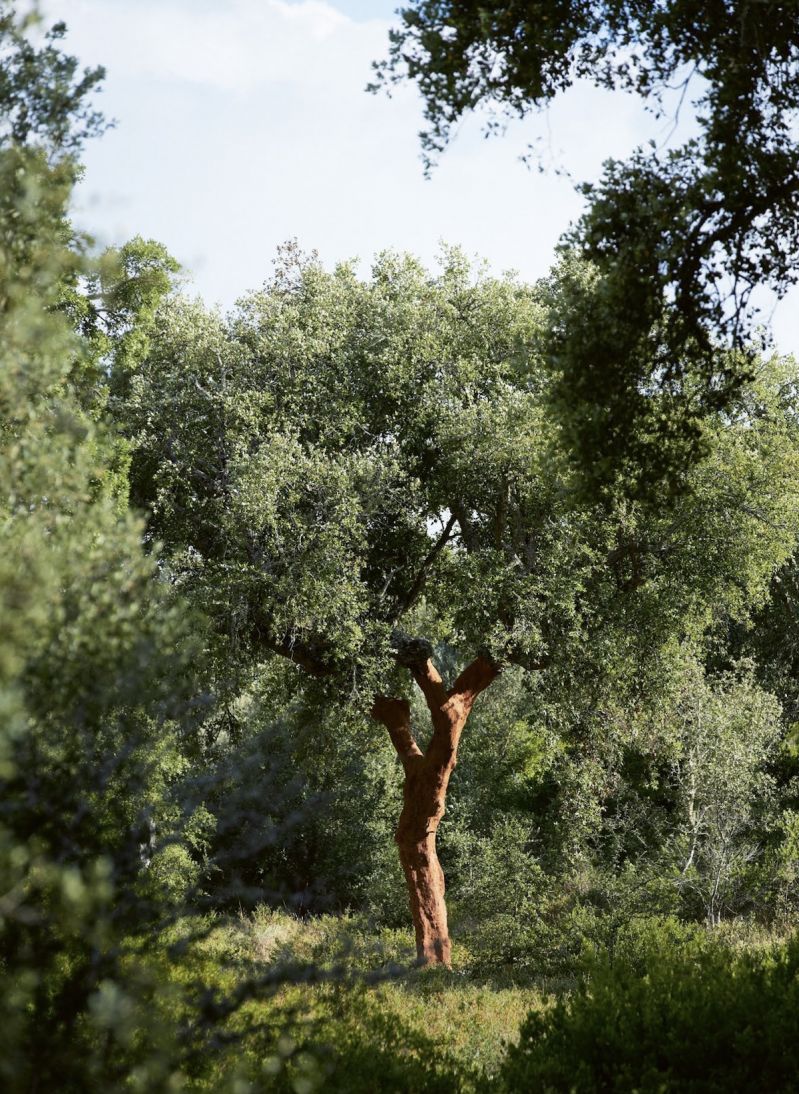
The arithmetic behind it is unusually concrete. A hundred years is roughly how long a walnut, oak or ash tree needs to grow and replace the one felled to make the furniture, and the house builds its entire sustainability case on that arithmetic. It is also long enough that most pieces will outlive the people who made them, which changes what durability has to mean. Lasting is not the same as surviving contact with a life.
"Repairability is key, as the unexpected happens in daily life. Furniture gets knocked or stained, and if a product has become part of the user's story, if it holds their memories, they want to maintain and restore it. So repairability is always part of the design process."
There is a third condition, and it is the one most manufacturers leave out of the sustainability conversation entirely. A piece only lasts a century if somebody still wants it.
"Of course aesthetics play an important role: a product must remain visually relevant over time, so the user wants to keep it and the next generation wants to inherit it."
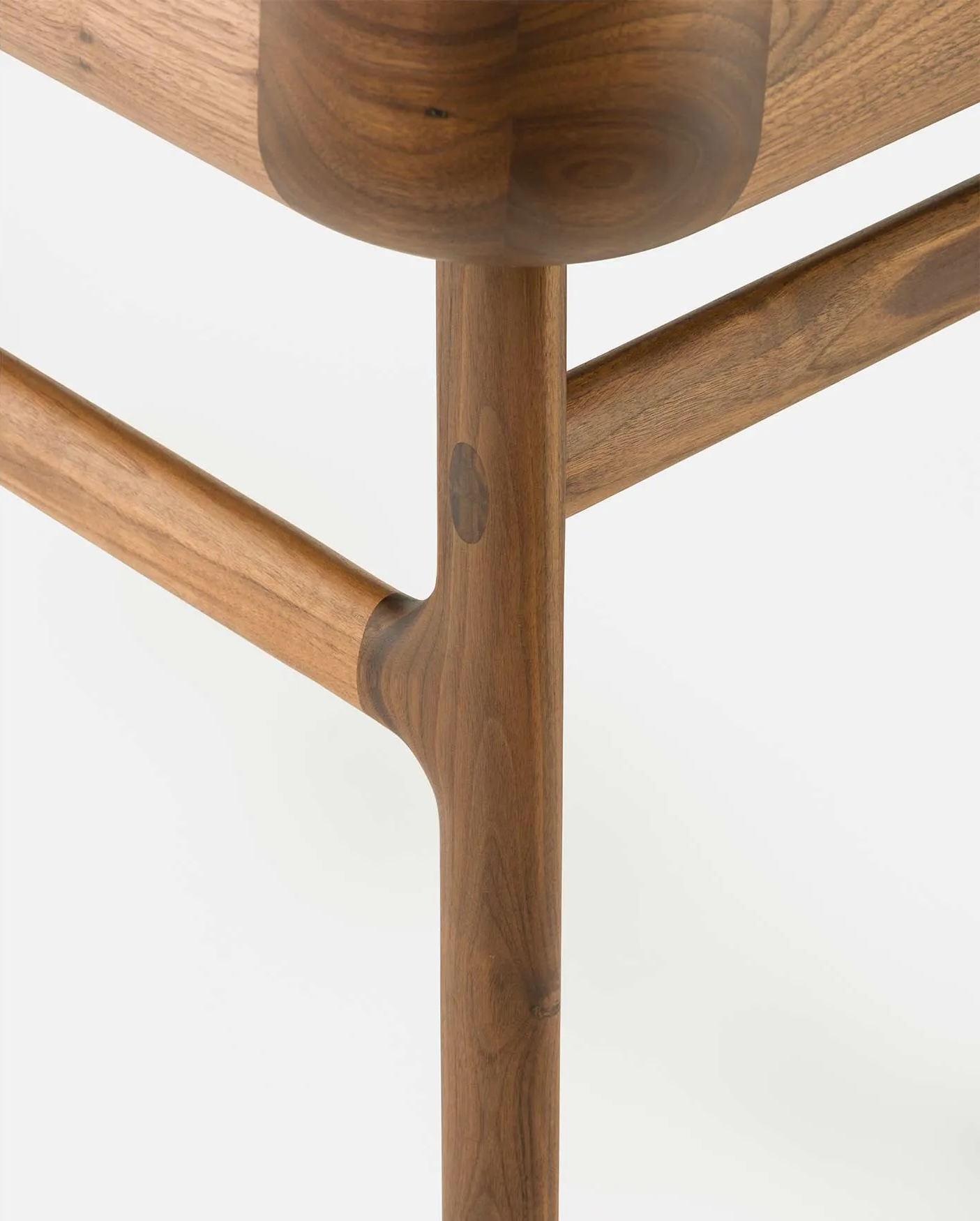
This is why the house works in mortise and tenon, lap joints, wedge tenon and dovetail, and why it treats solid wood's restlessness as character rather than fault. Wood is hygroscopic. It absorbs and expels moisture to reach equilibrium with the air around it, swelling and contracting for its whole life. Fissures and end checks are described by the company as a badge of honour. Customers are advised to buy a hygrometer.
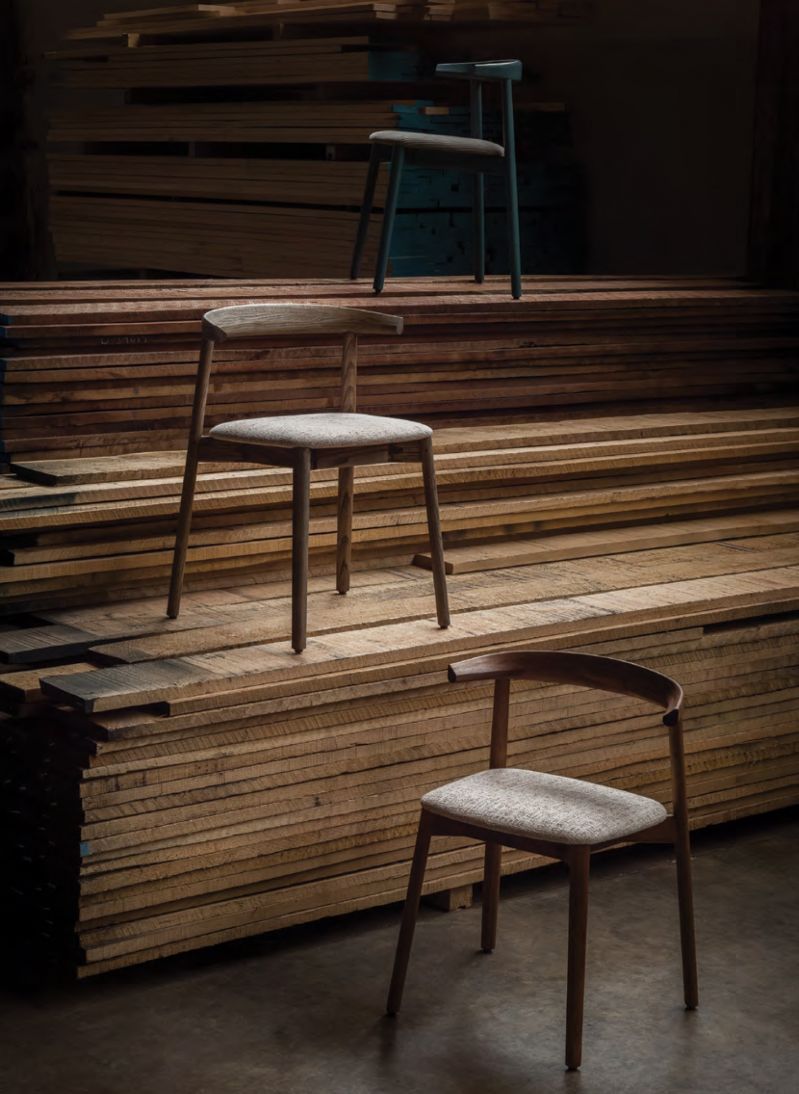
Ask about timber and the answer turns specific fast. The house keeps a long essay on the behaviour of solid wood on its own site, and the thinking in it runs through every piece it makes. Each species carries its own grammar: walnut fluid in the grain, oak linear, with a tendency to open small fissures over time that the house counts as an asset rather than a flaw.
Then there is a detail that reframes how you look at every walnut table you have ever seen.
"One thing people might not realise is that the walnut tree is small and the deep brown colour associated with it is only present in the heartwood; the surrounding 'sap wood' is blond. We use only the heartwood in our products, which increases the rarity of these planks."
That is the cost of the material stated plainly. The colour people buy walnut for occupies only the core of an already small tree, and everything around it is the wrong colour for the job. Scarcity is not a marketing position here. It is a function of where in the trunk the brown stops.
What happens next is a matter of judgement no machine can make.
"The grain tells the story of the life of the tree, and brings individuality to every product we make. Our craftspeople choose the planks that look most beautiful together, considering the flow of the grain and colour across the three-dimensional form, adding another layer of expression to each product."
A piece acquires much of its final character in that moment of selection, before a single joint is cut.
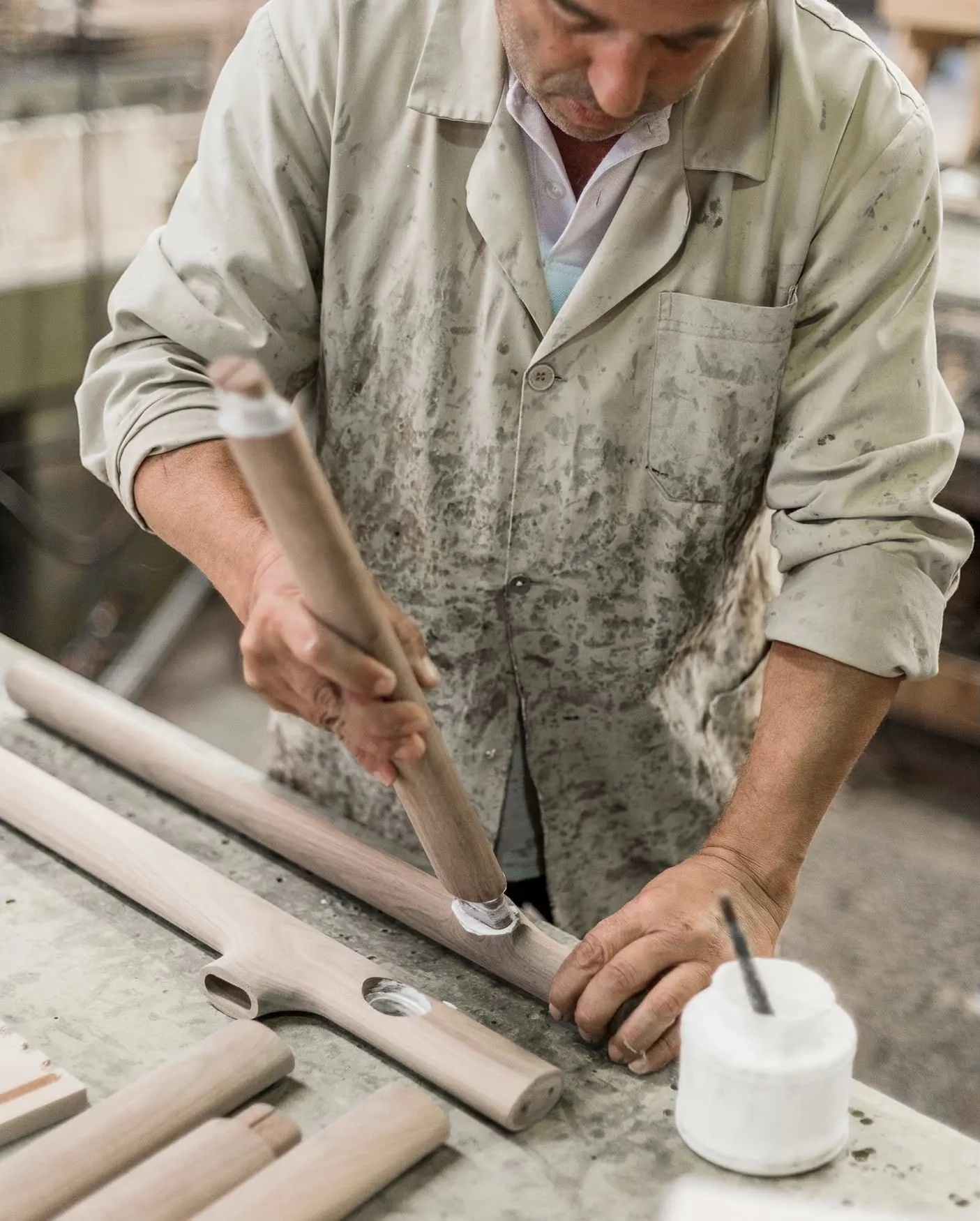
The factory at Mira is unusual, and the house knows it. Around a hundred people work there. Craftspeople, product engineers and designers share the same floor, solving problems in real time rather than across a supply chain by email. Woodworking and upholstery are done in-house, and almost every other material is made within 150 kilometres.
The founders are direct about what that proximity buys.
"Working closely together means we are not limited by what has been done before. We can combine expertise to innovate, to push the boundaries of what is possible, and we can do this smoothly, efficiently. Our workshop is a centre of creativity, and it is our creativity combined with our craft that makes us who we are."
The Portuguese call it saber fazer, the local equivalent of savoir faire. In practice it means CNC machinery for precision in repeated operations and hands for everything requiring judgement: which planks to select, how to work a particular cut for maximum strength, which grains sit well beside each other.
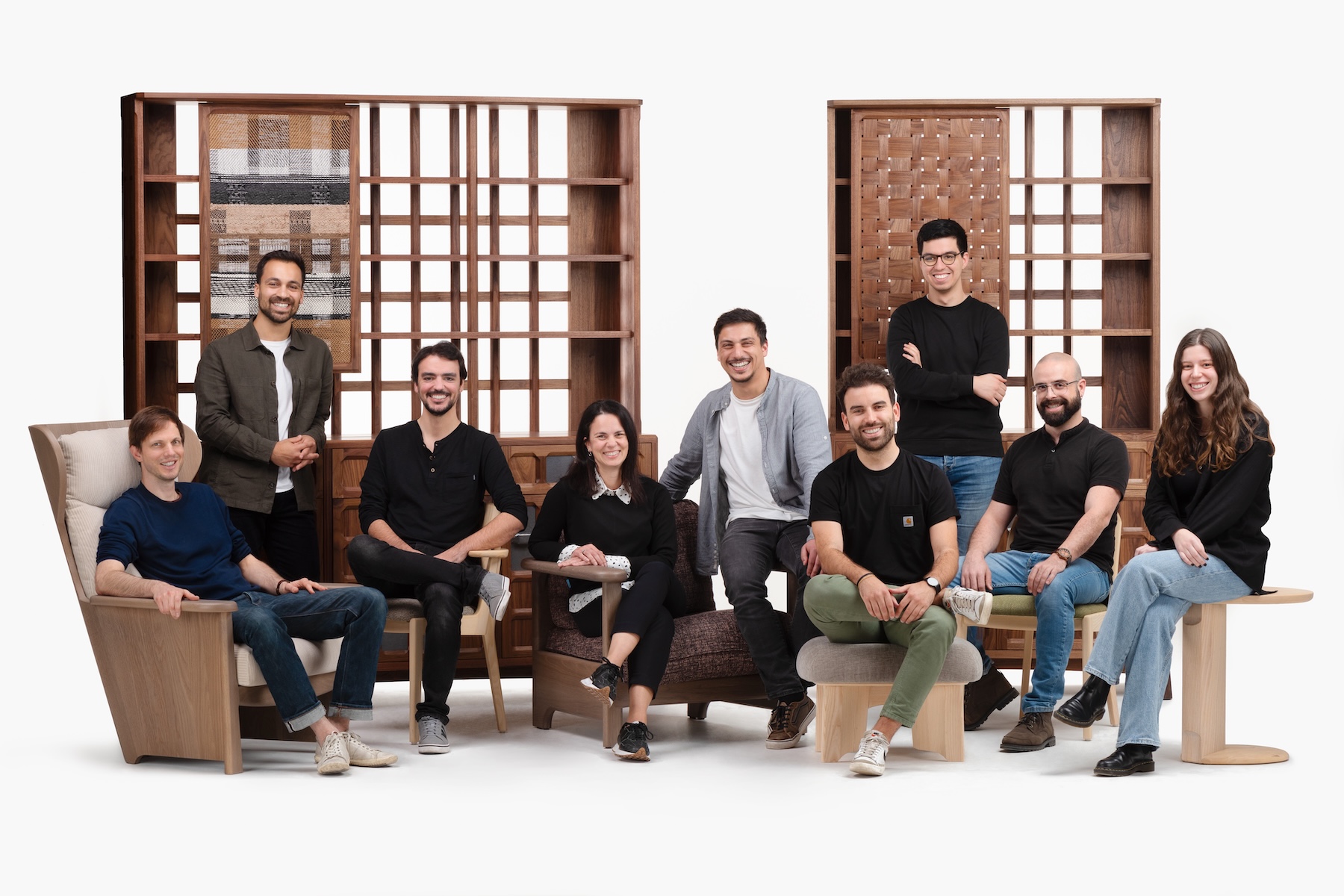
Rather than commissioning single products, De La Espada gives each design partner a full line. There are nine, plus the in-house studio, De La Espada Atelier, led by Simon Kämpfer.
The roll-call reads like a map of contemporary design thinking. Neri&Hu in Shanghai, whose Frame Sofa works through the architectural idea of tectonics, and who chose Portugal because they judged it the best craft they had seen. Matthew Hilton, four decades in, and his Light Table, an exercise in what he calls impossible lightness. Luca Nichetto between Venice and Stockholm, with the Elysia Lounge Chair. Studioilse and the Settle, rooted in tradition and the nature of togetherness. Manuel Aires Mateus and Bed One, built from exceptionally wide planks of Douglas fir in a deceptively simple form. Autoban's Throne seating from Istanbul, a relationship reaching back to 2007. Jason Miller's Elliot Dining Chair from Brooklyn. Anthony Guerrée's sculptural Vega chairs. The Atelier's own Twenty-Five Dining Table, which folds traditional Portuguese craft into a piece obsessed with how it feels under the hand.
Nine authorial voices could easily become a catalogue. The house argues that the common ground is not stylistic.
"We choose our partners carefully and only work with those with shared values. With mutual admiration for one another's work, we create products that harness the unique talents and vision of both partners. Every product is rooted in De La Espada craft, materiality and attention to detail; this makes it easy to combine products from across our design partners and still achieve a cohesive interior."
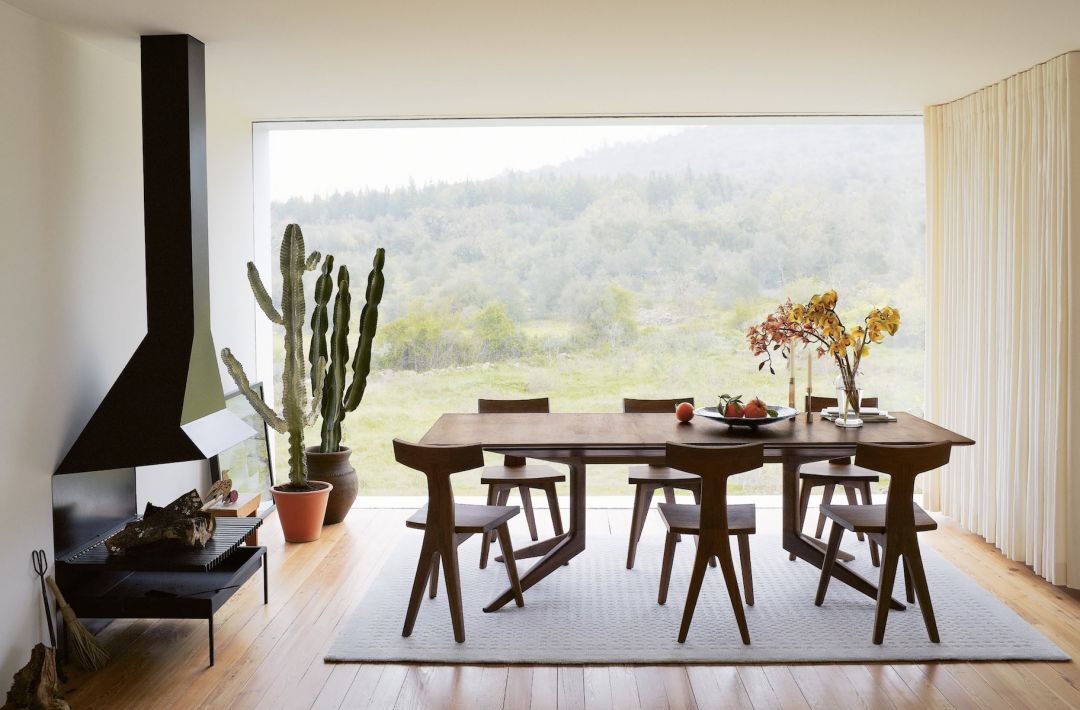
Most furniture sold as wood is veneer or composite. De La Espada has spent thirty years on the other side of that line, which creates a commercial difficulty: the things that justify the price are precisely the things a screen cannot transmit. The company's position is that a design cannot simply be copied and made cheaper, because the silhouette was never the design. That argument is hard to win in an image feed.
"Our photography captures many of the details that make our products special. We show the texture, the grain variations, the joinery, the complex curves, the stitching. We capture the process of making. We tell the stories behind the pieces. All of this helps the client to understand the depth of what goes into every product and brings each alive much more than a simple photograph. Still, experiencing the pieces in the flesh has a significant impact, allowing the sensory and emotional power of the products to be felt."
Hence the retail network built after 2007, and hence the care taken over who is in it.
"Our global retail network consists of carefully chosen partners who present our products to their audience through their own creative lens. There is always alignment as well as an approach to interiors that is unique to them. Point-of-view is important when working in interiors; it creates connection and allows the client to understand the possibilities on a deeper level."
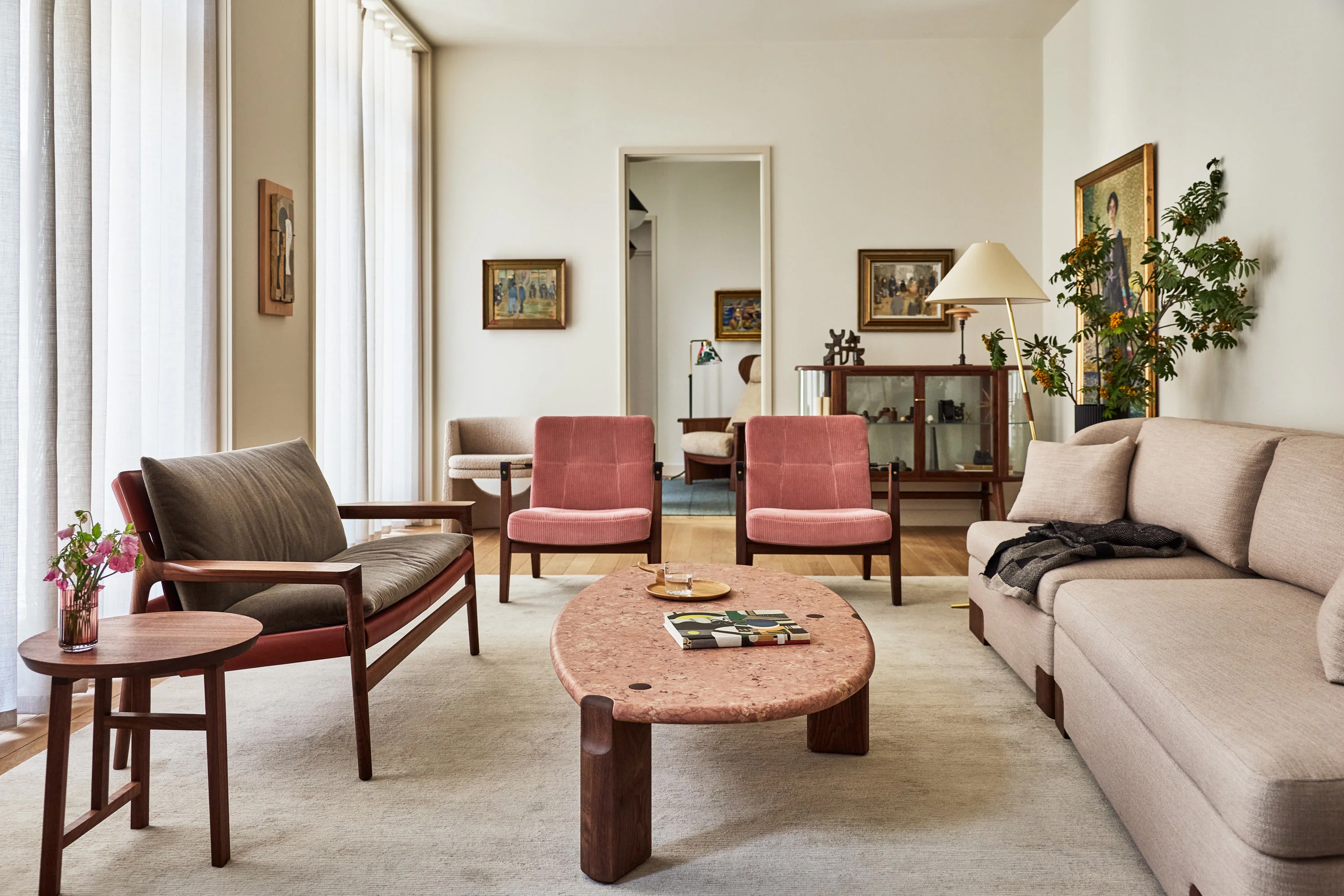
The newest chapter is domestic. De La Espada has opened a townhouse in St John's Wood, partially open now and fully open from summer 2026. It is a private, invitation-only space rather than a shop. It opened with A Year in the Life of De La Espada, seven products standing for seven exhibitions across 2025, and it looks toward the thirtieth anniversary of that first London store.
There is a symmetry in it. A company that closed its own shops in 2007 has returned to London with a house rather than a storefront.
"At De La Espada, we have our own point-of-view, our own vision of interiors that is unique to us. And it is important to us that we invite others into this world, expressing on both a practical and an emotional level what our products can bring to a space."
The Silver Coast operation now sits at the centre of a wider set of commitments. The house works with small Portuguese workshops across other disciplines: Fabricaal and its hand-operated looms, Toino Abel and the river rush used in traditional basketmaking, Sela Lusitana and its saddles, ceramicists including Teresa Branco and Viúva Lamego. It backs Passa Ao Futuro, the non-profit dedicated to passing artisanal skills to a younger generation, and supports Lisbon Design Week and Lisbon by Design. It has opened Galeria De La Espada in Porto, given over to contemporary craft.
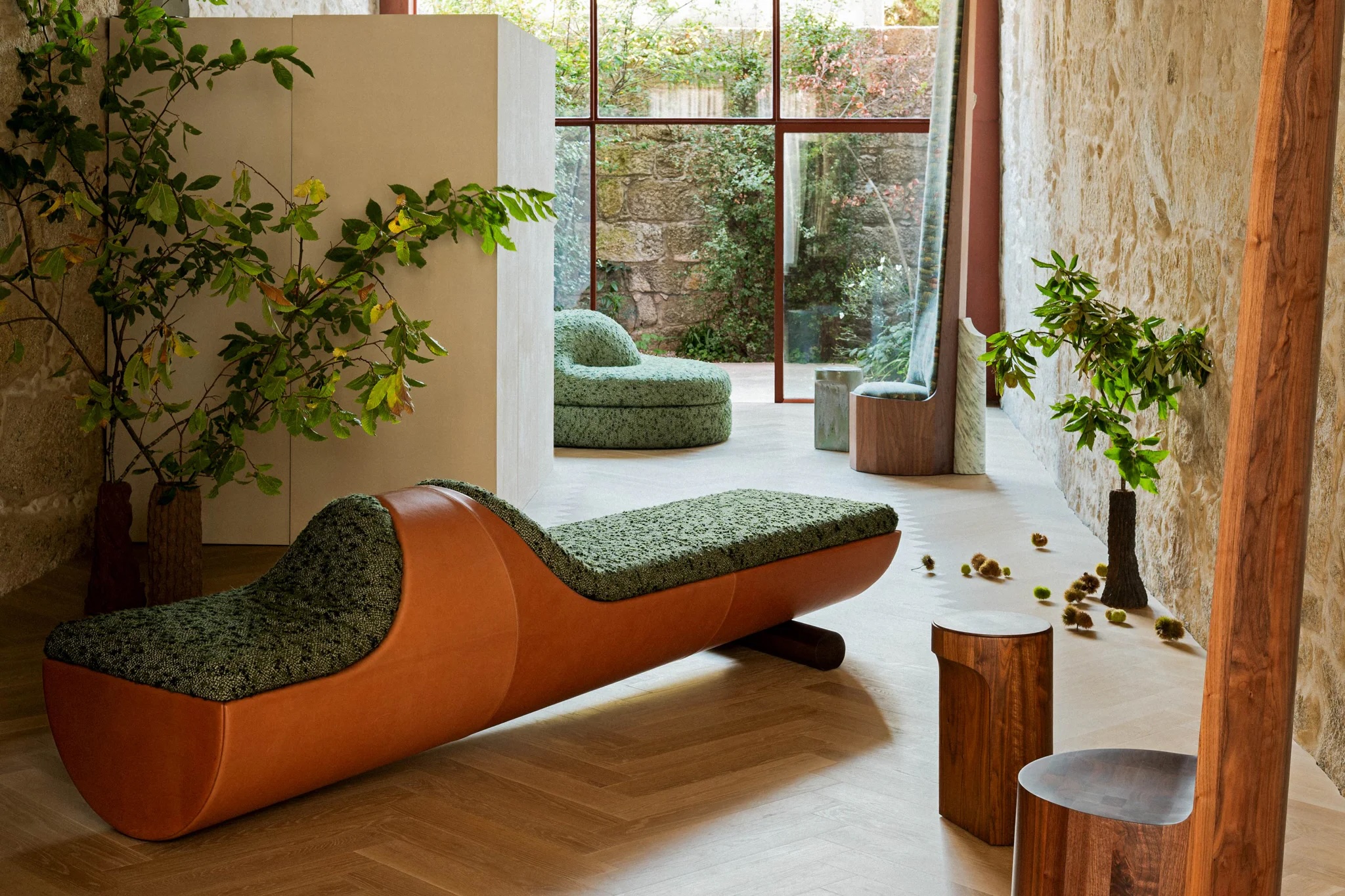
The most recent expression of that curiosity is Ensemble, six seating propositions developed by Lisbon-based French designer Sam Baron with eight members of the Atelier and shown at Lisbon by Design in the nineteenth-century Palacete Gomes Freire. Sculptural chairs and stools, an unconventional daybed, an organic sofa, worked in Danish oiled walnut, glazed ceramic, Verde Viana marble and saddle leather, each design limited to twenty units. It is the house's first venture into collectible design, framed as protecting the spirit of the small workshop rather than departing from it.
It is a great deal of effort for a company that could simply sell furniture. Asked what the argument is, the founders do not reach for the commercial answer.
"We were never interested in merely selling furniture. For us, design and craft is much bigger than this. It's about connection. It is about capturing cherished memories in the objects around us. It is valuing the time, skill, and contributions of people who have dedicated their lives to creative endeavours. De La Espada is the poetry, the romance, and the objects with meaning that we all want to find in our homes."
For those who value design as both art and utility, it continues to shape furniture that is grounded, generous and rare.


De La Espada leads a new era of collectible design and cultural craft. Explore their collaborations with Sam Baron, Anthony Guerrée and more, rooted in Portuguese savoir faire.
read more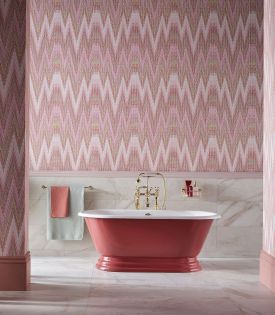
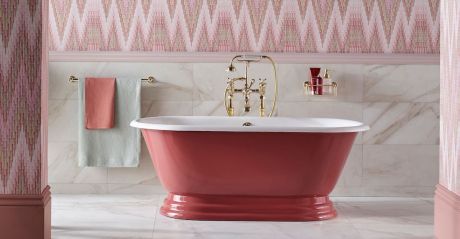
Set up in the 1980s, by Drummond Shaw, the company began as a vintage salvage company, restoring old rolltop baths to a characterful beauty, perfect for upmarket interiors and of course, indulgent deep soaks.
read more
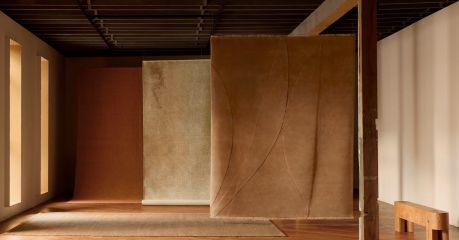
A Barcelona artist. Master weavers in India. A process the rug world has never seen before. Armadillo's Gaia collection exists somewhere between craft and fine art.
read more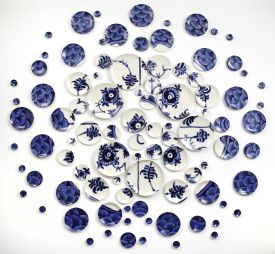
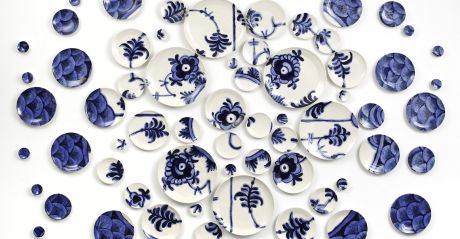
A city of effortless cool & pioneering Scandi design Copenhagen has long been at the heart of the world’s ceramics stage, from practical to the performative.
read more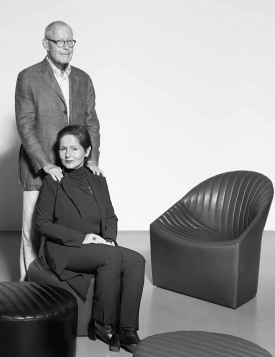
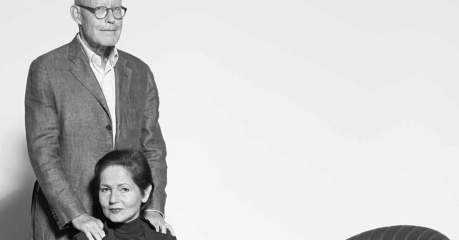
Cult furniture brand Wittmann has accumulated a distinctive mark over four generations, working with Austrian and international designers and architects, from Josef Hoffmann and Friedrich Kiesler to Matteo Thun and Edward B.Tuttle.
read more
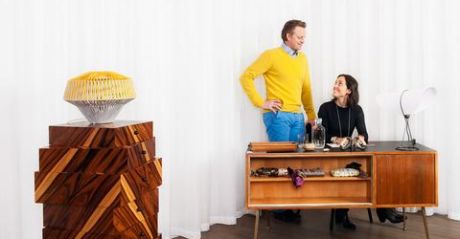
The Trubrigs have a trained curatorial eye when it comes to sourcing both the established and the new-comers in design. The couples' strong bonds with creative talent and influential designers of the day have fostered the relationships to be always one step ahead of the curve.
read more
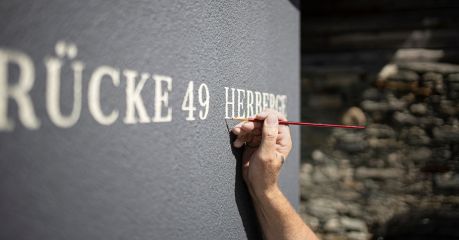
Ruth’s original manifesto to listen to what the house wanted to be has served her well. Reinvented for the curious traveller, Brücke 49 has been welcoming guests for nearly a decade.
read more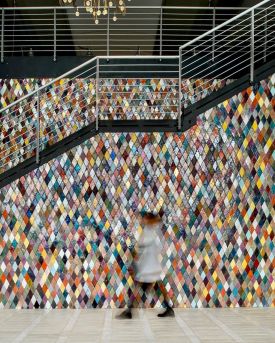
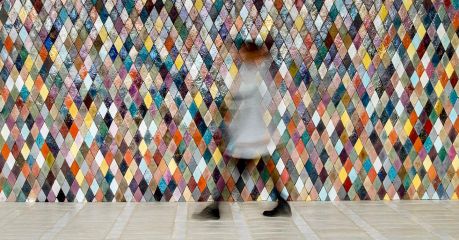
Maverick Creative Director Simone Giottoli was the genius behind the idea to reinvigorate the market for handmade Etruscan tiles. Over twenty years ago, Giottoli began extensive research in ancient kilns, centuries-old productions and the restoration of an old stone kiln, which would be the starting point for the authentic recreation of tile-making.
read more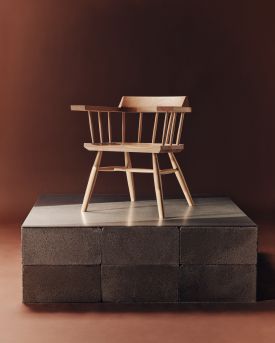
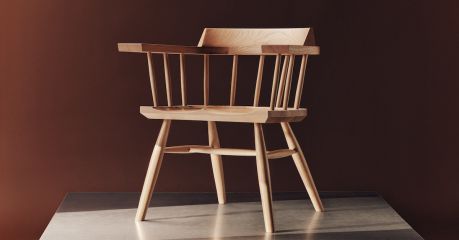
Forget folklore. This is Welsh design unplugged — raw, sharp, hand-cut and fire-warmed. The Carn Collection carves craft into culture and tradition into tomorrow.
read more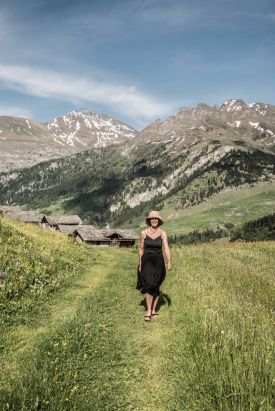
Explore the interiors of Ruth Kramer, designer of Brücke 49 in Switzerland, where soft minimalism, tactile materials and Scandinavian clarity come together in spaces shaped by heritage, intuition and place.
read more

Roberta Licini transforms the humble blanket into a canvas of memory, warmth and graphic rhythm — where colour, texture and time-worn craft converge in quietly radical, deeply tactile design.
read more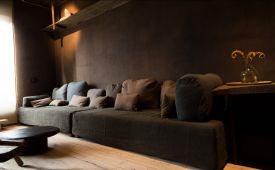
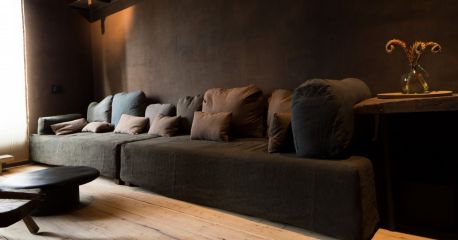
Pantone's Mocha Mousse leads the colour charge, guiding us from St Anton to Venice and the Beskydy hills, where hotels, designers and makers shape chocolate-toned interiors with warmth, craft and seduction.
read more
Get the insider news and lowdown on what we've been up to, where we've been, and who we've met along the way. Be the first to discover new places and get the scoop on our favourites.