JOIN the AFICIONADOS
Get the insider news and lowdown on what we've been up to, where we've been, and who we've met along the way. Be the first to discover new places and get the scoop on our favourites.

Lime paint begins as stone and, given time on a wall, becomes stone once more. Bronwyn and Andreas Riedel have built a family business on that old chemistry, from a Fremantle bakehouse to a manor in Saxony.
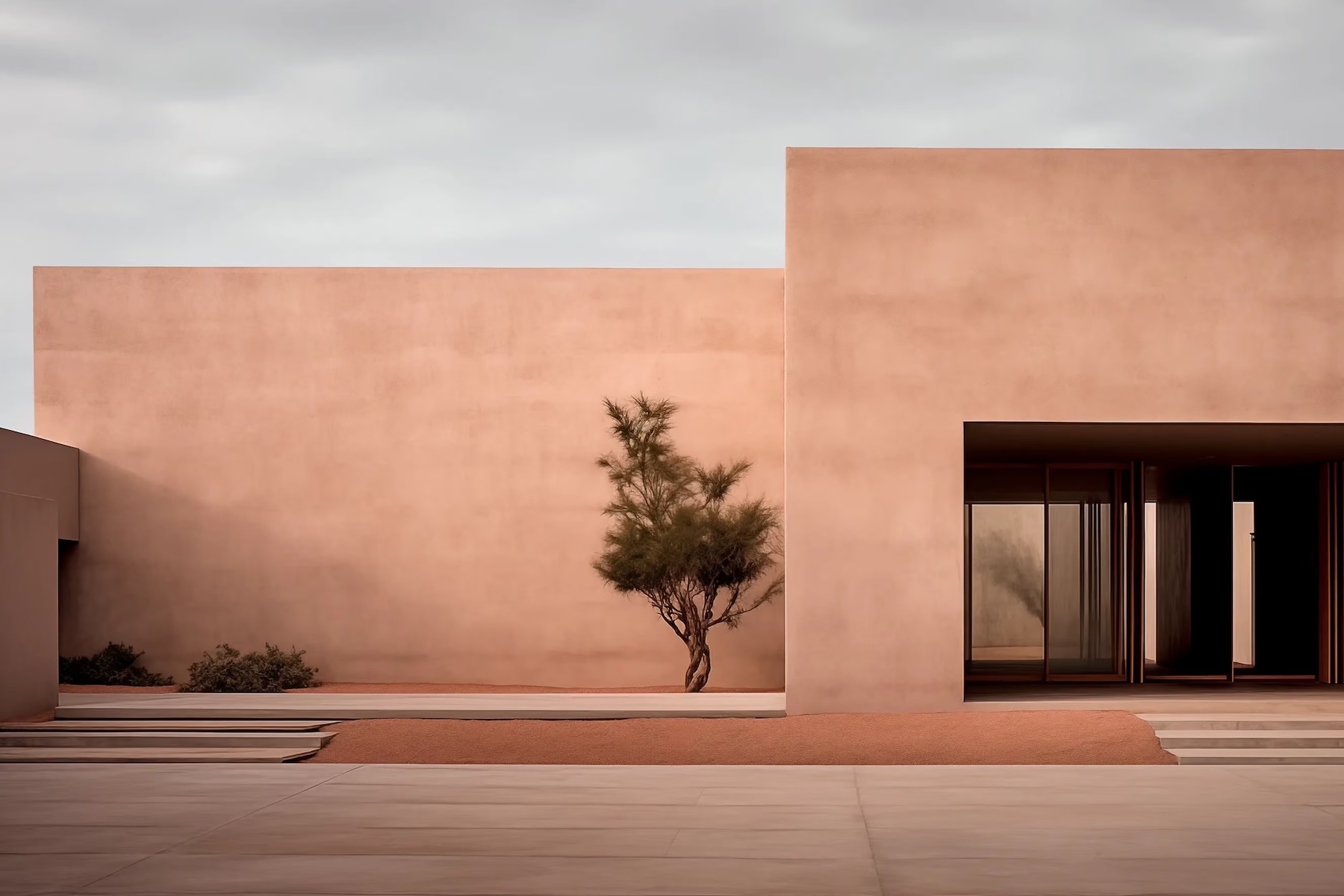
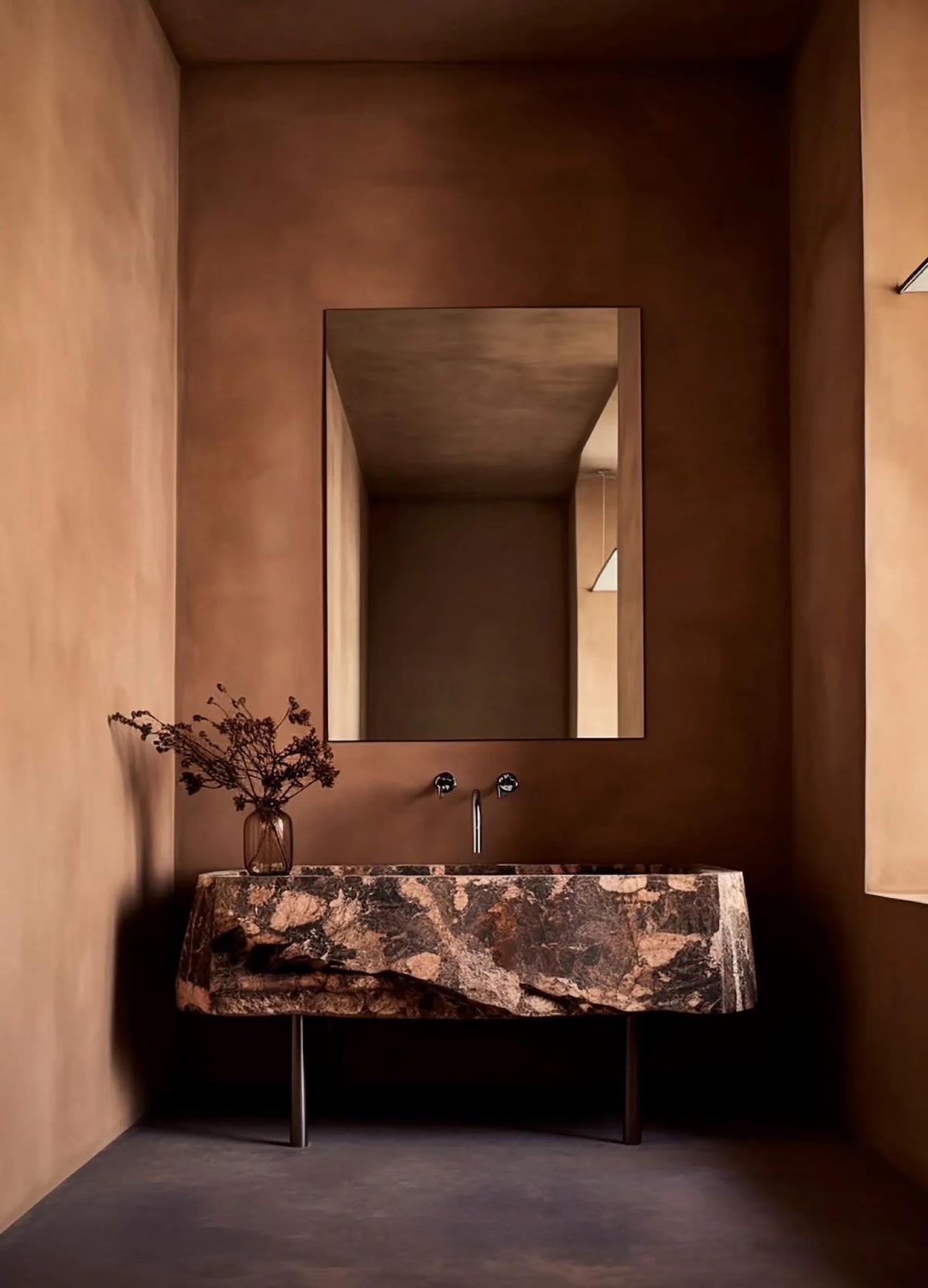
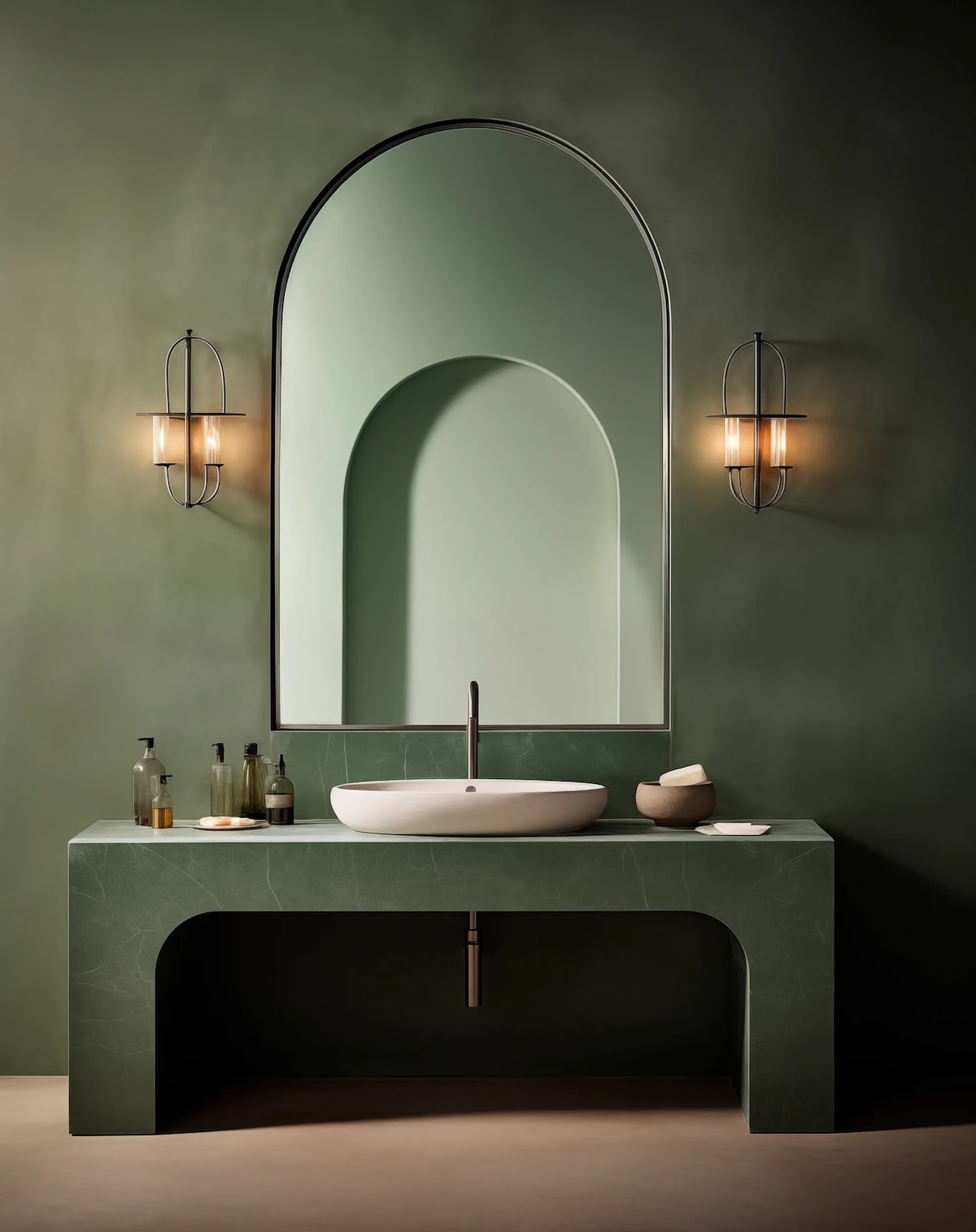
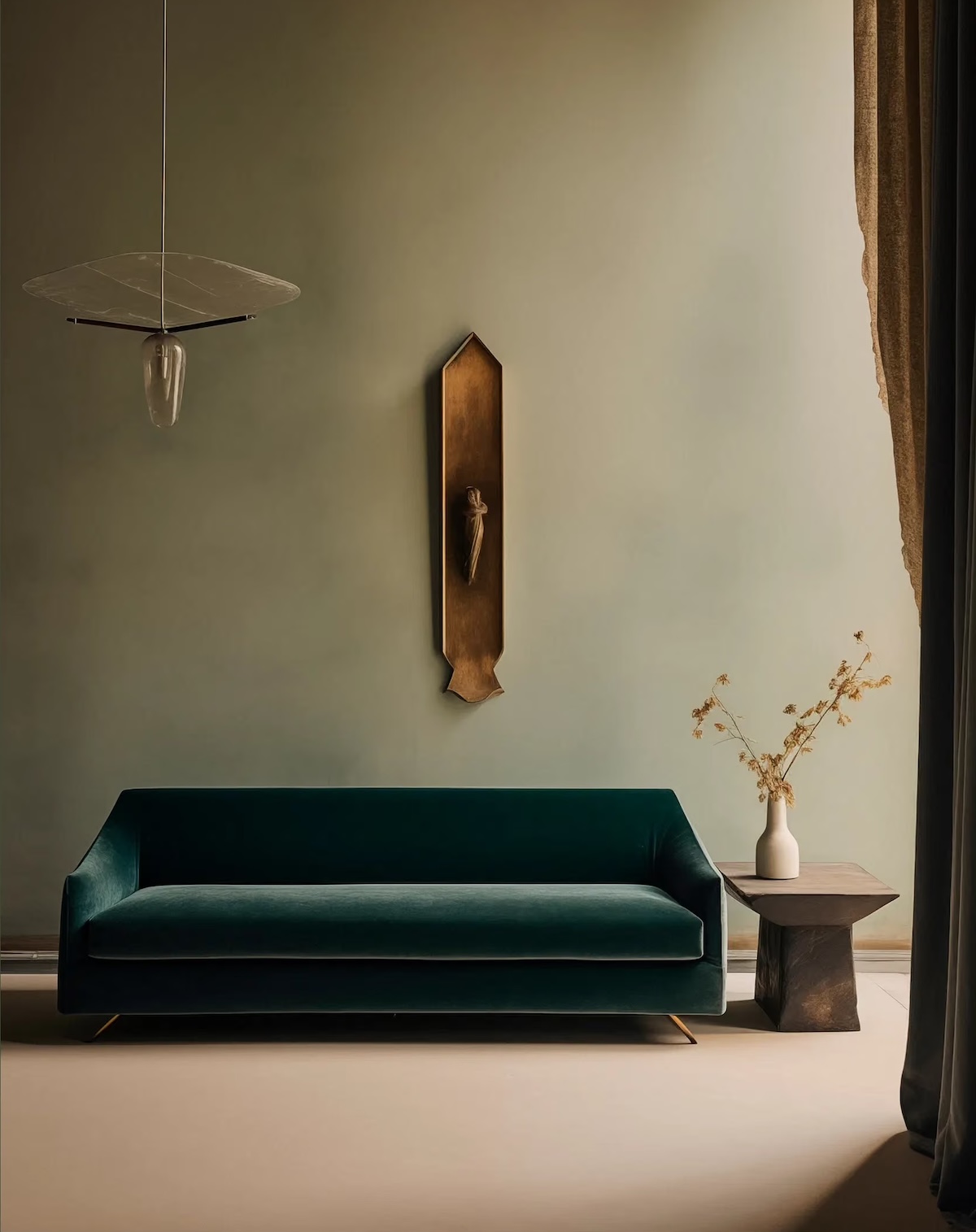
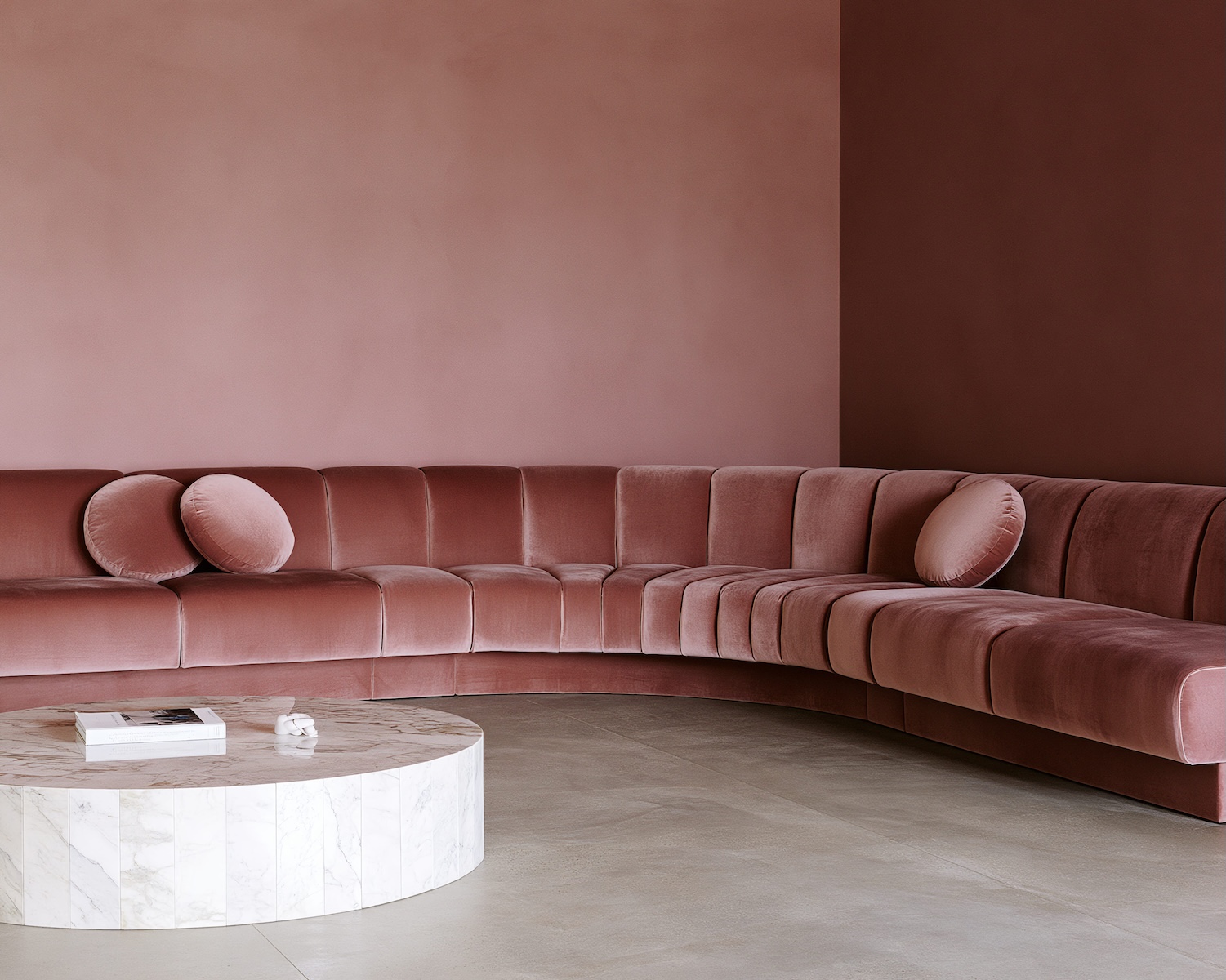
Every wall finished in Bauwerk Colour ends where it began. The paint starts life as calcium carbonate, which in this case began as sea shells; heated, slaked and aged into lime putty, it is brushed on, draws carbon dioxide from the air and slowly reverts to calcium carbonate. The company's shorthand for the cycle is four words: stone, fire, water, air. It is chemistry the Romans would have recognised, and it accounts for the look of a limewashed room: soft, faintly clouded, mineral, the colour shifting through the day as the light moves round.
The two people behind it came to lime from opposite hemispheres. Andreas Riedel grew up near Dresden in the former East Germany, emigrated to Australia and ran a building firm restoring historic buildings. On site he kept noticing the same thing: modern coatings failing on old walls while the lime beneath, applied before the 1950s, had held. He was already mixing his own lime paints for his restorations. Bronwyn grew up on a sheep farm in Victoria's Great Dividing Range, "totally immersed in the colours of nature", went on to run a textile business producing hand-painted fabrics, and taught colour theory. They met in Perth.
Bauwerk, German for building, "did not begin as a 'paint brand'". In South Fremantle the Riedels bought a former bakery near the harbour, set a showroom at street level and, to bring people through the door, opened a café, which won a Mietta Award within its first year. Their lime putty came from a family who had emigrated from Yugoslavia and still burned lime in a wood-fired kiln, and it was left to age at length, since, in the founders' words, "like a good wine, it simply gets better the longer it is allowed to hydrate." Pigments were tested against the Western Australian sun and the alkalinity of lime, and an early rule has never been relaxed: "Only natural pigments should be added, pure and simple."
Western Australia is a long way from most places, so the couple cast about for work further afield. A 1.5-metre stand at the BIG5 expo in Dubai, showing little more than a looped video of Australian projects, led to a first commission in Saudi Arabia, then to a render factory in Riyadh and projects in Qatar, Kuwait and Dubai. In 2009 they bought an abandoned manor in the north Saxon countryside, a former water castle with a great plane tree in front, empty for over two decades and without water, electricity or heating. Two barns beside it, built in 1735, now house production. The UK became Bauwerk's first European branch and is still its strongest market in Europe.
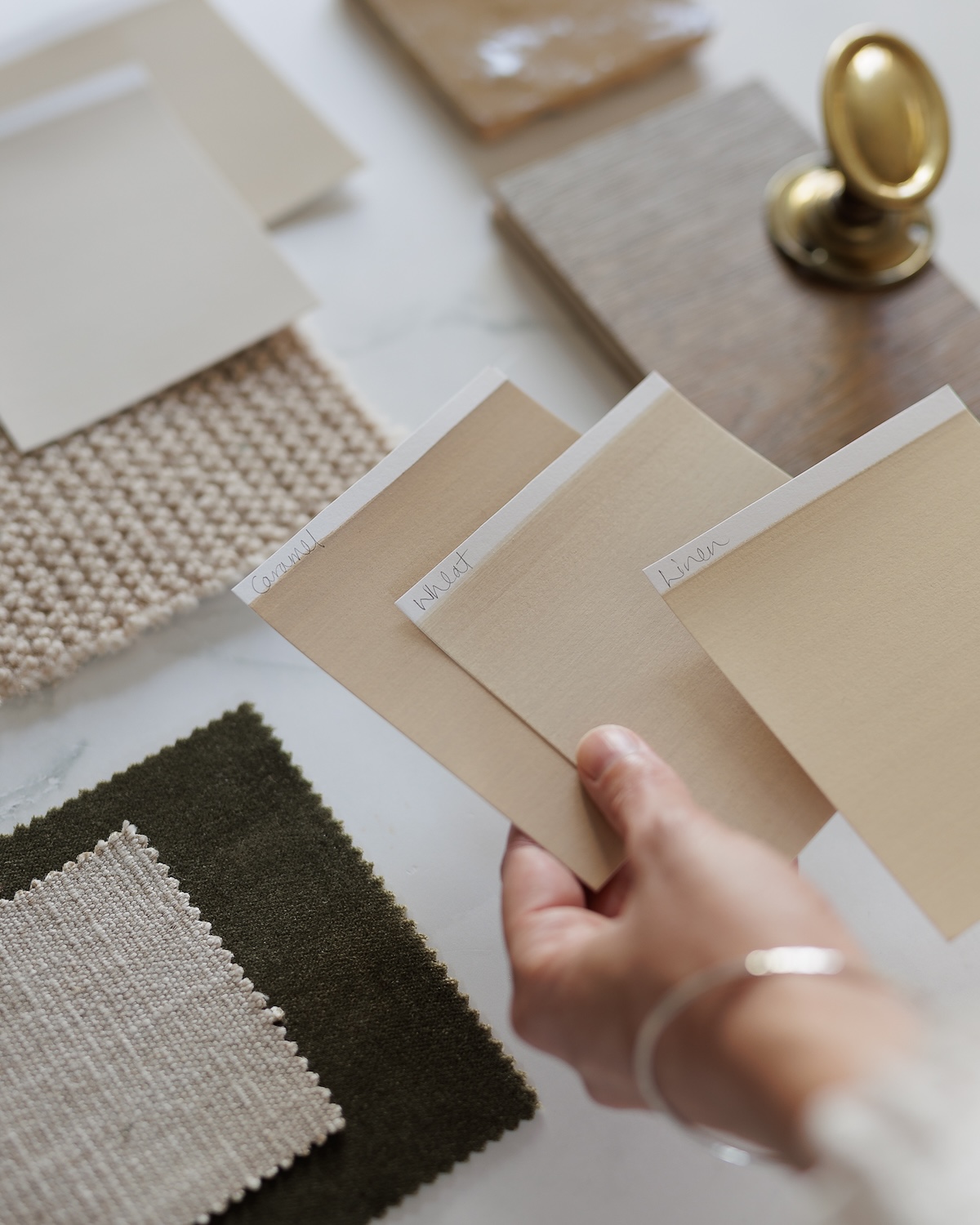
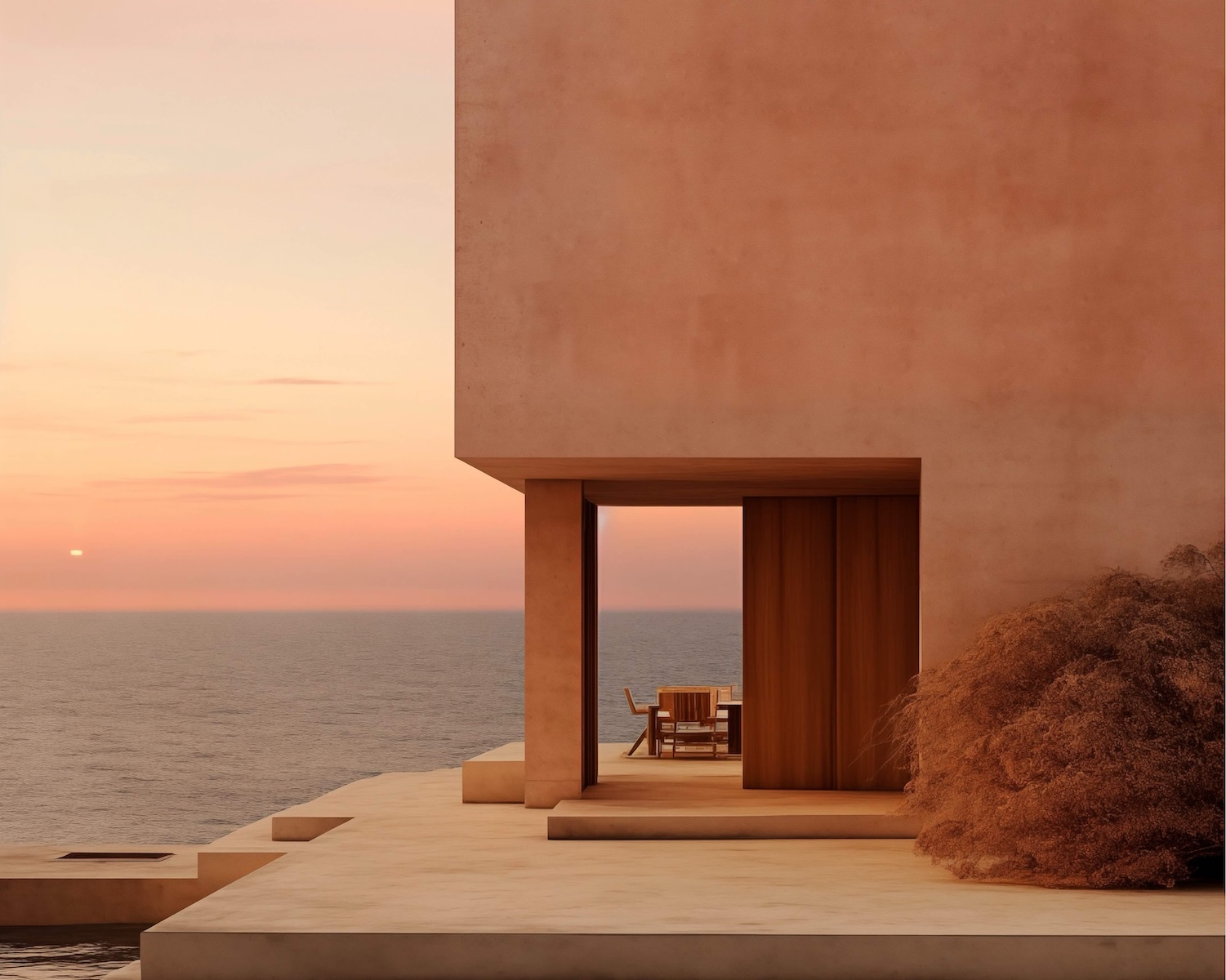
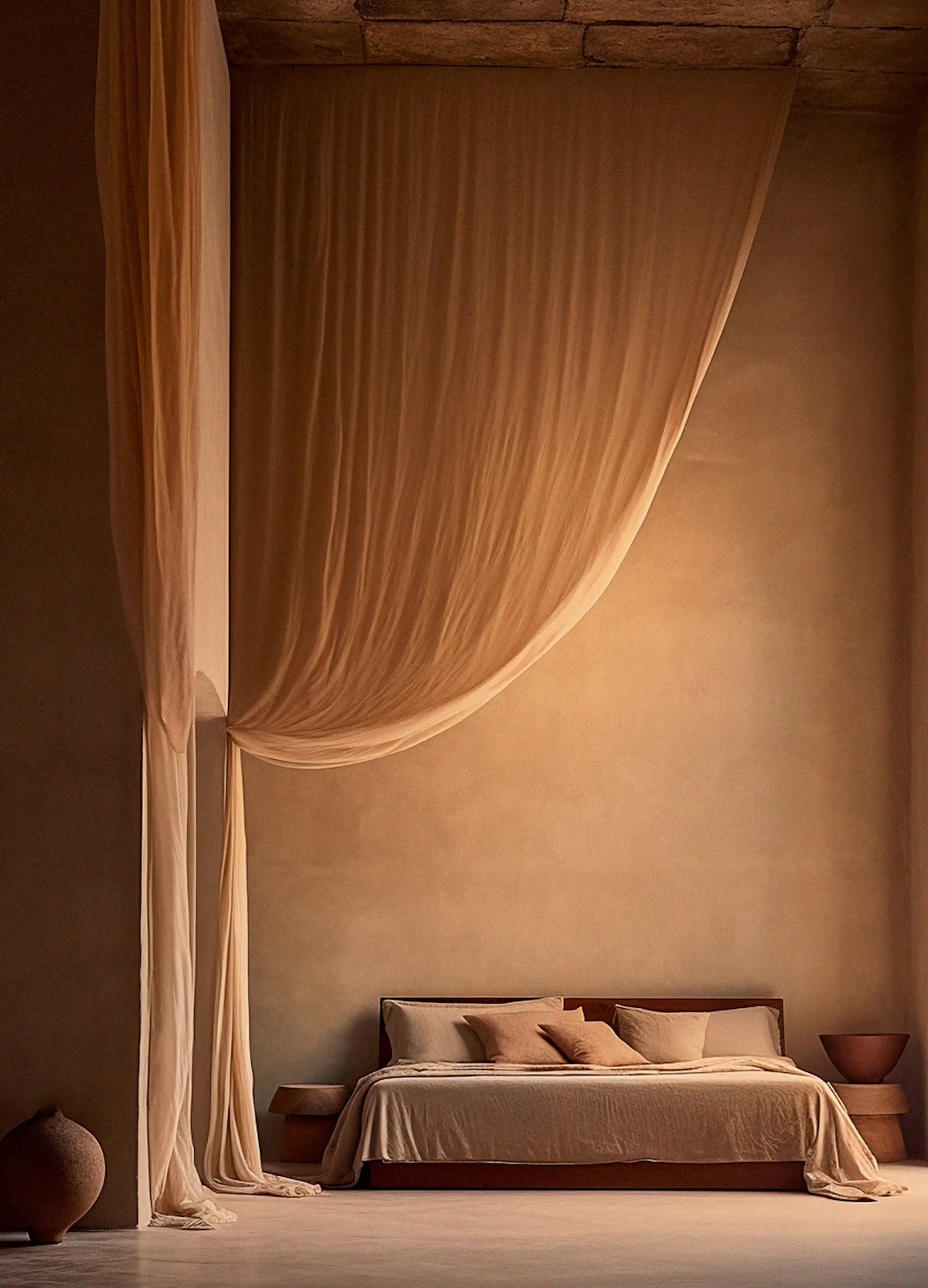
To Bauwerk, colour is not a flat coating or an inert coat of synthetic paint; it is treated as "the daughter of light," a natural finish that lives and breathes alongside the space it occupies. Rather than using industrial chemical tinting systems they draw on a palette entirely from natural minerals and clays whose irregular crystalline structures refract illumination rather than simply bounce it back. Because limestone itself is crystalline, the shades do not sit fixed on the plaster; they glow, deepening with dusk, cooling with overcast skies, and subtly shifting across seasons.
Discover more at Bauwerk Colour.
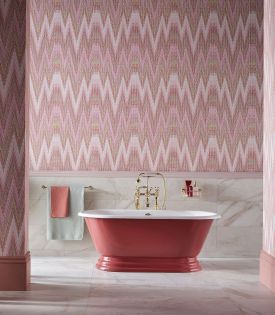
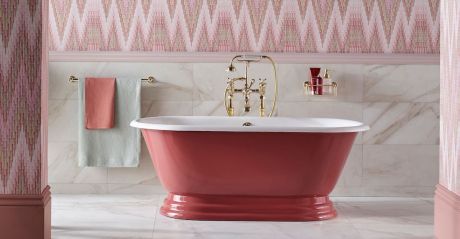
Set up in the 1980s, by Drummond Shaw, the company began as a vintage salvage company, restoring old rolltop baths to a characterful beauty, perfect for upmarket interiors and of course, indulgent deep soaks.
read more
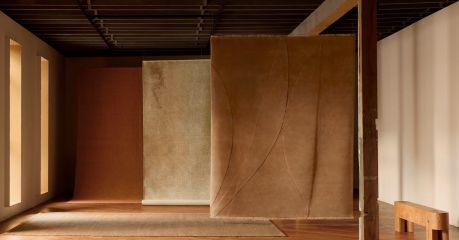
A Barcelona artist. Master weavers in India. A process the rug world has never seen before. Armadillo's Gaia collection exists somewhere between craft and fine art.
read more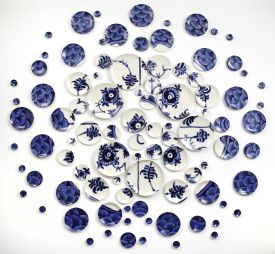
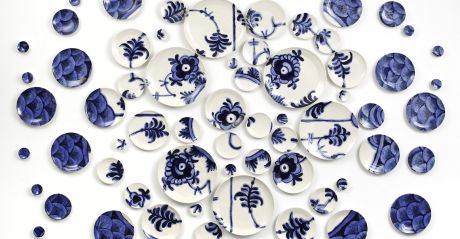
A city of effortless cool & pioneering Scandi design Copenhagen has long been at the heart of the world’s ceramics stage, from practical to the performative.
read more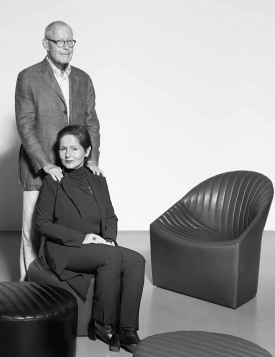
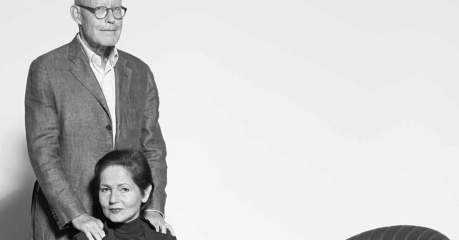
Cult furniture brand Wittmann has accumulated a distinctive mark over four generations, working with Austrian and international designers and architects, from Josef Hoffmann and Friedrich Kiesler to Matteo Thun and Edward B.Tuttle.
read more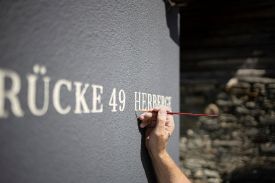
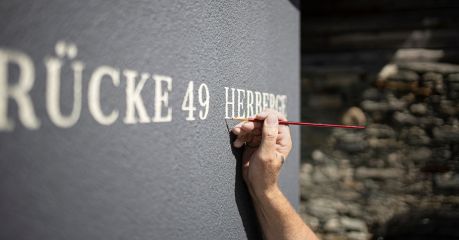
Ruth’s original manifesto to listen to what the house wanted to be has served her well. Reinvented for the curious traveller, Brücke 49 has been welcoming guests for nearly a decade.
read more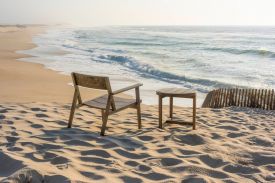
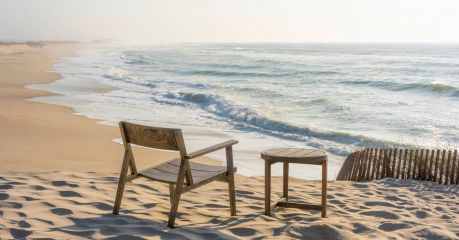
De La Espada leads a new era of collectible design and cultural craft. Explore their collaborations with Sam Baron, Anthony Guerrée and more, rooted in Portuguese savoir faire.
read more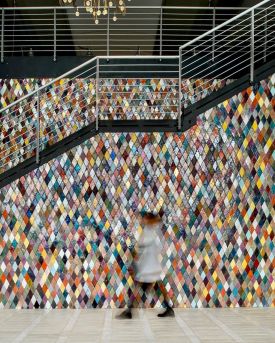
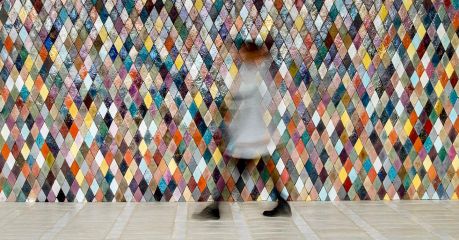
Maverick Creative Director Simone Giottoli was the genius behind the idea to reinvigorate the market for handmade Etruscan tiles. Over twenty years ago, Giottoli began extensive research in ancient kilns, centuries-old productions and the restoration of an old stone kiln, which would be the starting point for the authentic recreation of tile-making.
read more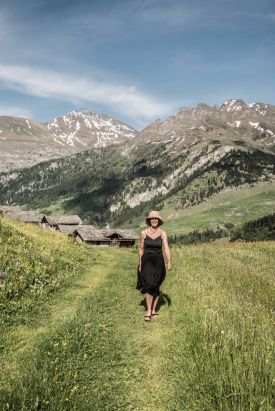
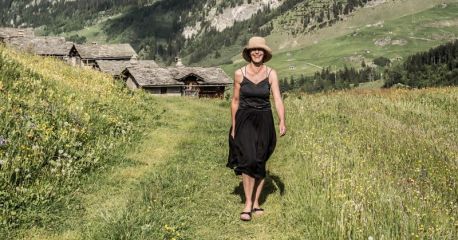
Explore the interiors of Ruth Kramer, designer of Brücke 49 in Switzerland, where soft minimalism, tactile materials and Scandinavian clarity come together in spaces shaped by heritage, intuition and place.
read more

Roberta Licini transforms the humble blanket into a canvas of memory, warmth and graphic rhythm — where colour, texture and time-worn craft converge in quietly radical, deeply tactile design.
read more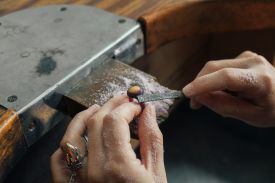
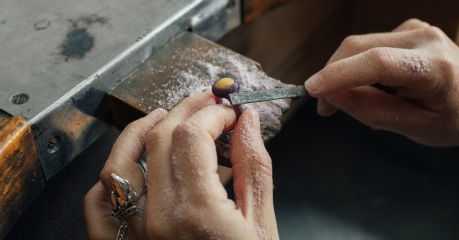
Madrid’s design culture is shaped by a new generation working close to materials and making, spanning furniture, fashion, sustainability-led studios and major annual design events in a production-led contemporary city.
read more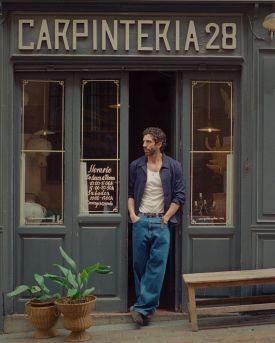
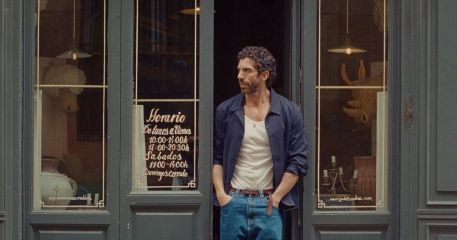
Working from Malasaña, Javier Sánchez Medina creates contemporary objects from natural fibres, guided by esparto grass, inherited craft knowledge and a deep respect for material, process and time.
read more

Seventy years in, Egetemeier still doesn't decorate or furnish. It cultivates. A new Journal conversation with owners Petra and Stefan on Slow Design, enduring interiors.
read more
Get the insider news and lowdown on what we've been up to, where we've been, and who we've met along the way. Be the first to discover new places and get the scoop on our favourites.