JOIN the AFICIONADOS
Get the insider news and lowdown on what we've been up to, where we've been, and who we've met along the way. Be the first to discover new places and get the scoop on our favourites.

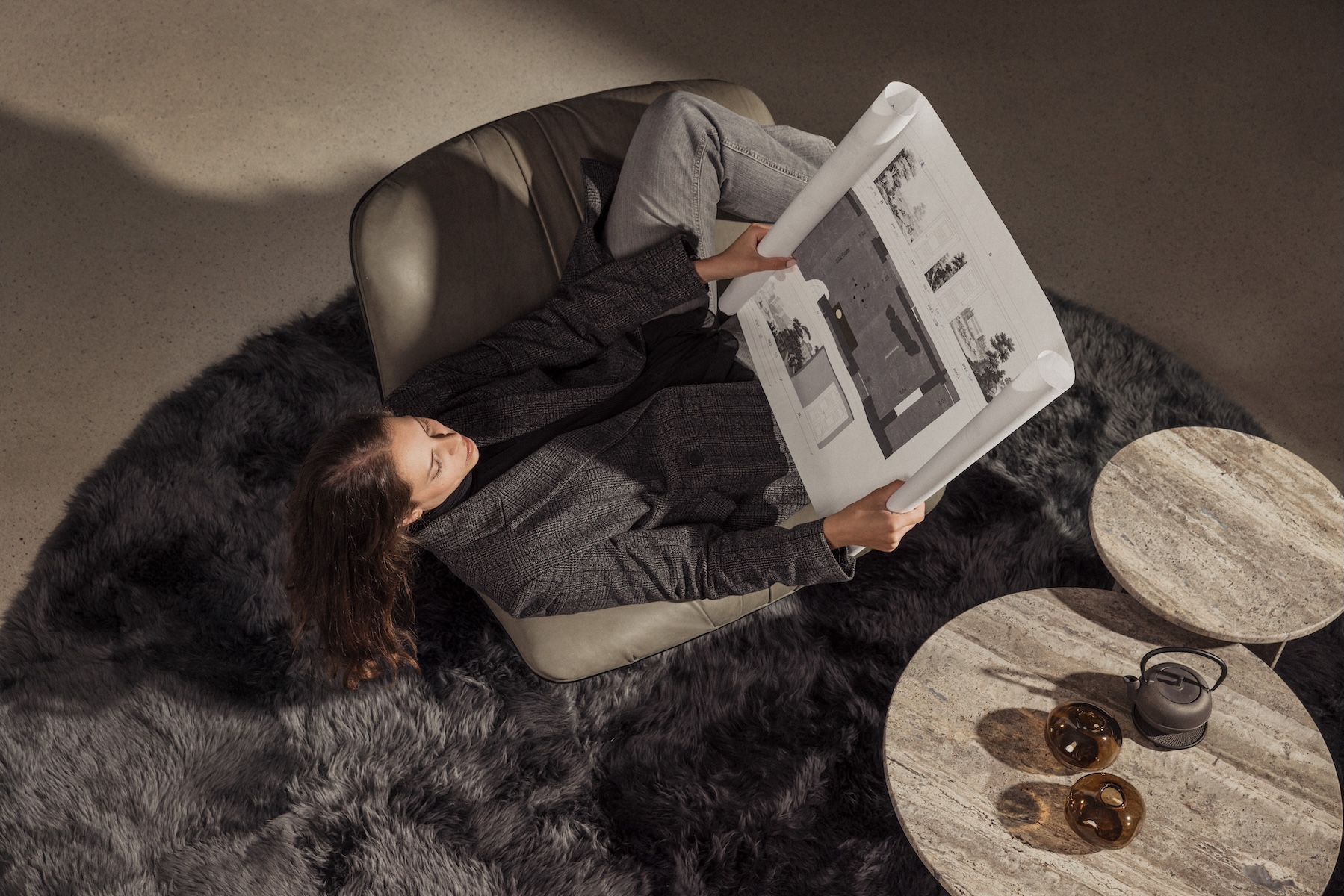
Seventy years in, the Munich studio Egetemeier still designs rooms that are never quite finished, but meant to keep maturing for years. Like a tree, it plants something that grows, designing not for the photograph on day one but for the long arc of a life.
IAIN AINSWORTH OF THE AFICIONADOS, IN CONVERSATION WITH PETRA EGETEMEIER & STEFAN ROLLWAGEN
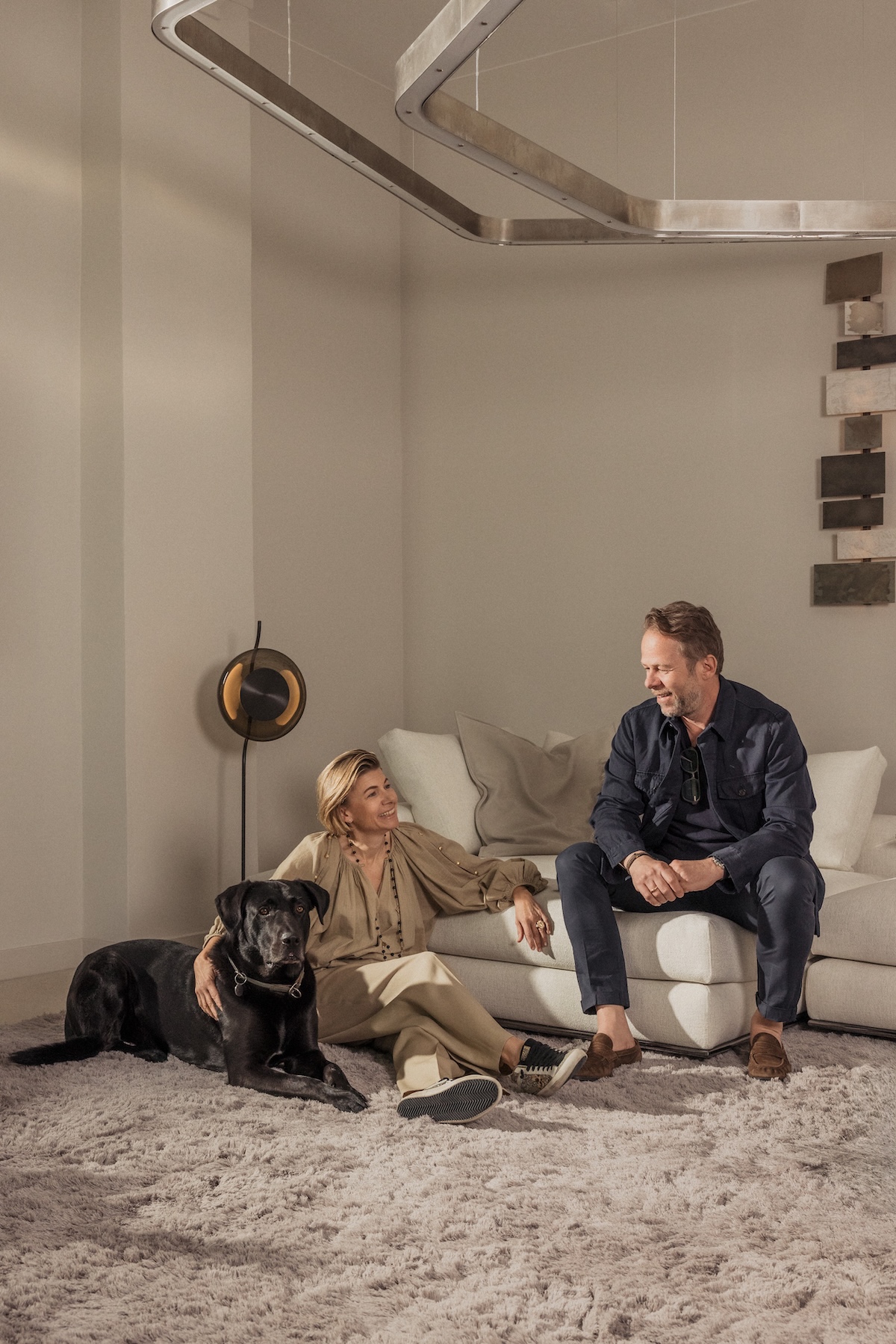
Under the ethos of Cultivating Interiors Since 1955, Egetemeier has built its house on a single, deliberate word most interior studios would never think to use. The longer you sit with cultivate, the less it reads as a slogan and the more it reads as a quiet manifesto, a promise about time.
“Decorating arranges what already exists,” Petra Egetemeier and Stefan Rollwagen, the studio’s owners, tell us. “Furnishing fills a room with objects. Cultivating is slower and more demanding; it assumes a space, like a garden, is alive and will keep changing long after we have left it.”
That single distinction organises the entire house. A cultivated interior, they insist, is not staged for the photograph on day one; it is made to be more beautiful in year ten, “when the leather has darkened and the wood has taken on the marks of a life.” It is a heresy in an industry addicted to the reveal, and Egetemeier commits it gladly.
The house is now in its third generation, which is long enough to have earned the right to look backwards and wise enough to refuse. Ask what has been kept entirely unchanged, and the answer arrives without hesitation: that an interior must serve the person, never the trend. “Every generation of this house has refused to design for applause. The brief is always the same: a life, read closely and answered honestly.”
And what has been deliberately broken? The assumption that a studio rich in tradition should behave like a museum of itself. The first generation worked largely with what postwar Germany could supply; the present one has thrown the doors open: to Italian houses, Japanese workshops, to makers and materials “from wherever the best hand happens to be.” Heritage, they say, gave them the standard; it does not dictate the vocabulary. “Reverence for the craft, none for the comfort zone.”
That reverence has a founding artefact. Josef Egetemeier’s Vielzweck-Liege of 1956, a multipurpose lounger born of a moment when nothing could be wasted, now sits in the Münchner Stadtmuseum as a piece of postwar design history. Looking at it today, the studio still recognises its own reflection: honesty, mostly. The object had to earn its place several times over, one thing answering many needs without ever pretending to be more than it was. “That clarity is still our discipline. We still ask of every piece whether it truly deserves the room.” Seventy years on, the materials are richer and the budgets kinder, but the first question is the one Josef asked of that lounger.
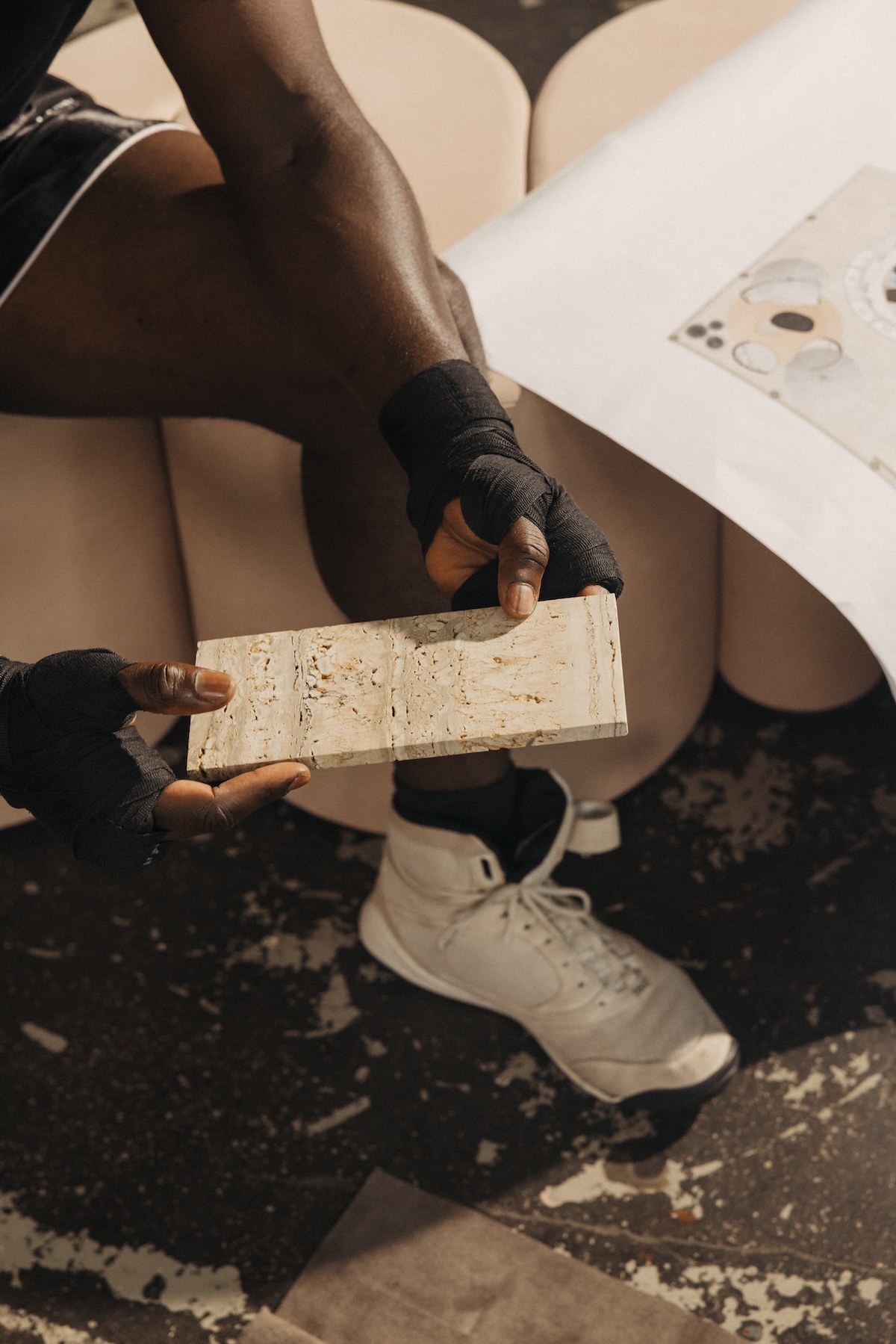
If the Vielzweck-Liege once held the soul of the house, what would carry it to the next generation? A daybed, they say: a direct descendant of that lounger, made for lying down and looking up, “which is the most undefended thing a person does at home.” Not one heroic material, but a small assembly of things trusted to age well: a frame built to be taken apart and repaired rather than discarded, upholstery renewed by hand again and again, leather and textile chosen because they only deepen with use. Who makes it matters less than how. As they put it, the piece should be “built by hands that treat repair as part of the design rather than an afterthought, so that what endures is the care in it, not a signature on it.”
Loyalty, at Egetemeier, extends even to the timber. Among all the woods they work, they return most to oak, an open, honest grain that “shows exactly what it is and hides nothing.” The same board can be oiled, watered, limed, smoked or charred, each treatment drawing a different colour out of the wood rather than laying one on top of it. “That range is rare. It lets us change the entire mood of a room while staying with a single, honest material.” For a studio designing for the long arc of a life, the loyalty is almost inevitable.
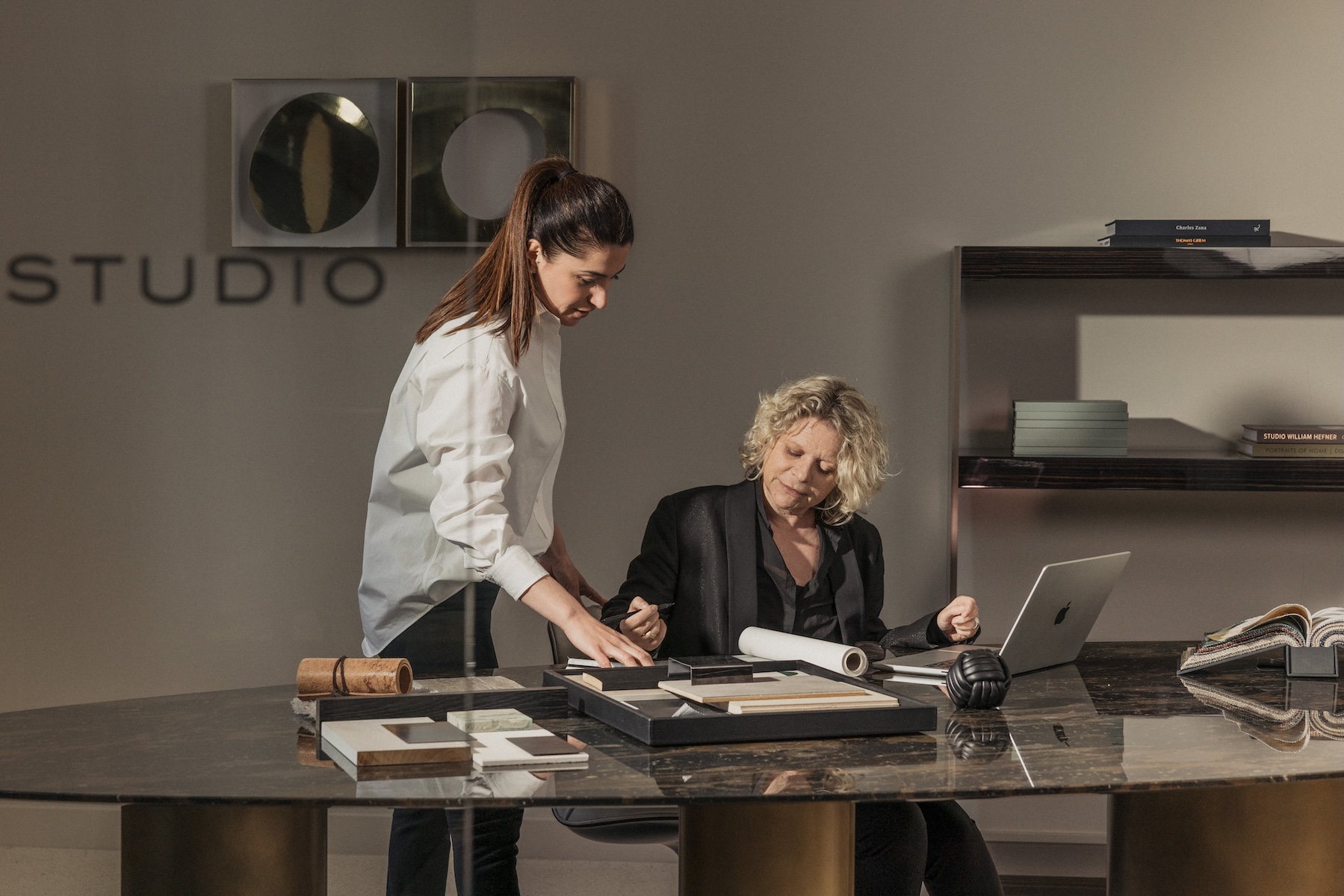
The studio’s second Munich address, the Minotti store on the Oskar-von-Miller-Ring, is where that discipline is stress-tested daily. Carrying a house as coherent as Minotti, they say, “asks for discipline before personality. You cannot bend a language that coherent to your own habits; you have to learn it properly first.” The rigour is the gift; living beside work of that standard “raises the floor for everything else we do. You stop accepting the almost-right.” One design DNA, two addresses, and a conversation between Munich precision and Italian warmth that sharpens both.
Precision is only half the room, though. On Egetemeier’s floor, German exactitude meets Italian gesture and Japanese restraint, and the studio welcomes the argument. “German precision wants the joint invisible and the deadline met; Italian craft wants the gesture to breathe; Japanese work treats the flaw and the empty space as part of the meaning.” Harmony reached too early, they warn, “is usually just one sensibility quietly winning.” The best rooms carry a productive tension inside them; you can feel that something was negotiated, not assumed.
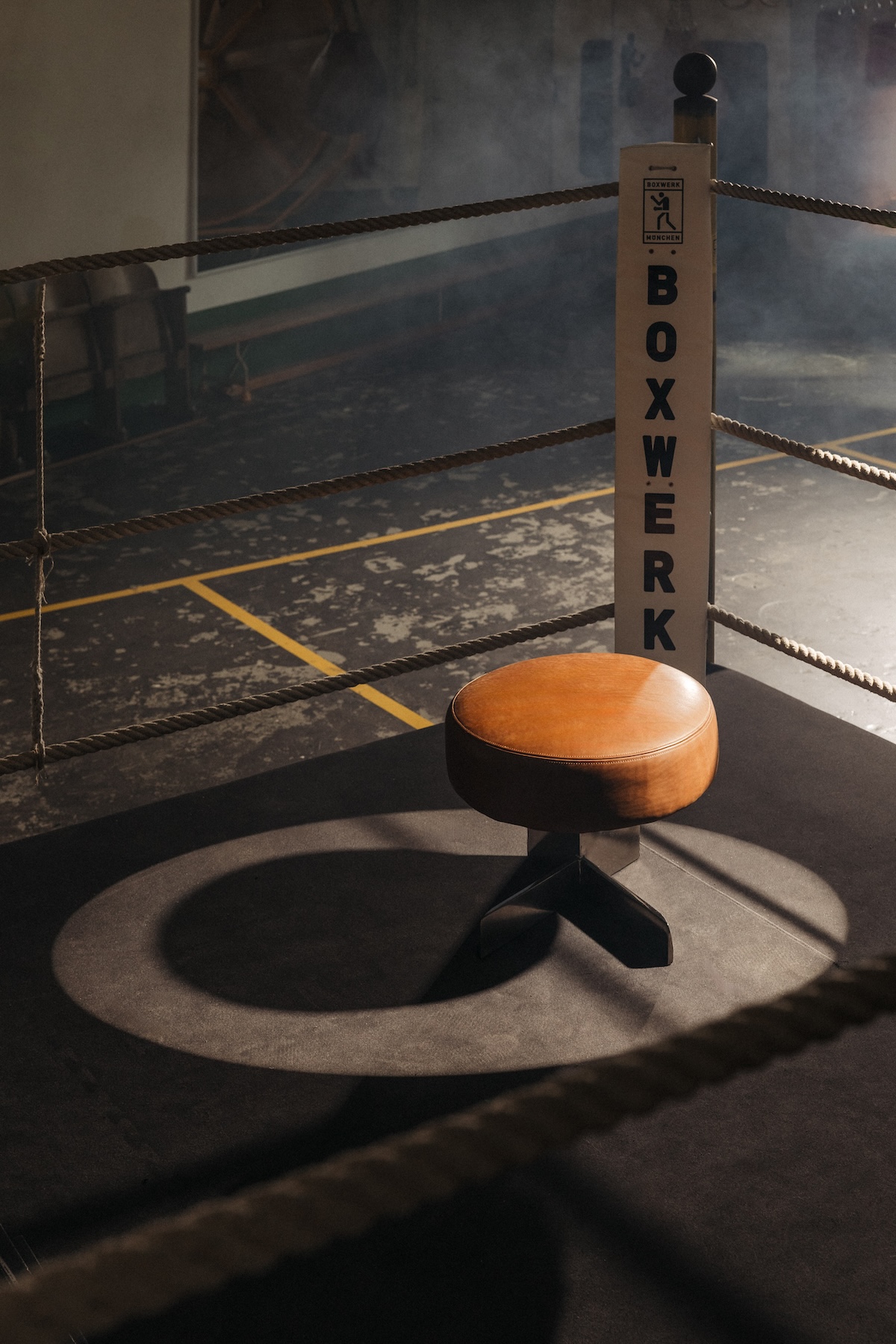
This is where Slow Design stops being a marketing word and becomes a series of small, unglamorous refusals. The on-trend stone that would date within five years, turned away. The bespoke piece rushed to hit a dinner-party deadline, refused. Clients gently talked out of filling a room for the sake of fullness. “The hardest conversation is always the same: persuading someone that the empty corner is not a failure but a promise.”
And behind the romance of the finished room lies the part no client ever sees: the coordination. A single-source interior means dozens of trades, workshops and deliveries, often across several countries, all arriving as one coherent thought, on time, to the millimetre. Egetemeier designs from Munich for homes as far apart as Lake Tegernsee, Mallorca and Florida. The project that tested the promise most was a private residential villa in Florida, where distance, climate and logistics all conspired against single-source perfection. “The client should only ever feel at ease. Holding that ease in place is the actual craft.”
How does a studio read a person well enough to compose, in their words, a tactile portrait of a life rather than staging a room? Less by what someone says they want than by how they already live: where they naturally sit, what they keep, which room they actually use and which they merely show. And the one question asked early, the one that tells them the most: How do you want to feel when you walk through the door at the end of a hard day? “People can rarely name a style. But they can always name a feeling.”
Seventy years in, Egetemeier frames the anniversary as a starting point, not a retrospective, because the alternative is to become a museum of its own past. What it wants to cultivate next is depth rather than reach: fewer, deeper relationships with the makers it trusts, and interiors even more uncompromising about longevity “in a world addicted to the disposable.” Things made to last a lifetime and be repaired rather than replaced.
“That is the garden we are still planting,” they say. “Seventy years simply means the soil is good.”
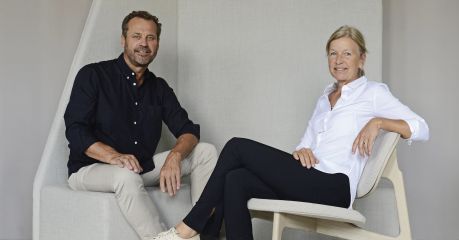
Petra Egetemeier & Stefan Rollwagen
INHABER, EGETEMEIER
Egetemeier Interior Design Studio, Nymphenburgerstrasse 121, Munich.
Minotti Store München, Oskar-von-Miller-Ring 1, Munich.
egetemeier.de

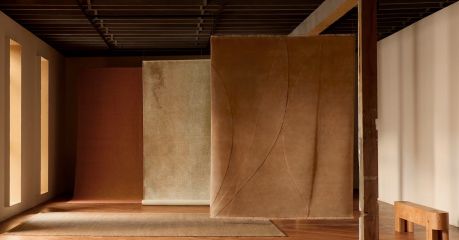
A Barcelona artist. Master weavers in India. A process the rug world has never seen before. Armadillo's Gaia collection exists somewhere between craft and fine art.
read more
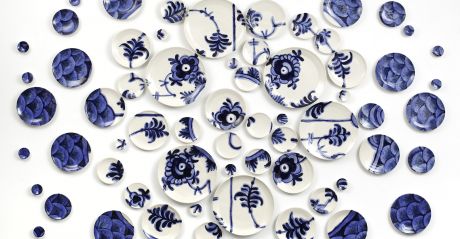
A city of effortless cool & pioneering Scandi design Copenhagen has long been at the heart of the world’s ceramics stage, from practical to the performative.
read more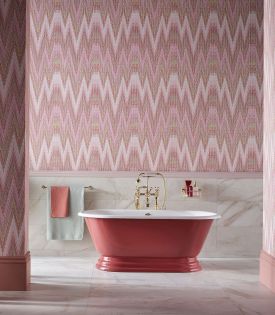
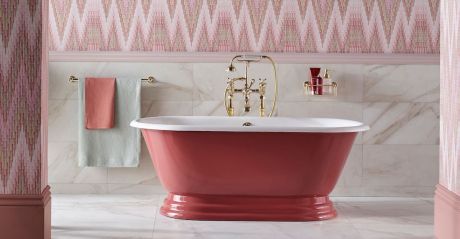
Set up in the 1980s, by Drummond Shaw, the company began as a vintage salvage company, restoring old rolltop baths to a characterful beauty, perfect for upmarket interiors and of course, indulgent deep soaks.
read more

De La Espada leads a new era of collectible design and cultural craft. Explore their collaborations with Sam Baron, Anthony Guerrée and more, rooted in Portuguese savoir faire.
read more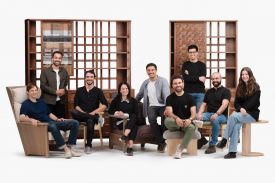
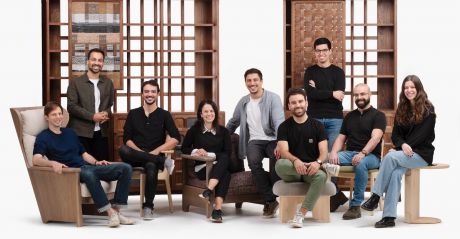
Thirty years of solid wood on Portugal's Silver Coast. De La Espada's founders on why only the heartwood of a walnut will do, and the hundred-year standard behind it.
read more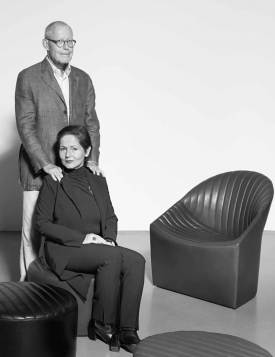
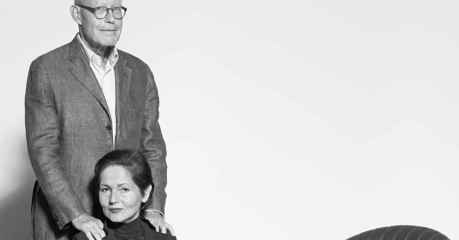
Cult furniture brand Wittmann has accumulated a distinctive mark over four generations, working with Austrian and international designers and architects, from Josef Hoffmann and Friedrich Kiesler to Matteo Thun and Edward B.Tuttle.
read more
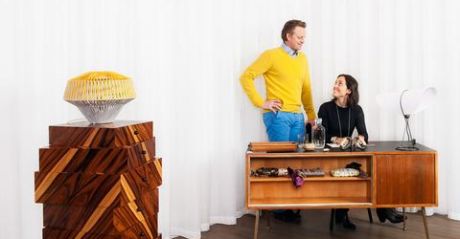
The Trubrigs have a trained curatorial eye when it comes to sourcing both the established and the new-comers in design. The couples' strong bonds with creative talent and influential designers of the day have fostered the relationships to be always one step ahead of the curve.
read more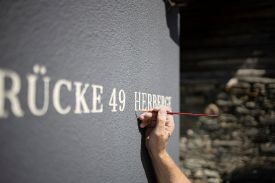
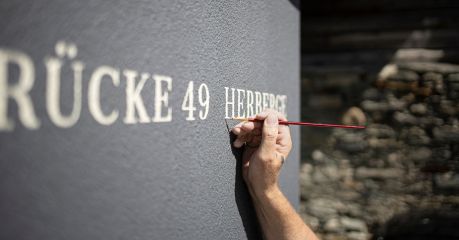
Ruth’s original manifesto to listen to what the house wanted to be has served her well. Reinvented for the curious traveller, Brücke 49 has been welcoming guests for nearly a decade.
read more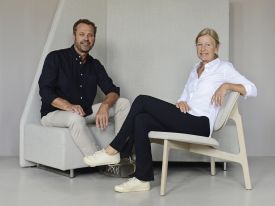
Founded in 1990, Zeitraum is a sustainable solid wood manufacturer from Bavaria, Germany, that marries ecology, design and a passion for its Alpine roots and traditions.
read more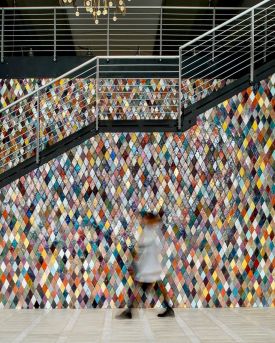
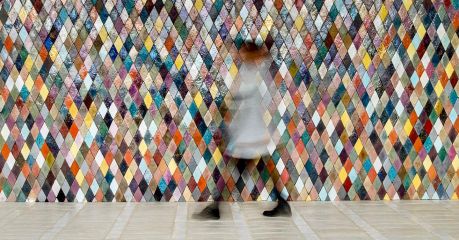
Maverick Creative Director Simone Giottoli was the genius behind the idea to reinvigorate the market for handmade Etruscan tiles. Over twenty years ago, Giottoli began extensive research in ancient kilns, centuries-old productions and the restoration of an old stone kiln, which would be the starting point for the authentic recreation of tile-making.
read more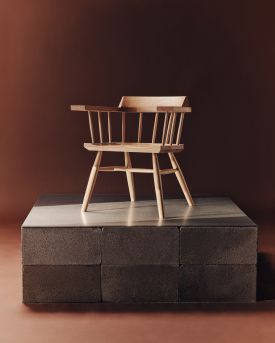
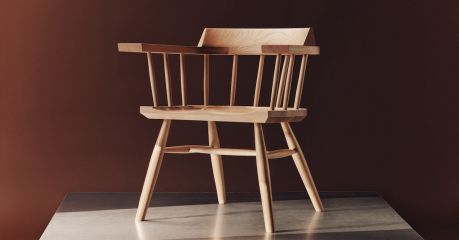
Forget folklore. This is Welsh design unplugged — raw, sharp, hand-cut and fire-warmed. The Carn Collection carves craft into culture and tradition into tomorrow.
read more
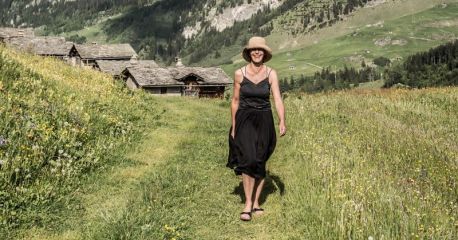
Explore the interiors of Ruth Kramer, designer of Brücke 49 in Switzerland, where soft minimalism, tactile materials and Scandinavian clarity come together in spaces shaped by heritage, intuition and place.
read more
Get the insider news and lowdown on what we've been up to, where we've been, and who we've met along the way. Be the first to discover new places and get the scoop on our favourites.