JOIN the AFICIONADOS
Get the insider news and lowdown on what we've been up to, where we've been, and who we've met along the way. Be the first to discover new places and get the scoop on our favourites.

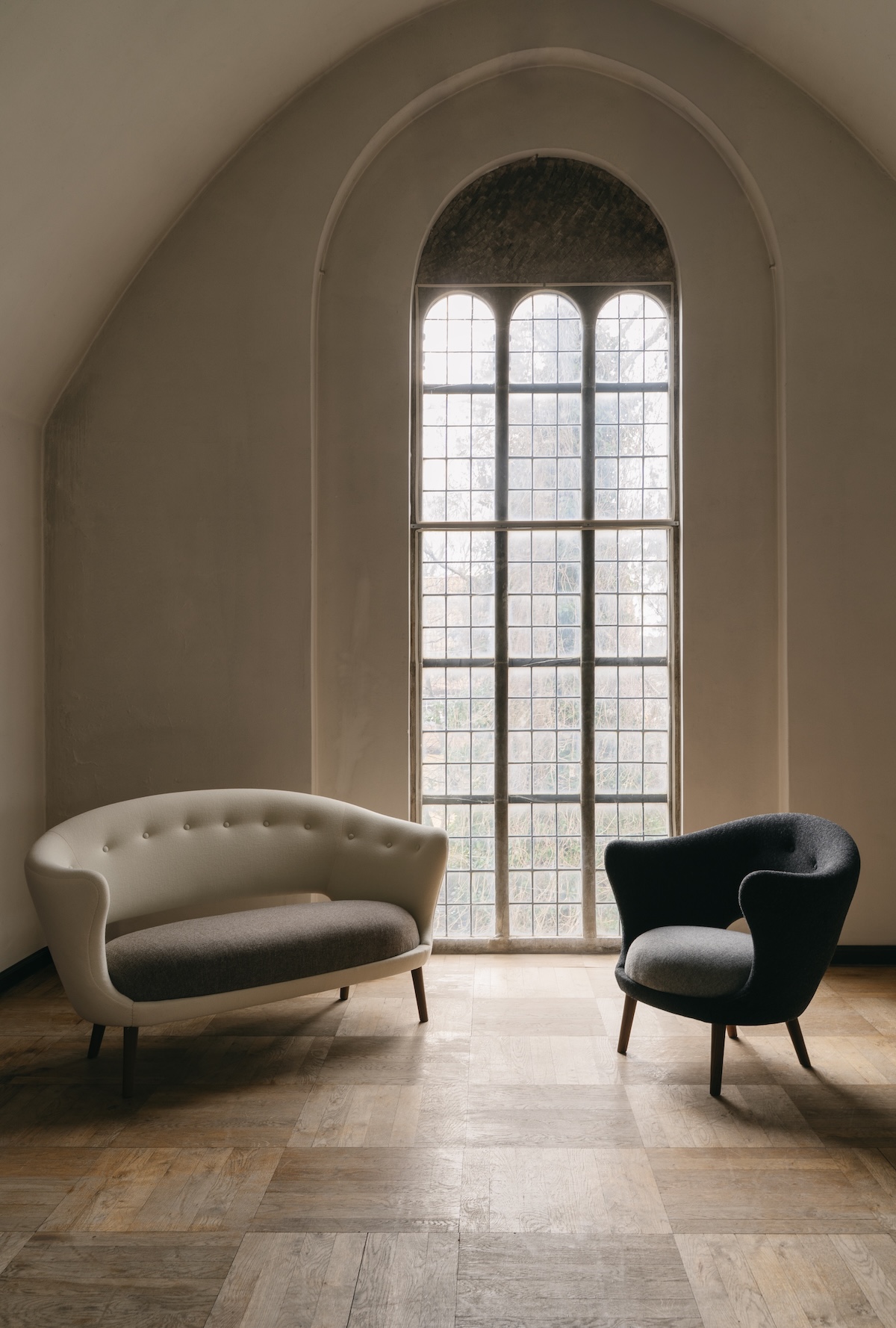
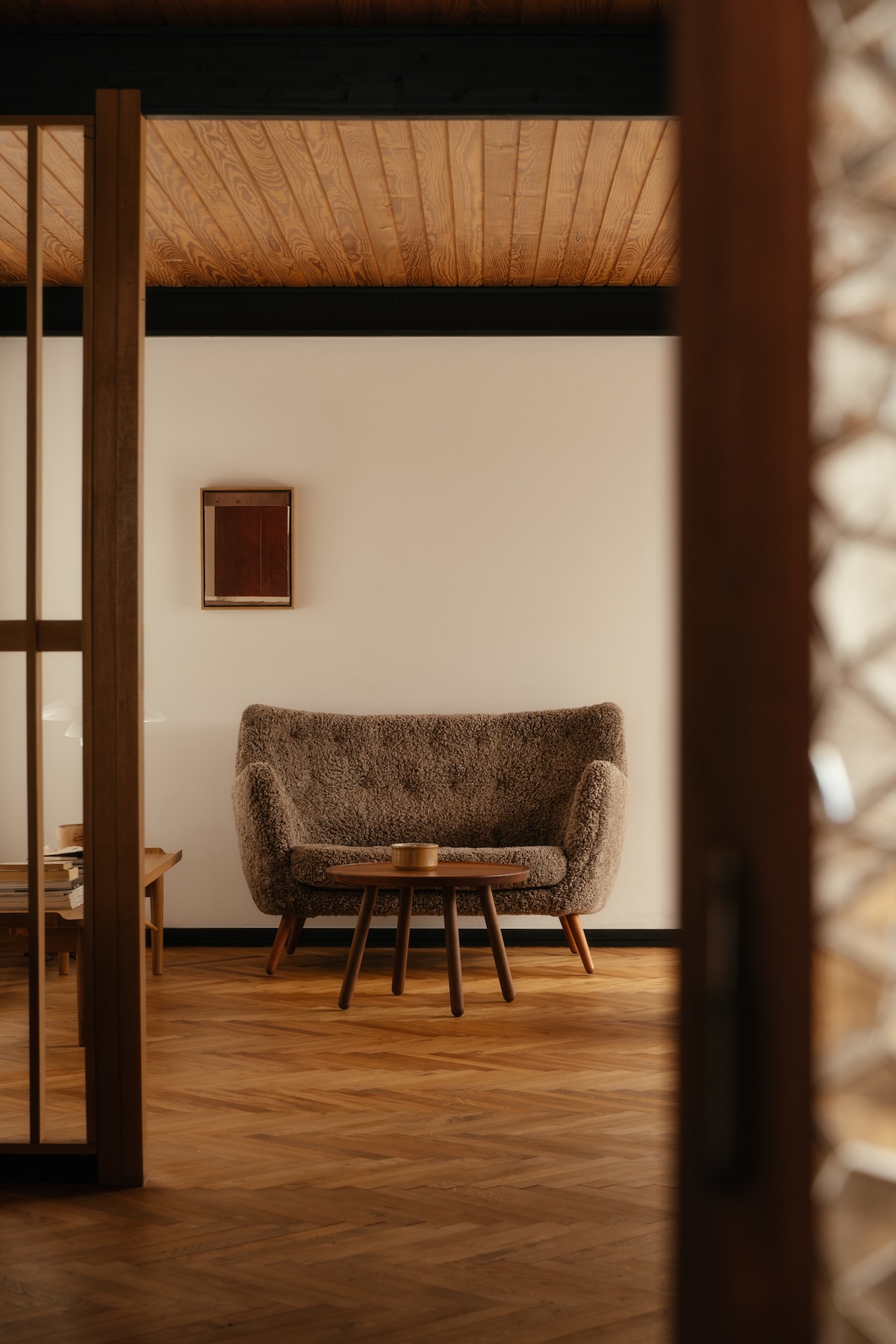
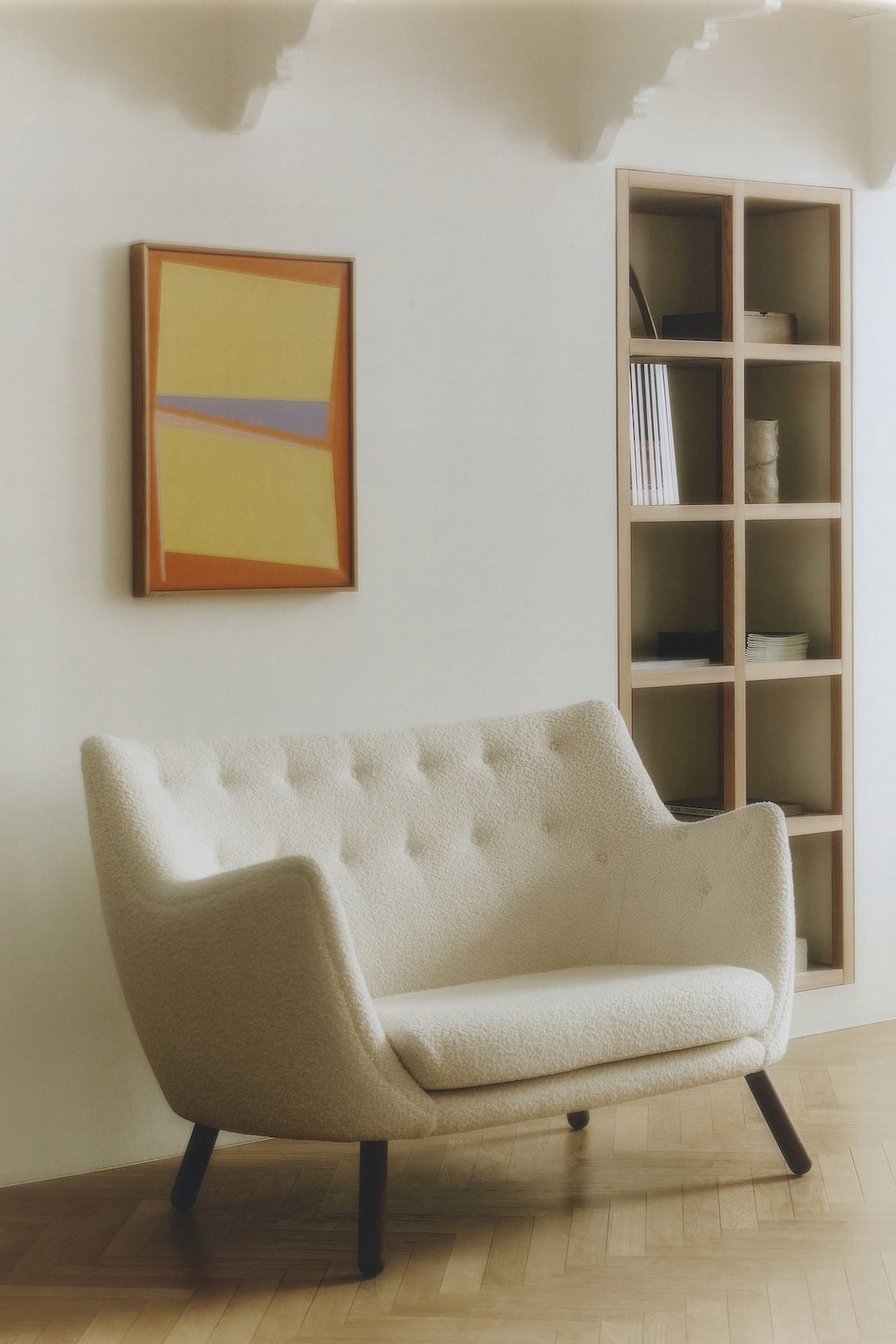
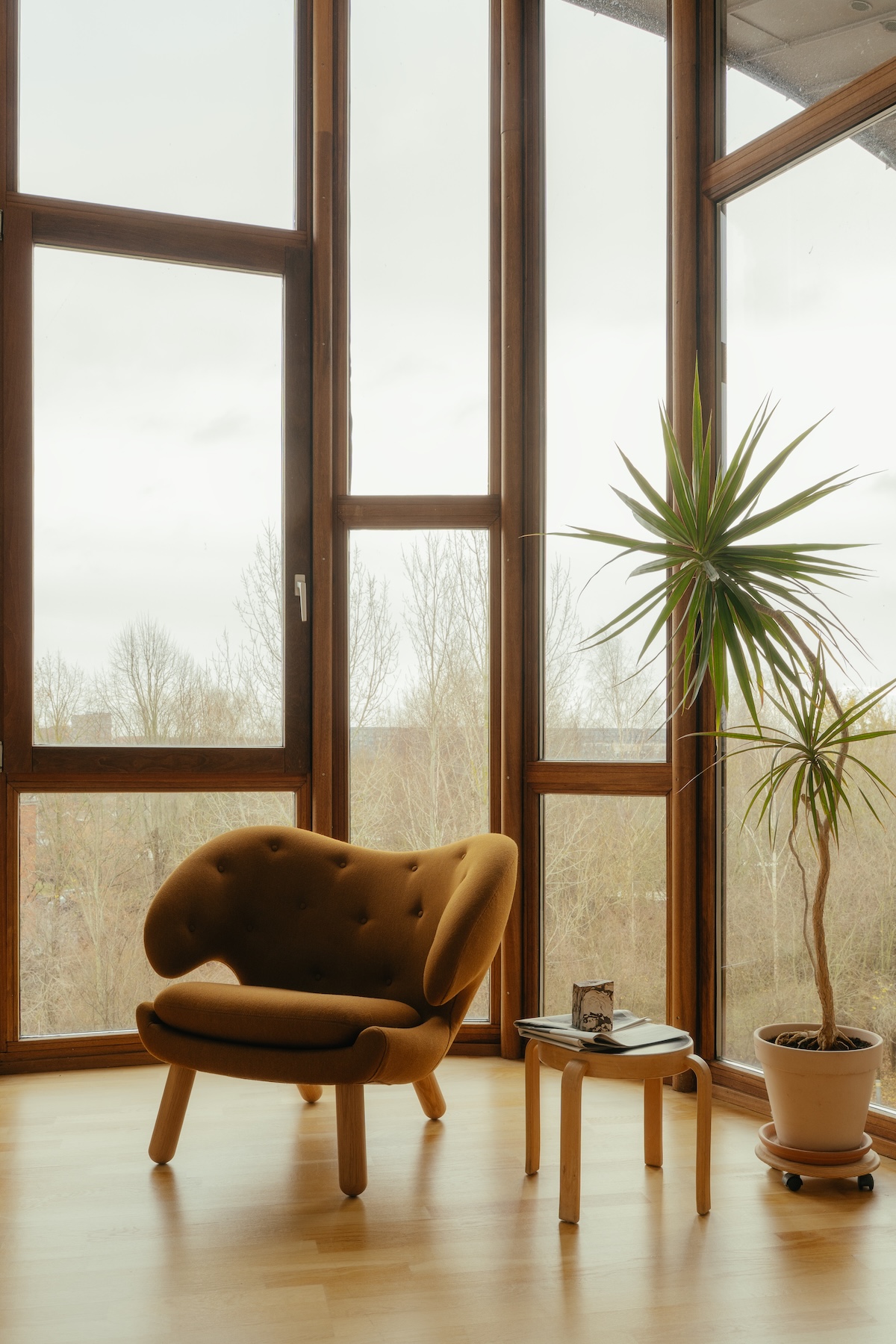
Finn Juhl wished to be an art historian and became, by his own account, a self-taught designer of chairs. House of Finn Juhl still makes them by hand in Denmark: sculpture one is permitted to sit in.
In 1952 the United Nations Trusteeship Council took its seats in New York in a room few diplomats would have expected: bands of warm wood, a ceiling of coloured boxes strung through a grid of rods like an abacus, and chairs that looked carved rather than assembled. Its designer was a forty-year-old Dane who had never finished his architecture degree, and the room did much to introduce his distinctive approach to furniture and interior design to an international audience. His name was Finn Juhl, and House of Finn Juhl has spent a quarter of a century making sure his thinking survives the journey from drawing board to drawing room.
Juhl was born in Frederiksberg in 1912 and wished to become an art historian; his father would not hear of it. He enrolled to study architecture, joined Vilhelm Lauritzen's office in 1934 to work on the interiors of Radiohuset, and never quite found the time to finish his degree. Furniture he taught himself, approaching it with an artistic freedom that set him apart from many of his contemporaries. Rather than following established cabinetmaking conventions, he explored furniture as a form of sculpture, creating organic shapes and unexpected constructions. "Art has always been my main source of inspiration," he said. "I am fascinated by shapes which defy gravity and create visual lightness."
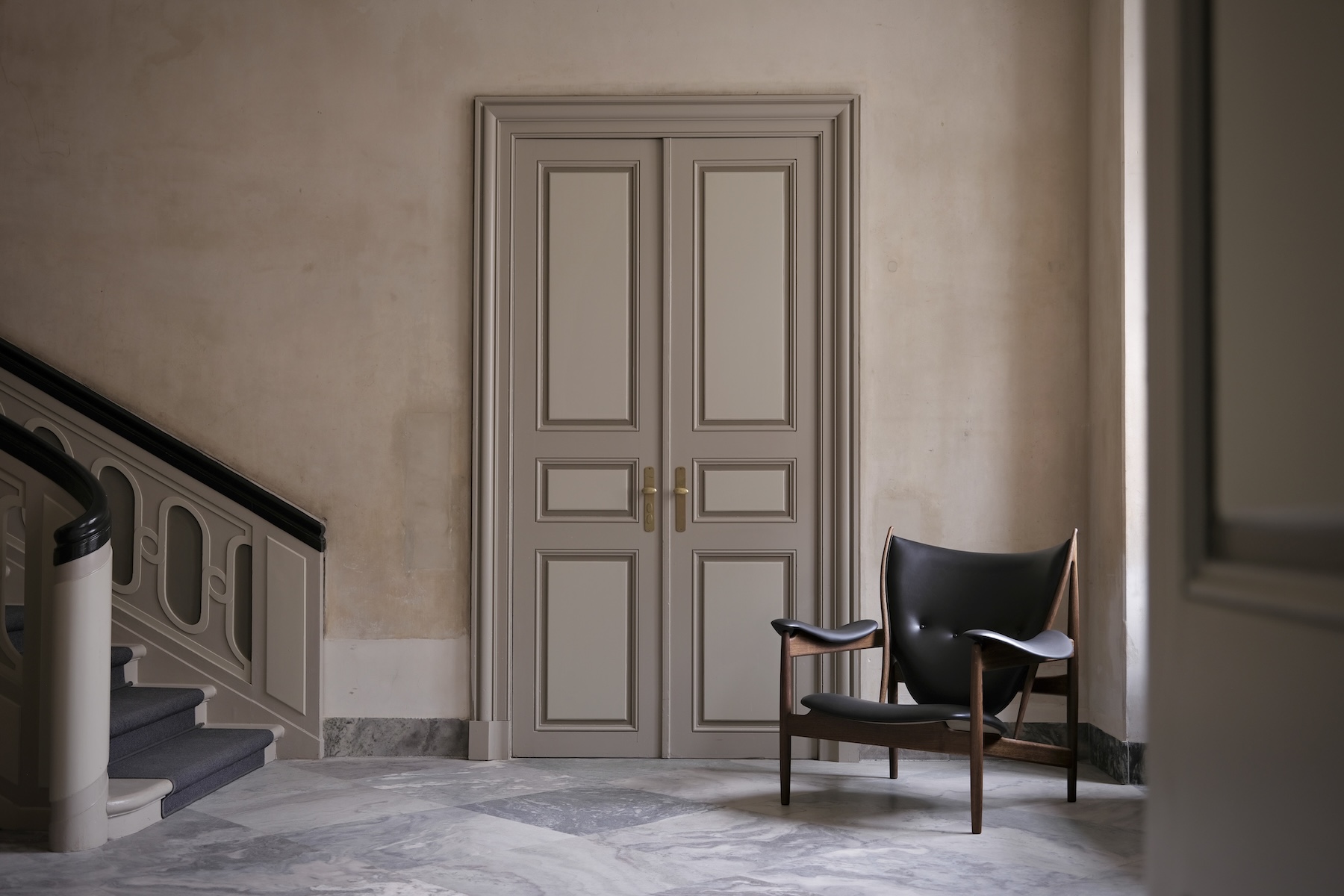
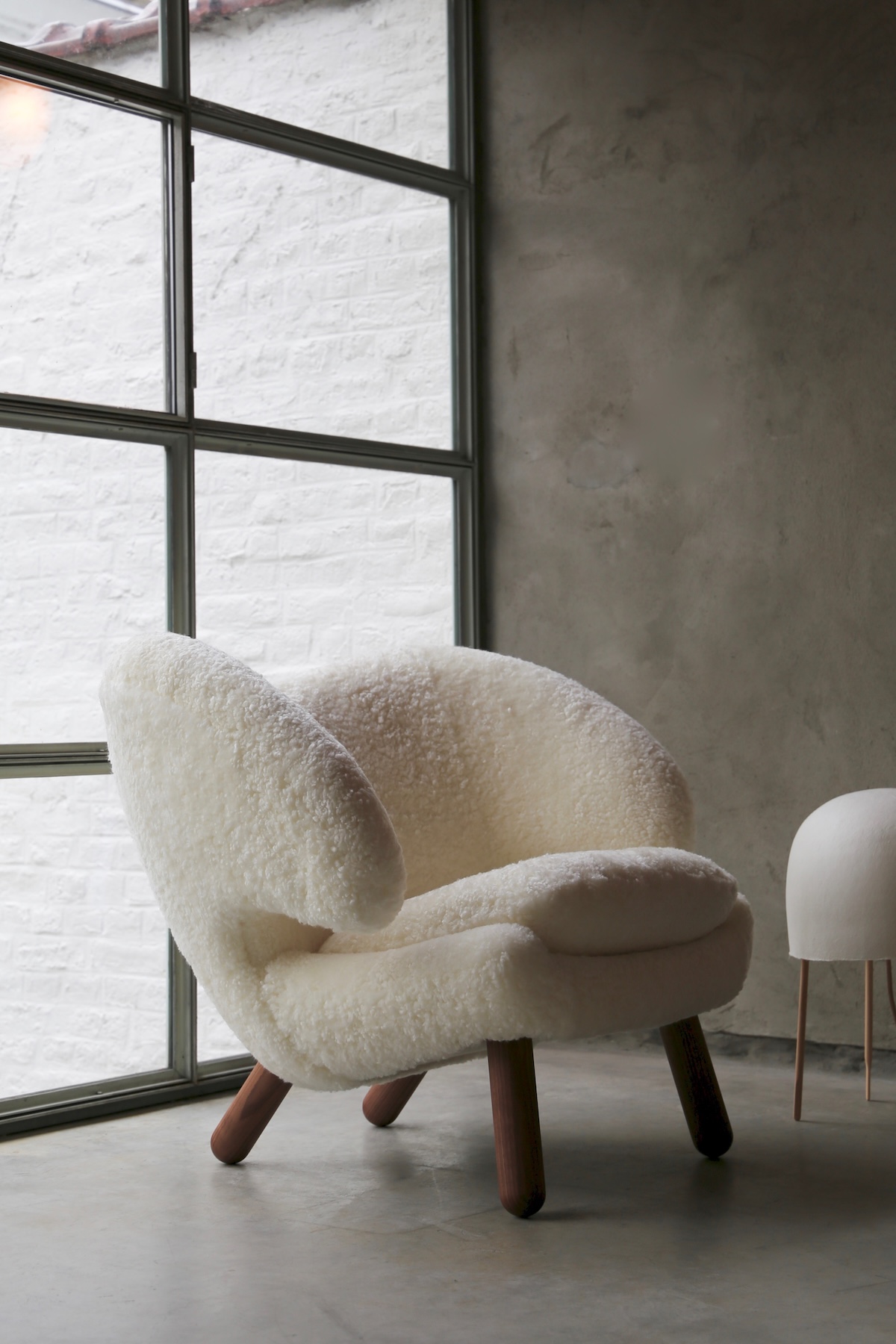
In 1937, he began exhibiting with the master cabinetmaker Niels Vodder at the Cabinetmakers' Guild Exhibition, and for twenty years the pair worked closely together to realise Juhl's unconventional designs, often challenging the boundaries of traditional cabinetmaking. Together, they created pieces in numbers so small they now read like editions: the Pelican Chair of 1940, the 45 Chair of 1945 with its seat floating free of the frame, and the Chieftain Chair of 1949, a throne in all but manners. America took notice. Edgar Kaufmann Jr. of the Museum of Modern Art championed him, Baker Furniture of Michigan put him into production, and in 1951 Denmark chose him to furnish its gift to the United Nations.
His own house at Kratvænget in Ordrup, completed in 1942 when he was thirty, is the fullest statement of the idea: a functionalist home designed from the inside out, its walls hung with Vilhelm Lundstrøm and Asger Jorn, every chair placed as deliberately as a painting. It now belongs to Ordrupgaard museum, and the Chieftain is still there.
The revival began in 1982, when a twenty-year-old Hans Henrik Sørensen met Juhl at a retrospective in Copenhagen. Years later Hanne Wilhelm Hansen, Juhl's partner from 1961 until his death in 1989, invited Sørensen and Ivan Hansen to recreate one of his designs, and in 2001 entrusted them with the rights to all of them. Their method is almost archaeological. A piece is relaunched only after the original drawings have been studied and surviving examples measured, in museums, private collections and the Ordrup house itself; where the drawings fall silent, the question is simply what Juhl intended.
Today, House of Finn Juhl continues the tradition of Danish cabinetmaking in its Danish workshops, combining skilled craftsmanship with a deep respect for Juhl's original designs. Joinery and upholstery happen in the company's own workshops at Ringkøbing and Vejen, with a small partner workshop in Yamagata, Japan, for frames too intricate for most hands. Particular attention is given to the sculptural shapes, materials and finishing details that are so essential to Juhl's furniture. Solid wood is chosen to age with grace, leather is cut from selected hides, and untreated brass is left to darken under the hands that touch it. In the Japanese Alps at Hakuba there is even a five-room hotel furnished in nothing else.
The collection now runs to more than 50 pieces. Juhl, who could turn a sentence as neatly as an armrest, once explained why any of it mattered: "One cannot create happiness with beautiful objects," he observed, "but one can spoil quite a lot of happiness with bad ones." It remains a sound brief for a chair, and a fair description of the work still going on at Ringkøbing.
Discover more at House of Finn Juhl.
A city of effortless cool & pioneering Scandi design Copenhagen has long been at the heart of the world’s ceramics stage, from practical to the performative.
read more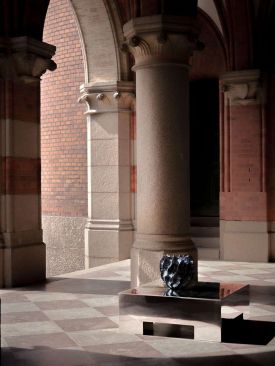
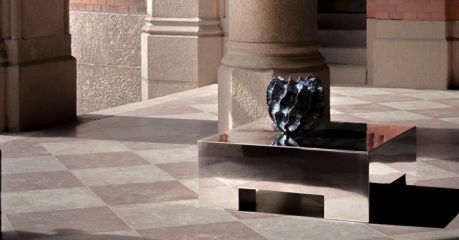
Gothenburg's pitstop for a mix of youthful design alongside the established patrons, Artilleriet fuses across the spectrum from furnishings, handwoven rugs to the best in ceramics.
read more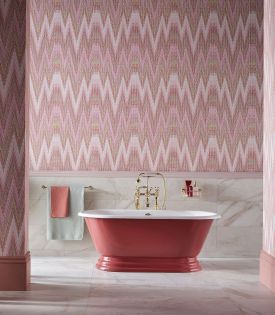
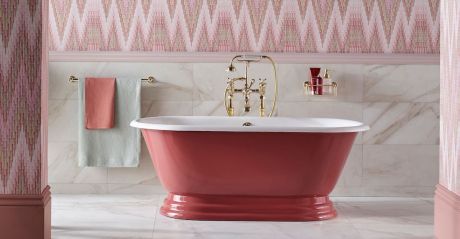
Set up in the 1980s, by Drummond Shaw, the company began as a vintage salvage company, restoring old rolltop baths to a characterful beauty, perfect for upmarket interiors and of course, indulgent deep soaks.
read more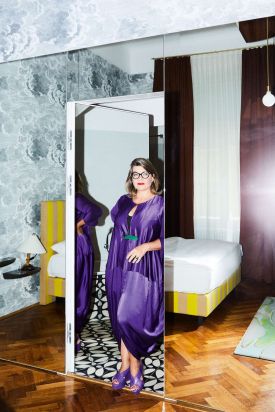
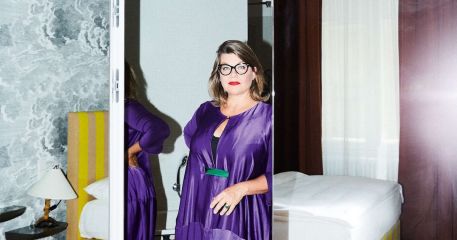
Director of internationally acclaimed Vienna Design Week, Lilli Hollein had never yet turned her eye to interior design until Vienna's Hotel Altstadt came knocking.
read more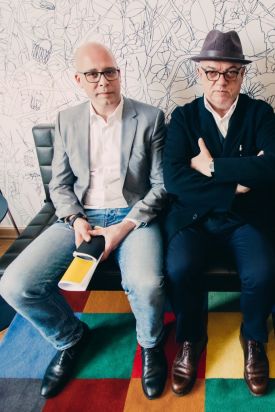

Peek into our Hotel Altstadt Vienna interior design series at room 64, this time designed by celebrated Viennese architect, Adolf Krischanitz.
read more

Creativity at Otto Wiesenthal’s iconic Altstadt Hotel Vienna is never in short supply. The new United Nations Suite is a fantastic design narrative related to the UN, John Lennon, Le Corbusier to 'Make carpets, not war'.
read more

Escapism in the wilderness of Scotland is more accessible than ever, with a raft of design boltholes, boutique crofters’ houses for two and everyone’s-invited country piles offering a redefinition of the luxury Highland experience.
read more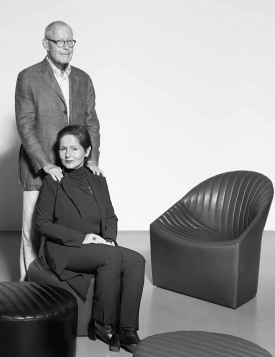
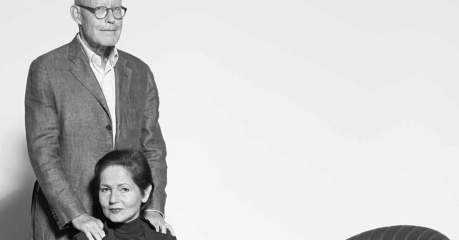
Cult furniture brand Wittmann has accumulated a distinctive mark over four generations, working with Austrian and international designers and architects, from Josef Hoffmann and Friedrich Kiesler to Matteo Thun and Edward B.Tuttle.
read more
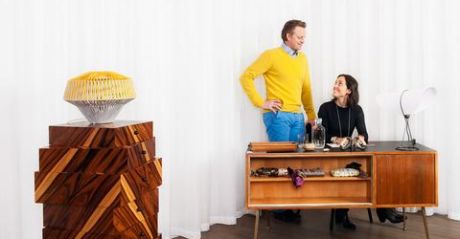
The Trubrigs have a trained curatorial eye when it comes to sourcing both the established and the new-comers in design. The couples' strong bonds with creative talent and influential designers of the day have fostered the relationships to be always one step ahead of the curve.
read more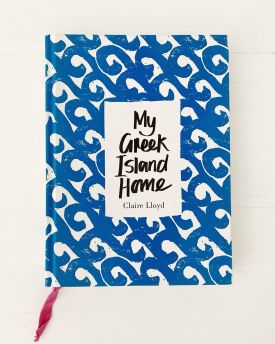
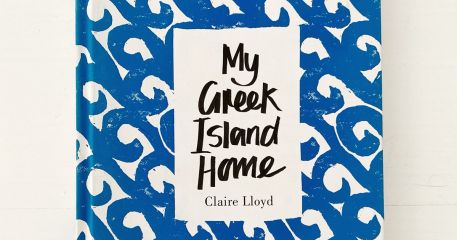
My Greek Island Home by Claire Lloyd is always out of the bookcase, an ever-present friend that tells the tale of falling in love with a Greek island and finding that a simpler life is not so bad after all.
read more

If you like whimsy in your home, hotel or public space, then look to Qeeboo, a Milan-based brand who produce design objects with narrative, made by a team of international designers who have a unique and pronounced sense of visual storytelling.
read more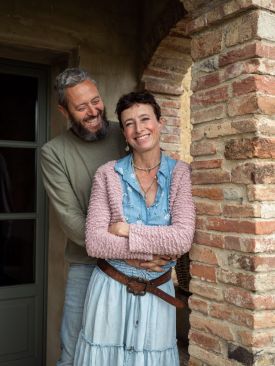

As the property neared finishing, Fabio took the decision to keep the garden wild and naturally indigenous – where the boundaries between garden and rural countryside were blurred.
read more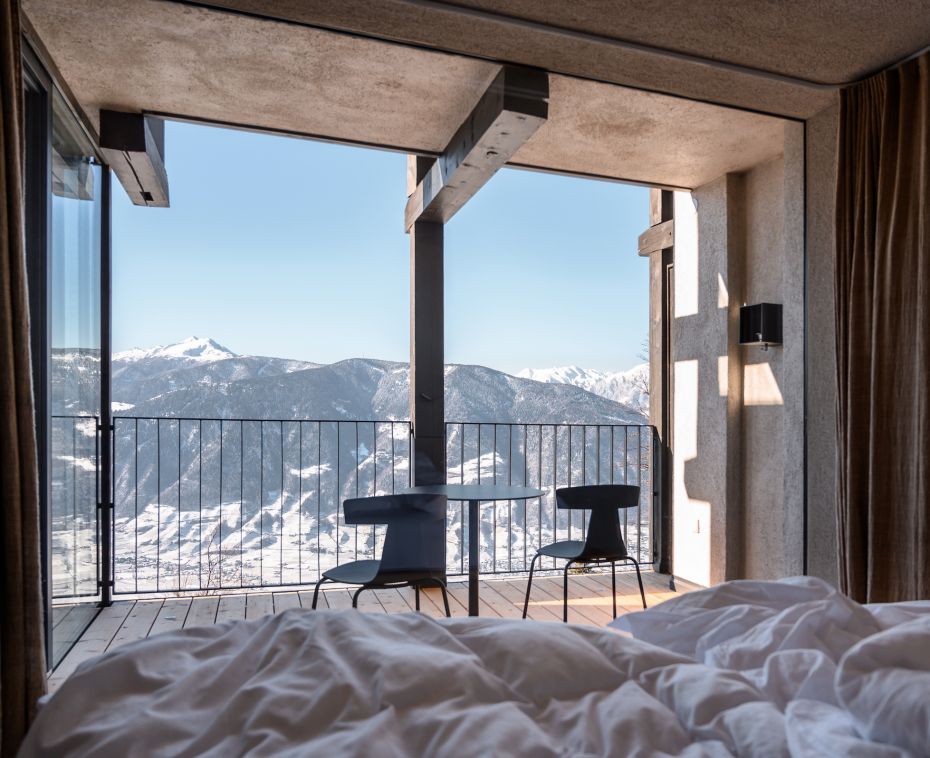
Get the insider news and lowdown on what we've been up to, where we've been, and who we've met along the way. Be the first to discover new places and get the scoop on our favourites.