JOIN the AFICIONADOS
Get the insider news and lowdown on what we've been up to, where we've been, and who we've met along the way. Be the first to discover new places and get the scoop on our favourites.

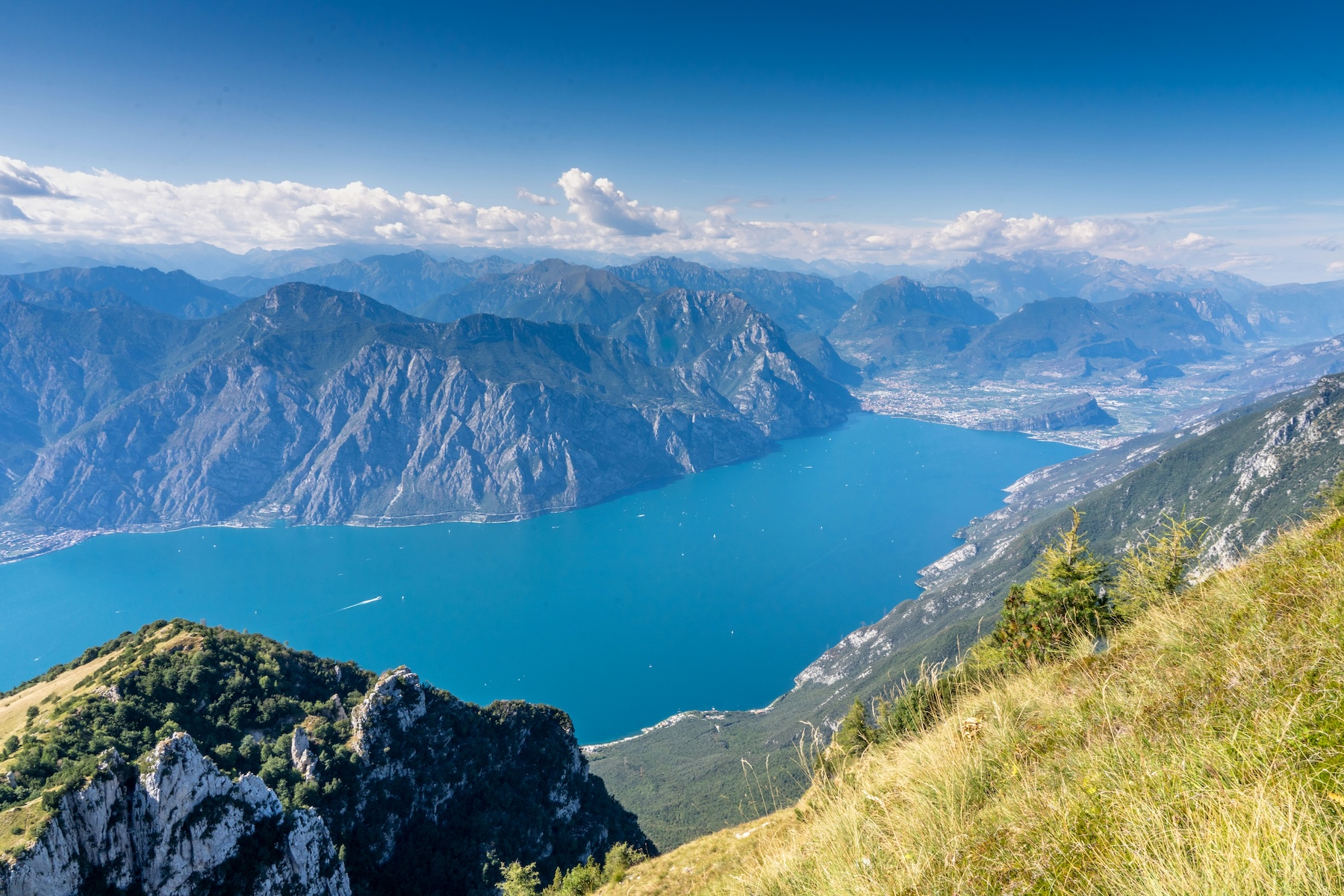
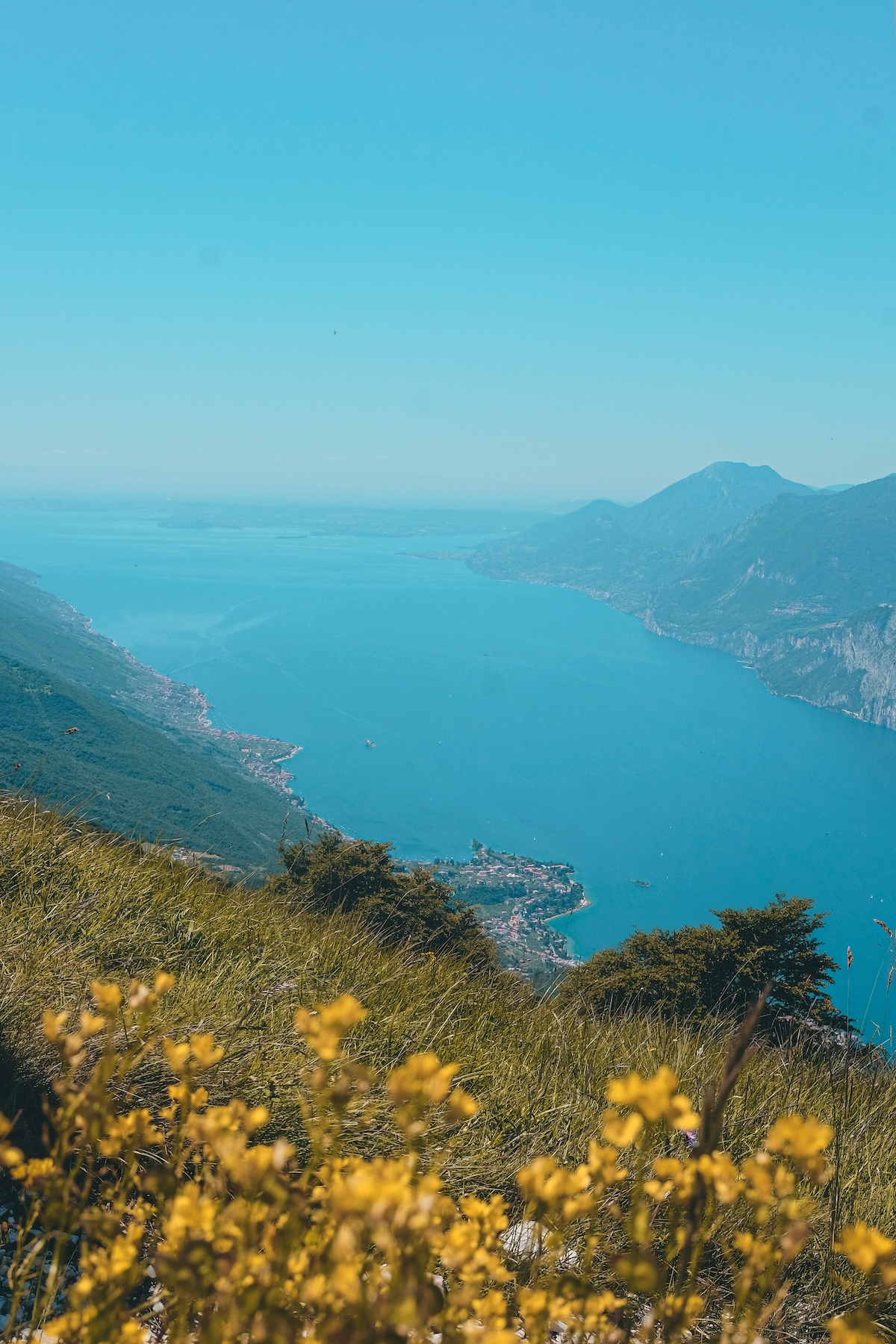
Lake Garda is Italy's largest lake, sitting where Lombardy, Veneto and Trentino-Alto Adige meet in the country's north. Most visitors funnel into the same handful of honeypots in high summer. The smarter move is to pick a base with a little breathing room and the right address; that might be the quieter northern shore around Arco, or poetic Sirmione itself if you choose a design bolthole that hands you the peninsula once the day-trippers have gone. From there, taste the under-rated wines of Lago di Garda and sleep somewhere with genuine design credentials. Here is how we'd do it.
If you only have a weekend, this is the loop, whichever shore you settle on: a design stay above the water near Arco or out on the Sirmione peninsula, a boat trip for ruins and gelato, a vineyard afternoon, and a slow morning in Valeggio sul Mincio. For the full lay of the land, start with our Lake Garda travel hub.
Because it does the things people fly to Italy for, all in one place: a glittering Alpine-fed lake, Roman ruins, medieval castles, mountain trails, world-class climbing and a wine scene most people have never heard of. The microclimate is the quiet hero here; mild winters, warm summers and clear air gave the lake its long-standing reputation as a place of good health, and they hand you a far longer season than the August stereotype suggests.
The catch is the crowds. They cluster, predictably, in the same few spots between July and August. Avoiding them is mostly a question of where you base yourself and when you move.
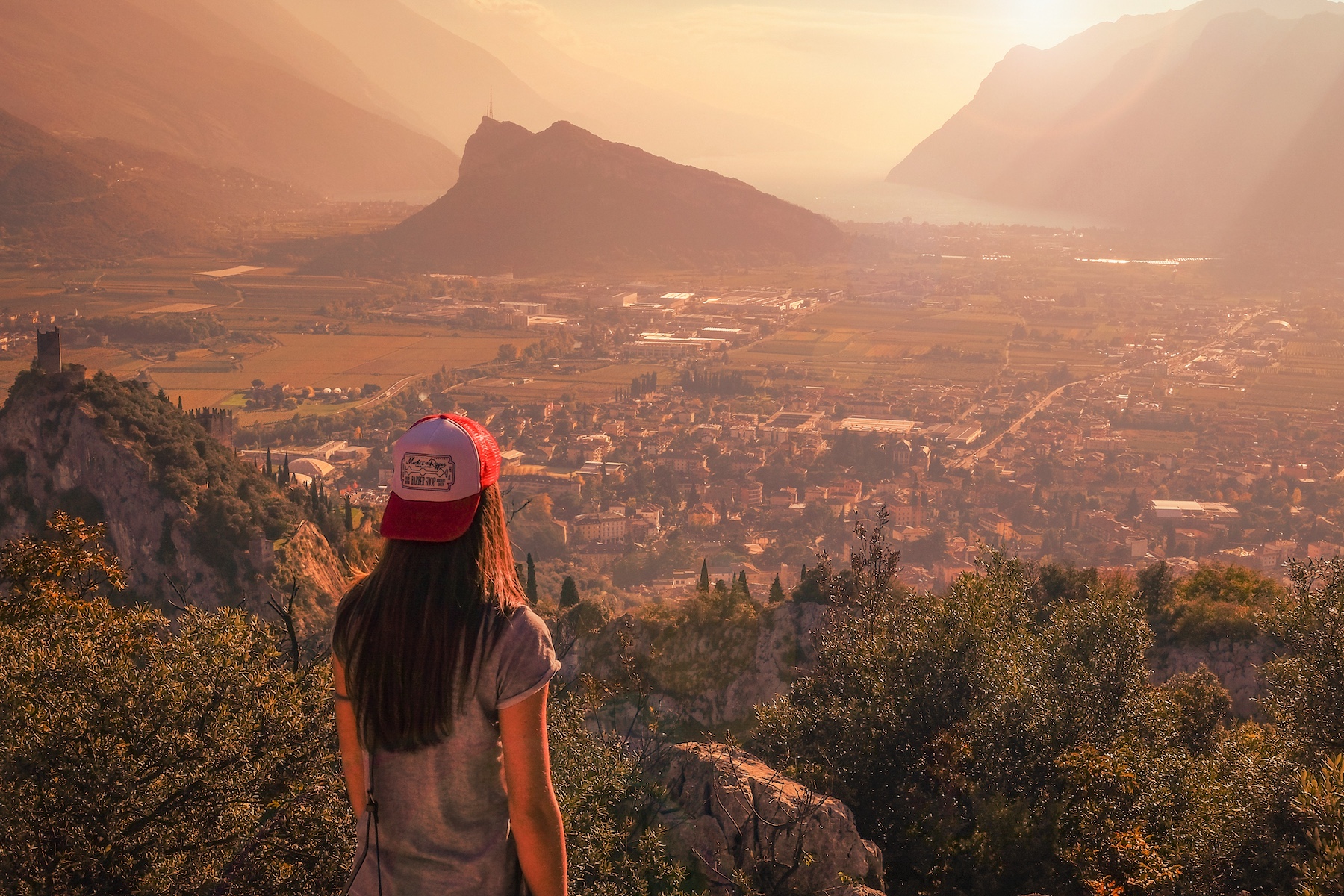
Here is the trick the guidebooks under-sell. Stay a few minutes back from the water, in the mountains above the northern tip, and you get the lake on your terms. If you want to be on the lake rather than above it, hold that thought; we make the case for staying in Sirmione, done properly, a little further down.
Arco sits at the southernmost edge of Trentino-Alto Adige, roughly a ten-minute bike ride or a four-kilometre cycle from the shore. The Sarca River runs through town and on into the lake. Its landmark is a castle on sheer limestone cliffs, once home to the Counts of Arco and famous enough that Albrecht Dürer painted it; that watercolour now hangs in the Louvre. King Francis II of the Two Sicilies died here in 1894, which tells you something about the town's long pull on the rich, the royal and the romantic.
There is real culture to fill a day. The Collegiate Church of the Assumption holds a 15th-century wooden statue of the Virgin Mary; the Sanctuary of Our Lady of Grace dates to 1475; Palazzo Marchetti carries frescoes by Giulio Romano. Follow the Archduke Albert of Habsburg to the Arboreto, a Mediterranean garden laid out around the Villa Arciducale.
Then there is the adventure. Arco is one of Europe's great rock-climbing towns and hosts the international Rock Master free-climbing competition every September. Biking, hiking and climbing all run long here thanks to that mild mountain air. When you want the water, the lake is a short freewheel downhill.
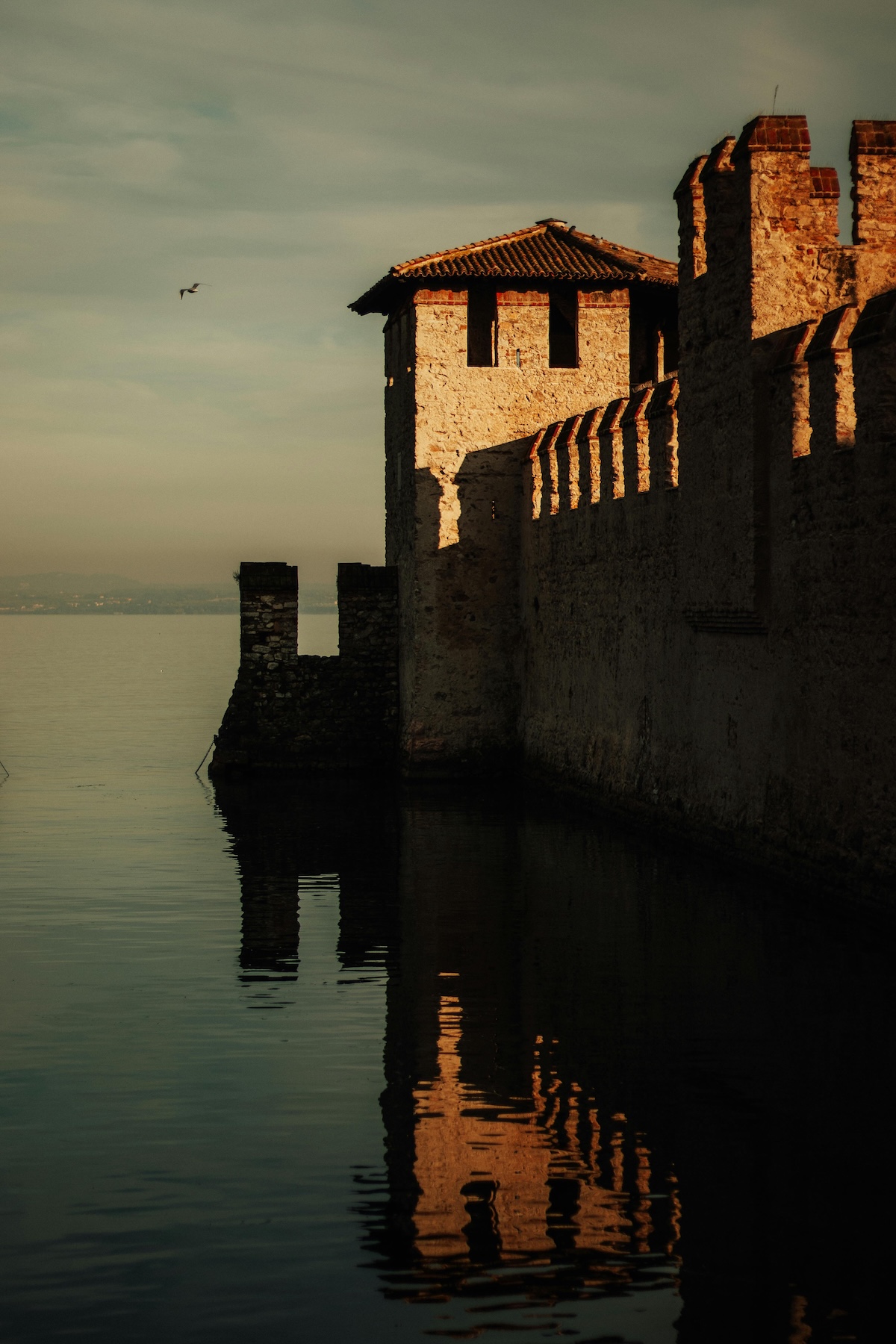
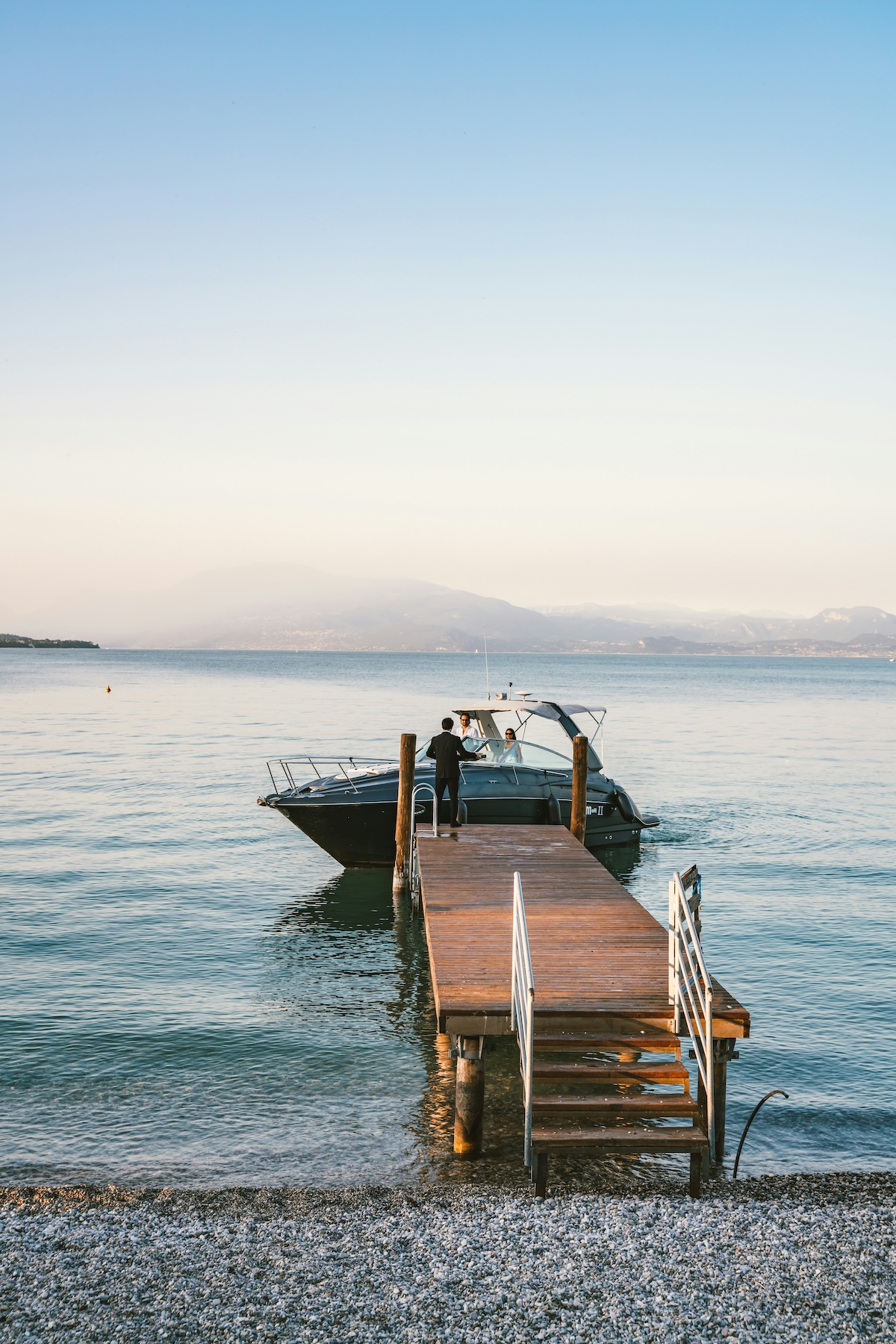
Sirmione is the postcard, and for once the postcard earns it. A narrow peninsula juts into turquoise water on the southern shore, tipped by the moated, fairytale Scaligero Castle from the 13th century.
People have been falling for it for two thousand years. The Roman poet Catullus, credited with inventing the love poem, lived here between 84 and 54 BC and called it the jewel of peninsulas. Tennyson immortalised it centuries later. The opera legend Maria Callas treated it as her refuge from the spotlight, and more recently the cult film Call Me By Your Name shot its sunset swim at nearby Jamaica Beach.
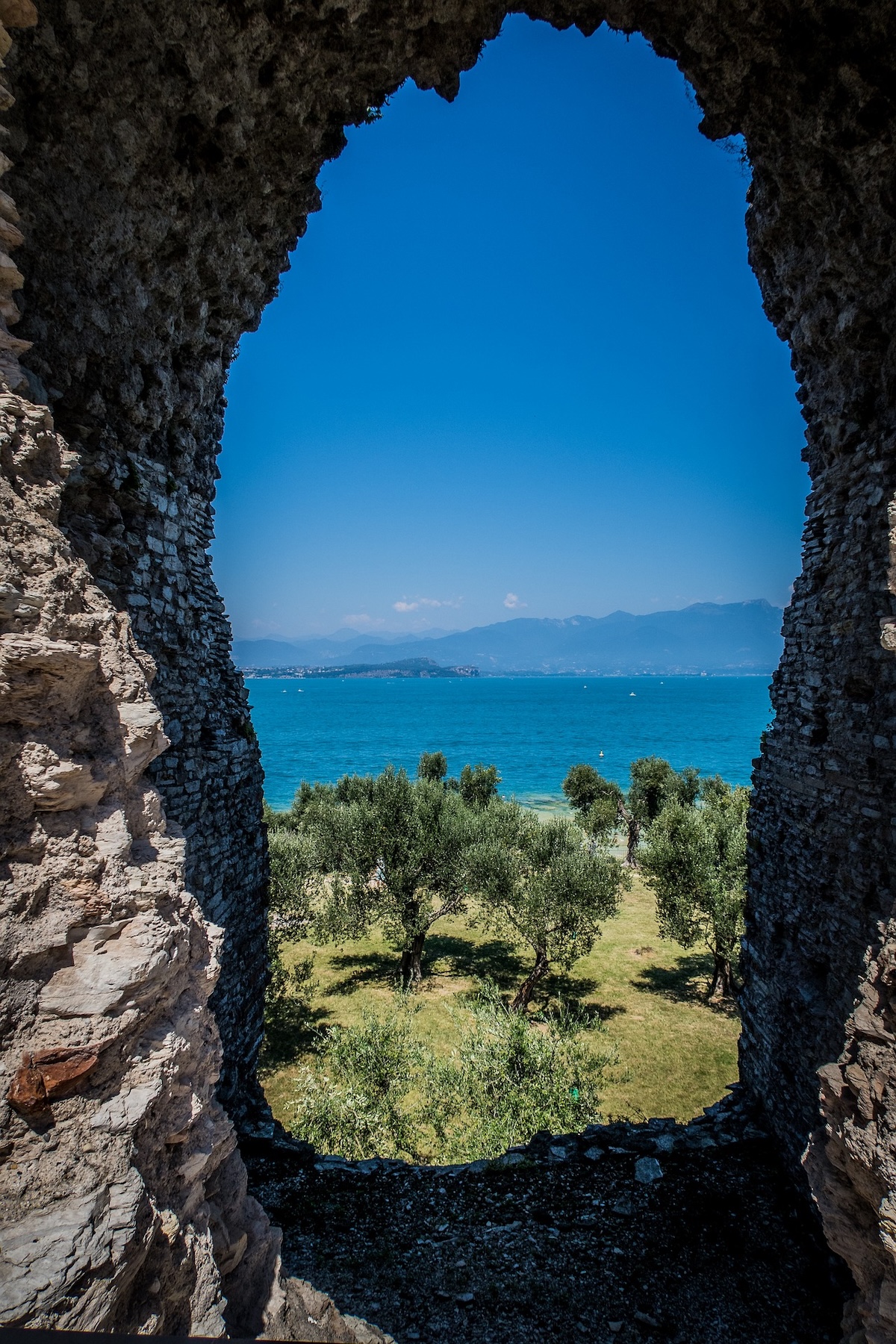
Beyond the romance there is substance: the Grotte di Catullo, the most important Roman site in northern Italy; thermal spa traditions still going at Terme di Catullo and Terme di Virgilio; and a quick hop across the water to Desenzano del Garda, whose cathedral holds an unconventional Last Supper by Tiepolo. The drill is simple: cobbled streets, a gelato, an Aperol Spritz at golden hour, and the slow understanding of why everyone keeps coming back.
Sirmione gets a bad rap for its midday crowds, but that is a question of timing, not a reason to stay away. Base yourself here at the right address and you get the best of both: the peninsula to yourself at first light and after the last ferry, with the day-trippers in between spent out on the water or off at a vineyard. Our pick is Aqva Boutique Hotel, more on which below.
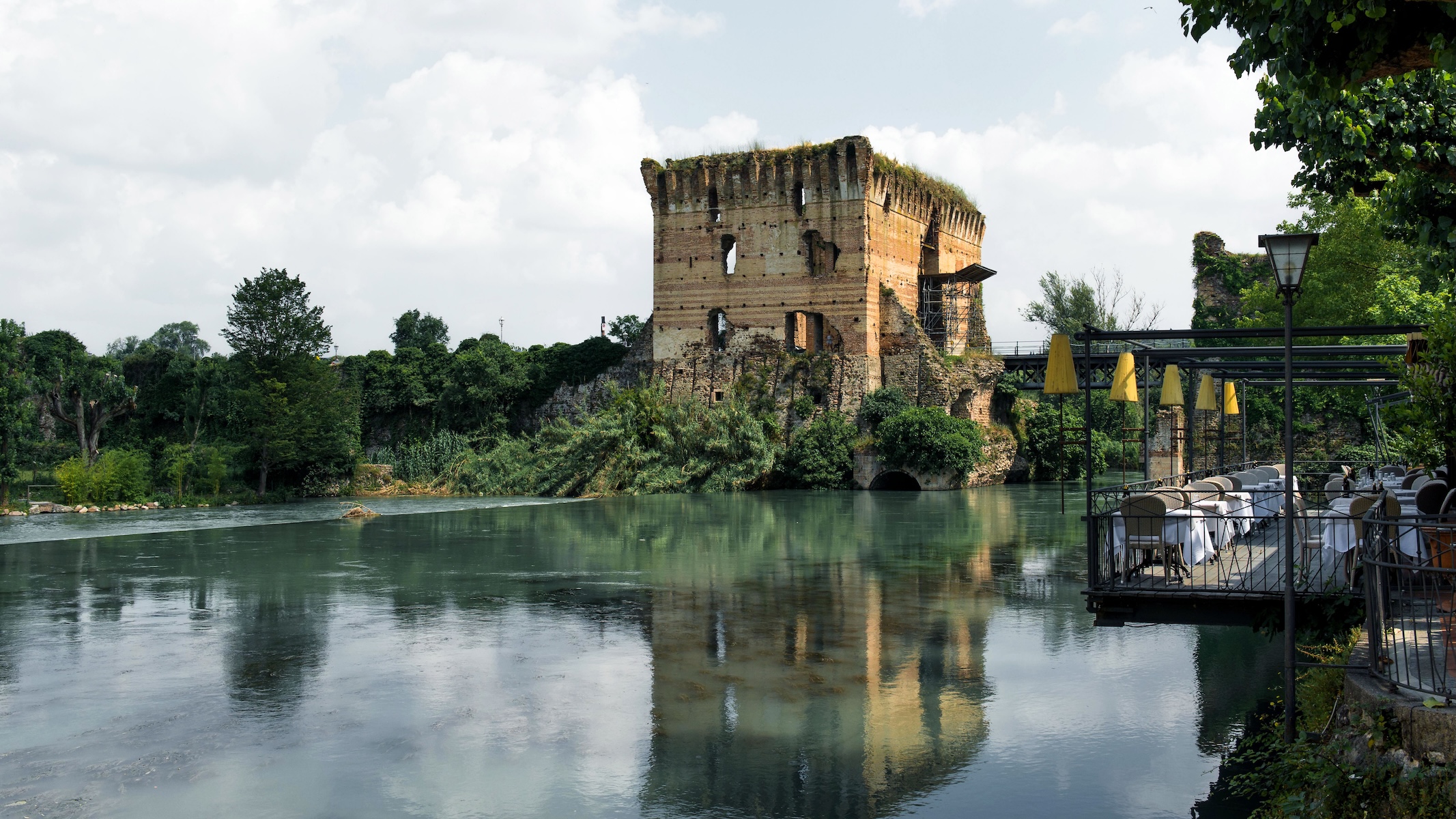
For a morning away from the water entirely, head to Valeggio sul Mincio, straddling the border of Lombardy and Veneto just south of the lake. Its jewel is Borghetto sul Mincio, often called Italy's prettiest village: old water mills lining the riverbank, the imposing 14th-century fortified Visconti Bridge, and the birthplace of tortellini, best eaten in a riverside tavern with a glass of local red.
Walk it off in the Parco della Sigurtà, a vast landscaped garden of roses, tulips, woods and a maze. A cycle track links the village to Peschiera del Garda, the lake's most southerly town, and Verona's pink-stone historic centre is barely half an hour away.
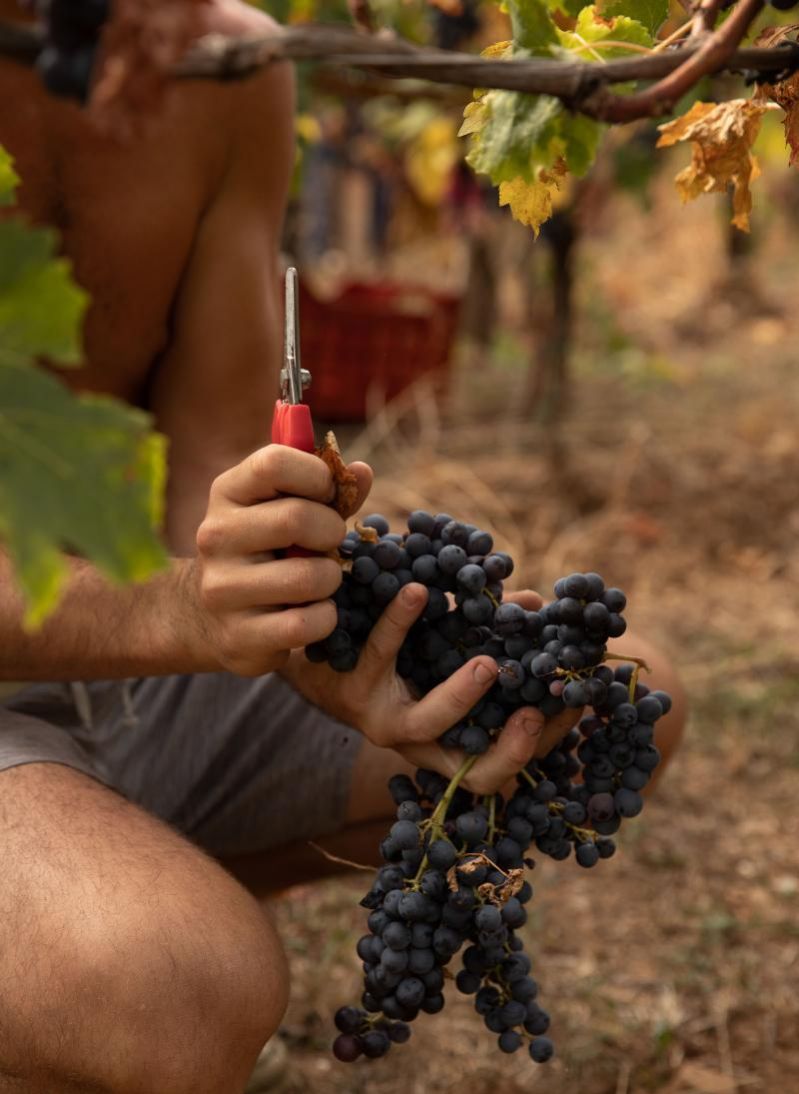
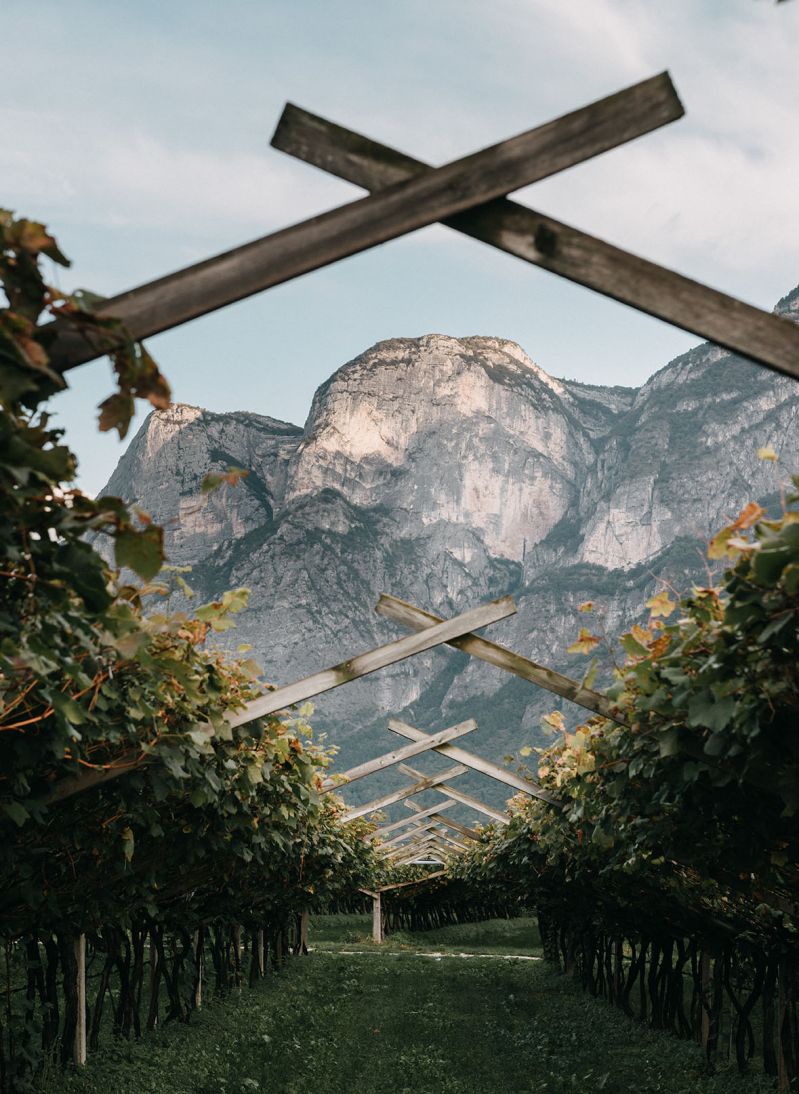
The lake's hills are carpeted in vines, and the wines deserve far more attention than they get. With the owners of Aqva Boutique Hotel as our guides, here is where to point your palate. The full tasting notes live in our Lago di Garda wine guide.
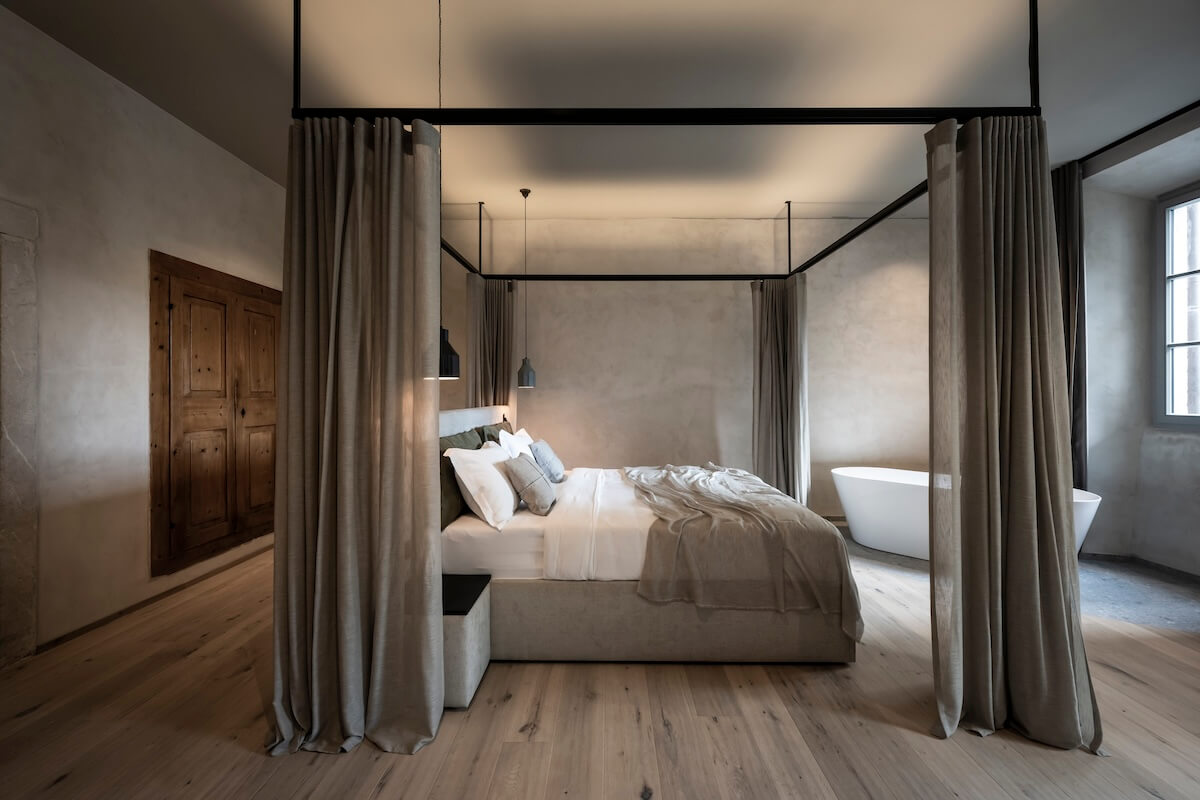
The lake's usual choice is old-world grand hotel or rustic agriturismo. These four split the difference, with architecture as good as the view.
For the fuller case on basing yourself above the water, read Lake Garda without the crowds.
Where is Lake Garda? In northern Italy, where Lombardy, Veneto and Trentino-Alto Adige meet. It is the country's largest lake, fed by Alpine waters and ringed by mountains at its northern end.
How do you avoid the crowds at Lake Garda? Base yourself away from the busiest southern honeypots, ideally up around Arco on the quieter northern shore, and travel outside the July to August peak. Day-trip into hotspots like Sirmione early or late, and use the lake's bike routes and boats to move between towns.
What is the best base for Lake Garda? Arco is our pick: a short cycle from the water, rich in culture and outdoor sport, with a milder climate and a longer season. Sirmione suits anyone who wants ruins, thermal spas and lakefront glamour on the doorstep.
When is the best time to visit? Late spring and early autumn give you warm weather, thinner crowds and the gardens in bloom. The mild microclimate keeps biking, hiking and climbing viable well outside high summer.
Is Sirmione worth visiting? Yes. Expect a 13th-century castle, the Grotte di Catullo Roman ruins, thermal baths and a romance that has drawn poets and divas for two thousand years. Go early or late in the day to dodge the peak rush.
Which Lake Garda wines should I try? Start with Lugana from around Desenzano, Valpolicella and Amarone from the Verona hills, and the natural and biodynamic wines of Trentino. Our wine guide names the producers worth booking.
How do you get to the northern lake? The closest airports to Arco are Verona (VRN) and Bolzano (BZO), each around an hour and a half away.
Where is Lake Garda? In northern Italy, where Lombardy, Veneto and Trentino-Alto Adige meet. It is the country's largest lake, fed by Alpine waters and ringed by mountains at its northern end.
How do you avoid the crowds at Lake Garda? It is mostly about timing and your address. Travel outside the July to August peak, and either base yourself on the quieter northern shore around Arco, or stay in a hotspot like Sirmione at a calm, design-led hotel that lets you enjoy the peninsula before and after the day-trippers arrive. Use the lake's bike routes and boats to move between towns.
What is the best base for Lake Garda? It depends on what you want. Arco, on the quieter northern shore, is the pick for culture, outdoor sport, a milder climate and a longer season, a short cycle from the water. Sirmione is the choice for anyone who wants Roman ruins, thermal spas and lakefront glamour on the doorstep; stay at a design-led address there and you get the romance without the midday crush.
When is the best time to visit? Late spring and early autumn give you warm weather, thinner crowds and the gardens in bloom. The mild microclimate keeps biking, hiking and climbing viable well outside high summer.
Is Sirmione worth visiting? Yes. Expect a 13th-century castle, the Grotte di Catullo Roman ruins, thermal baths and a romance that has drawn poets and divas for two thousand years. Go early or late in the day to dodge the peak rush.
Which Lake Garda wines should I try? Start with Lugana from around Desenzano, Valpolicella and Amarone from the Verona hills, and the natural and biodynamic wines of Trentino. Our wine guide names the producers worth booking.
How do you get to the northern lake? The closest airports to Arco are Verona (VRN) and Bolzano (BZO), each around an hour and a half away.
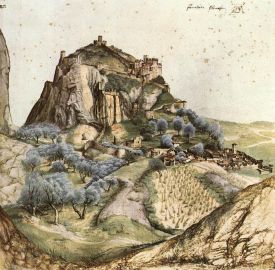
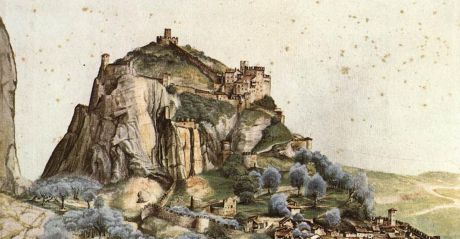
Captured by Albrecht Dürer, Arco’s iconic castle, once home to the Counts of Arco, rises from sheer limestone cliffs, overlooking this historic town near Lake Garda in Trentino-Alto Adige, Northern Italy.
read more
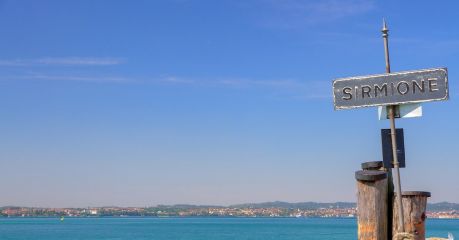
An absolute charm ball landmarked by pillars, arcaded colonnades from the Roman archaeological ruins of "Grotte di Catullo" to the 13th-century fortress, Scaligero Castle.
read more
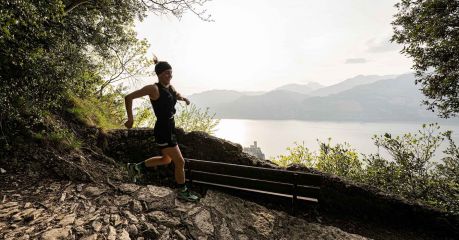
A marathon that starts in two provinces and finishes in a third. PEAK Lake Garda 42 returns for April 2027, and entries are officially open.
read more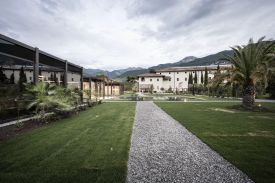
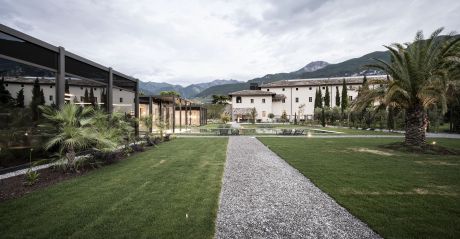
Once the home of devout Sisters, its aged cloistral heritage has been recast following an exacting narrative of preservation, reframing the monastic aesthetics for the modern nomad without corrupting the patina of austere beauty and timeworn touchpoints.
read more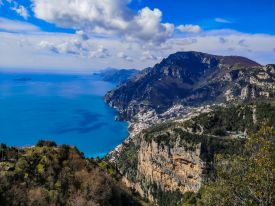
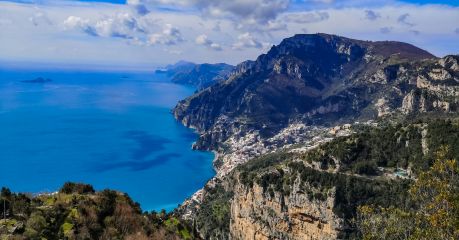
Amalfi and the Path of the Gods - Sentiero degli Dei is magical, an easy, two-hour amble for mortals like us, spy the Amalfi Coast’s breath-taking UNESCO World Heritage site in all its glory from a lofty, God-like height, tracking the path from Agerola’s Bomerano near Amalfi to Positano’s pause-worthy Nocelle.
read more
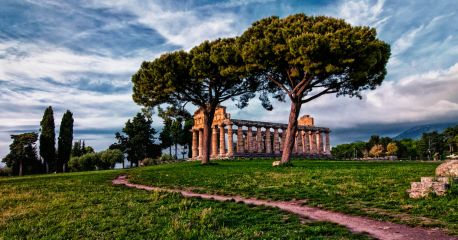
Paestum Temples in Southern Italy is one of those ancient antiquities that you have to visit – this UNESCO World Heritage Site in Cilento Campania is a treasure trove of ancient Greece including three of the world’s best-preserved temples.
read more
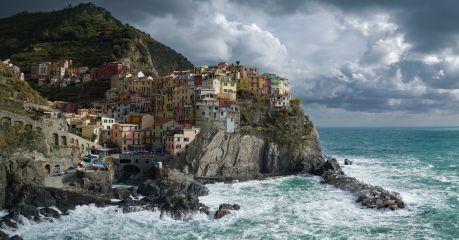
Cinque Terre in the Slow Lane – Ensconce yourself at a secluded retreat where the pleasures of slow living are championed in a peaceful and tradition-filled Ligurian way of life.
read more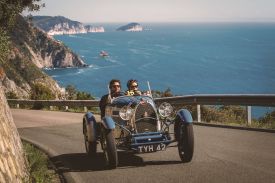
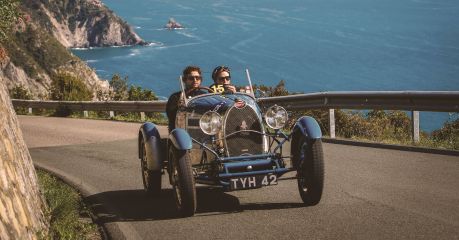
A 600km cavalcade of classic cars roaring through Italy’s Motor Valley, Tuscan hills, and coastal gems – Terre di Canossa is where motoring nostalgia meets Michelin-starred indulgence and la dolce vita.
read more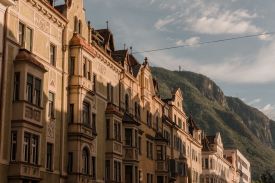
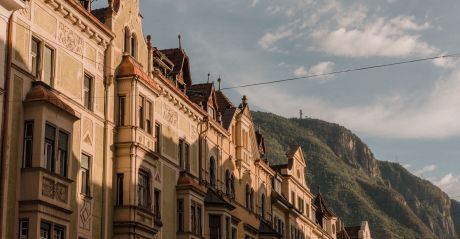
From its cultural heart to the altitudinous pleasures it offers, we put Bolzano in the headlights to explore its heritage core, architectural merit, stylish stays, foodie forays and more.
read more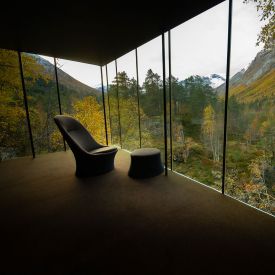
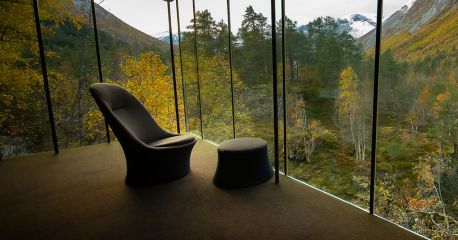
Where wilderness meets radical architecture, soulful stays and culture-led adventures – join us in chasing raw nature, good people and unapologetically beautiful escapes across the wild corners of the world.
read more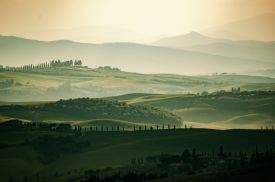
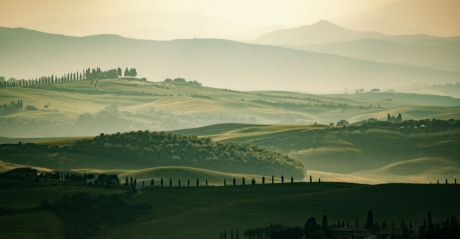
Four independently owned Tuscan hotels, from a 1720 Chianti borgo and a Versilia art house to a Montefollonico farmhouse and a convent townhouse in Pienza.
read more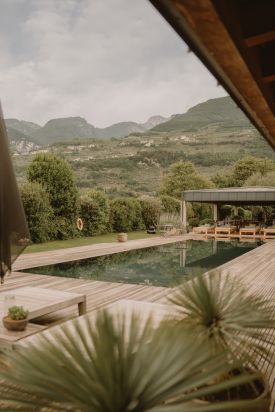
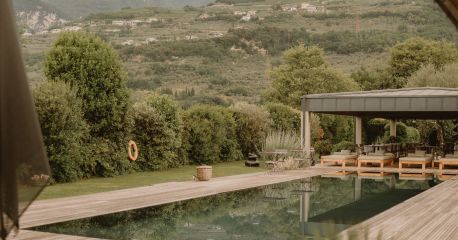
Concrete, glass, rusted steel – architecture meets agriturismo in this ultra-stylish retreat near Lake Garda. Low-slung, counter-sunken, and framed by vines, it’s minimalist luxury with an infinity pool that steals the scene.
read more
Get the insider news and lowdown on what we've been up to, where we've been, and who we've met along the way. Be the first to discover new places and get the scoop on our favourites.