JOIN the AFICIONADOS
Get the insider news and lowdown on what we've been up to, where we've been, and who we've met along the way. Be the first to discover new places and get the scoop on our favourites.

In the Valley of Forgue, Loader Monteith has restored Boynsmill House, the 1771 home where James Allardice founded The Glendronach in 1826, as an intimate whisky house for the distillery’s bicentenary.
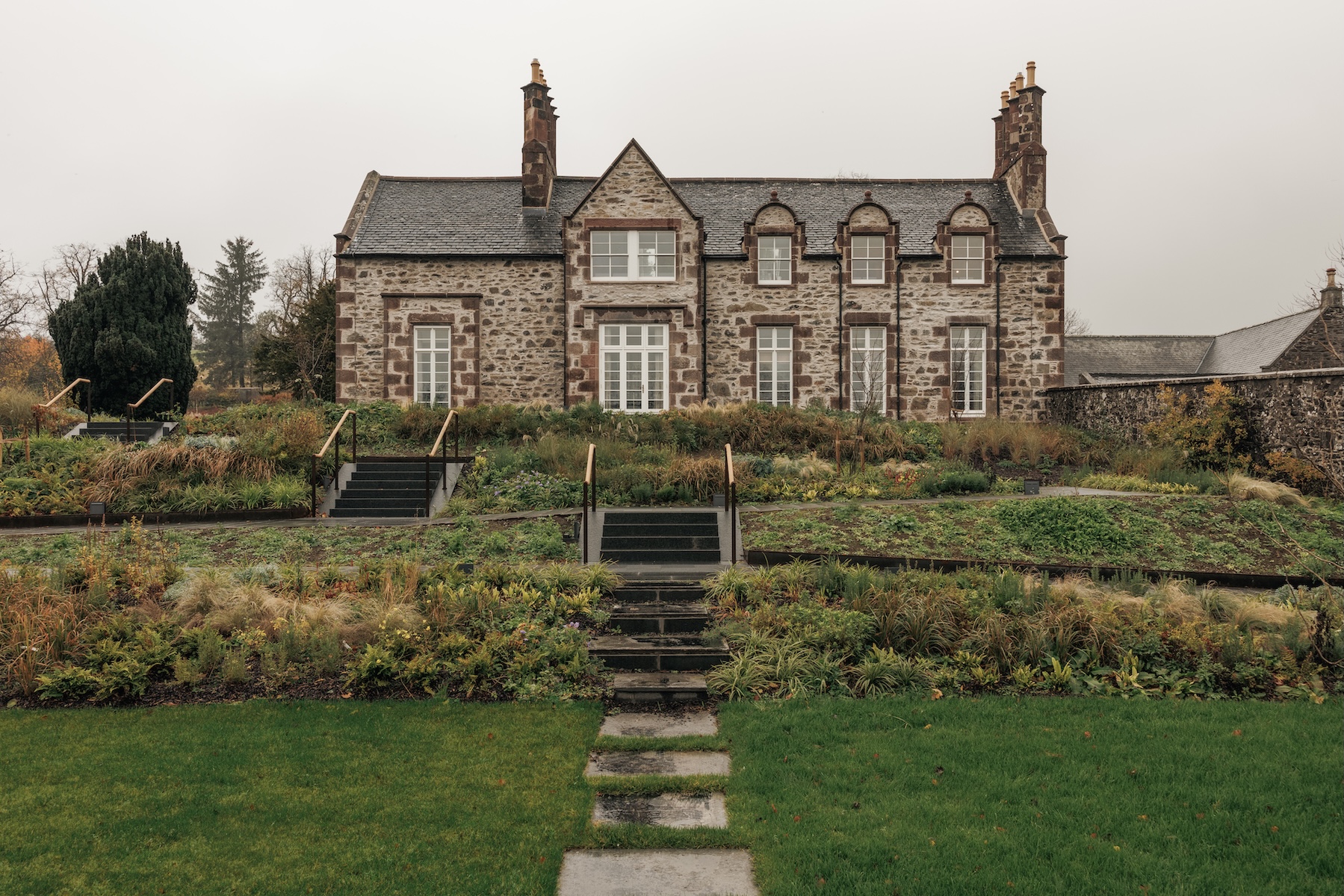
Glendronach comes from the Gaelic gleann dronach, the valley of the brambles, and the brambles are still there. So is the Dronach Burn, running through the folded farmland of Forgue, six miles northeast of Huntly, where the distillery sits low among its stone kilns and bonded warehouses like a farm steading that took a different turn. Across the lane stands Boynsmill House, a granite house with a datestone over its oldest part: W.A., for William Allardes, and the year 1771.
Half a century later, James Allardice founded The Glendronach here. Award-winning Scottish architecture practice Loader Monteith has now led the deep retrofit and refurbishment of the Category B listed house, restoring and reimagining it in celebration of the distillery’s 200th year. Boynsmill House stands as a whisky house in its own right, with a new tasting room, bar, dining room, and lounge that bring together heritage, whisky, hospitality, and design across a series of intimate, detail-driven spaces.
Allardice arrived at a fortunate moment. The Excise Act of 1823, pressed in Parliament by the Duke of Gordon, whose estates covered much of the illicit-distilling north-east, made licensed whisky worth the trouble for the first time. In 1826 Allardice and a partnership of local farmers took out one of the earliest licences in Scotland, and The Glendronach is thought to be one of the first legal stills in the country.
He was, by every account, an exuberant host, and proud of it. The distillery still tells the story of his first sales trip to Edinburgh: unable to interest the city’s innkeepers, he shared his flagon with two women of the night he met in the street, and by the time he went home the Royal Mile was asking for “Guid Glendronach”. He renamed his house Glen House when the distillery was built; later, it became a guest house.
The house saw the distillery through its setbacks. A fire in 1837 nearly destroyed the distillery, and in 1842 Allardice was declared bankrupt. Walter Scott, formerly of Teaninich, took on the ruins and rebuilt them, and by the 1860s The Glendronach was paying more duty than any distillery in the Highlands. In 1920 it passed to Captain Charles Grant, son of the founder of Glenfiddich, then in 1960 to William Teacher & Sons and, after several more changes of hand, to Brown-Forman in 2016. Through all of it the rooks have stayed in the trees above the warehouses, a colony said to bring the distillery its luck, and the casks have stayed Spanish: Oloroso and Pedro Ximénez sherry wood from Andalucía, the house style since Allardice’s day.
Working to retain the character of the granite structure, Loader Monteith first stripped the building back to its monolithic bones. What they found was a series of small rooms typical of the 18th century, a large south-east wing added around 1835, and later adaptations made for its use as a guest house. That condition led the architects to replan the layout around new, modern facilities.
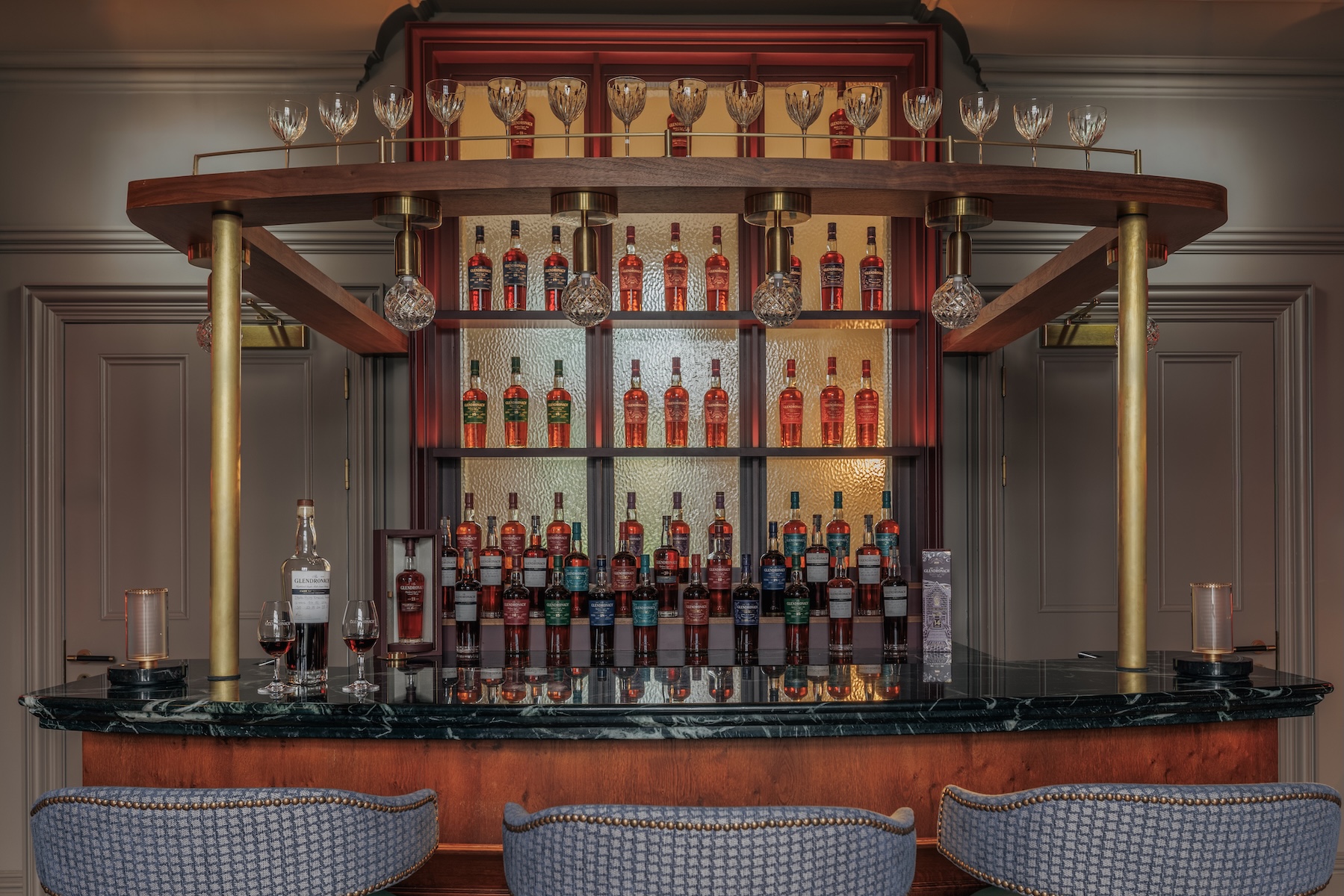
Guests now arrive through an entrance and lounge before moving into the heart of the house, a tasting bar with banquette seating that opens directly onto the walled garden and terrace. Next door, the dining room, centred on a fireplace with a marble surround, offers a more formal setting for private dinners, tastings and food pairings. On the upper floor, under the original roof beams, now exposed and restored, sits a new advocacy room where The Glendronach team host private tastings and deepen their own knowledge of whisky.
“Boynsmill House sits at the very origins of The Glendronach Distillery,” says Iain Monteith, Director at Loader Monteith. “In leading the restoration, our approach has been to preserve the character and authenticity of the building while giving it a renewed role for the future.”
Accessibility has been greatly improved, with step-free access now through the ground and upper floors, and door widths expanded to give a sense of generosity and an ease of movement from room to room.
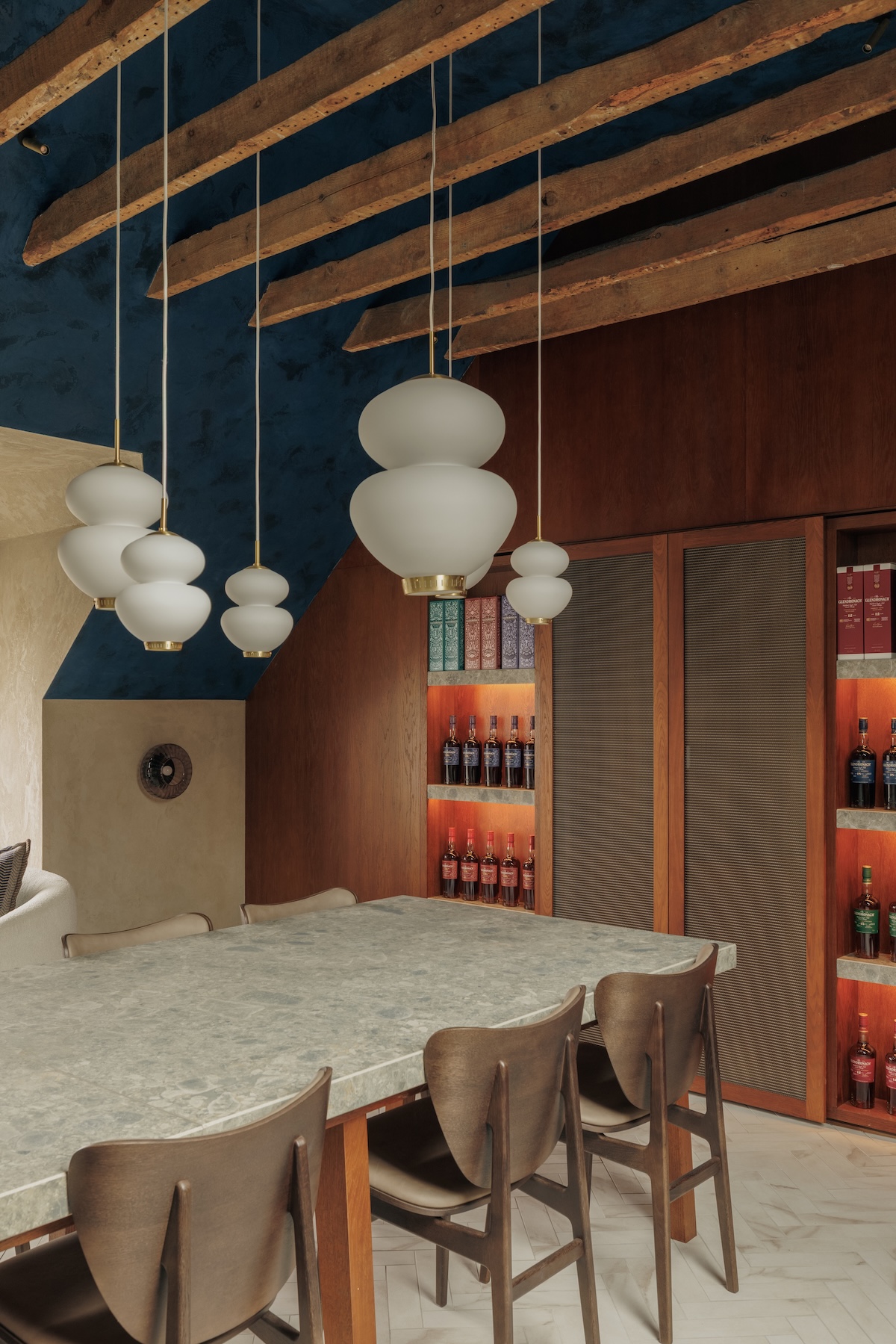
The interiors are the work of Glasgow studio Scarinish, and they blend old and new: celebrating the heritage of the building while reflecting the contemporary Glendronach story. The palette is rich and deliberately tactile, with fine timbers, marble, brass, painted panelling, decorative plasters and contemporary Scottish fabrics, complemented by curated furnishings.
“At its heart, Boynsmill House is designed around warmth, discovery and a sense of occasion,” says Ross McNally, Scarinish’s Founder and Creative Director. “To sit by the fire. To gather around the bar. To share a meal. To discover a whisky. To lose track of time. It is a house with history, but one designed for creating new stories.”
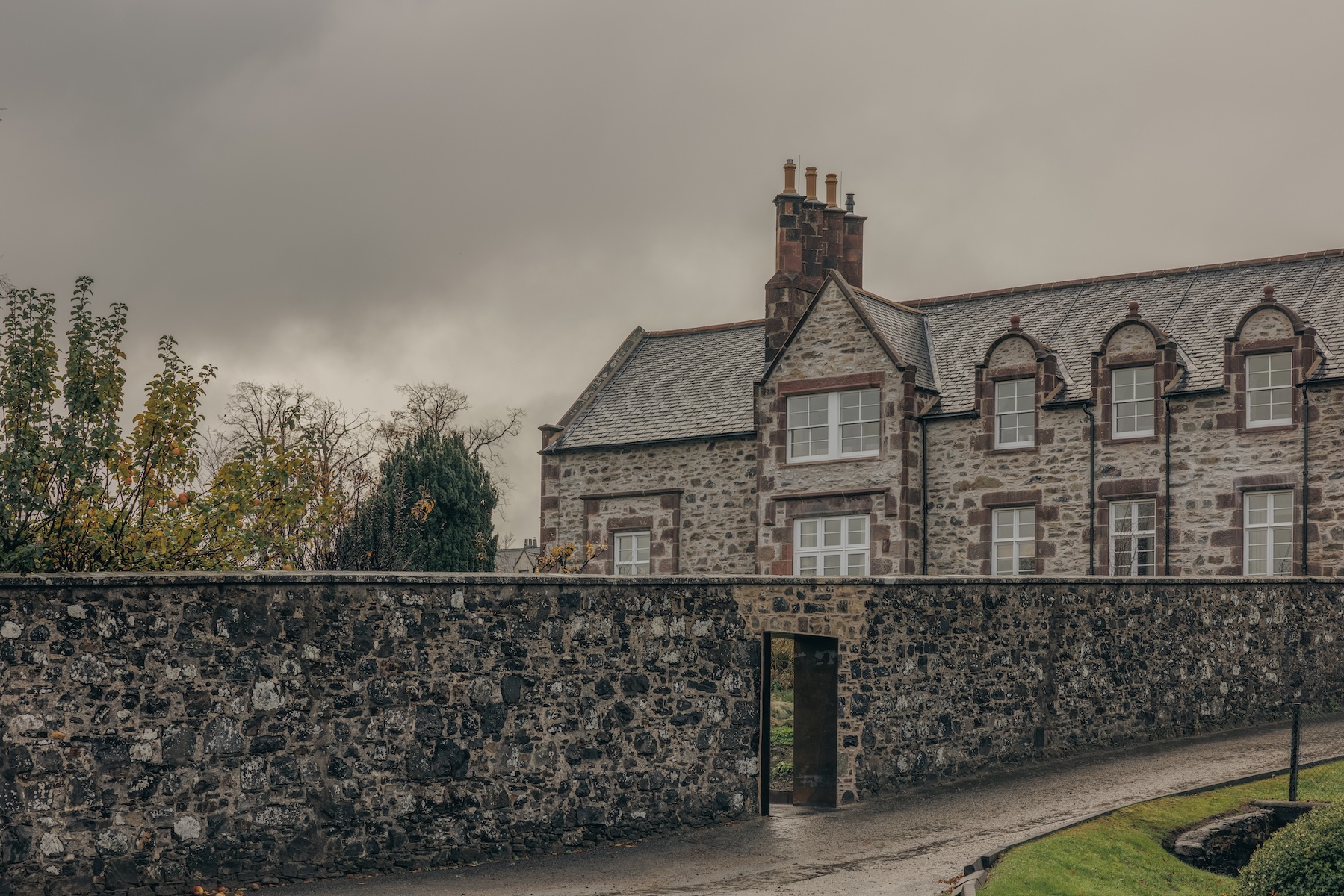
Where previously there was little connection between indoors and out, a new landscaping plan by rankinfraser landscape architecture anchors the house in its rural setting. The approach unfolds as a sequence: from the new parking area, through a terraced lawn, to a new patio and the walled gardens that enclose the house. Scottish whinstone paving softens into planting at its edges, so that the hard and soft landscape meet without a seam.
“The use of Scottish Whin stone throughout the garden grounds the new interventions with a sense of permanence and locality,” says David Muir, Associate at rankinfraser, “whilst herbaceous perennial and ornamental grass planting brings a new vibrancy.” Within the walls, gathering spaces for groups of different sizes look out with a dram over the garden, the distillery and the fields and woodland beyond.
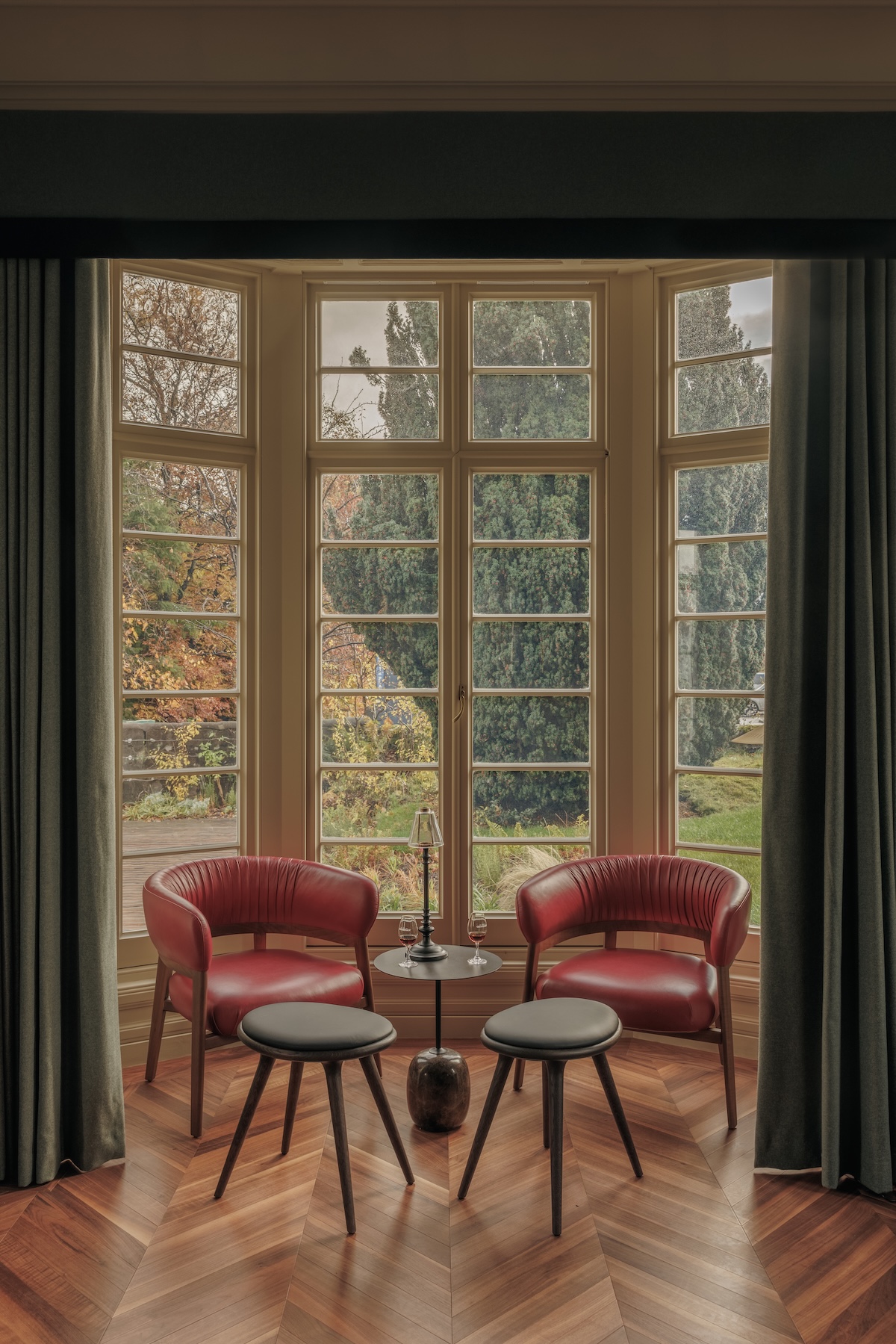
The quieter work is in the fabric. The exterior has been repointed in lime mortar, allowing the stone to breathe for the first time in decades. The thermal envelope has been brought up to standard for the coming generations, with new energy-efficient services, generous lime and cork insulation, a new roof and chimney stacks, and new double glazing. It is the kind of retrofit Loader Monteith has made its name on since 2016, from Peter Womersley’s modernist High Sunderland in the Borders to the Jenners building in Edinburgh: careful with what survives, unsentimental about what a building needs to keep going.
Jennifer Proctor, Head of European Homeplaces at Brown-Forman, returns to the founder. “James Allardice was revered as an exuberant host, taking great pride in welcoming guests to his home and The Glendronach Distillery,” she says. “It has been a privilege to oversee the full refurbishment of his former home, allowing us to once again welcome guests to experience Highland hospitality at the heart of the distillery.”
The valley remembers longer than the distillery. A mile or so south, Frendraught House stands on the site of the castle burned in October 1630, when Gordon of Rothiemay and the young Viscount Melgum died in a fire during the long feud between the Crichtons and the Gordons; north-east Scotland has sung the ballad ever since. Huntly, the nearest town, grew up beneath the Gordons’ own castle on the River Deveron, the river into which the Dronac Burn flows. This is Aberdeenshire’s quieter country, farmed and wooded, where the old Doric still turns up in conversation.
Boynsmill House is the first chapter of a wider masterplan. Loader Monteith’s second phase will bring a new retail space and a publicly accessible visitor experience and tasting centre, set within the distilling warehouses directly opposite. For now, the house holds the distillery’s past and its private welcome under one restored roof, much as Allardice left it: a door open in the valley of the brambles, and a fire lit for whoever has come.
Continue north with our guide to the best hotels, guesthouses and private habitats in Scotland.


A small, homegrown family company with high ethical standards produces a range of candles and diffusers which paint a picture of the largest Hebridean island.
read more
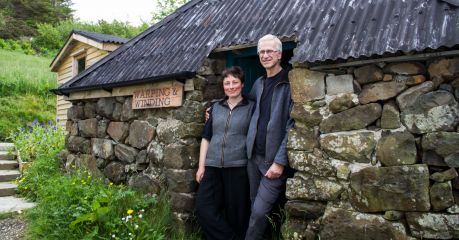
Specialising in Scottish tweed and textiles in natural woollen yarns collected from the fluffy sheep that dot the isle, Skye Weavers create a versatile range of 100% Skye wool products.
read more
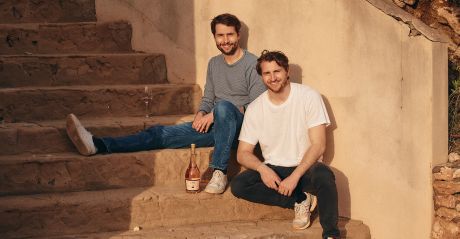
Swiss gin gets cheeky. Deux Frères craft artisanal spirits with a rebellious streak, turning botanicals into colour-shifting alchemy and farm-born ideas into cult favourites. From Zurich, with serious flavour flair.
read more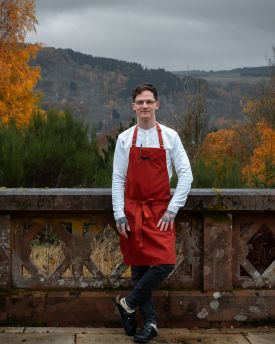
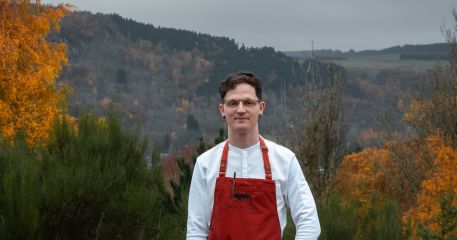
Dun Aluinn names its dining room for the she-wolf on its crest. Chef Tasso Neofitos, late of HAAR and The Newport, cooks a Perthshire tasting menu, now open to all.
read more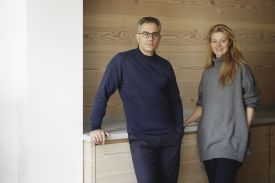
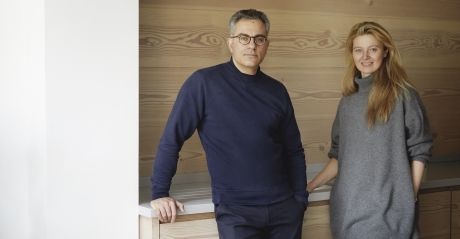
Stylish, natural, casualwear, knits, t-shirts + crafted closet essentials that are ethical, sustainable, carbon neutral and natural, created by Petra Brichnacova and Esteban Saba.
read more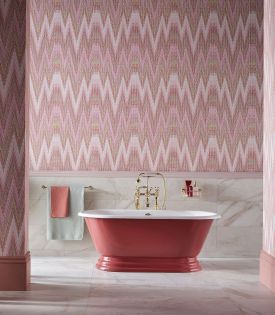
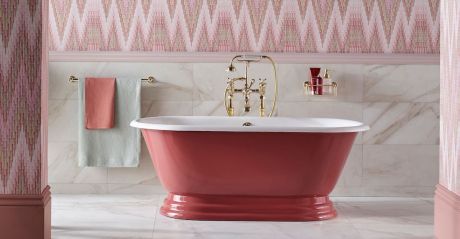
Set up in the 1980s, by Drummond Shaw, the company began as a vintage salvage company, restoring old rolltop baths to a characterful beauty, perfect for upmarket interiors and of course, indulgent deep soaks.
read more
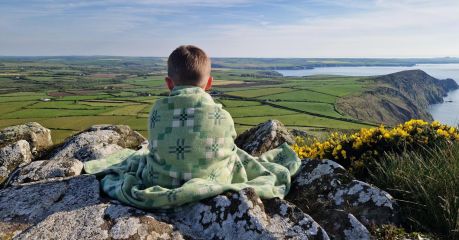
The country of Wales is a long-time respected and highly regarded producer of crafted textiles and weaving, and one of the most sought-after British manufacturers, produced in a whitewashed mill that’s been in continuous use since 1841.
read more

From a bluebell wood in Perthshire to a smoothly sculpted piece of furniture for a special spot, Angus Ross is a wood crafter and expressive designer of extraordinary proportions.
read more

On Ireland's Wild Atlantic coast, The Tweed Project reworks indigenous Irish cloth into bombers, kaftans and cloud collars: slow fashion with craic, colour and rebellion.
read more
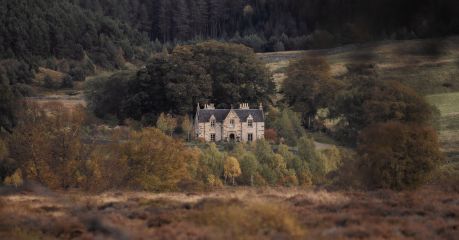
A tiny weathered Scottish farmhouse plays host to Scandinavian contemporary design and Scottish crafted pieces from the Highlands - an irresistible combo of old and new, heritage meets the design - affectionately known as the 'Scandi-Scot'.
read more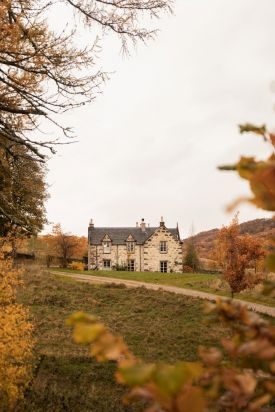
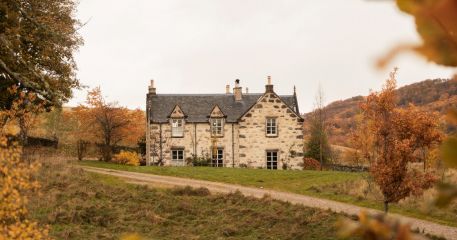
Located within the breathtaking Cairngorms National Park this creatively unique designer pad in the Scottish highlands is the new place to bed down for the night. Expect a wondrous, comforting blend of classic Scottish aesthetic and smooth, muted Scandi design.
read more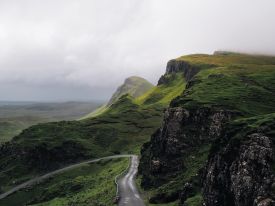
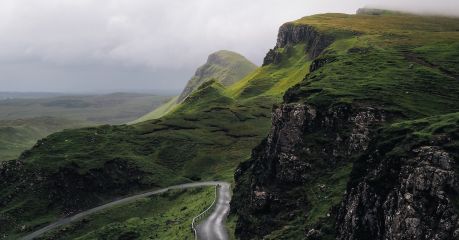
This isn’t just a road trip – it’s Scotland in widescreen. Remote, radical, and road-tested with design stays, wild moments and Highland soul stitched into every mile.
read more
Get the insider news and lowdown on what we've been up to, where we've been, and who we've met along the way. Be the first to discover new places and get the scoop on our favourites.