JOIN the AFICIONADOS
Get the insider news and lowdown on what we've been up to, where we've been, and who we've met along the way. Be the first to discover new places and get the scoop on our favourites.

A design-led look at how Agape bathtubs and washbasins shape the interiors of five boutique hotels in The Aficionados collection, from a Grand Canal palazzo to the Scottish Highlands.
In the hotels that stay with you long after checkout, there is almost always a single object the whole room seems arranged around. Sometimes it is a fireplace, sometimes a window framing an improbable view. More often than the design magazines admit, it is a bath. A vessel set just so, catching the light, deciding where you stand and how you move, quietly telling you what kind of place you have walked into.
Across five hotels in The Aficionados collection, from a sinking palazzo on the Grand Canal to a stone cottage on the wind-scoured coast of Scotland, the same name keeps appearing at that still point in the room. Agape, the Italian bathroom design house from Correggio Micheli, near Mantua, has spent five decades treating the bathroom not as a service space to be tidied away but as a room worth composing. What follows is a conversation between five very different boutique hotel interiors, and the Agape bathtubs and washbasins that set each scene.
The most telling thread runs through three of them: a single tub, the Vieques, designed by Patricia Urquiola. Urquiola took the humble zinc bathtub of old farmhouses, the kind once filled by hand beside a stove, and reworked it in Cristalplant with a soft banded silhouette. It is a piece with a memory, and a quiet masterclass in how one freestanding bathtub can change character completely depending on the room it is asked to hold.
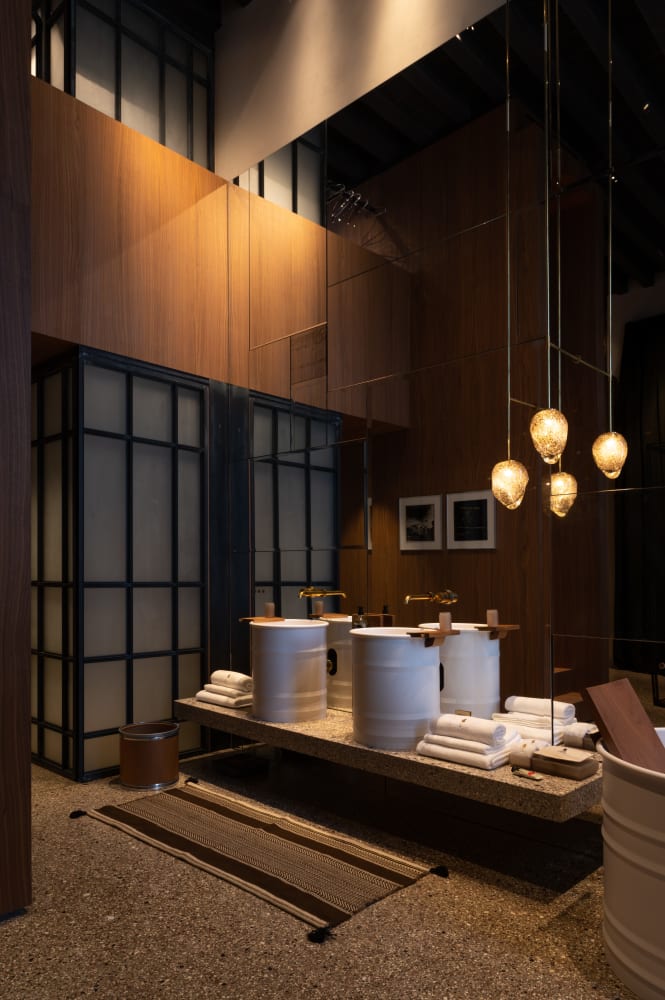
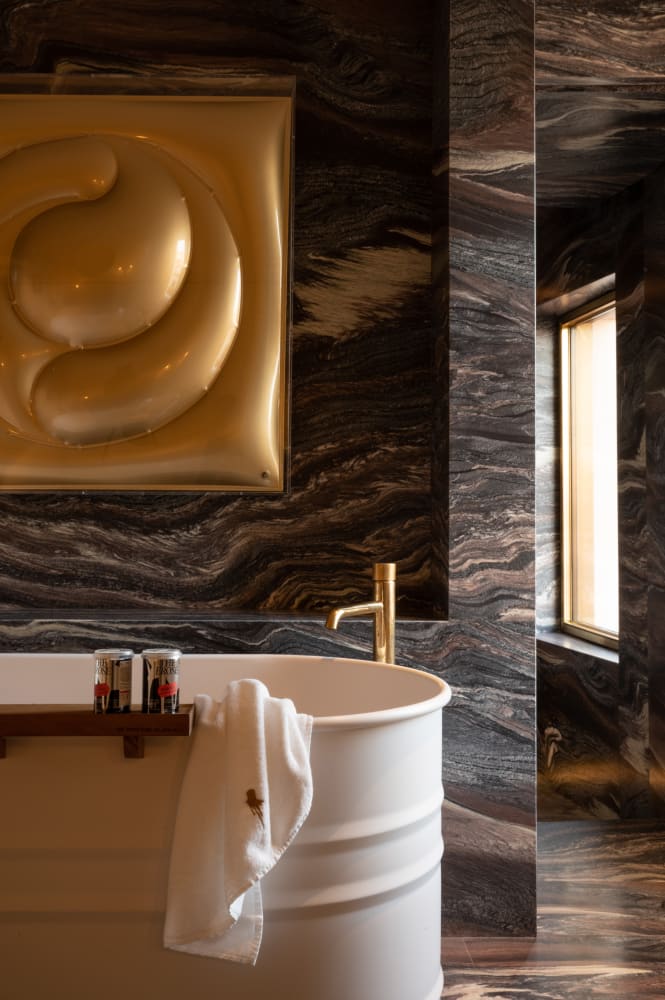
At The Venice Venice Hotel, the Vieques arrives in cream. The setting is Ca' da Mosto, a thirteenth-century Veneto-Byzantine palazzo on the Grand Canal, one of the oldest on the water and, for a long stretch of its life, a slowly sinking one. Founders Alessandro Gallo and Francesca Rinaldo reopened it as a design destination and a clubhouse for the city's creative community, hanging seventy years of contemporary art beneath ancient carved ceilings. Then, in the suites, they did something counterintuitive. They went quiet. The sleeping areas turn to a pale, Japanese calm of whites, creams and natural wood, with paper walls that echo shoji screens. The drama is saved for the bathroom, where dark, richly veined marble runs across walls and floor and the cream Vieques sits against it like a pearl on slate. A slim brass tap, a white towel over the rim, a wave of gilded sculpture on the wall above. The Gallos looked to the Japanese onsen for the mood, and the tub becomes the place you unwind after the winding streets. Nearby, two cylindrical Vieques designer washbasins stand on a raised stone plinth between black-framed screens, lit by amber glass pendants. It is theatre, staged with total restraint, and one of the most photographed pieces of hotel bathroom design in Venice.
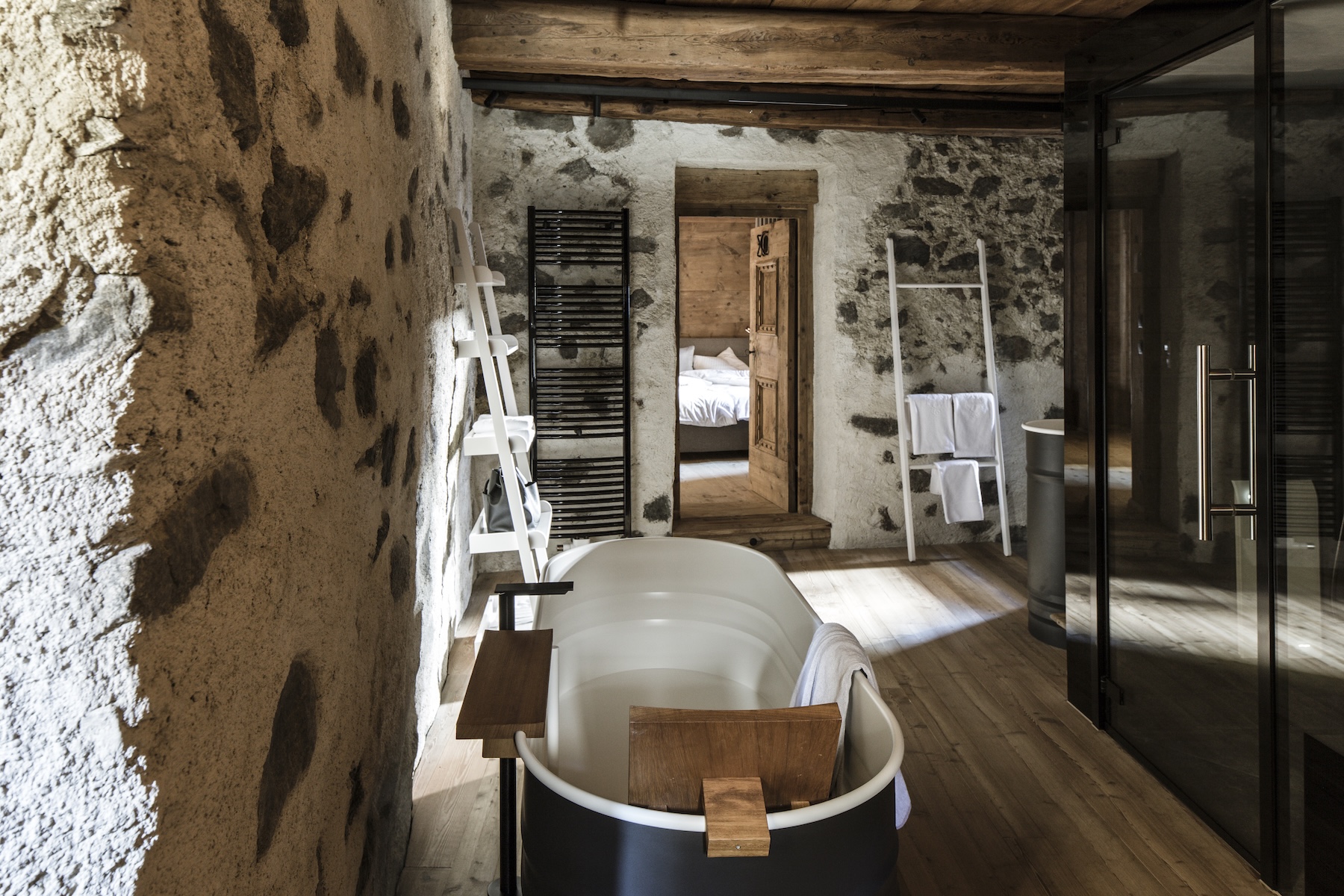
Carry the same tub north to the mountains and it turns black. At the Weißes Kreuz Hotel in Burgusio, a design hotel high in the upper Val Venosta of South Tyrol, the Vieques lives in the oldest rooms, a black tub set against rough whitewashed stone that has stood since the thirteenth and nineteenth centuries. Architects Marx and Ladurner were asked to make a village within a village, weaving new comfort into historic walls without shouting over them. Beside the tub leans Agape's Stairs element, a slender ladder-shelf in white that holds folded towels against the stone, with an Insegna mirror and a Pic-nic holder completing the composition. In the hotel's modern volume, all clean lines and alpine ease, a different bath takes over: the DR, Marcio Kogan's amorphous white basin of a tub, its soft organic edge a piece of pure sculpture in a bright room. Two tubs, one hotel, and a single idea running between them. As the architects put it, the Agape pieces seem to have been designed for these rooms, giving a touch of modernity without ever competing with the historic architecture.
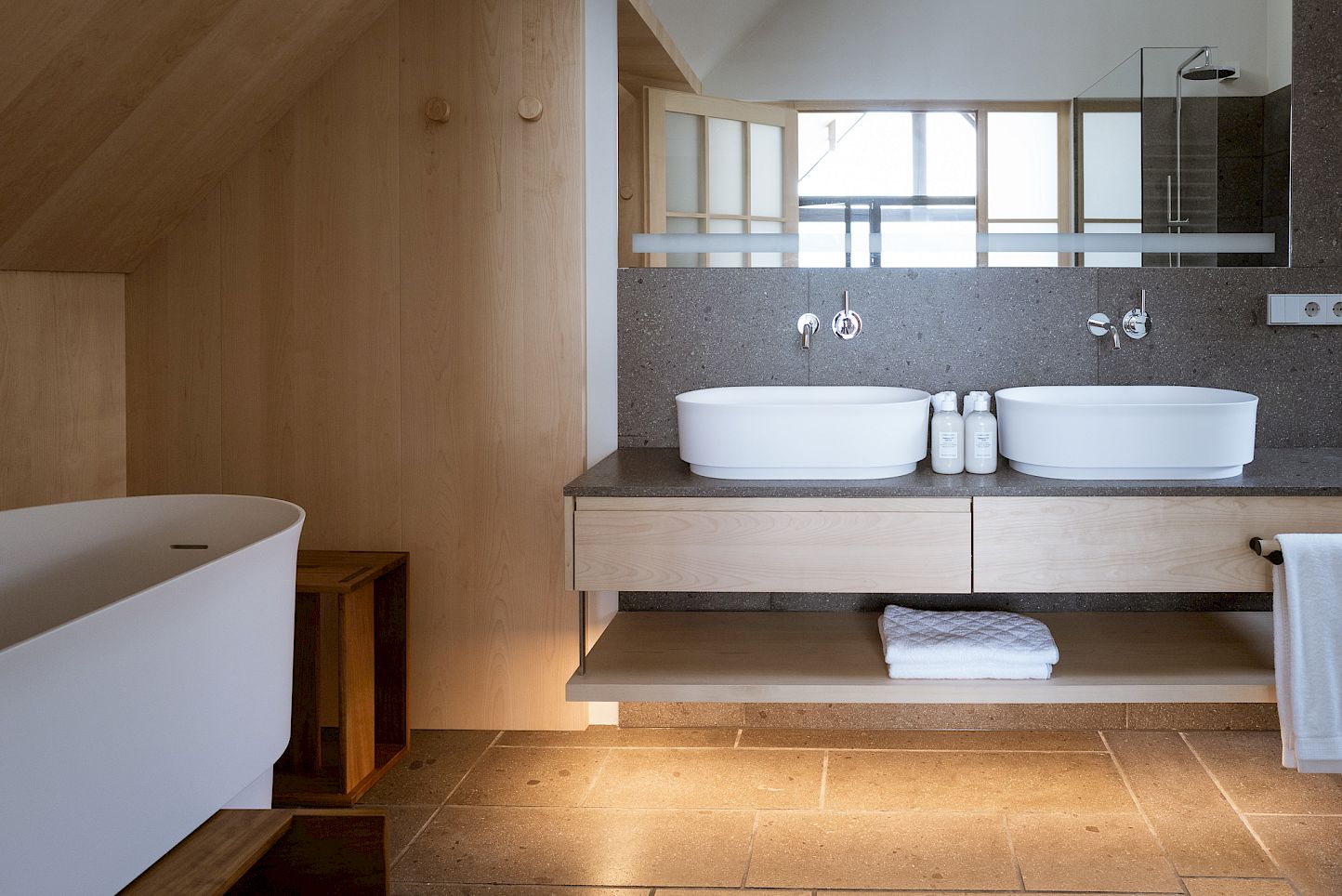
An hour away in Hafling, the Miramonti Boutique Hotel takes the argument somewhere warmer. Owners Carmen Kruselburger Alber and Klaus Alber wanted a space that was minimalist and discreet, with nature always the main character, and they built the interiors from smooth blonde timber, Scandinavian restraint and Japanese precision, right down to shoji-inspired glass partitions. When it came to the fittings they made a deliberate choice: made in Italy, and only made in Italy. So the bathrooms belong to Neri and Hu's Immersion, an oval white bathtub that reinterprets the old wooden soaking barrels of the East, paired with its matching washbasin and the Ascension accessory, a little step in iroko wood with visible joints at the sides. Elsewhere an Evo countertop and basin sits beneath a wall of black penny-round tile, framing a window full of Dolomite peaks. This is Italian bathroom design at its most quietly convincing, the pieces feeling timeless precisely because they are so plainly, so well made. Made in Italy mattered to them, they said, and so did high-quality design. In these rooms the two are the same sentence.
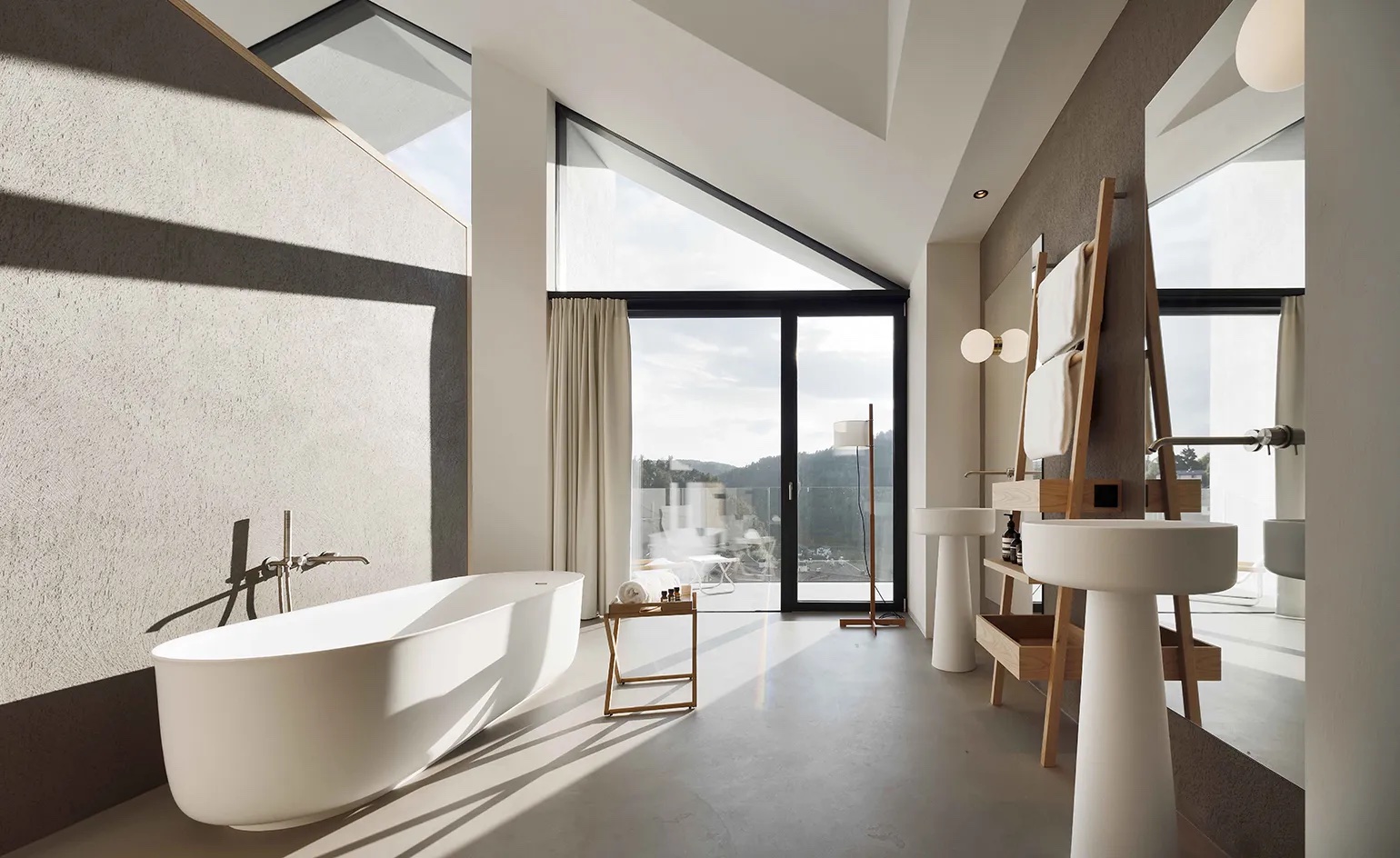
Higher again, at Hotel Schgaguler in Castelrotto, the object that sets the scene is not a tub but a washbasin, and it is treated frankly as art. Peter Pichler composed the hotel as three monolithic volumes, a white gridded structure behind glass that reads as an abstraction of the snow-capped peaks around the village, its sloping roofline a nod to the vernacular. Inside, everything is pared back: open-plan rooms, chestnut, stone and textile, pale timber, a warm Nordic minimalism carried by iconic mid-century Scandinavian furniture, and a below-ground hotel spa. Into this composed calm Pichler placed washbasins designed by Angelo Mangiarotti, the great Italian sculptor-architect whose work Agape reissues. He chose them, he says, because he found in Mangiarotti's design an ideal sculptural object, and that is exactly how they sit in the room, less a fitting than a piece of stone you happen to be able to use. The result is a spa-like sense of general well-being, the whole hotel tuned like a quiet instrument, and the designer washbasin the note it turns on.
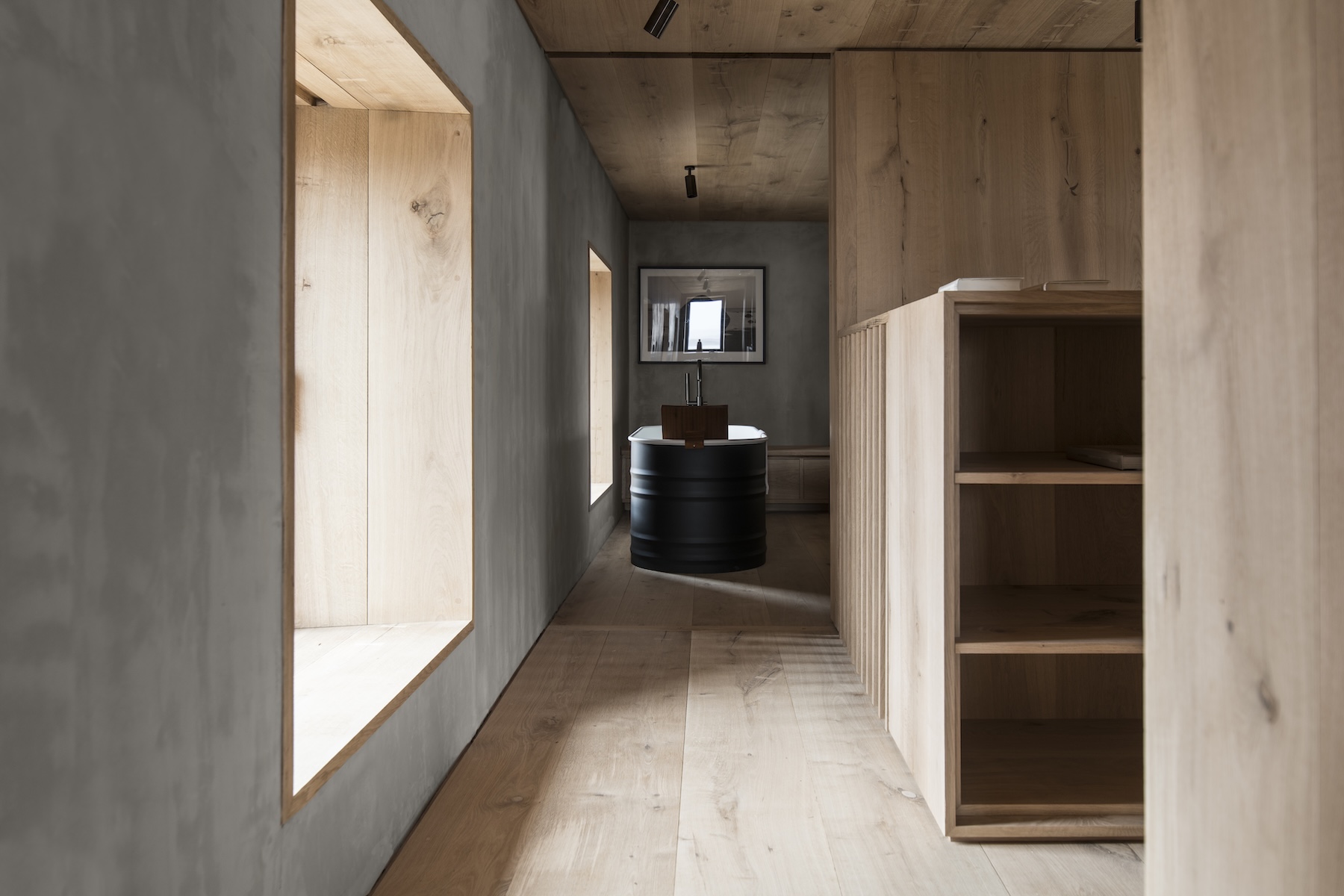
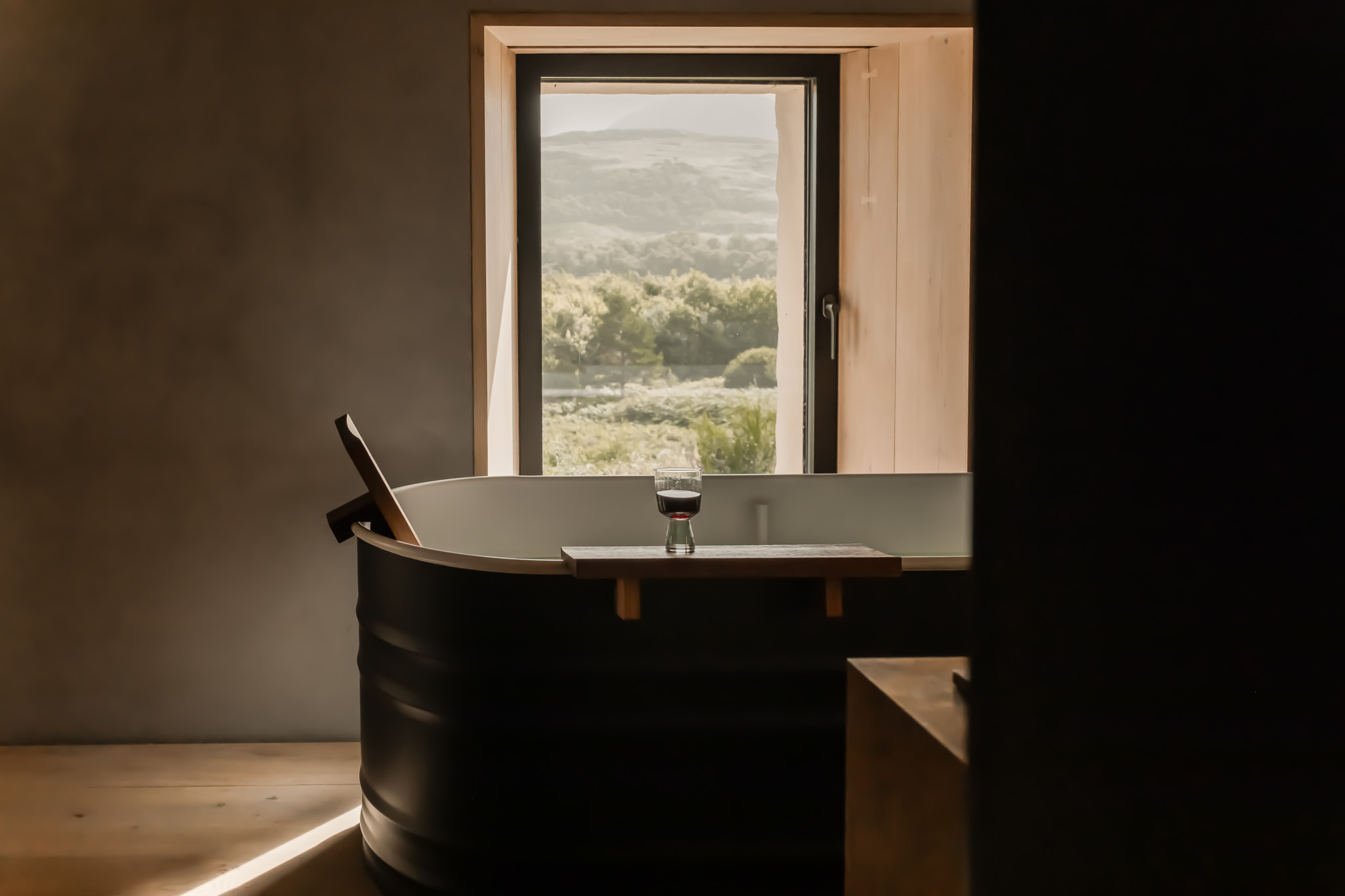
And then Scotland, where the whole idea reaches its purest expression. Kyle House sits at Kyle of Tongue, a sea inlet on the wild north-west coast of Sutherland, rebuilt over more than three years from the ruin of a nineteenth-century stone cottage, a project slowed at one point by the discovery of a rare bat roosting under the roof. Swiss interior designer Ruth Kramer and the Edinburgh architects at GRAS revived it in Caithness stone, lime plaster and slate, lining the interiors in oak so the heavy walls feel warm, and cutting large windows and daybeds to frame the Caledonian hills. Views were everything here, and they did not stop at the bedroom. In the bathroom, a black freestanding Vieques bathtub sits facing Ben Loyal, the lone mountain just beyond the valley. From the tub, with a dark wood bath board across it and not another house or soul in sight, you can feel like the only person in the entire glen. It is the same Urquiola tub that sat so composed against Venetian marble, now doing the opposite: dissolving the wall between a hot bath and a cold, enormous landscape.
That is the conversation these five Aficionados hotels are having, whether they know it or not. A palazzo, two mountain retreats, an alpine sculpture in glass and a Highland ruin could hardly be further apart in spirit, yet each one hands the decisive gesture of the interior to the same maker. The Agape piece is never the loudest thing in the room. It is the constant that lets each hotel be entirely itself: onsen calm in Venice, honest craft in the Tyrol, made-in-Italy conviction in Hafling, pure sculpture in Castelrotto, and the wild framed and stilled in Scotland. It is a quiet lesson in luxury hotel bathroom design, and in why the boutique hotels of The Aficionados collection keep returning to Agape to write it. Find the bath, and you have usually found the reason the room works. In The Aficionados world, more often than not, you have also found an Agape.
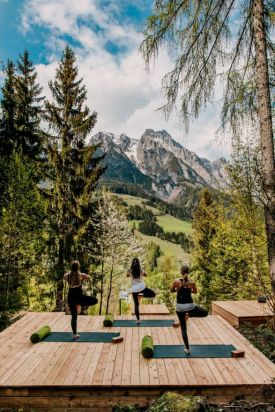
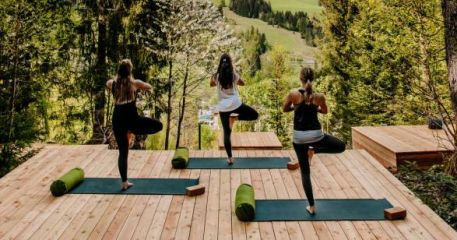
Six spruce yoga shalas built deep in the forest, mountain views and pine silence in place of a soundtrack. Inside Forsthofgut's forest yoga, from Sun Salutations to snow-lit Yin.
read more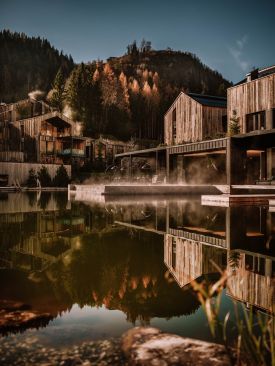
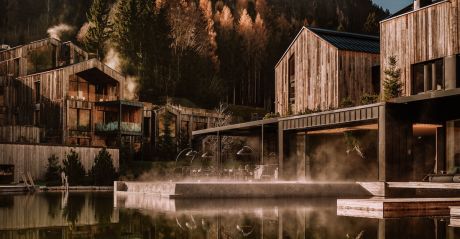
Wellness and the Alps have always been inextricably linked due to the abundance of fresh mountain air, crystal clear water and the proximity of nose-tingling pine forests.
read more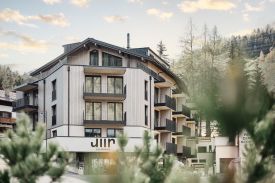
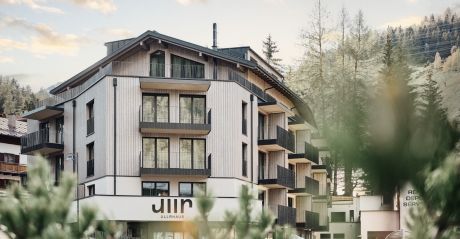
Ullrhaus is a hotel of muted luxury, where cool design marries Alpine soul and a minimalist edge. Located in the resort of St. Anton in the Tyrolean Alps, home to some of the Alps’ most exhilarating skiing.
read more
Architect Andreas Hallinger's three new five-star suites at Naturhotel Forsthofgut: organic materials, pitched Alpine rooflines and picture windows over the Leogang Mountains and organic bathing lake.
read more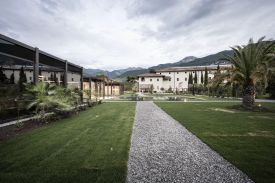
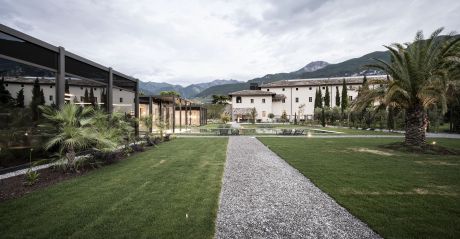
Once the home of devout Sisters, its aged cloistral heritage has been recast following an exacting narrative of preservation, reframing the monastic aesthetics for the modern nomad without corrupting the patina of austere beauty and timeworn touchpoints.
read more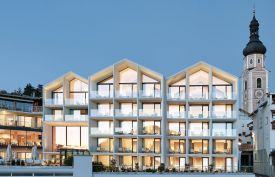
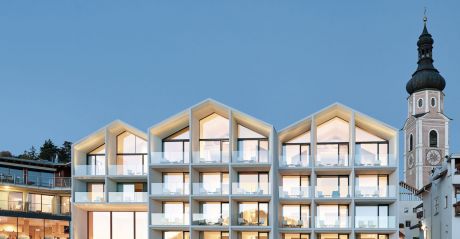
A smooth design den pearled in white with an interior design that is eminently simple: a clean alpine aestheticism that borrows from Italian design, the Danish principles of hygge and a touch of sweet sophistication in the Japonesque detailing.
read more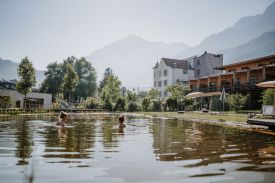
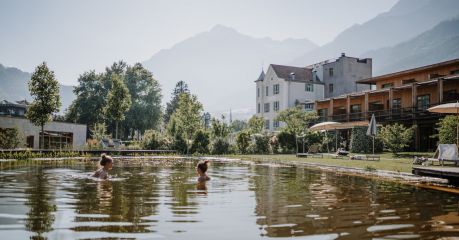
History, design, calmed wellness and an interior of modern heritage make this hotel-apartment refuge close to Merano the perfect pitstop for some downtime and closeness to nature.
read more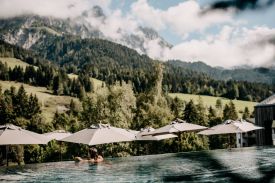
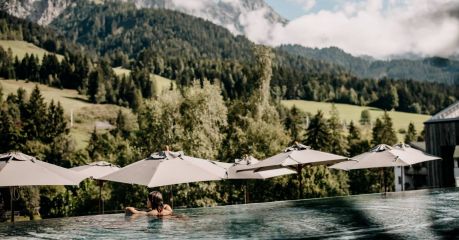
The perfect summer pairing must be spa and hike – and where better to indulge than in a luxury retreat hotel clasped in the alpine mountains framed by snow-dusted peaks.
read more

Natural beauty guru Yael Alkalay founded Red Flower in NYC in 1999, an environmentally and socially responsible beauty product, infused with aromatherapy and botanicals.
read more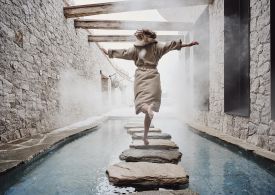
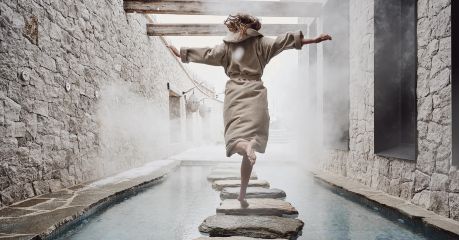
Driftwood, spring water and elemental heat. Engel Spa is a raw Alpine hideaway where design restores and nature recalibrates. This is wellness with altitude and intention.
read more
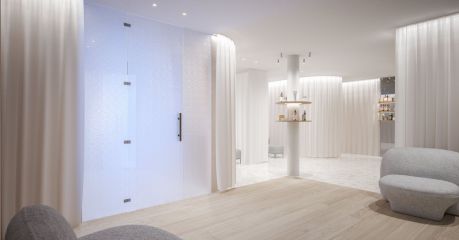
Cryotherapy at minus 110°C, metabolic diagnostics and breathwork in the pine groves. Inside waldSPA Health, Naturhotel Forsthofgut's new longevity concept, built on four pillars: Roots, Strength, Breath, Mind.
read more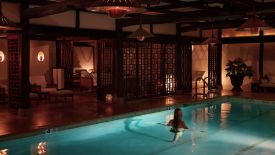
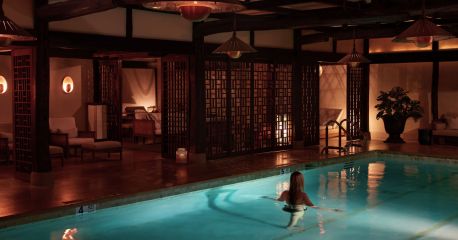
Manhattan goes minimalist. Hidden in The Greenwich Hotel, Shibui Spa channels Japanese Onsen rituals, ancient bodywork and luxury healing in a space built from 250-year-old temple wood.
read more
Get the insider news and lowdown on what we've been up to, where we've been, and who we've met along the way. Be the first to discover new places and get the scoop on our favourites.