JOIN the AFICIONADOS
Get the insider news and lowdown on what we've been up to, where we've been, and who we've met along the way. Be the first to discover new places and get the scoop on our favourites.

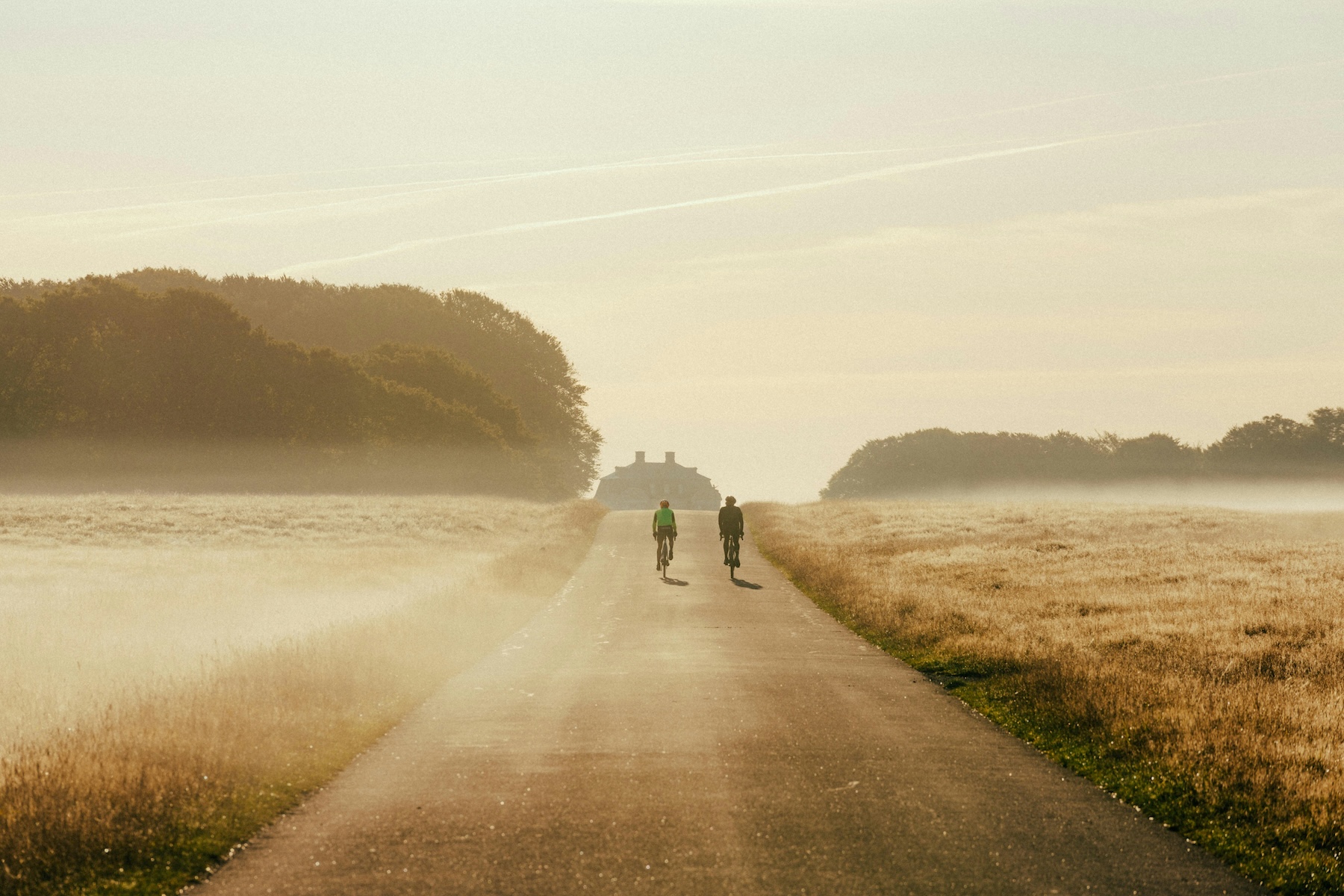
Copenhagen is understandably having a moment right now. Clever urban planners, boundary-pushing chefs and a crop of sustainable Danish designers have put the capital firmly on the map. But while the colourful, cobbled stretch of Nyhavn makes for a fine photo op, cycle a little further out and you’ll find an overflow of unsung sights. A ride into the northern suburbs of Hellerup, Gentofte, and Klampenborg reveals a landscape of iconic Modernist architecture, ancient parklands and plenty more besides. So saddle up; here’s our two-wheeled tour to Copenhagen's culture-packed, crowd-free north.
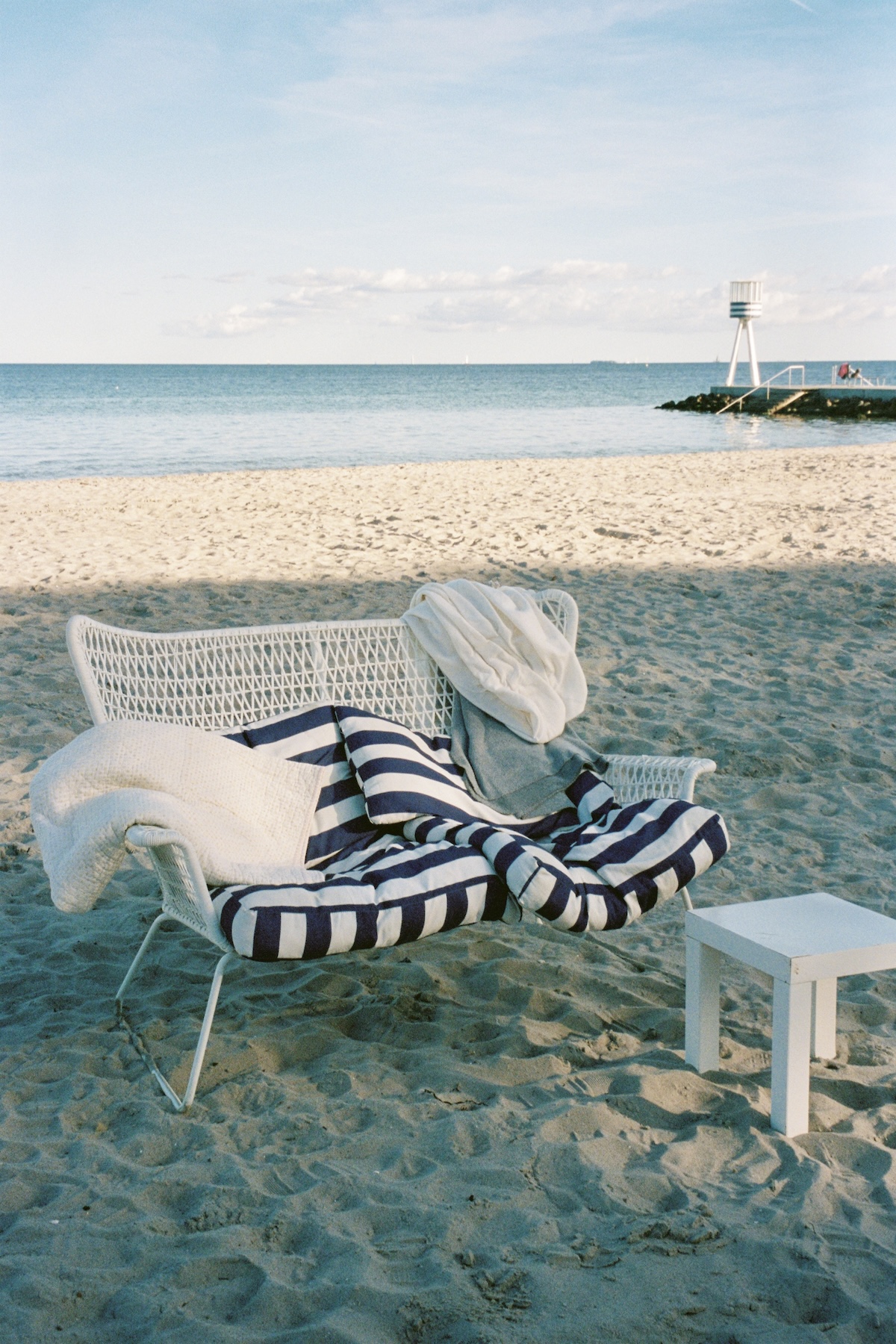
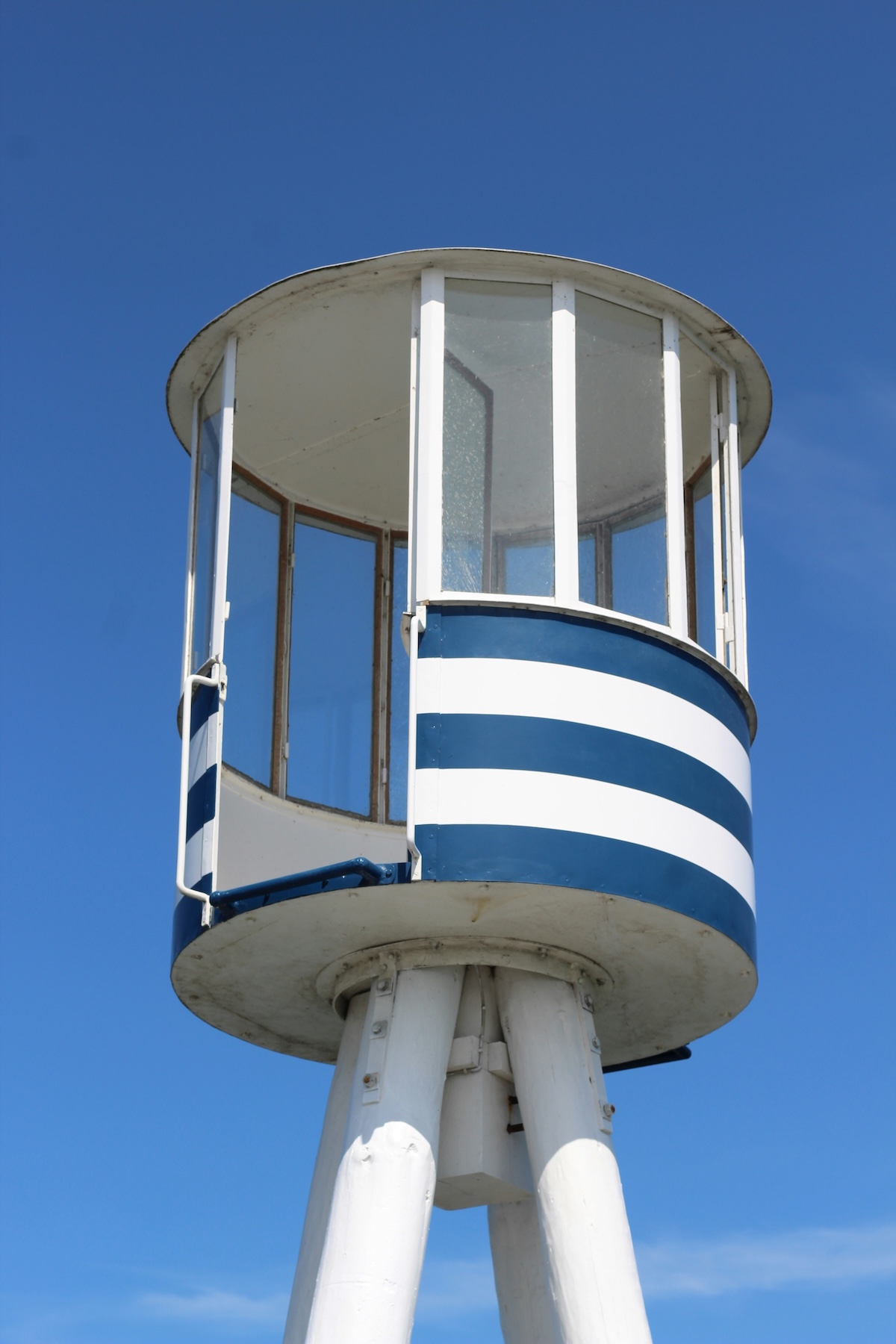
The journey begins on the coastline along Klampenborgvej, an area transformed in the 1930s by the legendary Arne Jacobsen. Known by locals as Den Hvide By — ‘the white city’ — this district serves as a pilgrimage site for fans of functional modernism. Jacobsen’s influence is everywhere in this area, though most notably along the breezy stretch of Bellevue Beach. He designed the entire experience here — from the minimalist Bellavista housing estate and the Bellevue Theatre with its crowd-pleasing party trick; a retractable roof. to the iconic blue-striped lifeguard towers, symbols of the Danish seaside that watch over brave Baltic swimmers all year round.
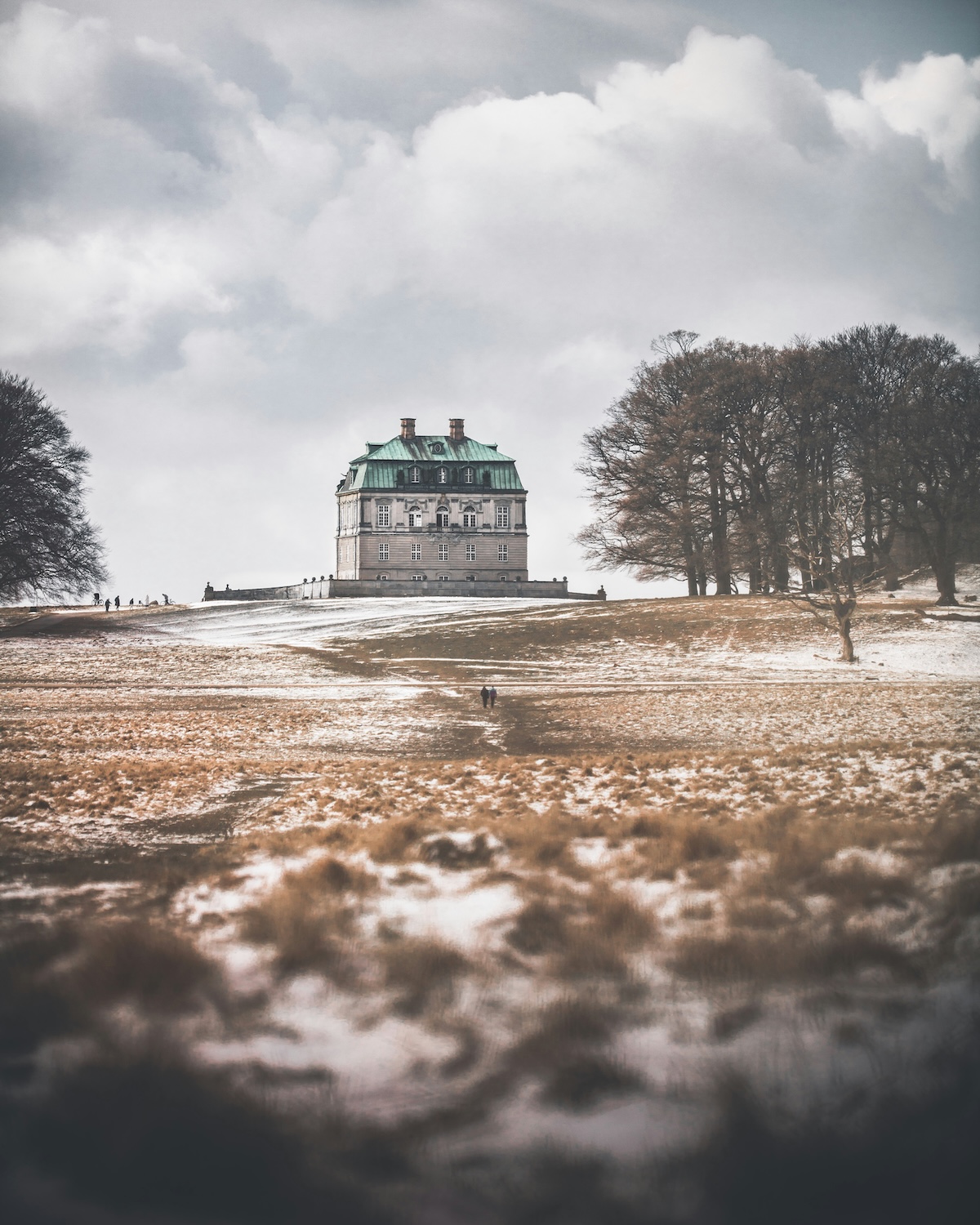
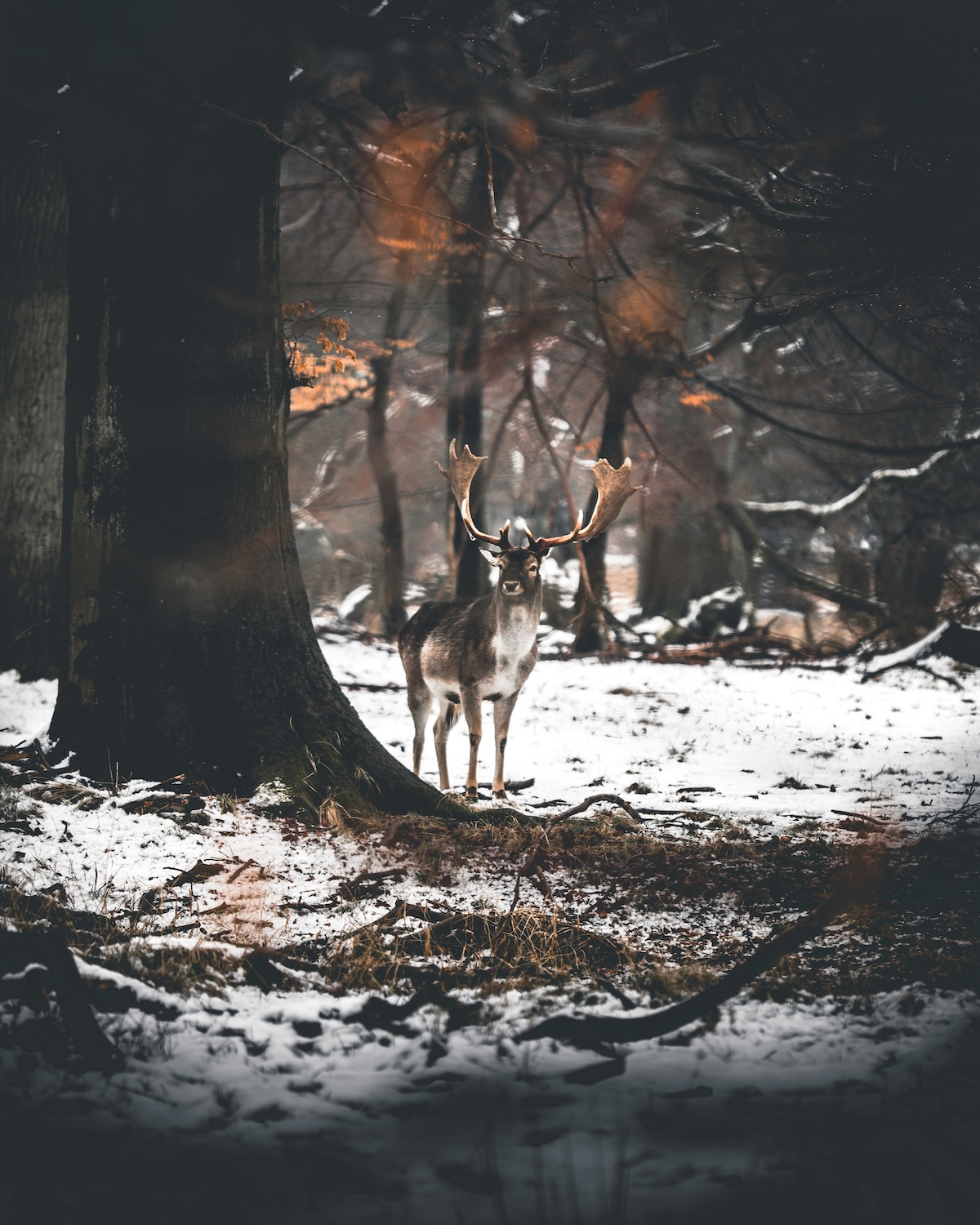
From the coast, head inland through the iconic red gates of Jægersborg Dyrehave. This UNESCO-listed forest was once the exclusive hunting domain of Danish monarchs; today, it is a sanctuary for over 2,000 free-roaming red and fallow deer. At the park's heart sits the Hermitage Palace, a Baroque masterpiece perched on a hill with sweeping views of the Øresund sound. Nearby lies Bakken, the world's oldest amusement park. Established in 1583, it offers a nostalgic, ‘low-fi’ alternative to the city’s more famous Tivoli Gardens, featuring a century-old wooden rollercoaster that still draws locals for its rickety, vintage thrills.
As you loop back toward the city, the landscape shifts as you enter the affluent, leafy streets of Gentofte. Here, the primary stop is Ordrupgaard, a museum that serves as a masterclass in architectural continuity. The original 1918 country mansion is now seamlessly joined by a glass-and-black-concrete extension by Zaha Hadid, with a subterranean gallery by Snøhetta built below.
The gallery itself is home to a notable collection of French Impressionist paintings — with work by Claude Monet, Edgar Degas, Paul Cézanne and more — and hosts a changing programme of contemporary exhibitions. But beyond the white cube of the gallery, the grounds house another masterpiece; the former residence of Finn Juhl, the founding father or Scandinavian design as we know it. Walking through his home is like walking through the pages of an archive Architectural Digest spread. The interior is filled with modernist paintings, harmonious colours and Juhl's own pioneering designs — most notably the Chieftain Armchair with its sculptural, teak-and-leather silhouette.
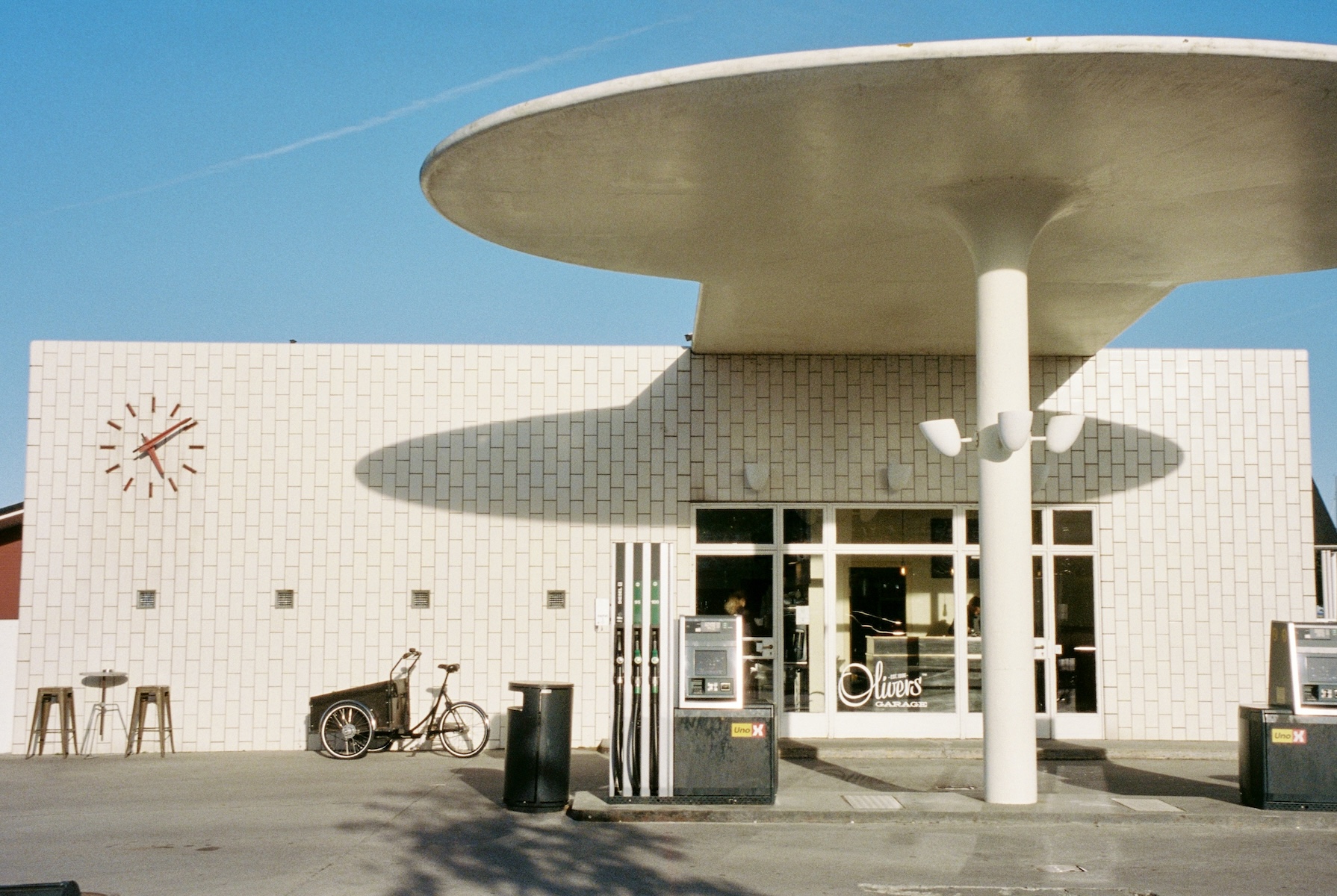
As you pedal back toward the city, one last architectural curiosity awaits: the Skovshoved Petrol Station by Arne Jacobsen. With its cantilevered ‘mushroom’ canopy and cream Meissner tiles, it is arguably the most beautiful functional building in the country. What’s more, inside you’ll find an ice cream parlour selling organic scoops by Vebbestrup Flødeis — a cooling payoff for the day’s clocked miles.
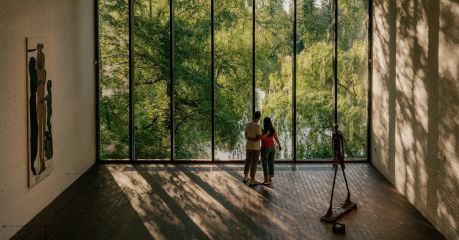
Where modern art meets coastline and clarity, Louisiana Museum of Modern Art turns a museum visit into a coastal walk, framing global creativity through architecture, light and landscape.
read more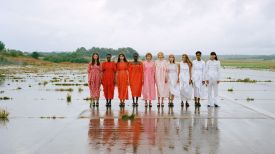
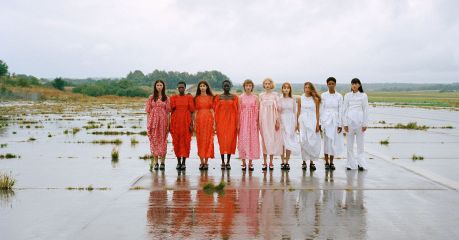
Keep a fashion-weathered eye on Cecilie Bahnsen, Copenhagen's up-and-coming designer who you can spy from Vogue + Dover Street Market, to Copenhagen's very own streets.
read more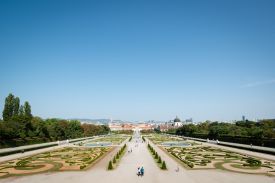
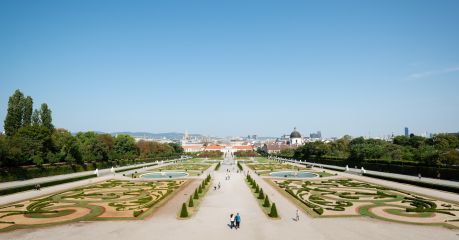
Founded in 1754 by Empress Maria Theresa, the oldest area, the medicinal garden, is replete with poisonous plants and the sultry tropical house is home to orchids, cacti and carnivorous plants.
read more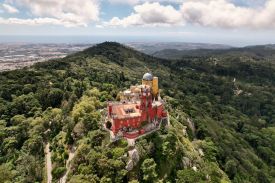
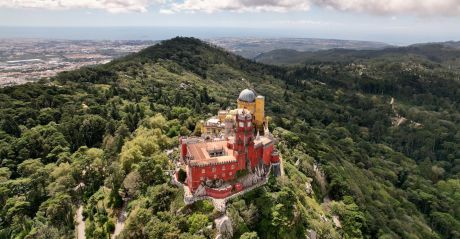
Travel to Portugal's fairytale den of Sintra, just outside Lisbon, for a world full of rolling hills and castles, once referred to by Byron as "glorious Eden".
read more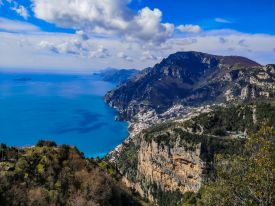
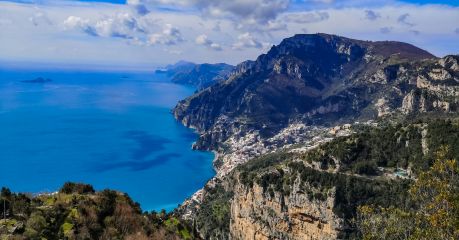
Amalfi and the Path of the Gods - Sentiero degli Dei is magical, an easy, two-hour amble for mortals like us, spy the Amalfi Coast’s breath-taking UNESCO World Heritage site in all its glory from a lofty, God-like height, tracking the path from Agerola’s Bomerano near Amalfi to Positano’s pause-worthy Nocelle.
read more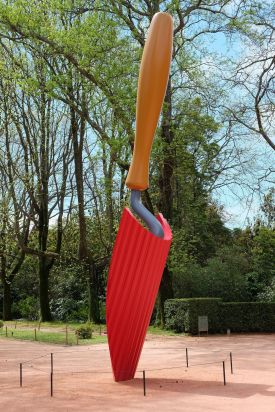
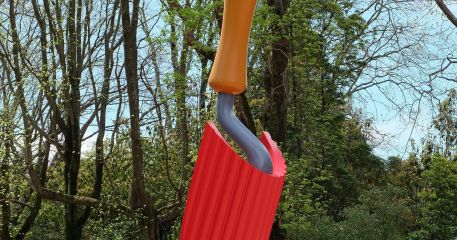
Porto for culture seekers - we explore the Serralves Foundation comprising of a dusty pink 1930-40s’s Art Deco villa designed by Porto architect José Marques da Silva, a landscape-specific contemporary museum designed by Álvaro Siza.
read more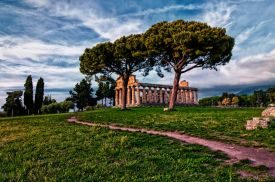
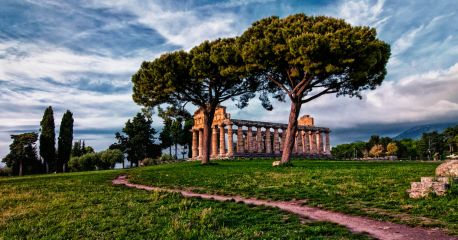
Paestum Temples in Southern Italy is one of those ancient antiquities that you have to visit – this UNESCO World Heritage Site in Cilento Campania is a treasure trove of ancient Greece including three of the world’s best-preserved temples.
read more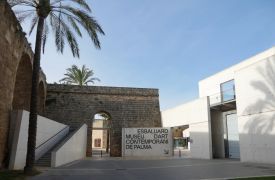
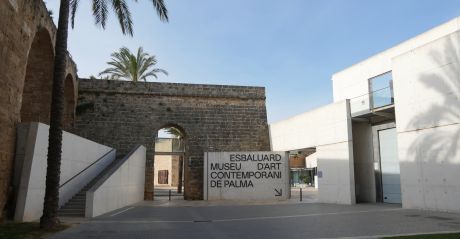
Es Baluard holds more than nine hundred works inside Palma's Renaissance walls, from Anglada-Camarasa to Miró and Barceló, with the bay laid out below.
read more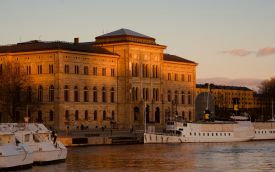
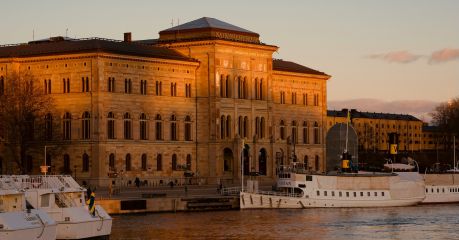
Stockholm - Culture fans are set to be thrilled when Stockholm's Nationalmuseum finally re-opens this Autumn after a 5 -year renovation. Founded in 1792 by a very generous King Gustav III, Stockholm’s Nationalmuseum is one of the oldest public museums in the world, and their booty spans hundreds of years of European art.
read more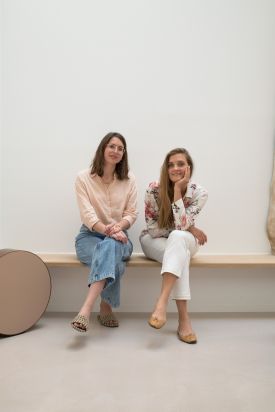
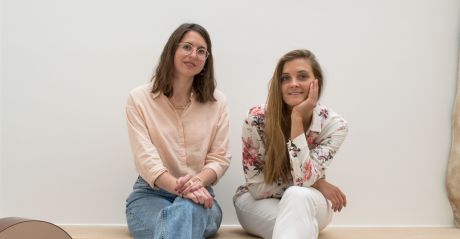
Just off Rue des Martyrs in Paris, in the 9th arrondissement, Zeuxis Contemporary Art Gallery created by Amélie du Chalard is the Maison d'Art Amelie - a showcase for paintings, engravings, sculptures, photographs, videos and works of art set within a magnificent apartment.
read more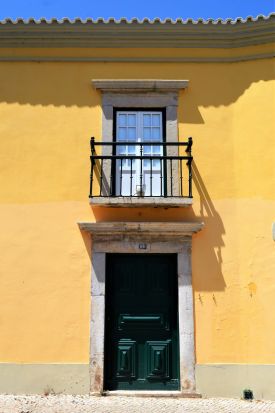
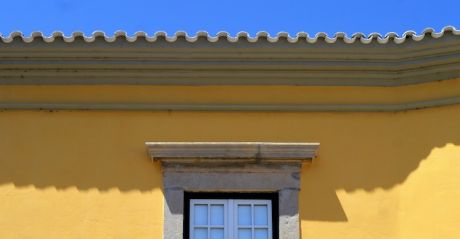
Faro is the gateway to Portugal's Algarve but don't be tempted not to visit this wonderful medieval port and culture stuffed city dating back to the 8th Century.
read more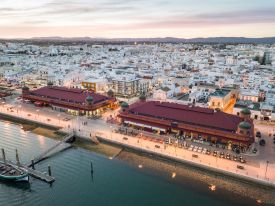
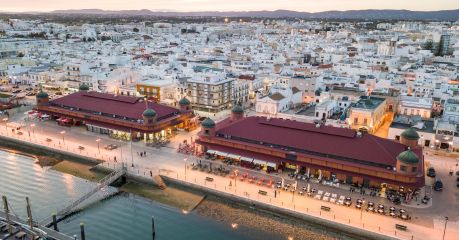
The small port of Olhão, in the unspoilt eastern backwaters of the Algarve, has been famed for fishing since Medieval times, but these days the charming, sun-faded town close to Faro attracts a bohemian crowd for its slow pace of life and fabulous natural beached islands.
read more
Get the insider news and lowdown on what we've been up to, where we've been, and who we've met along the way. Be the first to discover new places and get the scoop on our favourites.