JOIN the AFICIONADOS
Get the insider news and lowdown on what we've been up to, where we've been, and who we've met along the way. Be the first to discover new places and get the scoop on our favourites.

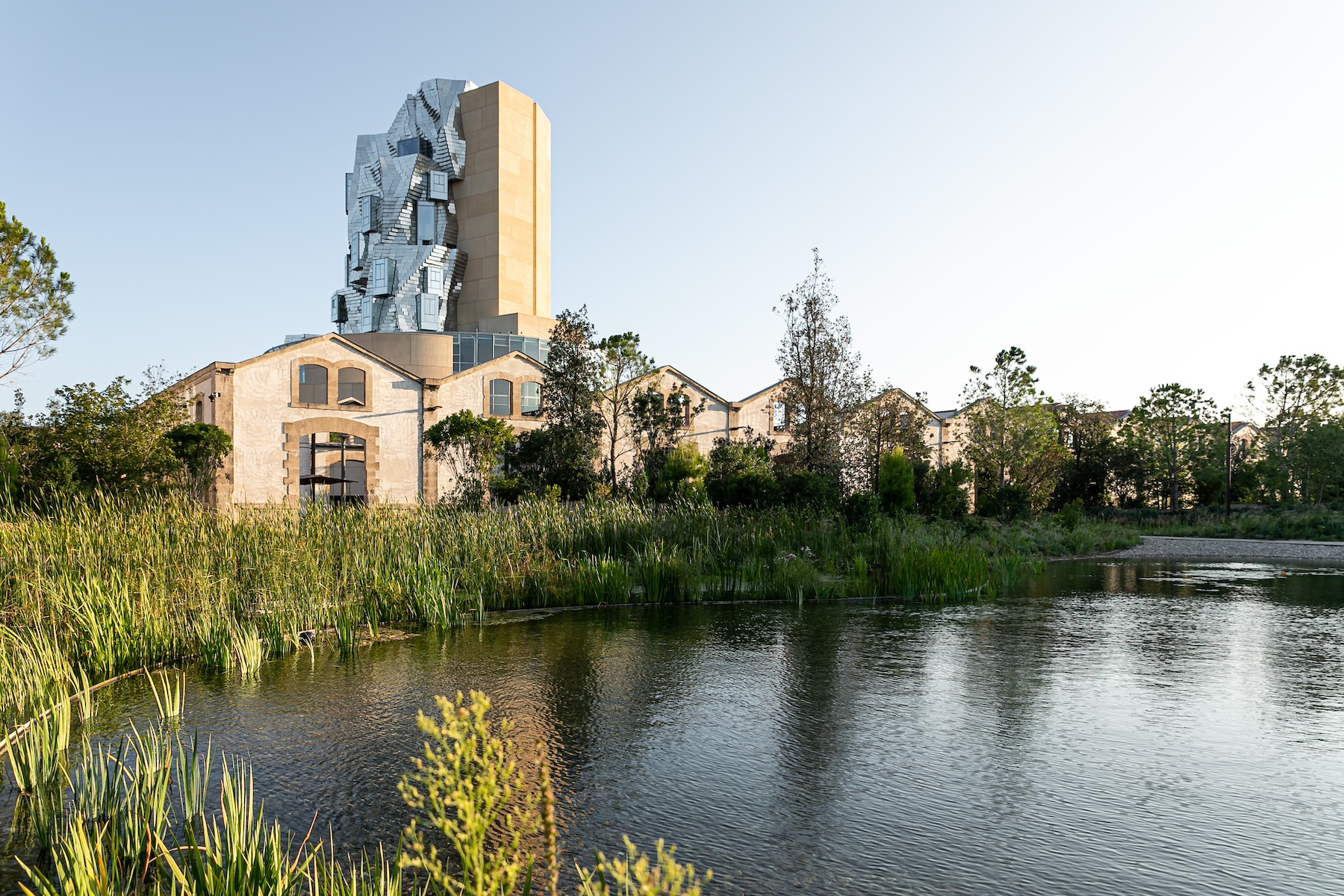
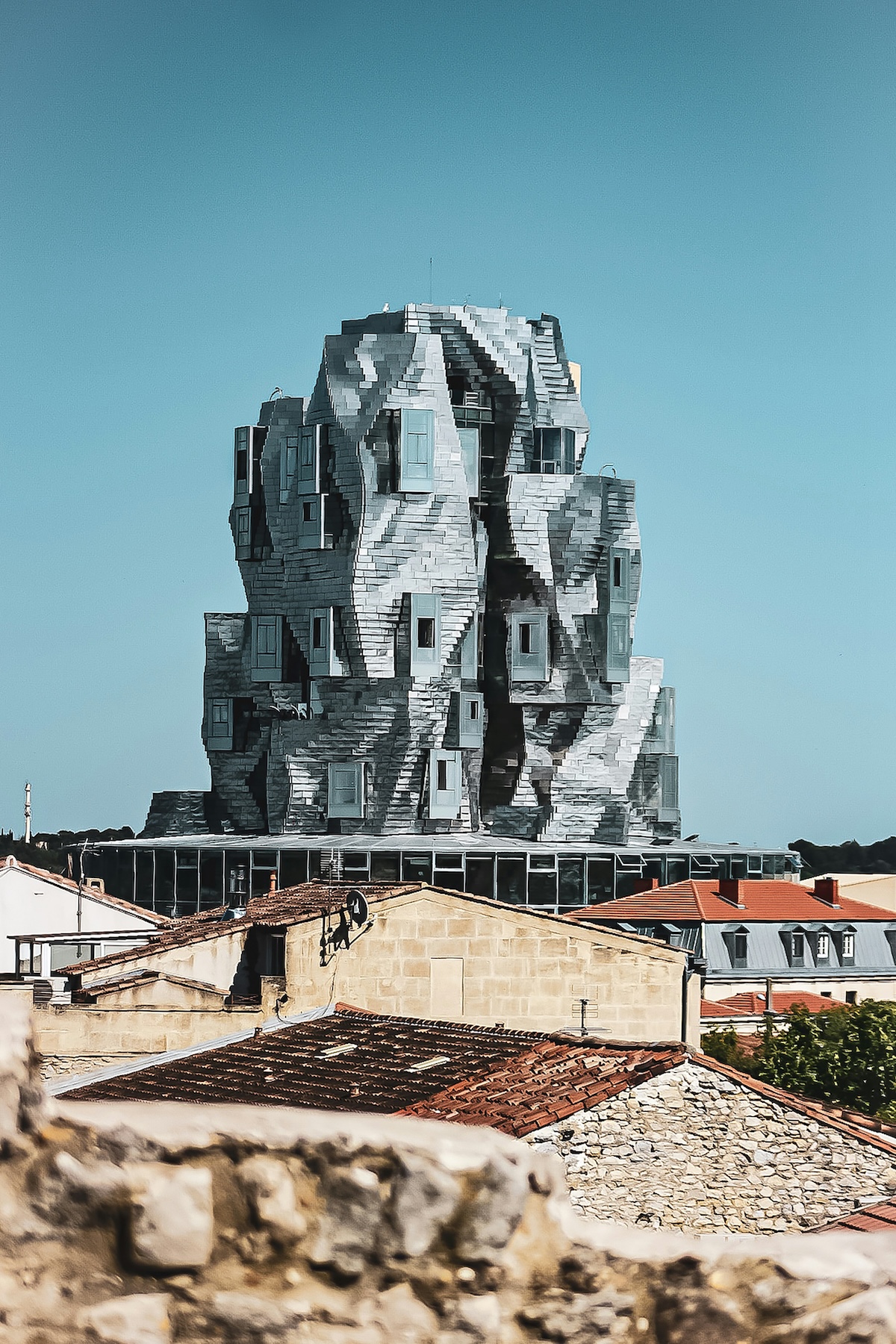
The South of France is synonymous with a distinct, sun-drenched pastoralism: lilac-dusted fields of lavender, a crystalline quality of light, and the legacy of major artists inspired by it. It's perhaps lesser known for cutting-edge experimentation and material research. Yet, in the honey-hued, medieval town of Arles, that's exactly what's taking shape. Just beyond the city's Roman ruins lies LUMA, a 27-acre creative campus built on the bones of a former industrial site, Parc des Ateliers. And while it may be Frank Gehry's glistening, twisted tower that draws the crowds, the radical heart of the complex beats in its shadow, a low-slung, grounded counterpoint to his distorted steel giant.
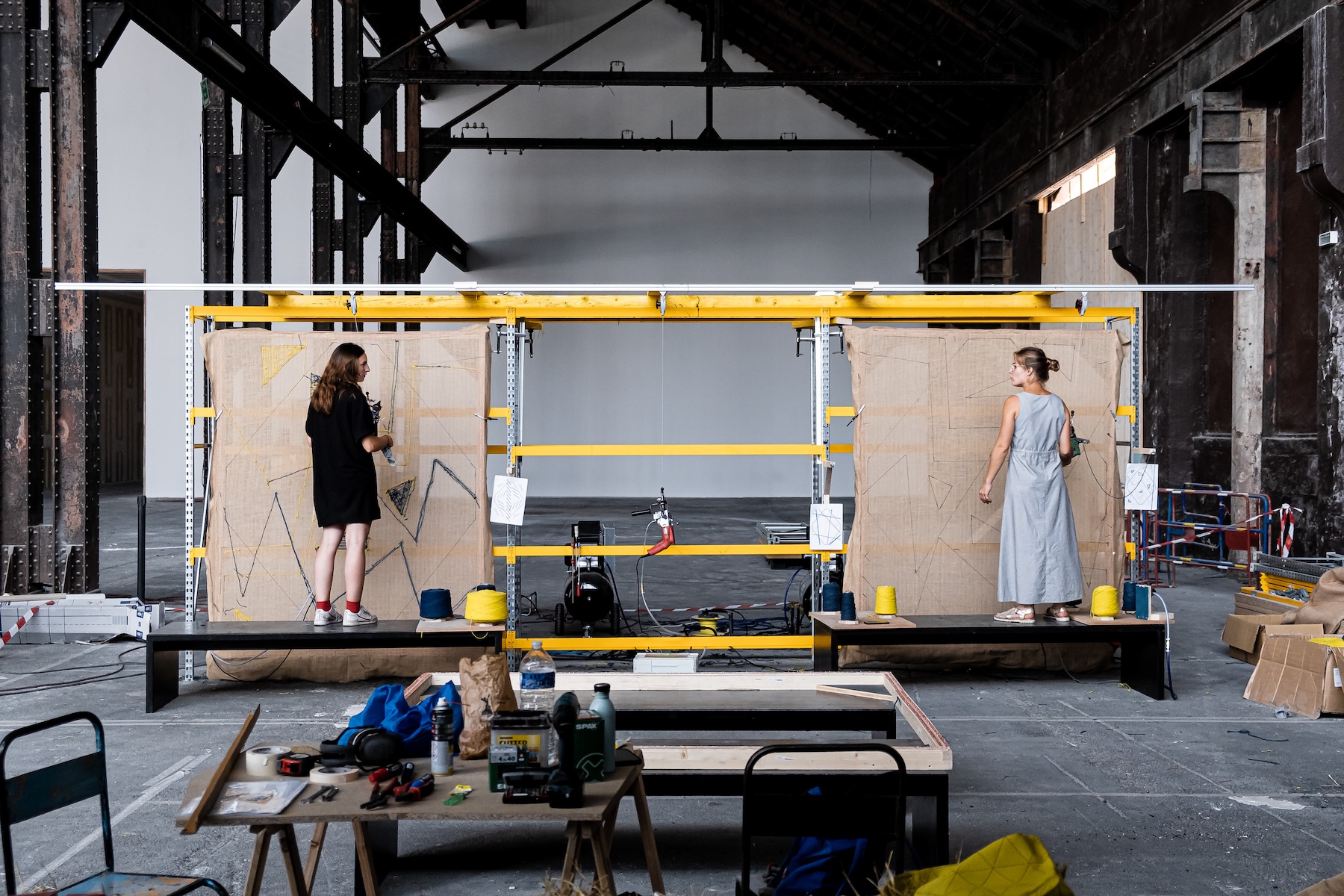
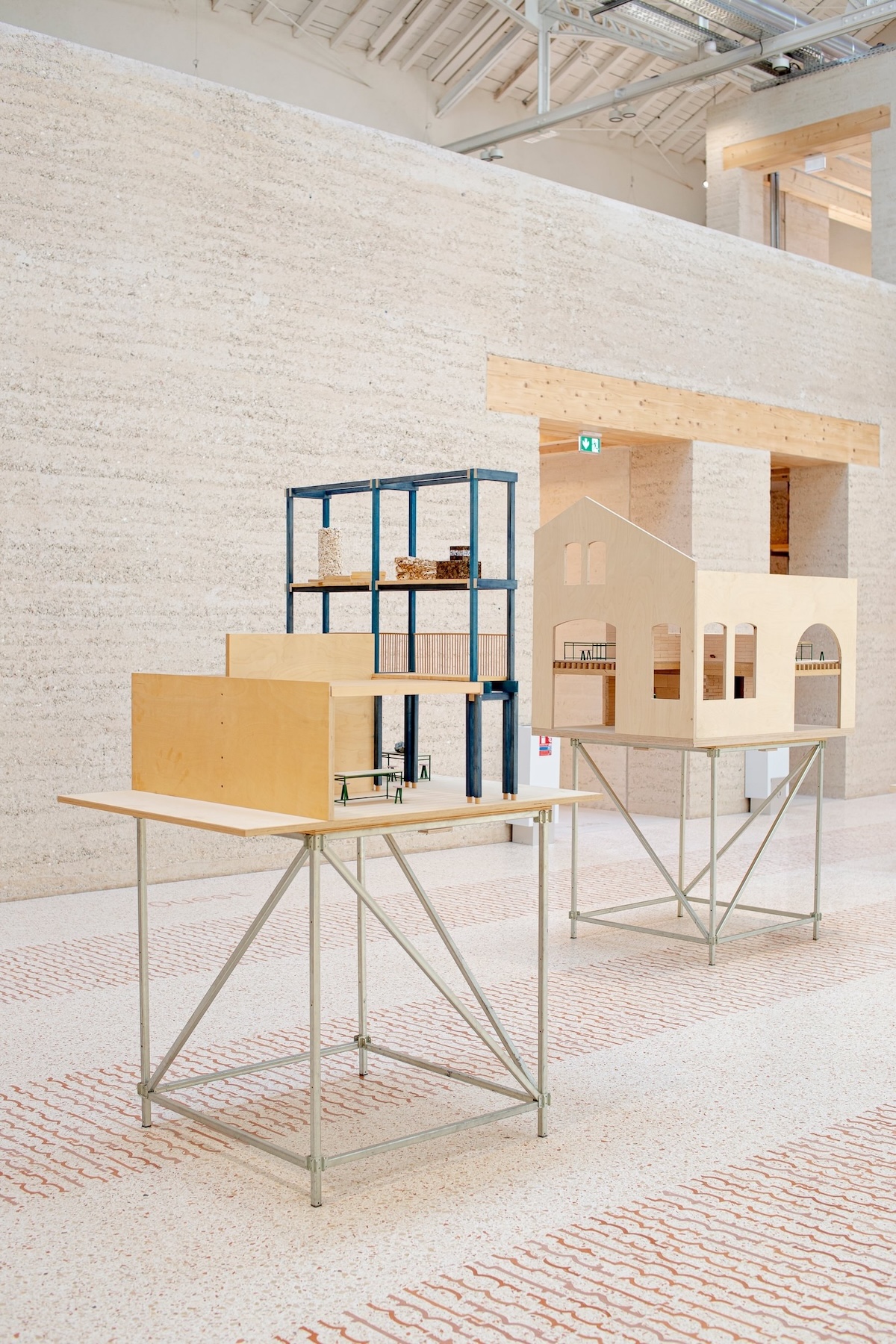
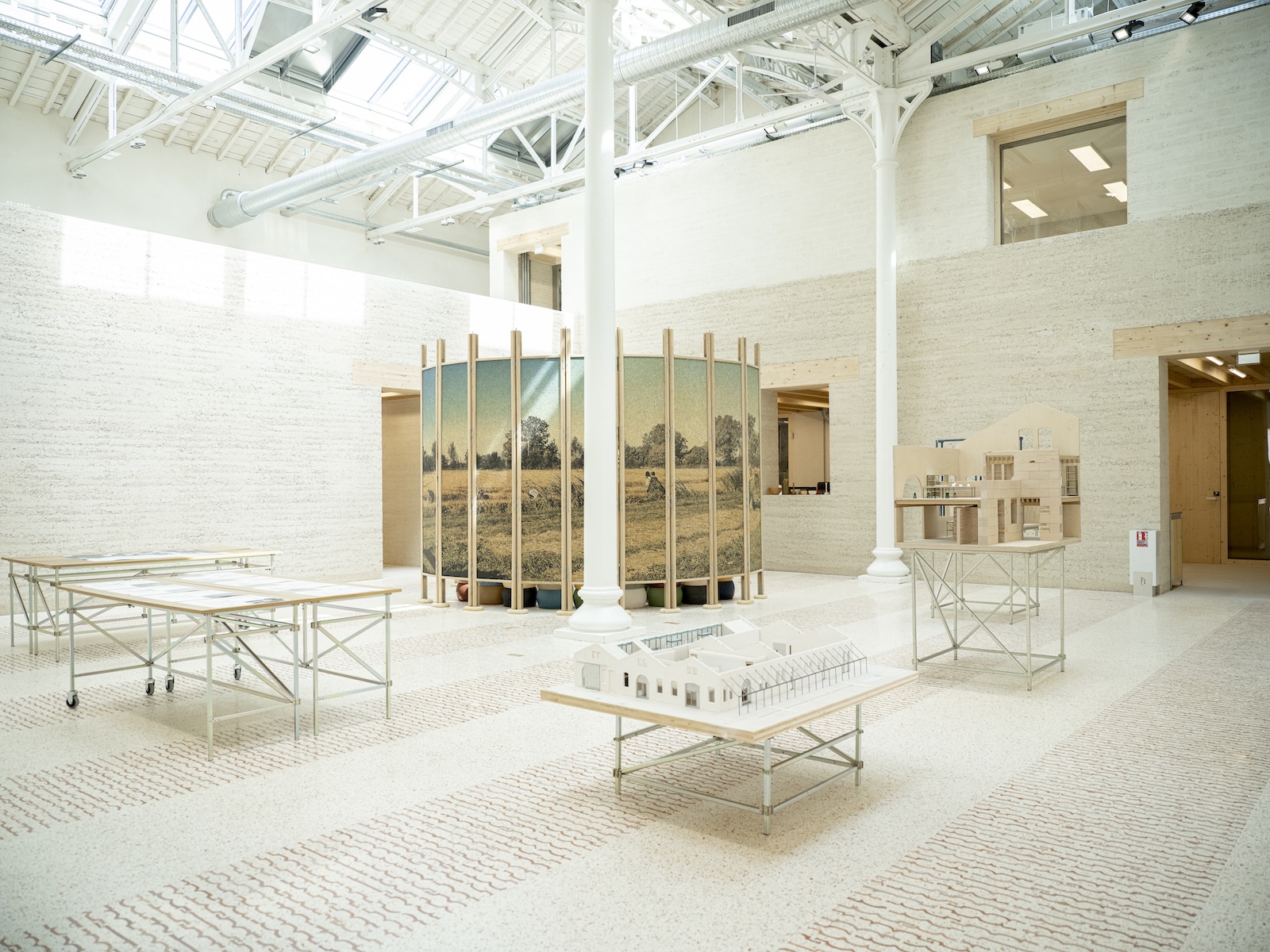
Established in 2016, Atelier LUMA was created as a think tank, production workshop, and learning network with the aim of discovering new ways to activate the region's natural and cultural resources. Covering the Camargue wetlands, Alpilles mountains, and Crau plains, the project operates within a strict 70-kilometre limit. By treating everything within this radius as a viable resource, LUMA's team of architects and designers operate like chefs: sourcing local 'ingredients' to cook up low-carbon, regenerative building products. The centrepiece of this experiment is Le Magasin Électrique, a workspace co-designed by the London-based studio Assemble and the Belgian practice BC Architects & Studies, which acts as a hub for knowledge exchange, bringing together farmers, designers, artists and scientists to prototype unconventional material solutions.
This workspace, however, is not merely a place where work happens; it's also the work itself. By integrating nearly twenty unique materials, each developed in-house, the structure serves as an ever-expanding archive of bio-waste innovation. "We are making a kind of library of knowledge around these materials," noted artistic director Jan Boelen, "we want to build a kind of formula that can also be applied in other regions." The project is a direct response to the construction industry's significant environmental impact. The sector is not merely a contributor but a primary driver of the climate crisis, accounting for an estimated 37% of global CO2 emissions, around 40% of the world's material use, and a significant loss of global biodiversity. The prevailing ethos of 'move fast and break things' has institutionalised a linear model of take, make, dispose, that prioritises rapid urban development, cheap single-use materials, and short building life cycles.
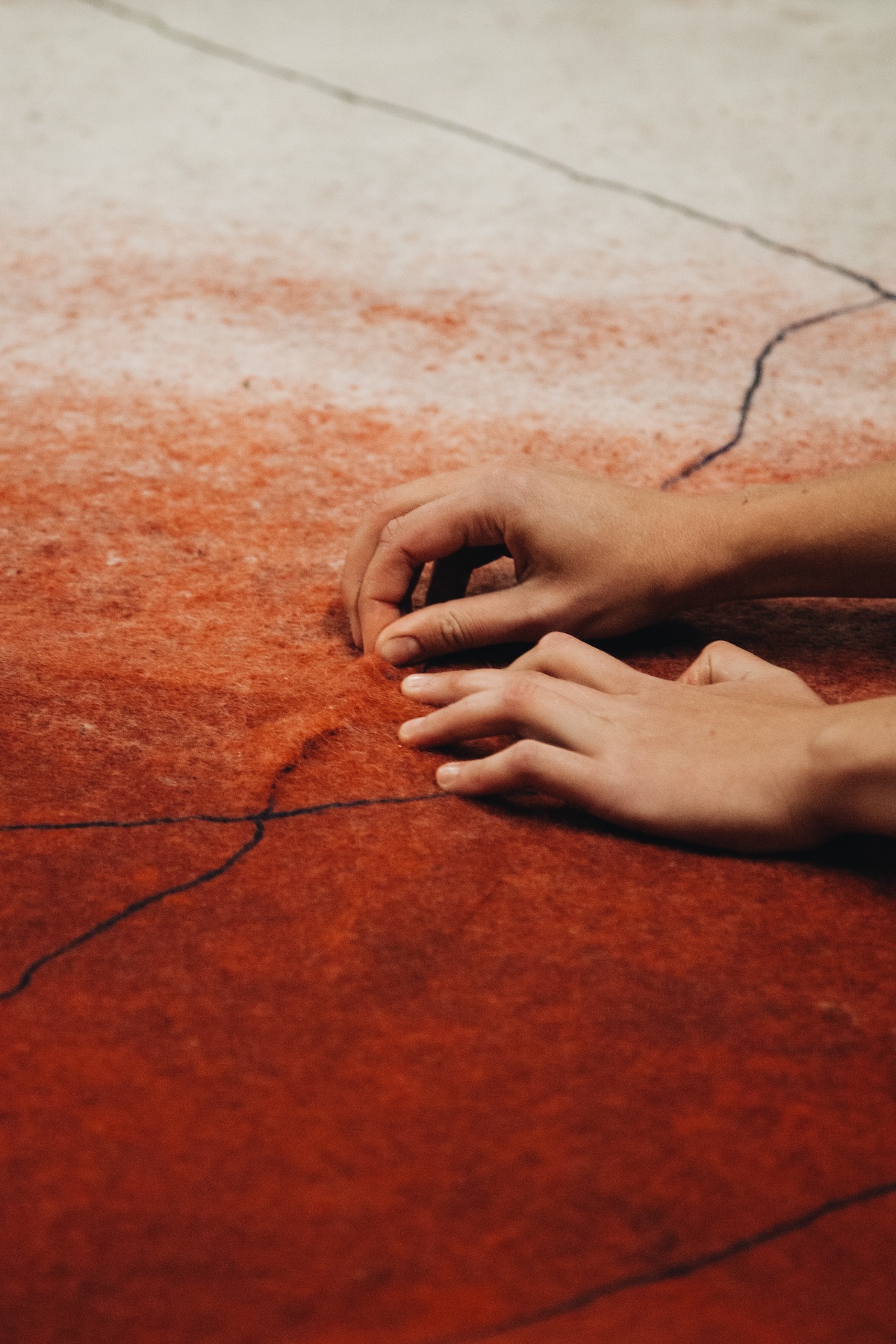
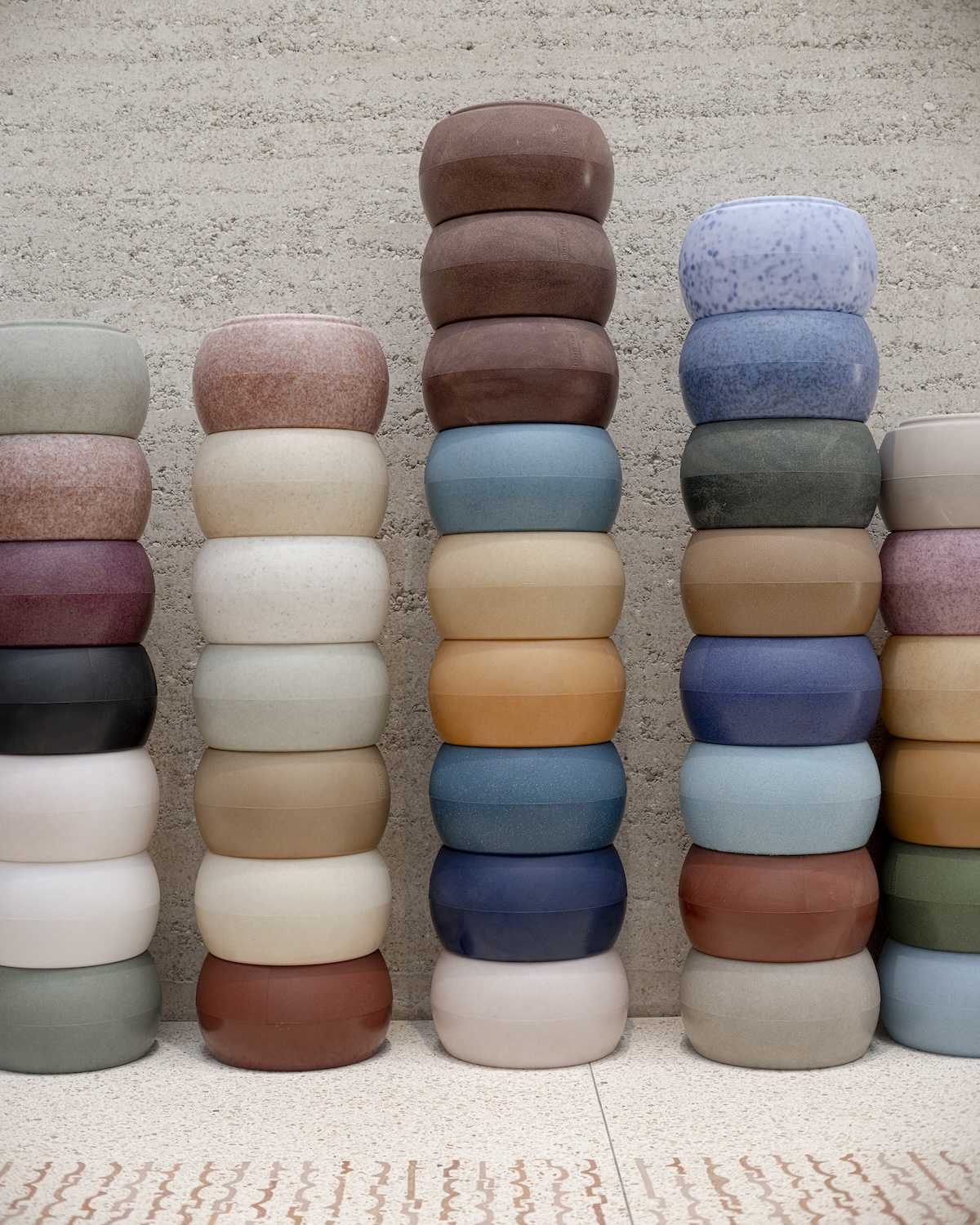
The hope is that by moving away from these extractive models and toward regional, regenerative practices, the atelier may demonstrate the potential in what others see as waste. In practice, that means plug sockets and fittings made from bioplastics derived from regional rice husks; agricultural waste from sunflowers processed to form acoustic wall panels, replacing carbon-heavy synthetic insulation; and naturally-harvested salt from the Camargue flats transformed into translucent lift panels and antibacterial door handles, reimagining a common mineral as a futuristic aesthetic tool.
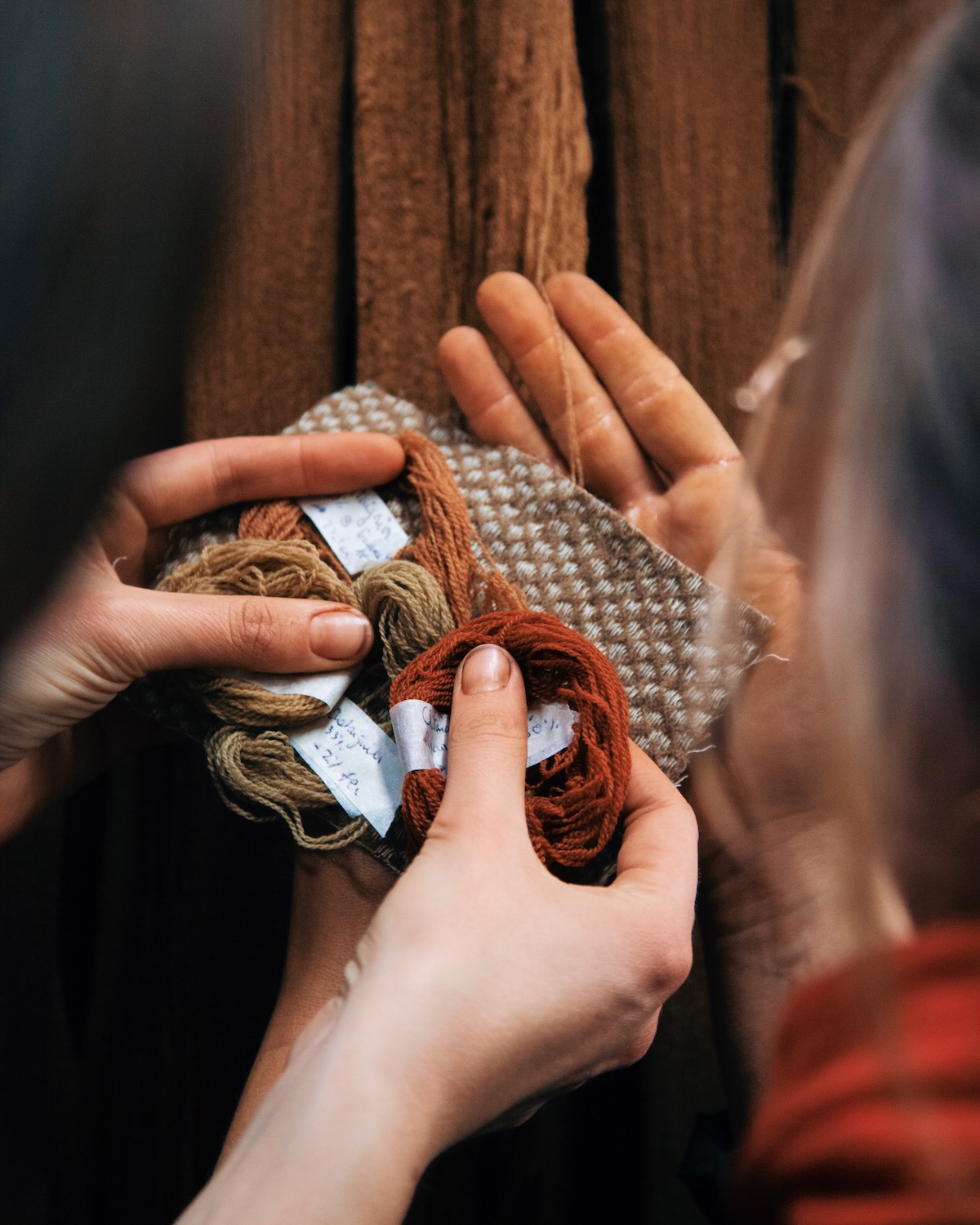
Reuse runs as a thread throughout the project, with terrazzo flooring and exterior renders created from damaged roof tiles from the original industrial site, rammed earth walls formulated from demolition rubble and invasive plants like Japanese knotweed utilised for furniture. This circularity extends to the tinctorial garden outside, where indigo and cacti are grown for natural dyes, fed by a 'yellow water' system from urine-separating toilets that is safely filtered through cleansing algae basins. What emerges is a space of constant construction, where everything remains deliberately unprecious and open to ongoing experimentation. "It will never be finished," Boelen states. "We see it as an ongoing testing ground."
The maths is compelling, too, with Atelier researchers suggesting that just 5% of the nation's rice straw would provide enough insulation for every building in France. Through curiosity, experimentation and collaboration, Atelier LUMA is paving the way for a decentralised, bioregional architecture. It is a vision of the future where we no longer build against nature, but directly from it, turning the local landscape into a sustainable blueprint for the world at large.
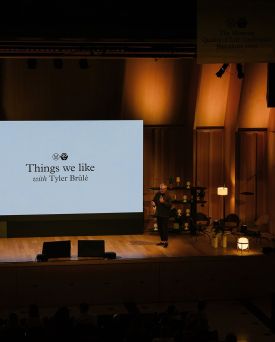
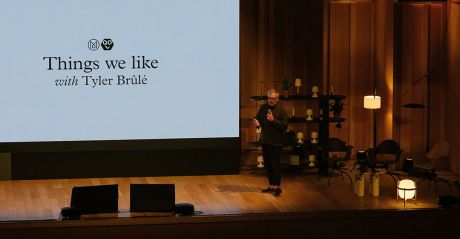
Meet the voices taking the stage at Monocle's Quality of Life Conference 2026 in Lisbon: mayors, architects, designers and makers shaping how we live in cities.
read more
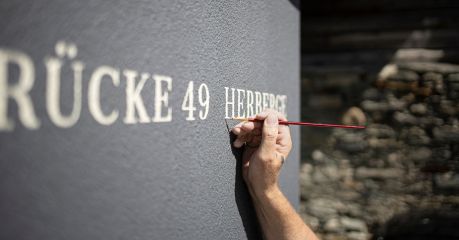
Ruth’s original manifesto to listen to what the house wanted to be has served her well. Reinvented for the curious traveller, Brücke 49 has been welcoming guests for nearly a decade.
read more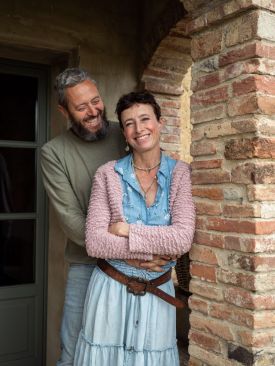
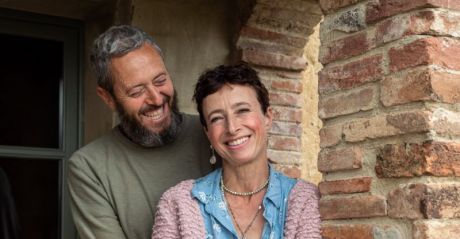
As the property neared finishing, Fabio took the decision to keep the garden wild and naturally indigenous – where the boundaries between garden and rural countryside were blurred.
read more
A think tank for the bold, the curious, the creators of tomorrow. Where minds collide, conversations spark, and urban life gets redefined. If you shape the future, you belong here.
read more

The women behind our hotels: eighteen owners, designers and hosts across eight countries, from an Andorran lodge to a Zurich villa and a Tuscan farmhouse.
read more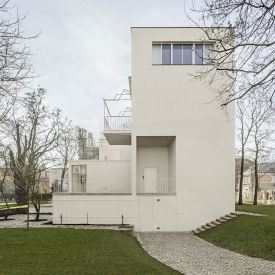
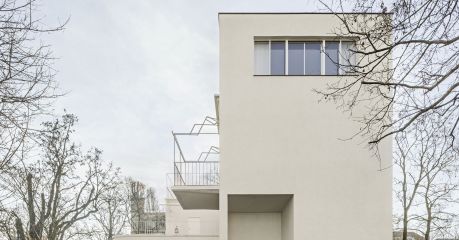
Josef Frank’s Villa Beer reopens in Vienna in 2026 following a careful restoration, offering rare access to one of his most important architectural works and a deeper understanding of the ideas that later shaped his celebrated interiors and textiles for Svenskt Tenn.
read more
Monocle's Quality of Life Conference returns to Lisbon this September, three days of ideas, design and city living at the Gulbenkian. Here's who and what to expect.
read more
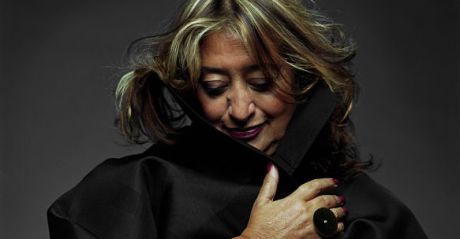
Zaha Hadid Architect's coastal Salerno Maritime Terminal in Cilento, Italy carries her hallmark curves inspired by oysters and the waves, a coastal landmark.
read more
Just off Rue des Martyrs in Paris, in the 9th arrondissement, Zeuxis Contemporary Art Gallery created by Amélie du Chalard is the Maison d'Art Amelie - a showcase for paintings, engravings, sculptures, photographs, videos and works of art set within a magnificent apartment.
read more
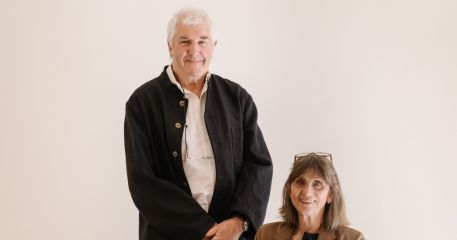
Behind some of Scotland's landmark conservation and restoration projects including the award-winning Kyle House, Hotel Lundies and Killiehuntly Farmhouse in the Highlands.
read more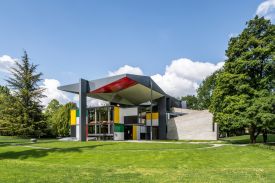
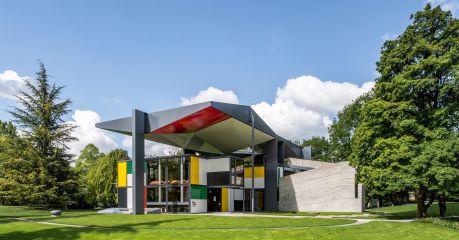
The Pavilion Le Corbusier, located in Zurich, pays homage to an architect who was the forerunner of urban design, a pioneer of sustainability, and a leader of modernism.
read more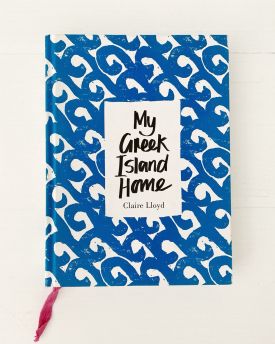
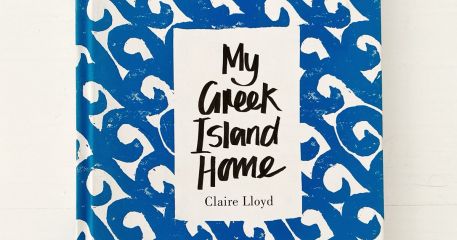
My Greek Island Home by Claire Lloyd is always out of the bookcase, an ever-present friend that tells the tale of falling in love with a Greek island and finding that a simpler life is not so bad after all.
read more
Get the insider news and lowdown on what we've been up to, where we've been, and who we've met along the way. Be the first to discover new places and get the scoop on our favourites.