JOIN the AFICIONADOS
Get the insider news and lowdown on what we've been up to, where we've been, and who we've met along the way. Be the first to discover new places and get the scoop on our favourites.

The Hotel Altstadt Vienna's most loyal guest finally acquires a boutique suite of his own, and the quiet rituals of belonging are written into the walls.
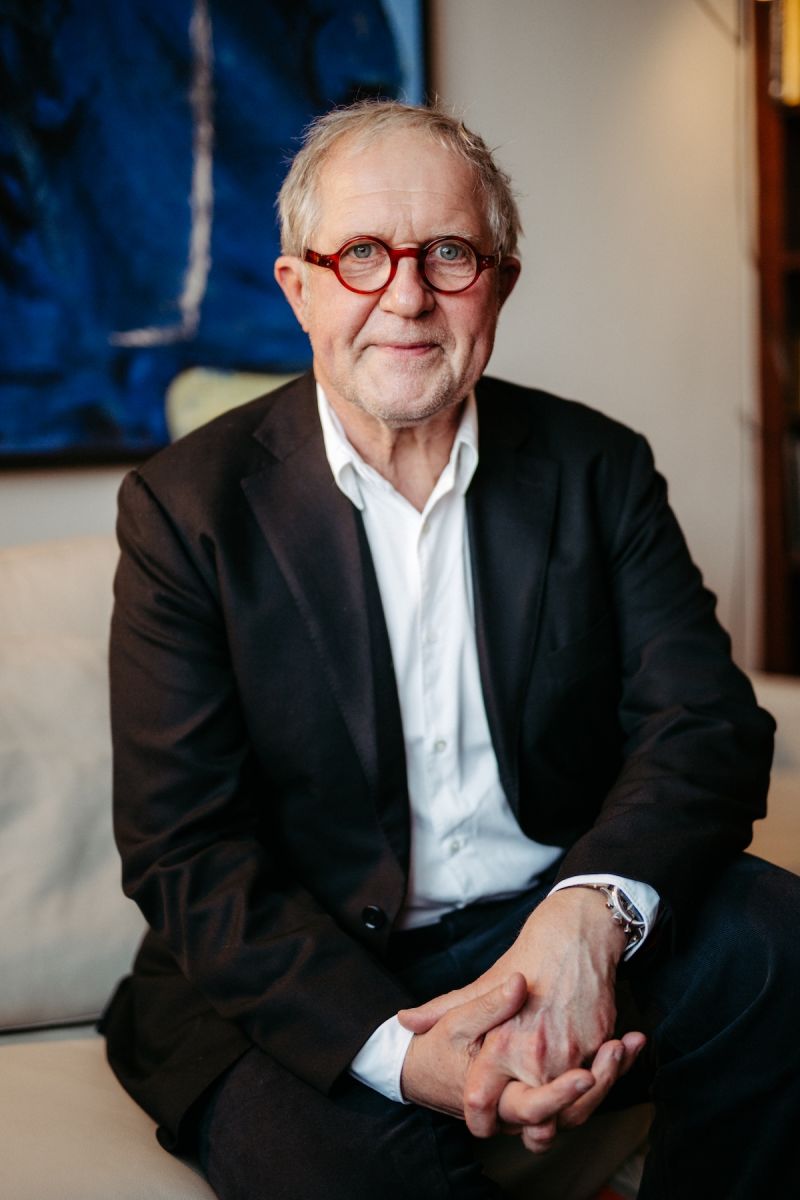
"Whoever begins to bring his own furniture," Harald Krassnitzer is fond of saying, "has earned his own room." He laughs when he says it, but the line has acquired, over the years, a faintly autobiographical quality. For more than two decades, the Austrian actor has been returning to the hotel Altstadt Vienna in the Spittelberg whenever a film or television shoot brings him to the city, and somewhere along the way, between late suppers and a great many cups of tea, the hotel stopped being a hotel for him and quietly became, instead, where he lives when he is in town. He now has a suite of his own on the top floor: eighty-five square metres, a small kitchen, the run of the morning light. The brass plaque on the hotel suite’s door reads: Harry K Room, Suite No. 85.
This sort of thing happens at the hotel Altstadt Vienna rather more than it happens elsewhere. The Wiesenthal family, who run the place, have made a quiet tradition of naming rooms after the people who have shaped them. There are plaques for the architects and designers who have given the house its grain (Lilli Hollein, the Moretti studio, and so on), and plaques for the regulars who have grown into the rooms with the patient inevitability of ivy. Helga has one. So, now, does Harry K, with the small distinction that his suite was dedicated to him before a single piece of furniture had been chosen. The Wiesenthals simply handed him the keys and the architect Roland Nemetz and said, more or less, go on, then. It is the sort of vote of confidence that tells you everything about the relationship.
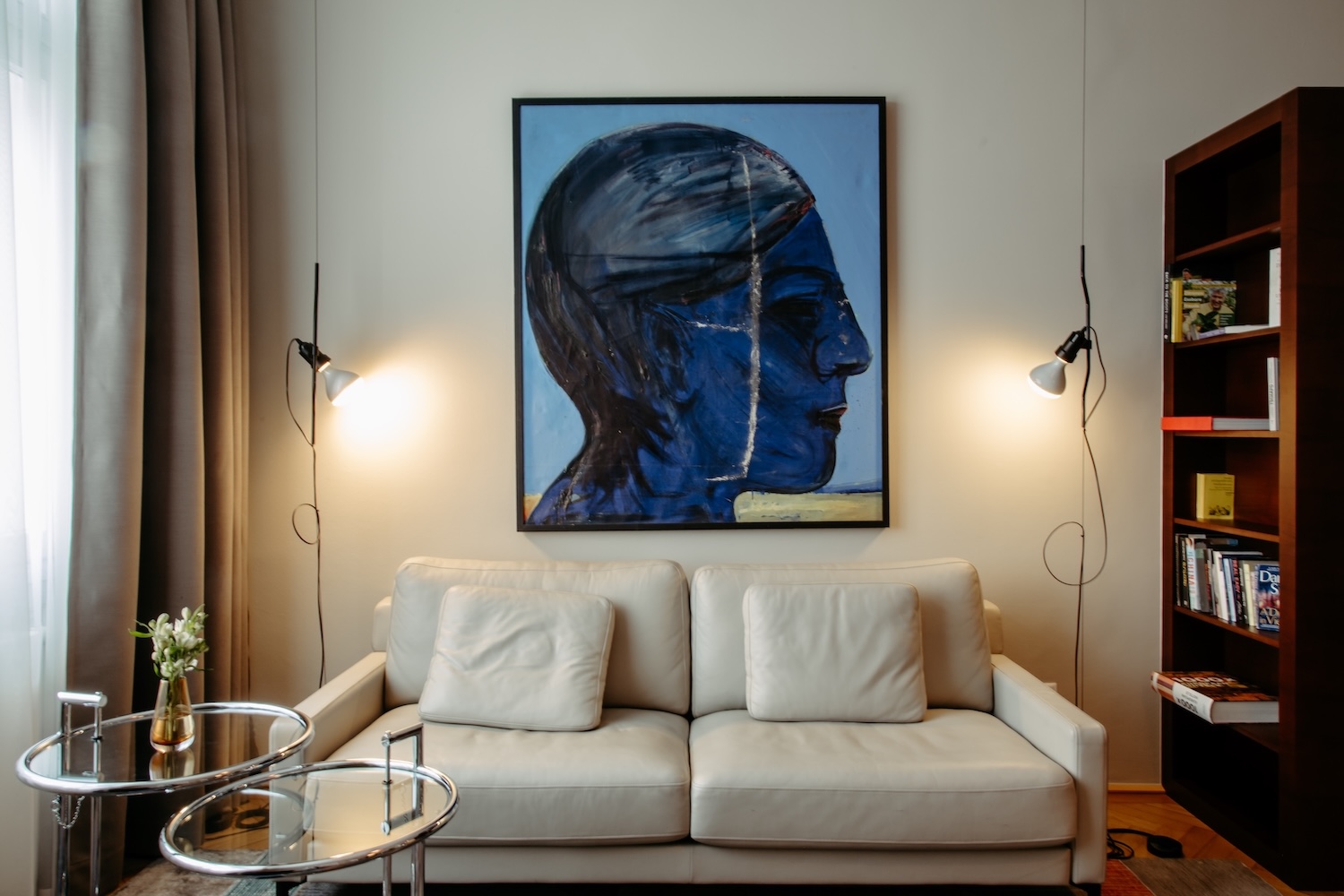
Krassnitzer, for his part, gave up behaving like a guest in any recognisable sense some time ago. He gives directions to strangers in the lobby. He knows the staff by name. He has been known to brew a pot of tea for a chambermaid with a head cold, and to press a Schutzengerl, a small Viennese guardian angel, into the apron pocket of a waitress on her last shift. None of this, as anyone who has ever worked in a hotel will tell you, is normal guest behaviour. The suite itself, designed by a man who has had twenty years to think about it, is exactingly particular. The sitting room is the bright half of the apartment, with all the vocabulary of grand-bourgeois Vienna: tall stucco ceilings, herringbone parquet, the soft sand-coloured light that makes the whole city look slightly more expensive than it is. The kitchenette, at Krassnitzer's insistence, has been relocated to the spot where that light falls most kindly, then concealed behind a walnut sliding door, the better not to disturb the room when it is being a room. In front of it sits a vintage Thonet table with Arne Jacobsen's Ant chairs from Fritz Hansen, a small but telling pairing of two countries that have always known what to do with bentwood.
There is a pale leather sofa, a dark sideboard, a modest run of bookshelves, and at the centre a pair of Eileen Gray's height-adjustable glass tables from the 1920s, looking as ever as though they have just been wheeled in by a very elegant waiter. A Flos Parentesi lamp draws a fine vertical line of light through the air. The Cassina Wink chair, with its postmodern Mickey Mouse ears, sprawls in one corner, being charmingly ridiculous. Miniatures by Vesna Muhr appear throughout, like footnotes in a book one is rather enjoying.
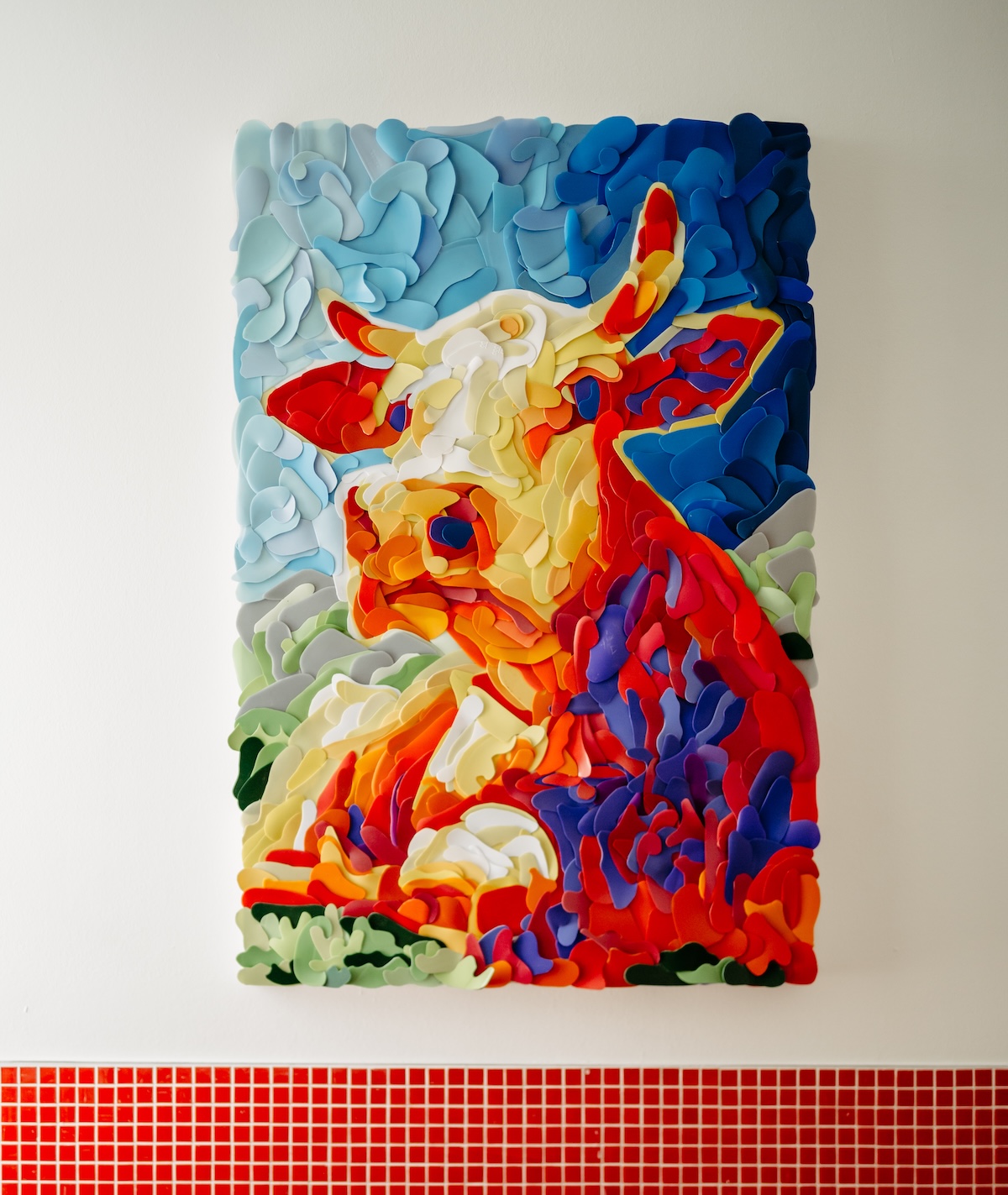
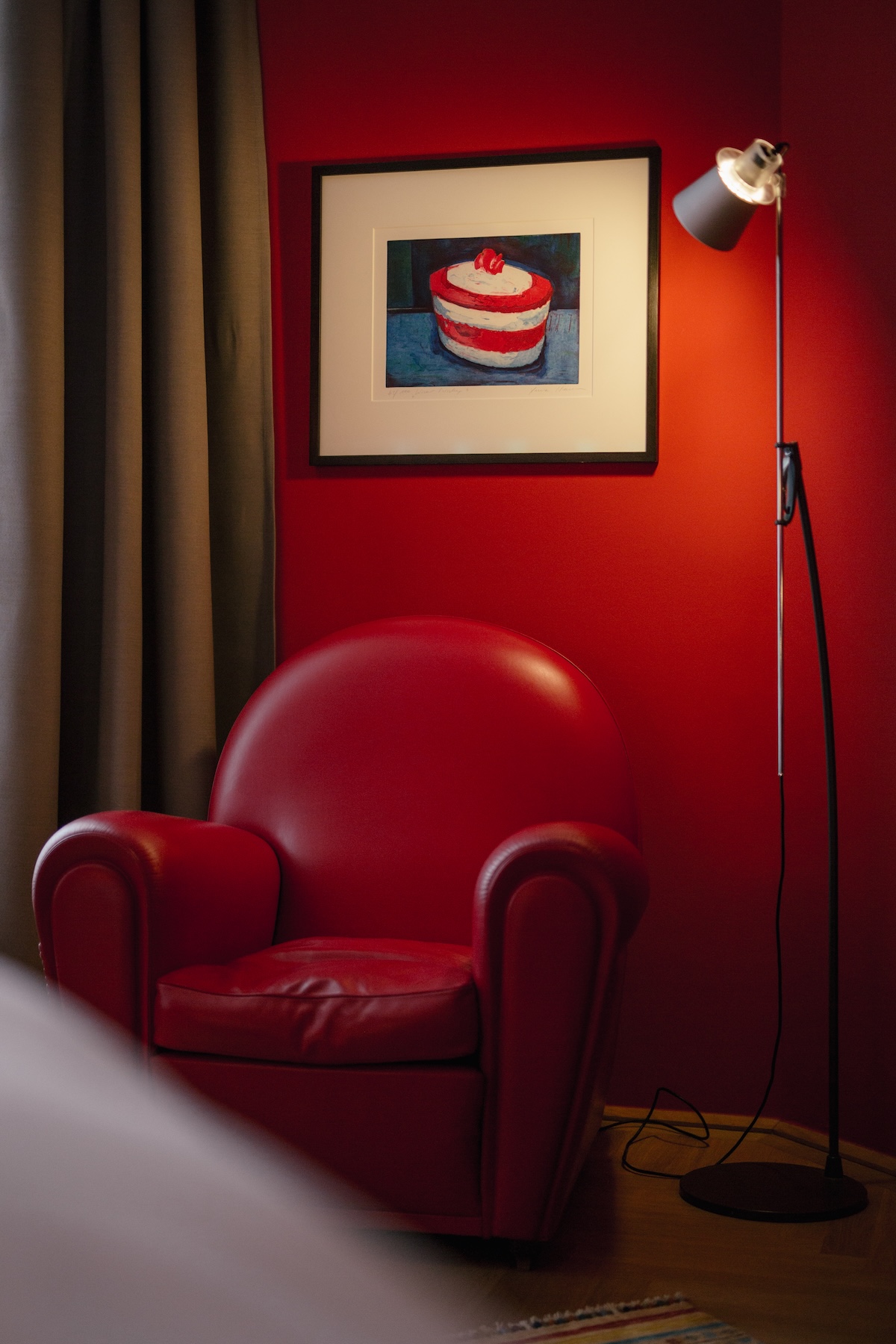
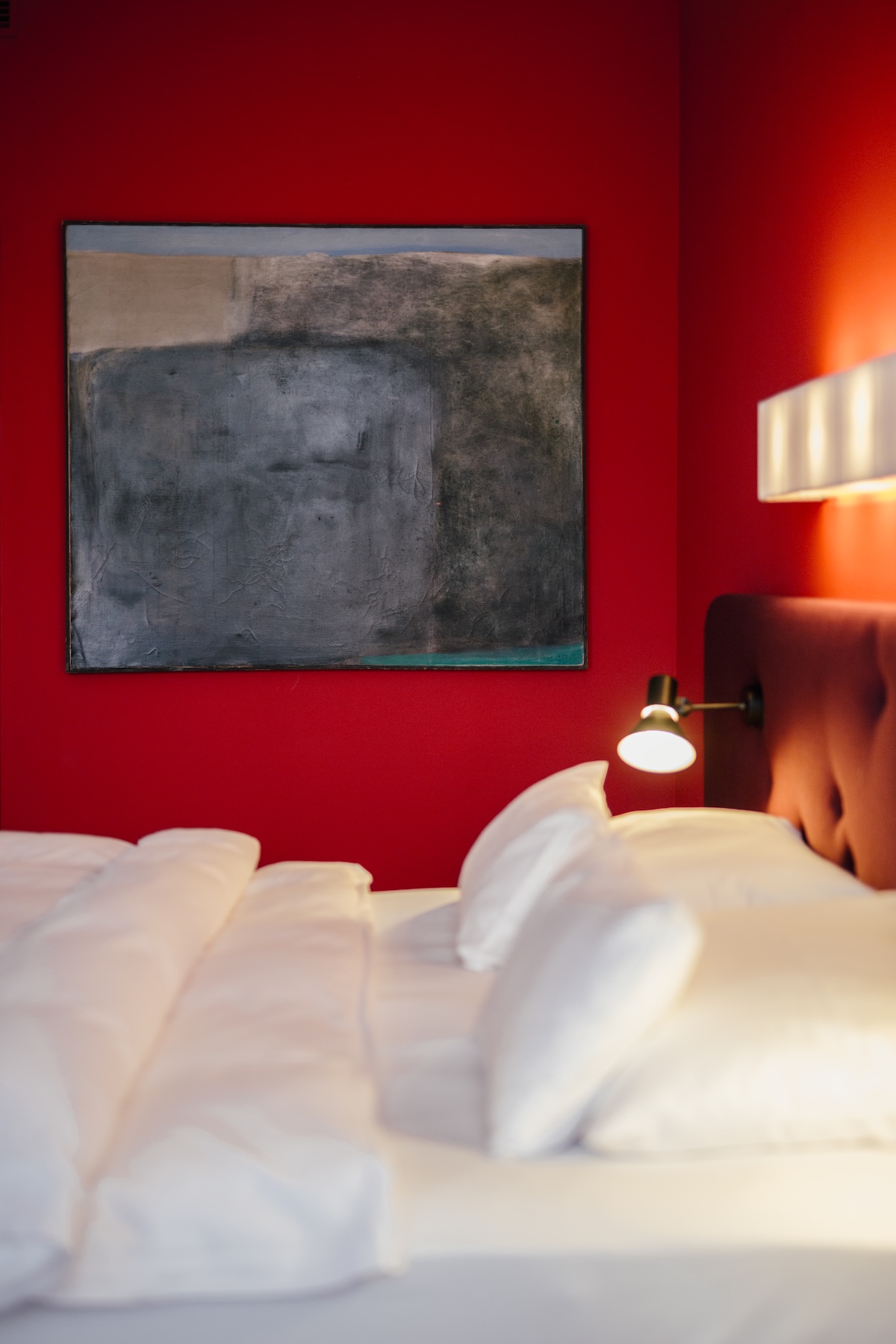
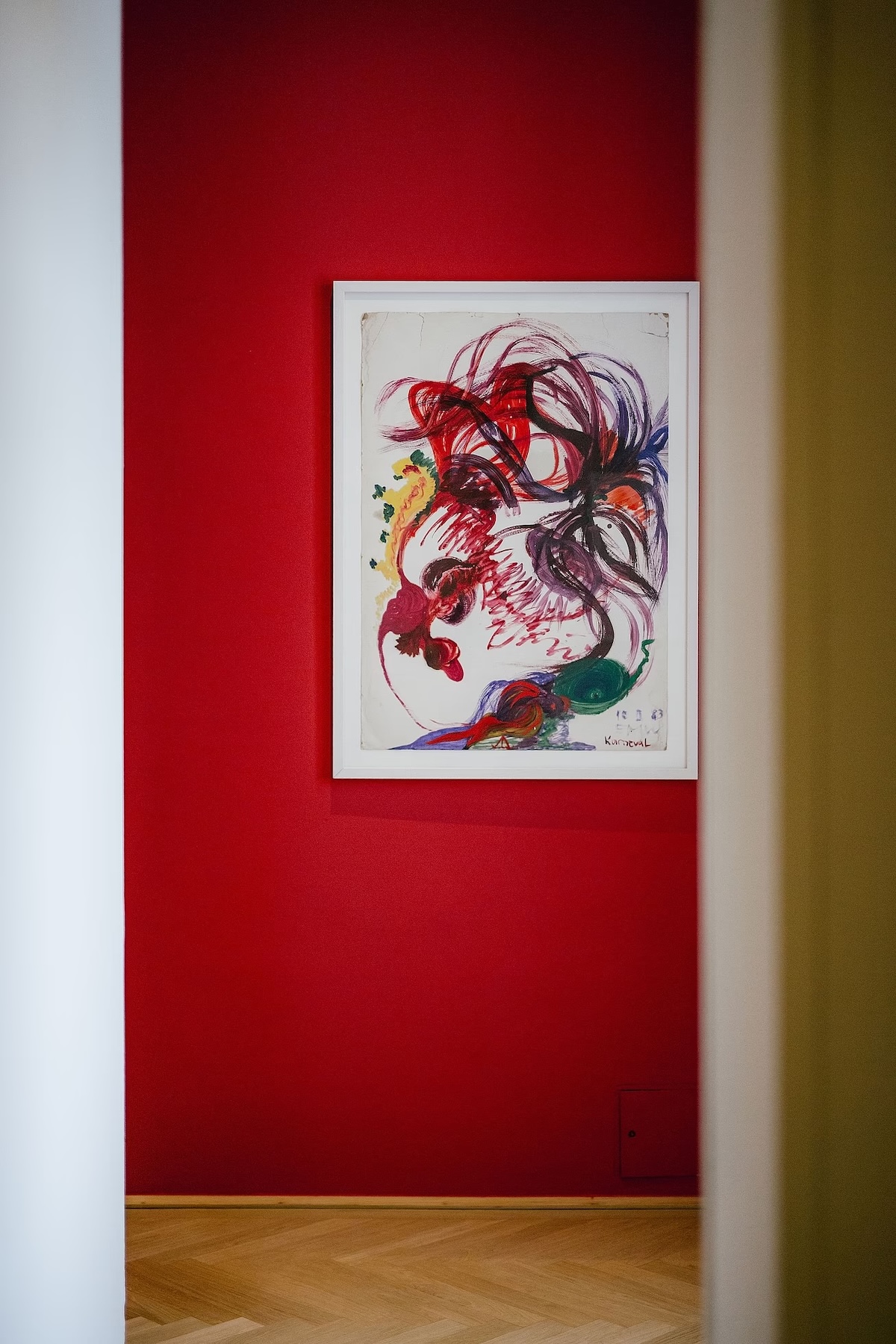
The bedroom, by contrast, is the theatrical half. A deep red wall does most of the work; opulent, faintly Schnitzlerian, the sort of room in which one feels that an assignation may be either beginning or ending. Around it: a round leather armchair, an antique writing desk with drawers, a Thonet chair, an Oriental rug, and a tall headboard in dark violet, deeply buttoned in the Chesterfield manner so that one might sit up and read in some style. (Krassnitzer was, by all accounts, immovable on this last point.) Above the armchair hangs a painting by Xenia Hausner of a red-and-white cake on blue ground, ironic and very nearly surreal. In the lavatory, a cow by Dan Walker observes one's ablutions with bovine equanimity. In the corridor, an Arnold Schwarzenegger by Jonathan Monk, in case one had momentarily forgotten which country one was in. One lives here, as the press notes rather charmingly put it, in good company.
The truly telling details, though, are the things one cannot order from a furniture fair. A Manufactum Sprossenwand, a set of Swedish wall-bars, has been quietly absorbed into the architecture of the corridor; Krassnitzer brought it along for training. Beside it hangs, neatly framed, a small modern broadside: Lest mehr Marx, esst mehr Obst. Read more Marx, eat more fruit. The portable radio has moved in, too. The line Krassnitzer himself uses, when asked what it is like to come back, is that walking in feels less like checking into a hotel and more like coming home, with the agreeable addition of room service. It is a description that doubles, rather neatly, as a definition of what the Altstadt has been trying to do all along.
There is, in fairness, nothing very revolutionary about a hotel that wants its guests to feel at home. The phrase appears on every brochure in Europe, mostly in vain. What the Altstadt manages, in the Harry K Room as in the rest of the house, is the much harder version: making a guest feel sufficiently at home that he begins, by degrees, to leave his own things behind. A radio. A wall of bars. A reading light placed exactly so. A line about Marx and fruit. By the time the brass plaque goes on the door, it is almost a formality.
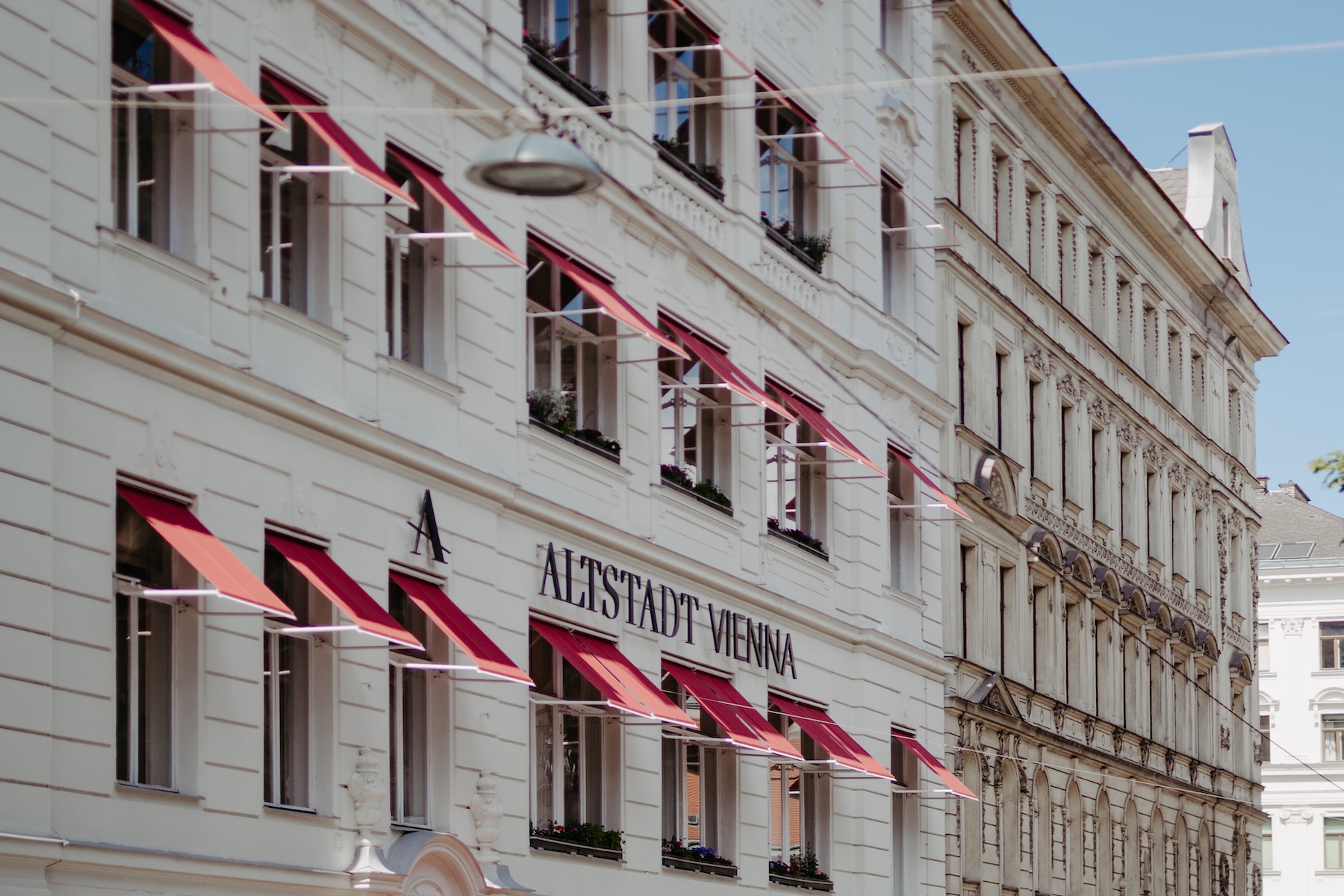
Otto Ernst Wiesenthal opened the Altstadt at Kirchengasse 41 in the Spittelberg in 1991, on the rather unfashionable principle that art in a hotel ought to live in the rooms rather than hang dutifully on the walls. Three decades on, the place has 62 rooms across five floors and well over 200 works by Warhol, Helnwein, Brigitte Kowanz, Niki de Saint Phalle, Prachensky, and Leibowitz, among many others. Each room has, by long tradition, been entrusted to a different architect, designer, artist, or actor to shape; Matteo Thun, AtılKutoğlu, Lena Hoschek, Tobias Moretti, and Adolf Krischanitz have all, in their time, taken up the invitation. Otto remains the presiding spirit; his daughters, Saskia and Lisa, increasingly carry the day-to-day. The Harry K Room is the latest in a long and particular tradition.
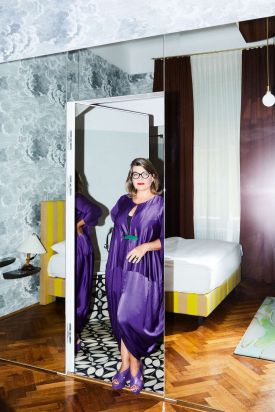
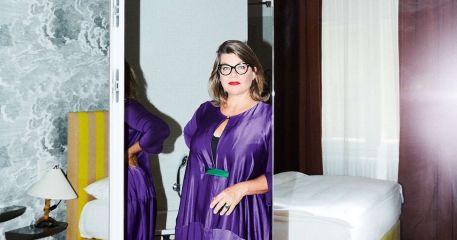
Director of internationally acclaimed Vienna Design Week, Lilli Hollein had never yet turned her eye to interior design until Vienna's Hotel Altstadt came knocking.
read more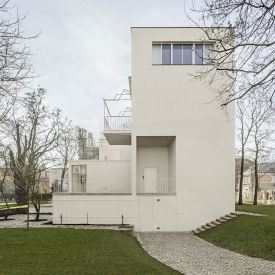
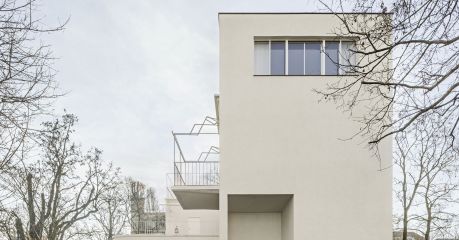
Josef Frank’s Villa Beer reopens in Vienna in 2026 following a careful restoration, offering rare access to one of his most important architectural works and a deeper understanding of the ideas that later shaped his celebrated interiors and textiles for Svenskt Tenn.
read more
Browse our unique Vienna Art Guide below for all there is to know about Austria’s art and culture capital. Once the epicentre of the longstanding Habsburg empire, Vienna is awash with galleries, artists, museums and odes to moments of age-defining culture, as well as a new generation of creatives call this city home, once again.
read more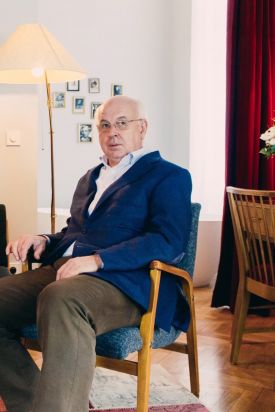
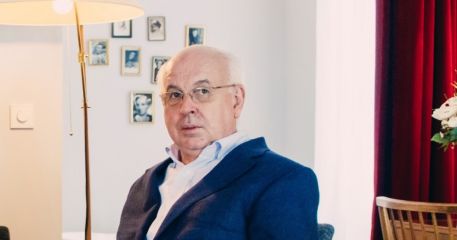
Architect and interior designer Roland Nemetz designs 'his' suite at the boutique Hotel Altstadt Vienna - part of a series of creatively inspired interiors that capture the soul of artsy Wien.
read more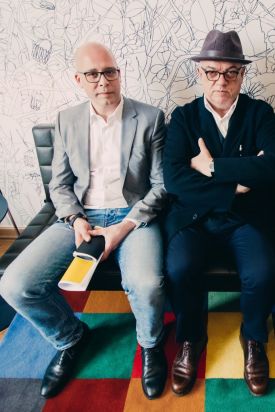

Peek into our Hotel Altstadt Vienna interior design series at room 64, this time designed by celebrated Viennese architect, Adolf Krischanitz.
read more
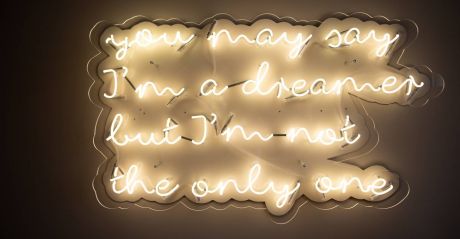
Creativity at Otto Wiesenthal’s iconic Altstadt Hotel Vienna is never in short supply. The new United Nations Suite is a fantastic design narrative related to the UN, John Lennon, Le Corbusier to 'Make carpets, not war'.
read more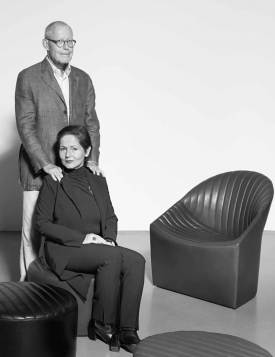
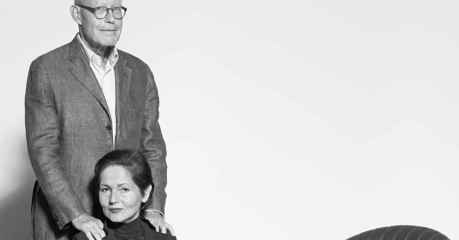
Cult furniture brand Wittmann has accumulated a distinctive mark over four generations, working with Austrian and international designers and architects, from Josef Hoffmann and Friedrich Kiesler to Matteo Thun and Edward B.Tuttle.
read more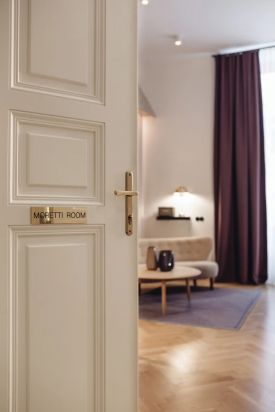
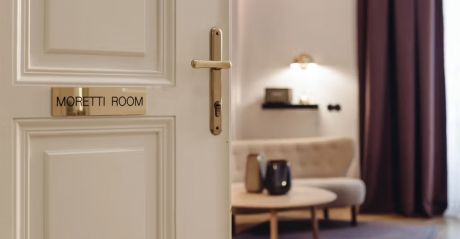
Tobias Moretti designed his "Moretti Room" envisioned and realized with interior designer Eugenie Arlt and the artist Degenhard Andrulat, his suite plays between theatre and the Tyrolean mountains. A combination of urbanity and nature, as it only exists on the Austrian stage.
read more
With more than 9000 artworks, Vienna's Museum Moderner Kunst Stiftung Ludwig Wien, MUMOK for short, sits au courant against the vast MuseumQuartier designed by Ortner&Ortner Architects.
read more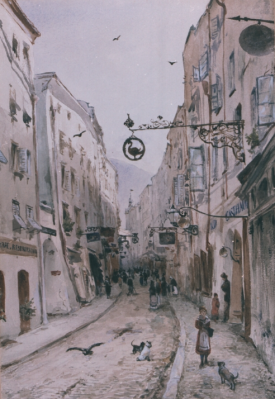
When dealing with one of the oldest buildings in Salzburg, it takes the architect’s clever manipulation of architecture and design to create an exciting, inspiring atmosphere that coverts the old and the new to extreme yet complimentary dimensions.
read more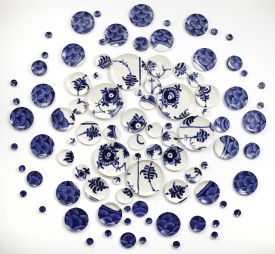
A city of effortless cool & pioneering Scandi design Copenhagen has long been at the heart of the world’s ceramics stage, from practical to the performative.
read more
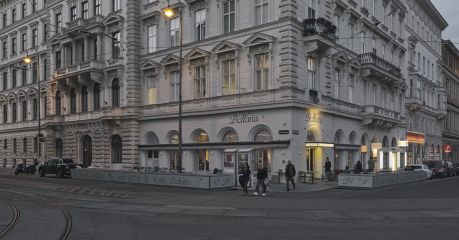
Vienna’s oldest café dating back some 150 years is reborn, restaurateurs David Figar and Rubin Okotie who took over the institution after the previous owner retired, reopened Café Bellaria “as a modern way of life.
read more
Get the insider news and lowdown on what we've been up to, where we've been, and who we've met along the way. Be the first to discover new places and get the scoop on our favourites.