JOIN the AFICIONADOS
Get the insider news and lowdown on what we've been up to, where we've been, and who we've met along the way. Be the first to discover new places and get the scoop on our favourites.

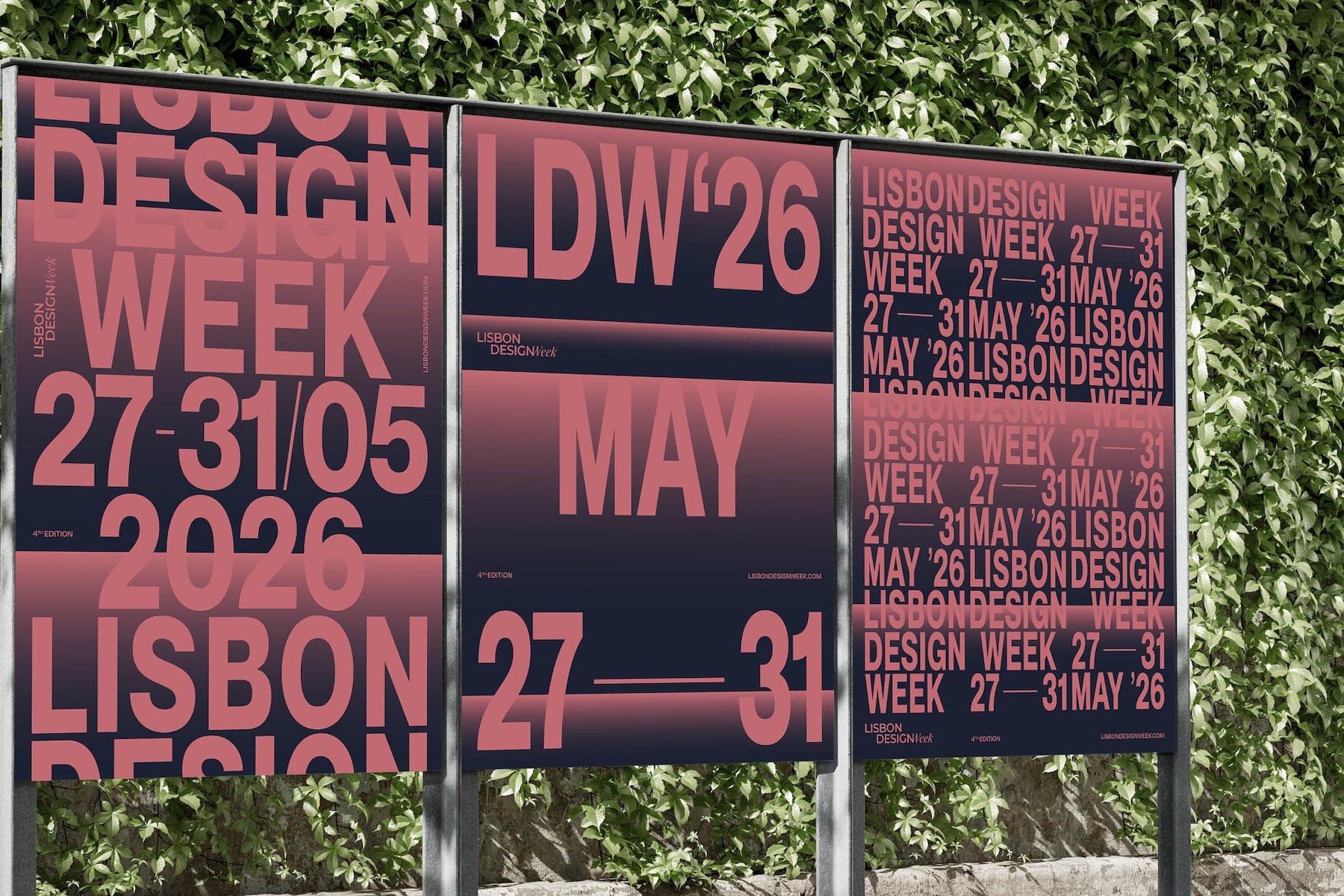
The city of Lisbon has quietly become one of the most compelling creative destinations in Europe. For five days each May, it makes that case without raising its voice. We sat down with Michele Fajtmann, founder of Lisbon Design Week, to find out why the fourth edition is the one to catch.
There is a particular kind of city that harnesses its intimacy to showcase its creative clout without shouting. It does not need a trade fair hall the size of a small country or a showroom district that requires a whole taxi rank to navigate. It draws you in through its workshops, its light, its materials, and, crucially, the people who have spent generations learning how to coax beauty from the earth beneath their feet. Lisbon is that city. And for five days at the end of May, it becomes something rather extraordinary.
Lisbon Design Week runs from 27 to 31 May, 2026, presented in partnership with contemporary art fair ARCO Lisboa. It does not impose a programme on the city. It activates what is already there: the studios, the neighbourhood workshops, the ateliers, the institutions. A programme that asks you to move slowly, look closely and follow your curiosity down sidestreets. Which is, as it turns out, exactly how Lisbon rewards you anyway.
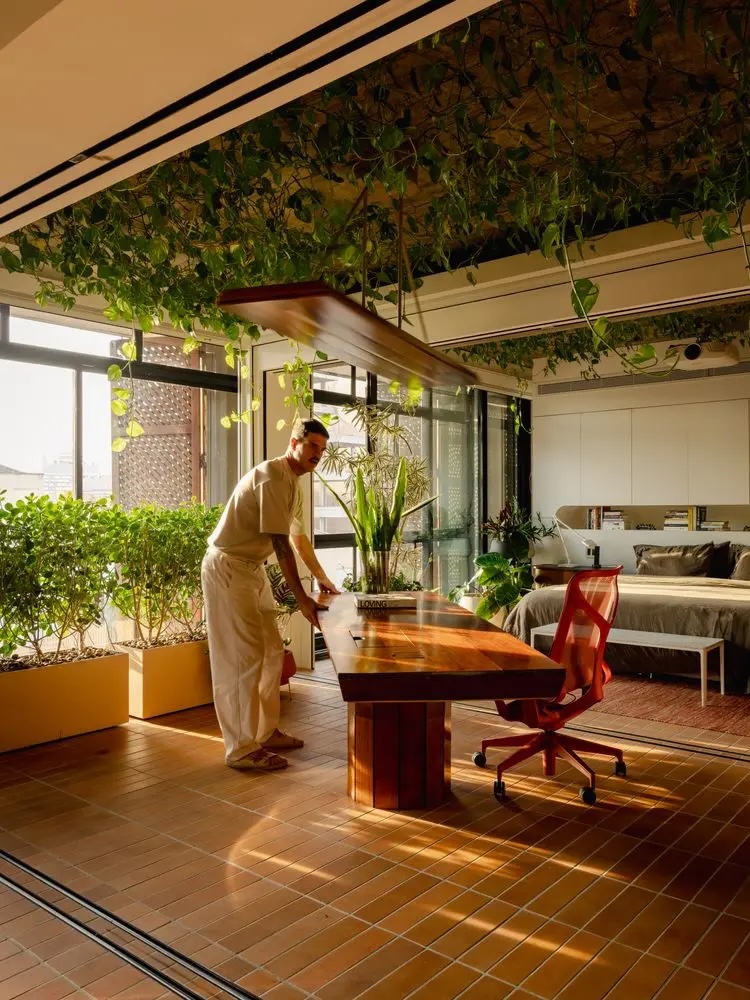
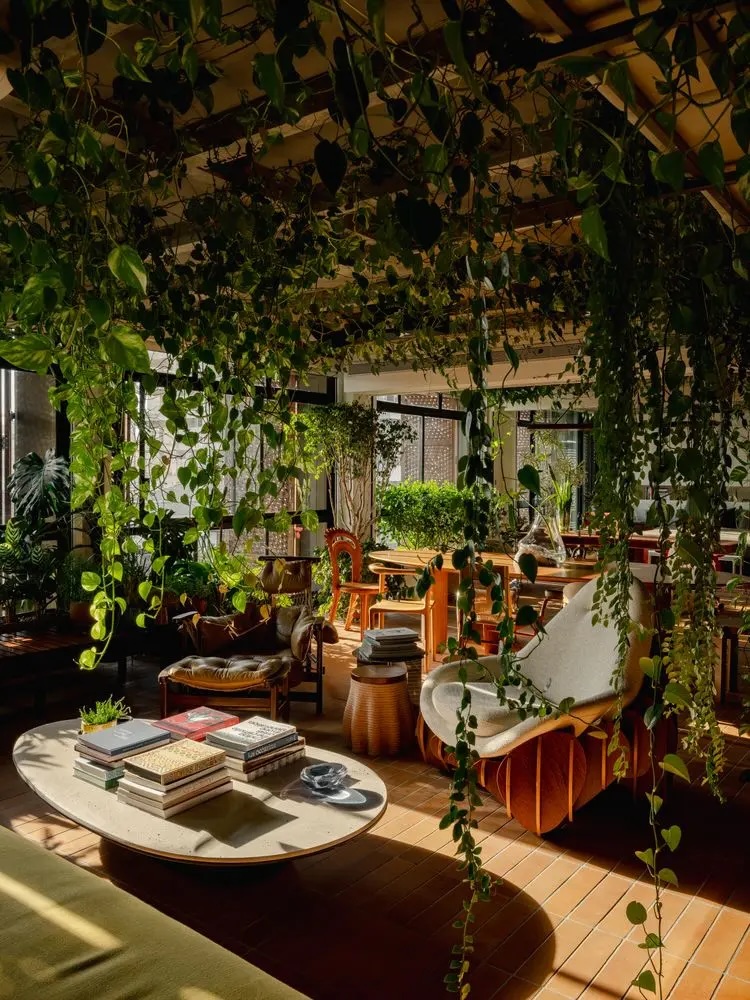
The headline exhibition, “Design, feito à mão” (Design, Made by Hand), lands at the architecturally arresting Arquivo Aires Mateus. More than ten artists, designers and artisans each take a single material and push it to its limits, exploring that porous and endlessly fascinating boundary between craft and design. This is not craft as nostalgia. It is craft as a living, thinking, restless discipline.
Then there is “Arrayolos Reimagined”: the ancient Arraiolos embroidery stitch handed to a group of artists and artisans who each reinterpret the same wooden stool, specially designed for the project by Wesley Sacardi, a Homo Faber Fellow wood maker of real distinction. The setting is a small house in the middle of Jardim da Estrela. Go on, try and resist that.
New this year is “Sotaque”, perhaps the most quietly radical exhibition on the programme. Curated by the renowned Brazilian architect and designer Guto Requena, it brings together objects designed and made in Portugal by designers whose origins lie in former Portuguese-speaking nations: Angola, Brazil, Cape Verde, Guinea-Bissau, São Tomé and Príncipe and Mozambique. In a single intimate room, the many accents of Portuguese material culture speak simultaneously.
Michele Fajtmann, founder of Lisbon Design Week, talks about time the way other people talk about talent. “Nothing can replace time,” she says, “because time is not just duration. It is refinement, correction, transmission and devotion. And in Portuguese craft, time is the true master artisan.”
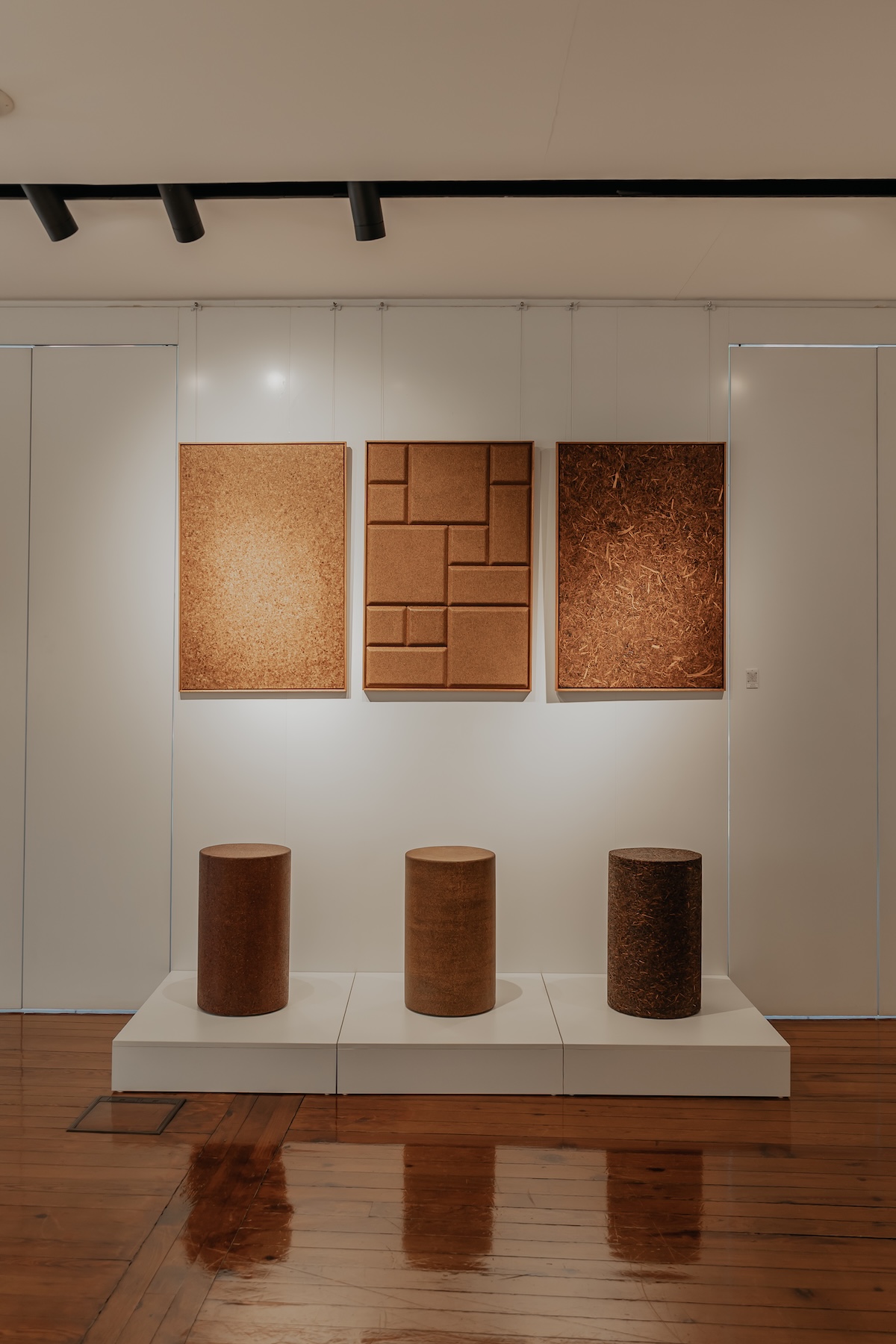
Consider the tapestries of Portalegre, a full year in the making. Or the cork oak, whose bark is harvested every nine years without ever felling the tree. These are not artisan talking points. They are the actual infrastructure of Portuguese design, and they give Lisbon its particular creative gravity.
What Fajtmann returns to repeatedly is how accumulated knowledge transforms the creative process when it meets the right collaborator. “Many designers tell us that they learn far more about materials by spending time with artisans in their workshops than they do at university. When this deep expertise meets a fresh perspective, an artistic mindset, and a spirit of experimentation and curiosity, it creates the conditions for truly exceptional work.”
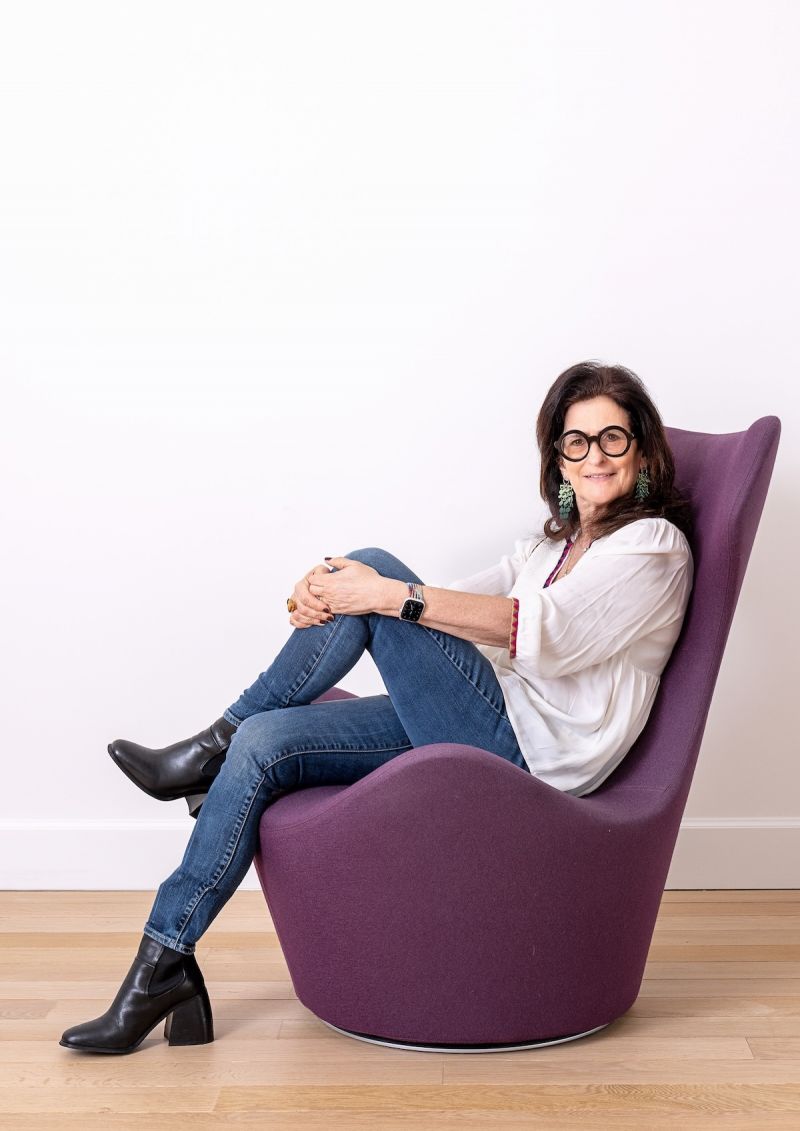
The caveat is that respect, depth and rigour are non-negotiable. “This means spending time in workshops, understanding material limits, learning processes, and acknowledging the maker as a creative partner rather than a simple resource. It is really at that moment that distinctive and original creations can emerge.”
This is why the week places such emphasis on naming the makers, telling their stories, ensuring visibility is genuinely shared rather than absorbed by the finished object alone. Creative challenges push further still: makers invited to shift scale, occupy building facades, devise scenographies that allow objects to be encountered in unexpected ways. “Building narratives and creating spatial intervention,” Fajtmann says, “bring another dimension entirely.”
The Portuguese design scene is genuinely multi-ethnic and multidisciplinary now. Several currents converged: young Portuguese creatives returning home after studying abroad; internationally recognised designers choosing to work in Portugal and develop concrete projects with local makers; and a wave of young designers and architects from Italy and elsewhere drawn by the quality of the craftsmanship and the room it offers for genuine experimentation.
Among the internationals who have shaped the scene, Fajtmann singles out Noé Duchaufour-Lawrance and his Made in Situ project, Emmanuel Babled collaborating with cork producers and Portuguese brands including Vista Alegre, and Sam Baron, whose twenty-year relationship with Portugal, including his tenure as director of Benetton’s creative research centre Fabrica, has left a lasting mark on a generation of Portuguese creatives.
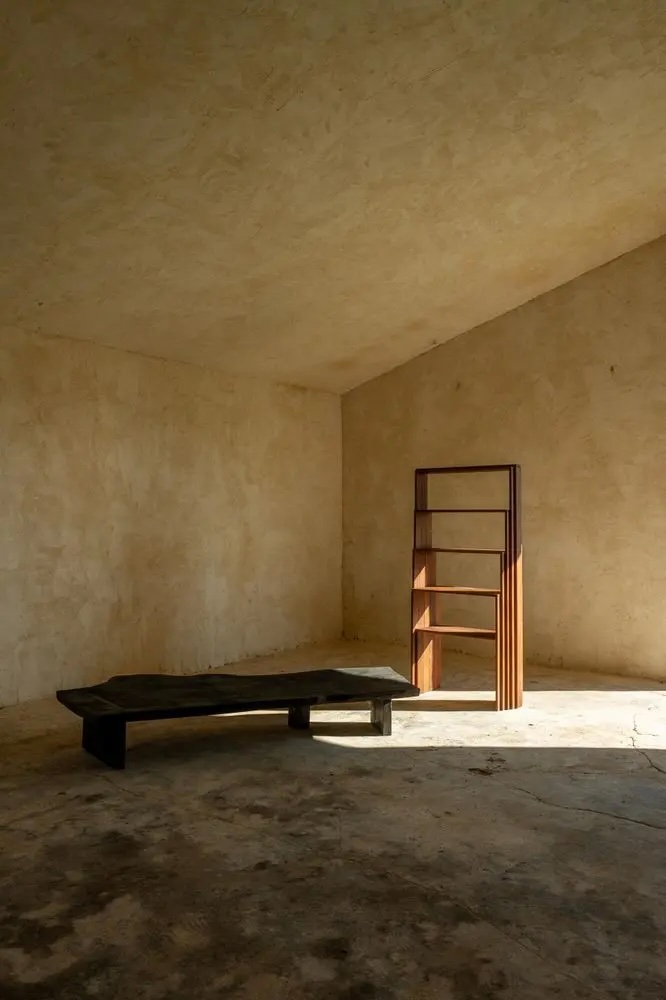
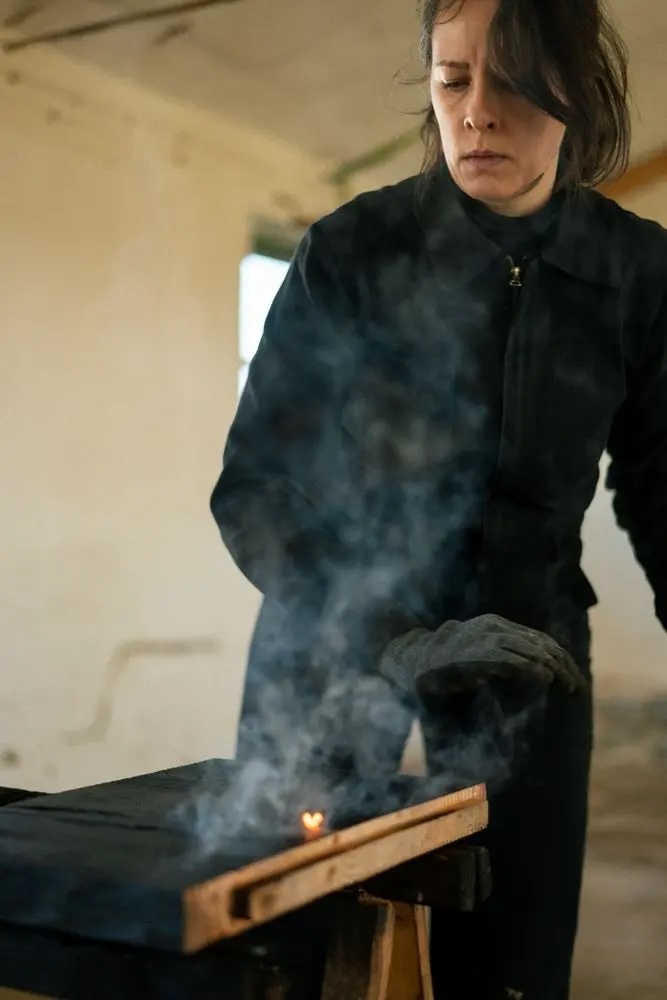
This year the CUPRA collaboration visits the workshops of three woodmakers whose relationships with the same primary material could not be more different. Mircea Anghel burns the surface. Wesley Sacardi integrates copper elements. The duo behind Further Ther works exclusively with reclaimed and discarded wood. Three practices, one material, zero overlap.
Elsewhere, a new generation of glassmakers is rewriting the legacy of Marinha Grande, Portugal’s historic glassmaking region. A textile project centred on the wool of the Churra Algarvia sheep, a breed at risk of extinction, emerged from a residency in Loulé gathering textile artists and artisans around a single endangered raw material. Young Portuguese designers are folding the country’s industrial textile history into multidisciplinary practice, and the results are consistently surprising.
“We want to honour the pioneers while maintaining a strong focus on the new generation,” Fajtmann says. That intention drives Young Design Generation, developed in partnership with Novobanco and MUDE, offering platform, visibility and critical context to emerging Portuguese talent.
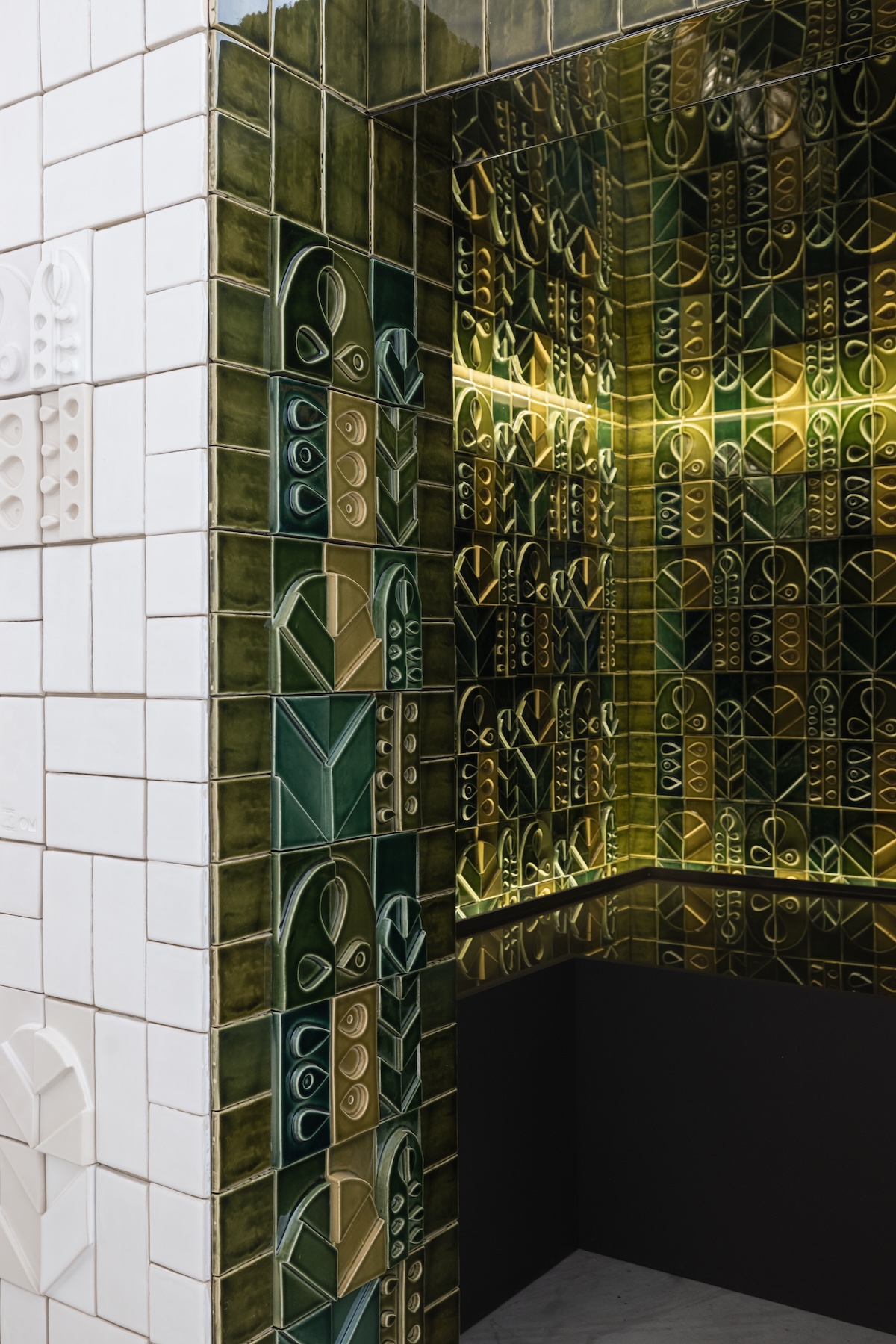
Sustainability in Portuguese design is not a rebrand. It is the baseline. “With some exceptions,” Fajtmann says, “sustainability is not an explicit focus of our programme because it is already embedded in the way many designers work: the continuity with tradition, the respect for material origins, the importance of longevity over disposability.”
Portuguese households repaired, reused and repurposed for generations as a natural relationship with materials and place. “Ecology and sustainability in Portuguese design are not trends,” Fajtmann says. “In many ways, they represent a return to origins.” When your most iconic material is one of Europe’s most sustainable agroforestry systems, the green credentials page writes itself and then becomes unnecessary.
The local market is relatively small and opening beyond national borders is a structural necessity. “Attracting international clients is therefore one of the key roles of Lisbon Design Week,” Fajtmann says. Equally important is encouraging Portuguese brands to engage seriously with the designers working in the country, and she is beginning to see that movement accelerate.
The advantage Lisbon holds over any larger design capital cannot be replicated by a bigger budget. “Lisbon’s strength lies in proximity. Designers can easily visit workshops, refine prototypes and build direct relationships of trust with makers.” The design economy that emerges is built on authorship and specificity rather than volume: limited editions, made-to-order production, objects conceived for longevity. “What remains crucial for long-term sustainability is consistent quality, strong storytelling, effective distribution and international partnerships.” The potential is there. The momentum is building.
Monocle put it well: craft roots keep LDW on the cutting edge. A city where the making tradition is ancient and the design conversation is urgent and alive, and the distance between the two can be covered on foot.
Ask Fajtmann what a visitor should feel here that they would not encounter in Milan, Copenhagen or Paris, and her answer is immediate. “A sense of discovery. An environment where craftsmanship, experimentation and cultural diversity meet in a more open and intimate way than in larger design capitals. Visitors should feel the proximity to the workshops, the materials and the people behind the work. The sense that design here grows organically from a rich cultural and material context.”
That is not positioning. It is a precise description of what happens when you spend five days moving through this city, from Ajuda to Marvila, from Estrela to the historic centre, following a programme rooted in the places and people that were already here. The scale stays human. The access is real. The work is serious.
Lisbon Design Week 2026 is not the biggest design event in the European calendar. It has no interest in being. What it is after is something harder to manufacture and, ultimately, more worth having.
Lisbon Design Week 2026 | 27 to 31 May | lisbondesignweek.com
For full programme details, participant listings and venues, visit lisbondesignweek.com/en. The official participant list will be announced in March/April 2026. Sign up to the LDW newsletter to be first to know.
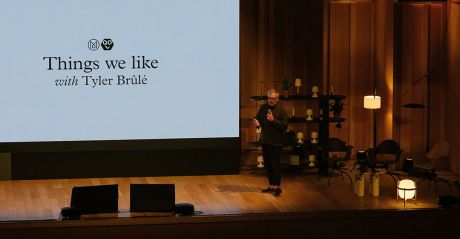
Meet the voices taking the stage at Monocle's Quality of Life Conference 2026 in Lisbon: mayors, architects, designers and makers shaping how we live in cities.
read more
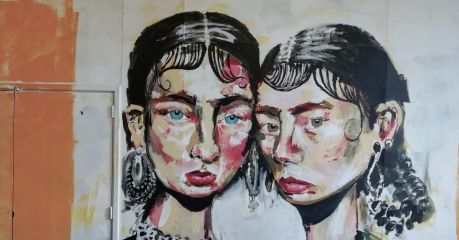
Lisbon, Portugal's legendary capital simply bursts with heritage, azulejo tiles, Pastéis de Nata & art - this is a design guide you can shop, see & drink.
read more
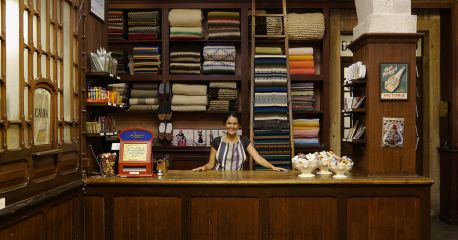
Devoted to the crafts of Portugal, the emporium A Vida Portuguesa is your pitstop ceramics, hand-made woollen blankets, glassware to napkins, stationery to baskets - all made in Portugal.
read more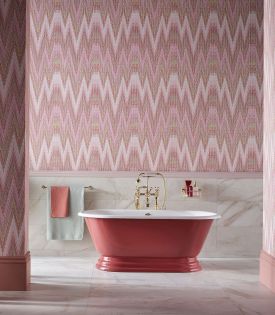
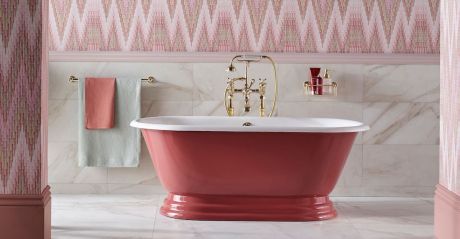
Set up in the 1980s, by Drummond Shaw, the company began as a vintage salvage company, restoring old rolltop baths to a characterful beauty, perfect for upmarket interiors and of course, indulgent deep soaks.
read more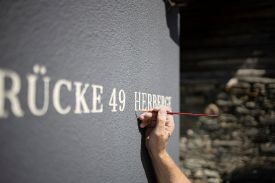
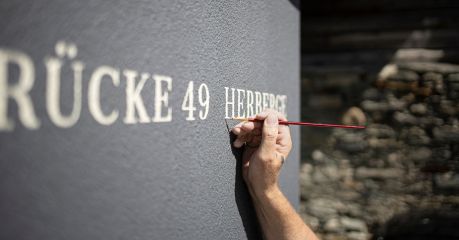
Ruth’s original manifesto to listen to what the house wanted to be has served her well. Reinvented for the curious traveller, Brücke 49 has been welcoming guests for nearly a decade.
read more

De La Espada leads a new era of collectible design and cultural craft. Explore their collaborations with Sam Baron, Anthony Guerrée and more, rooted in Portuguese savoir faire.
read more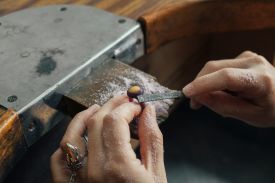
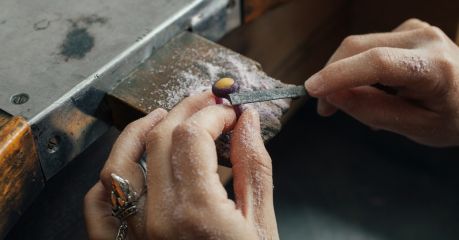
Madrid’s design culture is shaped by a new generation working close to materials and making, spanning furniture, fashion, sustainability-led studios and major annual design events in a production-led contemporary city.
read more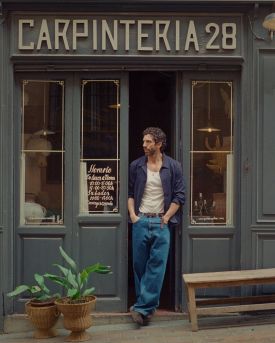
Working from Malasaña, Javier Sánchez Medina creates contemporary objects from natural fibres, guided by esparto grass, inherited craft knowledge and a deep respect for material, process and time.
read more
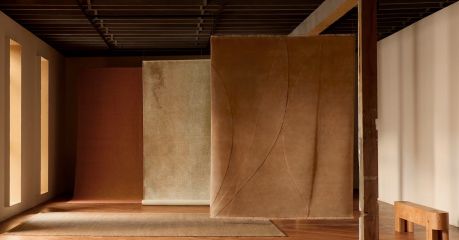
A Barcelona artist. Master weavers in India. A process the rug world has never seen before. Armadillo's Gaia collection exists somewhere between craft and fine art.
read more
Monocle's Quality of Life Conference returns to Lisbon this September, three days of ideas, design and city living at the Gulbenkian. Here's who and what to expect.
read more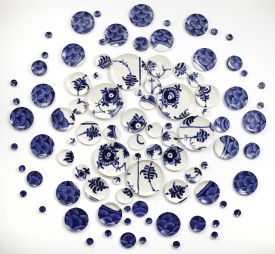
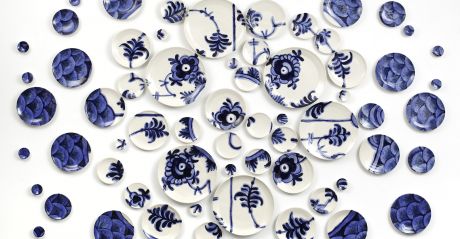
A city of effortless cool & pioneering Scandi design Copenhagen has long been at the heart of the world’s ceramics stage, from practical to the performative.
read more
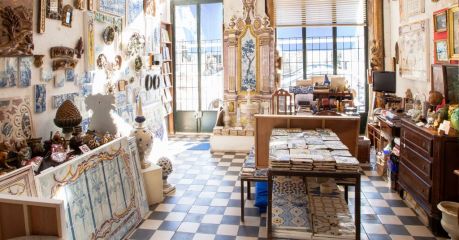
A Lisbon shopping guide for those under-the-radar gems spanning fashion, antique tiles, vintage furniture, design den interiors & all things children's gifts.
read more
Get the insider news and lowdown on what we've been up to, where we've been, and who we've met along the way. Be the first to discover new places and get the scoop on our favourites.