JOIN the AFICIONADOS
Get the insider news and lowdown on what we've been up to, where we've been, and who we've met along the way. Be the first to discover new places and get the scoop on our favourites.

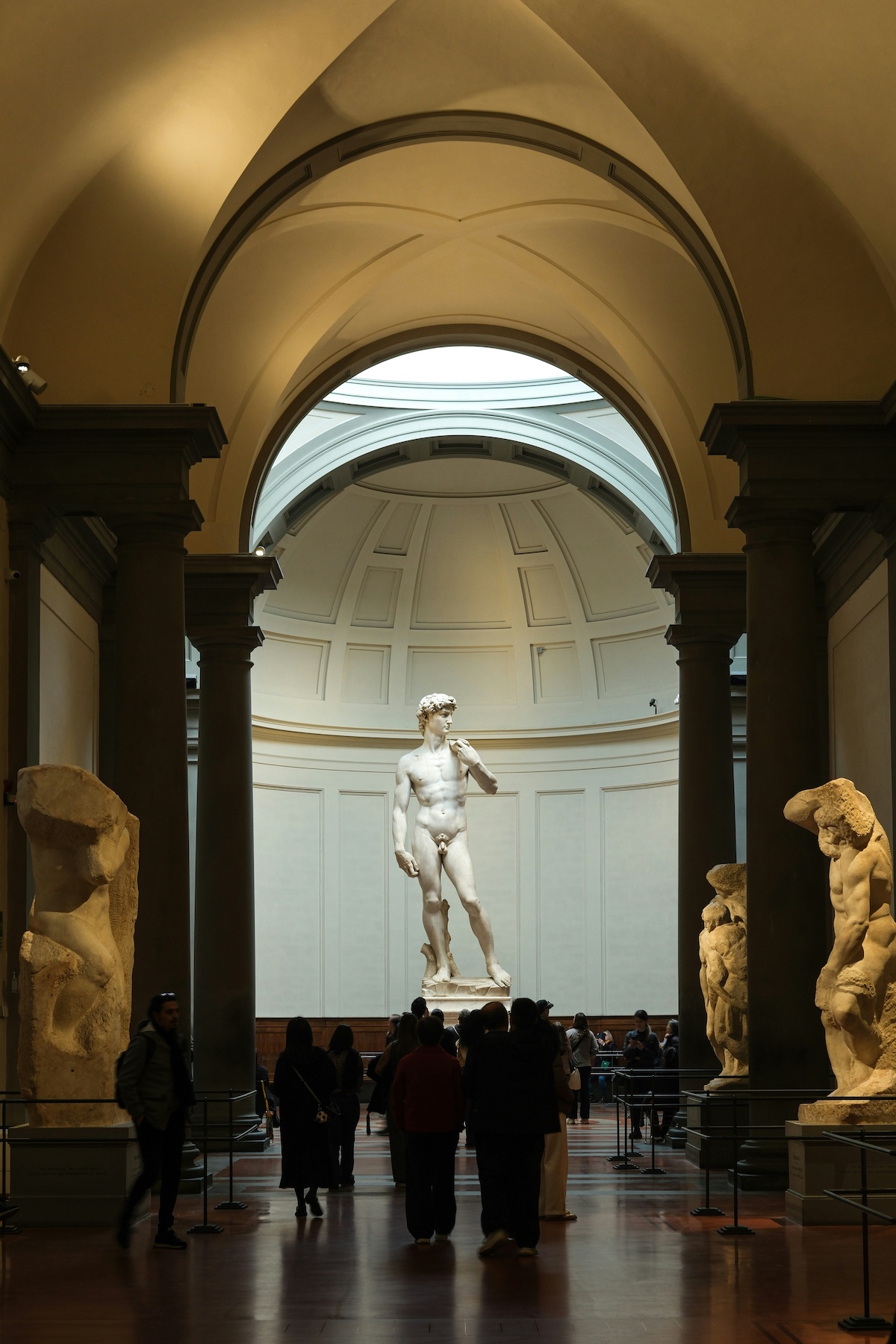
Florence has drawn pilgrims of the eye for four centuries. In the age of the Grand Tour, young English aristocrats crossed the Alps to stand in the Tribuna of the Uffizi before the Medici Venus, a scene Johan Zoffany painted for Queen Charlotte in the 1770s. Their successors, today's heritage hunters and travelling nomads, still follow the same trail: up Brunelleschi's dome, closed in 1436, into Michelangelo's New Sacristy at San Lorenzo, past David in the Accademia, and through the rooms where Botticelli's Venus rises from the sea. Behind the masterpieces lies a city of makers. Its guilds once governed the republic and its gold florin was trusted across Europe; goldsmiths still trade on Ponte Vecchio, and the Oltrarno keeps its bookbinders, leather workers and furniture restorers busy. Art, trade and daily life sit closer together here than almost anywhere, as the wider Florence journal explores.
In a city like this, deciding where to stay in Florence becomes part of the visit. The most Florentine way to stay is inside the buildings themselves, behind a tower's stone walls or beneath a painted ceiling, with a kitchen, a front door and the sounds of the street drifting up through the shutters. Florence Luxury Home, the family collection run by Gianni and Donatella, offers precisely this: serviced historic apartments across the centro storico, each with private living rooms and bedrooms dressed and kept like hotel suites. Five of them rank among the best private serviced apartments in Florence, and they share an outlook worth describing.
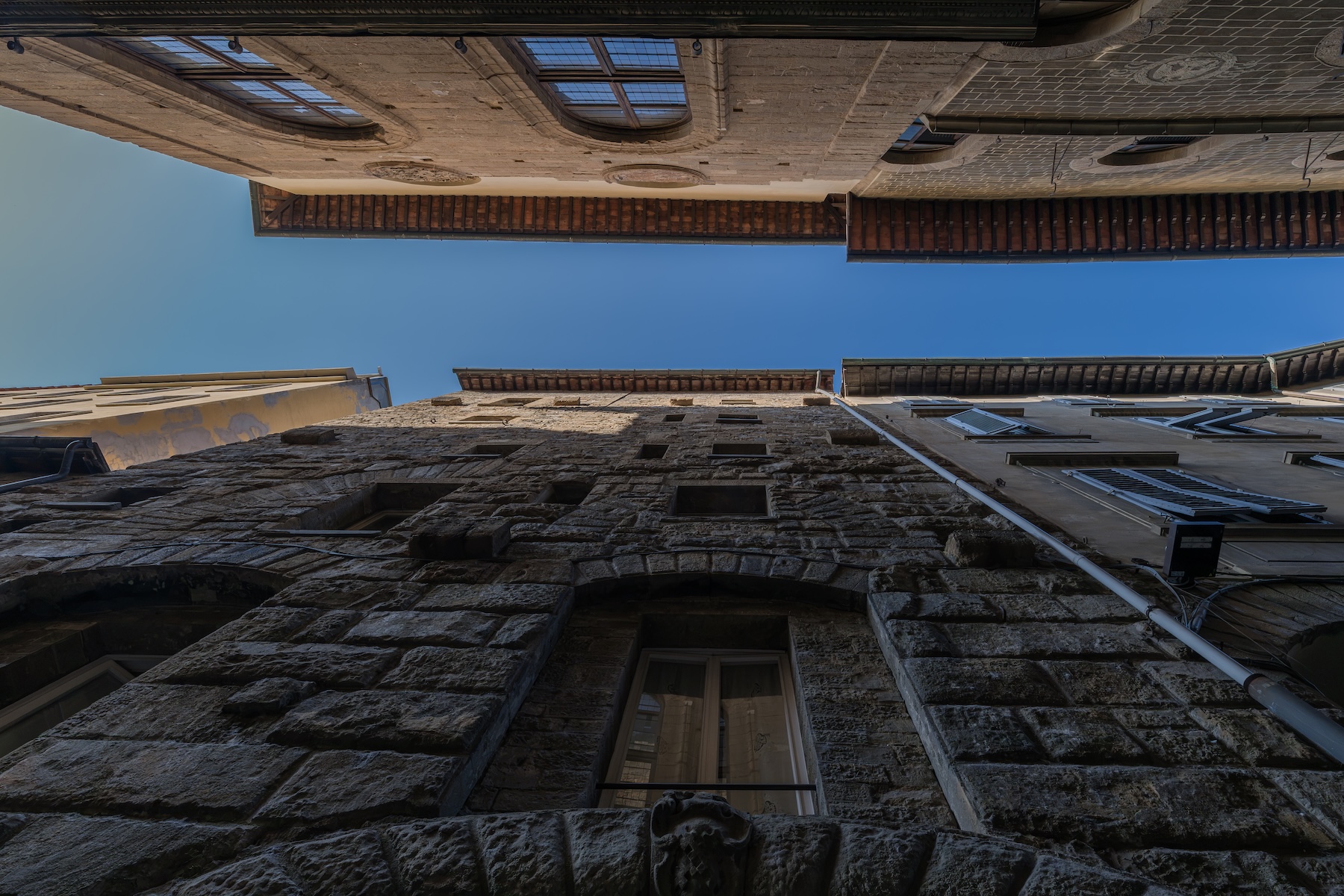
Read together, the five buildings make a short history of the city. The oldest is a twelfth-century tower-house on Via delle Terme, raised when merchant families built upwards to outdo one another, and now home to Terme Historical Tower. On the Oltrarno, Baccio d'Agnolo's Palazzo Lanfredini holds Lungarno Guicciardini 9. Across the river, the painted front of Palazzo dell'Antella has faced the Franciscan basilica since 1620, sheltering Santa Croce Historical Home. Behind San Lorenzo, a nineteenth-century house on a square linked to an Aldobrandini pope keeps Medici Historical Home, and beside Ponte Vecchio a block raised in the 1950s, after the mines of 1944 had cleared the riverbank, frames Ponte Vecchio Panorama.
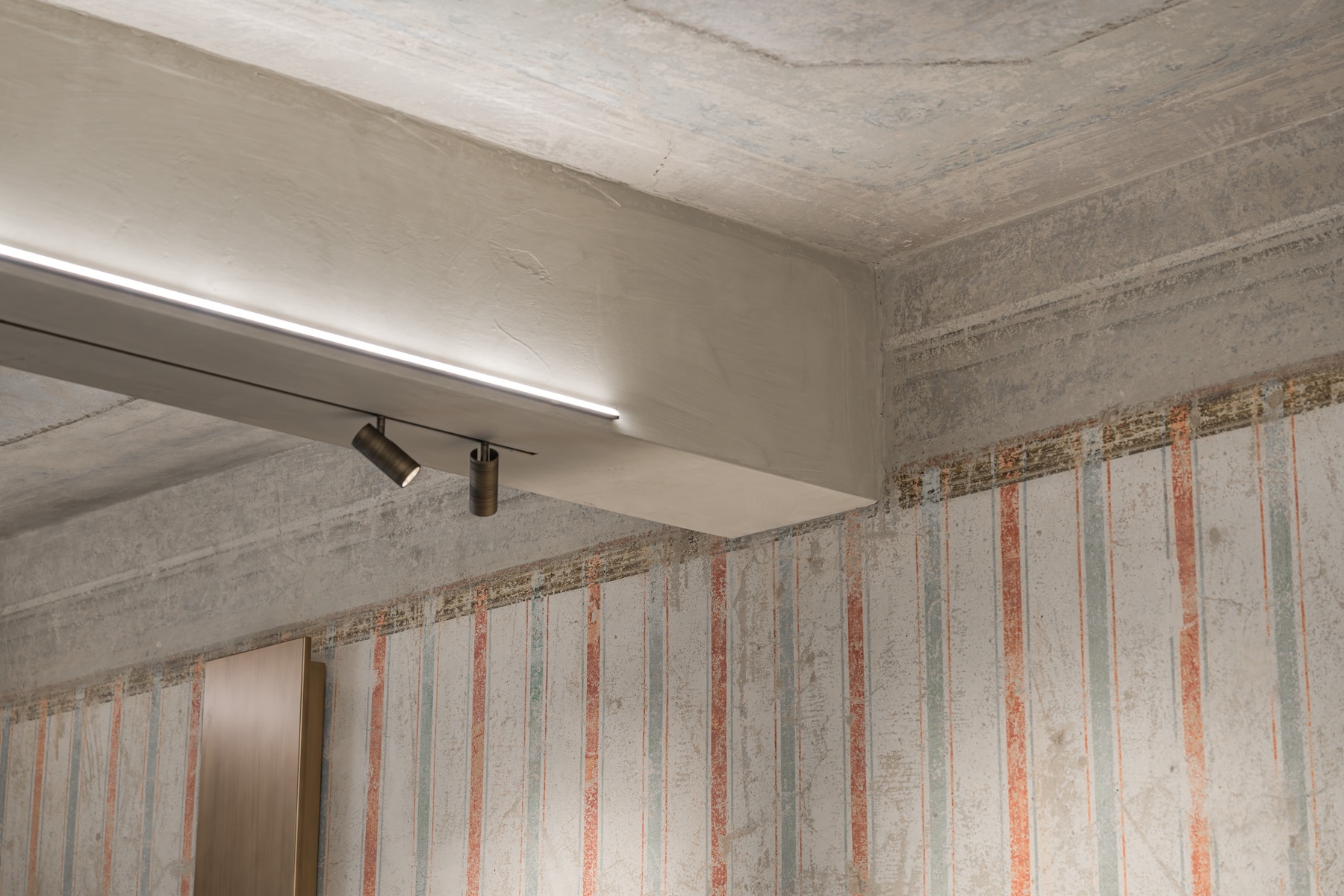
The family's approach starts with subtraction. Later paint, plaster and partitions come away first, and what lies beneath decides the rest. In Santa Croce a fragment of fresco set the colour of an entire apartment; near the Medici Chapels decorated ceilings were conserved in the softened state the years had left them; on Via delle Terme the work exposed chisel-marked sandstone and a brick vault above the cooking area. Repair wins over replacement wherever it can, and the apartments wear their age openly as a result.
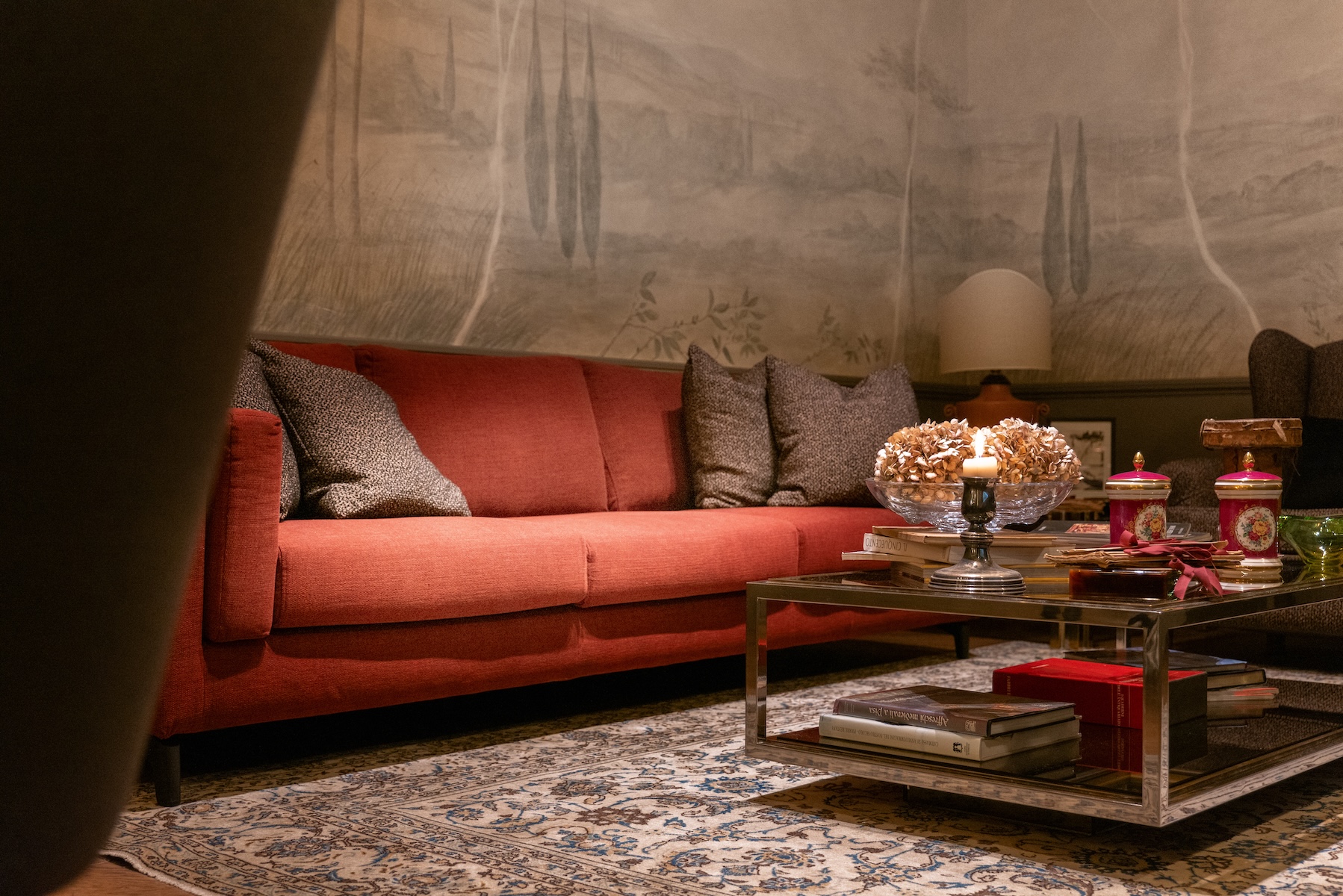
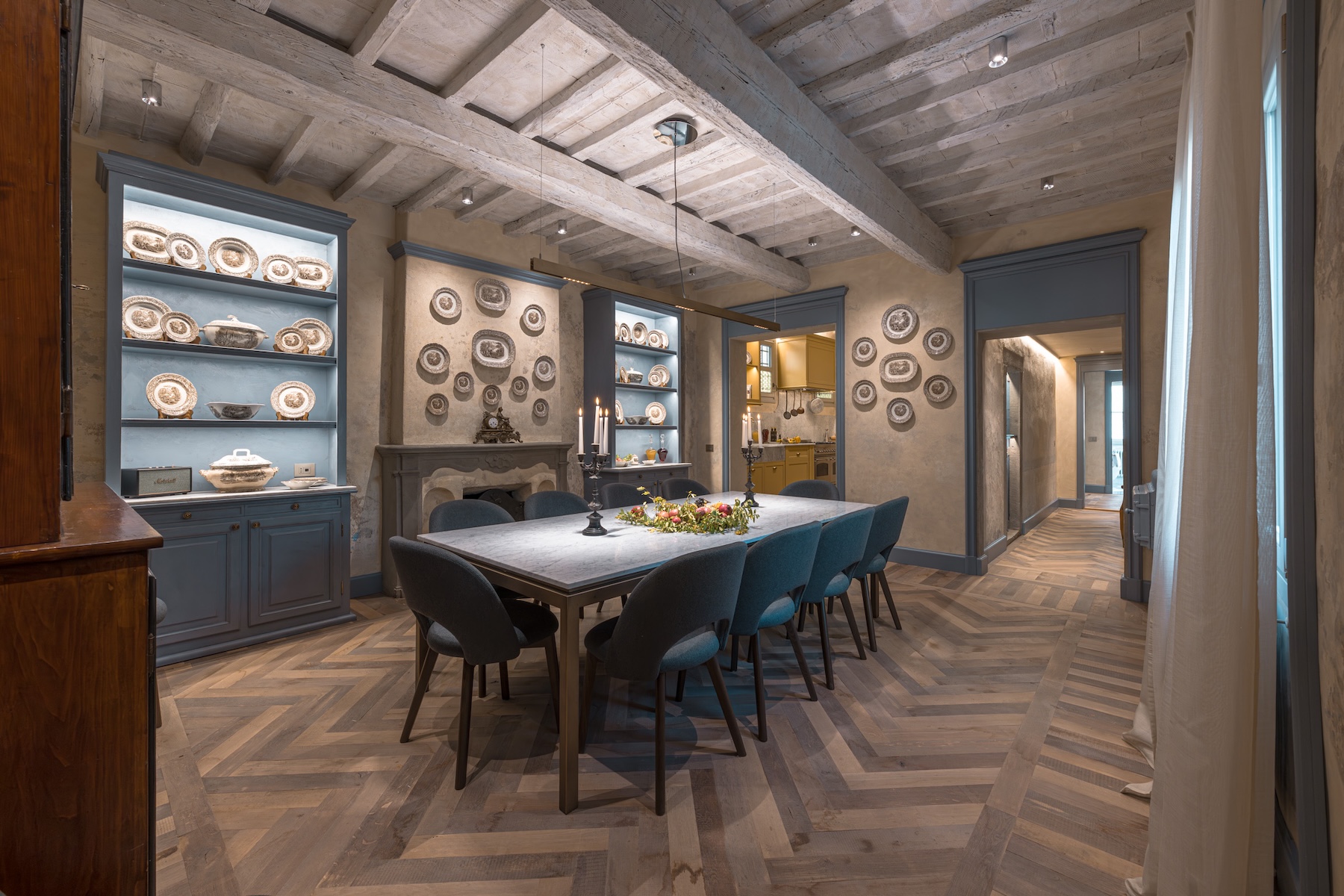
Much of the finishing is Florentine by origin and by hand. On the Oltrarno, the architects Ilaria Sassolini and Lorenzo Capogrosso worked with local joiners on carved boiserie and inlaid marble; elsewhere, basins are carved from single blocks of stone and unlacquered brass is left to darken with use. No two interiors share a palette: sugar-paper blue lifted from fresco, the red of old leather bindings, soft pastels under painted ceilings, river celadon, bare stone. Yet the furnishing is plainly the work of one eye, mixing a longcase clock with mid-century armchairs, English transferware with Murano glass, Biedermeier curves with 1970s chrome, so that each apartment feels already lived in.
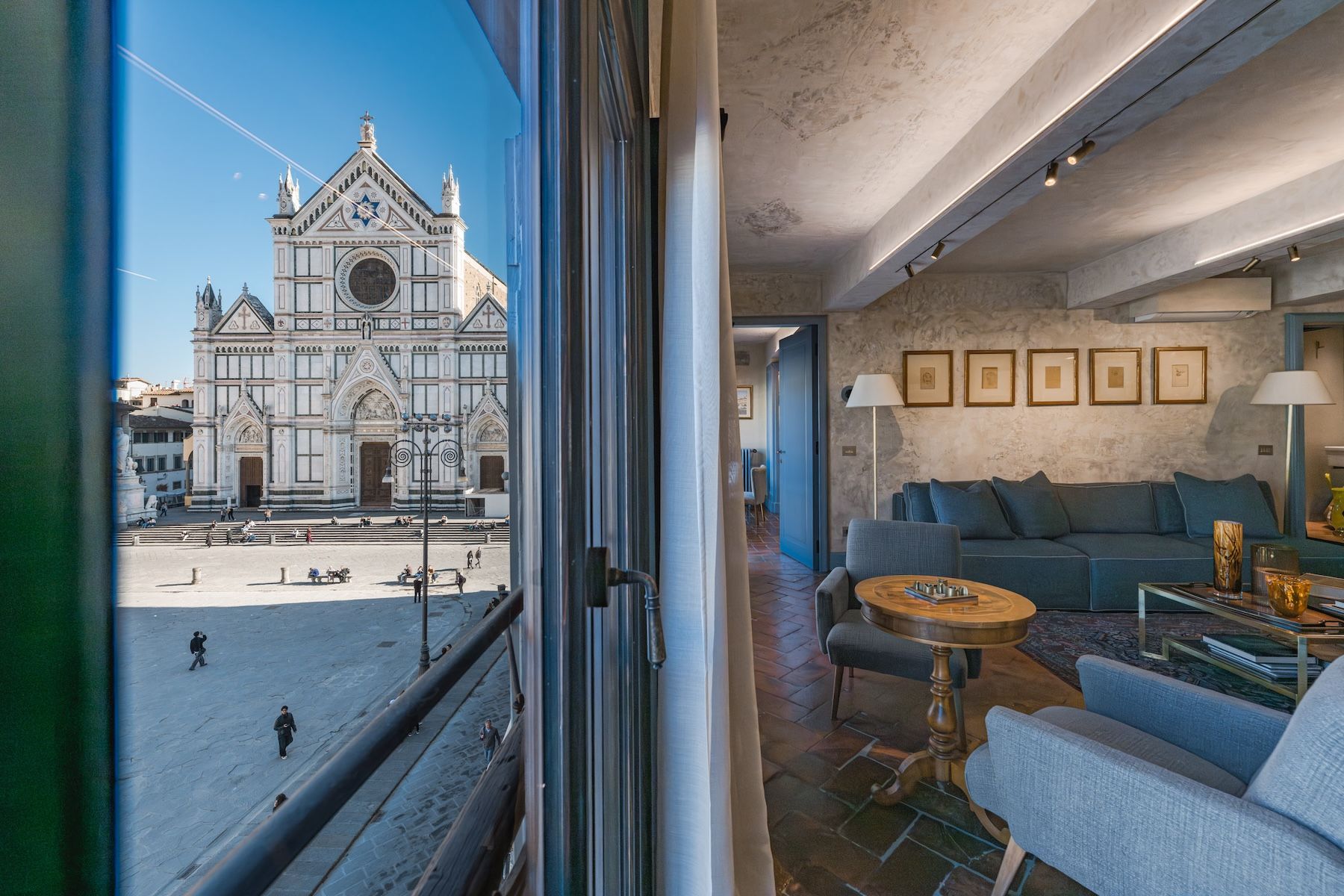
Bedrooms have their own bathrooms and quiet glazing, and living rooms are large enough for a family or a group of friends to keep their own hours. Service arrives without intruding: an in-person welcome, a printed guide to the neighbourhood, a concierge who can book restaurants, cars and a private cook, and a bottle of the family's own Chianti. The privacy of a home, with the attention of a good hotel.
Where should I stay in Florence for history?
In the historic centre, inside a building that carries it. Florence Luxury Home places guests in a twelfth-century tower-house, a Renaissance palazzo on the Arno, a frescoed palazzo on Piazza Santa Croce, a house by the Medici Chapels and a 1950s building facing Ponte Vecchio.
Are there serviced apartments in historic buildings in Florence?
Yes. Florence Luxury Home runs serviced apartments in restored historic buildings across the centro storico, with hotel-style bedrooms, private living rooms and kitchens, an in-person welcome and a concierge.
Which Florence apartments suit families or groups?
Santa Croce Historical Home has five suites and seats twelve at the dining table, and Ponte Vecchio Panorama has three suites, including a studio with a writing niche.
Pienza is a Renaissance experiment that never finished – and that’s what makes it perfect. Golden piazzas, sweeping Val d’Orcia views, and pecorino-fuelled indulgence – this is Tuscany’s dreamscape, frozen in time.
read more
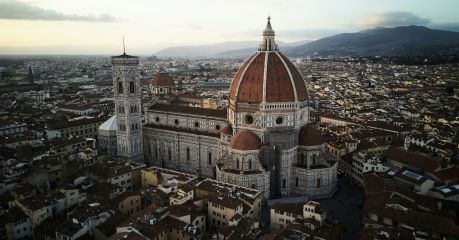
Florence is where Renaissance vision meets timeless craftsmanship – a city of cathedrals, sculpture, stone workshops and living history, layered with legacy and pulsing with quiet creative strength.
read more
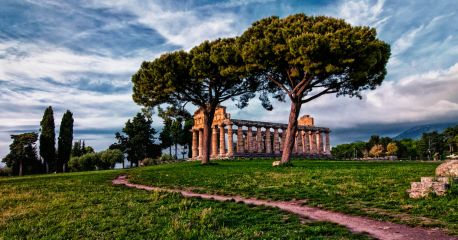
Paestum Temples in Southern Italy is one of those ancient antiquities that you have to visit – this UNESCO World Heritage Site in Cilento Campania is a treasure trove of ancient Greece including three of the world’s best-preserved temples.
read more
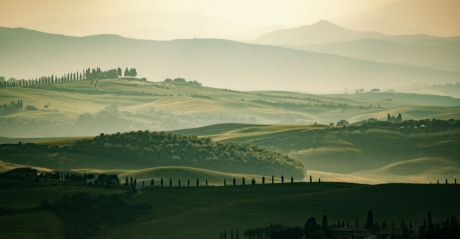
Four independently owned Tuscan hotels, from a 1720 Chianti borgo and a Versilia art house to a Montefollonico farmhouse and a convent townhouse in Pienza.
read more
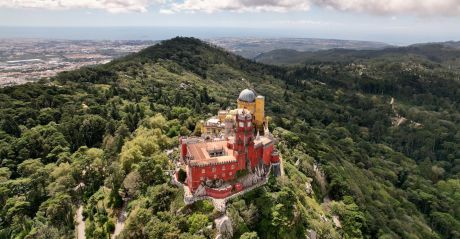
Travel to Portugal's fairytale den of Sintra, just outside Lisbon, for a world full of rolling hills and castles, once referred to by Byron as "glorious Eden".
read more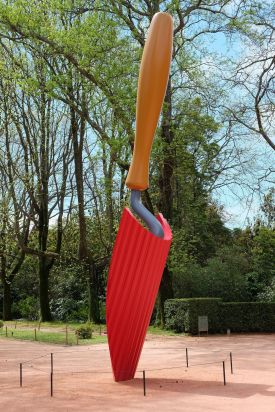

Porto for culture seekers - we explore the Serralves Foundation comprising of a dusty pink 1930-40s’s Art Deco villa designed by Porto architect José Marques da Silva, a landscape-specific contemporary museum designed by Álvaro Siza.
read more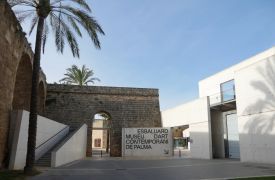
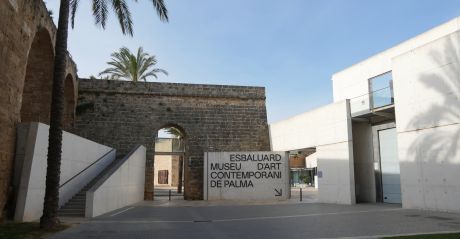
Es Baluard holds more than nine hundred works inside Palma's Renaissance walls, from Anglada-Camarasa to Miró and Barceló, with the bay laid out below.
read more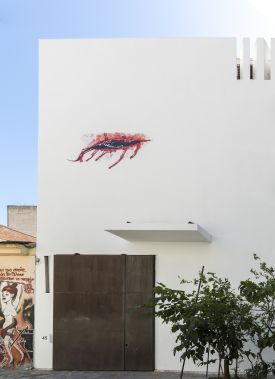

Radical, sometimes political and always on the pulse of Athens’ ever-evolving art scene, The Breeder Gallery is housed in an old ice cream factory, redesigned by architect Aris Zambicos.
A think tank for the bold, the curious, the creators of tomorrow. Where minds collide, conversations spark, and urban life gets redefined. If you shape the future, you belong here.
read more
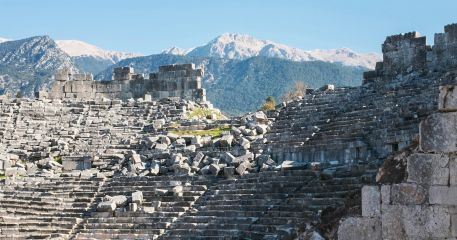
From the cliff-carved tombs of Tlos to the ghost village of Kayaköy, trace the soul of ancient Lycia along the Turkish Riviera’s sunlit coastline and mountain-framed archaeological wonders.
read more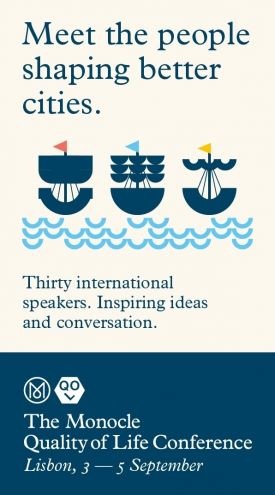
Monocle's Quality of Life Conference returns to Lisbon this September, three days of ideas, design and city living at the Gulbenkian. Here's who and what to expect.
read more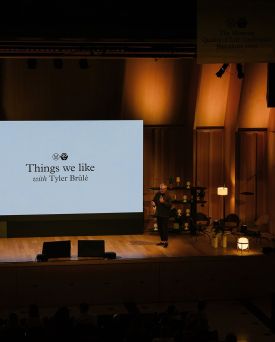
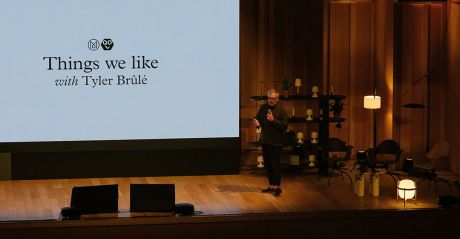
Meet the voices taking the stage at Monocle's Quality of Life Conference 2026 in Lisbon: mayors, architects, designers and makers shaping how we live in cities.
read more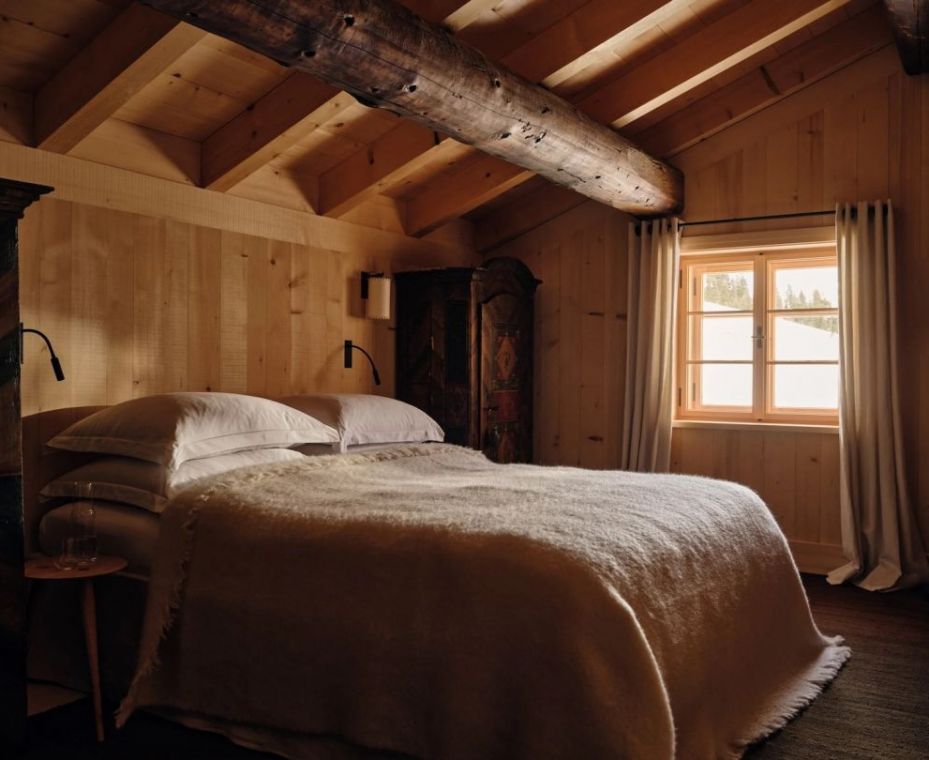
Get the insider news and lowdown on what we've been up to, where we've been, and who we've met along the way. Be the first to discover new places and get the scoop on our favourites.