JOIN the AFICIONADOS
Get the insider news and lowdown on what we've been up to, where we've been, and who we've met along the way. Be the first to discover new places and get the scoop on our favourites.

Salzburg's music gets the headlines. Its art has been building quietly for 180 years, from an 1844 Kunstverein to a clifftop museum, a world-class gallery and a Belvedere on the way.
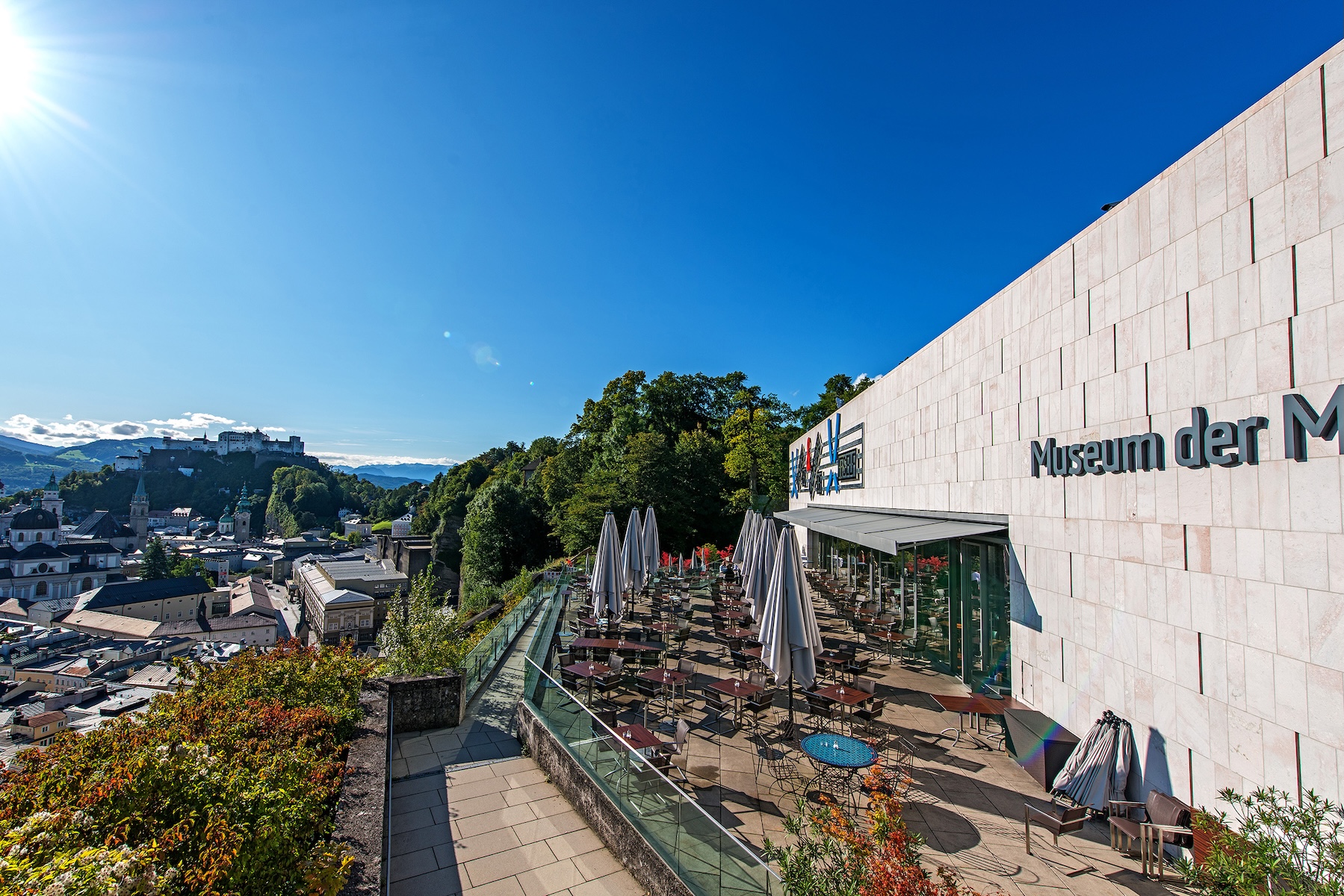
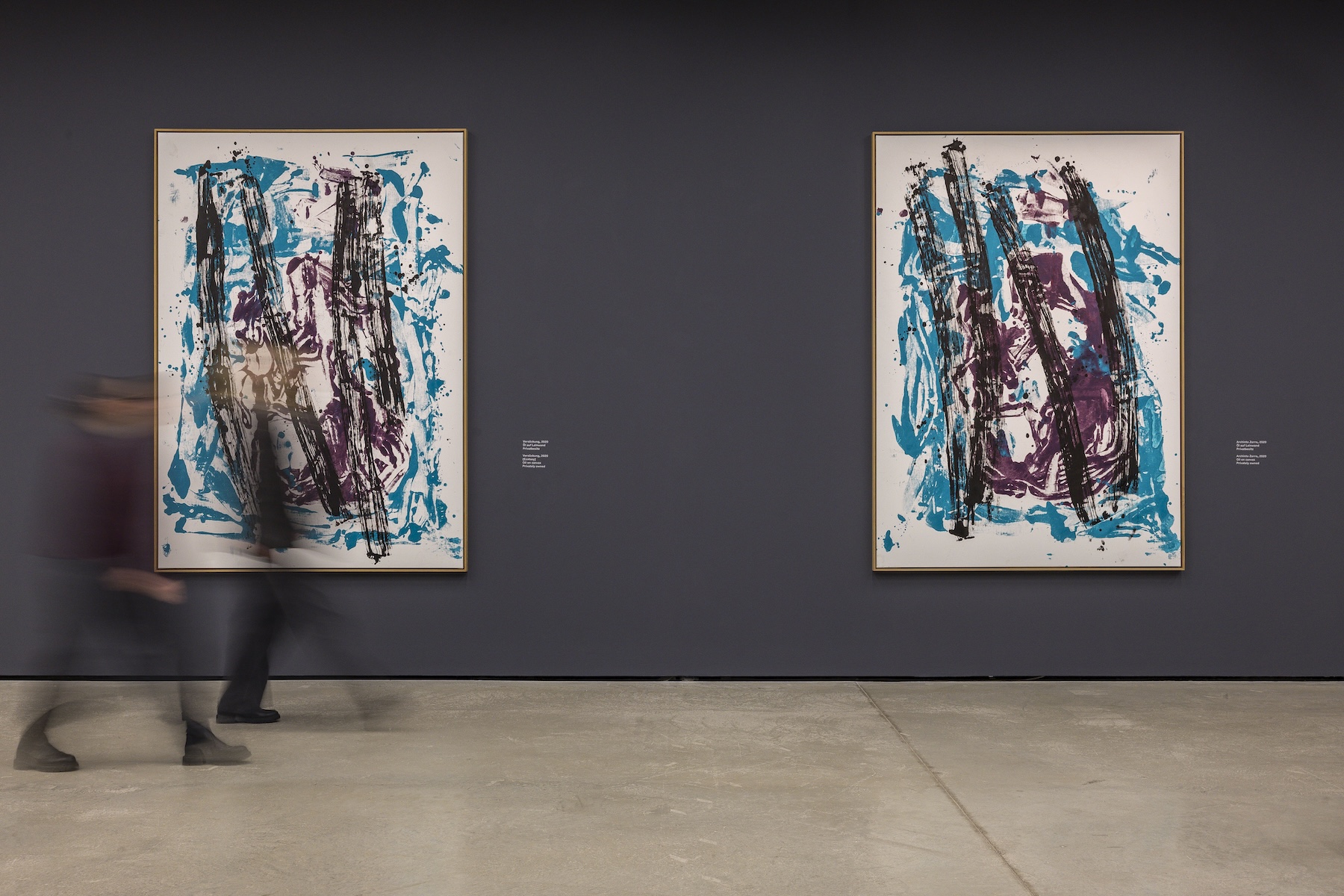
The Museum der Moderne works across two addresses. On the Mönchsberg, the 2004 building by Munich architects Friedrich Hoff Zwink replaced the old Café Winkler with three floors of galleries and m32, a restaurant by Matteo Thun whose terrace has the best table in town. Down in the old town, the Rupertinum occupies a Baroque palace on Wiener-Philharmoniker-Gasse, around the corner from the Festival halls.
Georg Baselitz has had the run of both this summer, and the last days of that double show (to 4 October at the Rupertinum and 18 October on the Mönchsberg) overlap with the start of a new season. Stay on the Mönchsberg for Stano Filko, 12 Chakras of Becoming (to 7 February 2027), a retrospective of the Slovak neo-avant-gardist who escaped to New York in 1982 and spent his later decades ordering the universe by colour and chakra. It is a big, strange, generous show, and it rewards an unhurried afternoon.
From 2 October, Curiosity in Flux (to 4 April 2027) gathers twenty artists with Salzburg roots, among them EVA & ADELE, Eva Grubinger, Lois Renner and the architectural photographer Margherita Spiluttini, looking at a familiar place through festival culture, the Baroque and memory. On 6 November the Mönchsberg opens The Day Is Gone (to 28 February 2027), marking a century of the New Objectivity. At the Rupertinum, three shows open together on 22 October: a focus on Kokoschka that closes a circle with the Summer Academy, Irma Rafaela Toledo's paintings and Hermann Vaske's long-running question to artists, Why Are You Creative? Ernst Caramelle's Figures of Thought, in the Generali Foundation Study Center, runs to May.
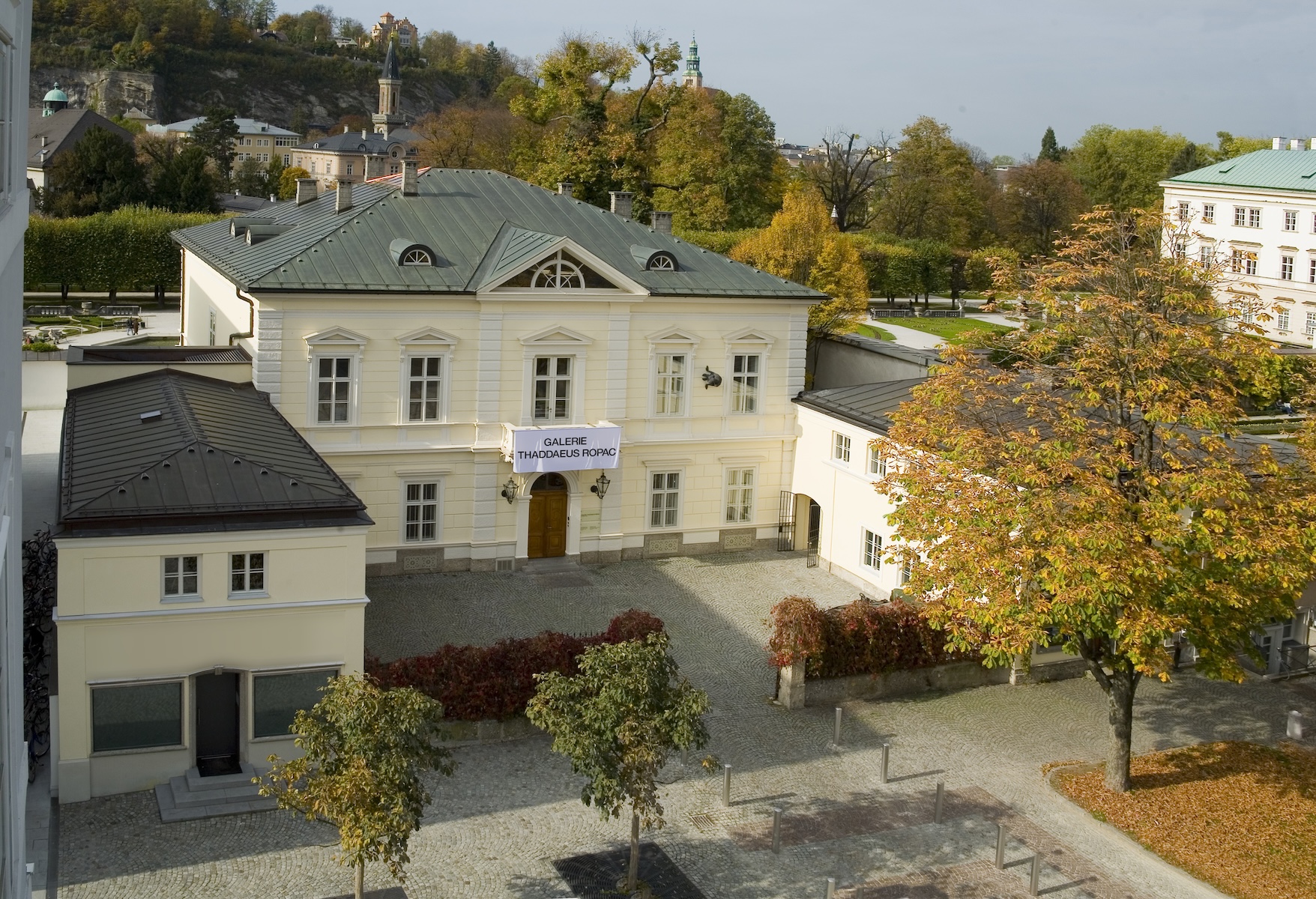
Galerie Thaddaeus Ropac moved into Villa Kast, a nineteenth-century townhouse on the edge of the Mirabell Gardens, in 1989, and added a converted industrial hall in Salzburg-Maxglan in 2010. The gallery now also operates in Paris, London and Seoul, yet Salzburg remains its first address, and the programme here is never an afterthought. From 3 October to 23 December, Body Sign pairs VALIE EXPORT with Ketty La Rocca, two pioneers of body and language who worked in parallel in Vienna and Florence in the 1970s. It is one of the strongest pairings we have seen announced this season. Marc Brandenburg's All Hail the Berlinian shares the dates upstairs.
A short walk south of the old town, the Salzburger Kunstverein runs the most intellectually ambitious programme in the city. Under director Mirela Baciak, 2026 has been organised around CAPTCHA Realism, a year of shows about machine vision and the systems that decide who counts as human, with Ryan Gander, Agnes Scherer and Kateryna Lysovenko among this year's artists. The members' exhibition HER, curated by Attilia Fattori Franchini, opens on 3 October alongside Peter Schreiner in the studio, and the Belgian artist Aline Bouvy takes over all three spaces from 12 December to 16 February. The Künstlerhaus café is a good place to sit with a catalogue afterwards.
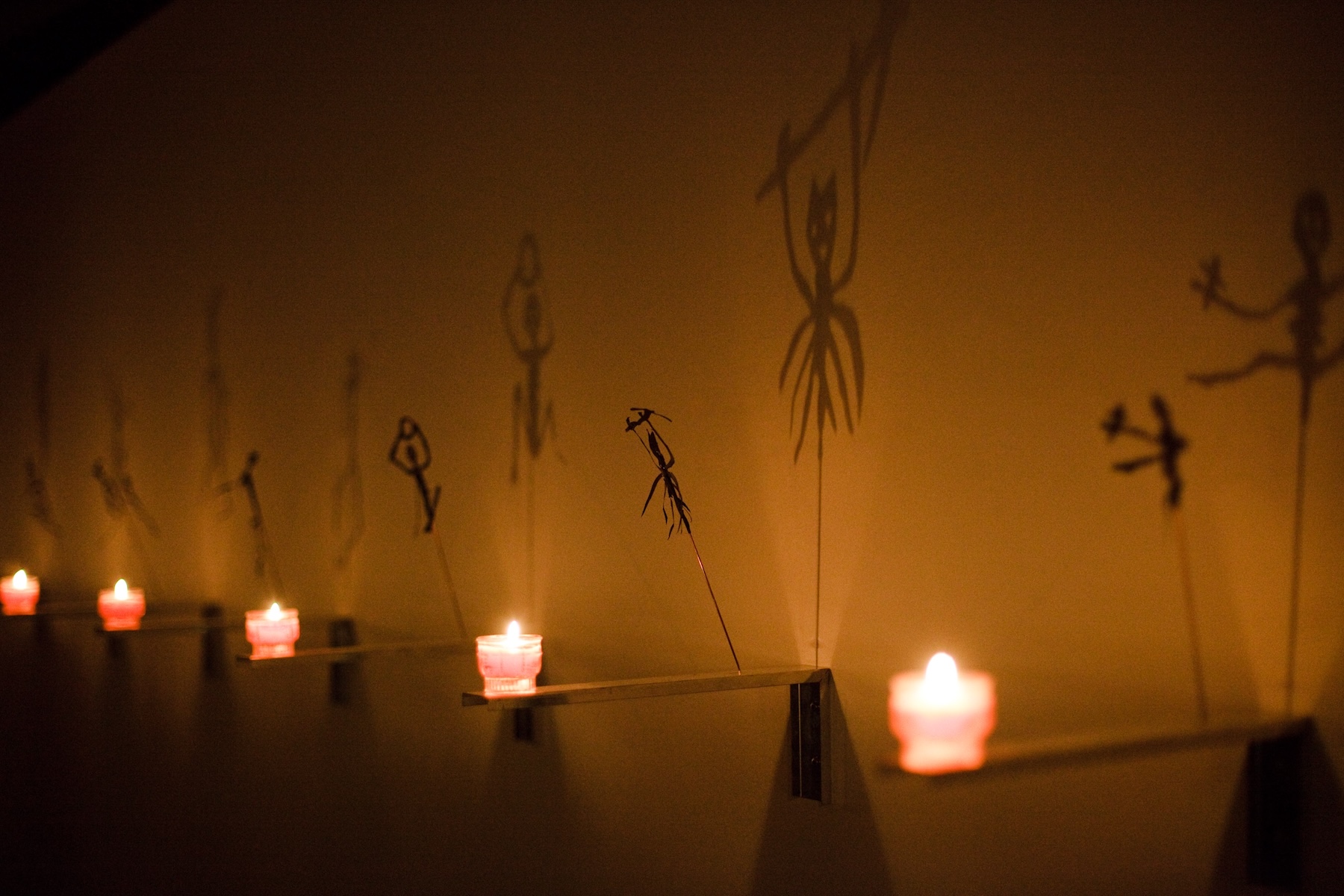
Fotohof, in the Lehen district, has championed auteur photography since 1981 and remains one of the most respected small photography institutions in the German-speaking world. This year photography turns 200, counting from Niépce's view from his window at Le Gras in 1826, and Fotohof marks it with a Salon of Photography: around sixty Salzburg photographers showing early work, hung close in the manner of the Paris Salon (2 October to 26 November). Alongside it, Margot Wallard's Oran reads colonial Algeria through her grandmother's photographs and her own. In the old town, the Leica Galerie has Alex Webb's saturated street colour until 31 October.
The city rewards a slower walk between the larger houses. Galerie Sophia Vonier shows Marianne Vlaschits's cosmic, gently surreal paintings until 24 October, and Galerie Nikolaus Ruzicska has the Finnish photographer Ola Kolehmainen until 30 October. Kunst im Traklhaus, the state gallery and print workshop in the poet Georg Trakl's birthplace, keeps a steady programme of Austrian work. The Museum Kunst der Verlorenen Generation tells a quieter story, of artists whose careers were broken by the 1930s and the war; its current show on Surrealism, Cubism and Dada as acts of resistance runs to 28 November.
And then there are the streets. Kiefer, Turrell, Abramović, Plensa, Wurm and nine further commissions sit in squares and courtyards, on the Mönchsberg and in the cathedral crypt, free to anyone on foot. We have mapped them in order in our Walk of Modern Art guide.
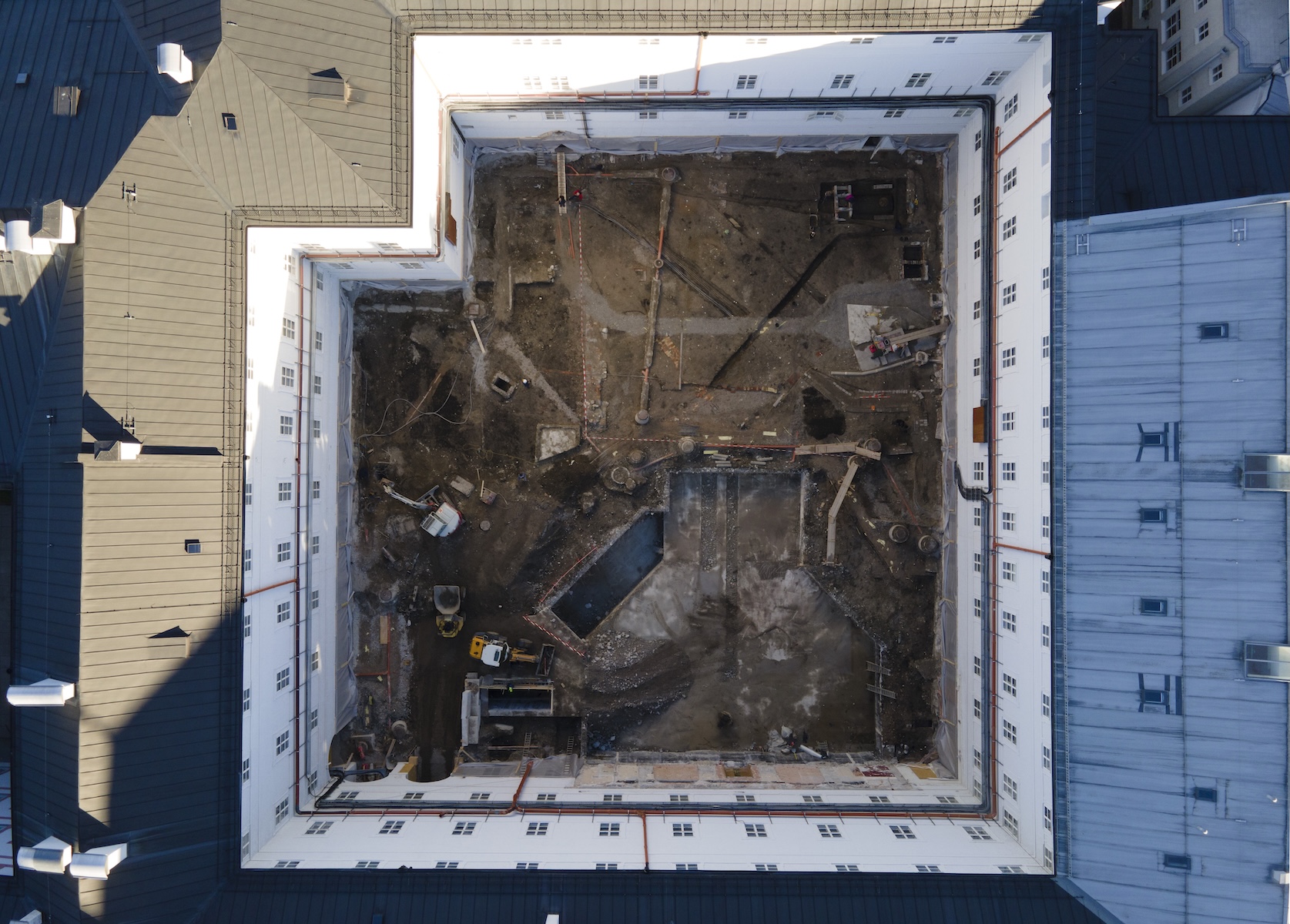
The most significant change is still under scaffolding. On Residenzplatz, the Neue Residenz is being rebuilt by Schenker Salvi Weber with Eidos Architektur to reopen in the first half of 2027 as Belvedere Salzburg, an outpost of the Vienna Belvedere drawing on eight centuries of its collection, with the Salzburg Museum's new permanent displays on the floor below and a glazed courtyard as the shared foyer. Combined with the Residenzgalerie, currently closed for its own renovation, it will change how the city's historic art is seen. We will be there for the opening.
Before that, the ORF Long Night of Museums on Saturday 3 October opens almost every venue above into the small hours, and it happens to fall on the same weekend as the Ropac and Kunstverein openings. Next spring, the Salzburg International Fine Art Fair returns over Easter to a townhouse on Waagplatz.
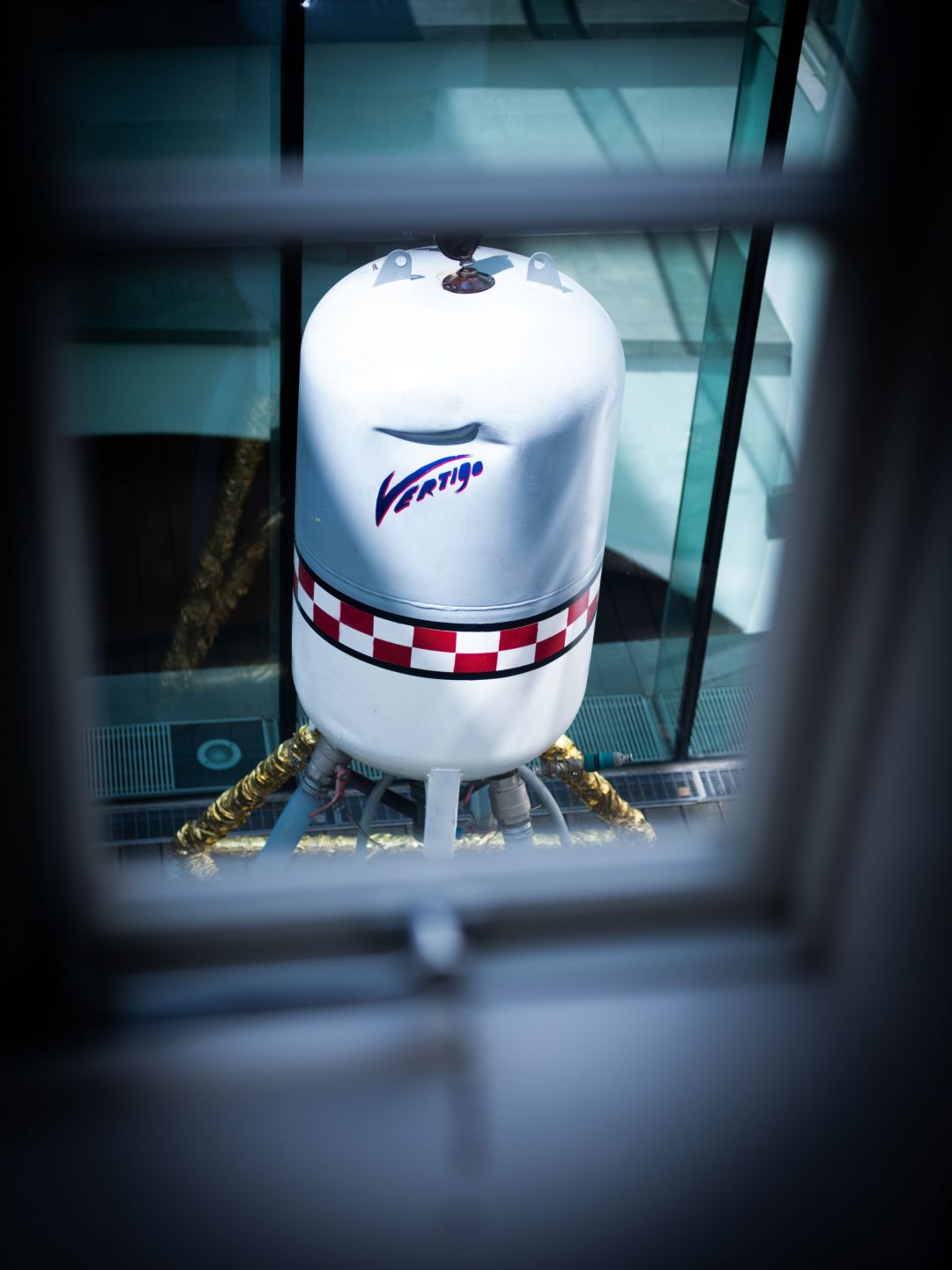
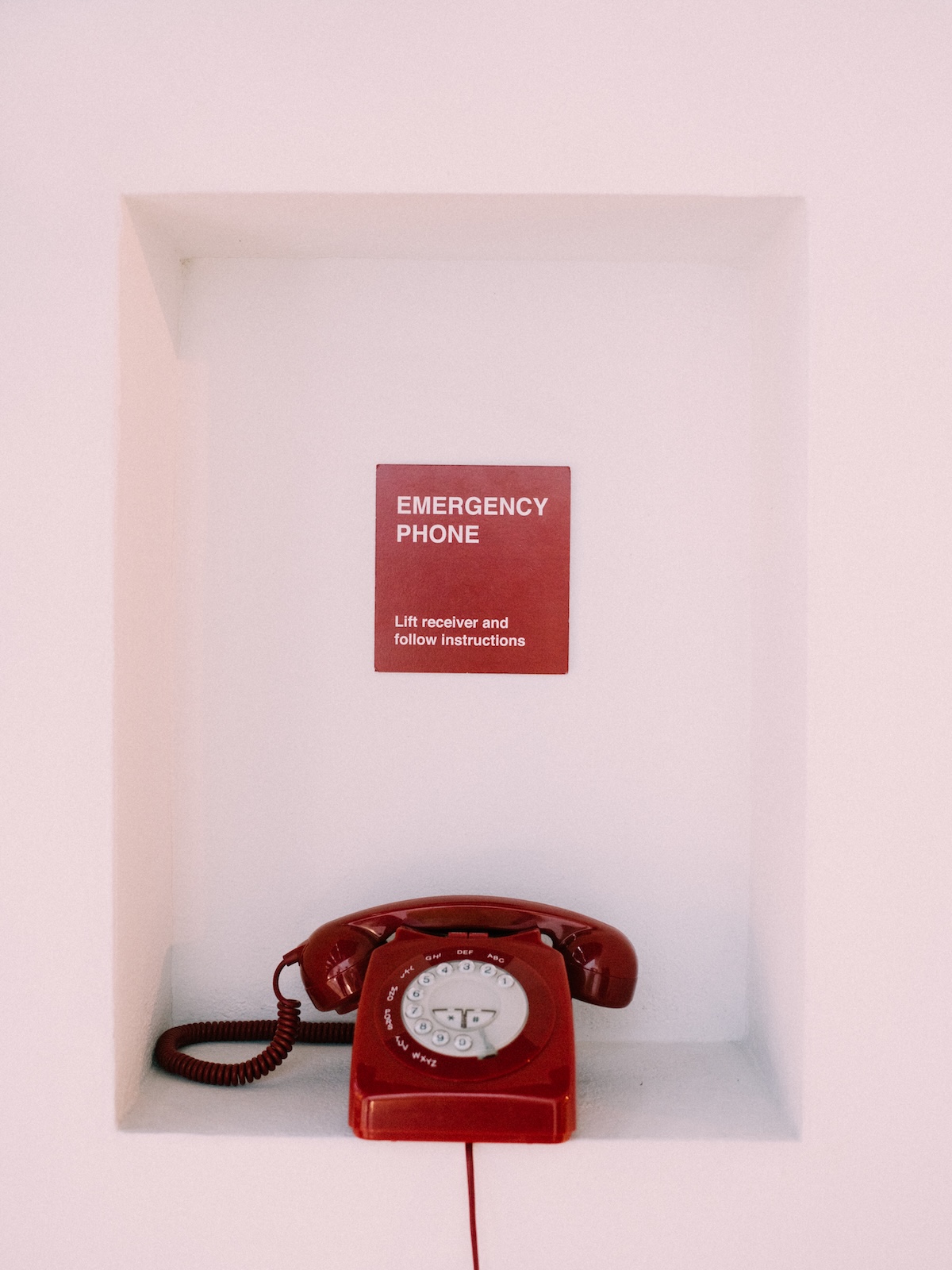
When someone has lived with the work before hanging it. At Arthotel Blaue Gans on Getreidegasse, a coaching inn first recorded in 1350, Andreas Gfrerer has gathered more than 300 pieces by over 60 Austrian contemporary artists, and they run through the rooms, the corridors and the courtyard garden, where Tim Etchells' red Emergency Phone and David Moises' Vertigo Rocket keep company with the old walls. Nothing here is decoration by the metre. The collection takes a stance on the city's art, and Gfrerer is generous with it. Add an address a few steps from the Mönchsberg lift and the Rupertinum, and it becomes the natural base for everything above.
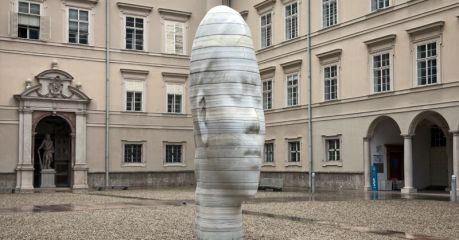
Kiefer, Turrell, Abramović, Plensa and Wurm, set into Salzburg's squares, courtyards and cliffs: the city's free sculpture route, walked in order from Getreidegasse to Mirabell.
read more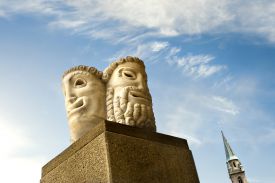
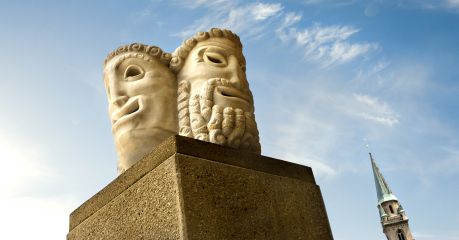
Tap into your inner Mozart and visit the Austrian city of Salzburg for the summer’s most important classical music & drama festival. There’s no better setting for a festival that celebrates the love and joy of classical music than the birth city of the genres’ most famous icon, Mozart.
read more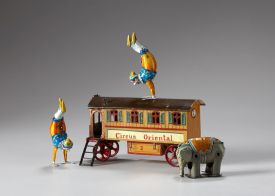
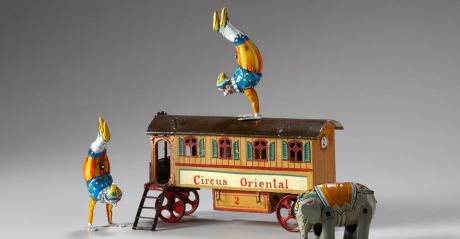
Pablo Picasso famously said that we are all born artists, the only trick is remaining an artist as we grow up. Somewhat along the same lines are those self-helpers who say that we are all born children, the trick is learning to stay in touch with that child as we grow up. Actually, it’s pretty much the same thing, isn’t it?
read more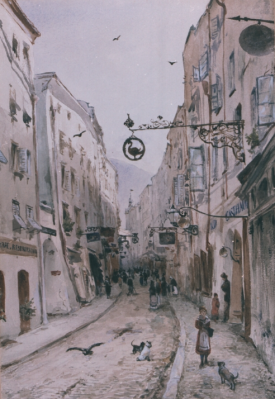
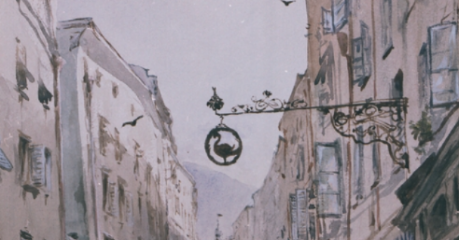
When dealing with one of the oldest buildings in Salzburg, it takes the architect’s clever manipulation of architecture and design to create an exciting, inspiring atmosphere that coverts the old and the new to extreme yet complimentary dimensions.
read more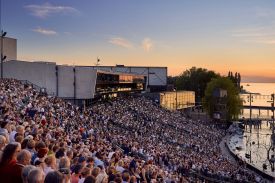
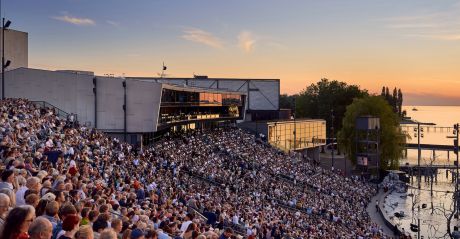
Bregenz Festival, an operatic culture den on Austria's Lake Constance is one of Austria's biggest art events, home to the world's largest floating opera stage.
read more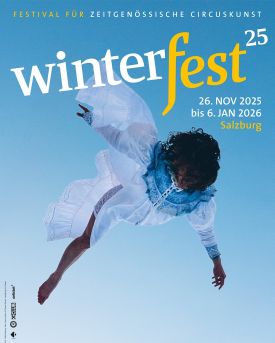

A fabulous Winter Festival in Austria's snowy Salzburg - Salzburg Winter Festival December 2025 celebrates Contemporary Circus with acrobatics, juggling, music and Machine de Cirque - fun from France, Canada & Austria.
read more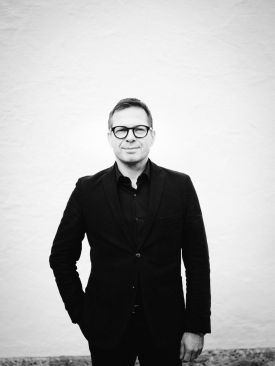
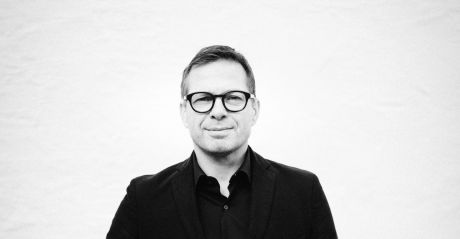
In Salzburg's Altstadt, Andreas Gfrerer has turned the city's oldest inn into a house of 300 contemporary works, and himself into its most persistent patron.
read more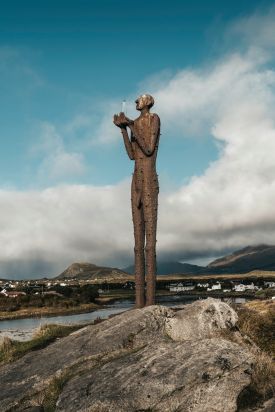
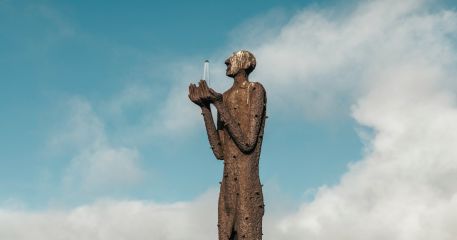
While endless innovative projects continue to pour out of Denmark and Sweden, oftentimes their smaller but no less creative Scandinavian sister, Norway, is overlooked. Introducing Artscape Nordland, a permanent exhibition of 33 spectacular sculptures adorning 32 Norwegian municipalities.
read more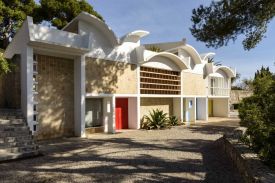
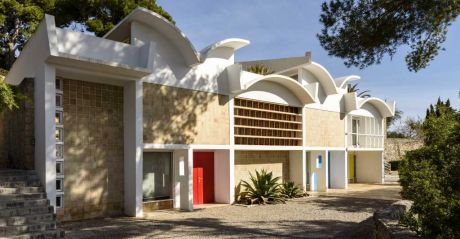
A modernist taller built by post from exile, a farmhouse covered in charcoal figures, and the Palma hillside where Joan Miró made a third of his work.
read more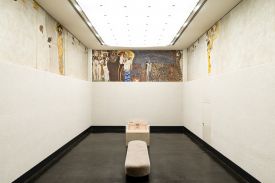
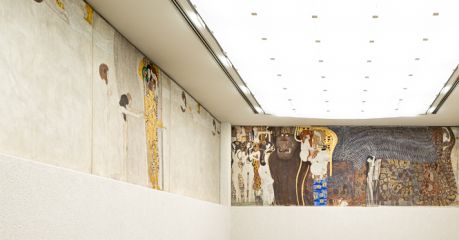
Browse our unique Vienna Art Guide below for all there is to know about Austria’s art and culture capital. Once the epicentre of the longstanding Habsburg empire, Vienna is awash with galleries, artists, museums and odes to moments of age-defining culture, as well as a new generation of creatives call this city home, once again.
read more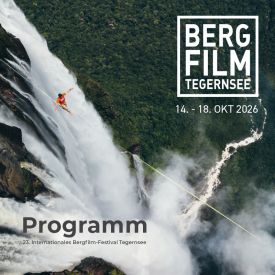
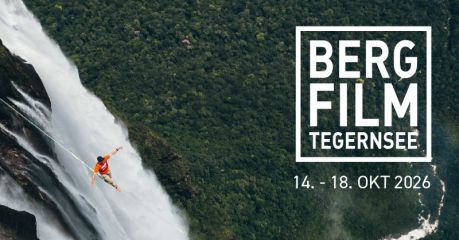
Bavaria's culture hotspot, the International Mountain Film Festival, is set to open its doors October 14 - 18, 2026 by beautiful Lake Tegernsee.
read more
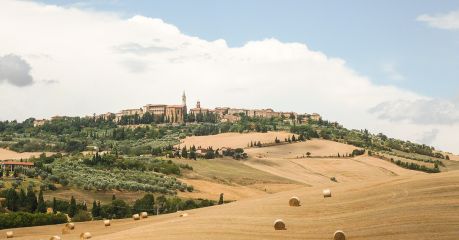
Pienza is a Renaissance experiment that never finished – and that’s what makes it perfect. Golden piazzas, sweeping Val d’Orcia views, and pecorino-fuelled indulgence – this is Tuscany’s dreamscape, frozen in time.
read more
Get the insider news and lowdown on what we've been up to, where we've been, and who we've met along the way. Be the first to discover new places and get the scoop on our favourites.