JOIN the AFICIONADOS
Get the insider news and lowdown on what we've been up to, where we've been, and who we've met along the way. Be the first to discover new places and get the scoop on our favourites.

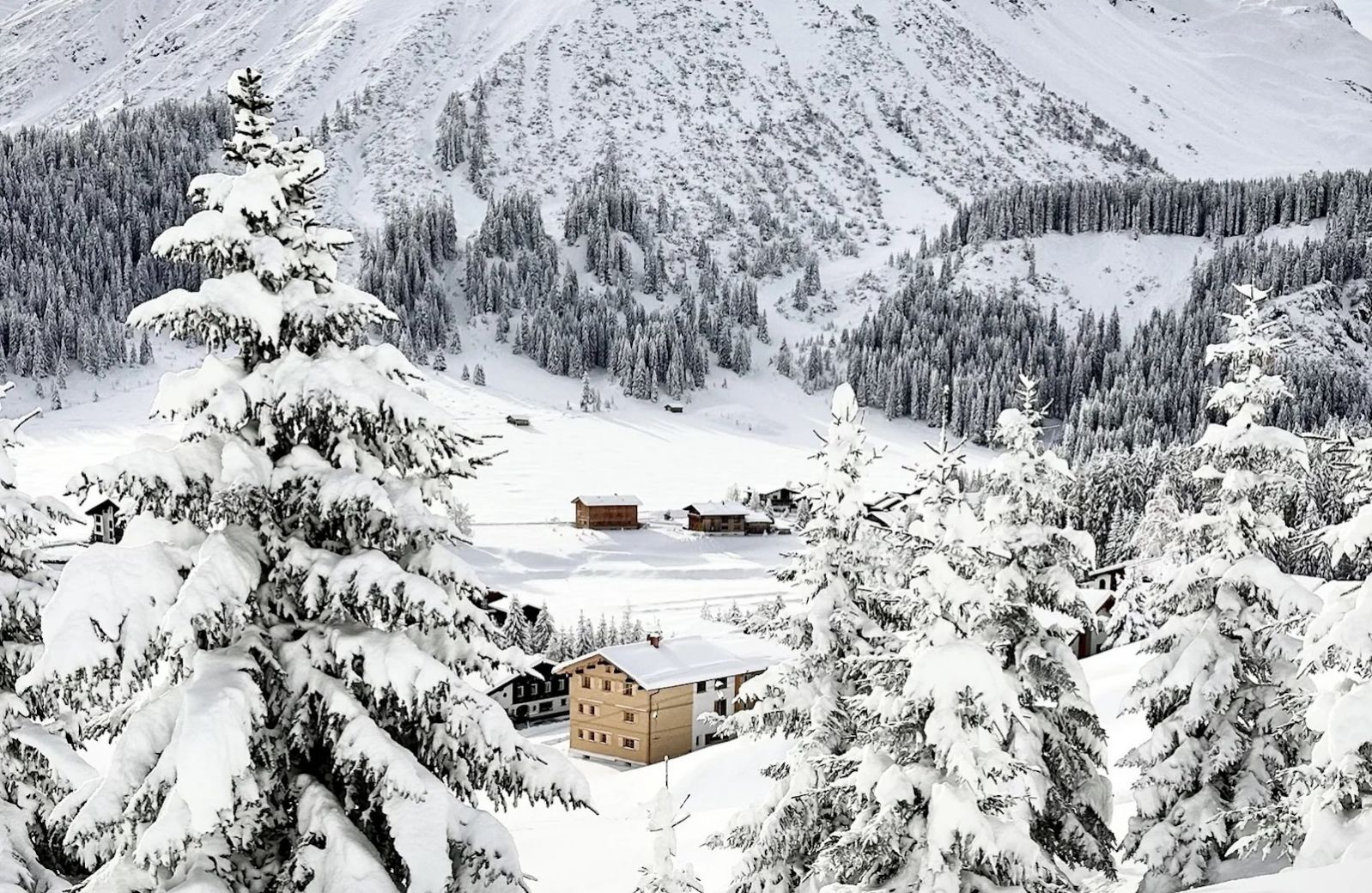
Lech sits at 1,444 m (4,738 ft) on the young river Lech, in a high side valley of the Arlbergreached over the Flexen pass. Walser families from the Valais settled it in the 14th century and called their parish Tannberg. Their German is still audible in local speech and in the name of the Huber-Hus, a 16th-century Walser house (Hus rather than Haus) now the village museum. The Gothic church of St Nikolaus, consecrated in 1390, keeps its frescoes and a squat white tower that anchors every photograph of the place.
The municipality is really four settlements. Zug lies 3 km up the valley, a scatter of farm buildings, the 17th-century Klösterle among them, with the Madloch descent running down into the hamlet. Oberlech stands on a shelf at 1,700 m, free of cars and served by a tunnel lift from the village floor. Zürs, at 1,720 m on the pass road, was where Austria's first ski lift turned in 1937.
Skiing here is the reason for the rest. Lech and Zürs form one half of Ski Arlberg, around 300 km of pistes and more than 200 km of marked off-piste descents, joined to Stuben and St Anton by the Flexenbahn since 2016. The classic outing is Der Weisse Ring, a 22 km circuit of 5,500 vertical metres around the Omeshorn linking Lech, Zürs, Zug and Oberlech, begun from the Rüfikopf at 2,362 m. It is raced every January by around a thousand starters. The village caps its bed numbers deliberately, which is why the lift queues stay short at the top of the season.
Culture arrives at altitude. James Turrell's Skyspace-Lech, opened in 2018 at Tanegg above Oberlech, is entered through a 15 m tunnel into an elliptical chamber open to the sky, reached on foot or on skis and described in our journal. Each September the Philosophicum Lech fills the hotels with philosophers for a week.
In summer the Lech runs free of dams from its source at the Formarinsee, under the red cliffs of the Rote Wand, all the way to Bavaria; the Lechweg follows it for 125 km to Füssen. The Grüne Ring covers around 30 km of trails hung with sculpture and local legend, and the Arlberg Trail, opened in 2021, walks the five Arlberg villages in three stages.
Sonnenhof, a Walser house of 1393 above the valley, is taken whole by the week, while Haus W at Zug, a shingled Walser house of 1609 rebuilt and opened to guests at the end of 2025 by its architect owners, lets four bedrooms singly by the night. Trains stop at Langen am Arlberg, twenty minutes below by road, and Zurich is a two-hour drive.
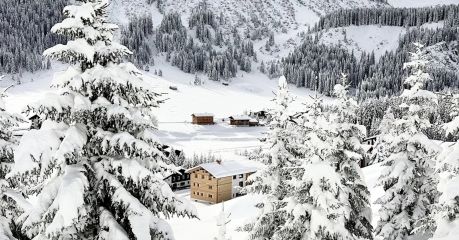
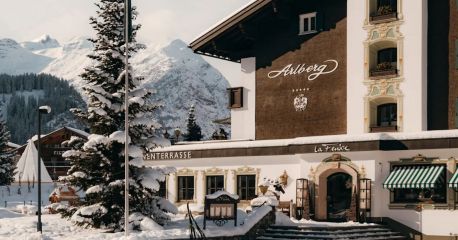
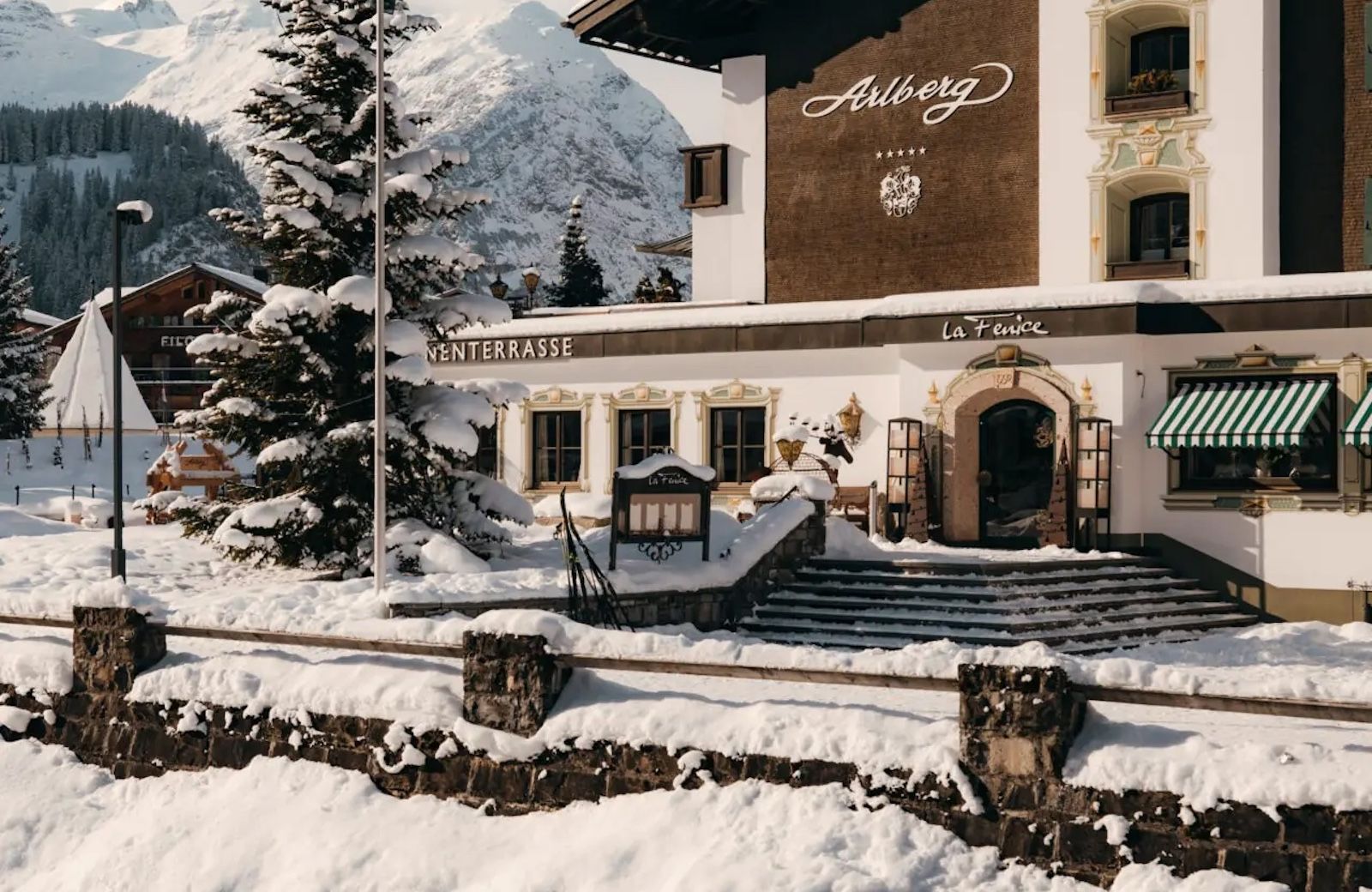
Royalty, rebels and powder hounds have always found their way here. A Michelin-starred, five-star alpine institution with serious style, soul and the kind of warmth that keeps them coming back.
read more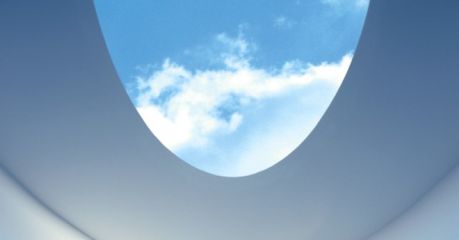
Turrell’s latest skyspace is such an iteration, located in Lech, a little skiing town in the Arlberg mountains, Austria. At a height of almost 1800 meters above sea-level, The Skyspace-Lech, a lightroom inside a stone building at the end of a 15-metre tunnel, is set in alpine terrain, and is only accessible by foot or by skiing – so wear your walking shoes and your best raincoat.
read more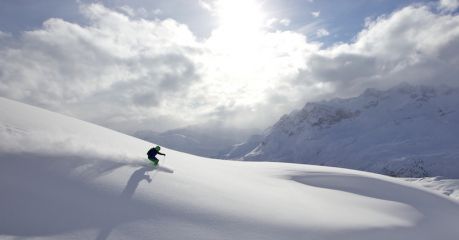
Lech is best known for its skiing and when you include the other Arlberg resorts of St. Anton, St. Christof, Warth-Schröcken and Stuben, which can be reached by Lech-Zürs, there are 340 km of piste and 190 km of off-piste, accessed by 94 lifts.
read more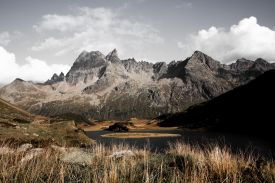
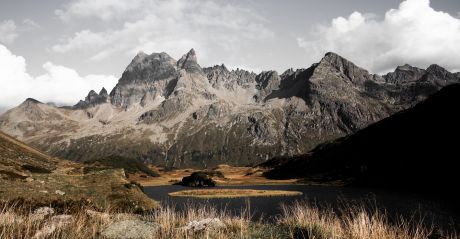
It’s a place where Ernest Hemingway felt a connection, he found inspiration carried on the fresh air, solace amongst the strong personalities in the mountains, and soul-reviving exercise climbing and skiing the peaks
read more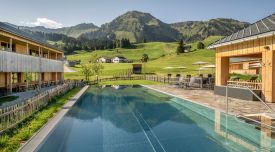
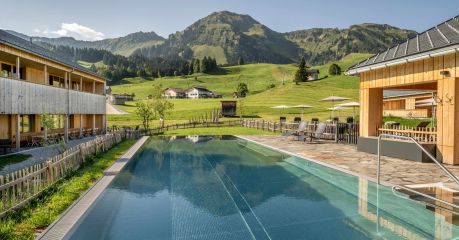
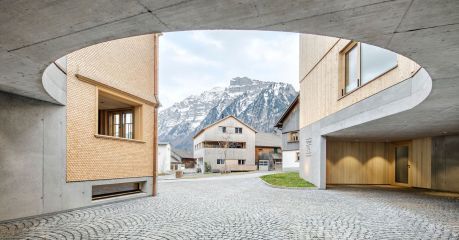
Amid the forests of the Bregenzerwald, wabi-sabi simplicity meets architectural clarity in a contemporary Austrian retreat shaped by timber, mountain light, ecological intelligence and the effortless poetry of sustainable design.
read more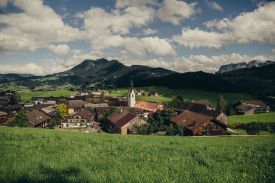
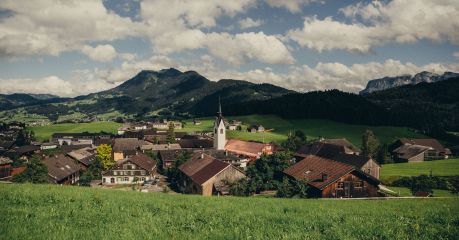
Another jewel in the Habsburg empire, Bregenzerwald’s baroque splendor is perfectly complimented by the natural beauty of Lake Constance, one of the most iconic swimming and boating areas in Austria. Set against the back drop of wooded hills, Bregenzerwald plays home to exquisitely preserved churches, one of the oldest village squares in Europe, and the Angelika Kauffmann Hall, ranked as one of best chamber music halls in the world.
read more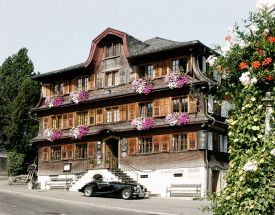
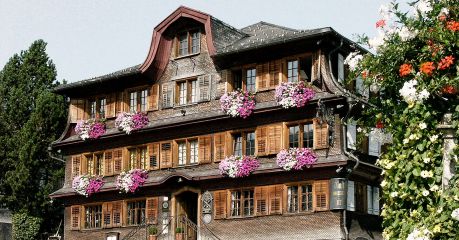
Ten generations, one crooked 1755 inn reborn: the Hirschen pairs sweet Bregenzerwald heritage with cool urban calm, a Michelin green-star kitchen and award-winning timber bathhouse.
read more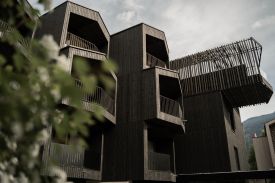
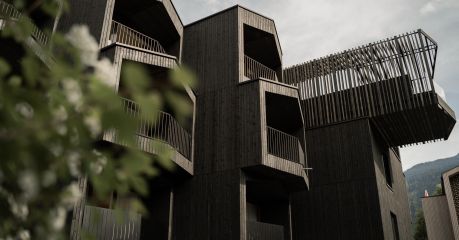
Overlooking a dramatic diorama of mountains and valleys, this fun spirited luxury den threads the Heimat of Montafon with a modernist design aesthetic.
read more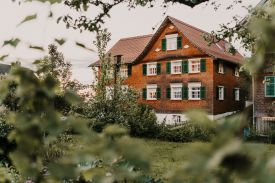
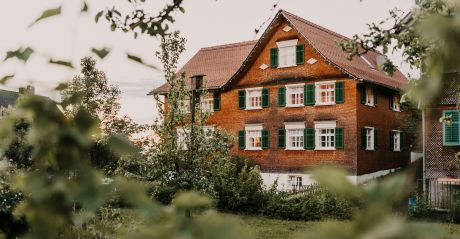
Mesmerhaus, once the sexton’s home, is today a wonderful style chameleon of ornate exteriors and simplistic elegant interiors. The effect is of refined originality, a heritage house reduced to its essence through a calming language of decorative stillness.
read more
Get the insider news and lowdown on what we've been up to, where we've been, and who we've met along the way. Be the first to discover new places and get the scoop on our favourites.