JOIN the AFICIONADOS
Get the insider news and lowdown on what we've been up to, where we've been, and who we've met along the way. Be the first to discover new places and get the scoop on our favourites.

The Freistaat past the tea-towel cliché: five heritage buildings restored with restraint, from a Chiemgau campsite to a gilded rooftop on the Romantic Road.
In short: five boutique design hotels and self-catering stays across Bavaria, spanning rural farmhouse restorations, Alpine chalets and a medieval town-house hotel. In order of appearance: Agrad Chalets in the Chiemgau, Der Schmiedhof near Bayrischzell, Denharten in rural Lower Bavaria, Bootshaus in Amberg, and Goldene Rose in Dinkelsbühl on the Romantic Road. Each is a heritage building given a contemporary architectural rework, with design and restraint the common thread.
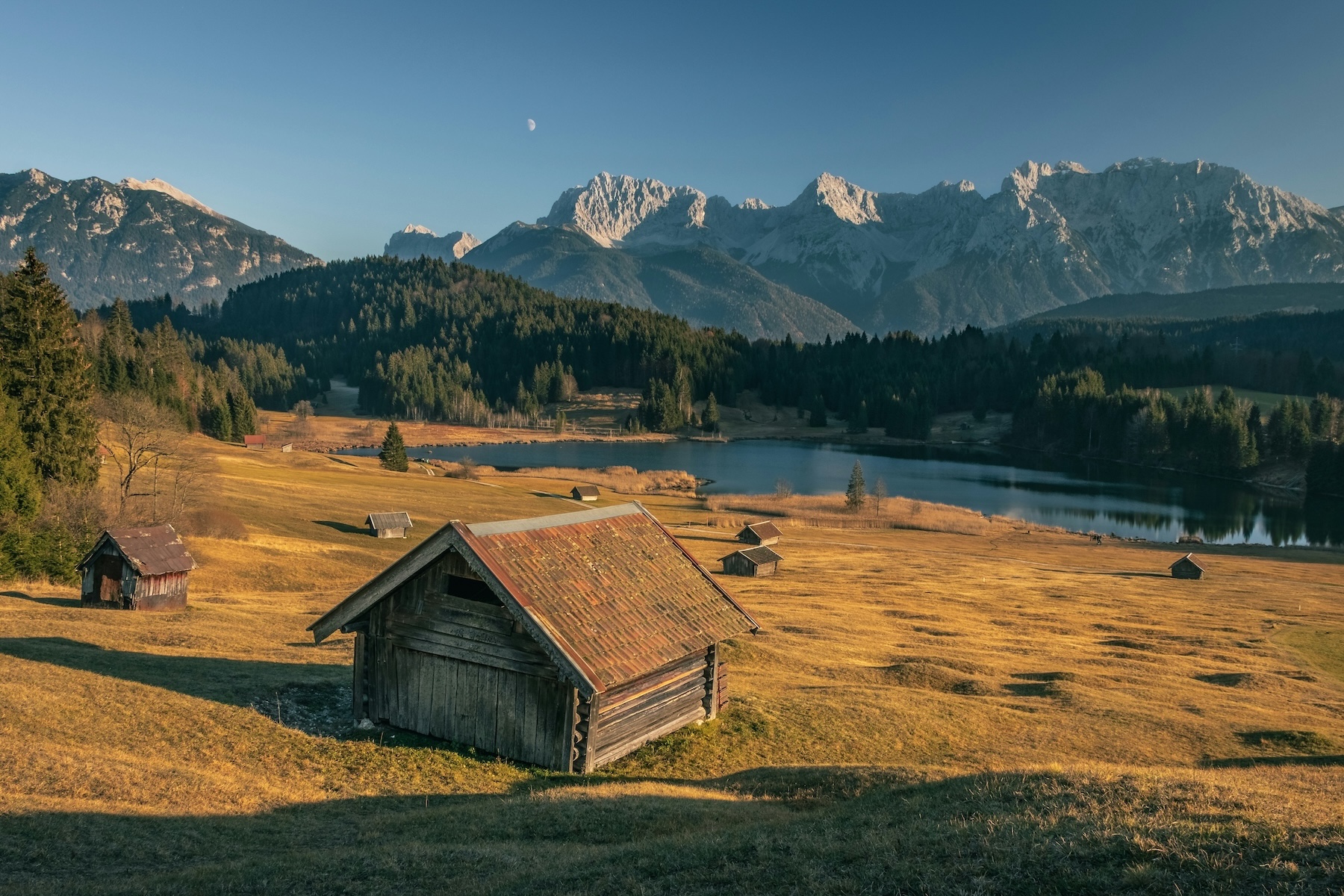
There is a version of Bavaria sold on tea towels: the brass band, the foam-crowned stein, the geranium window box doing its civic duty. It is not untrue, exactly, but it is the trailer rather than the film. Spend any real time in the Freistaat and a quieter, more interesting plot reveals itself, one written in reclaimed timber, exposed brick and the sort of restraint that costs more than any chandelier.
We have been keeping tabs on five properties that tell it. They sit across the Freistaat, from the Chiemgau lakes to the Romantic Road, and each is a building coaxed back to life by people who would rather restore than rebuild. Most keep their voices down. One, as you will see, has earned the right to a flourish.
Self-catering design-led Agrad Chalets in the Chiemgau Alps: sustainable timber architecture, family-run, near Chiemsee.
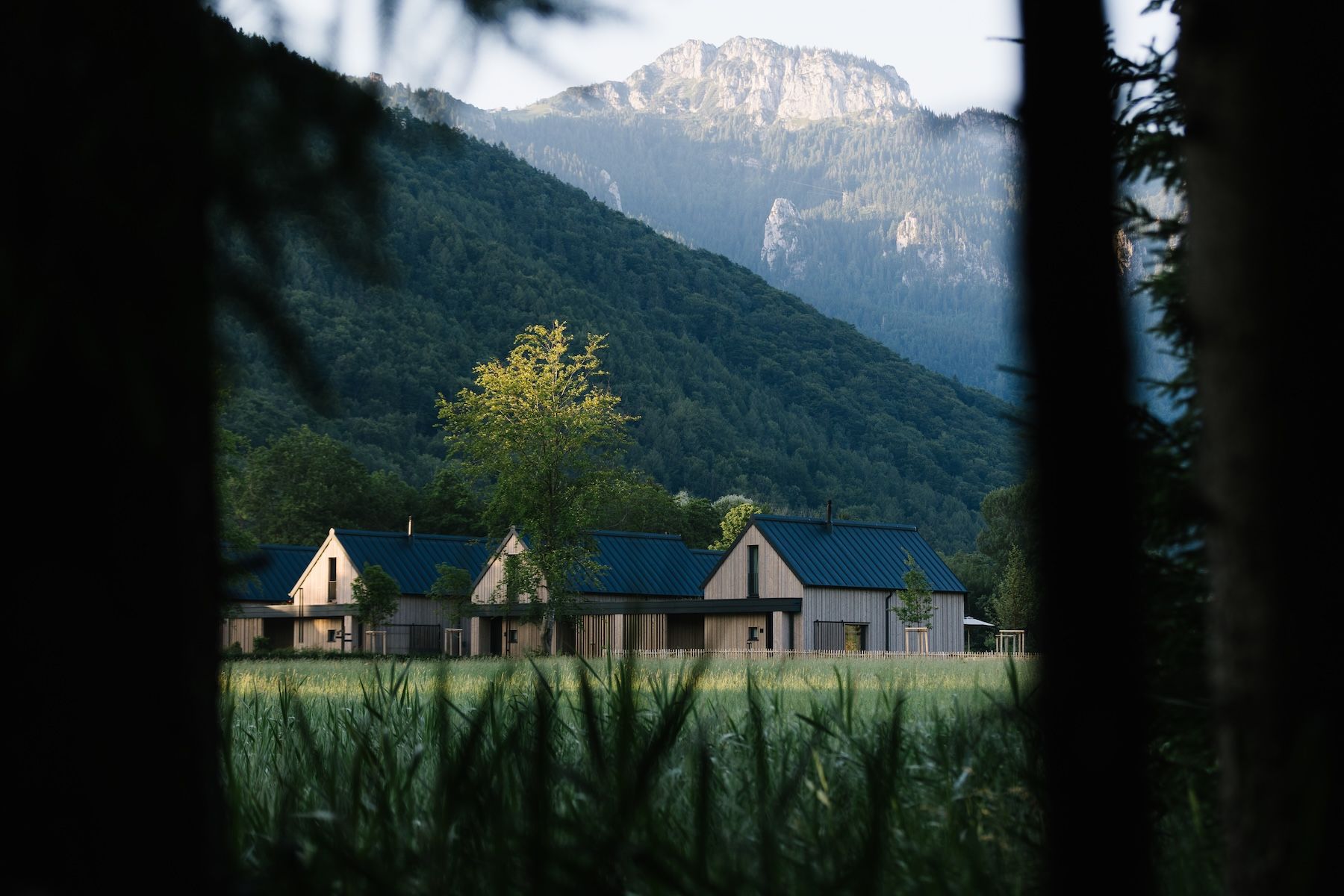
Begin near the Chiemsee, the inland water locals have quietly upgraded to a "sea", where Agrad Chalets has done something genuinely radical: turned a former campsite into a hamlet of twelve timber chalets and fifteen suites without bullying the moorland around it. The name is bayrisch shorthand for "just right", which is either the cockiest claim in Upper Bavaria or, having seen it, simple accuracy.
The Heinrichsberger family supplied the warmth. The engineering studio Schorsch Brüderl (the founder and his two sons) supplied the precision, treating the build as landscape choreography. Façades in ridged timber, rooflines the colour of pencil lead, interiors of brushed oak, matt steel and hand-thrown ceramics tuned by Fab Greiser of x-height studio. It runs on its own energy and delivers a Bavarian breakfast to the door, then leaves you to the BORA hob, the wine fridge and the hot tub under the stars. A German Design Award sits on the shelf. Wisely, nobody mentions it.
Der Schmiedhof, Geitau near Bayrischzell. Design-led apartments in a restored 500-year-old Bavarian farmhouse, Alpine Upper Bavaria.
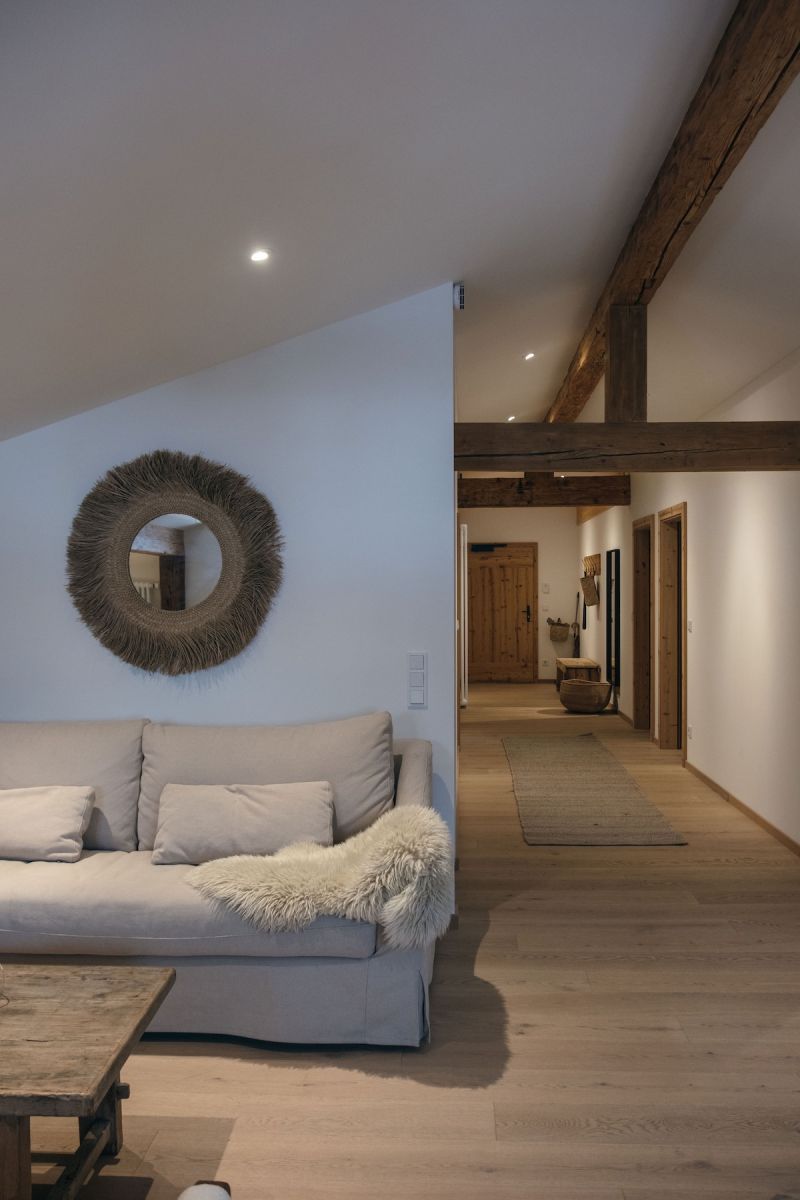
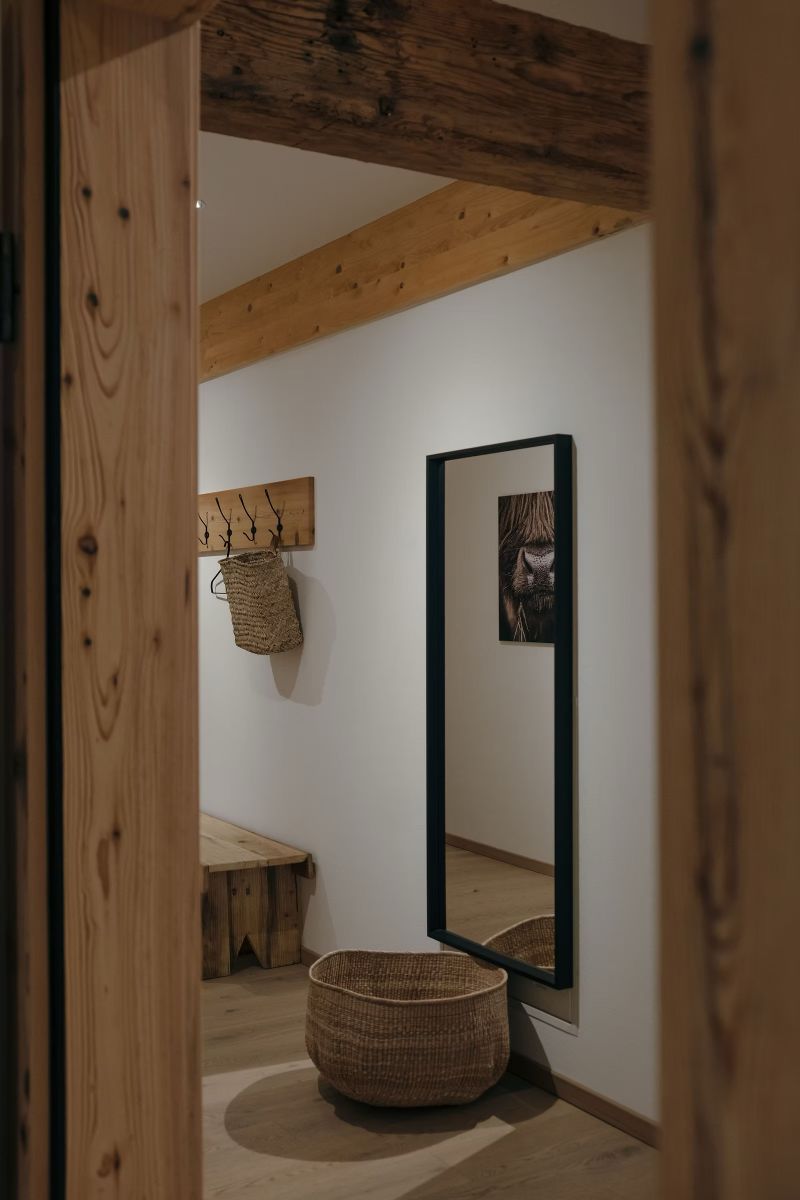
An hour south, in the Alpine fold of Geitau, Der Schmiedhof occupies a five-hundred-year-old nail smithy that has, in its time, also been a post office, a beer shop, a bakery and a grocer. Brigitte and Michael Schmied found it derelict in 2018, spent two years and one very patient circle of family and friends putting it right, and emerged with a heritage protection medal and, by local reckoning, one of the most beautiful front doors in the Miesbach district.
Eleven apartments now sit beneath the old beams, the barn rebuilt to its original silhouette using timber salvaged during demolition. The palette is cream, oak and stone, the lighting low, the antiques placed where they can speak without raising their voice. The two penthouses are where the house finds its confidence, one crowned by a sunset loggia that tips the whole thing into cinema. The Schmieds live in the front house, which keeps the project tethered to actual life, not hospitality theatre.
Denharten, Tann, Lower Bavaria. A boutique guesthouse and event venue in a listed rural courtyard farm, with design by FRAMA, Antoniolupi and Atelier Areti.
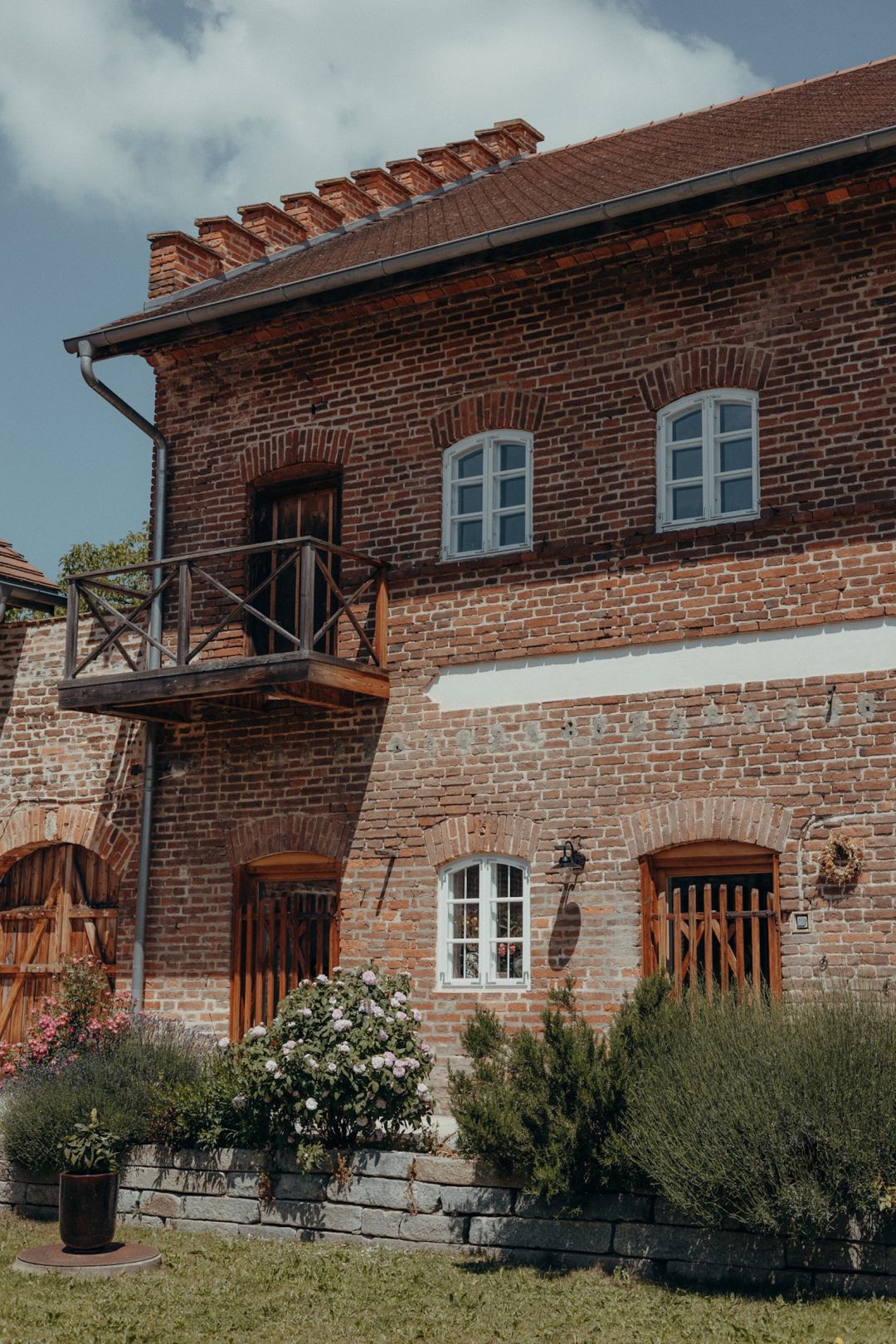
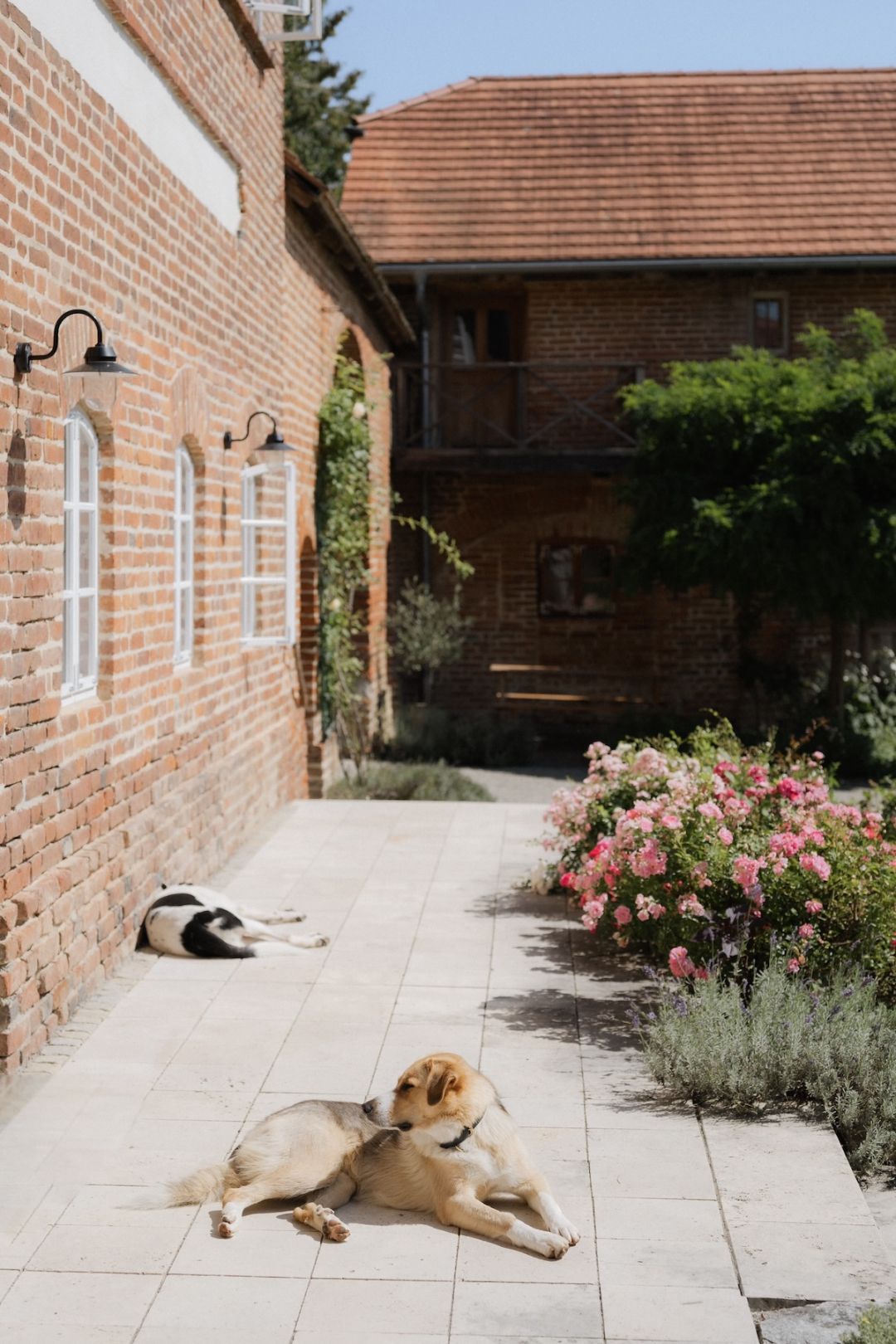
East towards the Austrian border, in the farm country of the Rottal, Denharten is a Vierseithof: a four-sided courtyard farm, first recorded in 1474 and rebuilt in 1853, where the buildings face inward around a yard as they were always meant to. Three guest rooms occupy the old residential and stable wing, the cattle stable is now a lofty event space, and the barn hosts weddings and markets. The separation of sleep from celebration is deliberate, and it works.
Theresa, a chef as much as a host, runs it with her husband Damian, and the interiors read like a well-edited address book: FRAMA out of Copenhagen, lighting by Atelier Areti, bathrooms by Antoniolupi, Hugo Guinness prints, sorbet-toned canvases from Alina Birkner set against fresco fragments that look found, not hung. Outside, native fruit trees, herb beds and bee-friendly planting keep the seasons unedited. It is heritage without the nostalgia tax.
Bootshaus, Amberg. A riverside boutique design hotel in a restored medieval building on the river Vils, Upper Palatinate.
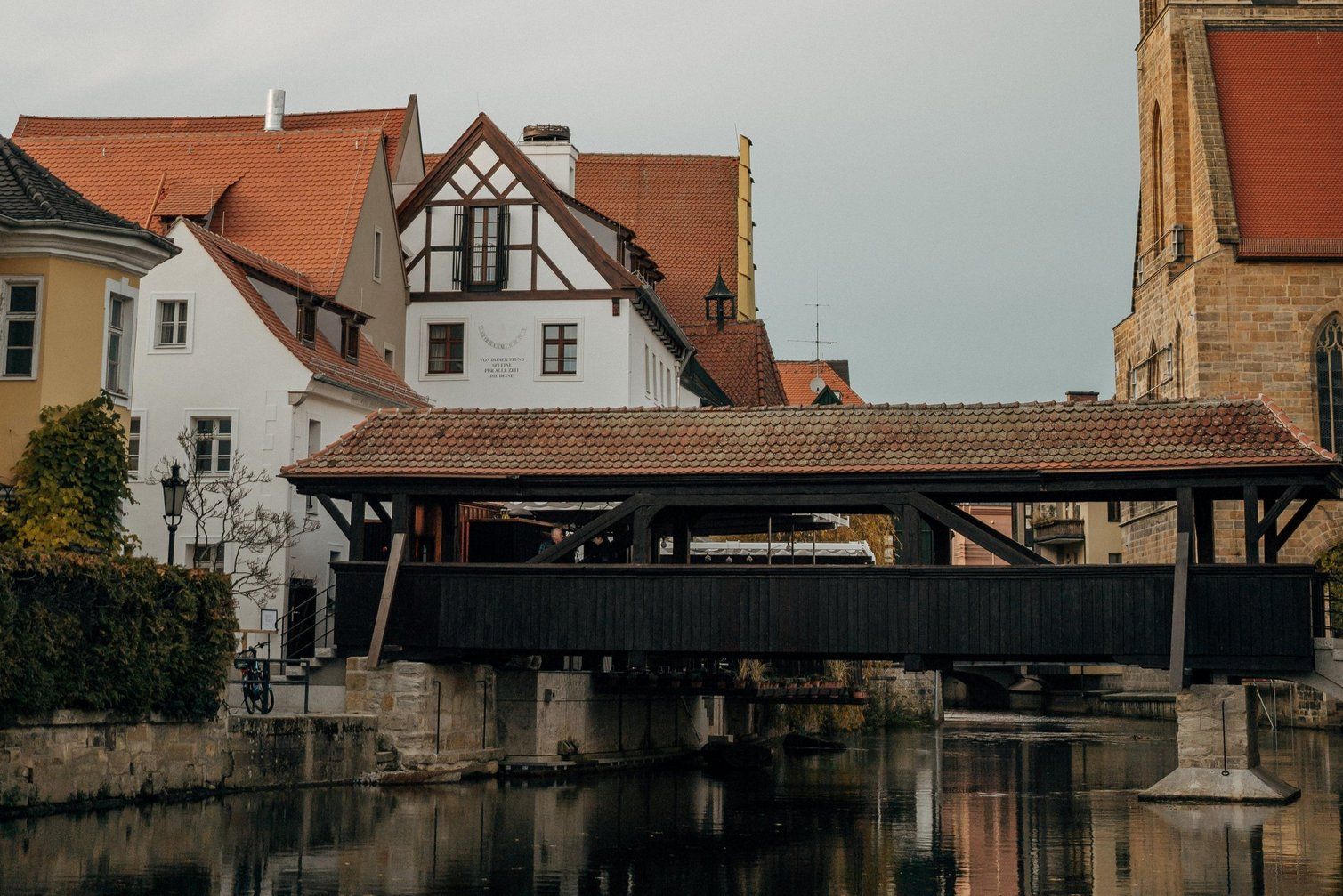
Then north into the Oberpfalz, where Amberg keeps its medieval self largely to itself, Bootshaus threads five historic buildings (the oldest from 1250) into a single riverside hotel on the Vils. It was a boat house, a pitstop for boat crews and merchants, even part of the town castle. Father and daughter Klaus and Eva spent five years coaxing it back, with architect Georg Zunner showing good sense by never straightening the leaning walls. The buildings simply work around their own crookedness, half-timbered, beamed and curved, and are the better for it.
Nineteen rooms run from the modest Petit to the Grande Suite, the latter hiding a roof terrace, a hammock and a copper tub the size of a small boat. The kitchen stays low-mileage and seasonal (carp, beetroot, spelt, the good cakes), the bar pours from Amberg's improbable six independent breweries, and the house keeps kayaks for anyone minded to paddle past the kingfishers.
Goldene Rose, Dinkelsbühl. A boutique design hotel and rooftop spa in five 15th-century townhouses on the Romantic Road, architecture by NOA.
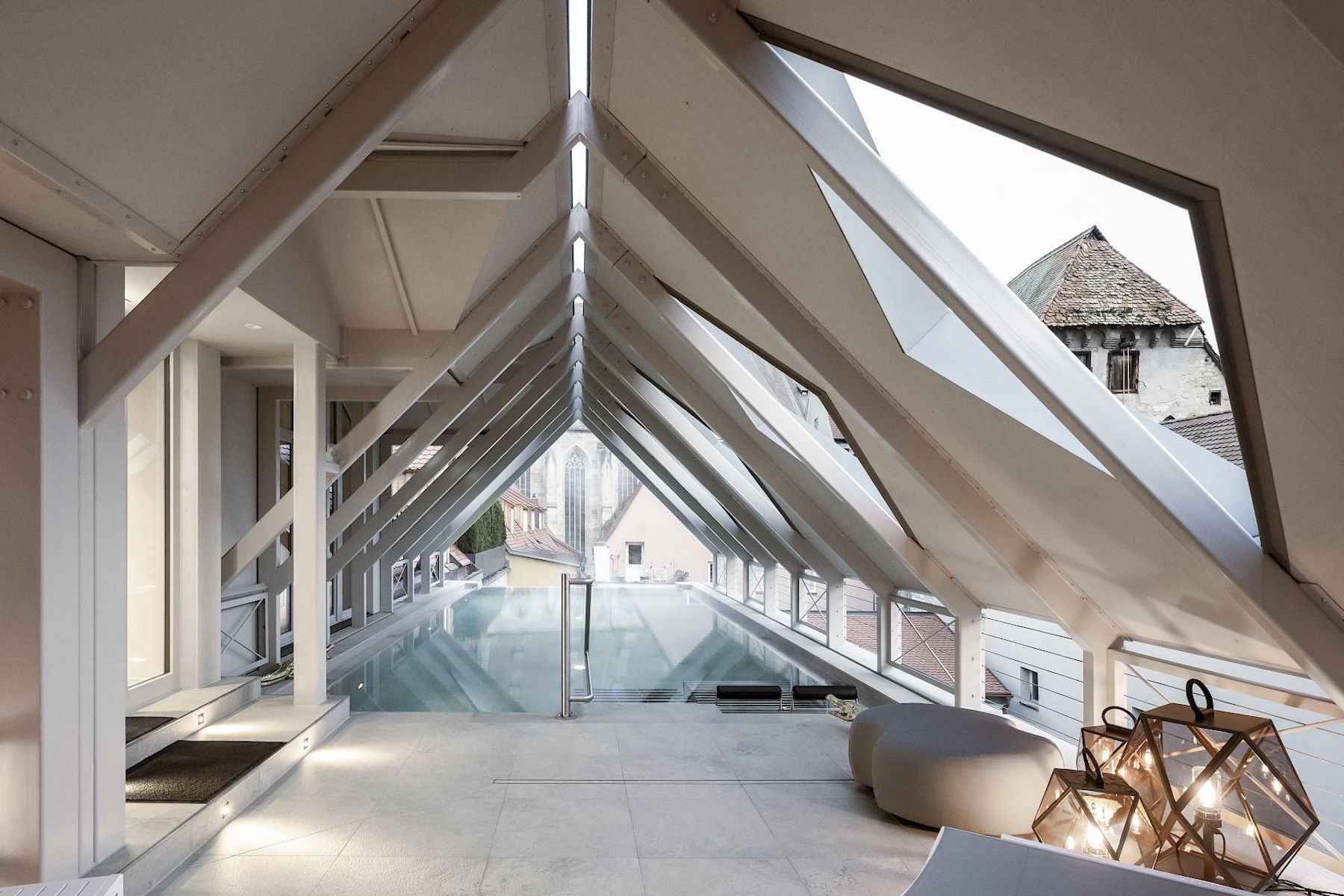
West again, where the Romantic Road threads through Franconia and Dinkelsbühl has kept its medieval face so intact that Netflix borrowed the cathedral for The Empress, sits the grandest of the five. Goldene Rose is a cluster of five 15th-century townhouses (former cinema, brewery, ballroom, casino, the lot) stitched into a single fifty-four-room hotel by the South Tyrolean studio NOA, working with the planning office Jürgen Häberlein. Queen Victoria stayed in 1891, a fact the house has never entirely got over, and rightly so.
NOA's good sense lay in leaving the undulating rooflines and slanting corridors exactly as crooked as they found them, then layering in rough plaster, lime-washed oak, alabaster seating and oversized medieval-style tapestries that anchor the beds. The former 1870 ballroom is now the Rose Hall, an auditorium with a proper concert roster. Down in KantineRosine, chef Alexander Hundt cooks a six-course tasting menu at toque level, paired by sommelier Marcel Scherb, with a book-ahead Chef's Table for the committed; the Queen Vicky Bar deals in "Bavarian tapas", miniature schnitzel, truffle fries, blinis with caviar.
And then the flourish the others forgo: an Attic Spa slotted into the original rafters and a ten-metre rooftop infinity pool whose cut-out gables frame the cathedral like a postcard you are allowed to swim in. This is the one address here that raises its voice. It has earned the volume.
What links them is not a style but a stance. Each took a building that had already lived several lives (smithy, ballroom, casino, boathouse, courtyard farm) and chose to listen to it rather than overwrite it. Each is shaped by people who treat the old bones as the brief rather than the obstacle. And each makes the case, gently, that the most luxurious thing in Bavaria right now is not gold leaf but good judgement, even, it turns out, at the one with gold in its name.


Where Roman grit collides with Bavarian beats: Dinkelsbühl’s medieval walls, design dens and raw festival energy make this historic town a must for Germany’s travel radar.
read more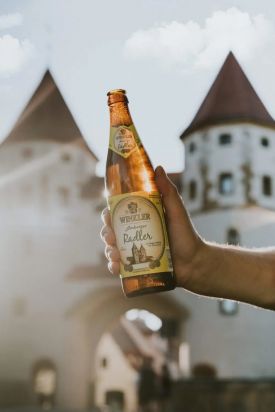

Beer belongs to Amberg. It has for centuries. Brewed slowly, shared locally and shaped by families who never chased scale, the town still drinks with purpose, patience and pride.
read more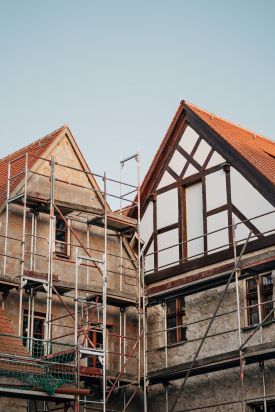
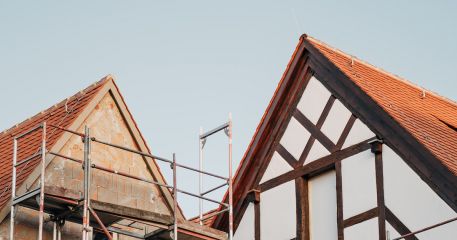
Set on the River Vils in Amberg, Bavaria, the Bootshaus reunites five historic buildings dating to 1250 into a refined riverside hotel shaped by patience and architectural restraint.
read more

A design and culture-led guide to Munich, exploring layered architecture, Bavarian craft, contemporary creativity and a refined approach to the good life.
read more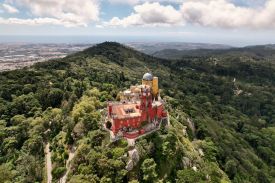
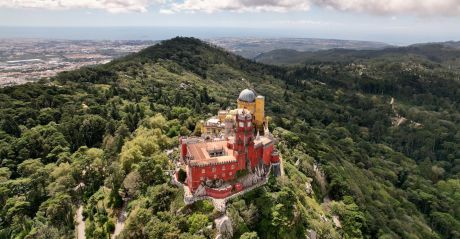
Travel to Portugal's fairytale den of Sintra, just outside Lisbon, for a world full of rolling hills and castles, once referred to by Byron as "glorious Eden".
read more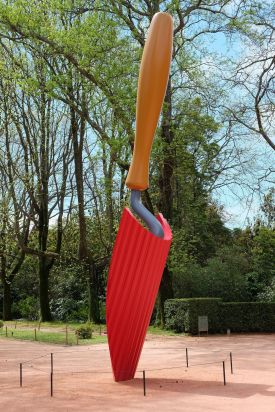
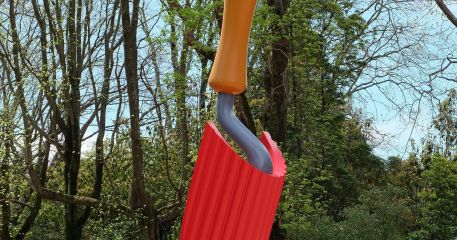
Porto for culture seekers - we explore the Serralves Foundation comprising of a dusty pink 1930-40s’s Art Deco villa designed by Porto architect José Marques da Silva, a landscape-specific contemporary museum designed by Álvaro Siza.
read more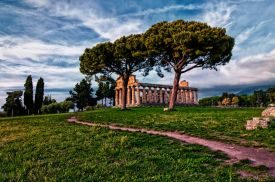
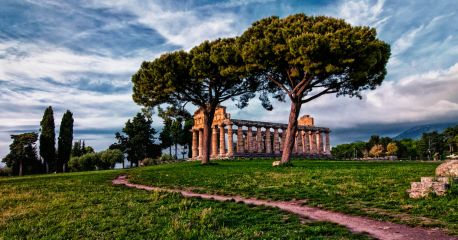
Paestum Temples in Southern Italy is one of those ancient antiquities that you have to visit – this UNESCO World Heritage Site in Cilento Campania is a treasure trove of ancient Greece including three of the world’s best-preserved temples.
read more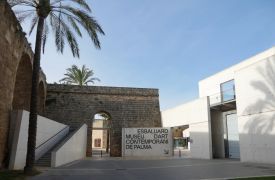
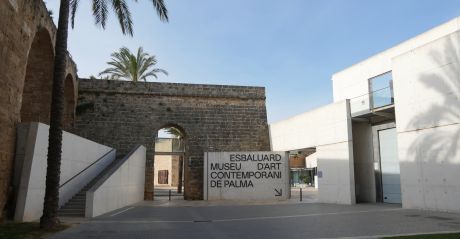
Es Baluard holds more than nine hundred works inside Palma's Renaissance walls, from Anglada-Camarasa to Miró and Barceló, with the bay laid out below.
read more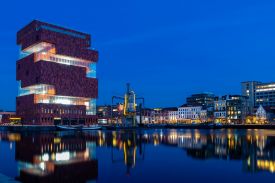
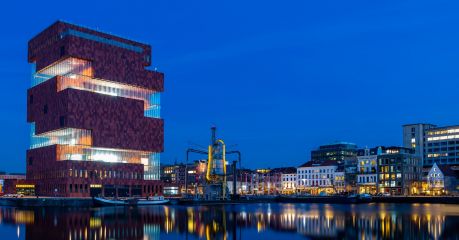
Antwerp is one of Europe's cultural hotbeds with historical landmarks and art institutions. And while Antwerp has plenty of those – we turn our focus on the smaller-scale contemporary culture must-sees the Flemish city has to offer.
read more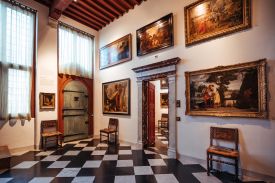

The true 'Golden Age Painter', Rembrandt recharged might well describe the recent renovation of the Rembrandt House Museum, found in Amsterdam.
read more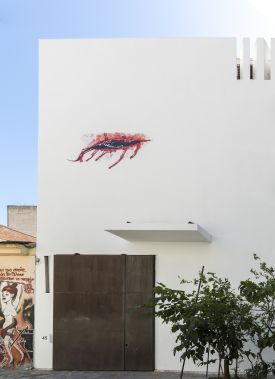

Radical, sometimes political and always on the pulse of Athens’ ever-evolving art scene, The Breeder Gallery is housed in an old ice cream factory, redesigned by architect Aris Zambicos.
A think tank for the bold, the curious, the creators of tomorrow. Where minds collide, conversations spark, and urban life gets redefined. If you shape the future, you belong here.
read more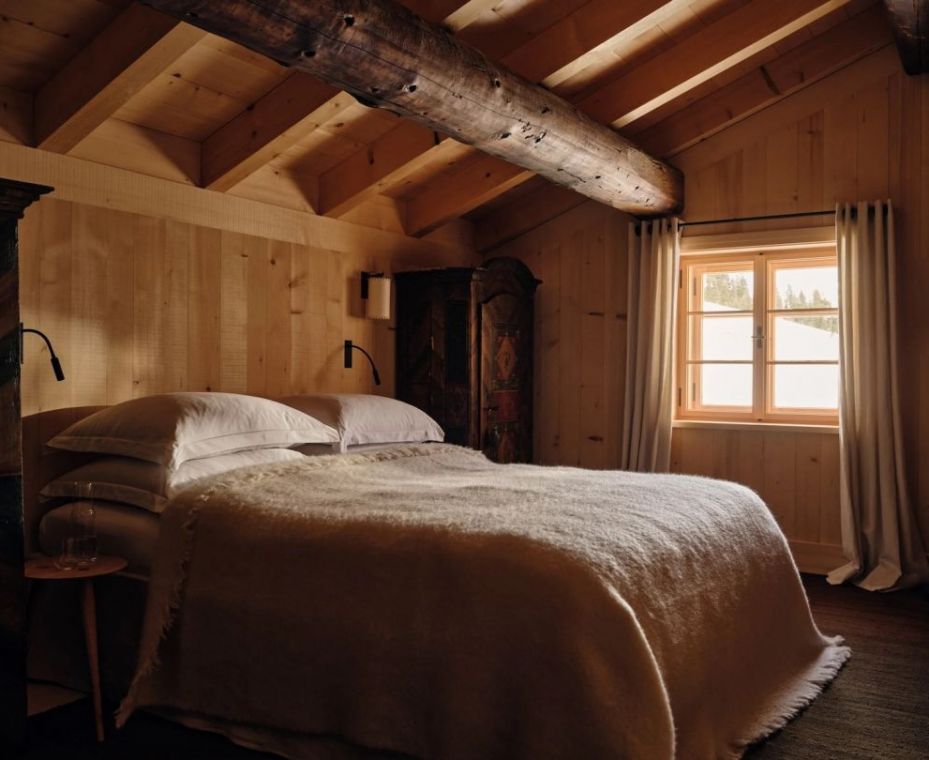
Get the insider news and lowdown on what we've been up to, where we've been, and who we've met along the way. Be the first to discover new places and get the scoop on our favourites.