JOIN the AFICIONADOS
Get the insider news and lowdown on what we've been up to, where we've been, and who we've met along the way. Be the first to discover new places and get the scoop on our favourites.

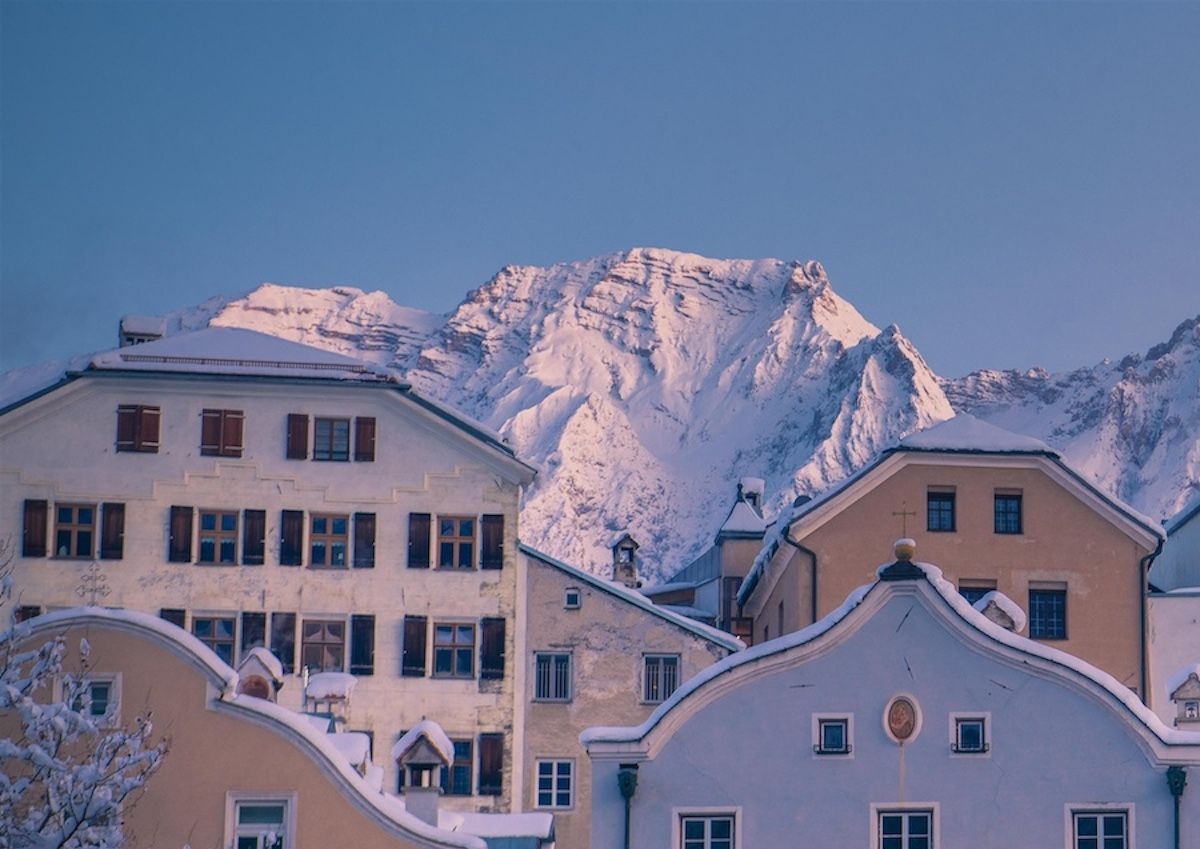
Hall sits on the north bank of the Inn eight kilometres east of Innsbruck, at 574 metres, with the limestone wall of the Bettelwurf standing over it and the softer Tuxer Alps rising on the far side of the river. The name comes from an old word for salt, and everything the town became followed from that.
People worked the brine in prehistory. From 1272, under Meinhard II, the mine in the Halltal above Absam was driven properly into the mountain and the brine piped ten kilometres down to the evaporation pans at Hall, where it was boiled into blocks and sent out along the salt road toward the Brenner. It travelled as far as Switzerland, the Black Forest and the Rhine. Two lions holding a barrel of salt still stand on the town's coat of arms, and the mine kept working until 1967. Hall took town rights in 1303 and became the leading market on the upper Inn, its wealth loaded onto barges and floated downriver toward the Danube.
The second fortune arrived in 1477, when the Tyrolean mint was moved here from Meran. Nine years later the presses inside Burg Hasegg struck the Guldengroschen, the first large silver coin in Europe, made from Schwaz silver. Other states copied it, the name shortened to Thaler, and the word travelled further than the coin: dollar, tolar, daler. In 1571, the mint installed the first roller press in Tyrol, capable of producing four thousand coins a day, and between 1748 and 1768 it produced more than seventeen million silver Thalers. The Münzerturm still marks the skyline, with the mint museum and a working reconstruction of that roller press inside, and kestrels nesting in the tower.
What the money built is the reason to come. Hall has the largest intact old town in western Austria, larger than the one in Innsbruck, and Tyroleans call it their secret capital. Painted merchant houses lean over cobbled lanes, wrought-iron shop signs hang above them, and church and convent towers punctuate the roofline: the parish church of St. Nikolaus on the upper square, and the Damenstift, the noble ladies' foundation whose first abbess was the Archduchess Magdalena, daughter of Ferdinand I, who died here in 1590. A Saturday farmers' market fills the upper square, and the Advent market in December is one of the more graceful in the Tyrol.
North of the town the Halltal cuts into the Karwendel, 920 square kilometres of limestone, emerald water and old-growth forest that Emperor Maximilian kept as a hunting ground and that has been protected since 1928. The Historic Brine Trail follows the salt route back up the valley in eleven stations. At its mouth lies Absam, a pilgrimage village and the home of Jacob Stainer, the violin maker whose instruments were prized above Cremona's for two centuries; one of them, made for the Damenstift in 1653, is still in Hall. South of the river the Glungezer offers a quiet cable car, long ridge walks and a small ski area. East at Wattens are the Swarovski Kristallwelten, made by André Heller in 1995 and among the most visited places in the country.
Trains from Hall to Innsbruck run every fifteen minutes and take a quarter of an hour. Innsbruck airport is fifteen kilometres away, the A12 runs along the valley, and the Brenner is an hour south. Hall is small enough to cross on foot in twenty minutes and old enough to spend three days in.
Where to stay in Hall in Tirol: Kontor Boutiquehotel, a counting house on the Unterer Stadtplatz with records back to 1450, restored by hand to eight rooms and suites.
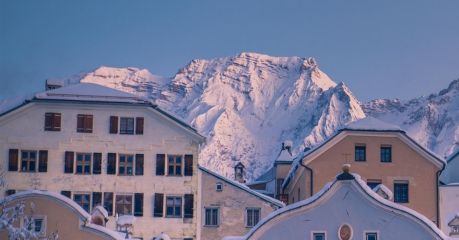
Built into the original Medieval town walls of Hall, this former guilders’ house of traditional Tirol style has stood here for well over half a century with records dating back to 1450. Today, behind the rose petal façade, lies the small Kontor Boutiquehotel.
read more
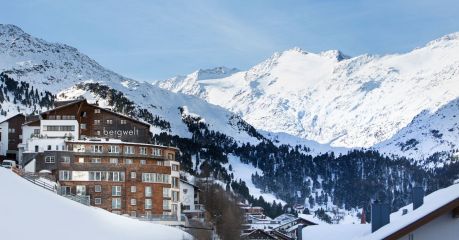
Drenched in Tirol originality and crafted by a setting of mountainous vistas. This luxury ski & spa hotel is all about boutique personality, passion, delicious food and a perfect location that hugs the snow-capped plateau, with windows that frame endless Austrian mountain eye-candy.
read more
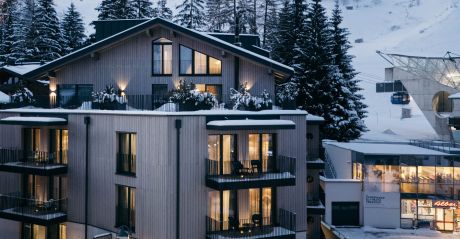
Ullrhaus is a hotel of muted luxury, where cool design marries Alpine soul and a minimalist edge. Located in the resort of St. Anton in the Tyrolean Alps, home to some of the Alps’ most exhilarating skiing.
read more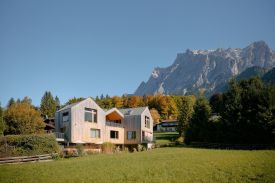
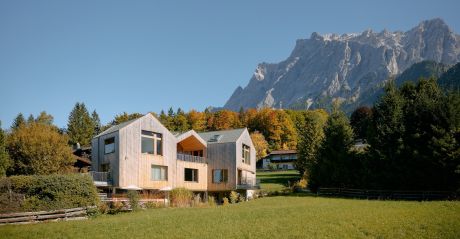
A contemporary private den for discerning design purists, Ʌerli’s allure is a harmonious marriage of tradition meets modernity, continuing and furthering the strong architectural alpine remit of Tyrolean design.
read more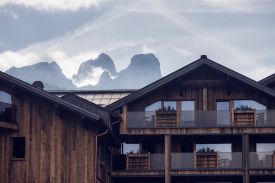
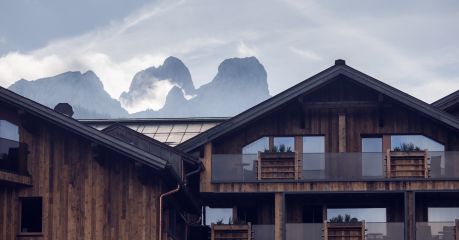
Biophilic beats, wild venison, and 43,000 pieces of driftwood – Hotel Der Engel rewrites Alpine cool with raw craft, radical design and grounded luxury in Austria’s Tannheimer Tal.
read more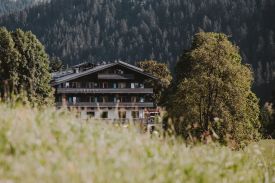
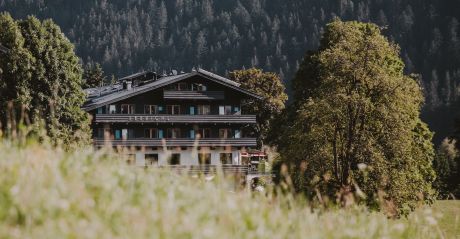
A cultured Alpine refuge where design, art and nature converge beside Lake Schwarzsee. A poetic hideaway curated by the Witzmann brothers under the Tyrolean peaks, quietly spirited and deeply rooted.
read more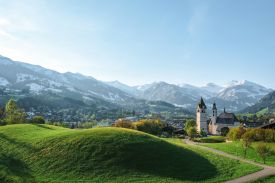
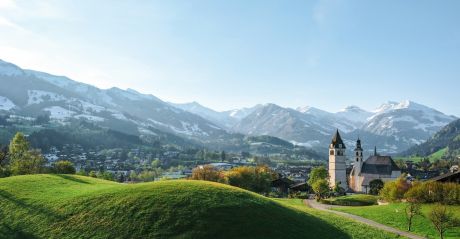
Kitzbühel blends Tyrolean refinement with untamed Alpine beauty. Between the Wilder Kaiser and Kitzbüheler Horn, this Austrian classic glows with heritage, sport and a rhythm set by nature itself.
read more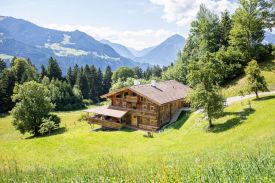
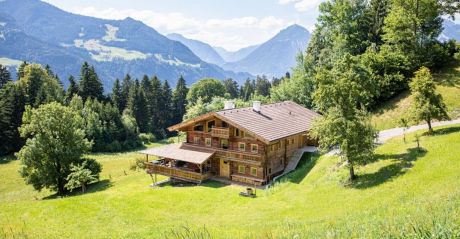
Wonderfully humble, this authentic exclusive-hire farmstead hideaway dating back to 1885 comes with the mandatory choc-box appeal of a rural alpine chalet besieged by the hush rhythms of lush green pastures, ancient forests and hum of the mountain waters.
read more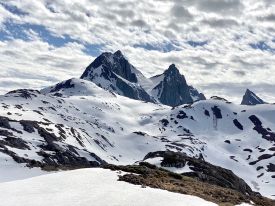
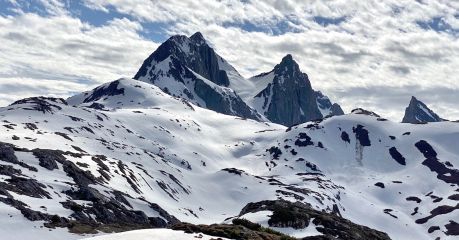
Credited with being the first ever ski club way back in 1901, for many St Anton am Arlberg is synonymous with high-octane pleasures, altitudinous adventures and fresh mountain air. And with 210 miles of ski pistes, 120 miles of off -piste, 94 cable cars and lifts, St Anton and the surrounding area of Arlberg really is the place for thrill-seekers.
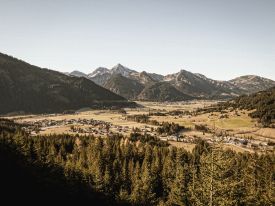
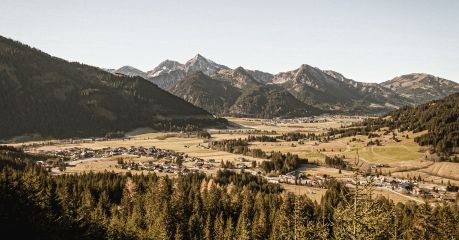
A wild pocket of the Austrian Alps where crisp peaks meet wide skies and the scent of pine mingles with Schnitzel from a mountain hut – welcome to the Tannheimer Tal. Tucked along the northern edge of Tyrol, this high valley plays it quiet but packs a cinematic punch, framed by the Allgäu Alps and cut with glacier-fed lakes, panoramic ridgelines an
read more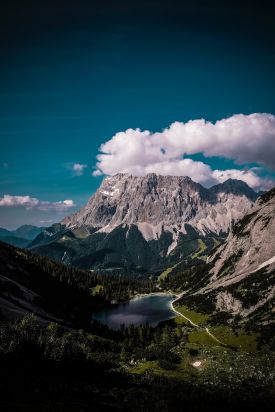
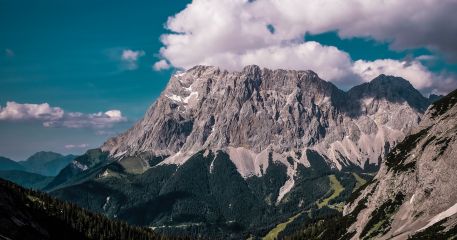
Sharing a mountain with Germany, Ehrwald sits snugly in the foothills of the Zugspitze in a northeastern corner of Austria, part of the Wetterstein Massif, the region of Tiroler Zugspitz Arena.
read more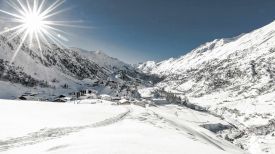
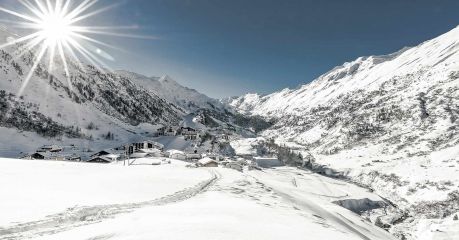
Famous for its skiing, Obergurgl, often known as the “Diamond in the Alps”, all but guarantees snow from November through May. Set against the glacier villages of the upper Ötztal valley, it is also a year-round dream destination for experienced hikers and casual strollers alike.
read more
Get the insider news and lowdown on what we've been up to, where we've been, and who we've met along the way. Be the first to discover new places and get the scoop on our favourites.