JOIN the AFICIONADOS
Get the insider news and lowdown on what we've been up to, where we've been, and who we've met along the way. Be the first to discover new places and get the scoop on our favourites.

Twenty years collecting. One 18th-century Dutch villa above Galle. Inside Doornberg, Peter Harris's quietly remarkable private gallery, where Shanghai meets Sydney meets Sri Lanka and nobody, on inspection, seems remotely surprised by it.
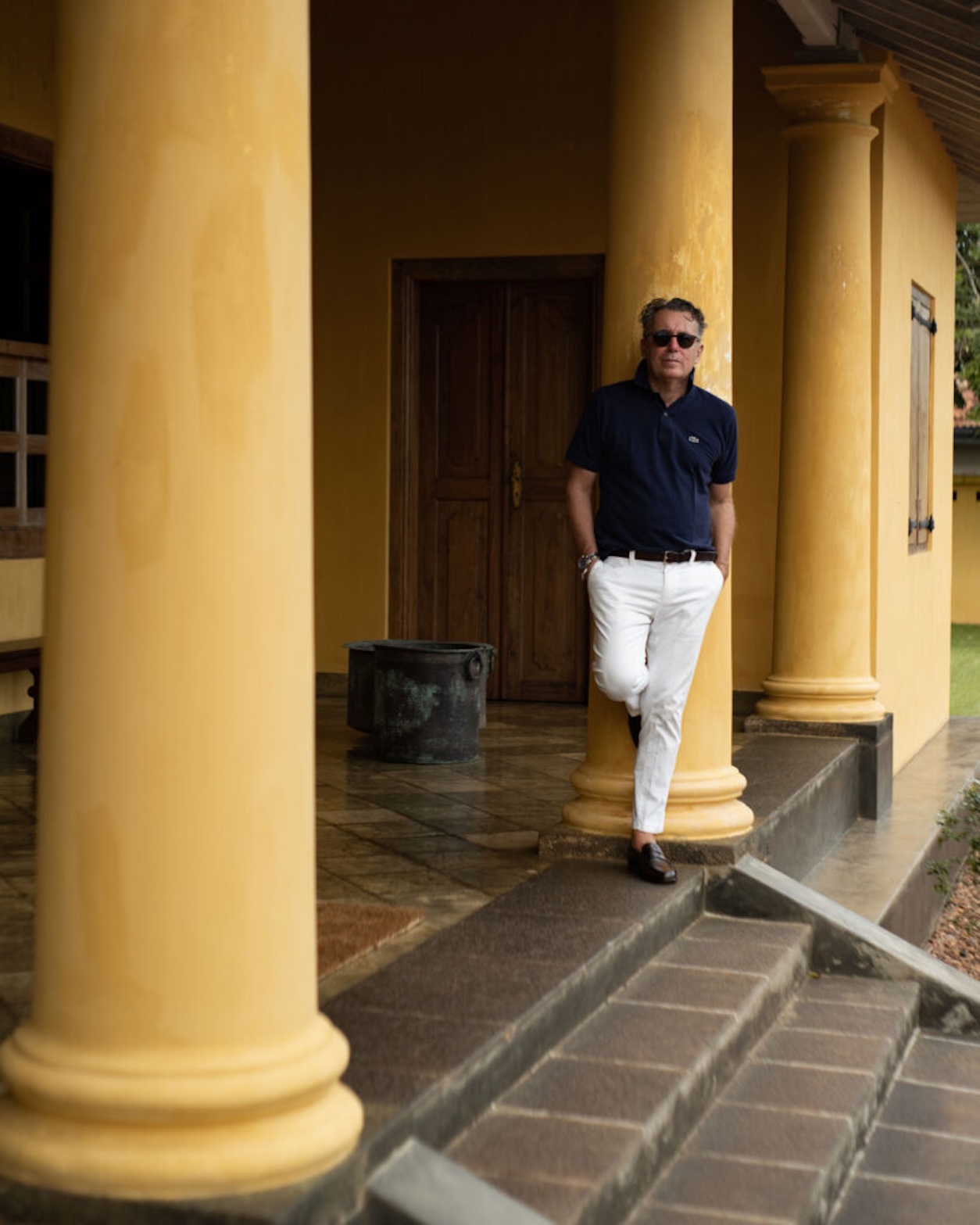
Harris is Australian by birth and education, with a Florence chapter on the side because the more interesting biographies tend to have one. Asia took him for two decades. Sri Lanka, eventually and decisively, took him for good. He arrived in 2005, looking for sanctuary from the urban rinse cycles of Shanghai and Hong Kong, and by some happy logistical accident spent his first night on the island at a place then known as The Dutch House. The very villa, as it happens, that he would one day own, restore and rechristen: Doornberg.
The same year, more or less, he began to collect art seriously. The two events are not related, and yet of course they are related, in the way that the most decisive things in a life always seem to be.
When Harris finished the restoration in 2024, what he had on his hands was, very conveniently, a small miracle of curatorial real estate. Doornberg is reserved, austere, blank in the best sense: high walls, strong proportions, the kind of gallery-grade quiet that contemporary art tends to need and rarely gets. Built by the Dutch in the 18th century with the taste for restraint that the Dutch arguably invented, it might have been designed expressly for the hanging of art. It wasn't, of course. But it might have been.
Onto these walls Harris began to layer twenty years of acquisition: an international collection long in the making, newly discovered Sri Lankan voices, and a handful of works commissioned directly for the villa.
Harris's instinct for Sri Lanka has been, above all, to listen. He found his way naturally enough to the Saskia Fernando Gallery in Colombo, the country's most committed champion of Sri Lankan-born and Sri Lankan-based artists, and from there into the wider local conversation.
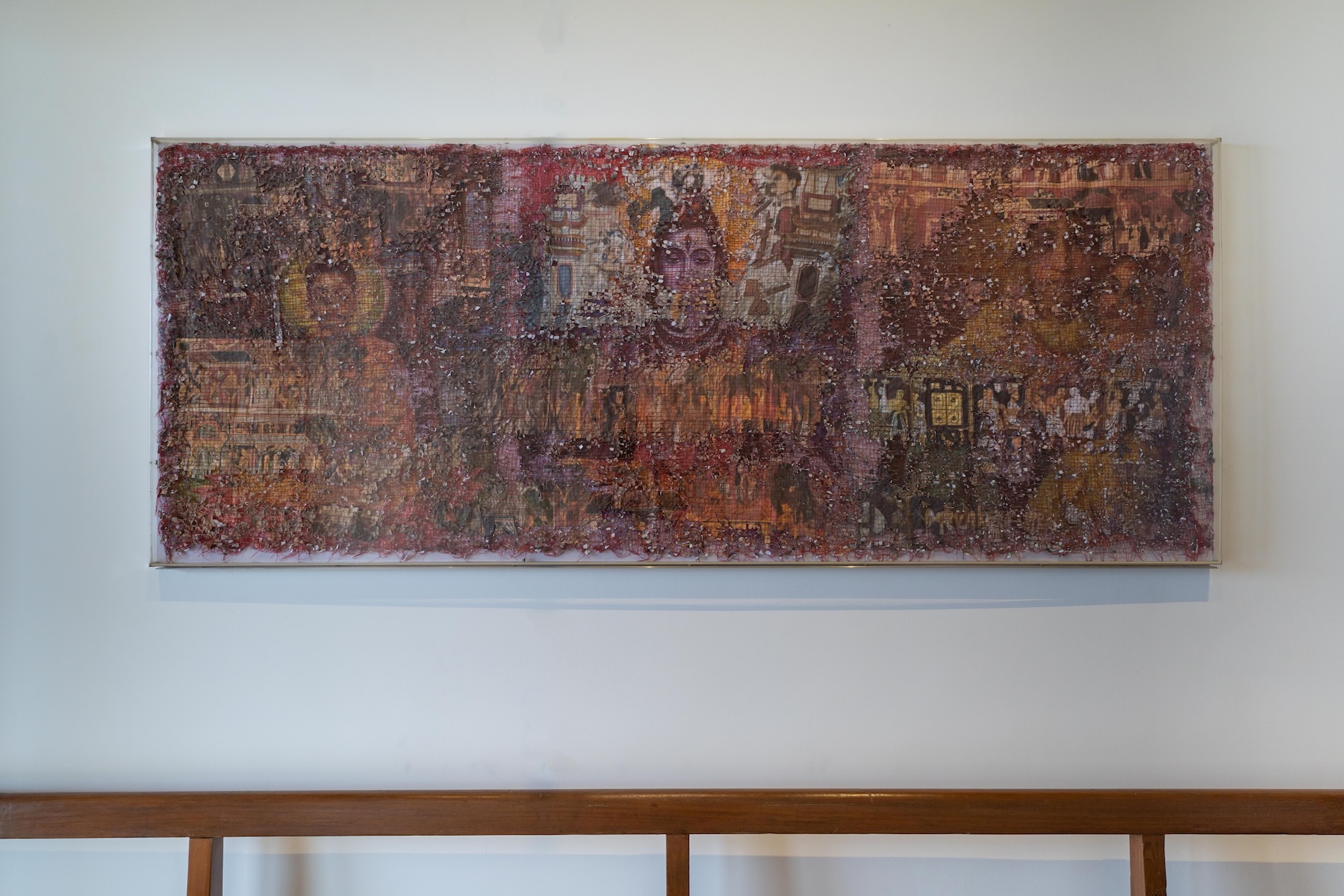
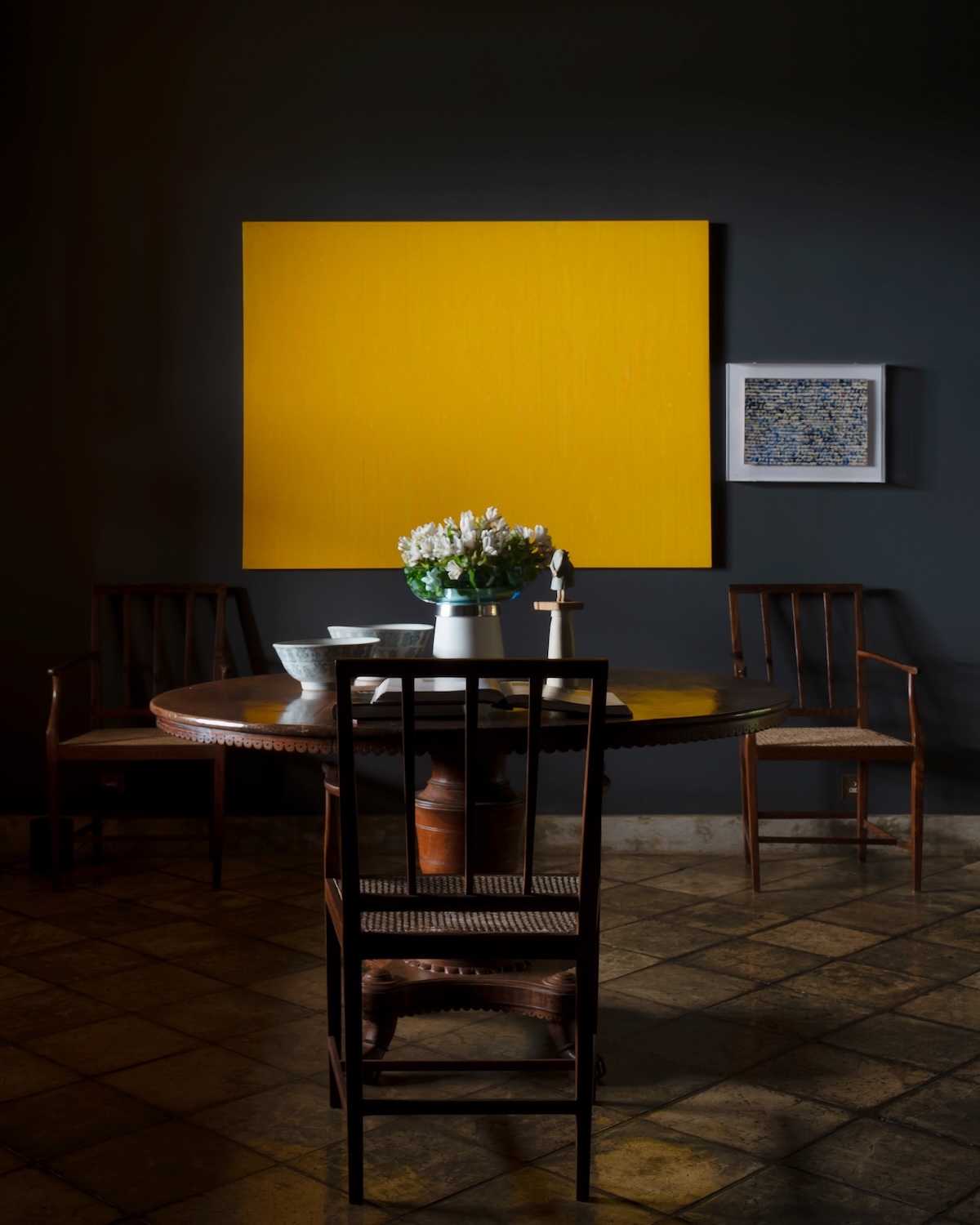
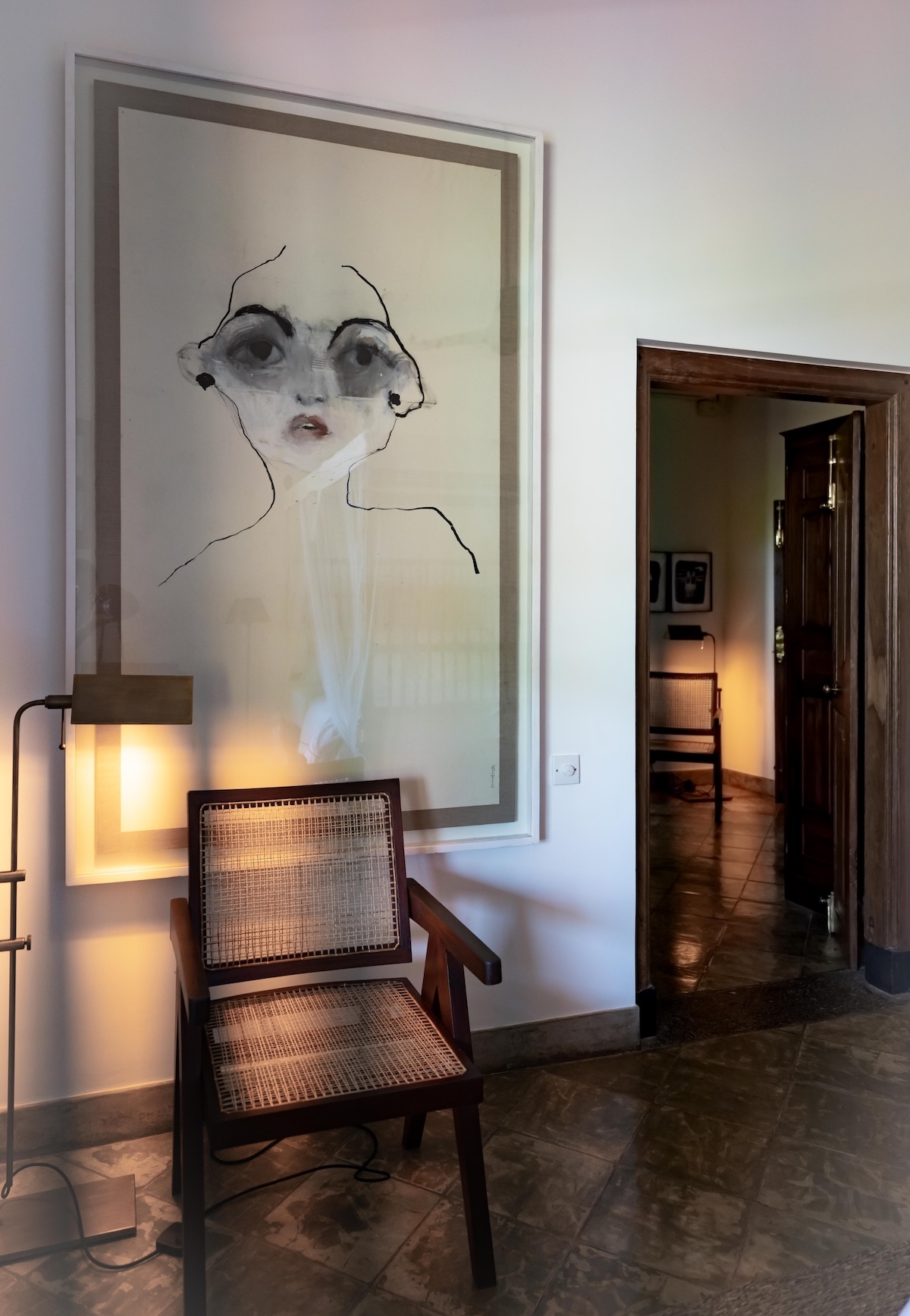
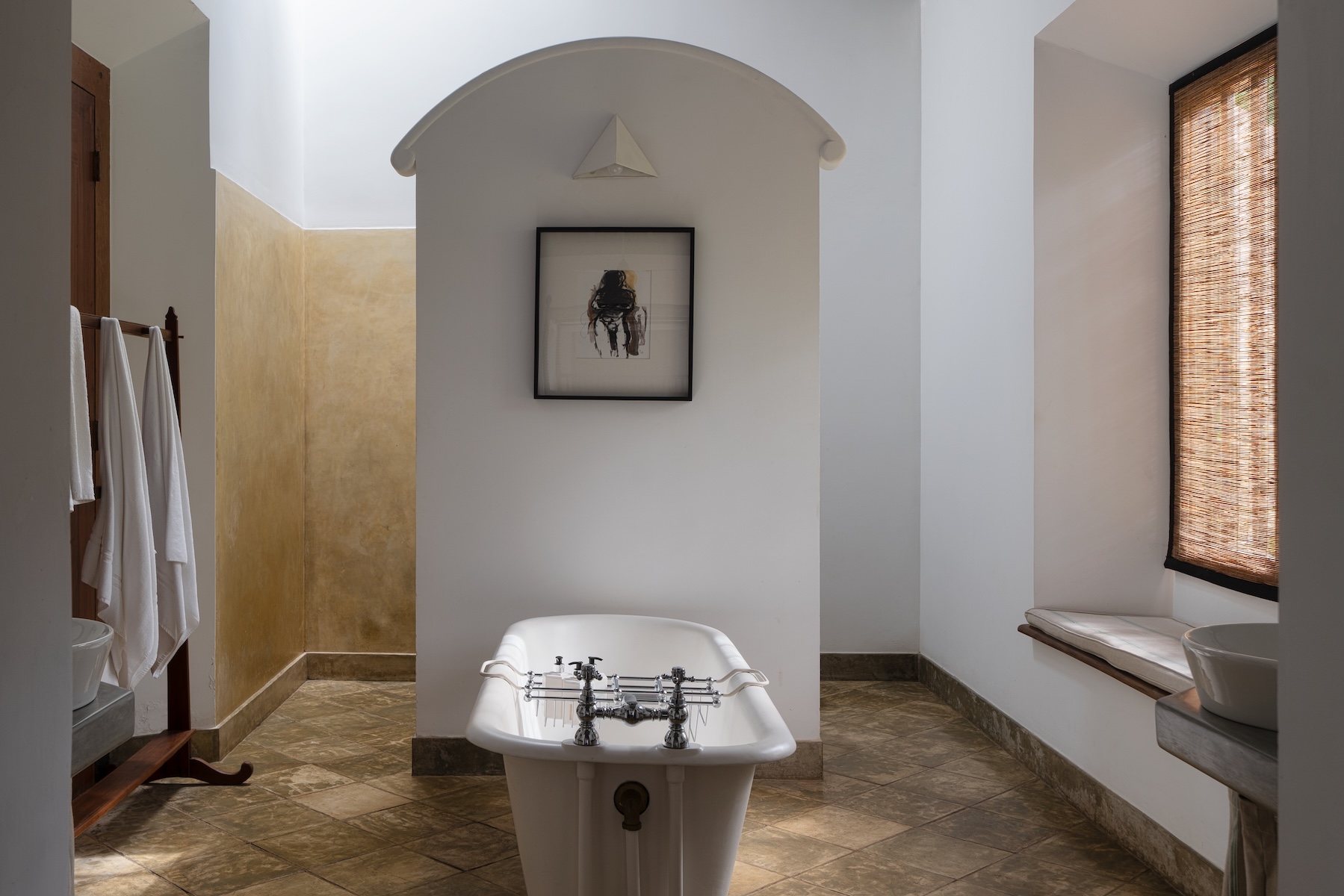
The entrance hall belongs to Hema Shironi. Her Mended Fences II, an eight-foot work in embroidery and thread, runs the full length of the wall and addresses, with quiet seriousness, the questions of history, religion and mythology that any thoughtful look at this part of the world must eventually meet. Chandraguptha Thenuwara's Glitch asserts itself elsewhere, set against a charcoal-painted wall in a living area, the kind of pairing that only works when someone has thought about it. Two figurative pieces by Jagath Weerasinghe, acrylic on paper, hang above a freestanding bath (a placement that delights rather more than it should). Laki Senanayake's sculptures hold their ground, solidly, in the communal room. And above a mid-century chaise longue, Abdul Halik Azeez's day dreamer you are 35 is picked out by a precisely placed spot, which is the sort of detail you only really notice when it has been done properly.
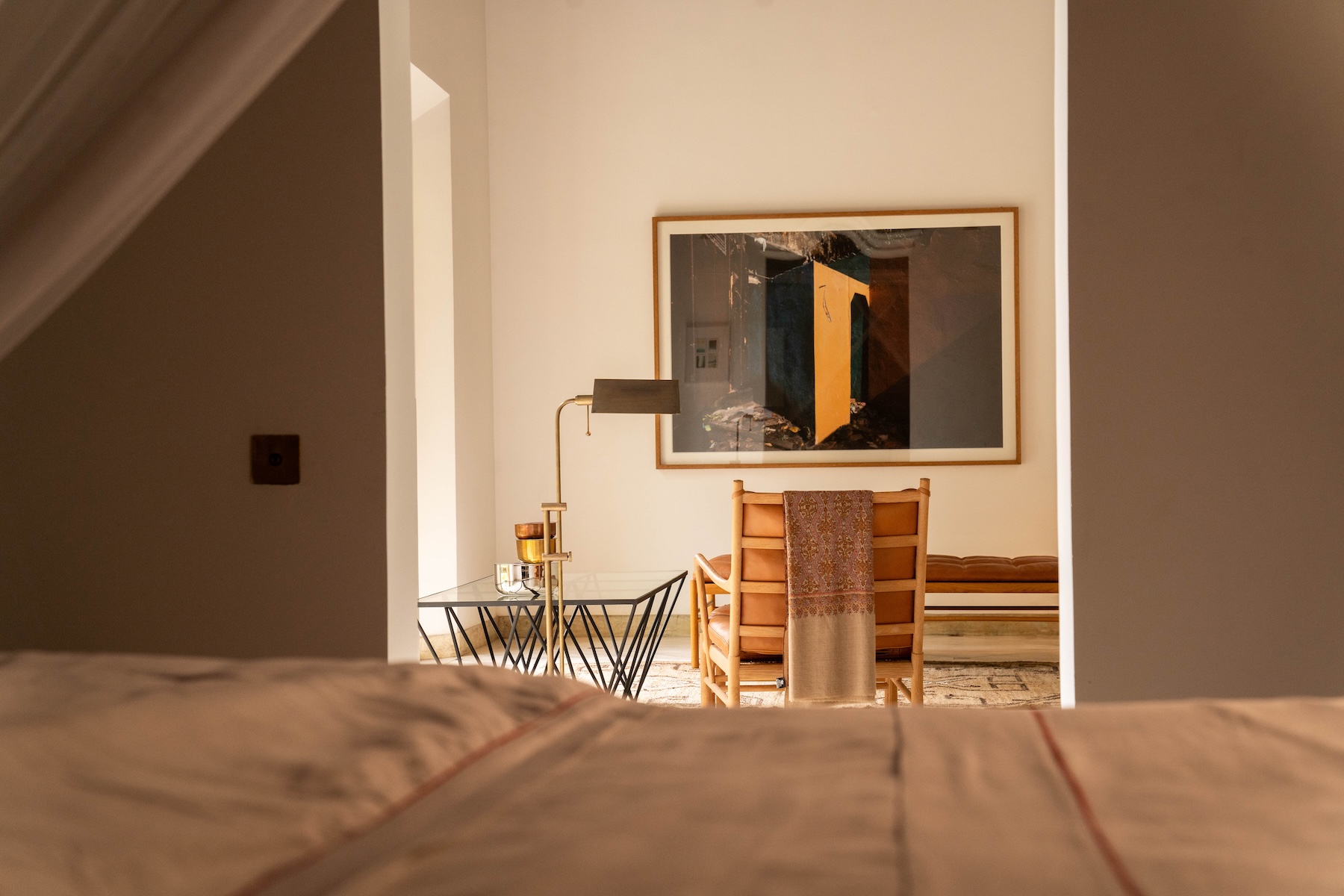
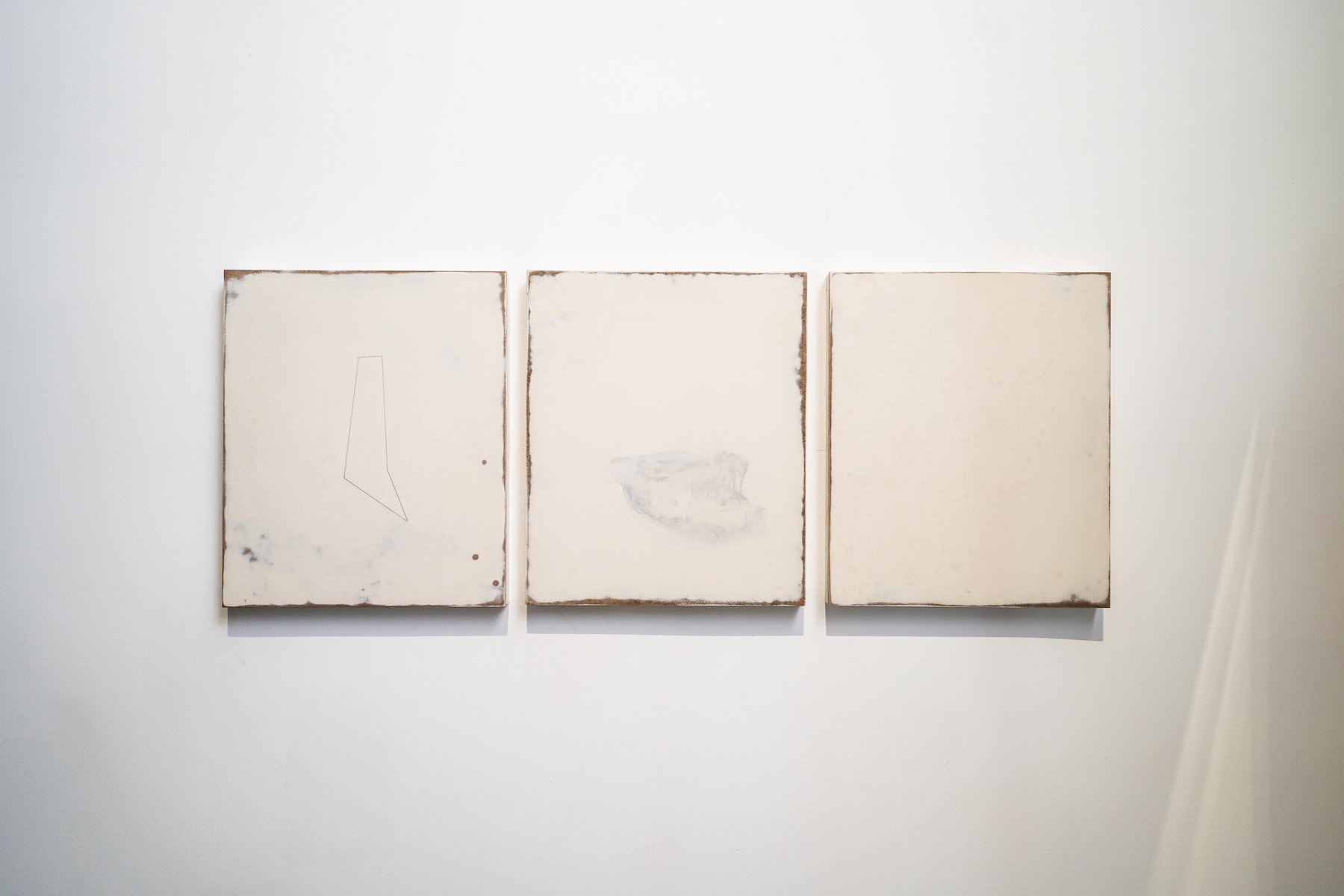
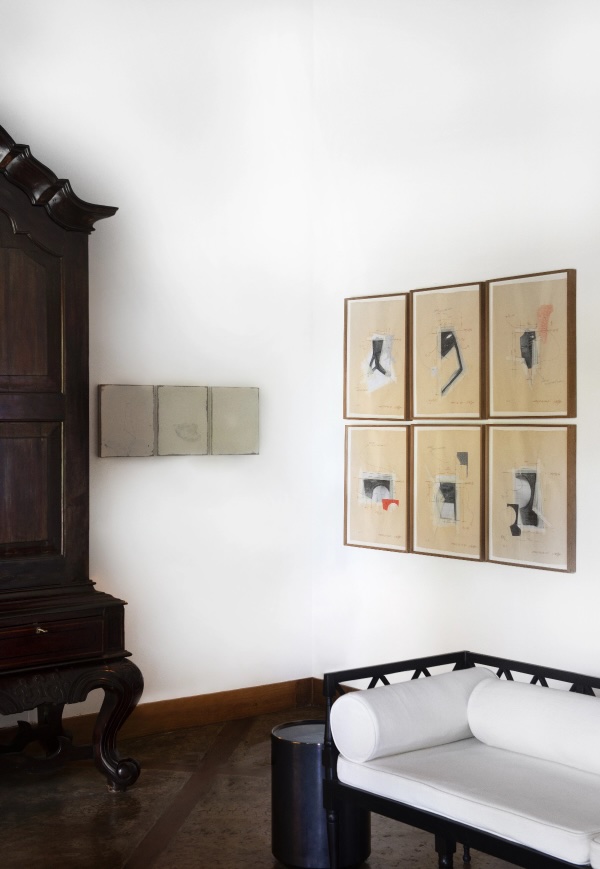
The international collection has been allowed its own breathing space. From Australia, Marissa Purcell and Michael Cusack, two voices about as different as Australian contemporary art currently has to offer, sit across a room from their Sri Lankan counterparts and, somehow, neither feels out of place. From Shanghai, Weng Jijun's minimalist work presides over a deep sofa and a coffee table heaving with monographs, while Jiang Penghi's Polaroid Film No 42 holds a corner with the kind of slow confidence that Polaroid film, of all things, very rarely manages.
Taken as a whole, it is a portrait of one man's eye: modern, minimalist, diverse, unafraid of colour where colour is warranted, and tuned to that quietly difficult question of what should hang next to what.
Acquisition is half of it. The other half, and the harder half, is curation: where, beside what, in what light, at what height. Harris is good at it. Every wall, corner, table and doorway at Doornberg has been considered, and the result is a villa that gently insists on being read like a gallery without ever quite announcing itself as one.
Guests are handed the keys to the room and the time to take it in. That, in the end, is the most generous thing a collector can do with a collection. It is also, very precisely, what Harris, the hotelier who hangs his own wall, has done at Doornberg.
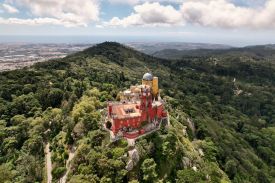
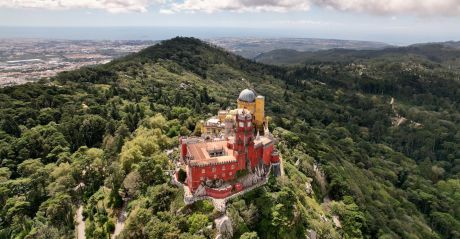
Travel to Portugal's fairytale den of Sintra, just outside Lisbon, for a world full of rolling hills and castles, once referred to by Byron as "glorious Eden".
read more
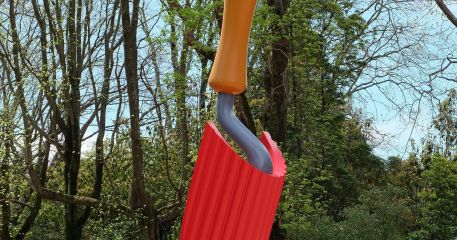
Porto for culture seekers - we explore the Serralves Foundation comprising of a dusty pink 1930-40s’s Art Deco villa designed by Porto architect José Marques da Silva, a landscape-specific contemporary museum designed by Álvaro Siza.
read more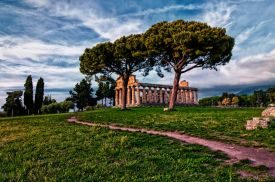
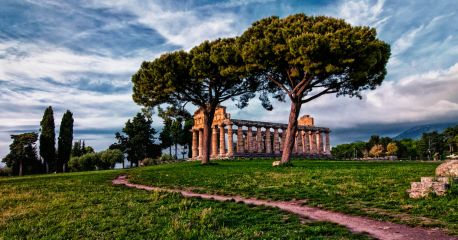
Paestum Temples in Southern Italy is one of those ancient antiquities that you have to visit – this UNESCO World Heritage Site in Cilento Campania is a treasure trove of ancient Greece including three of the world’s best-preserved temples.
read more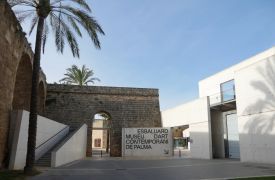
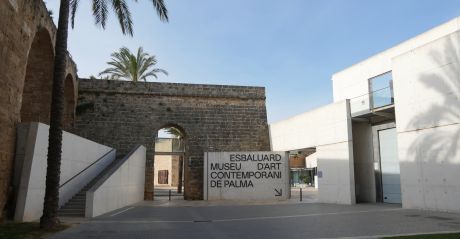
Es Baluard holds more than nine hundred works inside Palma's Renaissance walls, from Anglada-Camarasa to Miró and Barceló, with the bay laid out below.
read more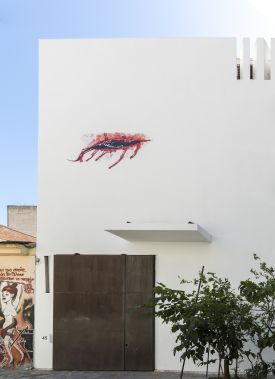
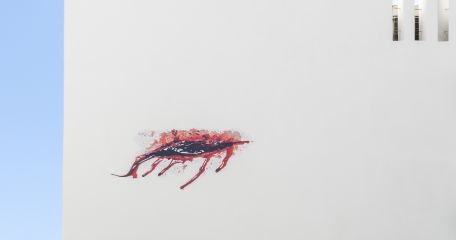
Radical, sometimes political and always on the pulse of Athens’ ever-evolving art scene, The Breeder Gallery is housed in an old ice cream factory, redesigned by architect Aris Zambicos.
A think tank for the bold, the curious, the creators of tomorrow. Where minds collide, conversations spark, and urban life gets redefined. If you shape the future, you belong here.
read more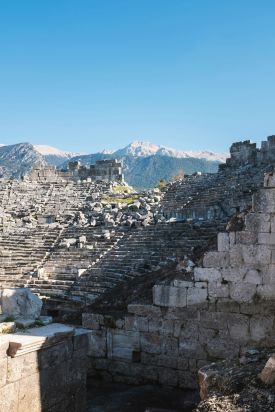
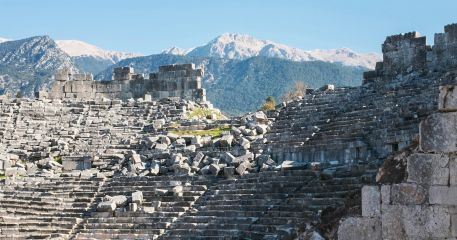
From the cliff-carved tombs of Tlos to the ghost village of Kayaköy, trace the soul of ancient Lycia along the Turkish Riviera’s sunlit coastline and mountain-framed archaeological wonders.
read more
Monocle's Quality of Life Conference returns to Lisbon this September, three days of ideas, design and city living at the Gulbenkian. Here's who and what to expect.
read more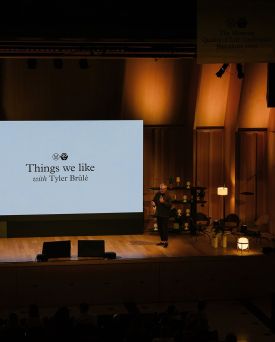
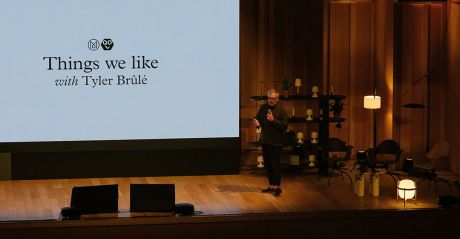
Meet the voices taking the stage at Monocle's Quality of Life Conference 2026 in Lisbon: mayors, architects, designers and makers shaping how we live in cities.
read more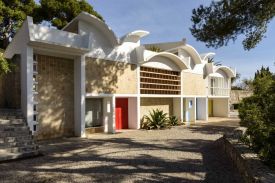
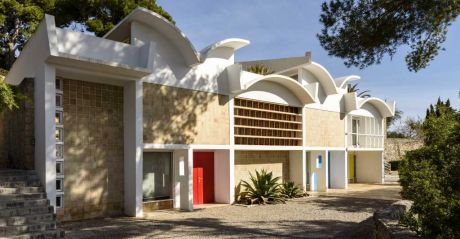
A modernist taller built by post from exile, a farmhouse covered in charcoal figures, and the Palma hillside where Joan Miró made a third of his work.
read more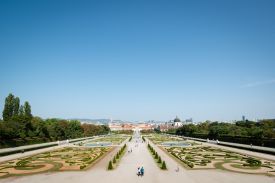
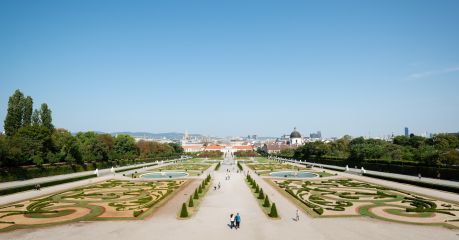
Founded in 1754 by Empress Maria Theresa, the oldest area, the medicinal garden, is replete with poisonous plants and the sultry tropical house is home to orchids, cacti and carnivorous plants.
read more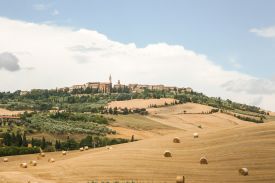
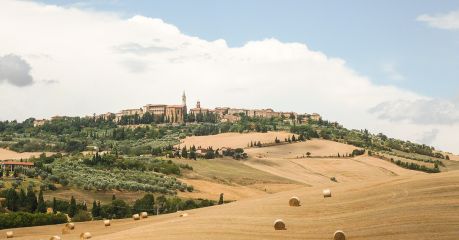
Pienza is a Renaissance experiment that never finished – and that’s what makes it perfect. Golden piazzas, sweeping Val d’Orcia views, and pecorino-fuelled indulgence – this is Tuscany’s dreamscape, frozen in time.
read more
Get the insider news and lowdown on what we've been up to, where we've been, and who we've met along the way. Be the first to discover new places and get the scoop on our favourites.